

Your alarm just went off, and you’re already behind. Cereal sounds sad, a drive-thru sounds expensive, and skipping breakfast sounds like a bad idea by 10:30 a.m. What if a full week of hot, protein-packed breakfasts already sat in your fridge?
Meal prep egg bites solve this problem. You bake one batch on Sunday, then grab, reheat, and walk out the door all week. This article covers how to make them, how to keep them fluffy instead of rubbery, and how to store them safely.

Why egg bites beat every other make ahead breakfast
Breakfast ideas come and go. Overnight oats get soggy, and burritos take forever to roll. Egg bites stay simple, and I think that’s why they win.
A single batch gives you a lot:
- One large egg has about 6 grams of protein, and cottage cheese or shredded cheese adds more.
- Eggs, cheese, and veggies leave almost no room for sugar or refined flour, so the bites run low carb by default.
- Each bite is one serving, so you never have to guess at portions.
- You can change the flavor every week and never get bored.
- They keep in the freezer for weeks, so you prep once and coast.
The Harvard T.H. Chan School of Public Health notes that eggs give you a good mix of protein, vitamins, and minerals. That’s a lot of nutrition for something you can bake in a muffin tin.
What you need before you start
You don’t need a fancy sous vide machine or a $200 gadget. Most people already own everything required. Ever wondered why the coffee shop version tastes so velvety? Gentle heat and a creamy base make the difference, and you can copy both at home.
Equipment checklist
- A standard 12-cup muffin tin (silicone works well and releases easily)
- A blender or immersion blender for a smooth, custardy texture
- Nonstick spray or silicone liners (skip them and you’ll scrub eggs off metal for 20 minutes)
- A large baking dish for a water bath, if you want the extra silky version
- Airtight containers or freezer bags for storage
FYI, I own exactly one muffin tin, and it has seen more eggs than a chicken coop. Don’t overthink the gear.
The base egg bite recipe (makes 12)
This ratio works every time. Once you learn it, you can swap fillings and never open a recipe again.
Ingredients
- 10 large eggs
- ¾ cup cottage cheese (small curd or whole milk works best)
- 1 cup shredded cheese (cheddar, Gruyère, or Monterey Jack)
- 1½ cups cooked fillings, finely chopped
- ½ teaspoon salt
- ¼ teaspoon black pepper
Instructions
- Heat your oven to 350°F (175°C). Grease the muffin tin generously or add silicone liners.
- Blend the eggs and cottage cheese with salt and pepper for 20 to 30 seconds, until smooth.
- Divide your fillings and shredded cheese evenly among the 12 cups.
- Pour the egg mixture over the fillings. Fill each cup about three-quarters full, because the bites puff up as they bake.
- Bake for 20 to 25 minutes. The centers should look set and spring back when you press lightly.
- Cool for 5 minutes, then run a knife around each edge and pop them out.
The whole process takes about 35 minutes, and you can spend most of it scrolling your phone while the oven works.

The secrets to fluffy, not rubbery, egg bites
My first batch came out like tiny, sad hockey pucks. I overbaked them, skipped the blender, and used zero cottage cheese. Learn from my mistakes.
Blend your eggs
Whisking by hand works, but blending changes the result. Blending whips air into the eggs and breaks down the cottage cheese, which gives you a smooth, custardy bite. IMO, this one step separates “meh” egg muffins from the real deal.
Add a creamy ingredient
Cottage cheese is my go-to because it adds protein and moisture at the same time. You can also use cream cheese, Greek yogurt, or a splash of heavy cream. Each one keeps the eggs tender instead of dry.
Try the water bath
Want the silkiest texture possible? Set your muffin tin inside a larger baking dish, then pour hot water into the dish until it reaches halfway up the tin. The steam cooks the eggs gently, so the bites stay soft and don’t brown on top. Bake for about 25 to 30 minutes.
Pull them out early
Eggs keep cooking after they leave the oven. Take the tin out when the centers look just set, with only a slight jiggle. Overbaking is the number one reason egg bites turn tough and weep water in the fridge.
Cook your fillings first
Raw veggies release water while they bake, and that water ruins the texture. Always sauté watery vegetables before you add them. Mushrooms, spinach, zucchini, and onions need this step most.
Pat everything dry with a paper towel, too. Cook raw meat like sausage or bacon all the way through and drain the grease. Soggy egg bites teach you this lesson the hard way.
8 flavor combos worth making
Ready to stop eating the same plain eggs? These combinations use the base recipe above, so you only swap the fillings and cheese.
- Spinach, feta, and sun-dried tomato: Mediterranean flavor with almost no effort.
- Bacon, cheddar, and chives: The crowd pleaser. Nobody complains about this one.
- Sausage, peppers, and pepper jack: A little kick for sleepy mornings.
- Mushroom, Gruyère, and thyme: Fancy enough to feel like brunch.
- Broccoli and sharp cheddar: A comfort food classic that sneaks in some vegetables.
- Ham, Swiss, and Dijon: Think of a croissant sandwich without the croissant.
- Roasted red pepper, goat cheese, and basil: Bright and tangy, and fancier than it sounds.
- Southwest black bean, corn, and salsa: Top it with a dollop of Greek yogurt.

Make two flavors in one batch
Can’t decide? Split the tin. Fill six cups with one combo and six with another, then pour the same egg base over both. You get variety without doubling your work.
How to store egg bites the safe way
Storage matters more than most people think. Cooked egg dishes need proper cooling and refrigeration to stay safe. The USDA Food Safety and Inspection Service advises you to refrigerate leftovers within two hours and eat them within three to four days.
Fridge storage
- Let the bites cool for about 15 minutes at room temperature.
- Place them in an airtight container, with a paper towel on the bottom to absorb extra moisture.
- Eat them within 3 to 4 days.
If you prep on Sunday, plan to eat your last bite by Thursday. After that, switch to the freezer plan.
Freezer storage
- Cool the bites completely.
- Freeze them in a single layer on a lined baking sheet for about an hour, so they don’t fuse into one giant egg brick.
- Transfer them to a freezer bag, squeeze out the air, and write the date on it.
- Use them within 2 to 3 months for the best texture and flavor.
The freezer turns this into a true “set it and forget it” system. I bake a double batch every other weekend, and my freezer looks like a tiny breakfast shop.
How to reheat egg bites without ruining them
A bad reheat turns a great egg bite into a bouncy ball. Use gentle heat and short bursts.
- Microwave from the fridge: Heat for 30 to 45 seconds. Cover the bite with a damp paper towel to lock in moisture.
- Microwave from frozen: Heat for 60 to 90 seconds at 50% power, and flip the bite halfway.
- Oven or toaster oven: Heat at 325°F (160°C) for 10 to 15 minutes. This method keeps the outside a little crisp.
- Air fryer: Heat at 300°F (150°C) for 5 to 8 minutes from the fridge.
Whatever method you choose, heat the bites until they reach 165°F (74°C), the safe temperature the USDA recommends for reheated leftovers. A cheap food thermometer takes the guesswork out.
Watch it done: a quick video walkthrough
Sometimes you need to see the technique. This tutorial walks through blending and pouring, then baking.
The nutrition breakdown
Exact numbers shift with your fillings, but the base recipe lands in a friendly range. Each bite typically has roughly 100 to 120 calories and 8 to 9 grams of protein, with only 1 to 2 grams of carbs. If you want precise numbers for your own ingredients, look them up in the USDA FoodData Central database.
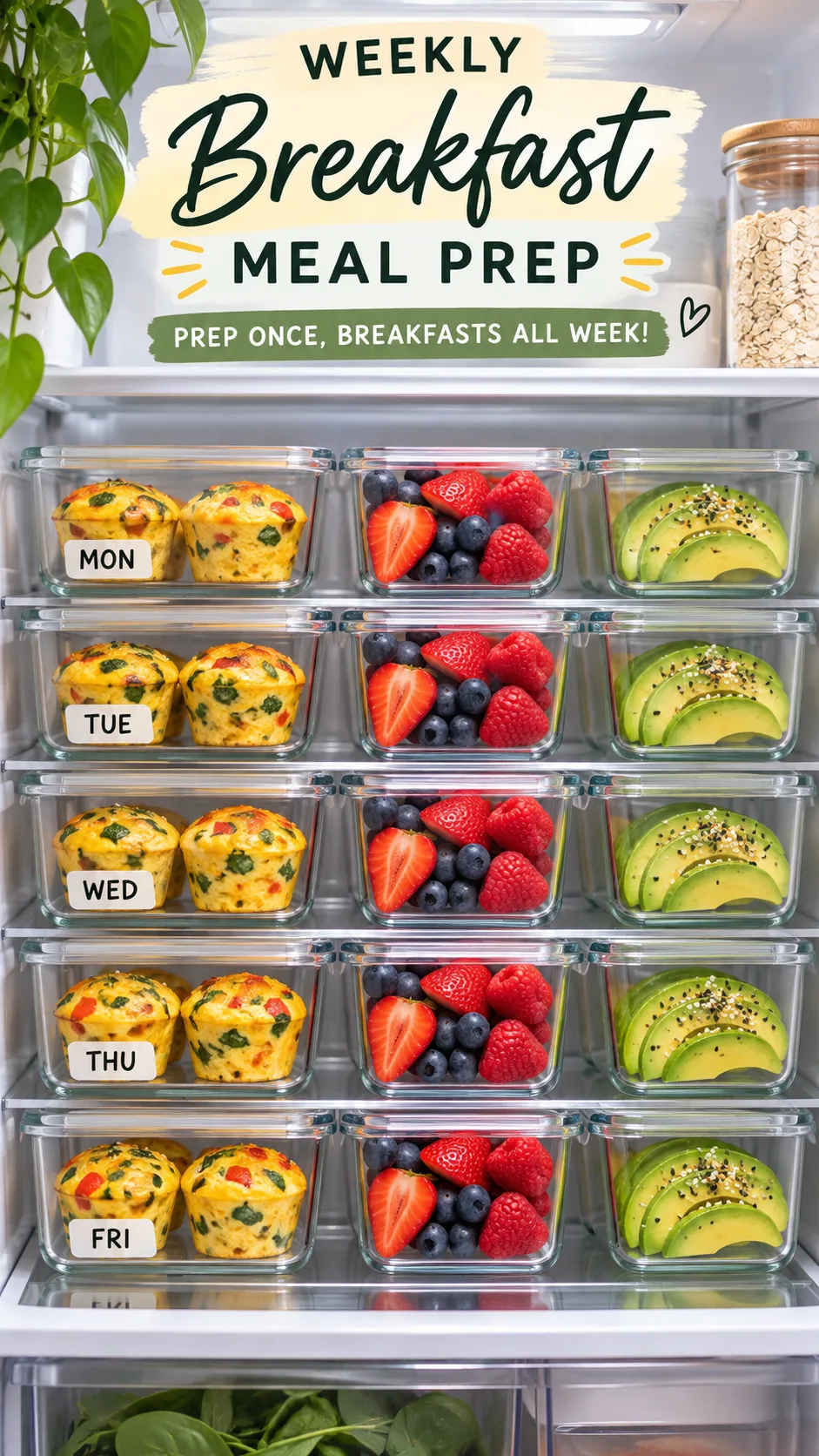
Two or three bites make a filling breakfast that lasts until lunch. Pair them with fruit, whole grain toast, or sliced avocado if you want more energy from carbs and healthy fats.
Tweaks for your goals
- For fewer calories, swap some whole eggs for egg whites and use part-skim cheese.
- For more protein, add diced chicken sausage, extra cottage cheese, or a scoop of unflavored protein powder.
- For less dairy, skip the cottage cheese and use a splash of unsweetened almond milk instead.
Build egg bites into a bigger meal prep routine
Egg bites work best as one piece of your weekly plan, not the whole thing. If you want more grab and go options, check out our guide to breakfast meal prep for the week. It pairs well with egg bites when you want a few mornings without eggs.
Chasing macros? Our high protein low carb meal prep ideas show you how to build lunches and dinners around the same principles. And if you follow a ketogenic diet, egg bites fit right in with this easy keto meal prep plan.
Common egg bite mistakes (and quick fixes)
Even experienced cooks slip up here. Check this list before you blame the recipe.
- Watery bottoms: You added raw veggies. Sauté and dry them first.
- Rubbery texture: You overbaked them or skipped the creamy ingredient. Pull them out earlier next time.
- Stuck to the pan: You didn’t grease enough. Use silicone or spray every cup generously.
- Sunken centers: Your oven ran too hot. Lower the temperature by 25°F and check it with an oven thermometer.
- Bland flavor: You didn’t salt enough. Eggs need more seasoning than you expect, so add a pinch of garlic powder or hot sauce.
Frequently asked questions
Can I make egg bites without cottage cheese?
Yes. Cream cheese, Greek yogurt, sour cream, or heavy cream all work. Each one adds the moisture and fat that keep eggs tender. Use about the same amount as the cottage cheese in the recipe.
Why did my egg bites shrink and deflate?
Egg bites puff in the oven and settle as they cool. That’s normal. Heavy deflation usually means your oven runs too hot, so test it with an inexpensive oven thermometer.
Can I use a mini muffin tin?
Yes. Mini bites bake in about 12 to 15 minutes, and they work well for kids or party platters. Parents who want more toddler friendly ideas can browse our toddler meal prep guide.
Do egg bites taste good cold?
Some people love them cold, straight from the fridge. I don’t, but I also eat pizza for breakfast, so take my opinion with a grain of salt. Reheating gives you a better texture in most cases.
Conclusion: make tomorrow morning easy
Meal prep egg bites turn chaotic mornings into a 60-second routine. Blend your eggs, add a creamy ingredient, cook your fillings first, and pull the tin out before the bites overbake. Store them in the fridge for 3 to 4 days or freeze them for up to 3 months, and reheat them to 165°F.
You spend 35 minutes on the weekend, and you get a week of hot, high protein breakfasts. That’s a pretty good return on a muffin tin. So grab a dozen eggs, pick a flavor combo, and bake a batch this weekend. Monday morning will go a lot smoother.