

Fad diets love to torture people. One month you cannot touch a carbohydrate, and the next month an online guru tells you to blend butter into your morning coffee. I quit that exhausting circus years ago after cabbage soup pushed me to sheer despair.
Instead, look to the coastlines of Greece, Southern Italy, and Spain. People there live remarkably long lives without counting a single gram of protein or fat. They rely on a simple visual guide: the Mediterranean Diet Pyramid.
This eating pattern consistently tops clinical research year after year. Instead of banning food groups or demanding rare ingredients, it organizes whole foods by how often your body needs them.
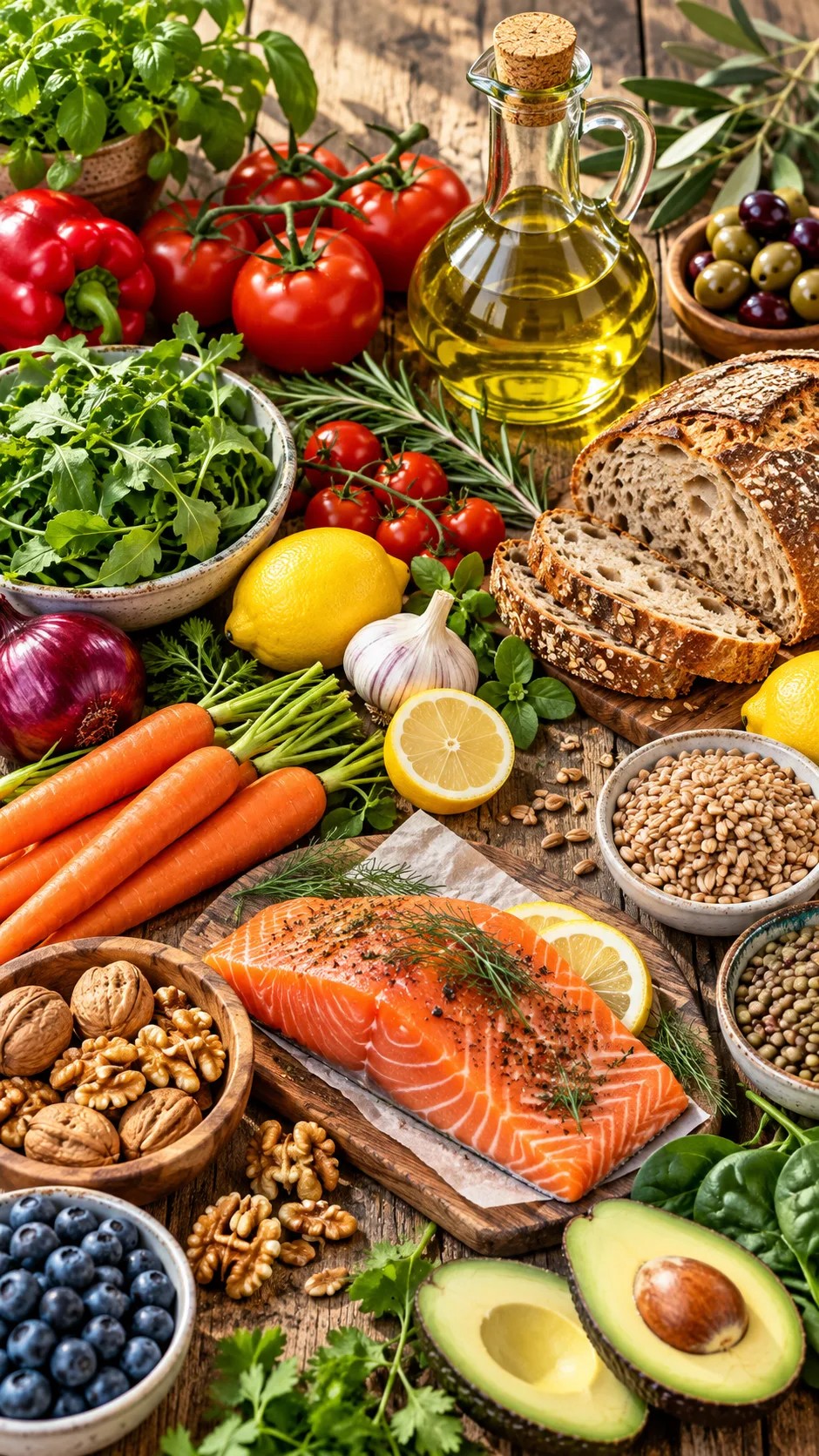
Below, we break down the classic pyramid tier by tier. You will see what to plate daily, what to cook weekly, and what to save for occasional treats. If you want a quick start first, check out our guide on the Mediterranean Diet for Beginners: The Simple Rules That Actually Make It Stick.
What is the Mediterranean diet pyramid anyway?
Back in 1993, the Oldways Preservation Trust partnered with the Harvard School of Public Health and the World Health Organization. Together, they introduced the Mediterranean Diet Pyramid as a healthier alternative to the USDA’s carb-heavy food pyramid.
They based this model on the historic dietary patterns of Crete, Greece, and Southern Italy in the early 1960s. During that era, adult life expectancy in those regions ranked among the highest in the world, while chronic heart disease rates remained astonishingly low.
The pyramid works on simple geometry. The wide base holds the habits and foods you eat most often. As the shape narrows toward the peak, the portions and frequencies shrink.
Instead of forcing you to restrict calories, this pattern focuses on abundance and proportion. You crowd your plate with nutrient-dense plants first, which leaves less room for junk.
The true foundation: movement, connection, and wine
Look at the bottom level of the pyramid, and you find zero food. The bedrock of this lifestyle involves daily habits rather than calories.
The base focuses on daily physical activity, shared meals with friends, and solid rest. Coastal Europeans rarely run themselves ragged with punishing gym sessions. Instead, they walk to markets, climb village hills, tend gardens, and move naturally throughout the day.
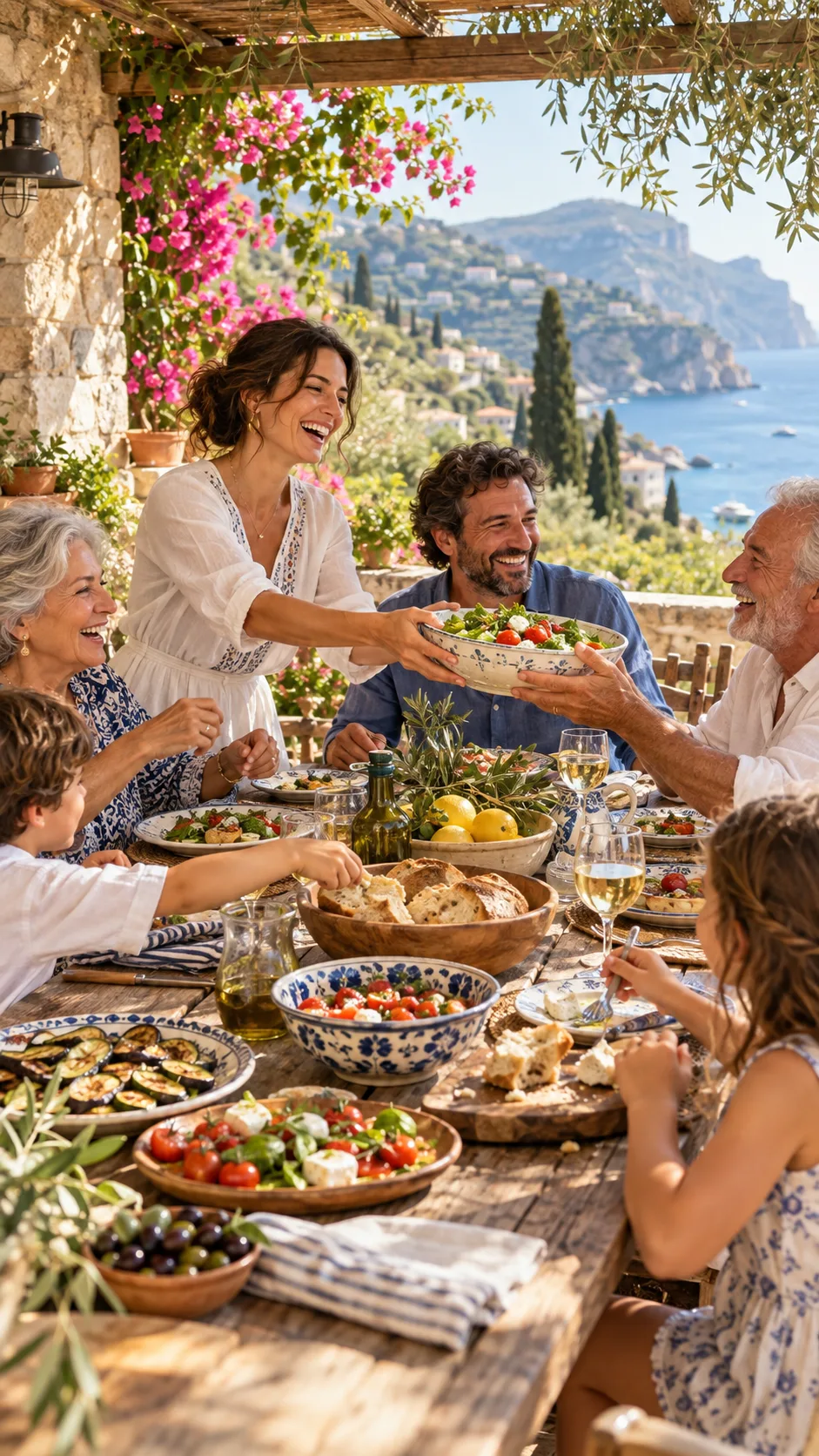
They also eat together. When you sit down with family, linger over conversation, and put away your phone, your nervous system shifts into a relaxed state. This rest-and-digest mode improves digestion and curbs stress-induced overeating.
Fresh water anchors your daily hydration. Wine also appears here, though with clear limits: drink it in low-to-moderate amounts (one glass daily for women, one to two for men), choose red, and drink it with meals. If you do not drink alcohol, skip it entirely.
Tier 1: what to eat every single day
This wide tier supplies your everyday fuel. Build the bulk of every plate around these staples.
1. Vegetables (the more colors, the better)
Vegetables take center stage at lunch and dinner. Aim for at least two to three cups of vegetables per meal, mixing different colors across the week.
- Dark Leafy Greens: Spinach, kale, Swiss chard, arugula, and wild dandelions pack folate, lutein, and magnesium.
- Cruciferous Veggies: Broccoli, cauliflower, and Brussels sprouts supply potent glucosinolates that fight systemic inflammation.
- Nightshades and Aromatics: Ripe tomatoes, eggplants, bell peppers, garlic, and onions provide rich stores of lycopene, quercetin, and prebiotic fiber.
Never boil them into bland mush. Roast them with herbs, sauté them in a skillet, or toss them raw into crisp salads.
2. Fresh fruit for daily dessert
Mediterranean locals do not finish meals with frosted bakery treats. They peel an orange, slice a ripe peach, or nibble on fresh figs.
Eat one to three servings of whole fruit every day. Blueberries, blackberries, pomegranates, and citrus fruits deliver generous doses of vitamin C and anthocyanins. Because whole fruits contain intact cellular fiber, they digest slowly without spiking your blood sugar.
3. Whole grains in their intact form
Say goodbye to white sandwich bread and ultra-refined pasta. The Mediterranean diet welcomes carbohydrates, but only the unstripped, fiber-rich kind.
Harvard nutrition research demonstrates that whole grains cut the risk of cardiovascular disease and type 2 diabetes significantly. Choose grains that still resemble whole seeds:
- Farro and Spelt: Ancient wheat varieties that deliver protein, zinc, and a nutty, chewy texture.
- Bulgur and Barley: Solid sources of beta-glucan, a soluble fiber that pulls excess cholesterol from your bloodstream.
- Traditional Sourdough: Bakers ferment this bread with whole flours. Slow fermentation breaks down phytic acid, making the nutrients easier to absorb.
- Quinoa, Brown Rice, and Oats: Dependable, gluten-free pantry options full of slow-burning starch.
4. Legumes, beans, and lentils
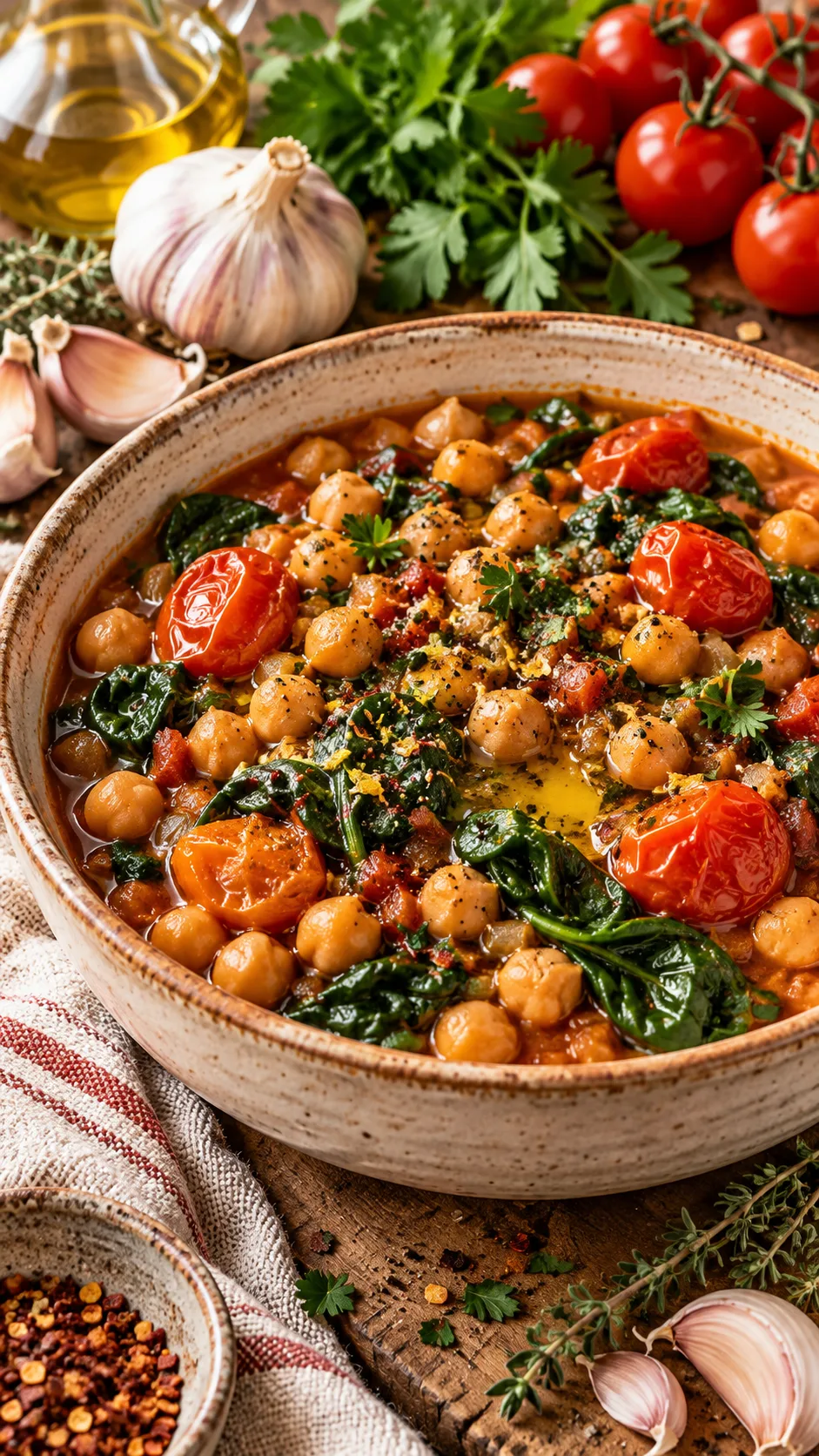
Beans handle the heavy lifting in Mediterranean longevity. Chickpeas, black lentils, white cannellini beans, and fava beans deliver both plant protein and resistant starch.
Resistant starch bypasses early digestion to feed beneficial gut bacteria. Your microbiome converts this starch into short-chain fatty acids like butyrate, which protect the gut wall and reduce systemic inflammation.
5. Nuts and seeds
Eat a small handful (about one ounce) of raw or dry-roasted nuts each day. Walnuts stand out because they supply high levels of plant omega-3 fatty acids (alpha-linolenic acid).
Almonds, pistachios, hazelnuts, chia seeds, and pumpkin seeds also provide vitamin E, selenium, and plant sterols. Watch your portions here. Nuts carry dense nutrition, and calories add up fast if you eat straight from a large bag.
6. Extra virgin olive oil
Extra virgin olive oil is the primary cooking fat in every traditional coastal kitchen.
Avoid standard “pure” or “light” olive oils. Processors chemically refine those bottles, destroying the flavor and antioxidants. True Extra Virgin Olive Oil comes from the first cold mechanical press of ripe olives.
Good olive oil contains oleic acid and unique polyphenols like oleocanthal. Oleocanthal acts like a mild, natural anti-inflammatory agent. Drizzle the oil over hot soups, whisk it into dressings, or use it for stovetop cooking over medium heat.
7. Fresh herbs and fragrant spices
Mediterranean cooks make plain vegetables taste incredible without dumping spoonfuls of salt on top. They rely on fresh aromatics and herbs.
Keep your kitchen stocked with basil, oregano, rosemary, thyme, sage, flat-leaf parsley, mint, and garlic. These herbs supply antioxidants while adding bold flavor, turning a humble pot of lentils into a memorable meal.
Tier 2: what to eat weekly
Higher up the pyramid, you find animal proteins and dairy. You do not need them at every meal. Rotate them across your week to get nutrients like vitamin B12, iron, and preformed omega-3 fats.
Fish and shellfish for brain health
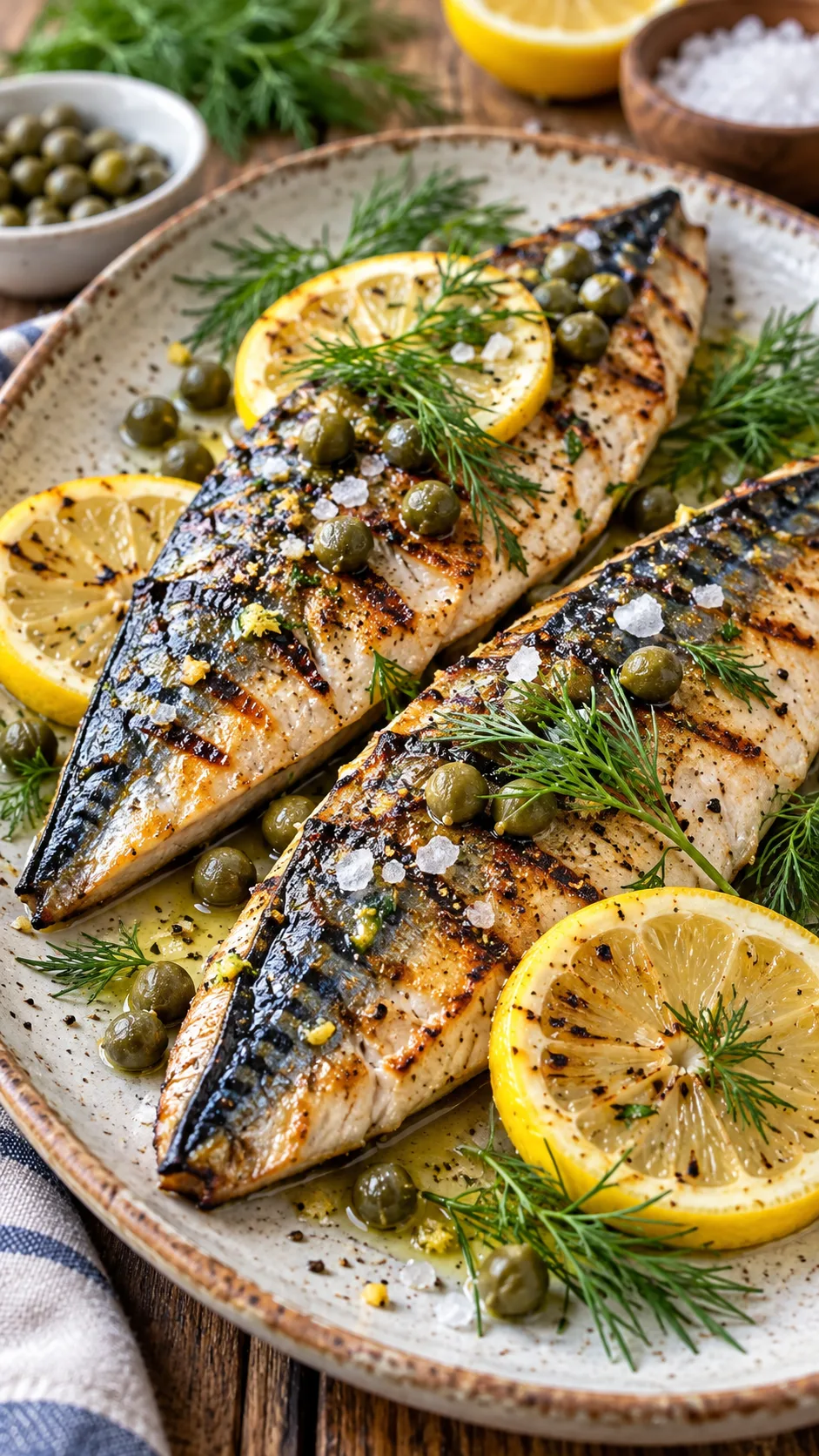
Eat at least two to three servings of seafood every week, focusing on small, oily cold-water fish. Many dietitians use the acronym SMASH to remember the best options:
- Salmon (wild-caught when you can find it)
- Mackerel
- Anchovies
- Sardines
- Herring
These fish contain abundant EPA and DHA omega-3 fatty acids. These fats protect brain cell membranes, lower triglycerides, and reduce blood vessel inflammation. Mussels, clams, shrimp, and squid also offer clean protein, zinc, and vitamin B12.
The well-known PREDIMED clinical trial in Spain showed that a Mediterranean diet rich in extra virgin olive oil, nuts, and seafood cuts the risk of major cardiovascular events. That trial overturned decades of outdated low-fat diet advice.
Poultry and eggs for reliable protein
Eat poultry (such as chicken breast, turkey, or quail) two to four times per week. Grill it, roast it with lemon and garlic, or shred it into vegetable bowls.
You can also eat two to four whole eggs each week. Eggs provide choline, a nutrient that supports brain and liver function. Pick pasture-raised eggs when possible, since their yolks contain higher amounts of carotenoids and omega-3s than eggs from caged hens.
Fermented dairy for gut health
You will rarely see large glasses of whole cow milk on traditional Mediterranean tables. Locals prefer fermented dairy instead:
- Authentic Greek Yogurt: Strained yogurt with double the protein of regular yogurt, packed with live cultures.
- Kefir: A tangy fermented milk drink with dozens of probiotic strains.
- Aged Cheeses: Real Greek feta (from sheep or goat milk), Parmigiano-Reggiano, and Pecorino Romano.
Fermentation breaks down milk sugars, making these dairy products easier on your stomach. Use cheese as a seasoning rather than a main course. A small crumble of sharp feta goes a long way.
Tier 3: what to eat rarely (the peak of the pyramid)
At the tiny top of the pyramid sit foods you eat only occasionally. This tier does not ban anything outright. The Mediterranean pattern avoids rigid food rules. Think of these items as infrequent treats rather than staples.
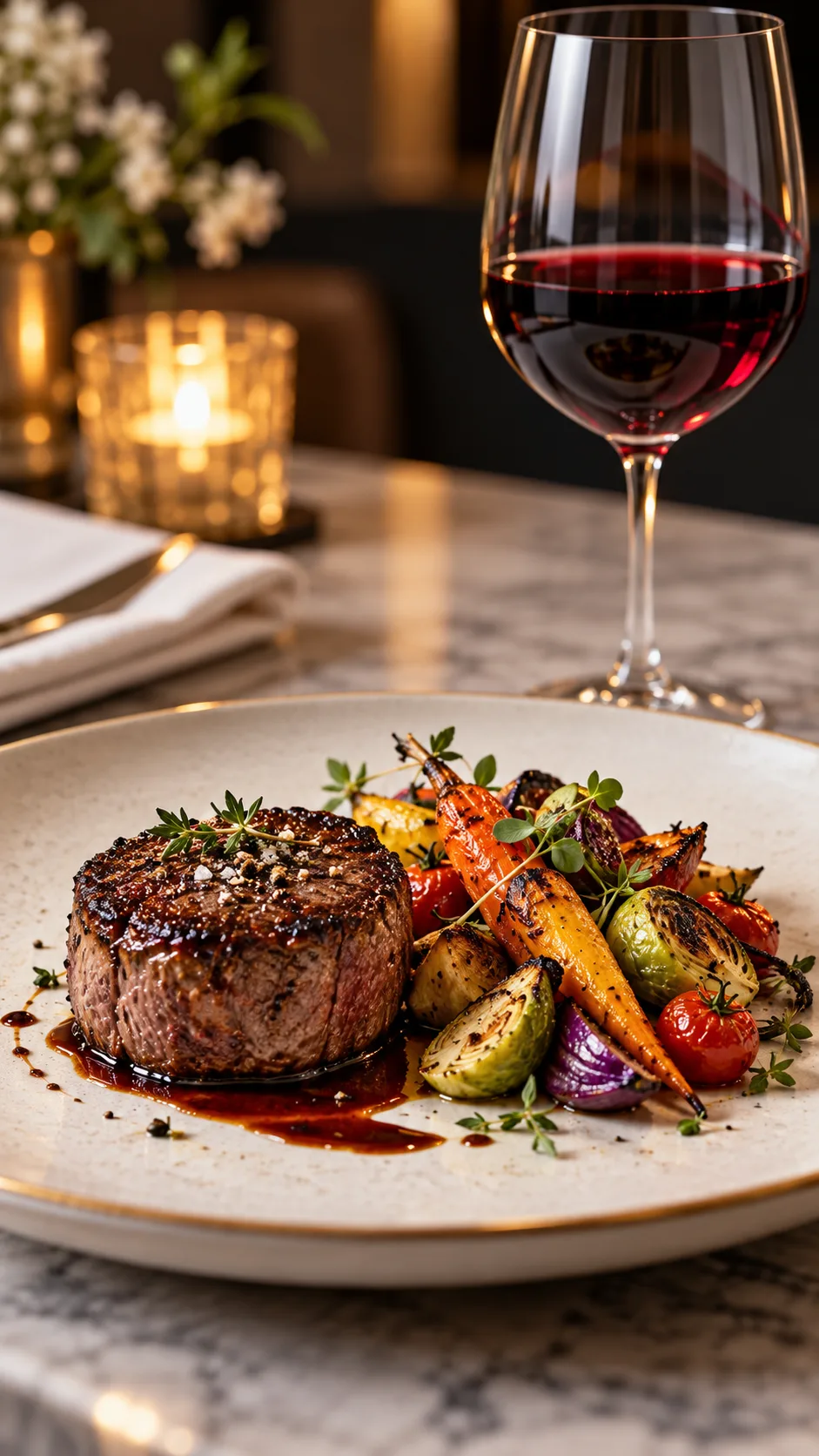
Red meat and cured meats
Limit red meat (beef, lamb, and pork) to a few times a month, keeping portions around three or four ounces. Red meat carries saturated fats and heme iron that can trigger oxidative stress in excess.
Treat cured meats (like salami, bacon, prosciutto, and sausages) with even more caution. These foods pack heavy doses of sodium and nitrates. Save good prosciutto for an evening plate with friends rather than your daily sandwich.
Refined sugars and commercial sweets
Pastries, packaged cookies, soda, and candy spike blood sugar, overload the liver, and disrupt healthy gut bacteria. Save these desserts for birthdays and holiday celebrations.
When you want something sweet on a weeknight, eat a bowl of fresh berries with a spoonful of raw honey, or enjoy two squares of dark chocolate with at least 80% cocoa. Dark chocolate contains cocoa flavanols that support blood flow.
Ultra-processed convenience foods
If food comes in crinkly packaging with an ingredient list full of chemical additives, leave it behind. Traditional Mediterranean kitchens never used emulsifiers, hydrogenated oils, high fructose corn syrup, or synthetic flavorings.
Real food spoils eventually. That perishability is a benefit, not a flaw. When you eat unrefined ingredients, your body naturally balances its own hunger cues.
The pyramid at a glance: your quick guide
Print this mental reference or pin it on your refrigerator door to simplify your grocery shopping:
| Pyramid Tier | Food Categories | Recommended Frequency |
|---|---|---|
| Base / Lifestyle | Brisk walking, leisure sports, shared social meals, adequate sleep, mindful hydration | Continuous daily focus |
| Tier 1 (Core Plate) | Vegetables, fruits, whole grains, beans, nuts, seeds, extra virgin olive oil, herbs & spices | Every single meal / Daily |
| Tier 2 (Moderate) | Fatty fish, shellfish, poultry, eggs, plain yogurt, kefir, traditional cheeses | 2 to 4 times weekly |
| Tier 3 (Peak) | Steak, pork, lamb, cured cold cuts, sweetened desserts, soda, ultra-processed snacks | A few times per month (Rarely) |
A full day on the Mediterranean plate
How do you translate this pyramid to a normal workday? Here is a simple meal plan that keeps you full and energized.
Breakfast: Greek yogurt breakfast bowl
Skip boxed cereal. Spoon one cup of unsweetened Greek yogurt into a bowl. Add a half cup of fresh blueberries, a spoonful of crushed walnuts, a teaspoon of chia seeds, and a light drizzle of honey.
This breakfast provides about 20 grams of protein, healthy fats, and fiber to power your morning without an energy crash.
Lunch: Tuscan white bean and farro salad
Toss cooked farro with rinsed cannellini beans, diced cucumbers, cherry tomatoes, minced red onion, and fresh parsley. Dress the bowl with two tablespoons of extra virgin olive oil, lemon juice, salt, and black pepper.
Add a crumble of tangy feta cheese on top. The fiber in this grain and legume bowl keeps you full through the afternoon.
Afternoon snack: crisp veggies or nuts
If you want something crunchy around mid-afternoon, eat a handful of raw almonds with a crisp green apple. If you prefer something savory, dip sliced cucumber and sweet bell peppers into two tablespoons of garlic hummus.
Dinner: pan-seared salmon with roasted vegetables
Sear a wild salmon fillet in a skillet with olive oil, garlic, and fresh dill. On a baking sheet, roast zucchini slices, bell peppers, and eggplant cubes until tender.
Serve the meal with a slice of crusty whole-grain sourdough bread. If you drink wine, pour a small glass of dry red wine and eat at a relaxed pace.
3 common mistakes that derail beginners
Even with good intentions, beginners often run into a few common obstacles when adopting this eating pattern:
Mistake 1: buying cheap, refined olive oil
Cheap supermarket oils sit under bright lights for months, turning stale before you open them. Some low-grade brands even blend olive oil with refined canola oil.
Look for a specific harvest date on the bottle and choose dark glass containers. Buy genuine extra virgin olive oil from a trusted producer. Good olive oil tastes slightly pungent and peppery at the back of your throat. That pepperiness comes from healthy polyphenols.
Mistake 2: eating too many refined carbs
Some people hear Mediterranean and order giant bowls of white pasta smothered in heavy sauce. That style reflects restaurant comfort food, not traditional Mediterranean kitchens.
Vegetables, beans, and healthy fats form the true foundation. Whole grains support the meal, but they should never push vegetables off your plate.
If you need simple guidelines to stay on track, check our guide on the Mediterranean Diet for Beginners: The Simple Rules That Actually Make It Stick.
Mistake 3: pouring oils without measuring
Extra virgin olive oil and nuts give you healthy fats, but they remain calorie-dense foods. One tablespoon of olive oil contains roughly 120 calories. Pouring oil straight from an open jug can accidentally add hundreds of extra calories to your salad.
Use a measuring spoon or a slow pour spout until you get a feel for portion sizes. Enjoy your fats without overdoing the total volume.
Build your plate and protect your health
The Mediterranean Diet Pyramid works because it avoids extreme rules. It never asks you to count every calorie or skip dinners out with friends. It offers a practical framework built on real, flavorful food.
Start with small changes today. You do not need to overhaul your entire kitchen by tomorrow. Cook dinner with olive oil instead of butter. Add extra spinach or tomatoes to your skillet. Swap an afternoon pastry for an apple and a handful of walnuts.
Fill the foundation of your plate with plants, walk daily, and enjoy meals with family. Your heart and your body will thank you for years to come.