

You want fast results, but you do not want to spend two weeks picking at limp lettuce or pretending rice cakes taste good. South Beach Diet Phase 1 offers a short, tightly structured reset: 14 days without sugar and refined carbs.
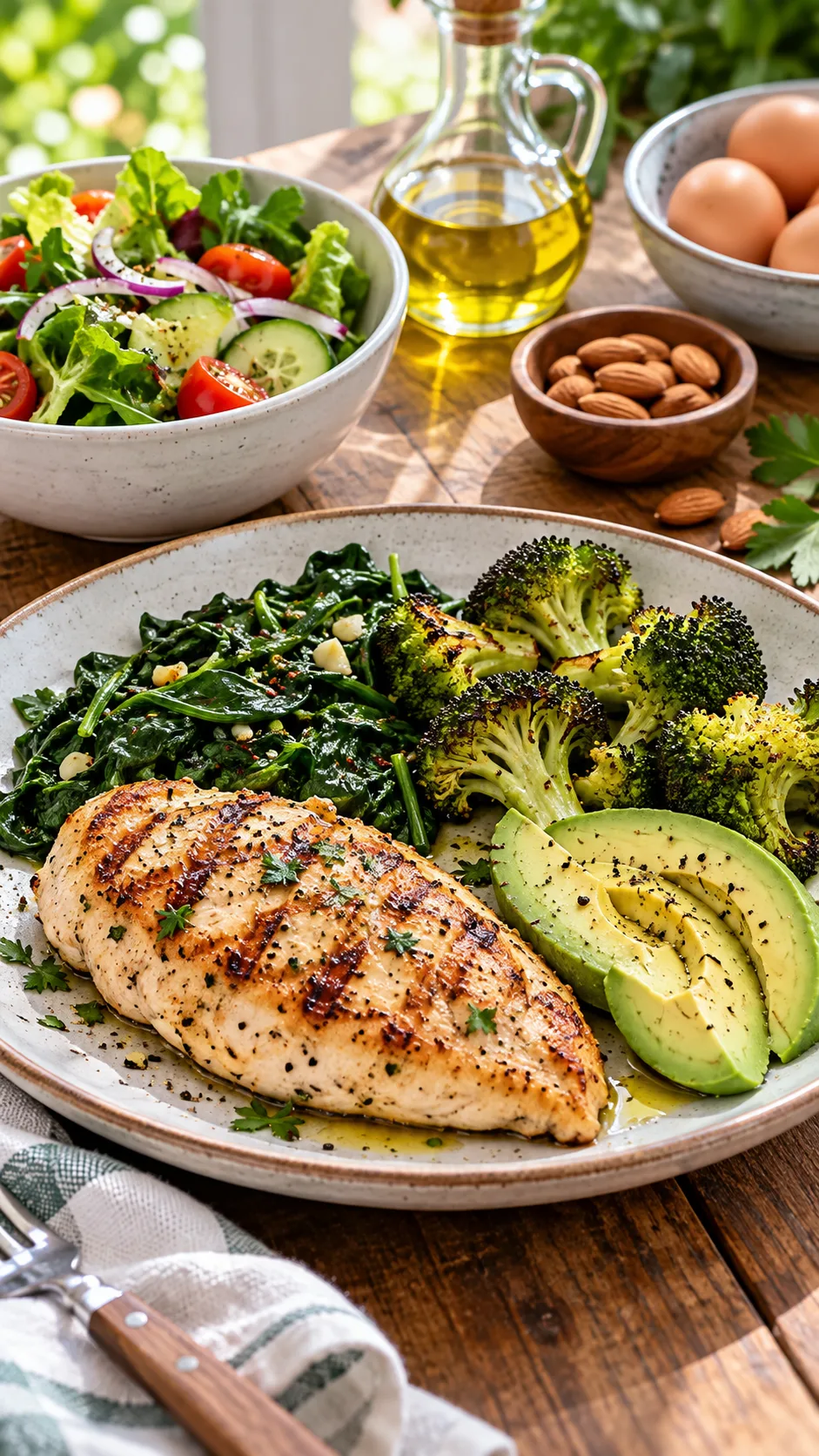
The rules feel strict because they are. You still get real meals, though: eggs, fish, chicken, vegetables, beans, nuts, and unsaturated fats. That combination explains why many people see the scale shift during the first two weeks.
Phase 1 targets the blood sugar swings that leave you hungry again 45 minutes after breakfast. You swap fast-digesting carbs for protein, fiber, and fats that keep you satisfied longer. Thankfully, no magic powder enters the picture.
What is South Beach Diet Phase 1?
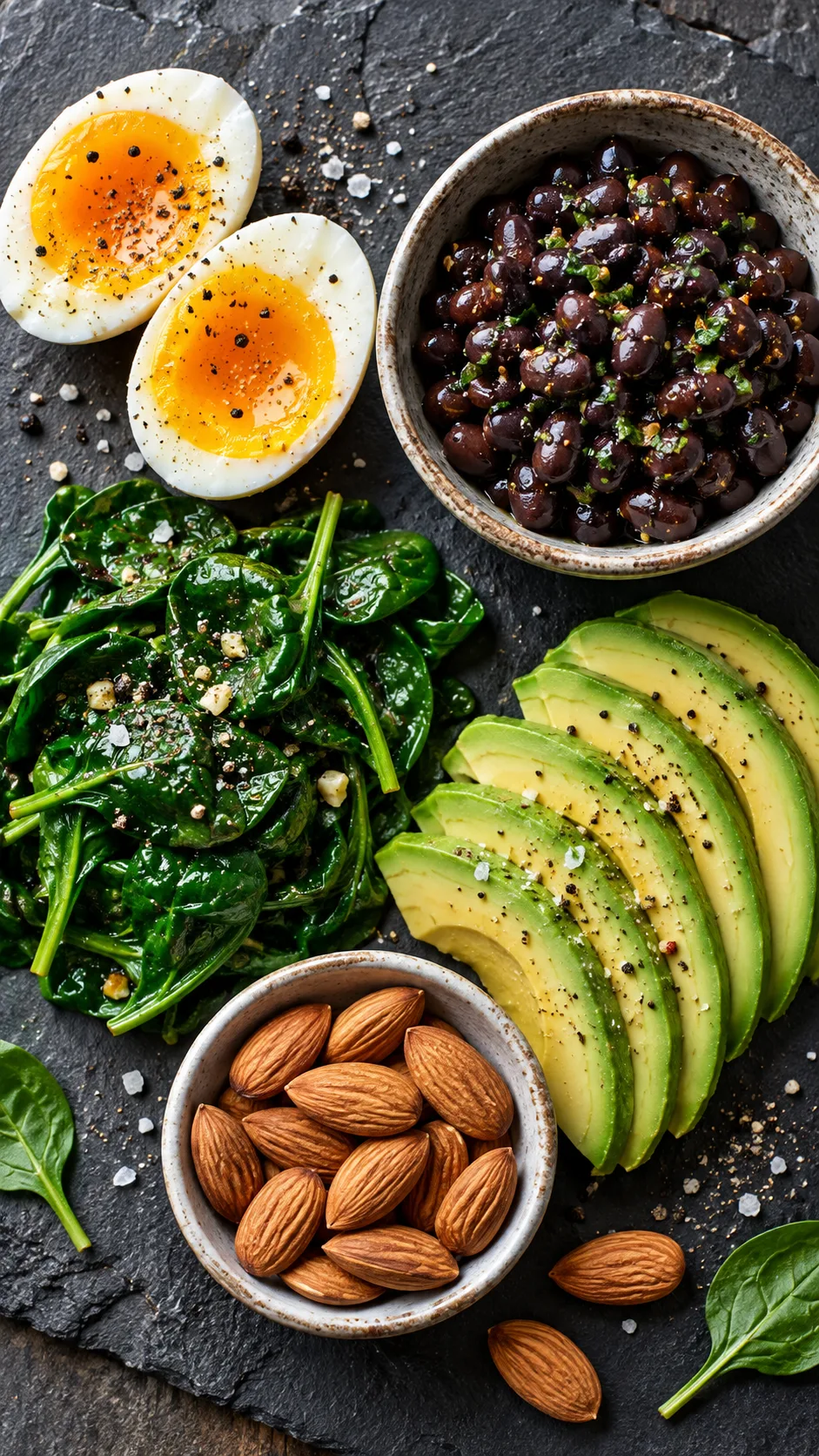
Dr. Arthur Agatston created the South Beach Diet as a lower-carb eating plan that puts food quality ahead of calorie counting alone. Phase 1 lasts 14 days and removes foods that raise blood sugar quickly, including sugar, bread, pasta, rice, potatoes, fruit, and alcohol.
You do not need to count every carb gram like someone trapped in a calculator. Instead, you build meals around lean protein, non-starchy vegetables, legumes, low-fat dairy, and unsaturated fats.
The plan aims for more than a quick drop in weight. Phase 1 can help many people curb cravings for sweets and refined carbs, especially when biscuits, soda, white bread, or late-night cereal call the shots. Plenty of people have opened a snack cupboard “just to look” and somehow finished half the packet.
How Phase 1 fits into the South Beach Diet
The South Beach Diet has three phases. Phase 1 has the strictest rules and lasts two weeks. Phase 2 gradually brings back higher-fiber carbohydrates and fruit. Phase 3 focuses on long-term maintenance.
- Phase 1: You avoid sugar, refined carbs, starches, fruit, and alcohol for 14 days.
- Phase 2: You slowly bring back good carbs, such as whole grains, fruit, and some starchy vegetables.
- Phase 3: You follow a flexible eating pattern that helps you maintain your target weight.
This sequence matters. Do not turn Phase 1 into a permanent no-carb routine, because your body benefits from fiber-rich carbohydrates, fruit, and a varied diet over time.
Why South Beach Diet Phase 1 works so fast
Phase 1 weight loss often happens quickly because you cut out many high-calorie, highly processed foods at the same time. Sugary drinks, pastries, white bread, chips, desserts, and alcohol can add plenty of calories without satisfying you for long.
You may also lose water weight during the first week. Your body stores carbohydrates as glycogen, and glycogen holds water. When you eat fewer starches and sugars, your glycogen stores shrink and your body releases some of that water.
That does not make your early progress fake. The scale simply reflects both fat loss and water loss. Week one rarely looks like every other week, so try not to let that difference frustrate you.
Protein and fiber help you feel full
A bowl of sweet cereal can leave you hungry well before lunch. Eggs, vegetables, and a small serving of beans will usually keep hunger quieter. Protein and fiber slow digestion and make meals more filling.
The plan also encourages regular meals and snacks. That rhythm can curb impulsive eating for people who skip lunch, reach 5 p.m. ravenous, and then start bargaining with an entire pizza.
You cut back on blood sugar spikes
Refined carbohydrates digest quickly and can raise blood glucose rapidly. Your body releases insulin, a hormone that moves glucose from your bloodstream into your cells. For some people, repeated rises and drops leave them hungry, tired, and ready for another sugary snack.
South Beach Phase 1 centers meals on foods that have less effect on blood sugar, especially non-starchy vegetables, lean proteins, beans, and unsaturated fats. Harvard’s guide to carbohydrates and blood sugar explains why the type of carbohydrate matters alongside the amount.
No diet can “reset” your metabolism in two weeks, whatever dramatic social posts claim. A short break from refined carbs can still help you notice the habits that lead to overeating. That lesson can matter more than a flashy before-and-after photo.
South Beach Diet Phase 1 foods: What you can eat
Phase 1 gives you more variety than many people expect if you plan ahead. Start with protein, pile on non-starchy vegetables, add a measured amount of unsaturated fat, and keep approved snacks around for genuine hunger.
Portions still count. Nuts, cheese, oils, and dressings offer nutrition, but calories add up quickly. A salad can become a restaurant-size calorie bomb when you drown it in dressing and cheese.
Lean protein choices
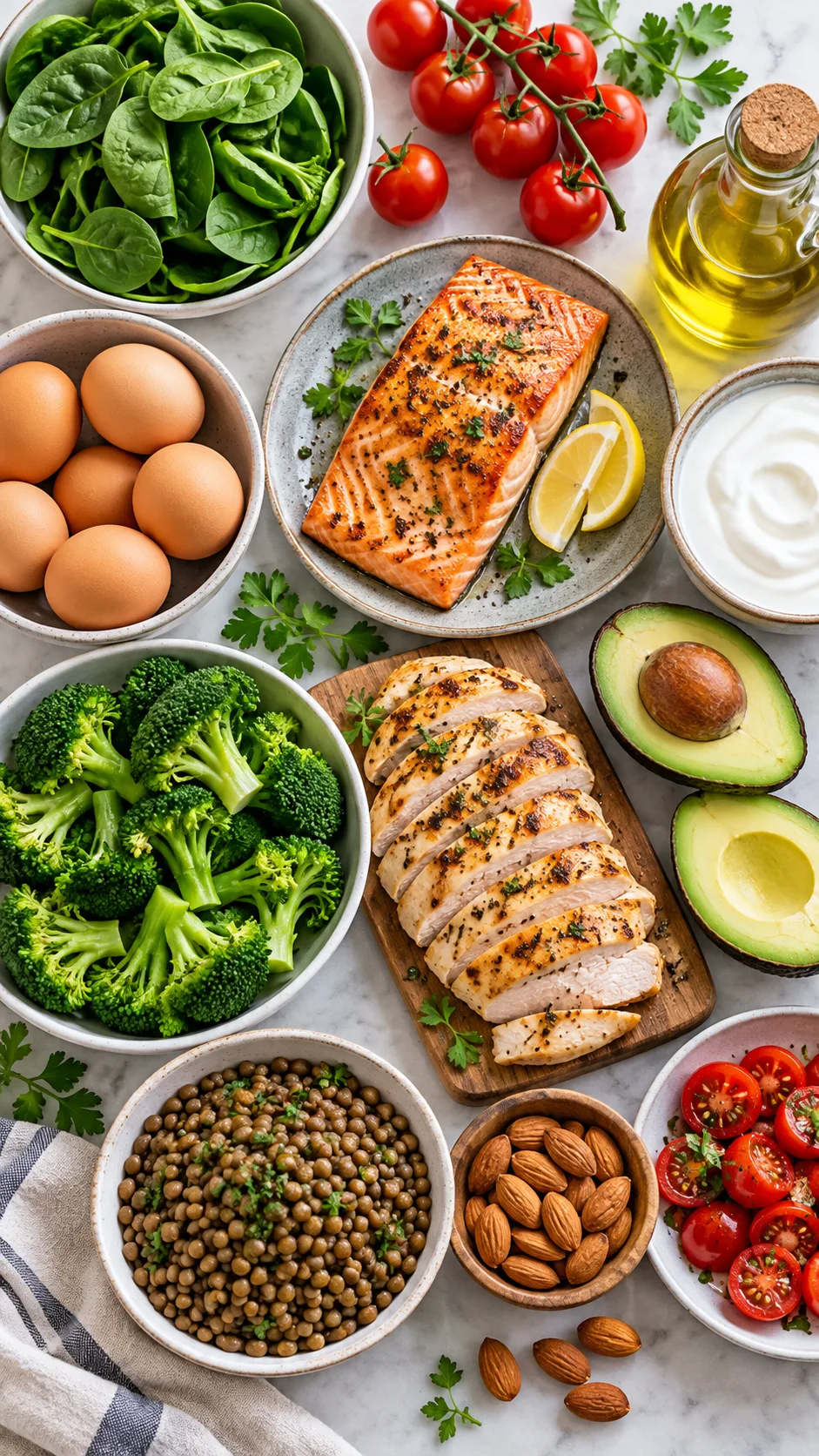
Include protein at every meal to help you stay full and preserve muscle while you lose weight. Change up your choices so you do not find yourself glaring at another plain chicken breast on day five.
- Skinless chicken or turkey
- Fish and shellfish, including salmon, sardines, tuna, tilapia, and prawns
- Lean beef cuts, such as sirloin or flank steak
- Lean pork cuts, such as tenderloin
- Eggs and egg whites
- Tofu, tempeh, and other minimally processed soy foods
- Vegetarian protein sources such as beans, lentils, and chickpeas in sensible portions
Non-starchy vegetables
Vegetables make Phase 1 much easier to stick with. They bring volume, crunch, color, potassium, and fiber without the heavier carbohydrate load that comes with potatoes, corn, or white rice.
- Leafy greens, including spinach, kale, lettuce, ugwu, and cabbage
- Broccoli, cauliflower, Brussels sprouts, and green beans
- Courgette, cucumber, aubergine, and mushrooms
- Tomatoes, peppers, onions, and okra
- Asparagus, celery, radishes, and carrots in modest amounts
When you can, fill at least half of your lunch and dinner plate with non-starchy vegetables. Roast them, stir-fry them, grill them, or add them to soup. Garlic, pepper, herbs, lemon, and olive oil give vegetables plenty of flavor without turning dinner into a project.
Healthy fats
Phase 1 does not avoid fat. It favors mostly unsaturated fats, which add flavor and help you feel satisfied. Keep portions reasonable, though. Olive oil still contains calories even when it comes in a beautiful glass bottle.
- Avocado
- Olive oil and avocado oil
- Olives
- Almonds, walnuts, peanuts, and other nuts
- Seeds, including chia, flax, pumpkin, and sunflower seeds
- Natural peanut butter or almond butter without added sugar
- Fatty fish, such as salmon and sardines
The American Heart Association recommends replacing saturated fats with unsaturated fats where you can. Read its practical advice about dietary fats and heart health for a straightforward refresher.
Dairy and other approved foods
Many South Beach Diet Phase 1 menus include plain, unsweetened dairy in moderate portions. Read labels carefully, because “fruit yogurt” often contains far more added sugar than you might expect.
- Plain Greek yogurt with no added sugar
- Low-fat cottage cheese
- Reduced-fat cheese in small portions
- Unsweetened soy milk or other low-sugar milk alternatives
- Unsweetened tea, coffee, sparkling water, and plain water
Beans and lentils fit into many Phase 1 plans because they provide fiber and protein. Start with small servings if legumes rarely appear on your plate. Give your digestive system time to adjust rather than springing a surprise fireworks display on it.
South Beach Diet Phase 1 foods to avoid
The avoid list may look long, but the rule stays simple: skip foods with added sugar, refined flour, or concentrated starch during the first 14 days. You can bring many of them back later, in smarter portions, during Phase 2.
Sugar and sweet treats
Phase 1 cuts added sugar sharply. That includes obvious sweets and supposedly wholesome snacks that act like dessert.
- Table sugar, honey, syrup, and agave
- Cookies, cakes, doughnuts, sweets, and chocolate with added sugar
- Sweetened yogurt and flavored coffee drinks
- Ice cream, frozen yogurt, and sugary pudding
- Soft drinks, energy drinks, sweet tea, and fruit juice
Check packaged-food labels for sugar, glucose syrup, maltose, dextrose, and related ingredients. The U.S. Food and Drug Administration explains how to use the added sugars line on nutrition labels. That small detail can help you avoid a lot of “healthy” marketing nonsense.
Grains, starches, and refined carbs
Phase 1 temporarily removes grains and most starchy foods. Whole-grain bread, brown rice, oats, and whole-wheat pasta all wait until Phase 2.
- Bread, wraps, bagels, crackers, and pastries
- Rice, pasta, noodles, couscous, and cereal
- Potatoes, sweet potatoes, yam, cassava, plantain, and corn
- Oats, granola, quinoa, millet, and other grains
- Flour-based foods, including pancakes, muffins, and many baked snacks
If Nigerian staples make up much of your usual diet, you will need to plan this phase carefully. Put eba, pounded yam, amala, fufu, rice, and plantain aside for two weeks. Then use Phase 2 to reintroduce higher-fiber choices thoughtfully. For broader local ideas after the strict phase, see this list of Nigerian foods for weight loss.
Fruit and alcohol
Yes, Phase 1 removes fruit too. Fruit provides vitamins and fiber, but it also contains natural sugars, so the original plan holds it for Phase 2. This rule can feel irritating when someone puts a perfect mango in front of you, but it lasts only 14 days.
Avoid beer, wine, cocktails, spirits, and mixers during Phase 1. Alcohol can lower your inhibitions, increase appetite, disrupt sleep, and turn “one small snack” into an unofficial buffet.
A simple South Beach Diet Phase 1 meal plan
You do not need complicated recipes or expensive diet products. You need a basic routine that puts approved food within reach when hunger hits. Prepare two proteins, wash vegetables, boil eggs, and keep snacks nearby.
One day of Phase 1 eating
- Breakfast: Scrambled eggs with spinach, tomatoes, mushrooms, and a few avocado slices.
- Mid-morning snack: Plain Greek yogurt with cinnamon and a small handful of almonds.
- Lunch: Grilled chicken salad with lettuce, cucumber, peppers, tomatoes, olives, and olive oil dressing.
- Afternoon snack: Cottage cheese with cucumber slices, or a boiled egg with celery.
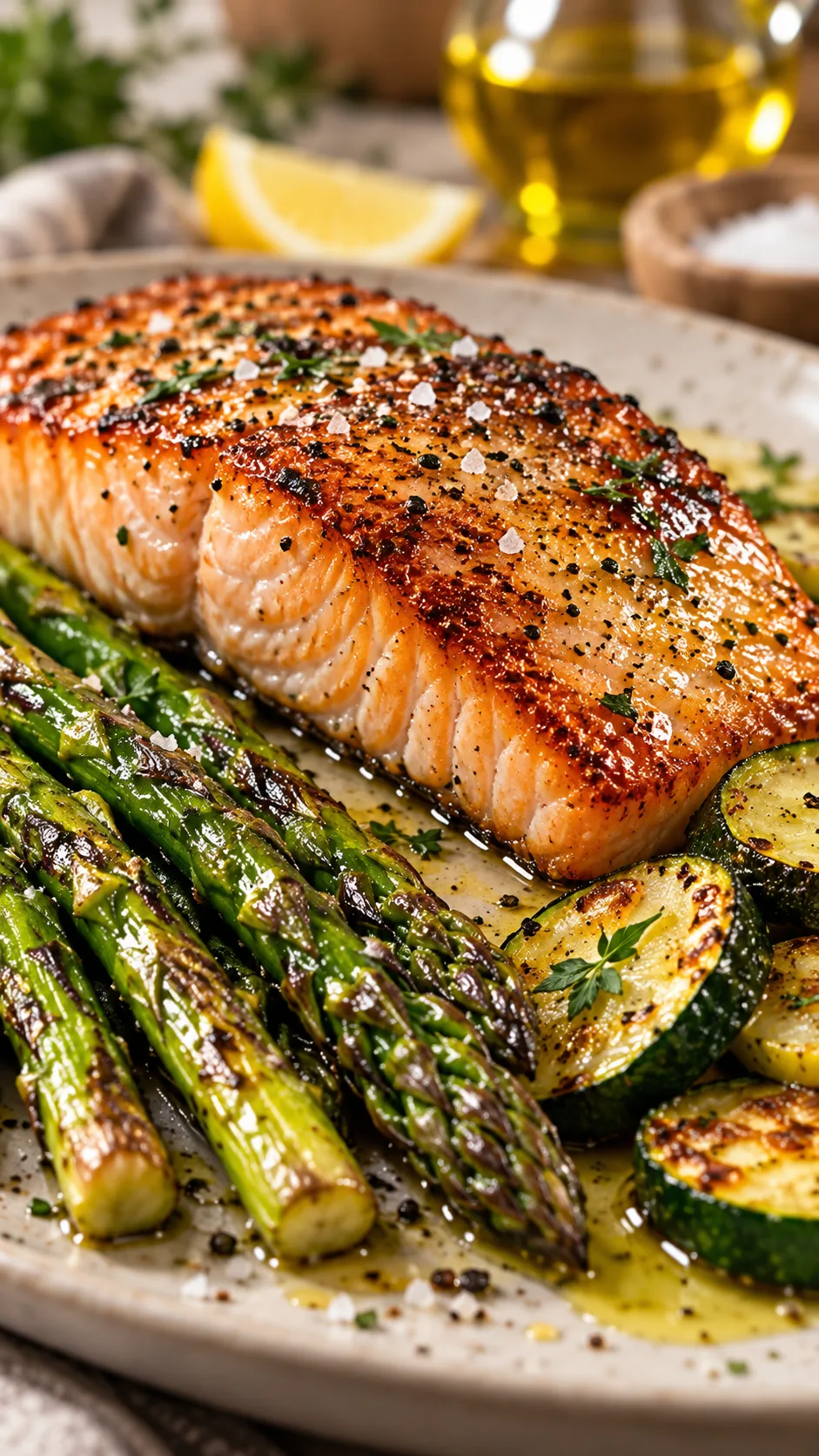
- Dinner: Baked salmon with roasted broccoli and sautéed courgette.
- If you need something later: A small portion of nuts or a cup of unsweetened herbal tea.
For variety, make lettuce wraps with turkey mince, cook an egg-and-vegetable omelette, serve fish with okra stew, or put together a bean salad with cucumber and olive oil. Keep sauces simple, and watch for sugar in ketchup, barbecue sauce, salad dressings, and marinades.
If breakfast causes the most trouble, you may like these Nigerian breakfast ideas for weight loss. Pick Phase 1-friendly options for now, then save grain- or fruit-based meals for the next phase.
Common South Beach Diet Phase 1 mistakes
Most people do not struggle because they lack willpower. Hidden sugars, poor planning, and unrealistic expectations usually cause the trouble. A few practical changes can make the 14 days easier.
Eating too little
Some people hear “low carb” and decide to eat one egg, three cucumber slices, and regret. That approach can bring intense hunger, low energy, and a strong urge to overeat later.
Eat enough protein, vegetables, and unsaturated fat at meals. Phase 1 should feel structured, not punishing. Persistent dizziness, weakness, or extreme hunger means you should reassess your plan.
Forgetting about hidden sugar
Store-bought sauces can derail an otherwise solid meal. Read labels on yogurt, protein bars, nut butters, salad dressing, ketchup, sausages, and canned soups.
Choose plain foods when possible. Add flavor with garlic, ginger, chilli, vinegar, lemon, herbs, spices, and sensible amounts of salt. Your taste buds can survive two weeks without sweet chilli sauce.
Expecting only fat loss
The scale may fall quickly in the first week because your body releases water along with glycogen. Progress often slows after that. Normal biology causes that pattern, not failure.
Track more than your weight if you can. Pay attention to hunger, energy, waist measurement, sleep, and cravings. Those changes can tell you more than one random Tuesday weigh-in.
Who should avoid or modify South Beach Diet Phase 1?
South Beach Diet Phase 1 does not suit everyone. Speak with a registered dietitian or doctor before starting if you take diabetes medication, have kidney disease, have a history of eating disorders, are pregnant, breastfeed, or manage another medical condition that affects nutrition.
People who use insulin or medicines that lower blood glucose need professional advice before sharply cutting carbs. Eating fewer carbohydrates can change blood sugar levels and medication needs. The Centers for Disease Control and Prevention offers helpful basics on healthy eating with diabetes.
You do not need Phase 1 to lose weight. Many people do well with a gentler calorie deficit, higher-fiber meals, and regular activity. If strict rules make you obsess over food, choose a more flexible approach that you can maintain.
How to make Phase 1 easier for 14 days
Preparation matters more than superhero discipline. Your hungry future self will grab whatever food sits closest, so put a good choice within easy reach.
- Plan three days at a time: Cook chicken, fish, eggs, or turkey mince ahead.
- Keep vegetables ready: Wash, chop, and store salad ingredients where you will see them.
- Carry an emergency snack: Pack nuts, a boiled egg, or unsweetened yogurt for busy days.
- Drink water regularly: Thirst can feel like hunger, especially while you change your eating habits.
- Sleep enough: Poor sleep can increase appetite and cravings the next day.
- Move your body: Walk, lift weights, cycle, dance, or choose any activity you enjoy enough to repeat.
Do not chase perfection. If you eat something outside the plan, return to your next planned meal rather than turning one biscuit into a three-day food free-for-all. Consistency beats drama.
The bottom line on South Beach Diet Phase 1
South Beach Diet Phase 1 can start weight loss because it removes added sugar, refined carbs, alcohol, and many calorie-dense processed foods for 14 days. In their place, you eat lean protein, non-starchy vegetables, beans, unsaturated fats, and low-sugar dairy.
The early drop on the scale often includes water weight. Simpler food choices can also help create a calorie deficit and reduce cravings. Treat the phase as a short reset, not a life without fruit or carbs.
Plan meals, read labels, and notice how you feel. Then move into Phase 2 with the same common sense. Your best diet does not need to feel glamorous. It needs to work on an ordinary Wednesday.