

You probably saw an influencer sipping a bright green drink, showing off glowing skin, and claiming raw plants cleared their fatigue. You thought, “Maybe I should try eating raw food.” Before you toss your stove into a dumpster and buy forty pounds of organic kale, hit pause.
Social media feeds sell a sunlit, breezy fantasy of the raw lifestyle. They skip over the endless chewing, the wild grocery receipts, and the shocking amount of gas your gut produces in week one. Nobody tells you that you will spend three hours a day scrubbing food processor blades.
I learned these lessons the hard way. I once tried to choke down cold raw zucchini lasagna while my friends devoured wood-fired pizza right across the table. That dinner taught me that raw eating demands strategy, digestive stamina, and serious prep work. This guide walks through what happens when you ditch cooked food, what works, what fails, and how to approach this shift without losing your sanity.
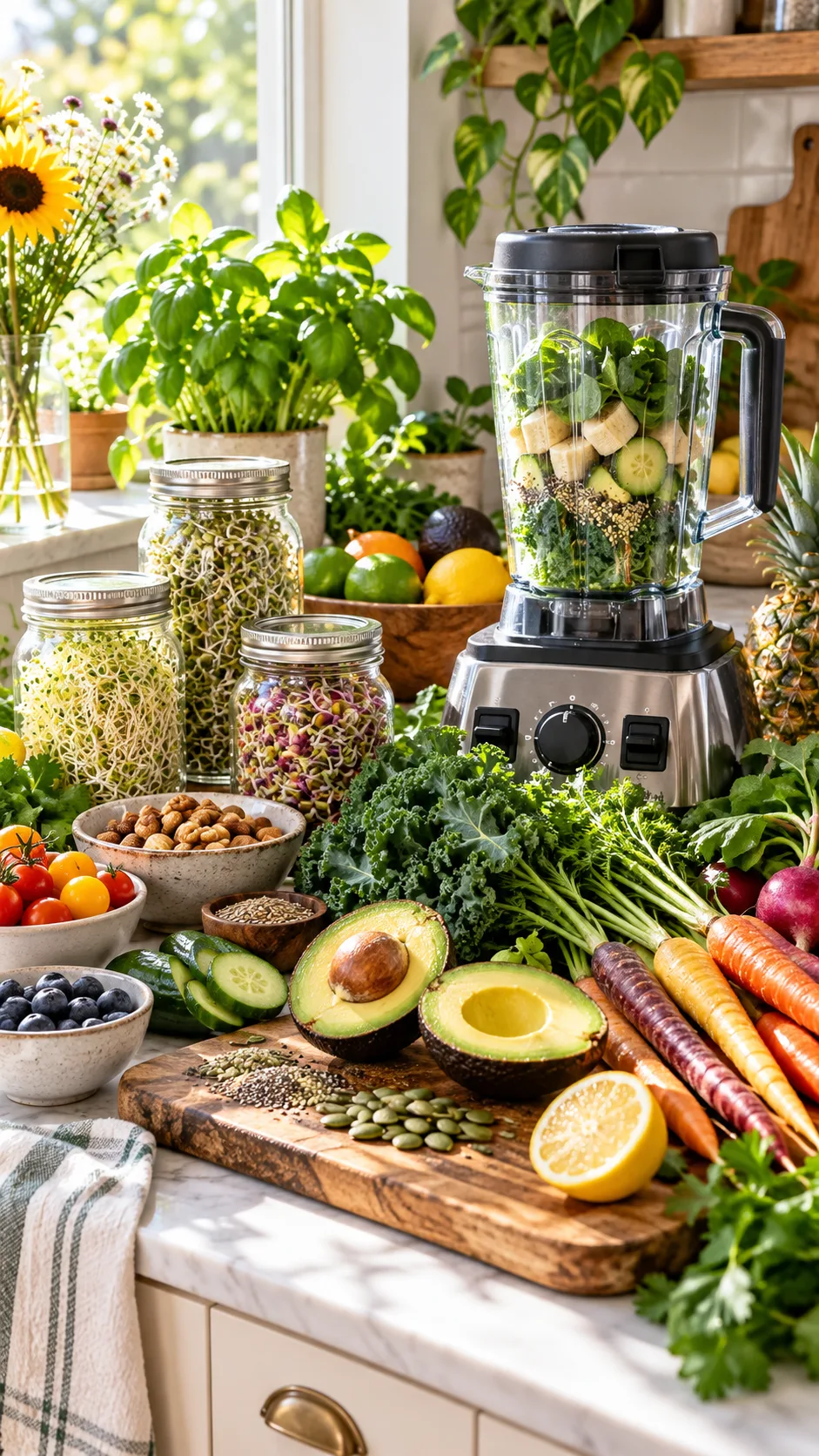
What counts as a raw food diet?
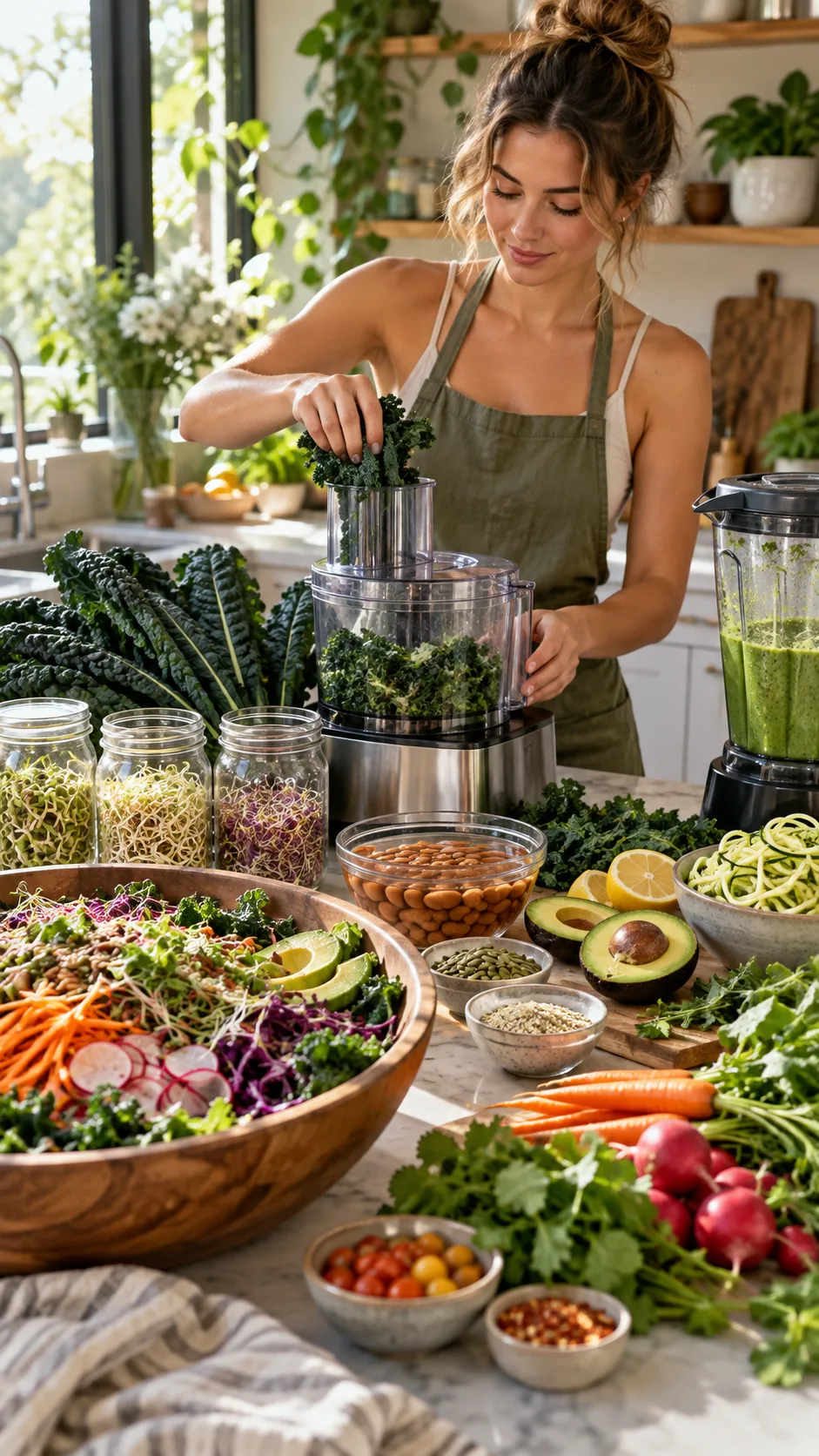
The raw food philosophy sounds simple on paper: you eat food in its natural, unprocessed state. Devotees argue that cooking destroys natural enzymes and delicate micronutrients within plants. But what does that mean on an actual dinner plate?
Strict raw foodists establish the cutoff temperature between 104°F and 118°F (40°C to 48°C). If you heat food above that threshold, you cross into cooked territory. You turn off your oven, retire your microwave, and unplug your toaster.
Most beginners assume a raw diet automatically means raw vegan. While plant-based eaters dominate this space, people follow different variations:
- Raw Vegan: You consume unheated fruits, vegetables, sprouted grains, nuts, seeds, raw nut butters, and cold-pressed plant oils. This group makes up about 90% of the raw community.
- Raw Vegetarian: You include unpasteurized dairy products (raw milk, raw cheese) and raw eggs alongside plant foods.
- Raw Omnivore: You consume unpasteurized dairy, raw honey, sashimi, and unheated meat dishes like beef carpaccio or steak tartare.
Regardless of your chosen approach, you replace conventional pots and pans with four core preparation techniques: blending, juicing, dehydrating, and sprouting. You prepare items using time, moisture, and low-heat air currents instead of high heat.
The parts nobody mentions: 6 real hurdles of going raw
Books and glossy wellness guides love praising cellular health and fast weight loss. They rarely warn you about the awkward daily hurdles. Here is the unvarnished reality of the raw food transition.
1. Your jaw will ache from endless chewing
Have you ever chewed through two dense heads of raw Tuscan kale? Cooking breaks down tough plant cellulose fibers for you. When you remove heat, your molars take over that heavy lifting.
During my first week, my jaw muscles felt like they had run a marathon. You will spend forty-five minutes finishing a simple lunch salad. If you dislike active chewing, raw eating will test your patience quickly.
2. The gas and bloating might shock you
Your digestive tract houses trillions of bacteria that feed on fiber. Flooding an unprepared gut with massive quantities of raw cellulose, raffinose, and insoluble plant material causes a bacterial feeding frenzy. That frenzy produces uncomfortable gas and bloating.
If you already struggle with gut issues, sudden raw fiber spikes can overwhelm you. Many beginners discover that high-fiber plants trigger discomfort, leading them to investigate alternative digestive protocols like The Low FODMAP Diet for Beginners to find relief. Your microbiome needs weeks (sometimes months) to scale up the enzyme production necessary to handle mountains of raw brassicas.
3. Your grocery bill might jump
Cooked diets rely heavily on cheap, shelf-stable staples like dry rice, dry beans, lentils, and oats. Raw food diets rely on fresh, perishable items that spoil rapidly. A fifty-dollar haul of fresh organic berries, avocados, and heirloom produce can vanish inside three days.
Raw recipes also lean heavily on nuts and seeds to supply fats and calories. High-end raw nuts like macadamias, pine nuts, and raw organic cashews carry premium prices. You will spend significantly more cash keeping your crisper drawer stocked.
4. Kitchen prep takes serious time
People assume raw means grab and go. That assumption is untrue. A cooked dinner might take twenty minutes in a single skillet. An authentic raw meal often demands a dehydrator running for 14 hours to crisp up flax crackers.
You must remember to soak almonds overnight, rinse your sprouting lentils every eight hours, and clean your blender three times a day. If you dislike kitchen cleanup, expect frustration.
5. You will crave warm comfort
Have you ever eaten cold zucchini noodles while sitting in a drafty room in the middle of November? You will feel a deep chill. Warm food delivers thermal comfort that chilled celery sticks cannot replicate.
Many beginners abandon the lifestyle simply because they miss holding a hot bowl of soup. You can warm purees slightly in a blender or dehydrator up to 110°F, but it never completely mimics a bubbling vegetable stew.
6. Eating out becomes difficult
Try walking into a standard restaurant with a strict raw dietary requirement. You will end up ordering a plain bowl of iceberg lettuce with lemon slices while your dining companions enjoy rich entrees. Strict rules make social gatherings tough to navigate.

Raw food science: separating biology from common myths
Raw food influencers love sharing nutritional claims with absolute confidence. Let us look at how human biology actually responds to raw and cooked foods.
Myth 1: Cooking destroys all nutrients
Cooking does degrade water-soluble, heat-sensitive vitamins like Vitamin C and certain B vitamins. If you boil broccoli in water for thirty minutes, those nutrients leach straight into the cooking liquid. That part is true.
However, heat also unlocks powerful antioxidants. A study published in the Journal of Agricultural and Food Chemistry demonstrated that cooking boosts the bioavailability of lycopene in tomatoes. Cooking softens plant cell walls, allowing your body to absorb carotenoids from carrots and ferulic acid from asparagus much more efficiently. Heat helps your body access nutrients that thick raw plant fibers lock away.
Myth 2: Plant enzymes digest food for you
Raw food proponents often claim that food enzymes, like those in raw papaya or apples, handle digestion in your gut and spare your pancreas. Physiology textbooks tell a very different story.
Your stomach manufactures powerful hydrochloric acid with a pH between 1.5 and 3.5. This intense acid denatures and dismantles nearly all ingested plant enzymes instantly, just like it breaks down dietary protein. Your body relies on its own digestive enzymes, secreted by your salivary glands, stomach, and pancreas, to complete digestion. Research compiled by Harvard Health shows that our internal digestive machinery functions without relying on external plant enzymes.
Myth 3: Raw meals automatically prevent inflammation
Fresh vegetables supply plenty of antioxidants, but consuming raw plants alone does not extinguish internal inflammation. Undigested roughage can irritate a sensitive intestinal lining, provoking local inflammation in your gut wall.
If you want to support your immune health without punishing your digestive tract, look into balanced protocols like The Inflammation Diet for Beginners. Those frameworks blend easily digested cooked produce with fresh raw plants to maximize benefits while protecting gut comfort.
Equipment you need before starting
You cannot stick to this diet with a cheap butter knife and a dull cutting board. Raw cuisine demands specific machinery to transform dense plant parts into palatable dishes. Invest in these tools before attempting a full week of raw meals:
- A High-Speed Blender: Bargain blenders burn out when you ask them to puree unsoaked cashews and dense dates. A commercial-grade blender liquefies tough plant fibers so you can whip up smooth dressings, nut creams, and smoothies.
- A Heavy-Duty Food Processor: Blenders make liquids, whereas food processors handle textures. You need an S-blade processor to grind nuts into pie crusts, shred root vegetables, and build energy bites.
- A Temperature-Controlled Dehydrator: This machine functions as your low-heat oven. It dries out marinated kale, sprouts, raw crackers, and fruit leathers at precisely 115°F without crossing the cooking threshold.
- A Spiralizer and Mandoline: These tools turn hard zucchini, beets, and sweet potatoes into long ribbons or thin slices. Thin slicing softens dense vegetables naturally without heat.
- Wide-Mouth Sprouting Jars: Sprouting increases the availability of micronutrients in raw seeds, lentils, and grains. Mason jars with mesh screen lids work cleanly for this step.
Video guide: transitioning to raw foods step by step
Watch how experienced plant-based eaters prepare functional raw dishes, organize bulk produce, and avoid early rookie errors:
Nutritional blind spots to monitor
Eating exclusively raw food creates specific nutritional gaps. If you ignore these blind spots, your daily energy, bone density, and hormone production will suffer over time.
The Vitamin B12 issue
Plants do not produce Vitamin B12. Soil microbes make it, and modern washing methods strip those traces from produce. A Vitamin B12 deficiency causes irreversible neurological damage and anemia.
You cannot obtain adequate B12 from unwashed organic lettuce, spirulina, or unfortified nutritional yeast. Take a sublingual B12 supplement (methylcobalamin) immediately upon dropping animal foods. Do not skip this step.
Calorie shortages and weight loss
A giant salad bowl filled with mixed greens, cucumbers, and tomatoes might look massive, but it contains fewer than 150 calories. Beginners often experience brain fog and fatigue because they accidentally starve their bodies of energy.
You must intentionally include calorie-dense raw foods: avocados, cold-pressed olive oil, walnuts, pumpkin seeds, soaked chia seeds, and raw tahini. Track your daily caloric intake using an app during your first month to ensure you eat enough fuel.
Mineral binding from phytates
Raw grains, nuts, and seeds contain protective compounds called phytic acid. Phytates bind to minerals like zinc, iron, and calcium, preventing your intestines from absorbing them efficiently. Soak your raw nuts and seeds in salted water for 8 to 12 hours before drying or eating them. Soaking breaks down phytic acid and makes those minerals accessible.
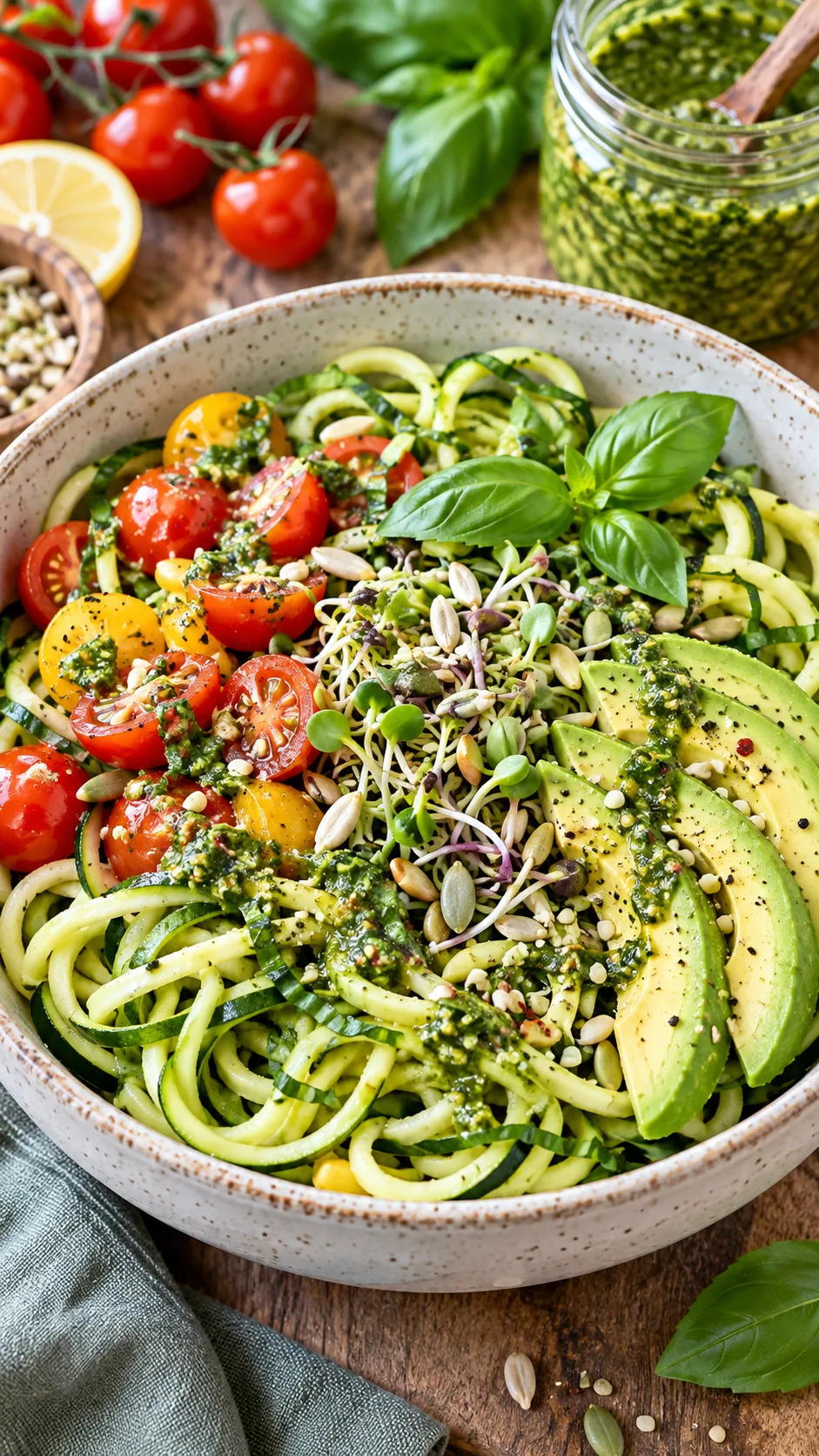
How to transition using the 80/20 approach
Going from a standard diet to 100% raw overnight is like running an ultramarathon without training. You will shock your digestive tract, trigger intense sugar cravings, and quit in frustration by day four.
Instead of cold-turkey purity, adopt an 80/20 raw hybrid framework. Eat eighty percent raw foods to gain fresh produce and fiber, while keeping twenty percent cooked food for steady calories, gut comfort, and social ease. Some people find that whole-food cooked approaches like The Paleo Diet for Beginners help them focus on clean ingredients without abandoning their stove entirely.
Use this four-week progression to build sustainable momentum:
- Week 1: Swap Breakfast. Keep your normal lunch and dinner. Replace your morning meal with a large green smoothie containing spinach, frozen bananas, hemp seeds, and cold water.
- Week 2: Add a Pre-Lunch Salad. Eat a large raw vegetable salad with lemon and olive oil before your standard cooked lunch. The fiber helps stabilize your post-meal blood sugar.
- Week 3: Raw Until Dinner. Drink raw smoothies for breakfast and eat large salads or wraps for lunch. Enjoy a warm, cooked dinner, like steamed sweet potatoes, brown rice, or baked squash.
- Week 4: Try Full Raw Dinners. Make one or two complete raw dinners each week using spiralized vegetables, raw nut sauces, and dehydrated sides to test your kitchen skills.
Sample 3-day raw meal plan
This beginner plan provides enough calories, healthy fats, and manageable fiber levels so you can eat well without stomach cramps.
Day 1
- Breakfast: Green Smoothie (two ripe bananas, two cups of baby spinach, two tablespoons of hemp hearts, one cup of fresh coconut water).
- Lunch: Rainbow Veggie Bowl (shredded purple cabbage, spiralized carrots, bell peppers, mixed greens, topped with a creamy tahini-lemon dressing).
- Afternoon Snack: Sliced apples with raw almond butter.
- Dinner: Zucchini Pad Thai (spiralized zucchini noodles tossed with bean sprouts, scallions, cilantro, and an almond butter-ginger sauce).
Day 2
- Breakfast: Raw Chia Seed Pudding (chia seeds soaked in almond milk, layered with fresh raspberries, blueberries, and raw cacao nibs).
- Lunch: Collard Green Wraps (collard leaves stuffed with mashed avocado, diced tomatoes, sprouts, sunflower seeds, and cumin).
- Afternoon Snack: Celery sticks filled with walnut pate.
- Dinner: Raw Heirloom Tomato Soup (blended ripe heirloom tomatoes, soaked cashews, sundried tomatoes, garlic, and basil, gently warmed in the blender).
Day 3
- Breakfast: Tropical Fruit Bowl (blended frozen mango, fresh papaya, and coconut meat, topped with shredded coconut and chia seeds).
- Lunch: Walnut Taco Salad (finely chopped walnuts seasoned with cumin and tamari, served over romaine lettuce with salsa and guacamole).
- Afternoon Snack: A handful of sprouted pumpkin seeds and two Medjool dates.
- Dinner: Marinated Portobello Steaks (thick portobello mushrooms marinated in olive oil, raw apple cider vinegar, and herbs, served over ribboned cucumbers).
Should you try a raw food diet?
Does eating more fresh produce help your health? Yes. Typical modern diets contain heavy amounts of ultra-processed foods. Introducing raw vegetables, sprouted seeds, and cold-pressed plant fats will increase your nutrient intake, boost your daily hydration, and steady your energy.
Strict dietary purity, however, rarely supports long-term well-being. Rigid food rules create unnecessary social friction, nutritional gaps, and digestive strain. You do not need to discard your stove to eat well and feel energetic.
Treat raw recipes as a useful kitchen tool rather than an all-or-nothing identity. Start with a large morning smoothie, eat fresh salads for lunch, and enjoy those nutrients without stressing over perfection. Your digestive tract and your friends will appreciate the balanced approach.