

You finally got your appetite to shut up. After years of negotiating with your own brain at 11pm in front of the fridge, the noise stopped. So why do you still feel exhausted, slightly nauseous, and weirdly unsure about what to put on your plate?
Here’s the thing nobody tells you: GLP-1 medications shrink your appetite, not your nutritional needs. You still need protein, fibre, vitamins and real food. Just less of it, arranged smarter. That’s what this GLP-1 meal plan fixes.
I’ve watched friends drop 15kg on semaglutide and still feel terrible because they ate two crackers and a yoghurt daily. Let’s not do that.
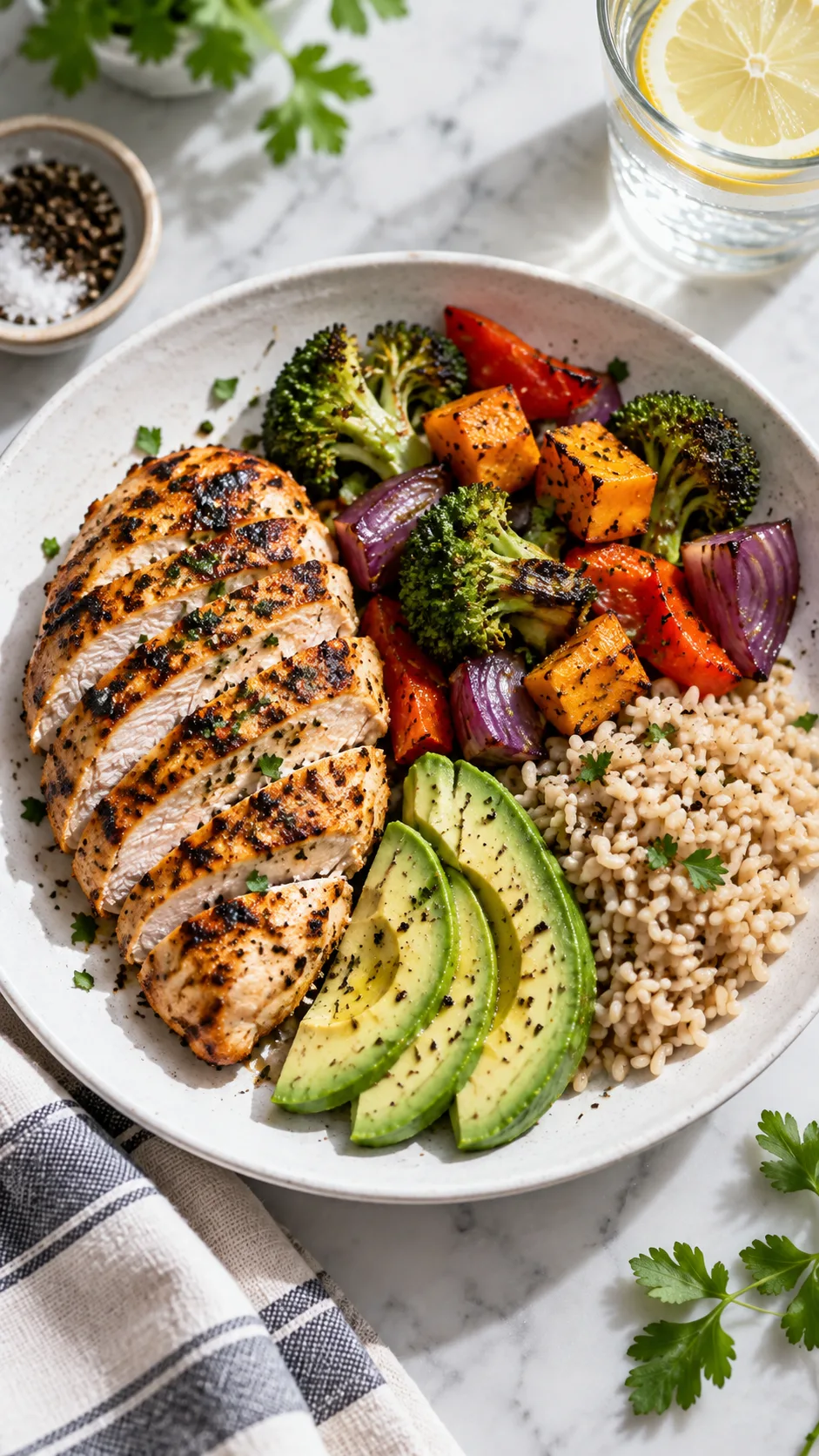
What GLP-1 does to your body (the short, non-boring version)
GLP-1 stands for glucagon-like peptide-1. Your gut releases this hormone after you eat, and it tells your brain three useful things: you’re full, slow down digestion, and release insulin.
Medications like semaglutide (Ozempic, Wegovy) and tirzepatide (Mounjaro, Zepbound) copy that hormone and stretch its effect across days instead of minutes. The result? Your stomach empties slower, your hunger signals quiet down, and your blood sugar stops doing rollercoaster impressions.
The National Institute of Diabetes and Digestive and Kidney Diseases notes these medications work best alongside dietary change, not instead of it. Translation: the injection opens the door, but your fork walks through it.
Can you boost GLP-1 naturally?
Yes, partly. Your body releases more GLP-1 when you eat protein, soluble fibre, healthy fats and fermented foods. Studies indexed on PubMed keep finding the same thing: protein-rich meals trigger stronger satiety hormone responses than carb-heavy ones.
Will oatmeal replace a prescription? Nope. But the same eating pattern helps whether you inject or not, which is why this plan works for everyone.
Why your old diet fights your new appetite
Old-school dieting taught you to eat less. GLP-1 already handles that part. Your job now flips completely: make every single bite count.
Picture your daily food as a tiny suitcase for a two-week trip. You can’t pack everything, so you pack strategically. Fill that suitcase with biscuits and fizzy drinks and you lose weight while also losing muscle, hair and energy.
Ever wondered why some people on GLP-1 look glowing and others look, well, deflated? Food quality. That’s the entire difference.
The 4 pillars of an effortless GLP-1 meal plan
Forget counting every calorie. Build every meal around these four non-negotiables instead.
- Protein first, always. Aim for 25 to 40g per meal and 1.2 to 1.6g per kg of body weight daily. Protein protects your muscle while you shed fat.
- Fibre for your gut. Target 25 to 35g daily from vegetables, beans, fruit and whole grains. Fibre fixes the constipation that GLP-1 loves to hand out.
- Smart fats in small doses. Avocado, olive oil, nuts, oily fish. Fat carries vitamins A, D, E and K. Skip it and your skin will complain.
- Fluids like it’s your job. 2 to 3 litres daily, plus electrolytes. Reduced appetite usually means reduced thirst, and dehydration mimics fatigue perfectly.
Notice what’s missing? Rules about “forbidden” foods. Your medication already handles cravings. Piling guilt on top helps nobody.
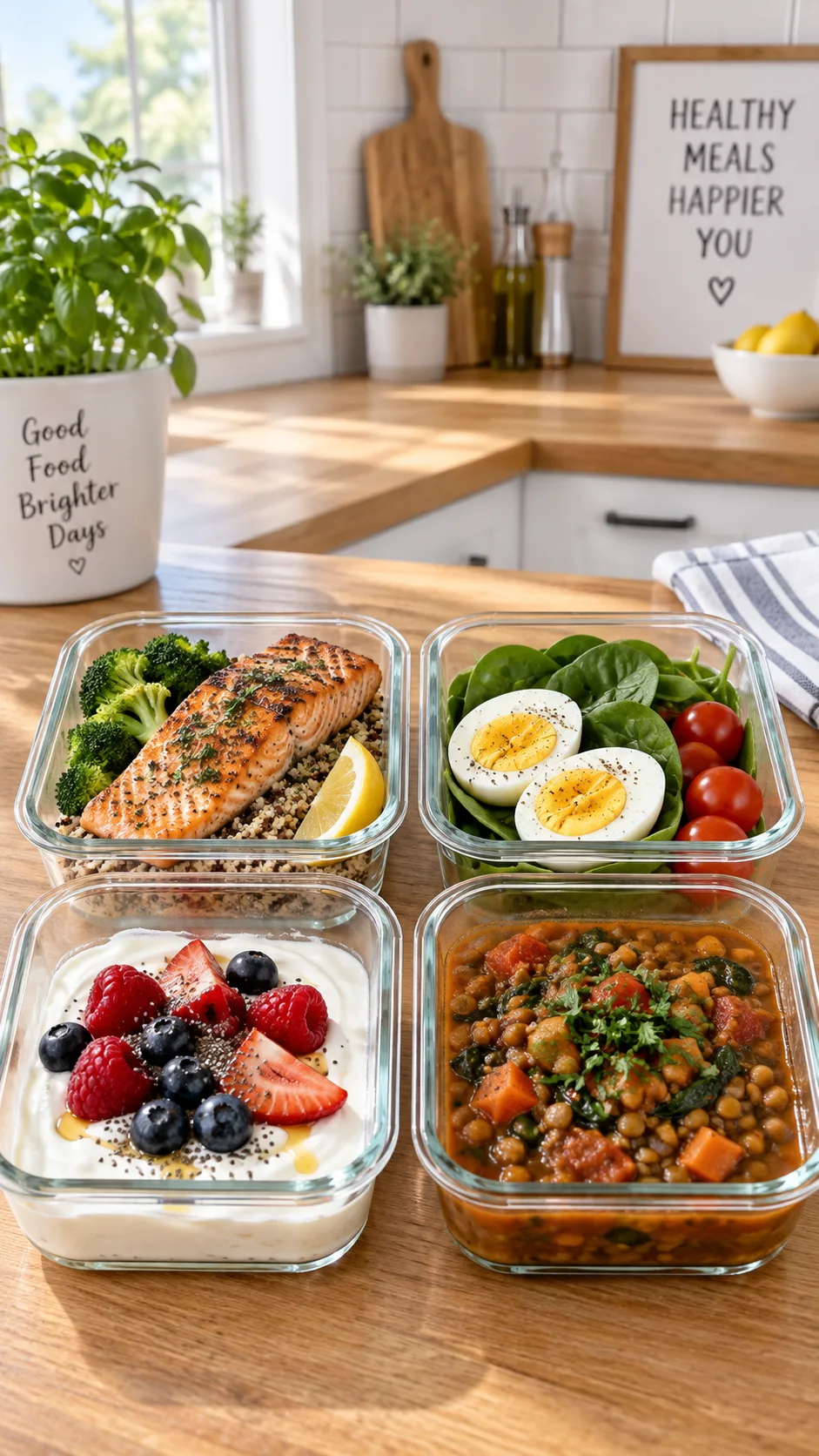
The plate formula: your 10-second meal template
I use this with every person who asks me “but what do I actually EAT?” Grab a side plate, not a dinner plate. Then split it:
- Half the plate: non-starchy vegetables (spinach, ugu, broccoli, peppers, cabbage, cucumber)
- One quarter: lean protein (chicken, fish, eggs, beans, tofu, Greek yoghurt)
- One quarter: slow carbs (sweet potato, brown rice, oats, unripe plantain, beans)
- One thumb: healthy fat (olive oil, avocado, palm oil in moderation, nuts)
Eat the protein first, vegetables second, carbs last. Why? Because your stomach fills fast on GLP-1, and you want the muscle-protecting stuff in there before you tap out at bite twelve.
Your 7-day GLP-1 meal plan
These portions look small on purpose. Your appetite decides the rest. Eat slowly, stop when you feel comfortable, never when you feel stuffed.
Day 1
- Breakfast: 2 scrambled eggs + sautéed spinach + ½ avocado
- Lunch: Grilled chicken salad, olive oil dressing, handful of chickpeas
- Dinner: Baked fish + steamed broccoli + 3 tablespoons brown rice
- Snack: Greek yoghurt with 5 berries
Day 2
- Breakfast: Protein smoothie with 1 scoop whey, spinach, ½ banana, unsweetened milk
- Lunch: Lentil soup + small side of grilled vegetables
- Dinner: Turkey meatballs + courgette noodles + tomato sauce
- Snack: 10 almonds
Day 3
- Breakfast: Overnight oats with chia seeds + Greek yoghurt
- Lunch: Tuna salad wrapped in lettuce leaves
- Dinner: Stir-fried beef strips + mixed peppers + cauliflower rice
- Snack: Boiled egg with a pinch of salt
Day 4
- Breakfast: Cottage cheese + sliced tomato + black pepper
- Lunch: Bean porridge (small bowl) with a spoon of palm oil and ugu
- Dinner: Grilled chicken thigh + roasted sweet potato cubes + garden salad
- Snack: Pumpkin seeds, small handful
Day 5
- Breakfast: Moi moi (one wrap) + a boiled egg
- Lunch: Pepper soup with goat meat or catfish, heavy on the protein
- Dinner: Salmon + asparagus + quinoa (3 tablespoons)
- Snack: Sliced cucumber with hummus
Day 6
- Breakfast: Omelette with mushrooms and cheese
- Lunch: Chicken and vegetable soup, broth-based
- Dinner: Prawns + garlic greens + a small portion of unripe plantain
- Snack: Kefir or drinking yoghurt, unsweetened
Day 7
- Breakfast: Greek yoghurt parfait with nuts and cinnamon
- Lunch: Egusi soup (lean) with a very small swallow portion
- Dinner: Roast chicken + colourful roasted veg tray
- Snack: Apple slices with peanut butter
Want more local flavour in your structure? Our breakdown of Nigerian weight loss meal plans and food timetables pairs well with this framework: same principles, familiar ingredients.
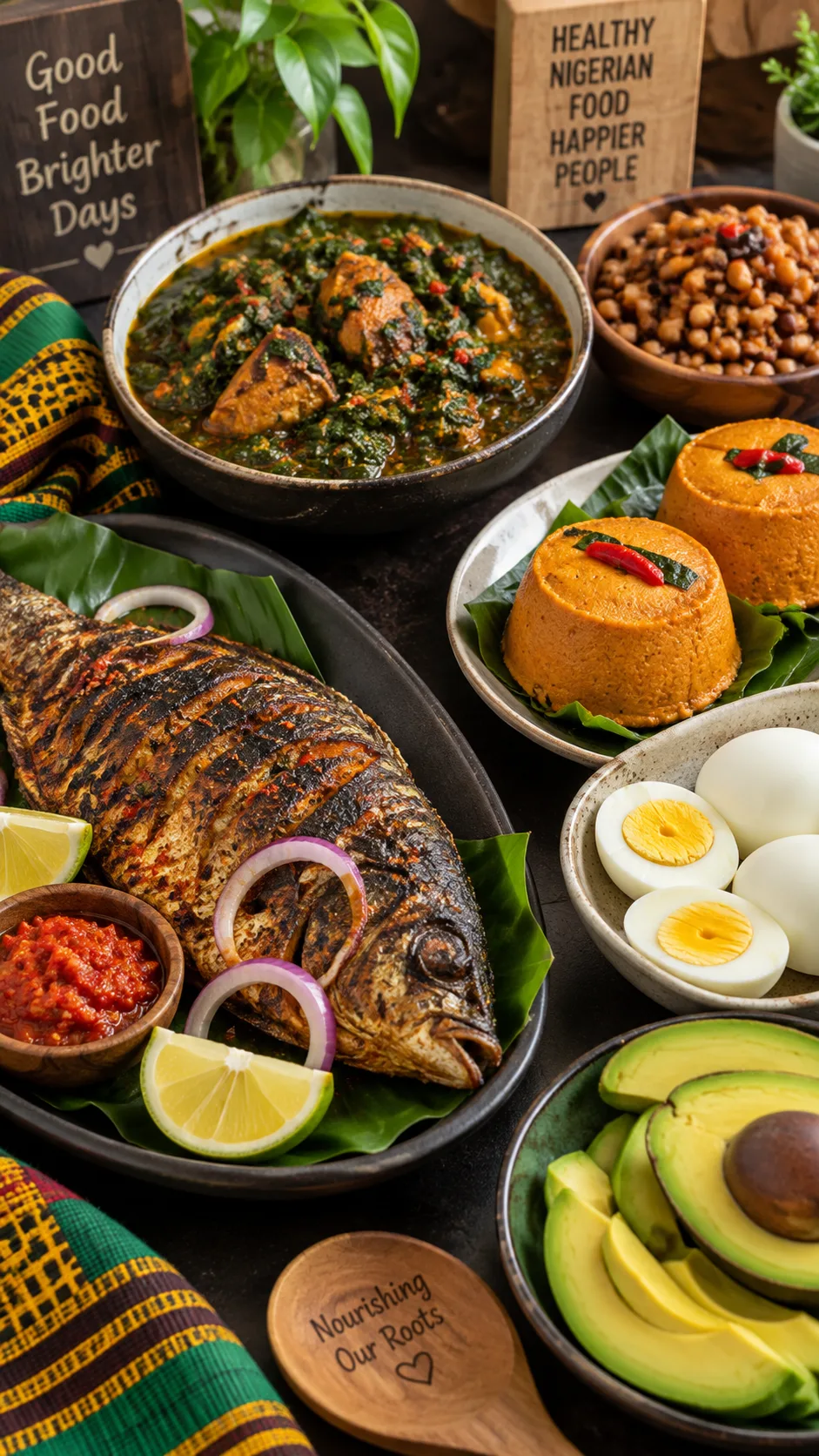
Nigerian food swaps that keep this plan realistic
Nobody sustains a diet that ignores their culture. You shouldn’t abandon jollof forever. You just rebalance the plate.
- Swap: big swallow portion for a fist-sized portion, then double the soup protein
- Swap: white rice for ofada, brown rice, or a cauliflower rice blend
- Swap: fried plantain (dodo) for boiled or air-fried unripe plantain
- Swap: sugary soft drinks for zobo without sugar, water, or unsweetened tea
- Swap: bread and tea breakfast for eggs, moi moi, or akara with fewer pieces
If you want a deeper list of local options that pull their weight, check our guide to the best Nigerian foods for weight loss. It saves you from eating sad salads forever.
Foods that will absolutely ruin your day on GLP-1
Your stomach empties slower now. Certain foods sit there like unwanted guests, and you’ll feel every minute of it.
- Deep-fried anything. Fat slows digestion further. Fried chicken plus delayed gastric emptying equals regret.
- Heavy cream sauces. Same problem, fancier packaging.
- Carbonated drinks. Gas plus a slow stomach? You’ll feel like a balloon.
- Large portions of red meat. Dense protein takes ages to break down. Keep servings small.
- Alcohol. It hits harder on a mostly empty stomach and adds empty calories.
- Ultra-sugary treats. They can trigger nausea fast, especially early on.
I’m not banning these forever. I’m saying test them carefully, in tiny amounts, on a day when you don’t have meetings. Learn from my friend who ate suya and shawarma the night after her dose increase.
How to eat when you genuinely don’t want food
This happens to nearly everyone in the first weeks. Your appetite vanishes and eating feels like homework. What then?
Use liquid calories strategically
Protein shakes, Greek yoghurt drinks, blended soups and smoothies go down easily when solid food feels impossible. A 30g protein shake beats a skipped meal every single time.
Shrink meals, increase frequency
Try 4 or 5 mini meals instead of 3 standard ones. A boiled egg here, a yoghurt there, half a chicken breast later. It adds up without overwhelming you.
Set eating alarms
Sounds ridiculous? It works. Your hunger cues went quiet, so you need an external reminder. Phone alarms at 8am, 12pm, 4pm and 7pm keep you on track.
Prioritise protein when your appetite is highest
Most people feel hungriest in the morning or right before their next dose. Front-load protein during those windows. Strike while the appetite exists.
Protect your muscle or regret it later
Here’s the part people ignore until it’s too late. Rapid weight loss strips muscle alongside fat, and studies suggest 20 to 40% of weight lost during aggressive calorie restriction can come from lean mass. That tanks your metabolism and makes maintenance brutal.
Two fixes, both non-negotiable:
- Hit your protein target daily. Yes, even on nausea days. Especially on nausea days.
- Lift something heavy 2 or 3 times weekly. Resistance training signals your body to keep the muscle. Harvard Health explains how strength work preserves bone density too.
Walking counts for cardiovascular health, but walking alone won’t save your muscle. Sorry.

The 6 mistakes that stall progress
- Eating too little. Dropping below 1,200 calories consistently triggers muscle loss, hair shedding and gallstone risk. Less isn’t always better.
- Skipping vegetables. No fibre means constipation, and constipation on a slow-emptying stomach feels awful.
- Ignoring hydration. Headaches, dizziness and fatigue usually trace back to water, not the medication.
- Treating the drug as the whole plan. Build habits now, while eating feels easy. Future you will need them.
- Zero meal prep. When your appetite is low, cooking from scratch feels impossible. Batch-cook protein on Sundays.
- Forgetting micronutrients. Smaller meals mean fewer vitamins. Discuss a multivitamin, B12, vitamin D and possibly iron with your doctor.
Supplements worth considering (and the ones that aren’t)
The supplement industry LOVES people on GLP-1 medications. Most of what they sell you? Expensive urine.
These few genuinely earn their spot:
- Whey or plant protein powder for the easiest way to hit protein targets
- Psyllium husk or a fibre supplement to keep digestion moving
- Electrolytes, especially if you sweat, exercise, or drink a lot of plain water
- Vitamin D and B12, commonly low and easily checked with bloodwork
Skip the fat burners. If you’re curious about what holds up, read our honest take on the only three weight loss supplements you’ll ever need. The list is short for a reason.
What happens when you stop the medication?
Straight talk: research shows most people regain a significant portion of lost weight after stopping GLP-1 medications. The Mayo Clinic discusses this pattern openly, and it isn’t a personal failure. It’s biology reasserting itself.
Your defence? The habits you build right now. The protein-first plate, the strength training, the meal prep rhythm, the water bottle you actually use. Those outlast any prescription.
Think of the medication as training wheels, not the bicycle. Anyone who treats it as a permanent shortcut sets themselves up for disappointment.
Quick FAQ
Do I need to count calories on GLP-1?
Most people don’t. Track protein for two weeks instead. You’ll learn portion sizes fast, and the appetite suppression handles the rest.
Can I follow keto while taking GLP-1?
You can, though high-fat eating sometimes worsens nausea. Try a moderate-carb version first. If keto appeals to you, our Nigerian keto diet guide lays out a workable food list.
How do I handle nausea?
Eat slowly, stop at comfortable fullness, avoid greasy meals, sip ginger tea, and keep meals small. Nausea usually fades within a few weeks of each dose change.
Is coffee okay?
Yes, in moderation. Some people find it irritates their stomach on injection day. Test it and adjust.
The bottom line
A great GLP-1 meal plan isn’t complicated: protein first, fibre always, fluids constantly, and portions your stomach can handle. The medication quiets the hunger noise. Your food choices decide whether you finish this looking strong or just smaller.
Start with one change this week. Add 30g of protein to your breakfast. That’s it. Next week, add vegetables to lunch. Small, boring, repeatable wins beat dramatic overhauls every time.
Medical disclaimer: This article shares general nutrition information, not personal medical advice. Always speak with your doctor, endocrinologist or registered dietitian before starting, adjusting or stopping any GLP-1 medication, especially if you manage diabetes, kidney disease, thyroid conditions or pregnancy.
Your appetite finally stopped shouting. Now feed yourself like someone who plans to keep the results. That’s the whole game.