

You’ve tried skipping breakfast. You lasted four days. Then a colleague brought donuts and your willpower folded like a cheap lawn chair. Sound familiar?
Here’s the thing nobody tells you about intermittent fasting: most people fail because they treat it like a punishment instead of a schedule. They white-knuckle 16 hours, eat whatever they want in a four-hour window, and then wonder why the scale refuses to budge. I did exactly that for three months. I gained two pounds. Fantastic.
This guide lays out the fasting diet plan that works: the eating windows, the food, the timing, the mistakes. Follow it and intermittent fasting finally clicks instead of collapsing by day five.
What intermittent fasting is (and what it isn’t)
Intermittent fasting is a timing strategy, not a diet. You decide WHEN you eat, not necessarily what.
But here’s where everyone goes wrong. “Not necessarily what” got twisted into “literally anything.” Fasting doesn’t cancel out 2,800 calories of pizza crammed into a two-hour window. Physics still applies, sadly.
The science is genuinely interesting though. When you go without food for roughly 12+ hours, your insulin drops, your body shifts toward burning stored fat for fuel, and a cellular cleanup process called autophagy ramps up. Researchers at Johns Hopkins Medicine have documented metabolic switching effects that go beyond simple calorie reduction.
The benefits people notice
- Fewer decisions. No breakfast means no breakfast debate. Your morning gets simpler.
- Steadier energy. Once you adapt, that 3pm crash often disappears.
- Better appetite signals. You start recognizing real hunger versus boredom-hunger.
- Improved insulin sensitivity. Multiple trials show meaningful fasting glucose improvements.
- Less mindless snacking. The window closes. Kitchen’s shut. Done.
Ever wonder why some people rave about IF while others call it torture? It comes down to whether they built a plan or just skipped meals and hoped.
Pick your fasting window (don’t start with 20 hours)
The single biggest rookie error? Jumping straight to the hardest protocol. You wouldn’t run a marathon on day one of jogging. Same logic.
The 12:12, your training wheels
Twelve hours fasting, twelve hours eating. Finish dinner at 8pm, eat breakfast at 8am. Most people already do this by accident.
Who it’s for: total beginners, anyone with blood sugar concerns, people who genuinely love breakfast. Run this for one to two weeks before tightening.
The 14:10, the sweet spot nobody talks about
Fourteen hours fasting, ten hours eating. This is my personal favourite and IMO the most underrated protocol on the internet.
You get real metabolic benefits without the social nightmare. Dinner at 7pm, first meal at 9am. Done. Research on time-restricted eating suggests women in particular often respond better to 14:10 than to aggressive windows.
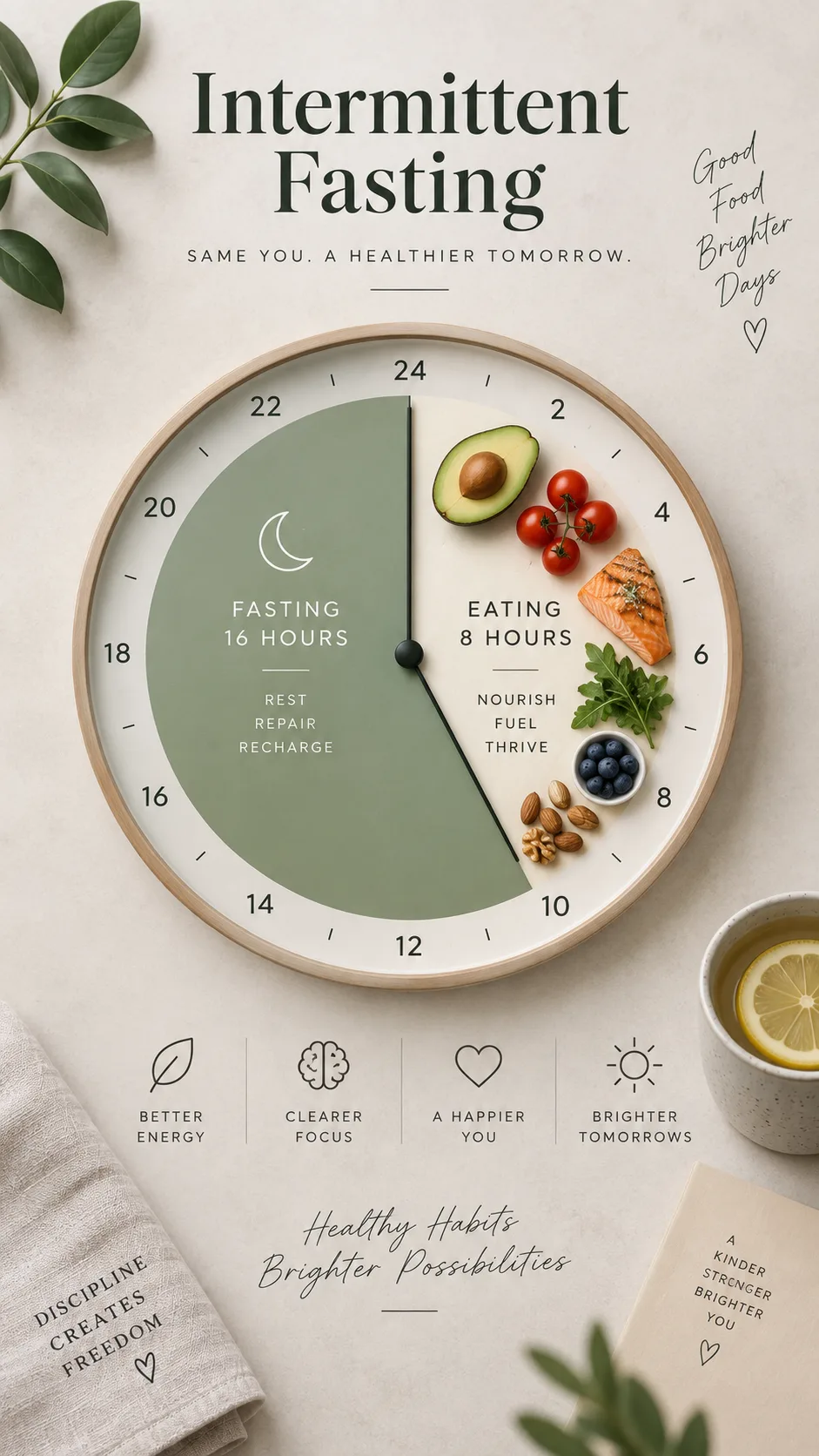
The 16:8, the famous one
Sixteen hours fasting, eight hours eating. Usually noon to 8pm. This is the protocol everyone on TikTok means when they say “IF.”
It works. But only if you’ve built up to it. Jumping here from a standard three-meals-plus-snacks routine is how people end up eating an entire sleeve of crackers at 11:47am.
The 5:2, for people who hate daily rules
Eat normally five days a week. On two non-consecutive days, cap intake around 500-600 calories. British researcher Dr. Michael Mosley popularized this one, and it suits people who’d rather have two hard days than seven medium ones.
OMAD and extended fasts: proceed with caution
One Meal A Day sounds efficient. In practice, hitting your protein and micronutrient needs in a single sitting is genuinely hard. Extended fasts (24-72 hours) belong under medical supervision, full stop.
The fasting diet plan itself: what to eat in your window
This is the part everyone skips, and it’s the part that makes or breaks results. Your eating window is not a free-for-all buffet. It’s a compressed opportunity to hit your nutrition targets.
Build every meal on four pillars
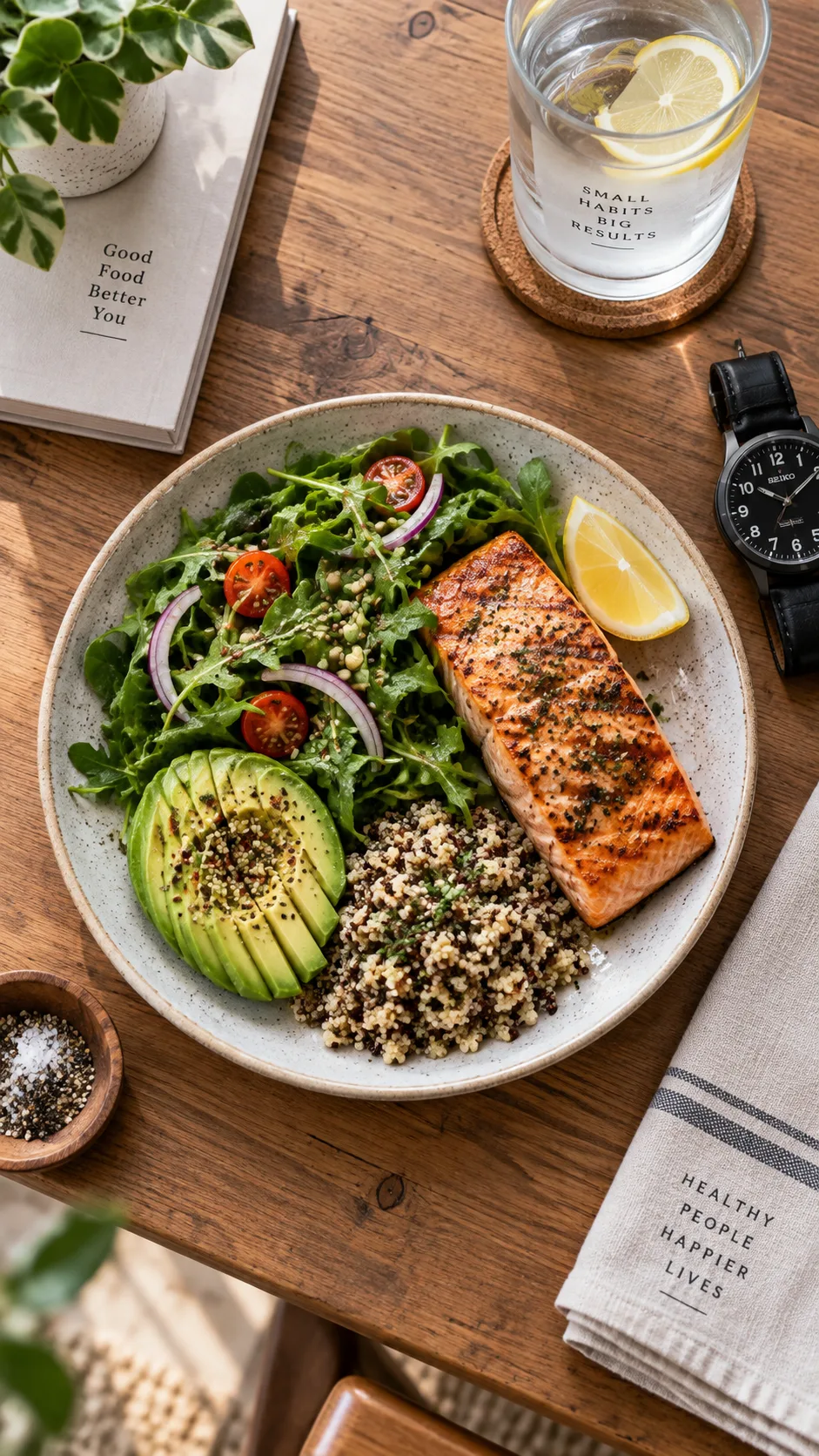
- Protein first, 30 to 45g per meal. Chicken, eggs, Greek yogurt, fish, tofu, lentils, cottage cheese. Protein preserves muscle during weight loss and keeps you full. Non-negotiable.
- Fiber-rich vegetables, half your plate. Broccoli, spinach, peppers, cabbage, zucchini. Volume without calorie chaos.
- Smart fats, one to two thumb-sized portions. Olive oil, avocado, nuts, seeds, fatty fish. Fats slow digestion and keep satiety steady into the fast.
- Slow carbs, timed around activity. Oats, quinoa, sweet potato, beans, brown rice. Carbs aren’t evil. Refined ones just don’t earn their spot.
A high protein diet plan pairs beautifully with intermittent fasting because protein does the heavy lifting on hunger control. If you’re eating in eight hours instead of fourteen, every gram counts more.
A real 16:8 day (noon to 8pm window)
- 7:00am: Black coffee or green tea. Water. Salt in water if you feel foggy.
- 12:00pm, meal 1 (break the fast): Three-egg omelette with spinach and feta, half an avocado, one slice sourdough. Roughly 40g protein.
- 3:30pm, snack: Greek yogurt with berries and a spoon of almond butter. 20g protein.
- 7:00pm, meal 2: Grilled salmon, roasted sweet potato, big green salad with olive oil. 45g protein.
- 7:45pm: Square of 85% dark chocolate. Because life.
- 8:00pm: Window closes. Herbal tea only.
A real 14:10 day (9am to 7pm window)
- 9:00am: Overnight oats with protein powder, chia seeds, blueberries.
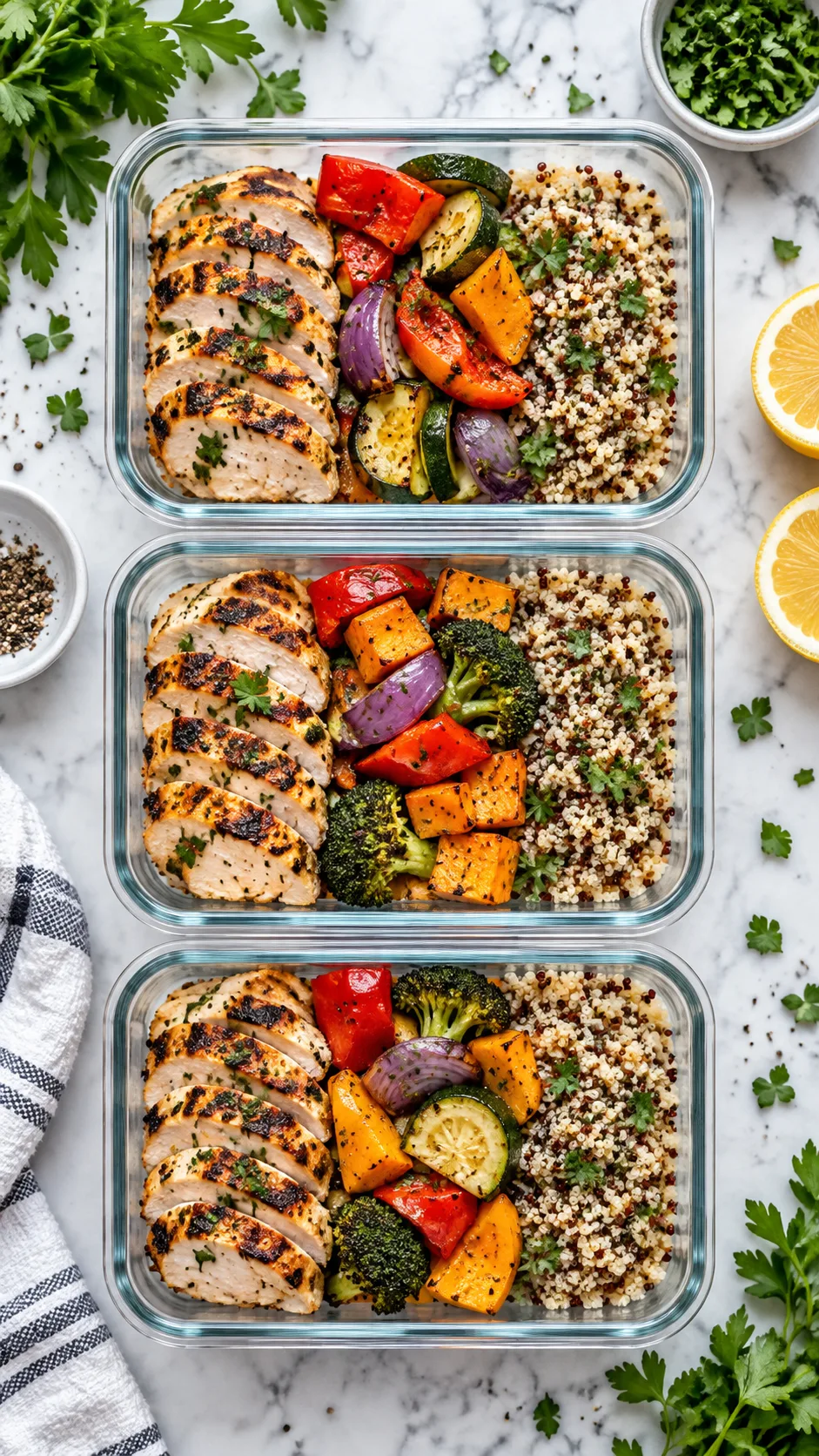
- 1:00pm: Chicken and quinoa bowl, roasted veg, tahini drizzle.
- 4:00pm: Cottage cheese with cucumber and black pepper, handful of walnuts.
- 6:45pm: Stir-fried tofu or lean beef with broccoli, garlic, brown rice.
Notice something? Every single meal leads with protein. That’s not an accident.
What breaks a fast (and what definitely doesn’t)
The internet has turned this into a religious debate. Let me simplify.
Safe during your fast
- Water, plain or sparkling, whatever you like
- Black coffee, zero calories, and it may nudge fat oxidation up
- Plain tea: green, black, herbal, oolong
- Electrolytes, unsweetened, no calories. Huge for headaches.
- Apple cider vinegar in water, negligible calories
Breaks your fast (stop kidding yourself)
- A splash of milk. Yes, even oat milk. Especially oat milk.
- BCAAs. They’re amino acids, and they trigger insulin.
- Gum with sugar alcohols. Minor, but it does stimulate digestion.
- “Just a bite.” This is how it always starts.
FYI: if your goal is fat loss rather than strict autophagy research protocols, a 15-calorie splash of cream probably won’t ruin you. But if you’re telling yourself that about a caramel latte, we need to talk.
The 5 mistakes that sabotage almost everyone
- Under-eating in the window, then bingeing at night. Restriction creates rebound. Eat enough during your window, properly enough, and the 10pm fridge raid stops happening.
- Ignoring electrolytes. Headaches, dizziness and brain fog during fasting usually come down to sodium and magnesium, not hunger. Add a pinch of salt to your water.
- Skipping protein. Fasting without adequate protein means losing muscle alongside fat. Your metabolism will file a complaint.
- Sleeping badly. Poor sleep spikes ghrelin and cortisol, and suddenly your fast feels impossible. Fasting can’t outrun five hours of sleep.
- Going too hard, too fast. Week one at 20:4 is a recipe for quitting by week two.
I made mistake number one for an embarrassingly long time. I’d fast until 2pm, eat a salad, feel virtuous, then demolish half a loaf of bread at 9pm. Turns out “discipline” that’s really just delayed chaos doesn’t count.
Watch this before you start
Intermittent fasting for women: the nuance nobody mentions
Women’s bodies respond to fasting differently, and pretending otherwise helps nobody. Aggressive fasting can disrupt menstrual cycles, tank thyroid function, and spike cortisol in some women.
Practical adjustments that work:
- Start at 12:12 or 14:10, not 16:8
- Consider easing off fasting in the luteal phase (the week before your period) when cortisol runs higher
- Push protein harder than you think you need to: 100g+ daily for most active women
- Skip fasting entirely if you’re pregnant, breastfeeding, or have a history of disordered eating
If you’re dealing with hormonal conditions, fasting needs to fit into a bigger picture. A structured hormone balancing diet plan often matters more than the fasting window itself. Same goes if you’re managing PCOS: a targeted PCOD Indian diet plan combined with gentle 14:10 fasting tends to outperform aggressive protocols.

Exercise and fasting: do they mix?
Short answer: yes, with rules.
Fasted cardio
Light to moderate cardio in a fasted state is fine for most people. Walking, easy cycling, steady-state jogging. Some evidence points to slightly higher fat oxidation, though total calorie balance still drives the outcome.
Lifting weights
My honest take: don’t lift heavy fasted. Strength training demands fuel, and training fasted usually means worse performance and more muscle loss risk.
Better plan? Schedule your workout to end right as your eating window opens. Train at 11:30am, eat at 12:15pm. The American College of Sports Medicine consistently recommends protein after training for recovery, so don’t fast through that window.
High-intensity training
HIIT while fasted? You’ll feel awful and perform worse. Put HIIT inside your eating window. Your sprint times will thank you.
Your first 30 days: a realistic ramp-up
- Week 1, 12:12. Stop eating after dinner. No late snacks. That’s the whole assignment.
- Week 2, 13:11 or 14:10. Push breakfast back one hour. Add electrolytes to morning water.
- Week 3, 14:10 locked in. Now focus on food quality. Protein at every meal. Vegetables at every meal.
- Week 4, 15:9 or 16:8. Only if weeks 1-3 felt genuinely easy. If not? Stay at 14:10. Seriously.
Track three things: energy levels, sleep quality, and hunger intensity. Not just the scale. If your energy tanks and your sleep suffers, you’ve pushed too far.
Who should NOT do intermittent fasting
This matters more than any fat loss tip in this article.
- Anyone pregnant or breastfeeding
- People with a history of eating disorders
- Type 1 diabetics and insulin-dependent type 2 diabetics (without medical supervision)
- Anyone underweight or recovering from illness
- Teenagers still growing
- People on medications requiring food
If you’re trying to build size rather than lose fat, fasting works against you. A proper weight gain diet plan needs more eating opportunities, not fewer. Harvard Health offers a balanced review of the evidence worth reading before you commit.
The truth about results timelines
Week one: you’ll feel hungry and slightly irritable. Normal.
Week two to three: hunger regulates. This is when it clicks. Your body stops screaming at 10am.
Week four onward: steady fat loss of roughly 0.5 to 1% of bodyweight per week, assuming your food quality holds. Energy stabilizes. Clothes fit differently before the scale moves dramatically.
Anyone promising you 20 pounds in 14 days is selling something.
Final thoughts: make it boring, make it work
The fasting diet plan that finally clicks is the one you forget you’re even doing.
Start at 12:12. Build to 14:10. Only chase 16:8 if it feels genuinely comfortable. Lead every meal with protein, fill half your plate with vegetables, and close your kitchen when the window shuts.
That’s it. No expensive supplements, no fasting apps with monthly subscriptions, no six-hour YouTube rabbit holes about autophagy.
Pick your window tonight. Write it down. Follow it tomorrow. In three weeks, you’ll wonder why you ever thought this was hard, and that’s the moment intermittent fasting stops being a diet and starts being how you eat.
Now go close that kitchen.