

You cut the butter. You bought the skim milk. You stared down a plate of dry chicken breast and steamed broccoli like it had personally insulted your family. And the scale barely moved.
Sound familiar? You’re not broken, and your metabolism hasn’t filed for early retirement. You’re running a low fat diet on autopilot with a handful of mistakes built right into the plan. I’ve coached enough people through this exact frustration to know the pattern by heart.
So let’s fix it. Not with a mystical 21-day cleanse, but with the boring, effective stuff that moves the needle.
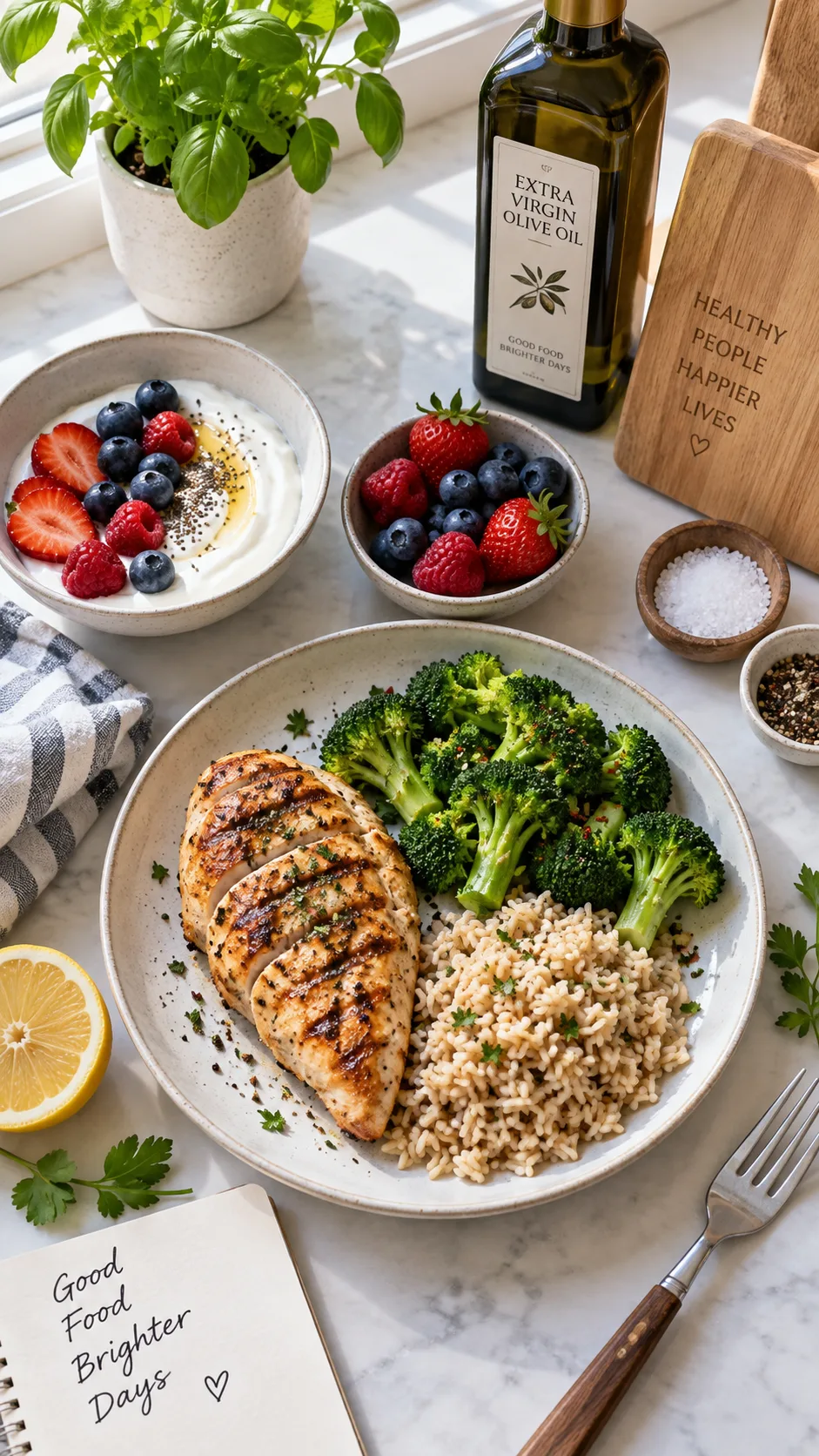
First, what counts as “low fat”?
Most people trip on step one. They hear “low fat” and mentally translate it to “no fat, ever, under any circumstances.” That isn’t a diet, that’s a hostage situation.
A genuine low fat diet keeps fat between 20% and 30% of your total daily calories. Some clinical protocols push lower (think 10% to 15% for specific medical reasons), but those belong under a doctor’s supervision, not a TikTok caption.
On a 2,000-calorie day, 25% fat lands you around 55 grams of fat. That’s not nothing. That’s olive oil on your salad, a couple of eggs, and a handful of almonds. You can live a full and joyful life on 55 grams of fat, I promise.
Why fat isn’t the villain in your story
Your body needs fat. Not “kind of wants it.” NEEDS it. Fat carries vitamins A, D, E and K into your bloodstream, it builds hormones, and it keeps your brain from feeling like wet cardboard by 3pm.
The Harvard T.H. Chan School of Public Health has spent years hammering this point: the type of fat matters far more than the raw total. Swap saturated fat for unsaturated fat and your cholesterol markers improve. Swap fat for refined carbs and you get roughly nothing, or worse.
So when you go low fat, go low fat intelligently. Trim the sources that don’t serve you. Keep the ones that do.
Mistake #1: you replaced fat with sugar and didn’t notice
This is the big one. It torpedoes more low fat diets than any other single factor.
Food manufacturers figured out something clever in the 1980s: strip the fat out of a product and it tastes like sadness. So they added sugar. Lots of it. Then they printed “LOW FAT” on the front in cheerful green letters and sold it as health food.
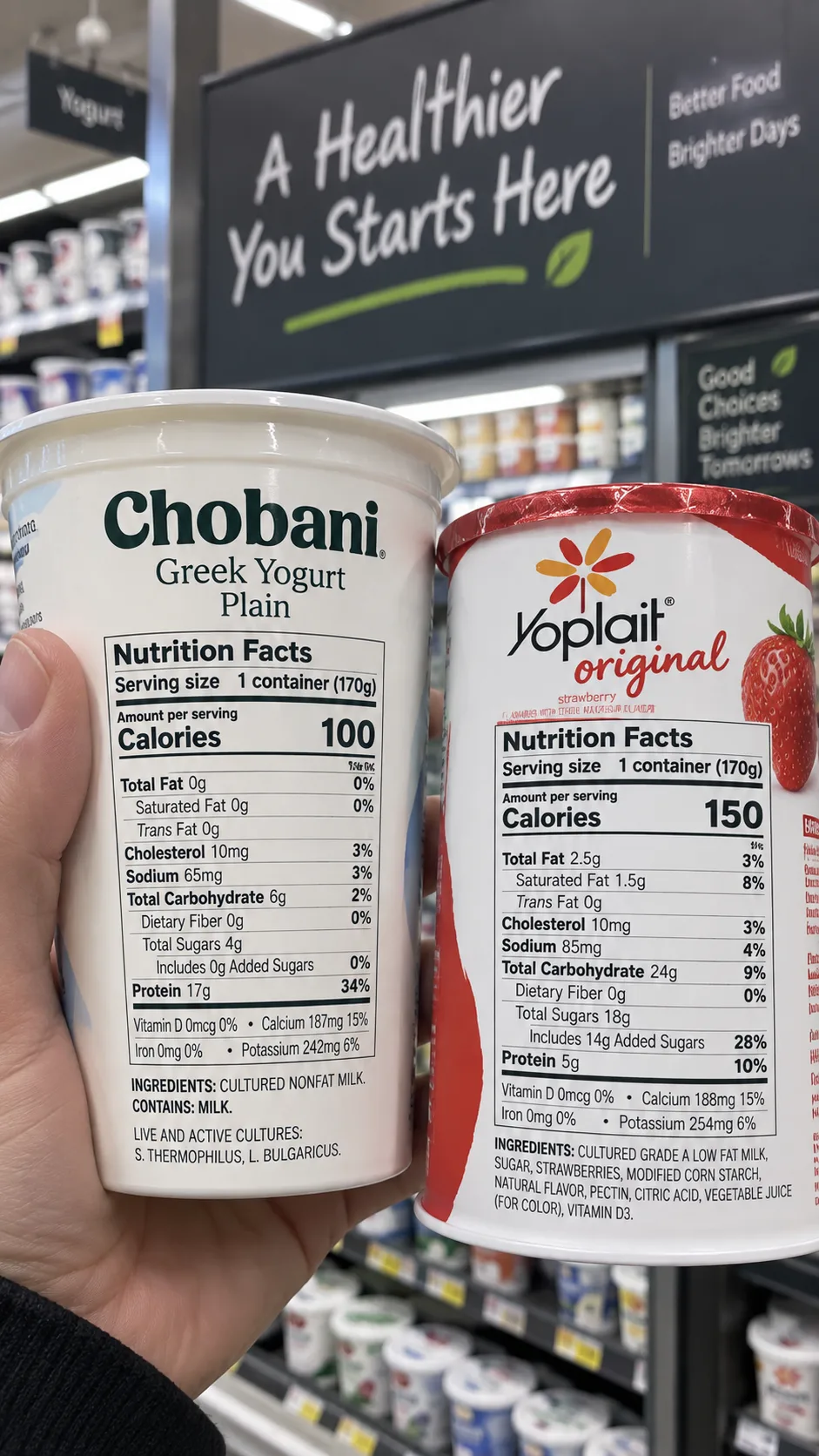
Flip over a tub of low fat flavored yogurt sometime. You’ll routinely find 18 to 22 grams of sugar per serving, more than some candy bars carry. Meanwhile the full-fat plain version has about 6 grams, all naturally occurring lactose.
The worst offenders hiding in your cart
- Fat-free salad dressings: sugar and gums doing the heavy lifting
- Low fat granola and cereal bars: candy in a fitness costume
- Reduced-fat peanut butter: they remove fat, then add sugar plus maltodextrin. Why?
- Fat-free flavored yogurt: dessert wearing a health halo
- “Light” baked goods: still baked goods, friend
My rule is dead simple: if a food needs a marketing label to convince you it’s healthy, it probably isn’t. Broccoli doesn’t advertise. Salmon doesn’t need a green checkmark.
Mistake #2: you forgot protein exists
Cut fat, and something has to fill the gap. Most people default to carbs because carbs are convenient, cheap and everywhere. Then they wonder why they’re starving 90 minutes after lunch.
Protein is the answer you keep skipping. It keeps you full, it protects your muscle while you lose weight, and it costs your body energy just to digest. The thermic effect of food runs roughly 20% to 30% for protein versus 5% to 10% for carbs.
Aim for 1.6 to 2.2 grams of protein per kilogram of bodyweight if you train regularly. For a 70kg person, that’s roughly 112 to 154 grams daily. Sounds like a lot until you plan for it.
Lean protein sources that fit a low fat plan
- Chicken breast: 31g protein, 3.6g fat per 100g cooked
- White fish (cod, haddock, tilapia): 20g+ protein, under 2g fat
- Egg whites: pure protein, zero fat (keep a whole yolk or two for the nutrients)
- Non-fat Greek yogurt: 17g to 20g protein per 170g pot
- Lentils and black beans: protein plus fiber, a genuinely underrated combo
- Extra-lean ground turkey (93/7 or leaner)
- Low fat cottage cheese: the comeback kid of the protein world
Ever noticed how a high-protein breakfast kills your mid-morning snack cravings? That isn’t willpower. That’s biology doing you a favor.
Mistake #3: you treat all fats as equal enemies
Here’s the nuance most low fat guides skip entirely. Fats don’t all behave the same way inside you.
The American Heart Association recommends keeping saturated fat under 6% of daily calories for anyone targeting cholesterol improvements, while still encouraging unsaturated fats from fish, nuts and olive oil.
Translation: cut back on fatty processed meat, butter-heavy baking and deep-fried everything. Keep your salmon. Keep your tablespoon of olive oil. Keep the avocado, just maybe not the whole avocado every single day.
The fats worth defending on your plate
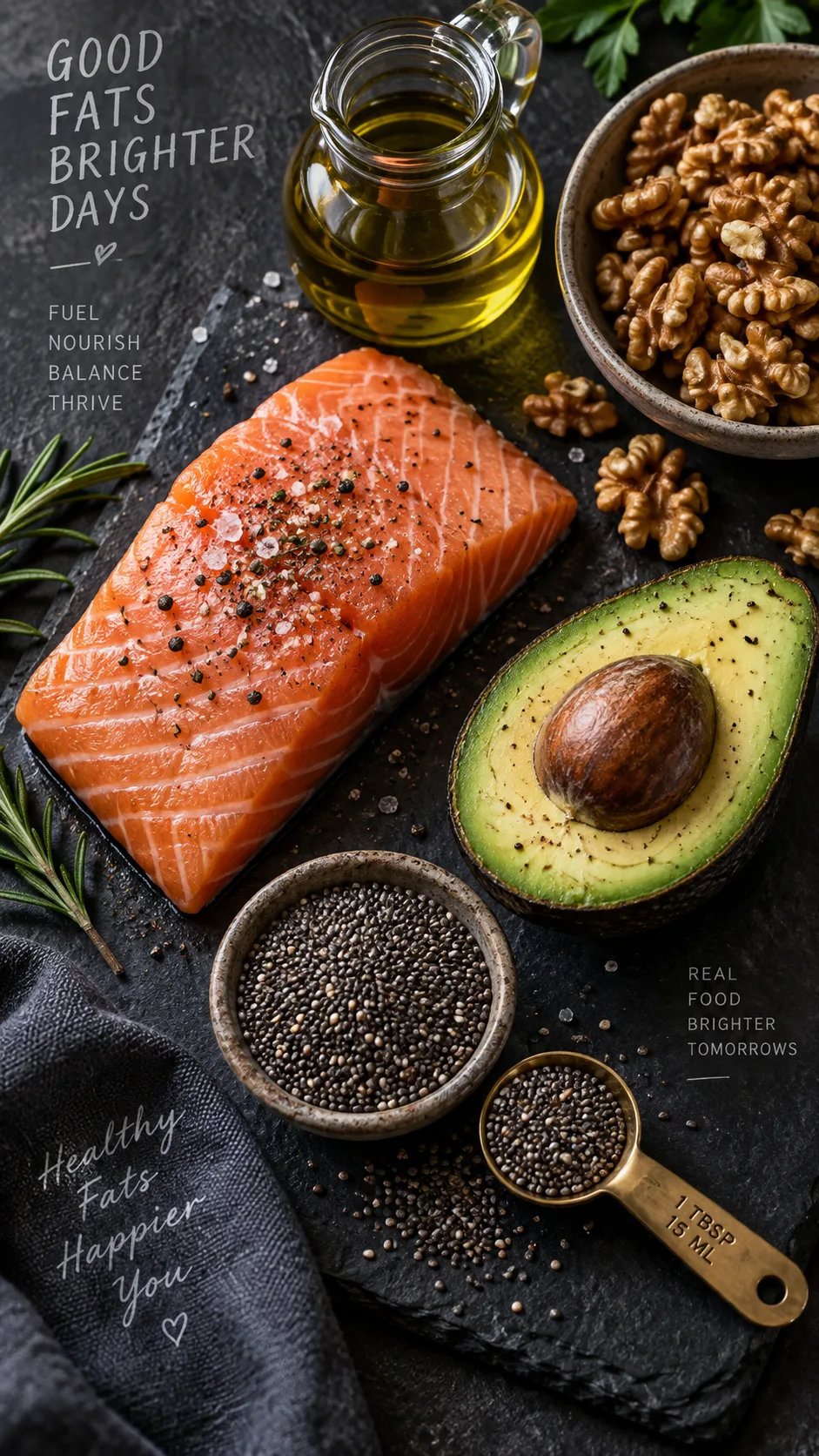
- Omega-3s from oily fish: salmon, sardines, mackerel. Two servings a week, minimum.
- Extra virgin olive oil: one tablespoon, measured, not free-poured
- Nuts and seeds: a small handful, roughly 20g to 30g
- Whole eggs: the yolk carries choline, lutein and vitamin D
FYI: people who go ultra-low on fat for months sometimes report dry skin, brittle hair, poor sleep and hormones that behave strangely. Your body notices when you starve it of essential fatty acids. It just doesn’t send a polite email about it.
Mistake #4: you ignore total calories completely
Brace yourself: low fat does not automatically mean low calorie. A bagel with fat-free jam clocks in around 400 calories and keeps you full for about eleven minutes.
Fat loss still obeys energy balance. You can eat 3,000 calories of fat-free food and gain weight. I’ve watched clients do it while genuinely believing they were “being good.”
Low fat diets often work for a dull reason: math. Fat packs 9 calories per gram versus 4 for protein and carbs, so trimming fat usually trims calories by default. But “usually” is doing heavy lifting in that sentence.
A sane way to track without losing your mind
- Log honestly for 10 to 14 days. Not forever. Just long enough to learn portion sizes.
- Weigh your oils and nut butters. Eyeballing costs people 200+ hidden calories daily.
- Count liquid calories. Lattes, juice and “healthy” smoothies all count.
- Track weekly averages, not daily weigh-ins. Water weight loves to mess with your head.
After two weeks you’ll estimate portions well enough to stop logging. That’s the goal, rather than living inside an app until 2040.
Mistake #5: you cook everything the same sad way
I’ll be blunt. If your low fat diet consists of boiled chicken and plain rice, you will quit. Not because you lack discipline, but because the food is genuinely depressing.
Flavor doesn’t come from fat alone. It comes from acid, heat, salt, spice and technique. Learn three or four of these and your low fat meals stop feeling like a punishment.
Techniques that add flavor without adding fat
- High-heat roasting: caramelization creates flavor fat can’t replicate
- Acid finishing: lemon juice, lime or vinegar right before serving wakes everything up
- Toasted spices: 60 seconds in a dry pan transforms cumin and coriander
- Marinades with yogurt or citrus: they tenderize and season at the same time
- Air fryer or convection: crunch with a teaspoon of oil instead of a cup
- Broth braising: deep savory flavor, near-zero fat
My personal turning point? Learning to properly char vegetables. Blistered green beans with garlic, chili flakes and a squeeze of lemon beat anything I ever drowned in butter. It took me thirty-odd years to work that out.
Mistake #6: you skip fiber and wonder why you’re hungry
Fat creates satiety. Remove it, and you need something else to fill that role. Fiber is your replacement.
Most adults need 25g to 38g of fiber daily, and most get around 15. The Mayo Clinic links adequate fiber intake to better blood sugar control, improved cholesterol and, relevant here, much better appetite regulation.
Volume matters psychologically too. A 400-calorie plate of vegetables, beans and lean protein looks like a meal. A 400-calorie muffin looks like a snack you’ll regret.
Fiber-heavy foods that keep you genuinely full
- Legumes: 7g to 8g fiber per cooked cup
- Oats: beta-glucan specifically helps cholesterol
- Berries: 8g per cup of raspberries
- Cruciferous vegetables: broccoli, cabbage, Brussels sprouts
- Chia and flax seeds: tiny fat cost, enormous fiber payoff
Ramp up gradually and drink more water. Going from 12g to 35g overnight will make your digestive system hold a grudge. Trust me on this one.
Mistake #7: you diet hard and train soft
Nutrition handles fat loss. Training handles what you look like once that fat comes off. Those are different jobs.
Cut calories without resistance training and you lose muscle alongside fat. That’s how people hit their target weight and still feel soft and unimpressed in the mirror. Ever heard someone say “I lost weight but I look worse”? That’s the mechanism.
You don’t need a fancy gym. Bodyweight work covers enormous ground when you execute it well. That last part matters, because most people sabotage themselves with sloppy technique, which is exactly why I’d point you toward the common push up form mistakes that quietly wreck progress before you crank out another 100 reps.
A minimum effective training week
- 2 to 3 resistance sessions hitting the whole body
- 7,000 to 10,000 steps daily, the most underrated fat loss tool that exists
- 1 to 2 conditioning sessions if you enjoy them (if you hate them, skip them)
- Progressive overload: add reps, add load, or improve form every week
Notice that walking made the list above cardio machines. Low-intensity movement burns meaningful calories, barely dents recovery, and you can sustain it for years. Novel concept, right?

Mistake #8: you expect linear results
Your weight will not drop in a tidy downward line. It’ll stall, jump up two pounds after a salty dinner, then fall four in a week for no obvious reason.
Water retention, glycogen storage, hormonal cycles, sodium intake and digestion timing all shift the number on the scale without touching your actual body fat. Judging a low fat diet by a single morning weigh-in makes about as much sense as judging a movie by one frame.
Track these instead:
- Weekly average weight (weigh daily, average the seven numbers)
- Waist measurement every two weeks
- Progress photos monthly, same lighting, same time of day
- Strength numbers in the gym
- Energy, sleep quality and mood, the stuff no app tracks
Expect roughly 0.5% to 1% of bodyweight lost per week. Faster than that and you’re likely shedding muscle and water alongside fat. IMO, slow and boring wins this game every single time.
Mistake #9: you have no plan for real life
Restaurants exist. Birthdays exist. Your colleague will bring donuts on Tuesday. A low fat diet that collapses the moment life happens is a fantasy, not a plan.
Practical survival tactics
- Check menus before you go. Decide while you’re calm, not while you’re hungry and staring at a dessert cart.
- Order sauces and dressings on the side. Biggest restaurant fat reduction available, and you sacrifice no flavor.
- Front-load protein earlier in the day when you know dinner will be indulgent.
- Use the 80/20 rule. Nail 80% of your meals and stop auditing the rest.
- Never “start again Monday.” One heavy meal changes nothing. One abandoned week changes everything.
Consistency beats perfection. I’d take someone who follows the plan 85% of the time for a year over someone who executes flawlessly for three weeks and then vanishes.
Who benefits most from low fat eating?
Low fat isn’t universally superior to low carb or Mediterranean approaches. Research consistently shows adherence predicts results better than macro ratios. The Stanford DIETFITS trial famously found near-identical weight loss between low fat and low carb groups over 12 months.
That said, a low fat approach works particularly well for certain people:
- People managing high LDL cholesterol under medical guidance
- Those recovering from gallbladder removal or managing gallstones
- Anyone with pancreatitis history (doctor-directed)
- People who genuinely prefer carb-heavy, high-volume meals
- Endurance athletes who need aggressive glycogen replenishment
If you feel miserable, sluggish and cold on low fat after a fair trial, switch. The best diet is the one you’ll still follow in six months. Everything else is internet noise.
A sample day that doesn’t suck
Roughly 1,900 calories, about 50g fat, 150g+ protein, 35g fiber:
- Breakfast: Overnight oats with non-fat Greek yogurt, berries, 1 tbsp chia, cinnamon
- Lunch: Roasted chicken breast, quinoa, charred broccoli, lemon-yogurt sauce
- Snack: Cottage cheese with pineapple and black pepper (don’t knock it)
- Dinner: Baked cod, sweet potato, green beans with garlic and 1 tsp olive oil
- Evening: Protein shake or an apple with a small handful of almonds
Every meal has protein. Every meal has fiber. Nothing on that list tastes like punishment. That’s the whole formula.
Wrapping it up
A low fat diet works beautifully when you build it properly, and it fails miserably when you treat “fat-free” as a free pass.
Keep the good fats. Ditch the sugar-loaded imposters. Anchor every meal with protein and fiber. Track calories long enough to learn portions, then stop. Lift something heavy a few times a week and pay attention to how you’re performing your exercises. Judge progress over months, not mornings.
One last thought: the diet that fails you isn’t the one you cheated on, it’s the one you never enjoyed enough to continue. Build something you’d happily eat next February. Then keep showing up.