

Have you ever tried surviving on a low-calorie diet while your stomach roared like an angry lawnmower through an afternoon work call? I have. Five years ago, I followed a generic 1300-calorie diet that I found online. By 3:00 PM every single day, I wanted to chew on my desk.
Most low-calorie plans fail because they hand you plain rice cakes, dry celery sticks, and tiny portions of bland food. They slash your calories without giving your brain the chemical signals that shut down appetite. You run on willpower until late evening, when you suddenly find yourself standing in front of the pantry devouring half a jar of peanut butter.
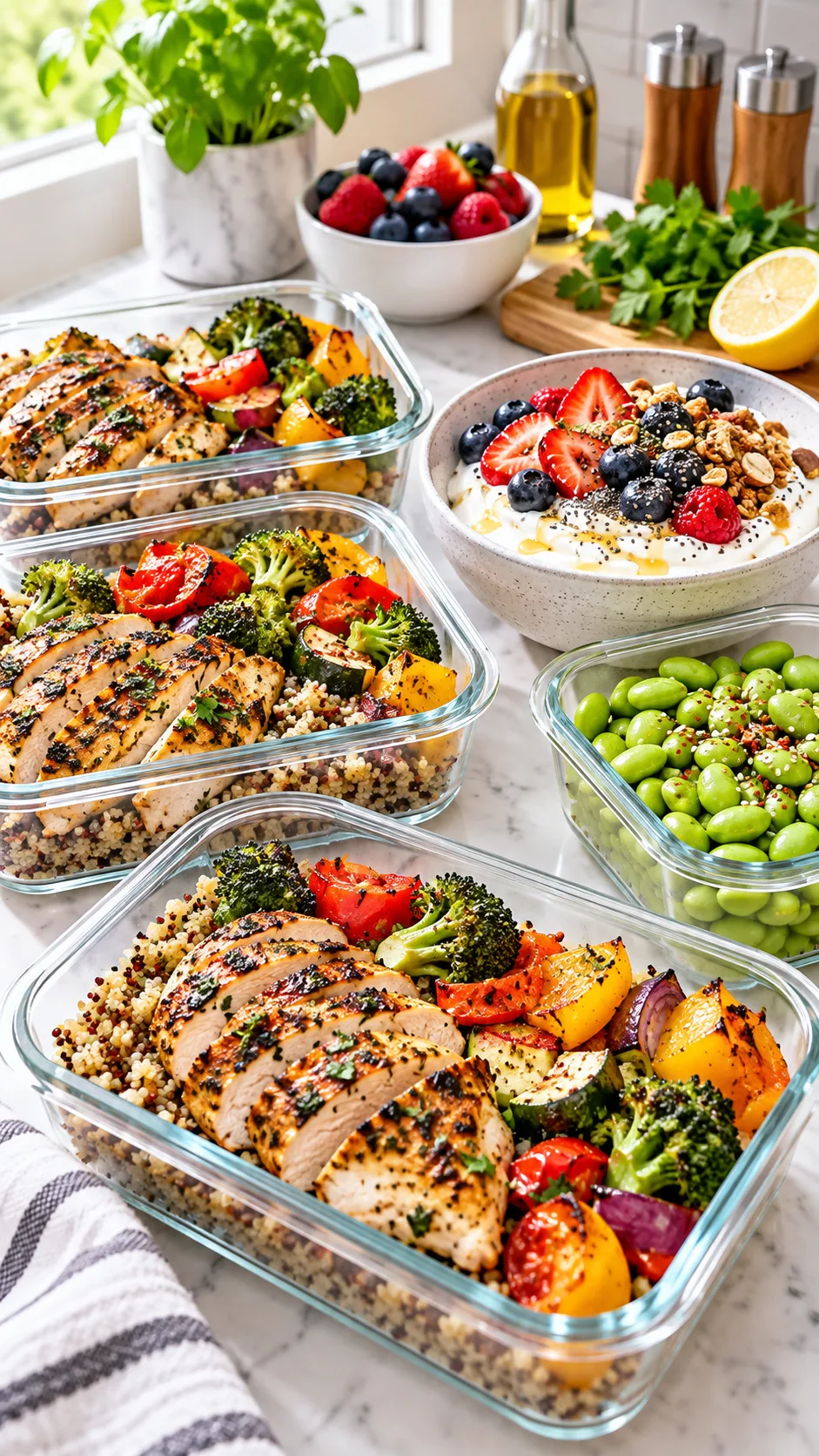
You can throw that miserable approach away. A high-protein 1300 calorie meal plan succeeds when you construct it with care. By prioritizing lean proteins, high-volume fiber, and healthy fats, you eat generous, flavorful meals that keep you full and protect your lean muscle.
Why most 1300 calorie diets make you miserable (and how protein fixes it)
Standard low-calorie diets leave people exhausted and ravenous because of hunger hormones and digestive energy costs. When you drop your daily food intake, your stomach secretes more ghrelin, your main hunger hormone.
At the same time, your levels of fullness hormones like peptide YY and GLP-1 drop fast. Your body fights your calorie deficit. Dietary protein changes this hormonal response completely.
Researchers in the American Journal of Clinical Nutrition showed that high-protein diets produce much stronger fullness signals than high-carbohydrate or high-fat diets. Protein forces your digestive system to work harder. Nutritionists call this the Thermic Effect of Food (TEF).
Your digestive tract burns roughly 20 to 30 percent of the calories in dietary protein just breaking down amino acids. Carbohydrates only require 5 to 10 percent, while dietary fats take 0 to 3 percent. When you eat 130 grams of protein, your body burns nearly 130 of those calories simply processing your food.
Protein also preserves your muscle tissue while you drop body fat. If you cut calories without eating enough protein, your body breaks down muscle fibers for fuel. That muscle loss slows your resting metabolic rate and creates a soft, depleted physique. Protein protects your metabolism.
The macro targets for a 1300-calorie day
Precision keeps you on track when you eat within a smaller calorie window. If your daily target sits near 1300 calories, you cannot waste 200 calories on sugary lattes or refined snacks. Every single bite needs nutritional value.
If 1300 calories feels too restrictive for your daily movement, try The Simple 1500 Calorie Meal Plan That Keeps You Full All Day instead. But if you want steady fat loss while protecting your muscle, these macro targets provide great results:
- Total Daily Calories: ~1,300 kcal (give or take 25 calories)
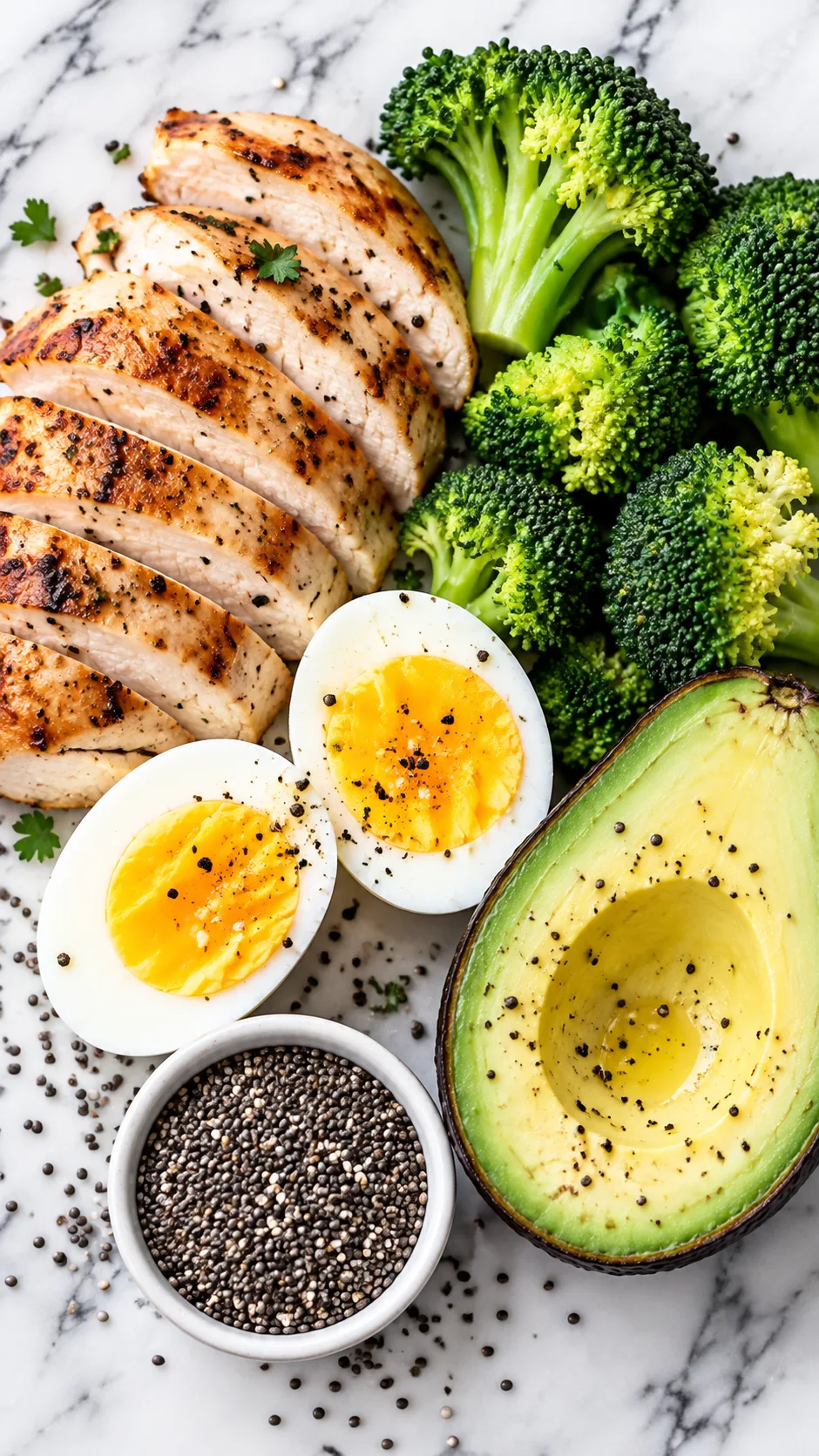
- Protein: 130g to 140g (40 to 43% of total calories)
- Net Carbohydrates: 85g to 100g (26 to 30% of total calories)
- Healthy Fats: 35g to 42g (25 to 29% of total calories)
- Dietary Fiber: Minimum 30g daily
This macro split provides over 1 gram of protein per pound of target lean body weight for most women and lighter men. The Harvard T.H. Chan School of Public Health points out that diverse, high-grade protein sources support long-term wellness during weight control.
The 7-day high-protein 1300 calorie meal plan
This practical seven-day plan removes the daily stress of meal selection. Every day provides hearty dishes that balance micronutrients, high-volume fiber, and plenty of protein. Swap days around whenever your schedule demands it.
Day 1: Kickoff Monday
- Breakfast (330 kcal, 38g protein): Stir 1 scoop vanilla whey protein powder into 1 cup non-fat plain Greek yogurt. Top with 1/2 cup fresh raspberries and 1 teaspoon chia seeds.
- Lunch (350 kcal, 42g protein): Toss 5 oz grilled chicken breast with 3 cups mixed salad greens, sliced cucumbers, cherry tomatoes, and 2 tablespoons light balsamic vinaigrette. Serve with 1 high-fiber tortilla.
- Afternoon Snack (170 kcal, 20g protein): Combine 3/4 cup 1% low-fat cottage cheese with 1 cup sliced Persian cucumbers and bagel seasoning.
- Dinner (450 kcal, 44g protein): Bake 6 oz wild cod fillet with lemon and garlic. Plate alongside 2 cups roasted zucchini noodles and 1 cup steamed broccoli tossed in 1 teaspoon olive oil.
- Daily Totals: 1,300 calories | 144g protein | 88g carbs (32g fiber) | 38g fat
Day 2: Power Tuesday
- Breakfast (310 kcal, 35g protein): Scramble 3 large egg whites and 1 whole egg with 1 cup baby spinach, 1/4 cup diced tomatoes, and 2 tablespoons low-fat feta. Eat with 1 slice toasted sprouted grain bread.
- Lunch (360 kcal, 40g protein): Mix 5 oz canned albacore tuna with 1 tablespoon light mayo, chopped celery, and Dijon mustard. Spoon into crisp romaine lettuce boats and eat with 1 small apple.
- Afternoon Snack (180 kcal, 24g protein): Blend 1 cup unsweetened almond milk with 1 scoop chocolate whey or casein protein and 1 tablespoon powdered peanut butter.
- Dinner (440 kcal, 42g protein): Brown 5 oz 93/7 lean ground beef with chili powder and cumin. Serve over 2 cups shredded iceberg lettuce, 1/2 cup black beans, 2 tablespoons salsa, and 2 tablespoons light sour cream.
- Daily Totals: 1,290 calories | 141g protein | 92g carbs (30g fiber) | 39g fat
Day 3: Mid-Week Volume Wednesday
- Breakfast (340 kcal, 36g protein): Cook 1/3 cup rolled oats in water. Whisk in 1/2 cup liquid egg whites during the final two minutes on the stove, then fold in 1/2 scoop vanilla protein powder and 1/3 cup fresh blueberries.
- Lunch (340 kcal, 38g protein): Roll 5 oz shredded roast turkey breast inside 2 high-fiber wraps with sliced red onion, baby arugula, and spicy mustard.
- Afternoon Snack (160 kcal, 18g protein): Eat 2 hard-boiled eggs seasoned with sea salt and smoked paprika, alongside 1 cup fresh baby carrots.
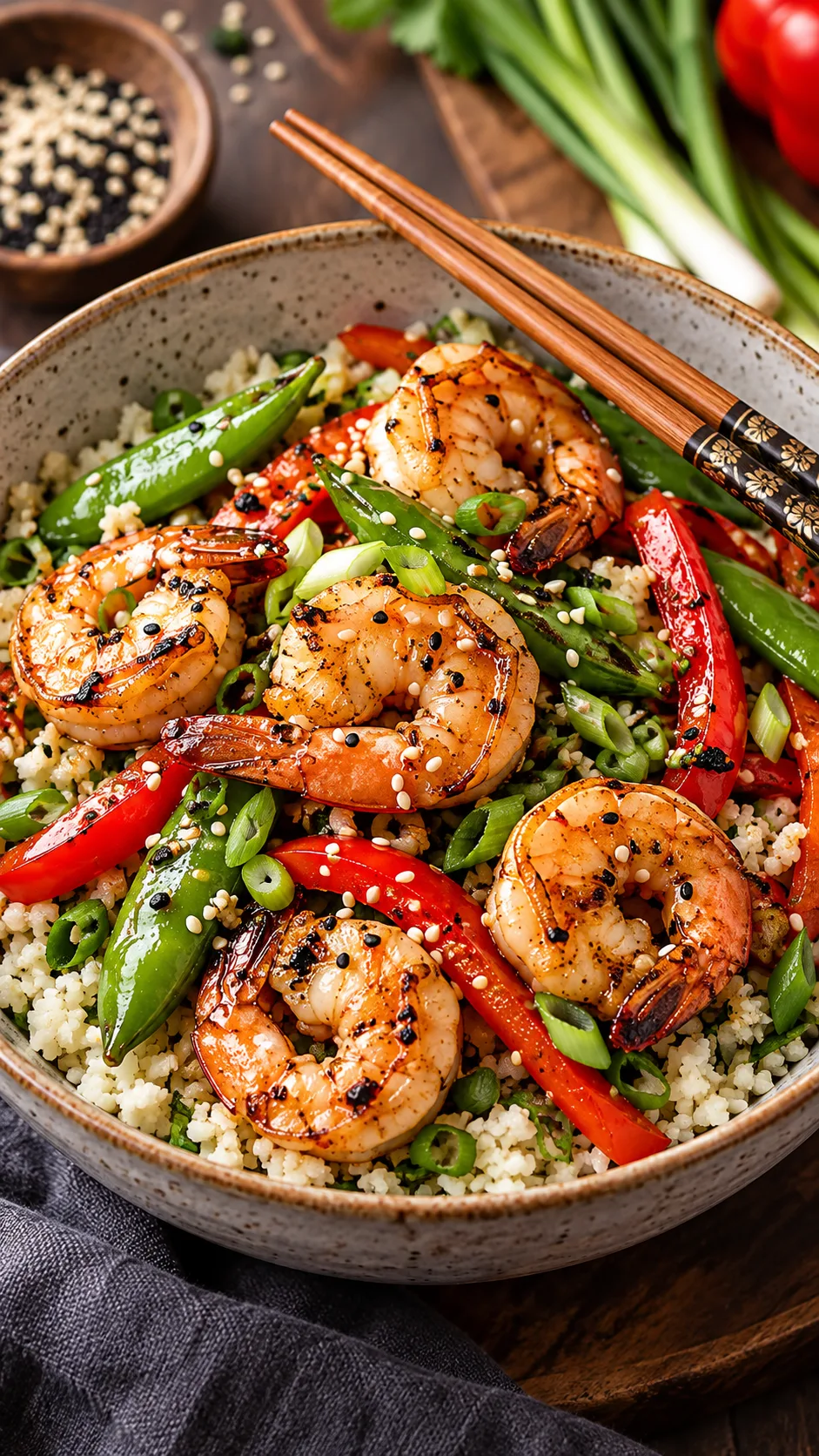
- Dinner (460 kcal, 46g protein): Grill 6 oz jumbo shrimp with bell peppers and onions. Serve over 1.5 cups riced cauliflower sauteed with 1 teaspoon sesame oil and 1 tablespoon coconut aminos.
- Daily Totals: 1,300 calories | 138g protein | 94g carbs (34g fiber) | 37g fat
Day 4: Lean and Green Thursday
- Breakfast (320 kcal, 37g protein): Blend 1 cup non-fat cottage cheese until smooth. Top with 1/2 cup fresh strawberries, 1 tablespoon chopped walnuts, and cinnamon.
- Lunch (350 kcal, 41g protein): Toss 5 oz grilled chicken strips in hot sauce over 3 cups chopped romaine, diced celery, 2 tablespoons light blue cheese dressing, and 1/4 cup edamame.
- Afternoon Snack (180 kcal, 21g protein): Snack on 1 single-serve pack of turkey jerky and 1 stick of light mozzarella cheese.
- Dinner (450 kcal, 43g protein): Roast 6 oz lean pork tenderloin with rosemary. Serve with 1.5 cups roasted Brussels sprouts and 1/2 cup baked sweet potato.
- Daily Totals: 1,300 calories | 142g protein | 89g carbs (31g fiber) | 40g fat
Day 5: Comfort Friday
- Breakfast (330 kcal, 34g protein): Spoon 1 cup low-fat cottage cheese into a bowl. Top with 1 soft-boiled egg, 1/4 sliced avocado, chili flakes, and black pepper.
- Lunch (360 kcal, 44g protein): Mix 5 oz shredded chicken breast with 1 tablespoon light pesto. Stuff into 1 whole-wheat pita pocket with baby spinach and sliced tomatoes.
- Afternoon Snack (150 kcal, 20g protein): Stir cinnamon and 1 teaspoon honey into 3/4 cup non-fat plain Greek yogurt.
- Dinner (450 kcal, 42g protein): Brown 5 oz extra-lean ground turkey breast with oregano and basil. Add 1/3 cup low-sugar marinara and 1/4 cup shredded part-skim mozzarella. Serve alongside 1 cup steamed green beans.
- Daily Totals: 1,290 calories | 140g protein | 82g carbs (31g fiber) | 38g fat
Day 6: Easy Prep Saturday
- Breakfast (320 kcal, 38g protein): Blend 1/2 cup egg whites, 1/2 cup cottage cheese, 1/4 cup rolled oats, and cinnamon into batter. Cook on a skillet and top with fresh blackberries.
- Lunch (370 kcal, 43g protein): Grill 5 oz lean sirloin steak strips. Plate over 3 cups mixed baby greens, roasted peppers, pickled onions, and 2 tablespoons light vinaigrette.
- Afternoon Snack (160 kcal, 17g protein): Steam 1 cup edamame pods in their shells and sprinkle with sea salt.
- Dinner (440 kcal, 42g protein): Bake 6 oz salmon fillet with lemon juice and dill. Pair with 2 cups roasted asparagus spears and 1/2 cup cooked quinoa.
- Daily Totals: 1,290 calories | 140g protein | 96g carbs (33g fiber) | 41g fat
Day 7: Simple Reset Sunday
- Breakfast (310 kcal, 36g protein): Scramble 4 egg whites and 1 whole egg with 1/4 cup smoked salmon, capers, and chives. Serve with 1 slice toasted multigrain bread.
- Lunch (360 kcal, 41g protein): Roll 5 oz deli turkey slices around dill pickle spears and 1 slice light provolone cheese. Eat with 1 cup fresh snap peas.
- Afternoon Snack (180 kcal, 23g protein): Shake 1 scoop whey protein isolate with cold-brew coffee and unsweetened cashew milk.
- Dinner (450 kcal, 45g protein): Simmer 6 oz lean ground chicken with canned crushed tomatoes, kidney beans, cumin, and chili powder. Top with chopped fresh cilantro and 1 tablespoon light sour cream.
- Daily Totals: 1,300 calories | 145g protein | 86g carbs (32g fiber) | 37g fat
If you want more recipe ideas for the week, review The 7-Day High Protein Meal Plan That Keeps You Full for easy meal prep swaps.
The science of volume eating: making 1300 calories look huge
Fitness competitors stay lean without intense hunger because they rely on food volume. Food volume simply describes the physical space an ingredient occupies on your plate and inside your stomach.
The Centers for Disease Control and Prevention (CDC) advises people to eat foods low in energy density to manage hunger naturally during weight management. Water-rich, high-fiber, low-calorie foods expand your stomach walls. This stretch triggers your vagus nerve to tell your brain that you ate enough.
Compare these two options:
- Option A: Two tablespoons of peanut butter and a small handful of potato chips. This tiny portion costs 300 calories, leaves you hungry ten minutes later, and fills almost no space in your stomach.
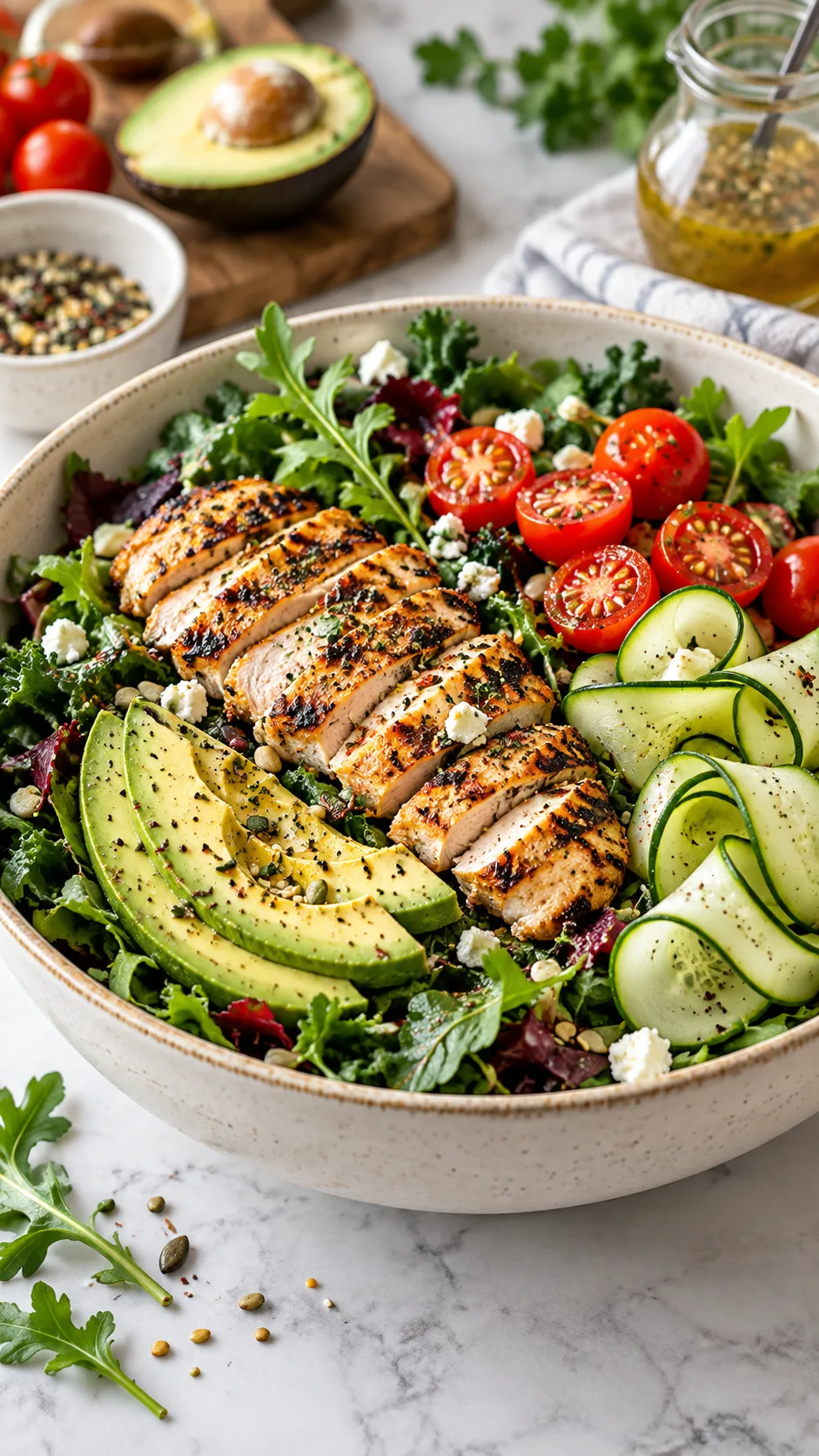
- Option B: Four cups of fresh spinach, two cups of chopped cucumber, six ounces of grilled chicken breast, and two cups of air-popped popcorn. This large plate delivers the exact same 300 calories, takes twenty minutes to chew, and completely fills your stomach.
Use volume tactics across your daily meals. Swap white rice for riced cauliflower. Grate raw zucchini into your morning oatmeal. Replace bread with crisp romaine lettuce leaves. These simple swaps keep you satisfied while holding your calories at 1300.
Meal prep tactics for busy schedules
Nobody wants to stand over a hot stove four times a day while balancing work, kids, and chores. You will abandon a 1300-calorie target the moment you arrive home ravenous at 6:00 PM without ready-to-eat food. Routine prep keeps you consistent.
Spend ninety minutes on Sunday completing these four tasks:
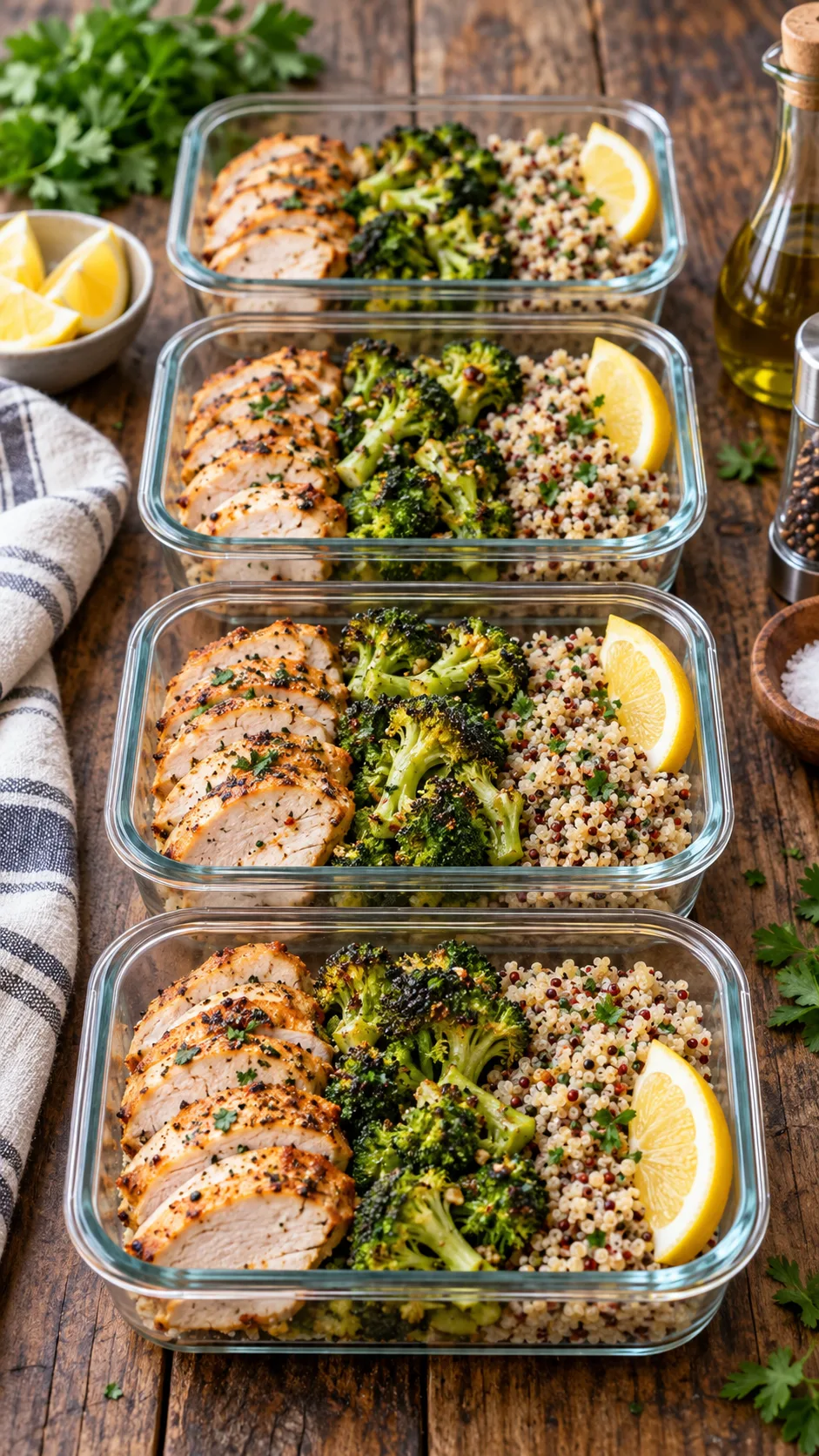
- Bake your anchor protein in batches: Roast two to three pounds of chicken tenderloins or lean chicken breast on a large baking sheet with garlic, paprika, and salt. Slice the meat and store it in glass containers.
- Boil a dozen eggs: Store hard-boiled eggs in their shells in your fridge. They supply an instant six grams of protein whenever you need quick food.
- Wash and chop crunchy vegetables: Cut bell peppers, trim celery stalks, and separate broccoli florets. Line the storage containers with dry paper towels to pull out moisture and keep vegetables crisp.
- Portion out your dairy snacks: Weigh single servings of cottage cheese or Greek yogurt into individual bowls so you avoid overeating when fatigue hits.
If you prefer an even tighter calorie budget, look at The 1200 Calorie Diet Meal Plans That Keep You Full All Day to observe how slight calorie adjustments change hunger. That extra 100 calories on a 1300 plan delivers huge mental relief across a long week.
Overcoming common roadblocks on 1300 calories
Cutting calories to 1300 requires adjustment. Even with high protein, you may experience friction during your first ten days. Here is how you solve common problems:
1. Sudden energy crashes
If you feel dizzy around mid-afternoon, examine your water and sodium intake immediately. When you trade heavily salted processed foods for whole meats and fresh produce, your kidneys excrete stored water and sodium very quickly.
Sprinkle sea salt over your meals. Drink 80 to 100 ounces of water throughout the day. People often mistake a mild electrolyte drop for low blood sugar.
2. Late-night snack cravings
If you crave sweets before bed, reserve 150 calories and 20 grams of protein for the late evening. A small cup of cold non-fat Greek yogurt with cinnamon or a thick casein pudding calms your appetite and stops midnight kitchen runs.
3. The scale stops moving
If the scale pauses after dropping four pounds in your first week, do not panic. Fat loss rarely moves in a straight line. Hormonal cycles, muscle inflammation from resistance training, and fluid shifts routinely mask fat reduction on the scale.
Measure your waist with a standard tape measure every seven days. If your waist circumference drops while scale weight holds flat, you continue to burn body fat.
Frequently asked questions about 1300 calorie diets
Will 1300 calories ruin my metabolism?
No, a structured 1300-calorie diet will not permanently harm your metabolic rate. Your body adjusts energy output slightly during any calorie deficit. By eating over 130 grams of protein and lifting weights twice weekly, you preserve your lean muscle and keep your daily caloric expenditure high.
Can I build muscle while eating 1300 calories?
Weight training beginners and individuals with excess body fat can build muscle while losing fat on this meal plan. Eat at least 1.6 grams of protein per kilogram of body weight each day and progressively add weight or repetitions during strength workouts.
Can I swap foods in this plan?
Yes. This meal plan provides a clear framework. Replace chicken breast with turkey cutlets, white fish with shrimp, or cottage cheese with plain Greek yogurt. Match the protein grams and total calories of the original food to maintain balance.
Final verdict: take control of your hunger today
Sustainable fat loss does not require starvation, chalky meal replacement shakes, or microscopic portions. When you build your meals around high-protein staples and high-volume vegetables, a 1300-calorie plan feels satisfying, energizing, and sustainable.
Stop punishing your body with tiny snacks that spike your blood sugar and provoke constant cravings. Buy your groceries, cook your protein ahead of time, and let this high-protein plan fuel your fat loss without the growling stomach.