

Want the honest explanation for supermodel bodies? It rarely comes from a “secret” tea, a three day juice cleanse, or a lonely lettuce leaf arranged like modern art.
Supermodel diets reflect structure, consistency, high activity, genetics, professional support, and intense job pressure. That answer sounds less glamorous than a detox gummy, but it explains far more.
Some models follow strict eating plans before major shoots or runway weeks. Others eat fairly normally, train hard, and stick with the same routines for years. Copying a model’s breakfast will not give you her body. Your genetics, health history, hormones, schedule, appetite, and starting point all shape the outcome.
First, drop the biggest supermodel diet myth
The biggest myth claims that models stay lean because they barely eat. Some people restrict too hard during stressful work periods, but starvation does not build a strong body with lasting energy. It brings fatigue, food obsession, muscle loss, weak workouts, and a miserable relationship with your fridge.
Healthier model meal plans include enough protein, whole foods, regular movement, and sensible portions. Models who work regularly need fuel for fittings, travel, workouts, castings, and long days on their feet.
Fashion images can fool you. Stylists use lighting, posing, tailoring, makeup, camera angles, and posture to create one particular look. A photo catches one managed moment. It does not show every meal, every bloated day, or every ordinary human angle.
Genes matter too. Some people carry less body fat naturally, build muscle more easily, have longer limbs, or move more without thinking about it. Healthy habits still matter, but genetics can change how those habits look on different bodies.
Thin does not automatically mean healthy
A number on the scale cannot measure fitness, blood pressure, strength, energy, nutrient intake, or mental health. Plenty of people look “fit” in photos while they struggle in private. Choose goals that support your life, not a pose from an ad campaign.
The Dietary Guidelines for Americans encourage nutrient dense foods for people of all body sizes: vegetables, fruit, whole grains, protein foods, dairy or fortified alternatives, and healthy fats. It sounds almost suspiciously sensible.
The real supermodel diet habits: simple routines repeated over time
Most sustainable model eating habits look unremarkable from the outside. People repeat meals, plan ahead, limit liquid calories, and stop treating every craving like an emergency. Steady habits beat dietary drama.
1. They build meals around protein
Protein helps people stay full, keep muscle during fat loss, and recover from training. Models and trainers often build meals around eggs, Greek yogurt, fish, chicken, tofu, beans, cottage cheese, lean meat, or protein smoothies.
A breakfast with protein can stop the midmorning pastry search that began with “just a coffee.” Add fiber rich carbs and produce, and your meal will carry you through the morning.
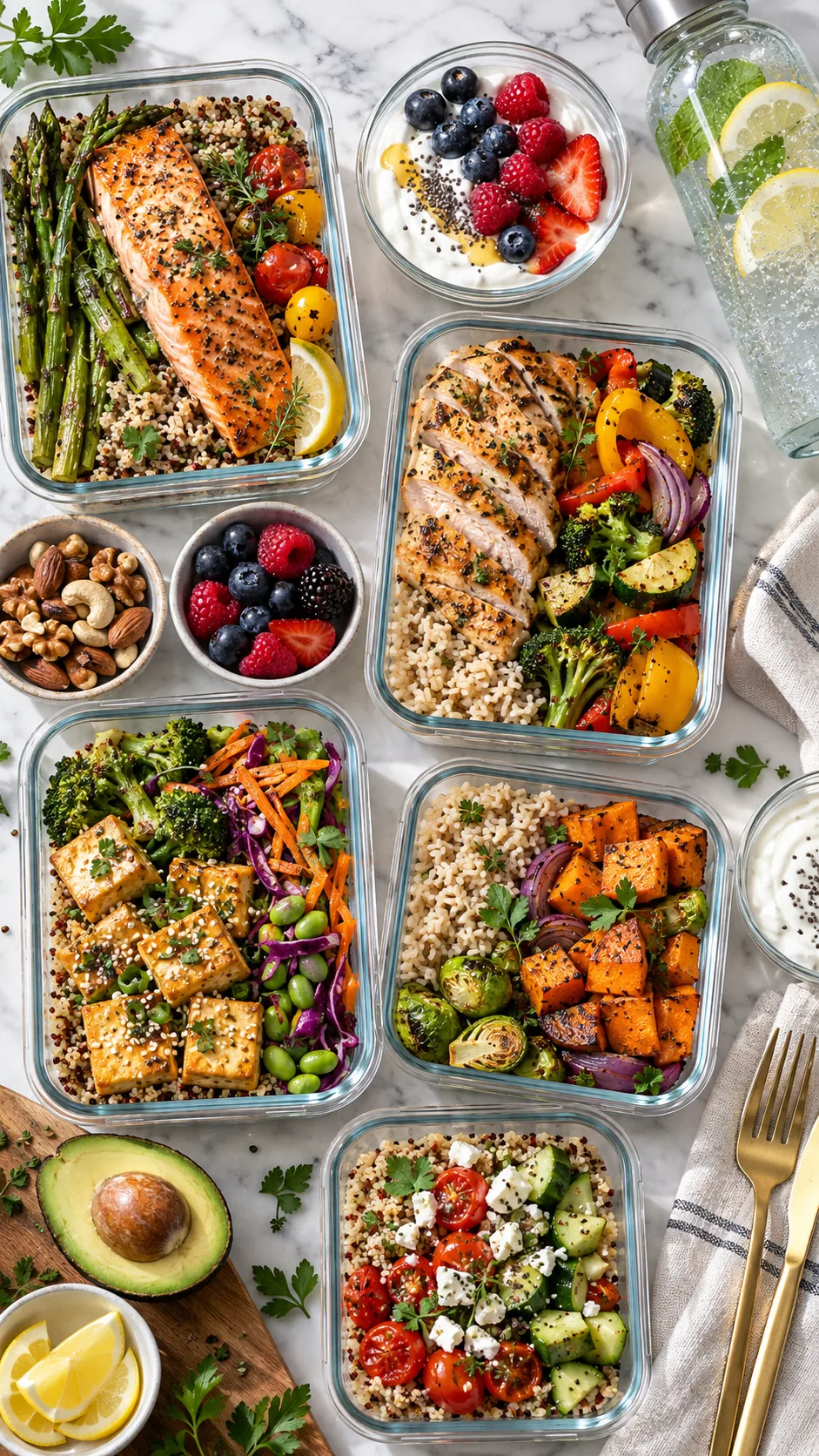
- Breakfast: Eggs with vegetables and toast, Greek yogurt with fruit, or oats with protein rich yogurt.
- Lunch: Chicken, tofu, tuna, or beans with a large salad and a filling carb source.
- Dinner: Fish, lean meat, lentils, or tempeh with vegetables and rice, potatoes, or whole grains.
- Snack: Fruit with yogurt, nuts, cottage cheese, edamame, or hummus with crisp vegetables.
You do not need to eat like a fitness influencer with six tubs of powder in the pantry. You need enough protein to make meals satisfying and support your activity.
2. They choose filling foods
Many lean people, whether by instinct or planning, eat foods that fill plenty of space without piling on calories. Think vegetables, fruit, broth based soups, potatoes, beans, lean proteins, and plain yogurt. These foods let you eat a generous plate without turning lunch into a calorie trap.
Fiber helps with fullness, digestion, and steadier energy. Most adults miss fiber targets, so adding vegetables, fruit, beans, and whole grains can make a calorie deficit easier to manage.
The National Institutes of Health explains that fiber rich foods can support digestive health and help people feel full. Read its practical guidance on fiber and healthy eating for a science based refresher.
3. They keep “treat foods” in perspective
Models eat pizza, pasta, dessert, burgers, and bread. Social media loves a “model eats fries” post because people find it surprising, but one meal cannot tell you how someone eats all week.
People who maintain their weight often follow a richer meal with ordinary choices later. They do not punish themselves with a fast, endless cardio, or a dinner made entirely of air. They return to their usual routine.
That approach matters. Food guilt often starts an all or nothing cycle: restrict hard, overeat, regret it, then repeat. A calm plan works better.
Calories explain fat loss, but they do not tell the whole story
Body fat changes when you consistently take in less energy than you use. Weight can move because of water, food volume, hormones, sodium, and digestion too. The math may sound dull, but it matters.
A calorie deficit causes fat loss, while food quality helps you maintain that deficit. A 1,600 calorie day of candy and pastries will feel very different from a 1,600 calorie day with protein, produce, potatoes, beans, and yogurt.
Many models skip mindless extras more often than entire food groups. Sugary drinks, frequent alcohol, oversized restaurant portions, grazing while scrolling, and “healthy” snacks that never fill you up can quietly raise calorie intake.
Why crash diets backfire
Crash diets can drop the scale quickly because your body loses water and stored carbohydrate along with some fat. They can also leave you hungry, tired, irritable, and unable to train well. Your body does not hand out gold medals for misery.
Extreme restriction can trigger rebound overeating. You might lose a few pounds before an event, then regain them when you return to normal eating. Sustainable fat loss requires patience, which can feel rude, but it works.
If you want more structure, our model diet meal plan offers balanced meal ideas without asking you to live on celery. You can also explore the 1200 calorie diet meal plans, but only follow a low calorie plan if it suits your size, activity level, health needs, and clinician’s advice.
Portion awareness beats perfection
You do not need to weigh every blueberry forever. Start by noticing portions of calorie dense foods such as oils, nut butter, cheese, sweets, alcohol, dressings, and restaurant meals. These foods can fit into a healthy diet, but they deliver energy quickly.
- Fill about half your plate with vegetables or fruit.
- Add a palm sized serving of protein.
- Choose a fist sized serving of carbs, then adjust for hunger and activity.
- Add fats on purpose instead of pouring freely.
- Eat slowly enough to notice when you feel satisfied.
This approach gives you a practical place to start without turning lunch into a laboratory experiment. Adjust it for your hunger, training, results, and medical needs.
Supermodels move more than Instagram shows
Food plays a major role, but activity changes body composition, posture, energy use, and muscle definition. Models may walk all day at castings, practice runway work, train with coaches, attend Pilates classes, lift weights, box, dance, or do yoga.
Many models spread movement across the day instead of relying on one punishing workout. Daily steps can matter more than people think because they build up without feeling like formal exercise.
The CDC physical activity guidelines recommend at least 150 minutes of moderate activity each week, plus muscle strengthening work on two days. You do not need a runway contract to benefit from that routine.
Strength training creates the “toned” look
“Toned” usually describes someone who has built or kept muscle while carrying enough body fat to reveal some shape. Strength training supports that goal far better than endless cardio alone. Squats, hinges, pushes, pulls, lunges, carries, and core work cover a lot of ground.
Muscle can also help you look firmer at a higher body weight than you might expect. Two people can weigh the same and wear different sizes because muscle, fat distribution, bone structure, and posture differ. The scale tells one small part of the story.
Cardio has a role, but it does not need to ruin your day
Walking, cycling, swimming, running, dance, and classes can improve heart health and raise daily energy use. Models often choose activities they can repeat rather than workouts that make them dread tomorrow.
Choose a mix that suits your personality. If you hate running, no motivational quote will turn you into a cheerful 5 a.m. runner. Pick movement you can tolerate first, then grow into enjoying it.

The less glamorous parts: sleep, stress, water, and routine
Models with demanding schedules still need the basics. Poor sleep can increase appetite, weaken training performance, and make convenient high calorie food much harder to resist. Anyone who has tried to choose a sensible snack after four hours of sleep knows the problem.
The National Heart, Lung, and Blood Institute links sleep deprivation to changes in appetite and metabolism. Work toward a regular sleep schedule before spending money on exotic supplements.
Hydration helps, but water does not “melt fat”
Water supports digestion, exercise performance, and normal body function. It can help you tell thirst from hunger, especially on hot days or during busy travel. But water cannot cancel a high calorie diet, regardless of how aggressively someone sells a lemon slice.
Many models keep water, sparkling water, tea, or coffee nearby because those drinks can replace frequent soda, juice, and alcohol. Choose drinks you enjoy, then notice how often liquid calories enter your day.
Routine reduces decision fatigue
Models with steady habits often repeat easy breakfasts, keep dependable snacks nearby, and order familiar restaurant meals. Routine cuts down on food decisions when hunger hits. Hungry brains tend to choose convenience and drama.
Try a simple weekly rhythm: plan three breakfasts, three lunches, three dinners, and two snacks. Buy the ingredients, prepare a few basics, and leave room for real life. You do not need a meal plan that falls apart when a friend suggests tacos.
What models often do before a runway or photo shoot
Before a major job, some models tighten their routine. They may cut back on alcohol, restaurant meals, highly processed snacks, and very salty foods. They may sleep more, cook more meals, and train with greater focus. Those changes can reduce temporary puffiness and improve energy without dangerous methods.
Some people manipulate water, carbohydrates, sodium, or food volume before shoots. Do not copy aggressive “peak week” methods from bodybuilding or social media. Dehydration, diuretics, laxatives, and extreme restriction can harm your health, disrupt your heart rhythm, and damage your performance.
A camera ready look may last only a few hours. Hair, makeup, lighting, posing, and editing all help create it. You do not need to maintain a shoot day appearance on a random Tuesday while answering emails and doing laundry.
A safer “feel good” reset
If you want to feel less bloated before an event, stick to basics instead of punishing yourself. Eat regular balanced meals, drink enough water, sleep, walk, and choose foods that sit well with your digestion. If bloating, pain, constipation, or food reactions persist, speak with a qualified clinician instead of following TikTok’s latest digestive conspiracy.
- Prioritize protein and produce at meals.
- Limit alcohol for several days.
- Cook more meals at home.
- Keep sodium reasonable instead of cutting it out.
- Walk daily and continue your usual workouts.
- Sleep seven to nine hours when you can.
How to build a healthy model inspired diet for your own body
The best supermodel diet for you will not copy anyone else exactly. It will help you feel full, energized, strong, and sane while you work toward your own goal. That goal might involve fat loss, muscle gain, better digestion, steadier energy, or fewer chaotic food decisions.
Start with a realistic target. A modest calorie deficit often works better for fat loss than a severe one, especially if you want to keep muscle and maintain your progress. A registered dietitian can tailor calories, protein, meal timing, and medical considerations to you.
Your model inspired weekly framework
- Eat protein at every meal. Choose options you enjoy and can afford.
- Add plants often. Include fruit or vegetables at most meals. Do not chase perfection with every bite.
- Keep carbs in your plan. Use potatoes, oats, rice, beans, fruit, and whole grains to fuel activity.
- Train for strength two or more times each week. Build muscle instead of chasing exhaustion.
- Walk more. Take a short walk after meals or move during phone calls.
- Plan indulgences. Enjoy them without letting one meal become a weeklong spiral.
- Track progress beyond weight. Pay attention to strength, waist measurements, sleep, mood, clothes, and energy.
This framework focuses on behavior you can repeat. It leaves room for birthdays, holidays, travel, and the occasional night when cereal counts as dinner. Flexibility does not ruin progress. It often protects it.
Red flags that a “model diet” has gone too far
Some diet content romanticizes habits that deserve concern, not applause. Watch for plans that remove whole food groups without a medical reason, demand severe calorie limits, push detoxes, or make you fear normal meals.
Talk with a doctor, therapist, or registered dietitian if food thoughts consume your day, you binge or purge, you hide eating habits, your period changes, you feel dizzy, or you cannot stop restricting and overeating. Good health includes your mind, not only your measurements.
People with diabetes, kidney disease, digestive disorders, pregnancy, a history of eating disorders, or medication needs should seek personal advice before changing their diet. Generic internet plans cannot replace individual care.
The bottom line on supermodel diet secrets
Supermodel bodies do not come from one magic food or one punishing diet. Genetics, long term habits, access to training and support, work demands, daily movement, and sometimes a tightly controlled schedule before a job all shape them.
Take the useful parts: protein rich meals, more produce, sensible portions, strength training, walking, sleep, hydration, and consistency. Skip starvation, detox scams, body comparison, and backstage extremes.
Your goal does not need to involve becoming someone else in a swimsuit. Build routines that help your body feel capable, healthy, and confident, because that feeling lasts longer than a perfectly lit photo.