

You finish your lunch at 12:30 PM, feel proud of your clean choices, and then hear your stomach roar like a cranky chainsaw by 1:45 PM. Most people assume that eating 2000 calories per day guarantees easy satisfaction. Then they burn through those calories on a sugary coffee, a tiny sandwich, and an energy bar that tastes like sweet cardboard, ending up ravenous by dinner.
Here is the plain truth: calories do not dictate fullness; food architecture does. You can eat 2000 calories of refined carbohydrates and processed fats, and your brain will still scream for food every ninety minutes. Or you can build meals using heavy volume, smart macronutrient targets, and high-satiety ingredients that make you question whether you can even finish your plate.
I designed this exact 2000-calorie blueprint to crush between-meal hunger pangs once and for all. If you want steady energy, strong muscle retention, clear mental focus, and zero urge to raid the pantry at midnight, this plan delivers.
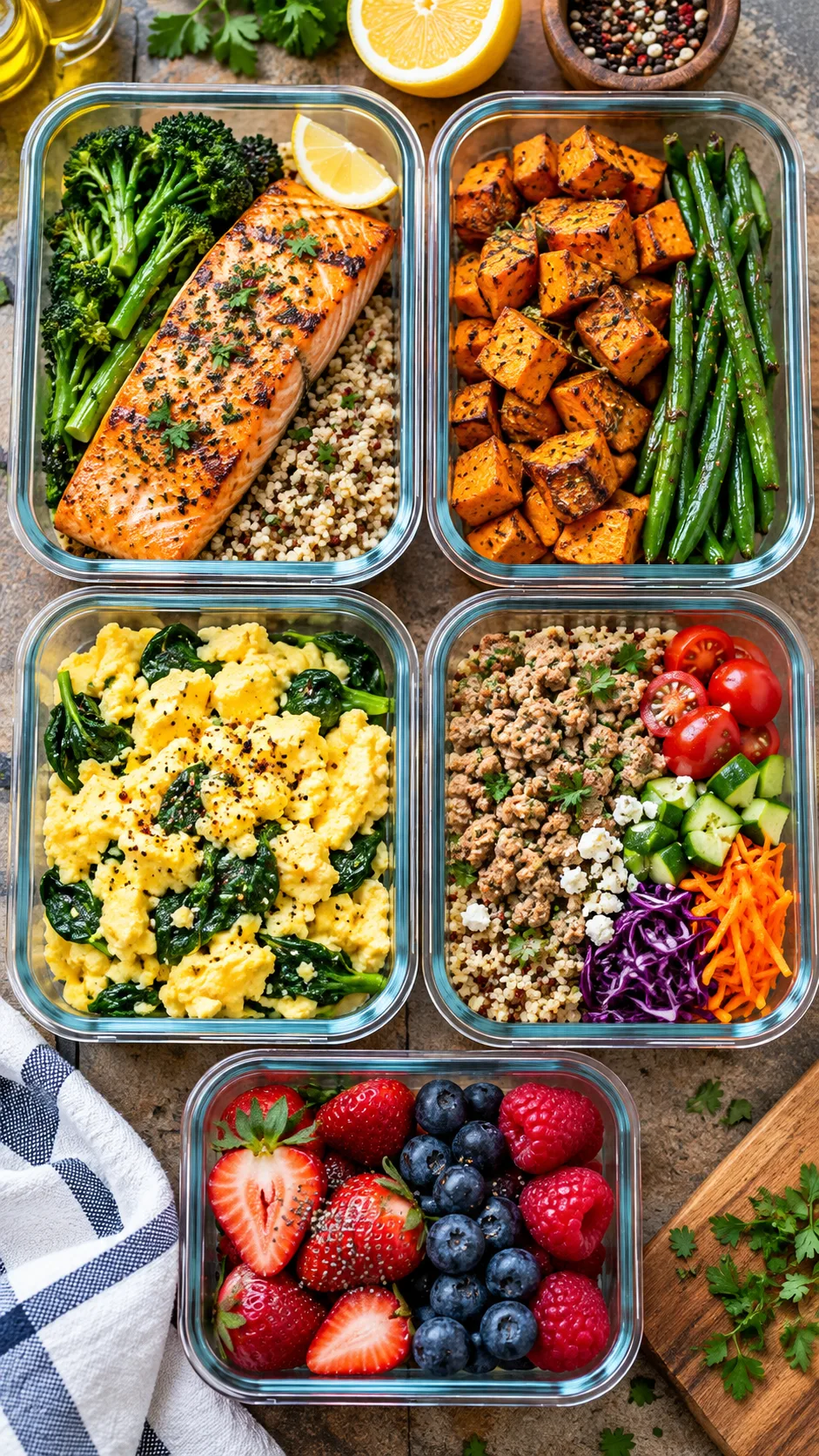
Why most 2000-calorie diets leave you starving (the satiety trap)
Why do two identical calorie totals produce completely opposite levels of hunger? Your body relies on three biological mechanisms: gastric stretch, digestive transit time, and satiety hormones. When you control these three drivers, you win the hunger battle.
First, your stomach contains mechanoreceptors that detect physical stretching. When you eat bulky, low-calorie foods like cruciferous vegetables, berries, and lean proteins, these receptors send immediate stop-eating signals through the vagus nerve directly to your hypothalamus. If your meal lacks physical bulk, your stomach wall never stretches, and your brain assumes you are starving.
Second, your digestive tract breaks down different macronutrients at wildly different speeds. Simple sugars zip through your stomach into your bloodstream within minutes, trigger massive insulin spikes, and plunge your blood sugar shortly after. In contrast, dietary protein and viscous soluble fiber slow down gastric emptying and keep nutrients moving through your digestive tract for hours. The Harvard T.H. Chan School of Public Health notes that soluble fiber delays digestion and stabilizes post-meal blood glucose curves.
Third, your gut secretes specific peptide hormones in response to food composition. Protein and fiber stimulate Peptide YY (PYY) and Glucagon-Like Peptide-1 (GLP-1) while suppressing ghrelin, your primary hunger hormone. Ultra-processed foods bypass this entire feedback loop and drive overeating before your brain registers a single bite.
Back in 1995, Dr. Susanna Holt published the landmark Holt Satiety Index study, which ranked common foods based on their capacity to satisfy human hunger per calorie. Boiled potatoes scored an impressive 323%, while croissants scraped the bottom at a miserable 47%. This meal plan loads up on top-tier satiety foods so you never spend your afternoons daydreaming about vending machines.
The macronutrient blueprint for all-day satiety
Random eating produces random results. To maintain solid fullness throughout a sixteen-hour waking window, we build our 2000 daily calories around specific macronutrient targets. If you want to explore protein-centric eating frameworks, check out The High Protein Diet Plan That Actually Keeps You Full.
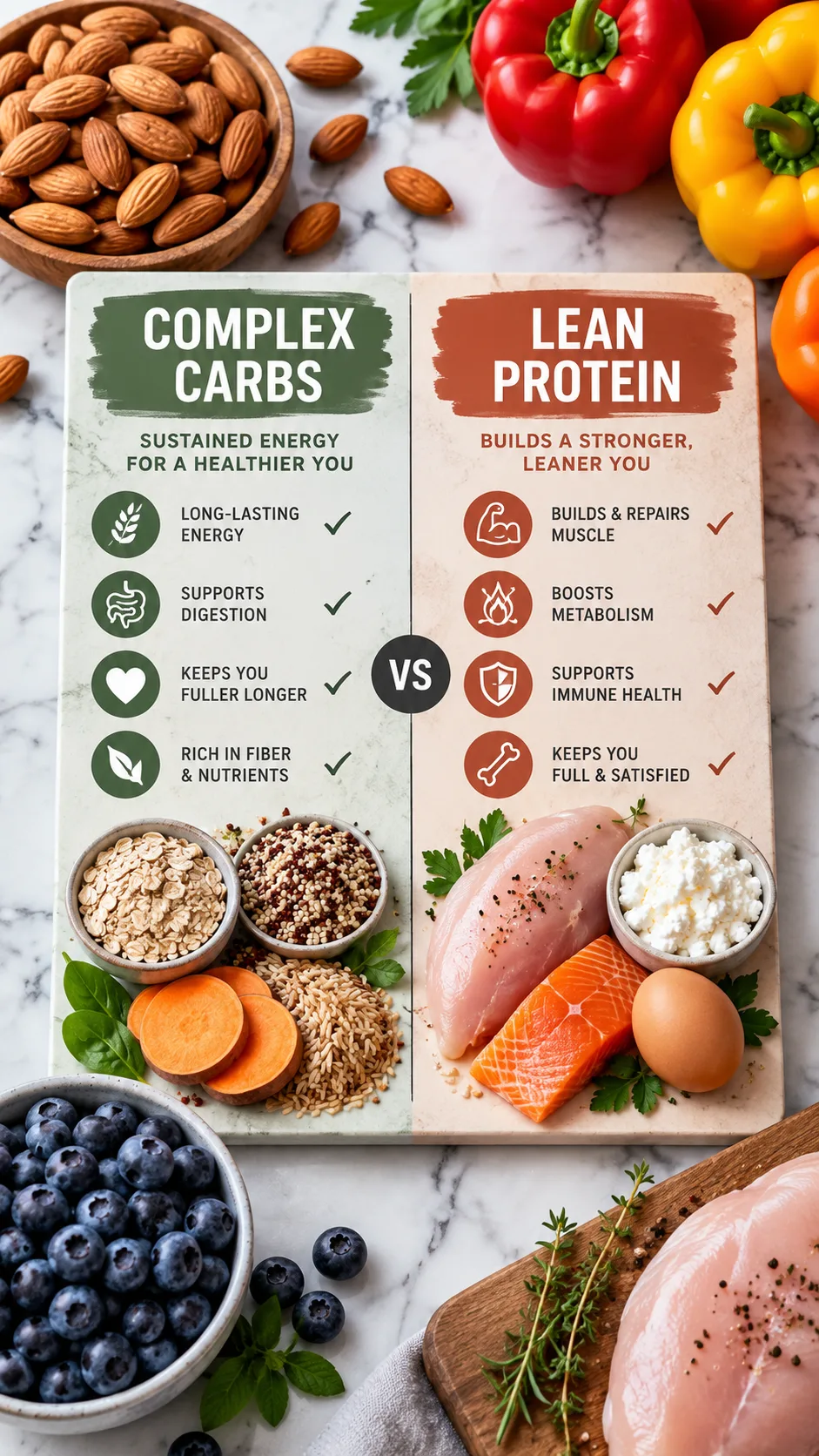
Here is our daily breakdown:
- Protein: 175 grams (700 calories / 35% of total intake)
- Carbohydrates: 185 grams (740 calories / 37% of total intake)
- Fats: 62 grams (560 calories / 28% of total intake)
- Total Dietary Fiber: 42 to 48 grams (essential for fullness)
Notice that protein number? We set it high on purpose. Protein demands significant energy just to digest: a biological phenomenon called the Thermic Effect of Food (TEF). Your body burns roughly 20 to 30 percent of protein calories simply breaking the amino acid chains down into usable fuel. Fats support joint health and hormone production, while high-fiber complex carbohydrates replenish muscle glycogen without spiking hunger.
The complete 2000-calorie full-day meal plan
Here is your exact meal-by-meal blueprint. We divide the day into three high-volume anchor meals and two strategic bridge snacks to keep circulating amino acids steady and hunger completely muted.
Breakfast: The mega egg and oat power stack (7:30 AM)
A coffee-shop muffin usually leaves you trembling with hunger by 10:00 AM. We fix that problem right now. This breakfast gives you intense volume, slow-burning complex carbs, and rapid satiety from whole eggs and whites.
Ingredients:
- 2 large whole pasture-raised eggs
- 150g liquid egg whites (approx. 5 egg whites)
- 2 cups baby spinach (folded into the scramble)
- 1/2 cup diced mushrooms and cherry tomatoes
- 50g rolled oats (cooked with water, cinnamon, and a pinch of salt)
- 75g fresh blueberries
- 1 teaspoon chia seeds (stirred into the oats)
How to make it: Cook the oats on the stove with a cup of water, cinnamon, and chia seeds. While the oats simmer, spray a skillet with olive oil spray. Sauté your mushrooms and tomatoes for two minutes, toss in the spinach until wilted, then pour in the whisked whole eggs and whites. Scramble over medium-low heat to maintain moisture. Top the warm oatmeal with fresh blueberries.
Meal Macros: 515 Calories | 42g Protein | 48g Carbs | 16g Fat | 11g Fiber
Mid-Morning Snack: The Greek yogurt crunch bowl (10:45 AM)
Most mid-morning snacks fail because they rely solely on carbohydrates. We pair concentrated dairy protein with high-viscosity fiber to build a sustained satiety bridge to lunch.
Ingredients:
- 200g plain, non-fat Greek yogurt (0% milkfat)
- 1 scoop (15g) unflavored or vanilla whey isolate
- 100g fresh or frozen raspberries
- 15g raw pumpkin seeds (pepitas)
How to make it: Whisk the protein powder directly into the Greek yogurt until smooth. The mixture thickens into a rich, pudding-like consistency. Top with raspberries and raw pumpkin seeds for crunch and mineral-rich fats.
Meal Macros: 275 Calories | 34g Protein | 21g Carbs | 6g Fat | 8g Fiber
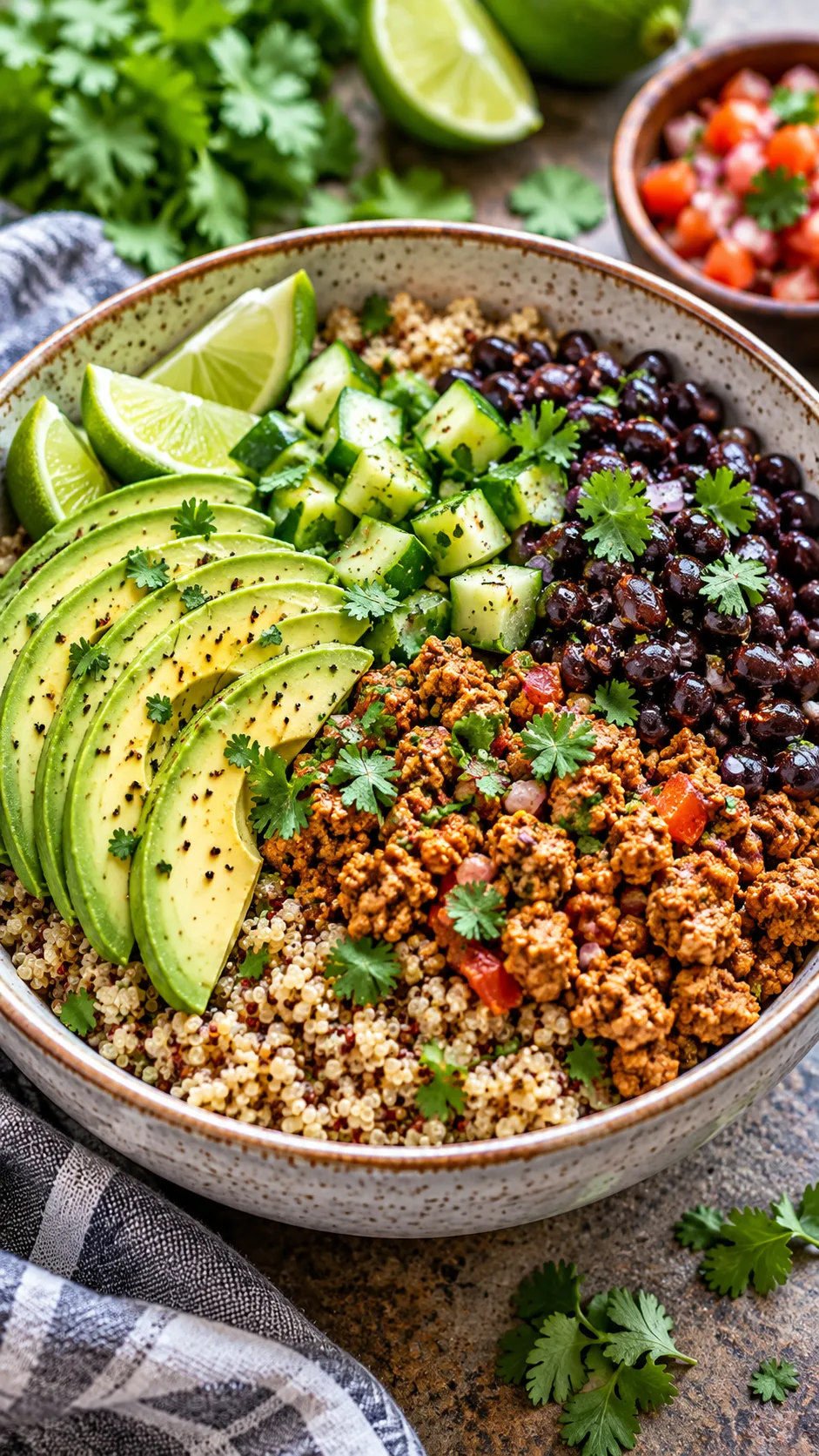
Lunch: The massive turkey, quinoa, and black bean bowl (1:30 PM)
This meal looks enormous on your desk. Coworkers will ask if you plan to eat all that food yourself. That visual volume signals immediate satisfaction to your brain before you even swallow your first forkful. If you like cooking ahead, you can incorporate this bowl into your routine using our High Protein Meal Prep for the Week strategy.
Ingredients:
- 170g (6 oz raw weight) 93/7 lean ground turkey, browned with cumin and smoked paprika
- 100g cooked quinoa
- 80g canned black beans, rinsed and drained
- 3 cups mixed greens or shredded romaine lettuce
- 75g diced cucumber
- 50g fresh pico de gallo
- 40g ripe avocado (roughly 1/4 of a medium avocado)
- 1 tablespoon freshly squeezed lime juice
How to make it: Layer the shredded romaine in a massive salad bowl. Add the warm quinoa, black beans, and seasoned ground turkey side by side. Drop the diced cucumbers and pico de gallo on top, then garnish with sliced avocado and fresh lime juice. Toss thoroughly so the pico de gallo and lime dress the entire bowl without calorie-heavy dressings.
Meal Macros: 540 Calories | 45g Protein | 49g Carbs | 18g Fat | 13g Fiber
Afternoon Satiety Lifeline: Crunchy apple and whipped cottage bowl (4:45 PM)
The late-afternoon slump triggers primal sugar cravings for millions of office workers. Instead of fighting your willpower, give your palate natural sweetness backed by slow-digesting casein protein.
Ingredients:
- 1 medium crisp Honeycrisp or Granny Smith apple (sliced thin)
- 125g low-fat (2%) cottage cheese
- 12g powdered peanut butter (PB2 or similar)
- 1/4 teaspoon ground cinnamon
How to make it: Whip the cottage cheese, powdered peanut butter, and cinnamon in a small bowl until silky. Dip your apple slices directly into the mixture. The pairing of tart pectin fiber and thick dairy proteins turns off late-afternoon ghrelin releases like a light switch.
Meal Macros: 225 Calories | 19g Protein | 31g Carbs | 3g Fat | 6g Fiber
Dinner: Crispy air-fryer salmon with giant roasted veggie platter (7:30 PM)
We finish the day with rich omega-3 fatty acids, high-grade marine protein, and a mountain of roasted vegetables. This dinner fills your stomach without leaving you lethargic or bloated.
Ingredients:
- 150g (5.3 oz) wild-caught salmon fillet
- 200g raw broccoli florets
- 200g raw zucchini, sliced into half-moons
- 150g baby red potatoes, halved
- 1 teaspoon extra-virgin olive oil
- Sea salt, black pepper, garlic powder, and lemon wedges to taste
How to make it: Toss the halved potatoes with half the olive oil, salt, and garlic powder. Roast in an oven or air fryer at 400°F (200°C) for 15 minutes. Toss the broccoli and zucchini with the remaining olive oil and seasonings. Add the vegetables and salmon fillet to the air fryer or baking sheet. Cook for another 10 to 12 minutes until the salmon flakes easily and the broccoli edges caramelize. Squeeze fresh lemon juice over everything before serving.
Meal Macros: 470 Calories | 38g Protein | 38g Carbs | 19g Fat | 9g Fiber
Daily Macro Totals:
Calories: 2,025 kcal | Protein: 178g | Carbohydrates: 187g | Fat: 62g | Dietary Fiber: 47g
Look at that fiber number: 47 grams. The standard Western diet provides a pitiful 15 grams daily. That extra 32 grams of plant fiber acts like a sponge in your digestive tract. It absorbs water, expands in your stomach, and stabilizes your blood sugar. This single factor separates miserable diets from effortless routines.
The secret weapon: high-volume “free” foods
You might finish your planned calories for the day and still want something crunchy while watching television. Do not fight yourself. Deploy what bodybuilders call volume cheat codes.
Research from the Mayo Clinic on energy density demonstrates that eating larger portions of low-density foods satisfies hunger far better than tiny portions of calorie-dense snacks. These foods contain so few calories per gram that your body expends nearly as much energy chewing and digesting them as they provide:
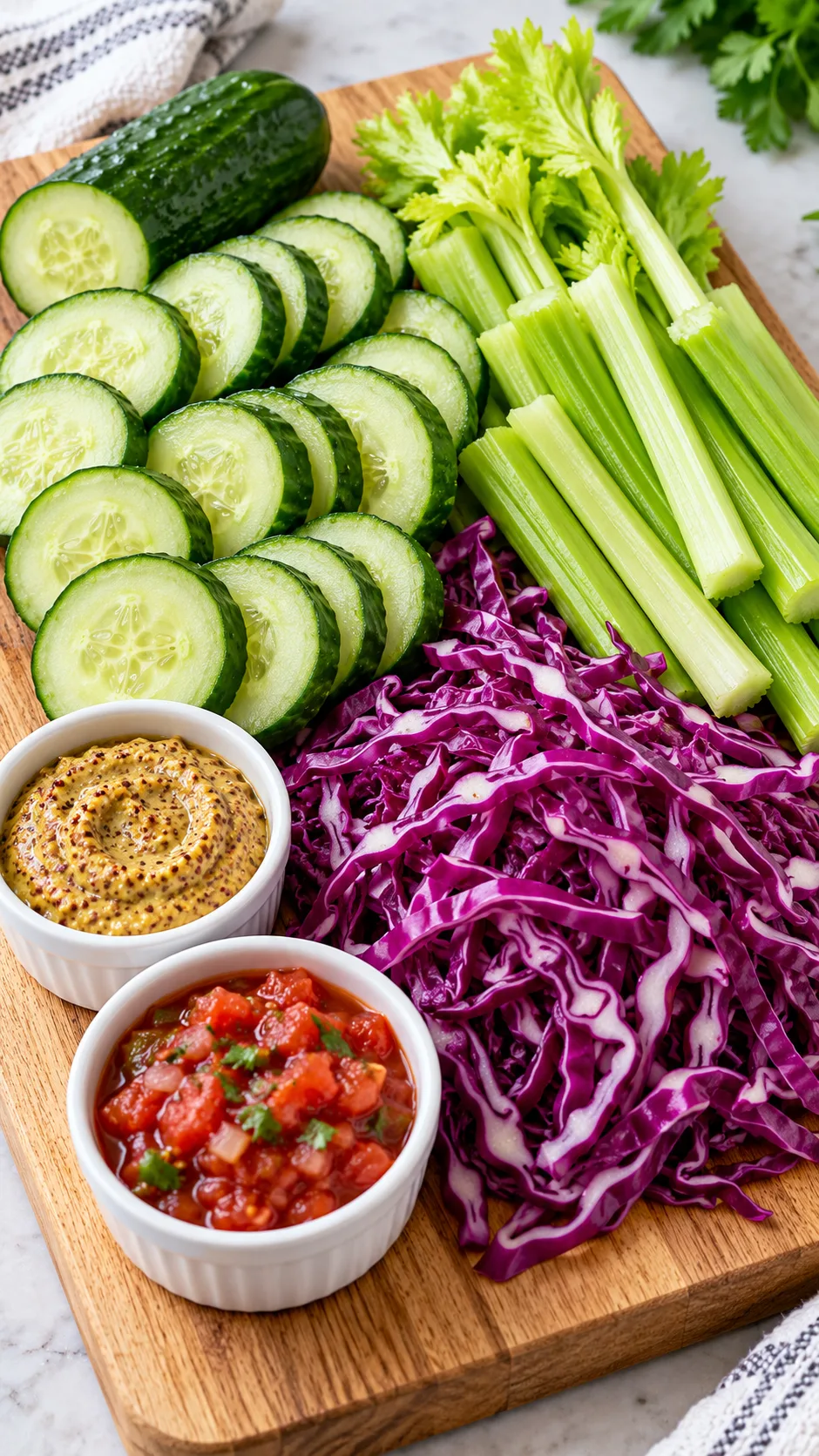
- English Cucumbers: Slice two whole cucumbers, toss with rice vinegar, sea salt, and red pepper flakes. You get an entire mixing bowl of food for under 45 calories.
- Celery with Mustard or Salsa: Celery delivers unmatched mechanical crunch. Dipping celery ribs into stone-ground Dijon mustard or fire-roasted salsa provides massive oral satisfaction without registering on the calorie ledger.
- Shredded Cabbage: Sauté shredded green or red cabbage in a hot dry skillet with a splash of soy sauce and garlic. Cabbage shrinks far less than spinach, creating a massive pile of warm, savory volume.
- Bone Broth or Miso Soup: Sipping 12 ounces of warm, salted broth between meals triggers thermal gastric satiety receptors without dumping simple sugars into your bloodstream.
Smart swaps to keep this plan fresh
Nobody wants to eat ground turkey and salmon seven days a week forever. Monotony destroys consistency faster than genuine hunger. Use this straightforward swap matrix to alter your meals while keeping the identical calorie-to-satiety ratio intact.
Protein swaps
- Swap 170g Ground Turkey for 180g Boneless Skinless Chicken Breast or 200g White Fish (Cod, Tilapia, Halibut).
- Swap 150g Wild Salmon for 160g Lean Flank Steak or 180g Jumbo Shrimp (add 1 teaspoon olive oil to make up for the lower fat in shrimp).
- Swap 200g Greek Yogurt for 200g Low-Fat Cottage Cheese or 1.5 scoops Plant-Based Protein Powder mixed with unsweetened almond milk.
Carbohydrate and fiber swaps
- Swap 100g Cooked Quinoa for 130g Cooked Brown Rice or 180g Boiled Gold Potatoes (boiled potatoes keep you exceptionally full on the Holt Satiety Index).
- Swap 50g Rolled Oats for 2 slices 100% Sprouted Whole Grain Bread (such as Ezekiel bread).
- Swap 100g Raspberries for 120g Blackberries or 150g Fresh Strawberries.
Batch-cooking blueprint: prep in 60 minutes flat
Cooking five individual meals from scratch every single Tuesday wastes time. You have a job, a life, and better things to do than wash skillets four times a day. Master this one-hour weekend prep routine to lock in your success for the entire week.
- Fire up the oven: Preheat to 400°F (200°C). Line two giant rimmed baking sheets with parchment paper.
- Roast the produce: Chop two pounds of broccoli florets and three large zucchini. Toss with a light spray of olive oil, salt, and garlic. Spread them across Sheet One. Drop halved baby potatoes onto Sheet Two. Roast both sheets for 25 minutes.
- Simmer the grains: Pour two cups of dry quinoa and four cups of water into a medium pot. Bring to a boil, drop the heat to low, cover, and let it steam untouched for 15 minutes.
- Brown the meat: While the grains cook, heat a massive cast-iron skillet over medium-high heat. Brown two pounds of 93/7 ground turkey with chili powder, cumin, onion powder, and garlic salt until cooked through (roughly 8 minutes).
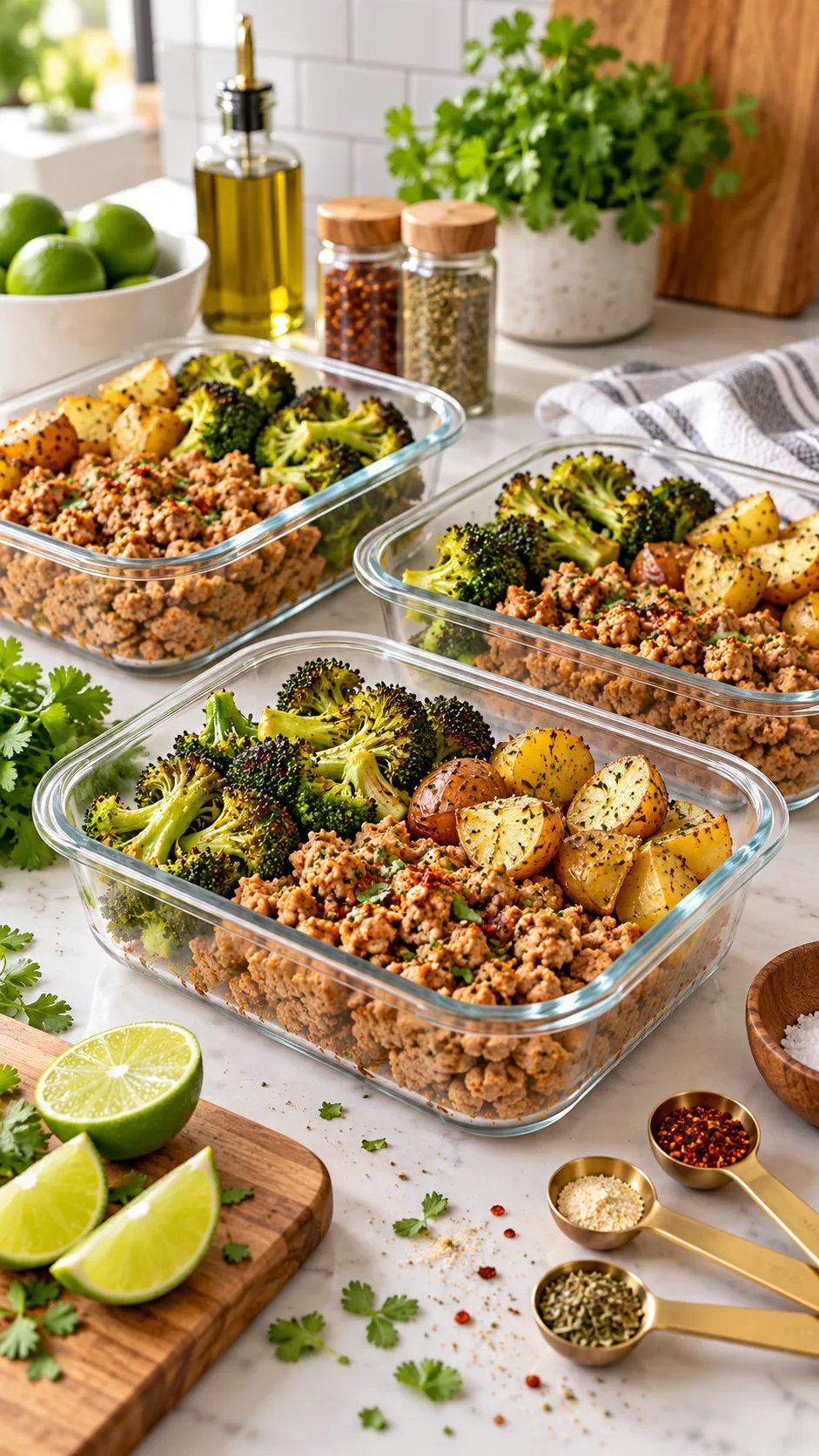
- Assemble the containers: Divide the turkey, quinoa, and black beans evenly into glass meal-prep containers. Let everything cool completely before snapping the lids shut and placing them in the fridge.
You just eliminated lunch and dinner decision fatigue for four straight days. When hunger strikes, you simply reheat and eat.
Three satiety killers you must avoid
You can follow this plan meticulously, but if you make any of these three common blunders, you will invite hunger right back into your day:
1. Drinking your calories
Liquid calories bypass chewing and gastric stretching signals entirely. A 300-calorie caramel latte does not register in your stomach the same way 300 calories of whole eggs and oatmeal do. Stick strictly to water, black coffee, unsweetened tea, and sparkling seltzer. Hydration matters immensely because mild dehydration routinely mimics physical hunger.
2. Rushing through meals
Inhaling your food in four minutes while scrolling through social media short-circuits your biology. Your gut needs approximately twenty minutes to release peptide hormones that tell your brain you have eaten enough. Put your fork down between bites. Chew your food thoroughly. If you finish your meal before your hormonal signals reach your brain, you will feel unsatisfied even after a mountain of vegetables.
3. Fear of salt and acid
Bland food leaves your palate seeking stimulation. When you eat boring, unseasoned chicken and steamed vegetables, you crave hyper-palatable snacks like chips and chocolate thirty minutes later. Season your meals aggressively with sea salt, cracked black pepper, smoked paprika, hot sauces, citrus juice, and vinegars. Flavor satisfies your brain; volume satisfies your stomach.
Frequently asked questions
Can I use this 2000-calorie meal plan for weight loss?
Yes, provided 2000 calories creates an energy deficit for your body size and activity level. If your total daily energy expenditure sits around 2400 to 2600 calories, this plan produces steady fat loss without the misery of extreme restriction. Active men, taller women, and regular lifters typically find 2000 calories the ultimate sweet spot for fat loss.
What if I cannot finish all this food?
When you transition from dense processed items to high-volume whole foods, the sheer physical bulk can surprise your stomach. If you feel uncomfortably stuffed, reduce the vegetable portions by 25% for the first week and swap a portion of the oats or potatoes for a handful of almonds. As your digestive tract adapts to the higher fiber load, scale the vegetable volume back up.
Can I compress this meal plan into an intermittent fasting window?
You certainly can. If you prefer eating within an eight-hour window, combine the mid-morning snack into your breakfast and merge the afternoon snack into your dinner. For a dedicated roadmap on that eating style, check out The 16:8 Intermittent Fasting Meal Plan That Actually Keeps You Full.
Will this much fiber cause bloating?
If you currently eat 12 grams of fiber per day, jumping to 47 grams overnight might cause temporary gas and bloating. Your gut microbiome needs time to scale up the bacterial colonies that ferment these fibers. If your current diet lacks fiber, ramp up your vegetable and bean portions gradually over two weeks while drinking plenty of water.
Final thoughts: take control of your appetite
Hunger is not an unavoidable badge of honor on a healthy diet. Chronic hunger simply signals an inefficient meal structure. When you prioritize high-satiety protein, fibrous whole carbohydrates, and high-volume vegetables, 2000 calories feels abundant rather than restrictive.
Stop fighting white-knuckle battles with your willpower every single evening. Grab the groceries on this list, prep your meals ahead of time, and discover what real, effortless fullness feels like.