

Most people assume their brain shuts down the moment their head hits the pillow. You might picture your thoughts drifting into silence while your body rests under the covers. The reality looks completely different.
While you sleep, your brain runs an intensive cleaning cycle. Specialized fluid rushes through neural pathways, sweeping away metabolic waste and toxic buildup from your waking hours. Think of this process as a nocturnal night crew that only clocks in when you lose consciousness.
What you feed that crew during daylight hours determines whether they scrub your brain spotless or leave waste piled in your mental hallways. The MIND diet plan provides an eating blueprint that supports this nightly rinse cycle and protects your memory over time.

The Night Shift: What Your Brain Does at 3 AM
A night of greasy pizza, beer, and poor rest leaves you feeling exhausted the next morning because you disrupted your brain’s internal plumbing. In 2012, neuroscientist Dr. Maiken Nedergaard and her team at the University of Rochester mapped this network and named it the glymphatic system.
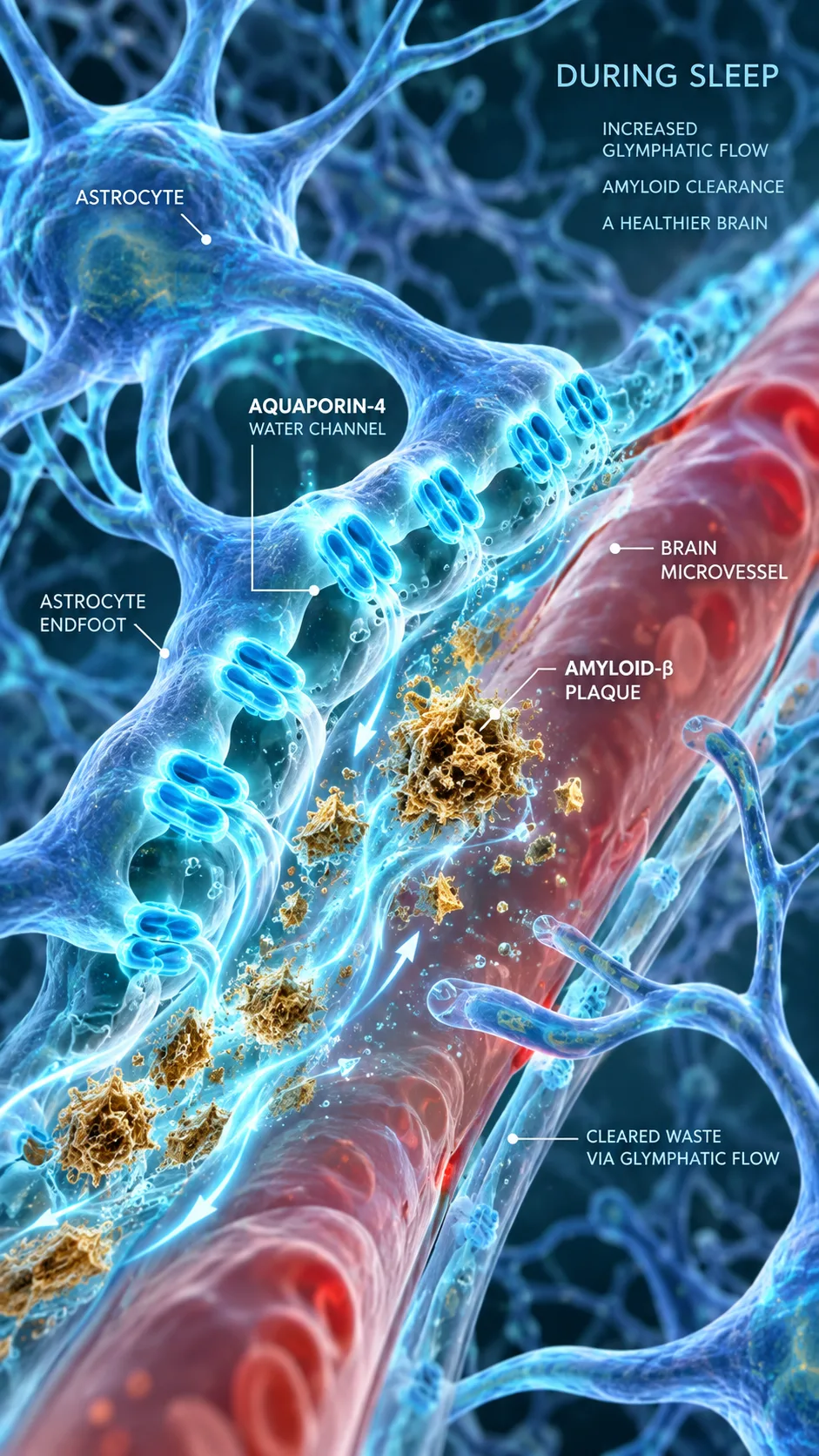
During waking hours, brain cells stay tightly packed as they process sensory inputs, work tasks, and daily stress. When you enter slow-wave deep sleep, your glial cells shrink by roughly 60 percent. This shrinkage opens wide gaps between your neurons.
Cerebrospinal fluid immediately rushes through these open channels. This fluid rinses your brain tissue, collects cellular debris, and carries it directly into your circulatory system for disposal. Researchers publishing in NIH-supported studies found that this fluid clears two harmful substances: beta-amyloid and tau proteins. Over decades, these sticky proteins accumulate into the plaques that cause Alzheimer’s disease and chronic dementia.
When you consume heavily processed food, you sabotage this clearance system. Your cerebral blood vessels stiffen, fluid velocity drops, and waste stays trapped inside your brain tissue. You force your internal cleanup crew to wash the floor with dirty water.
The MIND Diet: Not a Standard Weight Loss Program
Researchers did not develop the MIND diet to help you fit into smaller jeans. While weight loss often happens as a byproduct, scientists built this protocol specifically to protect the organ between your ears.
The late Dr. Martha Clare Morris, a nutritional epidemiologist at Rush University Medical Center, developed the Mediterranean-DASH Intervention for Neurodegenerative Delay (MIND). She combined effective elements from the Mediterranean diet and the DASH (Dietary Approaches to Stop Hypertension) diet, refining them around neurological health.
Rather than recommending large volumes of mixed fruit, Morris focused specifically on berries. Berries deliver anthocyanins, compounds that cross the blood-brain barrier with greater efficiency than nutrients in most other fruits. She also prioritized dark leafy greens over general vegetables because greens carry heavy concentrations of lutein, folate, and phylloquinone.
The clinical results surprised researchers. Morris and her team published a study in the journal Alzheimer’s & Dementia showing that participants who strictly followed the diet lowered their Alzheimer’s risk by 53 percent. Even participants who adhered moderately reduced their risk by 35 percent. No preventive pharmaceutical drug currently matches those numbers.
Anyone already following a low sugar diet plan will recognize several of these habits. The MIND protocol isolates the specific nutrients that preserve synaptic function over time.
Ten Foods That Power Overnight Brain Repair
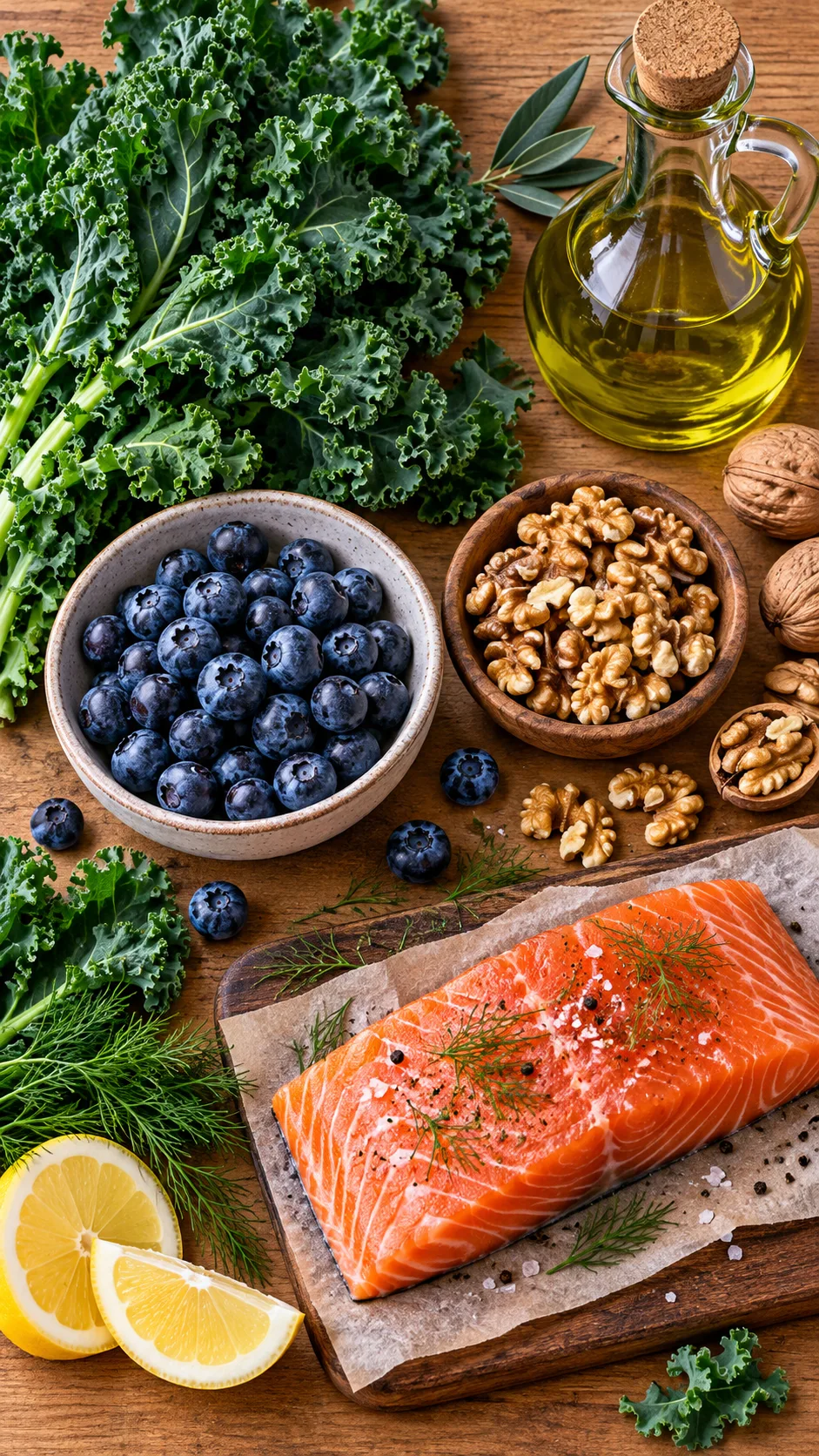
The MIND diet avoids complex tracking, calorie counting, and strange supplements. You simply include these ten brain-supporting foods in your weekly grocery haul:
- Dark Leafy Greens (6+ servings per week): Spinach, kale, collard greens, and Swiss chard lead the category. These greens supply high quantities of vitamin E, beta-carotene, and folate. Folate lowers homocysteine, an amino acid that damages cerebral vessels when left unmonitored.
- Other Vegetables (1+ serving per day): Rotate your selections throughout the week. Carrots, bell peppers, broccoli, and Brussels sprouts supply polyphenols that neutralize free radicals before you sleep.
- Berries (2+ servings per week): Reach for berries over apples or bananas whenever possible. Blueberries, blackberries, and strawberries provide high levels of anthocyanins. These compounds reach the hippocampus, your memory center, where they suppress localized inflammation.
- Nuts (5+ servings per week): Walnuts provide plant-based omega-3 fatty acids in the form of alpha-linolenic acid. Almonds and hazelnuts supply vitamin E, protecting brain cell membranes against oxidative damage.
- Extra Virgin Olive Oil (Primary cooking fat): Replace canola, vegetable, and corn oils with olive oil. Quality extra virgin olive oil contains oleocanthal, a natural compound that speeds up the clearance of beta-amyloid proteins by changing their binding structure.
- Whole Grains (3+ servings per day): Oats, quinoa, farro, and wild rice release carbohydrates slowly into your bloodstream. This steady digestion prevents rapid blood sugar spikes that provoke systemic inflammation while you sleep.
- Fatty Fish (1+ serving per week): The MIND diet only calls for fish once a week, setting it apart from standard Mediterranean guidelines. Salmon, sardines, and mackerel deliver docosahexaenoic acid (DHA), the primary structural fat in brain tissue.
- Beans and Legumes (4+ servings per week): Black beans, lentils, and chickpeas feed beneficial gut bacteria. These microbes produce neurotransmitters such as GABA and serotonin, which signal your central nervous system to enter restorative sleep stages.
- Poultry (2+ servings per week): Skinless chicken and turkey deliver lean protein and tryptophan. Your brain uses tryptophan to produce melatonin, the hormone controlling your sleep rhythm.
- Wine (1 glass per day, optional): Red wine contains resveratrol, an antioxidant linked to vascular health. If you do not drink, avoid starting. Alcohol fragments your sleep architecture and impairs the glymphatic flow you want to preserve.
Five Foods That Slow Your Overnight Cleanup
Eating a cup of blueberries cannot undo the damage of daily ultra-processed meals. The MIND framework limits five foods that damage blood vessels, promote chronic inflammation, and stall nighttime glymphatic clearance:
- Butter and Margarine: Keep intake below one tablespoon per day. High saturated fat levels stiffen arterial walls and restrict blood flow to your cerebral cortex.
- Pastries and Sweets: Limit commercial desserts to less than four servings per week. Refined sugar forms advanced glycation end products, which degrade brain tissue over time.
- Red Meat: Eat red meat fewer than four times each week. Frequent consumption drives systemic inflammation and raises circulating saturated fats.
- Fried Fast Food: Keep fried foods below one serving per week. Industrial trans fats and reheated seed oils alter neuronal membranes, hardening cell walls and slowing signaling rates.
- Cheese: Eat full-fat cheese less than once a week. Dairy saturated fats strain your microvascular network when eaten in large amounts.
Swap out sugary sodas and drinks that ruin your health for water, unsweetened tea, or plain coffee to protect your vascular system during the day.
How MIND Nutrients Support Glymphatic Drainage
Daytime nutrition directly shapes what occurs in your brain while you sleep. Here is how that biological process works.
1. Calming Chronic Neuroinflammation
Your brain relies on support cells called astrocytes. These star-shaped cells extend tiny projections around cerebral blood vessels, regulating the microscopic aquaporin-4 (AQP4) water channels that direct cerebrospinal fluid into brain tissue during sleep.
When you consume heavily refined foods, your body releases inflammatory cytokines that cause astrocytes to swell. This swelling pulls AQP4 channels away from blood vessel walls, leaving your brain unable to circulate fluid efficiently. The polyphenols and monounsaturated fats in the MIND diet suppress cytokine production, protecting astrocyte structure and keeping your AQP4 channels aligned throughout the night.
2. Protecting Cerebral Microvessels
Your brain consumes roughly 20 percent of your body’s energy despite representing only 2 percent of your total mass. Miles of microscopic capillaries supply this fuel. Cerebrospinal fluid flows alongside these pulsing vessels while you sleep.
Every heartbeat sends a pressure wave that pushes fluid through brain tissue. Chronic high blood pressure, excess sodium, and saturated fats stiffen these microvessels, weakening that pumping action. The MIND diet applies DASH dietary principles to lower arterial pressure, increase nitric oxide production, and maintain elasticity in brain capillaries. Flexible vessels deliver the mechanical force needed to drive cleansing fluid deep into gray matter.
3. Supporting Slow-Wave Delta Sleep
The glymphatic system stays quiet during light rest and REM cycles. It demands deep, continuous slow-wave (delta) sleep to reach full clearance capacity. Whole grains, beans, and dark greens provide steady supplies of magnesium, vitamin B6, and potassium. These nutrients calm nervous system activity and help shift your brain waves into the slow delta frequencies that drive overnight recovery.
A Realistic 7-Day MIND Diet Meal Plan
You do not need a personal chef or a kitchen scale to adopt this routine. Using simple plant-focused meal prep on the weekend makes the week straightforward. Here is an easy seven-day schedule to get started:
Monday
Breakfast: Rolled oats cooked in unsweetened almond milk, topped with a half cup of fresh blueberries and crushed walnuts.
Lunch: A bed of baby spinach topped with canned tuna in olive oil, chickpeas, diced cucumber, and a simple olive oil and lemon dressing.
Dinner: Grilled chicken breast served with roasted broccoli, garlic, and cooked quinoa.
Snack: A handful of raw almonds and sliced strawberries.
Tuesday
Breakfast: Two eggs scrambled in olive oil, served over toasted whole-grain sourdough with steamed kale on the side.
Lunch: Leftover chicken and quinoa bowl with sliced bell peppers and a spoonful of tahini.
Dinner: Lentil vegetable stew with carrots, celery, tomatoes, garlic, and chopped Swiss chard, served with a slice of whole-grain bread.
Snack: Roasted edamame with sea salt.
Wednesday
Breakfast: Chia seed pudding prepared with almond milk, topped with blackberries and pumpkin seeds.
Lunch: Leftover lentil stew with a mixed green salad dressed in extra virgin olive oil.
Dinner: Pan-seared wild salmon over brown rice with roasted asparagus.
Snack: Sliced apple with natural almond butter.
Thursday
Breakfast: Green smoothie made with raw spinach, frozen blueberries, flaxseeds, and unsweetened soy milk.
Lunch: Whole-grain wrap filled with hummus, sliced chicken, mixed greens, grated carrots, and cucumber.
Dinner: Turkey chili with black beans, kidney beans, crushed tomatoes, and diced sweet potatoes.
Snack: A handful of raw walnuts.
Friday
Breakfast: Steel-cut oats topped with sliced strawberries, cinnamon, and hemp seeds.
Lunch: Leftover turkey chili with sliced avocado.
Dinner: Whole-grain pasta tossed with walnut-basil pesto, grilled chicken, cherry tomatoes, and sautéed spinach.
Snack: Fresh blueberries and a square of dark chocolate containing at least 85 percent cocoa.
Saturday
Breakfast: Mashed avocado on toasted sprouted grain bread, topped with hemp seeds and two poached eggs.
Lunch: Mediterranean salad with mixed greens, chickpeas, kalamata olives, red onions, cucumbers, chicken breast, and red wine vinaigrette.
Dinner: Baked cod brushed with olive oil and fresh herbs, served alongside roasted sweet potatoes and green beans.
Snack: Roasted pistachios.
Sunday
Breakfast: Whole-grain buckwheat pancakes topped with warm simmered blueberries.
Lunch: Quinoa bowl tossed with roasted Brussels sprouts, dried cranberries, toasted pecans, and white beans.
Dinner: Slow cooker chicken soup with carrots, parsnips, chopped kale, and pearl barley.
Snack: Celery sticks with natural walnut butter.
Daily Habits That Improve Overnight Brain Clearance
Eating brain-supportive foods sets the foundation, but daily habits determine how effectively your glymphatic system operates. Pair your meals with these four evening routines:
- Stop eating three hours before sleep: Late digestion keeps your autonomic nervous system elevated. Nighttime insulin spikes and active digestion raise your core body temperature, preventing deep slow-wave sleep. Finish dinner by 7:30 PM if you head to bed around 10:30 PM.
- Sleep on your side: Your sleeping position influences how fluid moves through brain tissue. A study in the Journal of Neuroscience found that rodents cleared beta-amyloid proteins more rapidly when sleeping in a lateral side position than on their backs or stomachs. Researchers believe side sleeping promotes venous drainage and arterial pulsation.
- Keep your bedroom cool: Set your thermostat between 65 and 68 degrees Fahrenheit (18 to 20 degrees Celsius). Your body needs to shed core heat to start delta sleep. Warm rooms cause frequent micro-arousals that keep you in light sleep, where waste clearance drops significantly.
- Turn off screens one hour before bed: Blue light from phones and televisions signals your eyes that daylight remains present, suppressing melatonin production. Melatonin guides your sleep cycle and acts directly as an antioxidant in neural tissue. Set screens aside an hour before bed and read a physical book instead.

Frequently Asked Questions About the MIND Diet
Can I drink coffee on the MIND diet?
Yes. Coffee contains chlorogenic acid and other polyphenols that support vascular health. Cut off caffeine intake by early afternoon so your body clears the compound before you try to sleep.
Is the MIND diet expensive to maintain?
Not if you plan carefully. You do not need rare ingredients. Frozen blueberries and frozen greens offer the same nutrient density as fresh versions at a much lower price. Canned beans, dry lentils, and whole oats also cost very little per serving.
How quickly does the MIND diet start helping my brain?
Blood tests often show reductions in inflammatory markers within two to four weeks. Protecting brain tissue requires consistent, long-term adherence, but many people notice clearer thinking and better daytime energy within their first few weeks of changing their plates.
What if I dislike berries?
Blueberries and strawberries carry the highest levels of anthocyanins, but you can swap them for dark cherries, pomegranate seeds, or red grapes. Choose intensely colored fruits, since deep pigmentation signals rich polyphenol content.
Giving Your Brain a Proper Reset
Aging happens automatically, but your choices dictate how quickly your cognitive health changes. The food on your plate either supplies clean fuel for your nighttime repair crew or leaves metabolic waste behind in your blood vessels.
You do not need to empty your cupboards today. Start with small, practical adjustments: swap your morning pastry for oatmeal with walnuts, add a handful of spinach to your dinner, and cook with olive oil instead of butter. Give your body the raw nutrients it needs, and let your natural plumbing clean your brain every night while you sleep.