

Picture this: you eat avocado toast, sip kombucha, and smile because you just finished a clean lunch. Thirty minutes later, your heart hammers against your ribs. Your nose runs without warning, and a heavy wave of anxiety clouds your brain. You wonder what just hit you.
I lived inside that exact nightmare for two miserable years. Doctors ran standard blood panels, patted my shoulder, and blamed my symptoms on daily stress. I knew they were wrong, but I lacked answers. Every whole food meal left me feeling sick and exhausted.
Everything shifted when I learned about histamine intolerance. Once I removed specific trigger foods and shifted to a low-histamine diet, my phantom symptoms vanished within two weeks. If you battle migraines, random hives, sudden bloating, or heart flutters, this guide shares the exact strategy that restored my health.
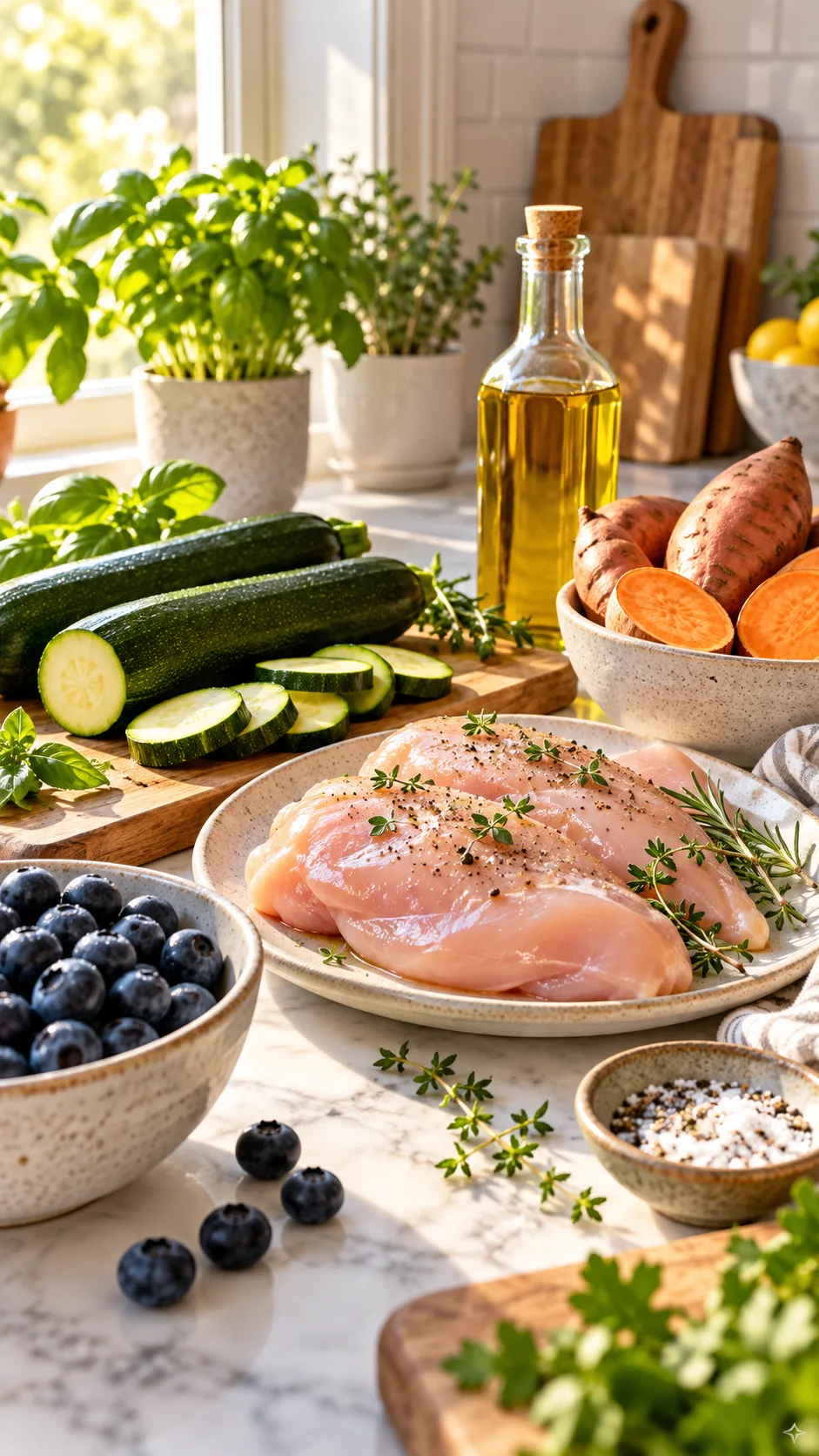
What is histamine intolerance?
Most people connect histamine with spring pollen allergies. You take an antihistamine tablet, stop sneezing, and move through your day. Histamine handles far more than seasonal itching, however.
Histamine acts as a chemical messenger in your brain, signals your stomach to churn out acid, and guides healthy immune reactions. Mast cells scattered throughout your tissues release histamine whenever you face physical injury or foreign pathogens. At the same time, many standard grocery items carry large amounts of natural histamine.
Healthy bodies handle this intake without complaints. Your digestive tract manufactures an enzyme called diamine oxidase (DAO). Your DAO enzymes patrol the lining of your gut, breaking down food-derived histamine before the compound reaches your bloodstream. When your gut produces sufficient DAO, you digest meals without noticing a thing.
Trouble begins when your DAO supply drops, or when food histamines overrun your enzyme levels. Research from the National Institutes of Health (NIH) shows that impaired DAO activity allows raw histamine to pass straight into systemic circulation. Once excess histamine floods your blood, it locks onto histamine receptors across your body, disturbing your skin, heart, gut, and brain.
The histamine bucket
Picture your body as an open bucket. Every daily trigger pours water into it: seasonal pollen, poor sleep, emotional friction, bacterial imbalance, and your morning meals. As long as the water stays below the rim, you feel calm and clear.
The moment that bucket spills over the edge, symptoms strike. That single cherry tomato or square of dark chocolate did not create your headache alone. It simply supplied the final drop that spilled over the top. If you already battle microbial overgrowth in your intestines, your bucket starts half full each morning. You run into identical overlapping gut flare-ups when you navigate The Candida Diet Mistakes that trigger continuous inflammation.
The clues: are you overflowing with histamine?
Histamine receptors dot almost every tissue in the human body. Because of this wide spread, histamine overload mimics panic disorders, food allergies, and autoimmune flare-ups. This explains why your symptoms look so disconnected on paper.
Check your own physical patterns against this common symptom list:
- Skin reactions: Sudden facial flushing, unexplained hives, eczema flare-ups, dermatographia where light scratches raise red welts, and persistent full-body itching.
- Cardiovascular oddities: Pounding pulse right after you eat, lightheaded feelings upon standing, and sudden drops in blood pressure.
- Respiratory friction: Chronic post-nasal drip, non-allergic runny nose, stubborn sinus blockage, and sudden tightness in your airways.
- Neurological issues: Heavy brain fog, sudden waves of irritability, afternoon tension headaches, severe menstrual migraines, and broken sleep patterns.
- Digestive distress: Rapid belly distension after eating, loose stools, burning acid reflux that laughs at antacids, and sharp intestinal spasms.
If this list sounds uncomfortably familiar, your current grocery choices might be fueling your distress throughout the day.
The healthy traps: high-histamine foods to cut today
Here lies the hardest truth about histamine intolerance: classic health foods often cause the worst damage. Mainstream wellness influencers urge you to eat fermented kraut, drink simmered bone broth, and top every salad with raw spinach and sliced avocado. For a gut with low DAO levels, those foods create havoc.
Microbes convert the amino acid histidine into histamine as foods age. Because of this process, aged, cultured, fermented, and long-stored foods contain tremendous levels of histamine. If an ingredient sits on a shelf or ferments in a crock to gain flavor, leave it off your plate for now.
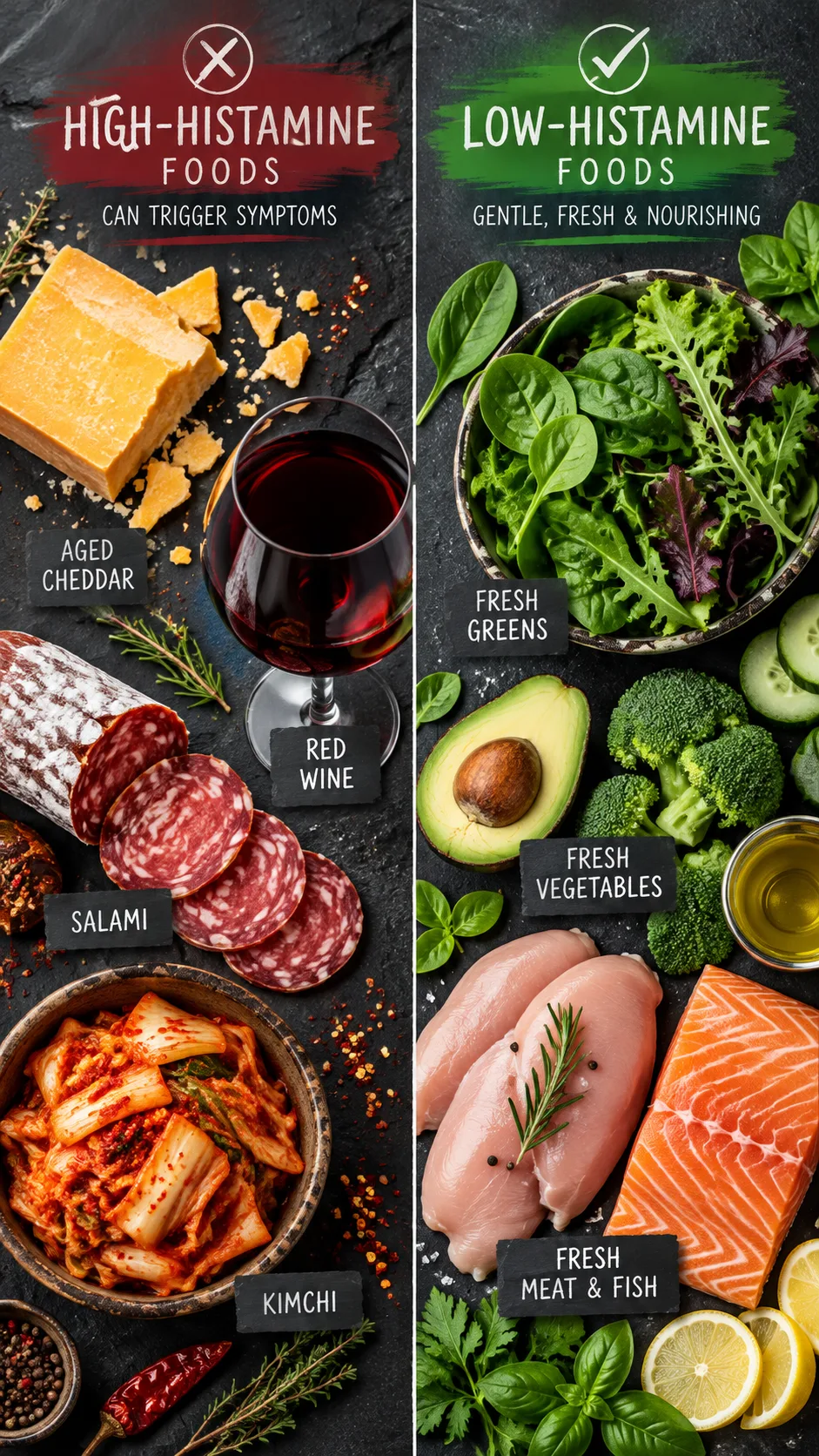
1. High-histamine heavy hitters
Remove these high-histamine foods while you reset your gut:
- Fermented foods: Sauerkraut, kimchi, dairy kefir, kombucha, miso paste, and sourdough bread.
- Aged and cured meats: Prosciutto, dry salami, bacon, pepperoni, frankfurters, and jerky.
- Aged cheeses: Cheddar, parmesan, gouda, gorgonzola, and brie (you can still enjoy fresh ricotta and unaged mozzarella).
- Canned and preserved fish: Canned tuna, smoked mackerel, anchovies, and sardines.
- Select produce: Spinach, red tomatoes, eggplant, avocados, and dried fruits like dates or prunes.
- Alcohol and fermented condiments: Red wine, beer, hard cider, champagne, distilled vinegar, and aged balsamic.
2. The sneaky histamine liberators
Some items contain very little histamine themselves, but compounds inside them trigger your mast cells to dump internal histamine straight into surrounding tissues. Drop these during your elimination phase:
- Citrus fruits like lemons, limes, grapefruits, and oranges
- Strawberries, fresh pineapple, ripe bananas, and papaya
- Shrimp, crab, lobster, and scallops
- Dark chocolate, baking cocoa, and raw cacao nibs
- Industrial additives like sulfites, benzoates, and artificial food coloring
3. Natural DAO enzyme inhibitors
Specific drinks paralyze your DAO enzymes right inside your gut lumen. Drinking them shuts down your digestive defenses:
- Alcohol: This beverage blocks DAO action while simultaneously delivering a massive dose of histamine.
- Black tea and green tea: Both varieties carry tannins and catechins that suppress DAO enzyme activity.
- Energy drinks: Heavy concentrations of yerba mate and synthetic stimulants stall your body’s enzyme production.
If you have tackled strict food rules before, you will recognize similarities with The Low FODMAP Diet for Beginners. Both protocols demand honest ingredient reading, yet a low-histamine plan usually relieves physical pain much faster.
The low-histamine safe zone: foods you can enjoy
Staring at an elimination list makes anyone feel discouraged within a few days. The good news is simple: plenty of hearty, whole foods contain almost no histamine. You just need to respect one central rule: FRESHNESS.
Bacteria start manufacturing histamine the moment a butcher cuts meat or a farmer pulls greens from the soil. You want ingredients that move fast from source to stove, and you want quick cooking methods rather than low heat. For dependable food safety ratings, check the database from the Swiss Interest Group Histamine Intolerance (SIGHI).
Fill your kitchen counter with these clean ingredients:
- Fresh animal proteins: Fresh chicken breast, flash-frozen wild cod, lean pork chops, turkey cutlets, and fresh eggs (cook your egg whites fully, since raw whites can trigger reactions).
- Low-histamine vegetables: Zucchini, crisp broccoli, carrots, sweet potatoes, tender asparagus, cauliflower, beets, cucumbers, and radishes.
- Safe fruits: Fresh wild blueberries, blackberries, dark sweet cherries, crisp apples, pears, and tart pomegranates.
- Gluten-free grains: White basmati rice, plain quinoa, rolled oats, and whole millet.
- Clean cooking fats: Cold-pressed extra virgin olive oil, virgin coconut oil, pure grass-fed ghee, and unsalted butter.
- Fresh herbs and seasonings: Rosemary, garden thyme, flat oregano, sweet basil, garlic cloves, and coarse sea salt.
These simple choices keep your cooking clean and uncomplicated. The selection shares many foundational elements with The Clean Eating Meal Plan That Fits a Real, Busy Life, minus the fermented items and aged garnishes.
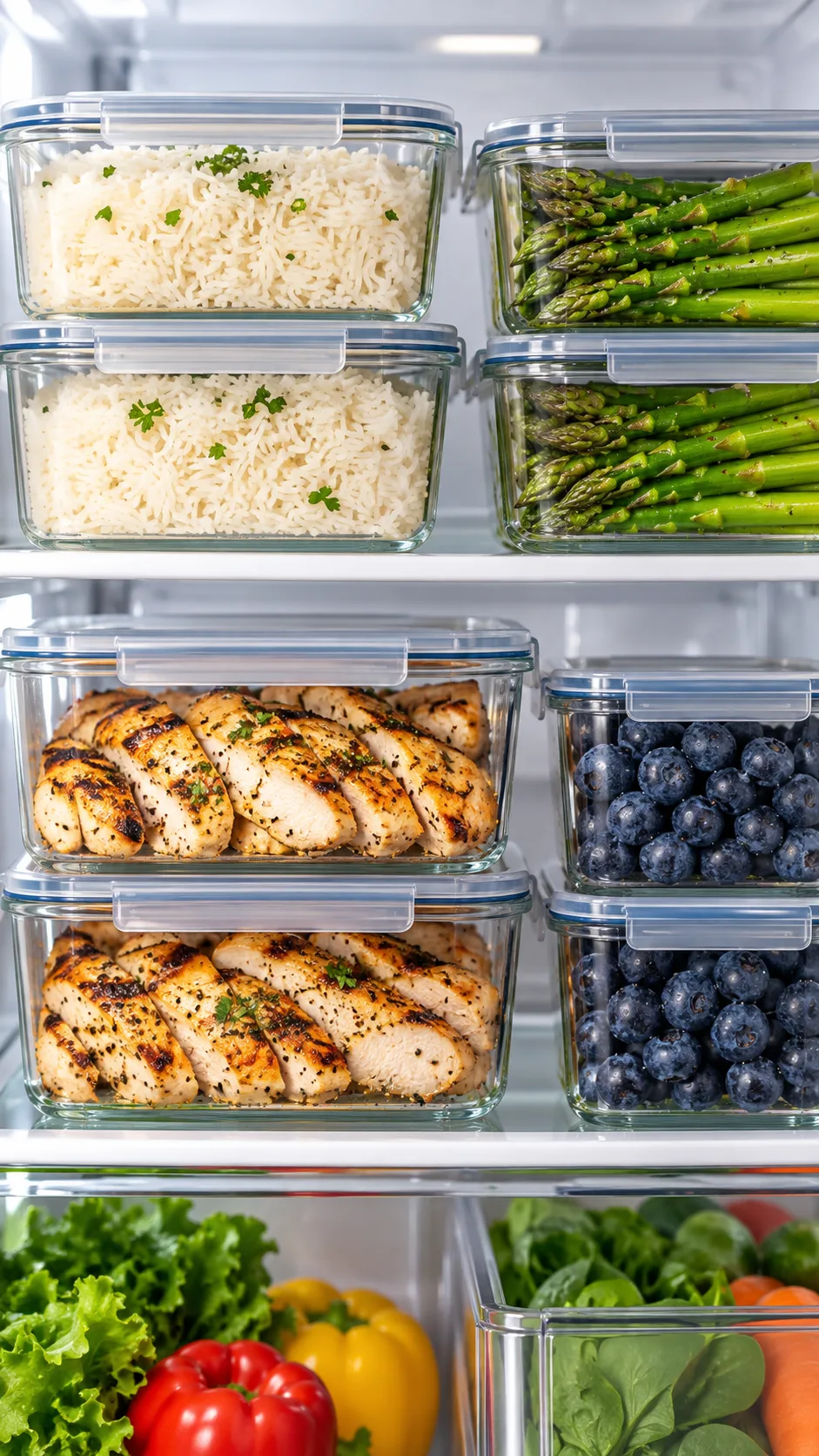
The 7-day low-histamine meal plan
I built this week-long template around two practical strategies: high nutrient variety and fast cooking times. Run this exact protocol for seven straight days to empty your bucket and give your gut a genuine rest.
Day 1
- Breakfast: Warm gluten-free rolled oats cooked in plain water or coconut milk, topped with fresh blueberries and a spoon of pure maple syrup.
- Lunch: Pan-seared chicken cutlets served with sliced zucchini and grated carrots sautéed in extra virgin olive oil and fresh thyme.
- Dinner: Baked wild cod cooked straight from the freezer, paired with steamed broccoli and roasted sweet potato coins.
- Snack: Sliced Gala apples dipped into two spoons of pure pumpkin seed butter.
Day 2
- Breakfast: Two eggs scrambled in fresh butter, accompanied by steamed asparagus spears and toasted gluten-free bread.
- Lunch: Warm quinoa tossed with diced Persian cucumbers, grated raw carrots, olive oil, and quick-cooked turkey strips.
- Dinner: Fresh butcher ground beef cooked on high heat, served over cauliflower mash with roasted young carrots.
- Snack: Fresh blackberries paired with a handful of raw macadamia nuts.
Day 3
- Breakfast: Blended smoothie using fresh blueberries, rich coconut milk, clean rice protein, and whole chia seeds.
- Lunch: Pork tenderloin medallions seared with fresh rosemary and sea salt, served alongside boiled sweet potatoes.
- Dinner: Pressure-cooked chicken thighs served over white basmati rice, steamed zucchini, and minced garlic.
- Snack: Crisp radishes and baby cucumbers sprinkled with flaky salt.
Day 4
- Breakfast: Roasted sweet potato split open and topped with grass-fed butter, sweet cinnamon, and raw blueberries.
- Lunch: Quick-seared cod fillets over basmati rice, paired with tender green beans tossed in coconut oil.
- Dinner: Roasted turkey breast slices served with boiled yellow potatoes and blistered asparagus spears.
- Snack: Toasted rolled oats mixed with dry coconut flakes and pure maple syrup.
Day 5
- Breakfast: Simmered quinoa porridge cooked in coconut cream, topped with diced red apples and raw pumpkin seeds.
- Lunch: Fresh pan-browned ground beef served with white rice, steamed broccoli, and cold-pressed olive oil.
- Dinner: Sautéed chicken cutlets seasoned with oregano, alongside mashed sweet potatoes and baby bok choy.
- Snack: Fresh Bosc pear paired with raw unroasted almonds.
Day 6
- Breakfast: Two poached eggs placed over pan-crisped sweet potato hash browns fried in coconut oil.
- Lunch: Fresh turkey lettuce boats loaded with grated carrots, sliced cucumbers, and a drizzle of olive oil.
- Dinner: Quick-broiled freshwater trout served over warm herbed quinoa with roasted asparagus and basil leaves.
- Snack: Warm wild blueberries stirred into rich coconut milk.
Day 7
- Breakfast: Pan-cooked oat pancakes topped with fresh blackberries and maple syrup.
- Lunch: Pan-seared pork medallions served with cauliflower mash and roasted yellow squash.
- Dinner: Sautéed chicken cubes, zucchini, diced carrots, and sweet potato chunks cooked in grass-fed ghee.
- Snack: Sliced cucumbers tossed with cold-pressed macadamia nut oil and pink salt.
The 4 kitchen rules for histamine intolerance
You can buy top-tier organic produce, but poor storage routines will undo your progress within hours. I learned these kitchen lessons the hard way after several frustrating symptom relapses. Use these cooking rules right away:
- Freeze leftovers immediately: Skip the habit of keeping meals in your refrigerator all week. Bacteria colonize cooked food inside your fridge every single hour, churning out histamines while meals sit on the shelf. Eat your fresh portion, divide the remaining food into containers, and place them straight into your freezer. Reheat directly from a frozen state when hunger hits.
- Retire your slow cooker: Slow cookers work like miniature histamine generators. Simmering meat on low heat for eight hours offers bacteria and enzymes the perfect environment to multiply histamines. Put away the slow cooker and buy an electric pressure cooker instead. Pressure cookers prepare tender meals in minutes under high heat, stopping histamine formation before it starts.
- Thaw meat quickly: Avoid leaving frozen steaks on your counter or letting chicken defrost in your fridge for twenty-four hours. Submerge vacuum-packed meat inside a bowl of cold tap water just before cooking, then place the cuts right into your hot pan.
- Skip dry-aged meats: Upscale butcher counters advertise their 28-day dry-aged cuts with pride. For an inflamed gut, dry-aged steaks cause immediate misery. Ask your butcher for the freshest meat cuts from the back, or buy meats flash-frozen right at the processing facility.
Targeted supplements to support your enzymes
Clean eating does eighty percent of the recovery work. Smart supplements, however, soothe irritated gut tissue and give you an extra layer of protection when you eat away from home. Review these options with your doctor before adding new products to your routine.
These four supplements shortened my own recovery path:
- Porcine DAO enzymes: You can take natural kidney extract capsules that carry active diamine oxidase enzymes. Take one capsule ten to fifteen minutes before your meal. The enzyme reaches your small intestine and breaks down histamine molecules right as food arrives. A review in Frontiers in Physiology confirms that oral DAO supplements reduce total symptom scores across sensitive individuals.
- Buffered vitamin C: Vitamin C operates as a safe, natural antihistamine. The nutrient speeds up the breakdown of histamine in your blood while calming irritated mast cells. Choose buffered magnesium ascorbate to protect your stomach lining from acidity.
- Quercetin: This plant flavonoid strengthens sensitive mast cells. Taking 500 milligrams of quercetin half an hour before food stabilizes mast cell membranes, preventing them from dumping histamine into nearby tissue beds.
- Active vitamin B6 (P5P): Pyridoxal-5-phosphate acts as an indispensable helper compound for your DAO enzymes. Without active B6, your intestinal cells cannot build working DAO molecules.
Finding the root cause: why did your bucket overflow?
Histamine intolerance rarely appears as an isolated disorder. In almost every situation, it serves as a check-engine light for your digestive tract. Changing your diet brings immediate relief, but identifying your deeper internal triggers secures lasting wellness.
Why do mast cells panic and DAO levels collapse in the first place? Functional clinicians investigate these primary culprits:
Small intestinal bacterial overgrowth (SIBO)
Your body produces DAO enzymes right along the delicate brush border of your small intestine. When bacterial colonies migrate up into the small intestine where they do not belong, they erode those fragile microvilli. Your DAO output plummets in response. To make matters worse, several misplaced bacterial strains synthesize histamine on their own, loading your system before you even take a bite.
Mold exposure and mycotoxins
Living or working inside a building with hidden water damage pushes your immune system into survival mode. Inhaled mycotoxins provoke Mast Cell Activation Syndrome (MCAS). Panicked mast cells release their internal histamine stores continuously, filling your bucket to the brim before breakfast.
Estrogen dominance
If your symptoms surge during ovulation or right before your period starts, biology explains why. Estrogen prompts mast cells to release histamine, while circulating histamine prods your ovaries to pump out more estrogen. This self-reinforcing loop explains why so many women battle severe cyclical migraines and skin rashes.

The step-by-step reintroduction plan
You will not need an aggressive elimination diet forever. After four to six weeks of low-histamine eating, your gut tissue repairs itself, background inflammation drops, and your DAO enzyme levels bounce back. That shift lets you bring favorite dishes back onto your table.
Test your tolerance using this systematic approach:
- Pick one moderate food: Begin with mild options rather than aged cheeses or red wine. Try half an avocado or a small bowl of fresh strawberries.
- Keep the base meal simple: Pair your test ingredient with baseline foods that never trigger symptoms. Never test a new fruit alongside an unfamiliar grain.
- Take tiny bites: Eat two small bites of the test food on day one. Wait forty-eight hours. Track any subtle signals like morning sinus stiffness, rapid pulse, or interrupted sleep.
- Try a full portion: If your body feels comfortable after two days, eat a normal serving of that single food. Watch your symptoms for another forty-eight hours.
- Record your reactions: Write down every reaction inside a food diary. If a food triggers inflammation, take it out of your kitchen for another two months before trying again.
Final thoughts: taking your life back
Walking around with mystery symptoms drains your energy, isolates you from friends, and tests your patience. You do not need a mental health diagnosis for physical anxiety when your gut simply lacks the enzymes to process common foods. Trust your physical signals, believe what your body tells you, and take charge of what you put on your fork.
Try this low-histamine strategy for fourteen consecutive days. Pick fresh ingredients, move leftovers straight to the freezer, set aside aged foods, and give your gut a chance to heal. Once your histamine bucket drains, your mystery symptoms will finally leave you in peace.