

You want to eat clean. You also want to work, sleep, answer 47 messages, and maybe see your friends before the year ends. Something has to give, right?
Here’s the thing nobody tells you: clean eating fails most people because the plan assumes you have a personal chef and a free Sunday afternoon. You don’t. I don’t either. So I built a clean eating meal plan around the life I really live: chaotic, over-scheduled, occasionally fueled by coffee and spite.
This guide gives you the full 7-day plan, the grocery list, the 90-minute prep session, and the shortcuts I use when everything falls apart. No kale worship. No $18 smoothie bowls. Promise.
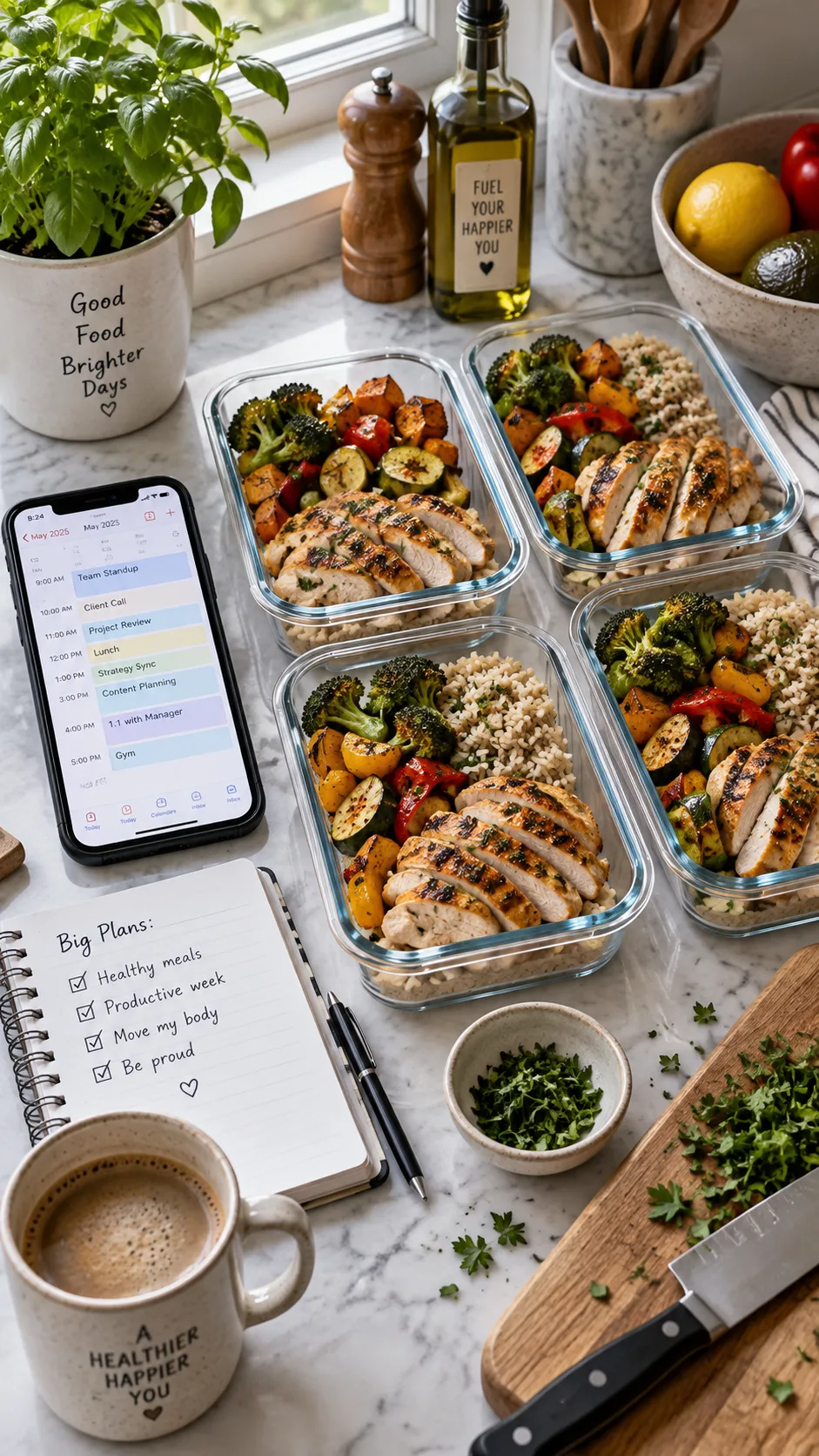
What “clean eating” really means (and what it definitely doesn’t)
Let’s clear the air. Clean eating simply means you build most of your meals from whole, minimally processed foods. Vegetables, fruit, whole grains, beans, nuts, eggs, fish, poultry, dairy if you tolerate it. That’s it. That’s the whole philosophy.
It does not mean you label foods “good” and “evil.” It does not require organic everything, a juice cleanse, or a detox tea that makes you sprint to the bathroom during a Zoom call. The Harvard T.H. Chan School of Public Health Healthy Eating Plate lays out the same basic structure, and it fits on one plate. No purity test required.
The 80/20 rule saves this whole thing
I eat clean roughly 80% of the time. The other 20% includes jollof rice at my cousin’s place, birthday cake, and the occasional 11pm bowl of cereal. That flexibility keeps me consistent for years instead of perfect for nine days.
Ever wondered why the people who “cheat” strategically outlast the purists? Because guilt burns more energy than carbs do.
The 3 rules that make clean eating survive a busy week
Before the meal plan, absorb these three rules. They do 90% of the heavy lifting.
- Every meal needs protein, fiber, and fat. That combination controls hunger better than willpower ever will. Protein blunts appetite, fiber slows digestion, fat keeps food tasting like food.
- Cook once, eat three times. You’re not making 21 unique meals. You’re making 5 components and remixing them. Big difference.
- Keep a “lazy tier” of meals. Three meals you can assemble in under 6 minutes with zero brain power. You WILL need them on Thursday.
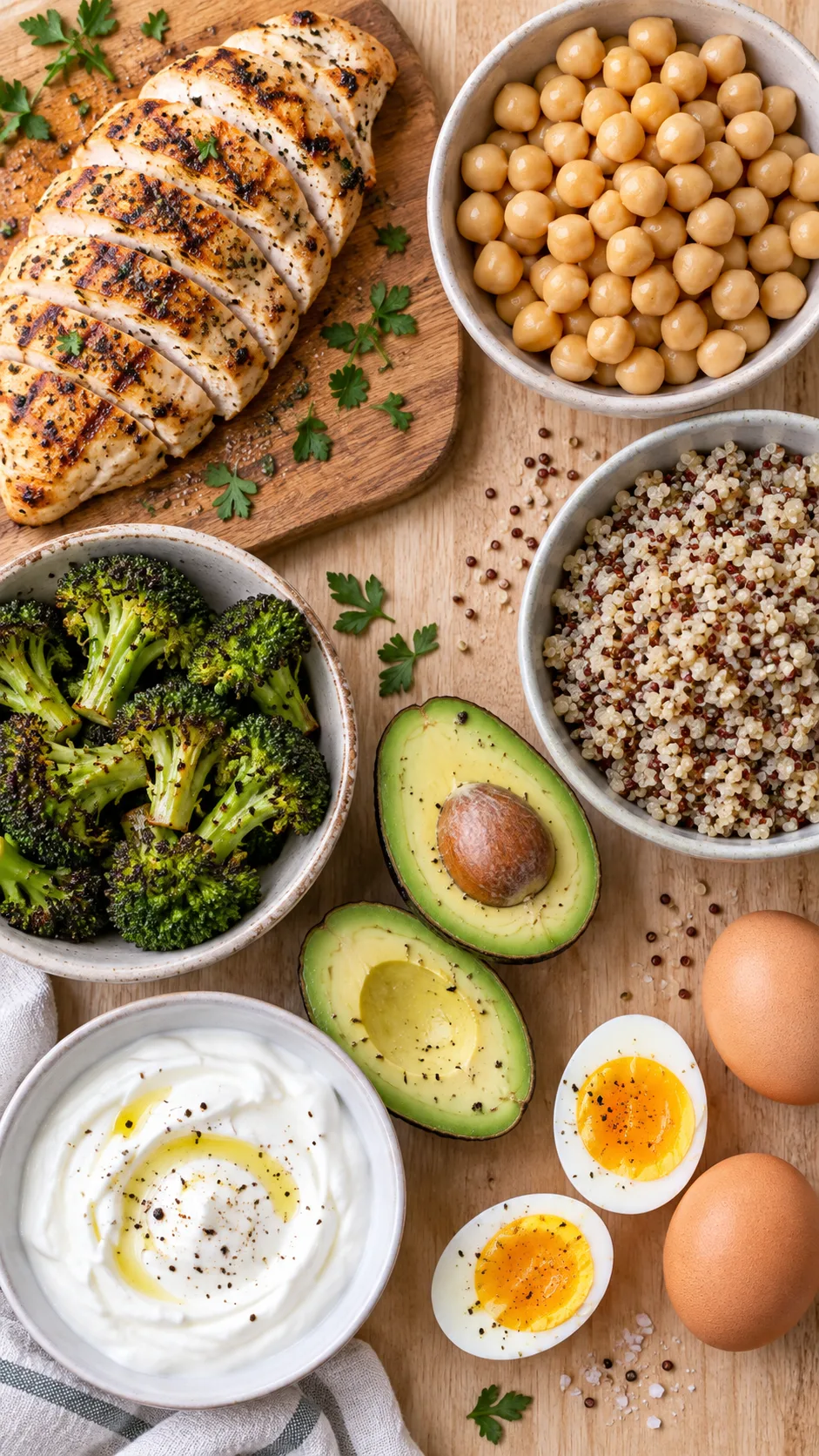
The core five: your weekly prep components
Instead of prepping meals, I prep components. Meals get boring by Wednesday. Components stay flexible.
1. One big protein
Roast a tray of chicken thighs, bake a batch of salmon fillets, or brown 2 lbs of lean ground turkey with garlic and cumin. Aim for 20 to 35g of protein per meal. The Dietary Guidelines and most sports nutrition research back spreading protein across the day rather than dumping it all at dinner.
2. One whole grain or starchy base
Brown rice, quinoa, farro, or roasted sweet potatoes. Cook a big pot. Freeze half in portions if you hate day-5 rice (fair, it gets weird).
3. Two vegetables, one roasted and one raw
Roasted broccoli, peppers, or Brussels sprouts for hot meals. Shredded cabbage, cucumber, or bagged greens for cold ones. Variety in texture beats variety in recipes.
4. One sauce that does everything
This is the underrated MVP. A lemon-tahini drizzle, a yogurt-herb sauce, or a chili-lime vinaigrette turns the same three ingredients into three different meals. IMO, sauce is the single biggest reason people quit meal prep. They skip it, then wonder why lunch tastes like sadness.
5. Grab-and-go snacks
- Hard-boiled eggs (boil 8 on Sunday)
- Greek yogurt cups with berries
- Roasted chickpeas or almonds portioned into small bags
- Apple plus peanut butter packets
- Cottage cheese with black pepper and cherry tomatoes
The 7-day clean eating meal plan
Here’s the plan. It lands roughly between 1,600 and 1,900 calories depending on your portions, with protein sitting around 100 to 130g daily. Scale portions up or down based on your size, activity, and goals.
Day 1 (Monday)
- Breakfast: Greek yogurt, berries, 2 tbsp granola, drizzle of honey
- Lunch: Roasted chicken, quinoa, roasted broccoli, lemon-tahini sauce
- Snack: Apple with almond butter
- Dinner: Salmon, sweet potato wedges, garlicky green beans
Day 2 (Tuesday)
- Breakfast: 2 eggs scrambled with spinach, 1 slice whole-grain toast, avocado
- Lunch: Chicken and rice bowl with cabbage slaw and chili-lime dressing
- Snack: Cottage cheese with cherry tomatoes
- Dinner: Turkey chili with beans, side salad
Day 3 (Wednesday)
- Breakfast: Overnight oats (oats, milk, chia, banana, cinnamon)
- Lunch: Leftover turkey chili over brown rice
- Snack: Hard-boiled eggs and a handful of almonds
- Dinner: Sheet-pan shrimp, peppers, zucchini, olive oil, paprika
Day 4 (Thursday): the lazy tier day
- Breakfast: Protein smoothie (frozen berries, spinach, protein powder, milk)
- Lunch: Canned tuna, white beans, olive oil, lemon, arugula
- Snack: Greek yogurt with cinnamon
- Dinner: Rotisserie chicken, bagged salad kit, microwaved sweet potato
Day 5 (Friday)
- Breakfast: Veggie omelet with feta
- Lunch: Grain bowl with leftover chicken, chickpeas, cucumber, tahini
- Snack: Roasted chickpeas
- Dinner: Homemade turkey burgers, oven fries, slaw. Yes, this counts.
Day 6 (Saturday)
- Breakfast: Whole-grain pancakes with Greek yogurt and berries
- Lunch: Big chopped salad with eggs, avocado, seeds, leftover protein
- Snack: Dark chocolate square and walnuts
- Dinner: Your flexible meal. Restaurant, takeout, family dinner. Enjoy it fully.
Day 7 (Sunday)
- Breakfast: Shakshuka with whole-grain bread
- Lunch: Lentil soup and side salad
- Snack: Fruit and string cheese
- Dinner: Stir-fry with tofu or beef, mixed veg, brown rice
Notice something? The same ingredients keep reappearing in different outfits. That’s the trick. You shop for 15 items, not 60.
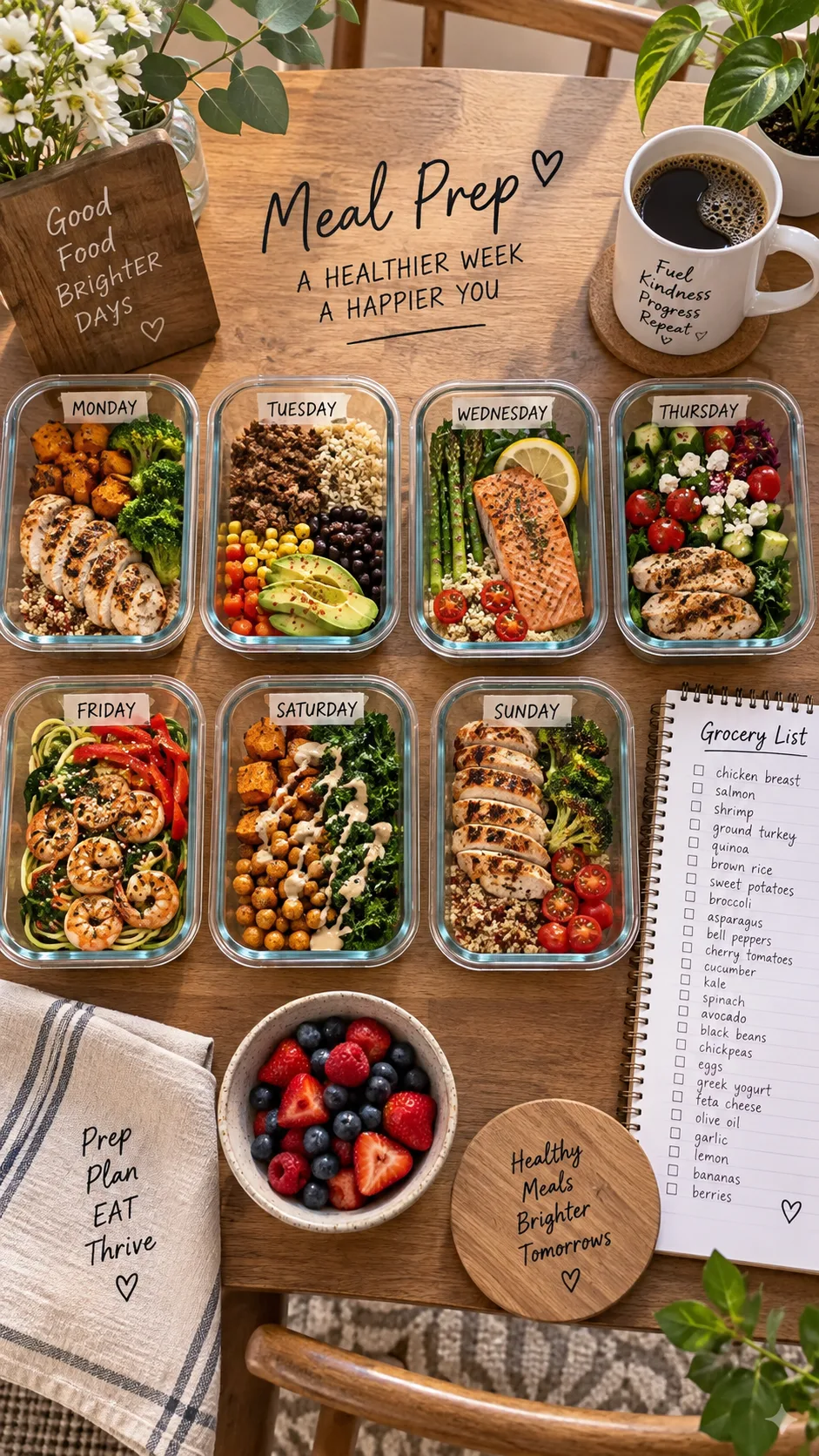
The 90-minute Sunday prep session
I time this every week. Ninety minutes, start to clean kitchen. Here’s the order that makes it work, because sequencing matters more than speed.
- Minutes 0 to 5: Preheat oven to 425°F (220°C). Put a pot of water on for grains.
- Minutes 5 to 20: Season and tray up your protein and vegetables. Two sheet pans, one oven.
- Minutes 20 to 45: Everything roasts. You chop raw veg, boil eggs, and blend the sauce during this window.
- Minutes 45 to 60: Cook the grains, portion snacks, assemble overnight oats jars.
- Minutes 60 to 80: Cool, portion into containers, label with masking tape.
- Minutes 80 to 90: Wash up. Put on a podcast. Feel smug.
Can’t spare 90 minutes? Split it. Do 45 minutes Sunday and 30 minutes Wednesday. Mid-week prep also solves the “day-5 chicken tastes like regret” problem.
The grocery list (screenshot this part)
Proteins
- Chicken thighs or breasts (2 lbs)
- Salmon or white fish (1 lb)
- Ground turkey (1 lb)
- Eggs (1.5 dozen)
- Greek yogurt (large tub)
- Canned tuna, chickpeas, black beans, lentils
Produce
- Broccoli, bell peppers, zucchini, green beans
- Spinach or mixed greens, cabbage, cucumbers, tomatoes
- Sweet potatoes, onions, garlic, lemons
- Bananas, apples, frozen berries
- Avocados
Pantry
- Brown rice, quinoa, rolled oats, whole-grain bread
- Olive oil, tahini, low-sodium soy sauce, vinegar
- Nuts, seeds, nut butter
- Spices: cumin, paprika, chili flakes, dried oregano, black pepper
My weekly cost runs roughly $75 to $110 for one person, depending on where you shop and how aggressively you buy frozen. Frozen vegetables and frozen fish cut that number hard, and they hold their nutrients well. If budget sits at the top of your worry list, the Aldi meal plan breaks down how families feed 2 to 5 people without wrecking the bank.
What to eat when everything goes wrong
Your prep will fail sometimes. Kids get sick. Work explodes. The chicken goes off. What then?
The emergency clean meals list
- Eggs, frozen veg, toast. Eight minutes, 25g protein.
- Canned tuna or sardines with beans, olive oil, and lemon. No cooking at all.
- Rotisserie chicken, bagged salad, pre-cooked rice pouch. Four minutes, genuinely balanced.
- Greek yogurt, frozen berries, nuts, honey. Breakfast for dinner, and nobody’s judging.
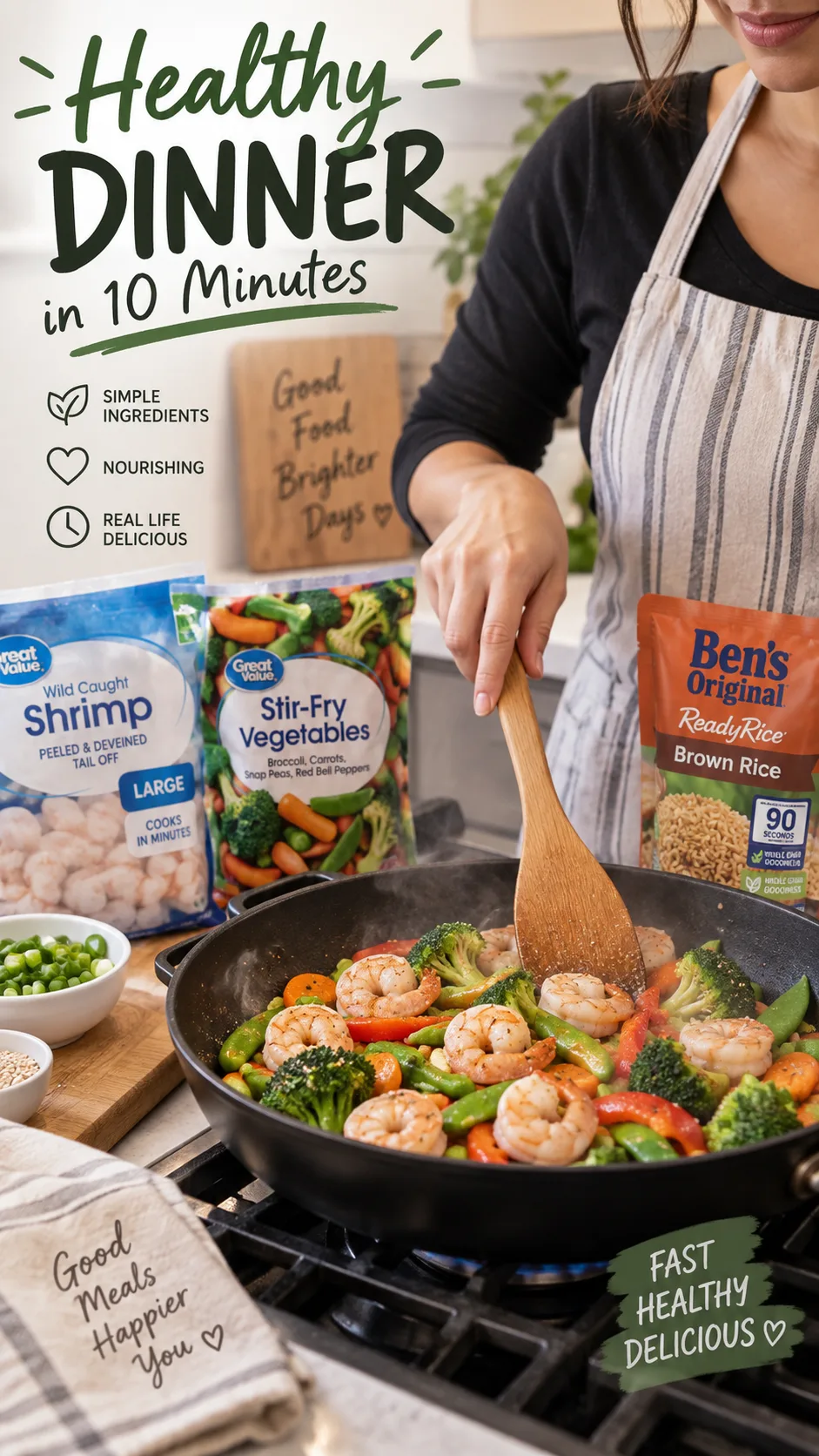
- Frozen shrimp and frozen stir-fry veg with soy sauce over microwave rice. Ten minutes, restaurant energy.
I keep every one of those ingredients stocked permanently. A well-stocked pantry replaces motivation on your worst days. That’s not a cute saying. It’s how the whole thing holds together.
Eating clean when you eat out
You’ll eat out. Restaurants aren’t the enemy. Autopilot is. A few habits keep restaurant meals from derailing the week:
- Order protein first, then build around it. Grilled, roasted, baked, or seared beats breaded and fried.
- Ask for sauces and dressings on the side. You still eat them. You just control the volume.
- Split the starch, double the veg. Most restaurants happily swap fries for a side salad or greens.
- Drink water between alcoholic drinks. Boring advice. Works every single time.
The American Heart Association pushes the same practical angle: small swaps beat total overhauls, because you repeat them.
Common clean eating mistakes (I’ve made most of these)
Mistake 1: under-eating, then binge-eating
I once ate a “clean” 1,100-calorie day and then demolished half a loaf of bread at 10pm. Clean eating without enough calories turns into a binge cycle. If you’re cutting on purpose, do it with structure. A well-built 1500 calorie meal plan keeps hunger manageable instead of turning dinner into a hostage negotiation.
Mistake 2: fearing all processed food
Frozen vegetables, canned beans, plain Greek yogurt, and pre-cooked rice are processed. They’re also excellent. Minimally processed convenience foods keep busy people consistent. The research on ultra-processed food points at sugary drinks, packaged snack cakes, and processed meats, not bagged spinach.
Mistake 3: skipping protein at breakfast
A toast-and-fruit breakfast leaves you rummaging through the office kitchen by 10:30. Front-load 25 to 30g of protein in the morning and watch afternoon snacking quietly disappear. If protein is your main gap, the 7-day high protein meal plan maps it out day by day.
Mistake 4: prepping seven identical lunches
By Wednesday you hate the food. By Thursday you order pizza. Prep components, vary the sauce, rotate the base. Same effort, radically different outcome.
Mistake 5: ignoring sleep and stress
Poor sleep raises ghrelin and cuts leptin, which means your body campaigns for extra calories. The CDC recommends 7+ hours for adults, and honestly? Sleep might outperform any meal plan on the days you’re truly slammed.
How to know it’s working
The scale is one data point, and a moody one at that. Track these instead:
- Steady energy from 2pm to 5pm, with no crash and no desperate coffee run
- Fewer cravings after dinner
- Better digestion within 2 to 3 weeks as your fiber intake climbs
- Clothes fitting differently, even when the scale stalls
- Improved blood markers at your next check-up: fasting glucose, triglycerides, blood pressure
Give it four weeks before you judge anything. Two weeks tells you almost nothing except that change feels annoying. FYI, most metabolic improvements show up somewhere between weeks 4 and 12.
The bottom line
Clean eating doesn’t require a lifestyle transplant. It requires five prepped components, one good sauce, three emergency meals, and permission to be imperfect.
Start with one week. Prep on Sunday for 90 minutes. Keep your lazy tier stocked. Eat the birthday cake when the birthday happens. Then run it back.
The best meal plan isn’t the cleanest one on paper. It’s the one still running in your kitchen six months from now. Pick the version you can repeat while tired, and you’ve already won.