

You eat a “healthy” breakfast. Oatmeal, banana, splash of orange juice. Two hours later you’re shaky, cranky, and eyeing the vending machine like it owes you money. Sound familiar?
That rollercoaster isn’t a willpower problem. It’s insulin resistance waving a tiny flag, asking you to please pay attention. And your plate holds more power over it than almost anything else you’ll try.
I spent three years thinking I was just “bad at mornings.” Turns out I was bad at breakfast. Let’s fix that.
What insulin resistance really is (in plain English)
Think of insulin as a delivery driver. It picks up glucose from your bloodstream and drops it off at your cells for energy. Simple job, decent guy, shows up every time you eat.
Now imagine your cells stop answering the door. The driver knocks harder. Your pancreas sends MORE drivers. Glucose piles up in your blood, insulin levels stay high, and your body gets very, very good at storing fat, especially around your middle.
That’s insulin resistance. According to the CDC, roughly 98 million American adults have prediabetes, and more than 8 in 10 have no idea. Cheerful stat, right? :/
Signs your body might be waving that flag
- Energy crashes one to three hours after eating carbs
- Stubborn belly fat that won’t budge despite cardio
- Constant cravings for sugar and refined carbs
- Skin tags or dark velvety patches on your neck and armpits (acanthosis nigricans)
- Brain fog, afternoon slumps, and 3pm existential dread
- Elevated fasting glucose (100 to 125 mg/dL) or high fasting insulin on labs
- Irregular cycles or PCOS symptoms in women
Got three or more? Worth a conversation with your doctor. Ask specifically for fasting insulin and HbA1c, not just fasting glucose. Glucose is often the last thing to go wrong.
Why most “blood sugar diets” fail you
My honest opinion: most blood sugar advice is either useless (“eat less sugar!”) or so extreme nobody lasts past Thursday.
Cutting ALL carbs works brilliantly… for about eleven days. Then you’re at a birthday party inhaling cake in the bathroom. Ask me how I know.
The plan that works isn’t about elimination. It comes down to sequencing, pairing, and timing: three unsexy words that do more for your glucose than any supplement on Instagram.
The 5 core rules of an insulin resistance diet plan
Forget calorie math for a second. Master these five and your blood sugar starts behaving like a reasonable adult.
1. Protein first, every single meal
Protein blunts the glucose spike, triggers satiety hormones, and protects muscle. Muscle is your biggest glucose sink, so more of it means more places to park sugar.
Aim for 25 to 40g of protein per meal. That’s roughly a palm-sized piece of chicken, 5 to 6 oz of Greek yogurt plus nuts, or three eggs with cottage cheese. If you want a deeper breakdown on hitting these numbers, this high protein diet plan lays it out well.
2. Never eat a naked carb
A naked carb is a carb eaten alone. Rice cakes. Fruit by itself. That “harmless” handful of pretzels at 4pm.
Always dress your carbs in protein, fat and fiber. Apple with almond butter. Rice with chicken and olive oil. Bread with eggs and avocado. Same carb, dramatically flatter glucose curve. Ever wondered why your grandmother’s meals never wrecked her? She ate whole meals, not snack fragments.
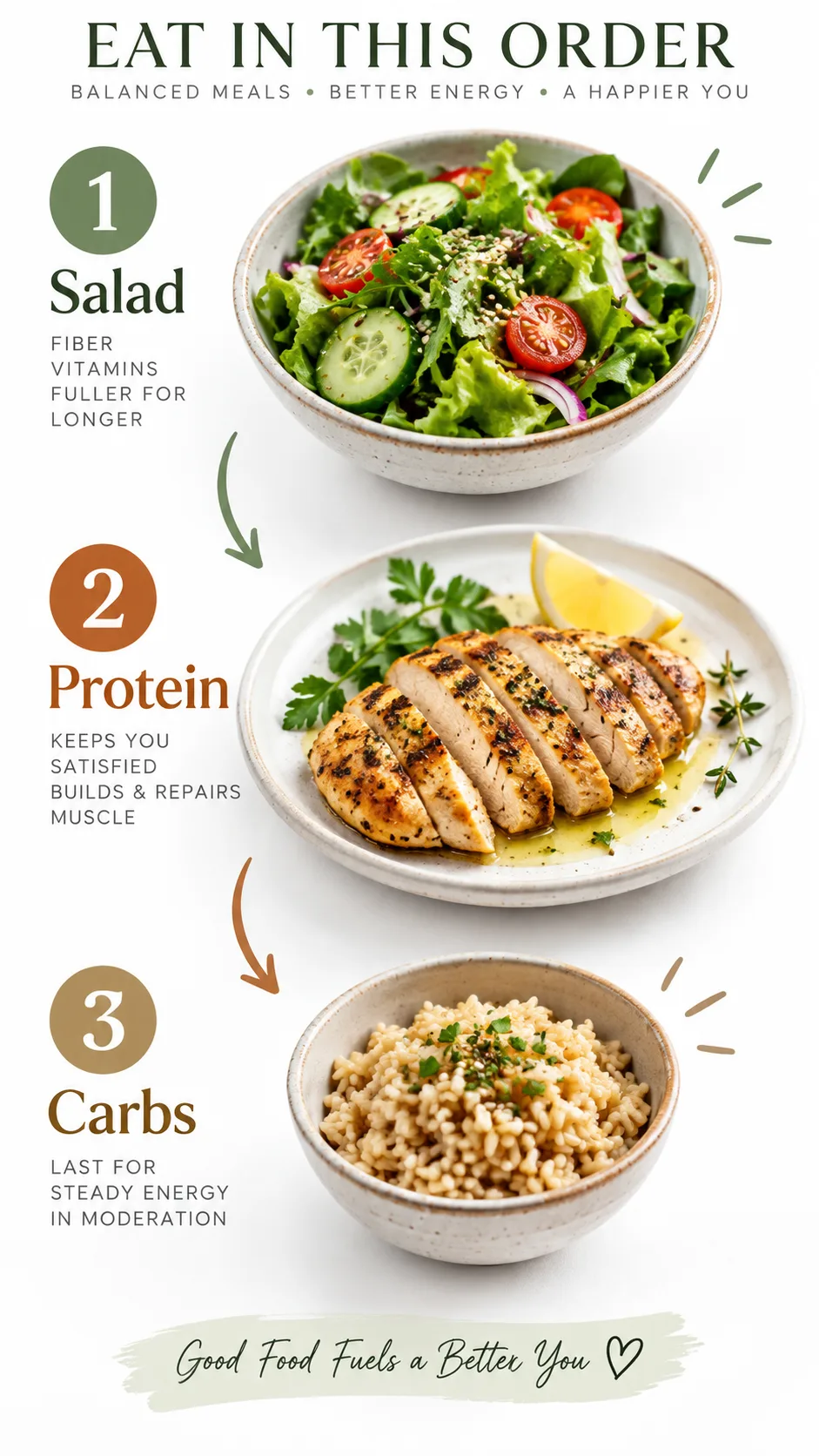
3. Eat in the right order
This one sounds like nonsense until you see the data. Research from Cornell and Weill Cornell Medicine found that eating vegetables and protein before carbohydrates lowered post-meal glucose spikes by up to 37%. Same food, same meal, different order.
The order goes veggies, then protein and fat, then carbs. It costs you nothing. It’s the closest thing to a free lunch in metabolic health.
4. Walk after you eat
Not a diet rule, technically. But a 10 to 15 minute walk after meals pulls glucose into your muscles without needing insulin at all. Your muscles have a back-door glucose transporter (GLUT4) that opens during contraction.
Ten minutes. After dinner. That’s it. I resisted this for months because it felt too simple to matter. My continuous glucose monitor disagreed, loudly.
5. Stop grazing
Every time you eat, insulin rises. Six “small healthy snacks” a day means six insulin spikes and zero recovery time.
Give yourself 3 to 4 hours of genuine gaps between meals. Water, black coffee and tea are fine. That handful of trail mix at your desk? Not fine. Sorry.
What to eat: your insulin-friendly grocery list
Protein (build every meal around these)
- Eggs, whole, yolks included
- Chicken thighs and breast, turkey
- Salmon, sardines, mackerel (bonus omega-3s)
- Greek yogurt and cottage cheese (unsweetened)
- Lentils, chickpeas, black beans
- Tofu, tempeh, edamame
- Grass-fed beef, lamb
Fiber-heavy vegetables (eat these first)
- Broccoli, cauliflower, Brussels sprouts
- Spinach, arugula, kale, romaine
- Zucchini, asparagus, green beans
- Peppers, cucumber, cabbage, mushrooms
Smart fats
- Extra virgin olive oil (the real stuff)
- Avocado
- Almonds, walnuts, pistachios
- Chia and flax seeds
Carbs that won’t betray you
- Cooled potatoes and rice (resistant starch, and reheating is fine)
- Steel-cut oats, quinoa, barley, farro
- Berries, cherries, green apples, kiwi
- Sweet potato, winter squash
- Sourdough or dense sprouted grain bread
FYI, the cooled-starch thing is real. Chilling cooked rice or potatoes for 12+ hours converts some starch into resistant starch, which feeds your gut bacteria instead of your bloodstream. Leftover potato salad, redeemed.
What to limit (limit, not ban)
I refuse to give you a forbidden list, because forbidden lists create binges. But these genuinely make insulin resistance worse:
- Liquid sugar. Soda, juice, sweetened coffee drinks. Zero fiber, instant spike. The worst offender by a mile.
- Ultra-refined carbs eaten alone. White bread, crackers, cereal, pastries at 8am on an empty stomach.
- “Low-fat” processed foods. Strip the fat, add sugar. Classic bait and switch.
- Alcohol in excess. Your liver prioritizes clearing alcohol over regulating glucose. Two drinks max, with food.
- Industrial seed oil overload in fried takeaway food, mostly because it travels with refined carbs and huge portions.
Notice I didn’t say “never eat pizza.” Have the pizza. Have a salad first, walk afterward, and move on with your life.

A realistic 7-day insulin resistance meal plan
No exotic ingredients. No 90-minute prep. Just food that keeps your glucose flat and your mood intact.
Day 1
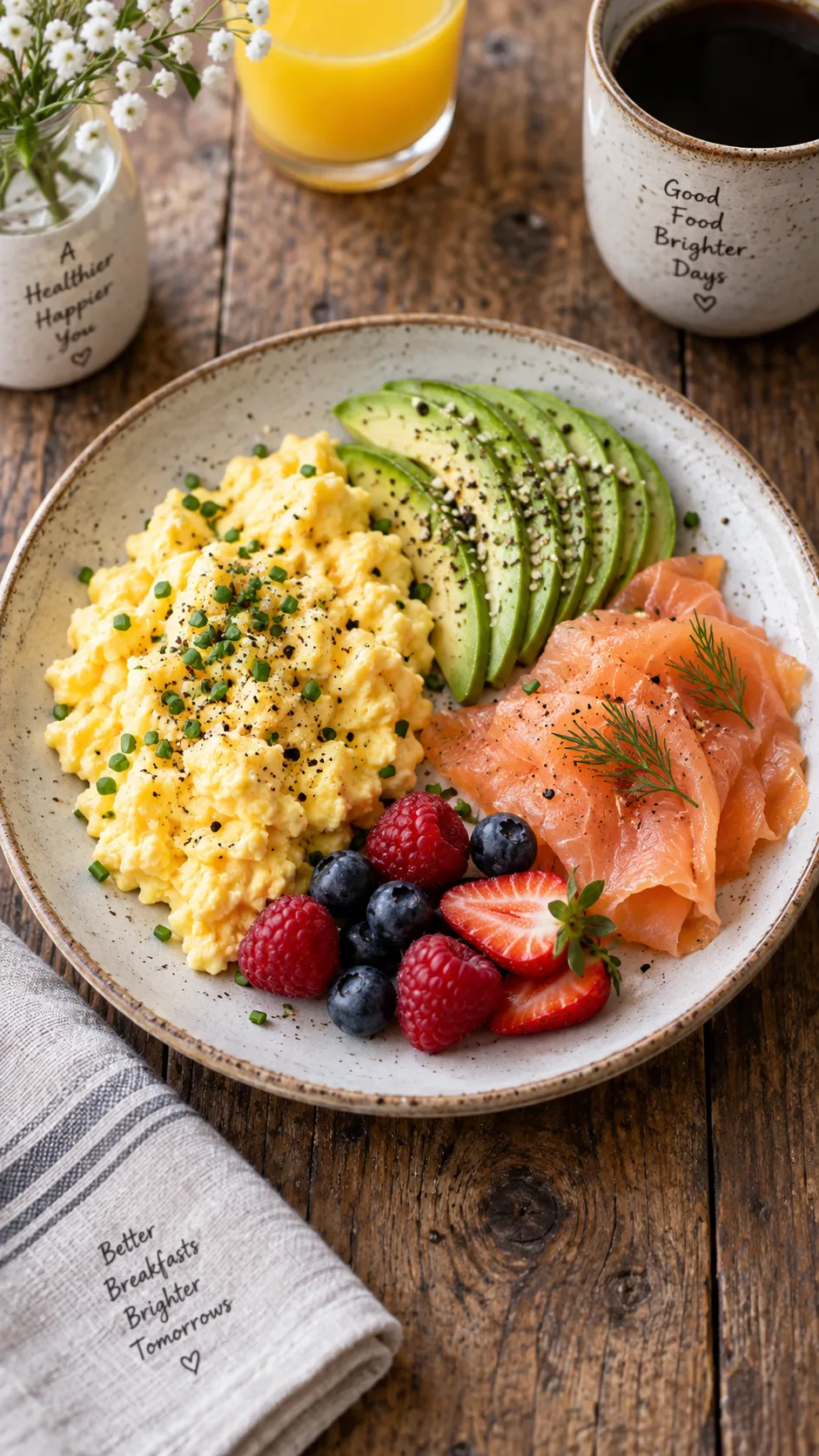
- Breakfast: 3-egg omelette with spinach and feta plus half an avocado
- Lunch: Big salad, grilled chicken, olive oil and lemon, side of lentils
- Dinner: Salmon, roasted broccoli, small portion of quinoa
- Snack (if needed): Greek yogurt with walnuts
Day 2
- Breakfast: Cottage cheese, berries, chia seeds, cinnamon
- Lunch: Leftover salmon over greens with tahini dressing
- Dinner: Beef and vegetable stir-fry over cooled-then-reheated rice
Day 3
- Breakfast: Steel-cut oats cooked in milk with a scoop of protein and almond butter
- Lunch: Chickpea and tuna salad with cucumber and olive oil
- Dinner: Roast chicken thighs, Brussels sprouts, half a sweet potato
Day 4
- Breakfast: Smoked salmon on sourdough with cream cheese and rocket
- Lunch: Turkey lettuce wraps with hummus and carrot sticks
- Dinner: Lentil bolognese over zucchini noodles with parmesan
Day 5
- Breakfast: Scrambled eggs, sautéed mushrooms, one slice sprouted toast
- Lunch: Big Greek salad with grilled halloumi and chicken
- Dinner: Baked cod, green beans, barley pilaf
Day 6
- Breakfast: Protein smoothie with Greek yogurt, berries, flax, spinach and protein powder
- Lunch: Leftover cod over mixed greens
- Dinner: Homemade burgers (no bun or half bun), slaw, oven wedges
Day 7: flexible day
- Eat out. Order the protein and veg. Start with a salad. Walk after.
- Enjoy dessert if you want it, but after a full meal, never on an empty stomach.
See the pattern? Protein anchors every meal, vegetables show up constantly, carbs appear as a side character rather than the lead.
The supporting cast: sleep, stress and strength
Sleep is a blood sugar drug
One night of four or five hours of sleep drops insulin sensitivity by roughly 25% in healthy adults. You can eat perfectly and still fight a losing battle on five hours.
Seven to nine hours. Non-negotiable. It’s the cheapest metabolic intervention available.
Stress hormones raise glucose directly
Cortisol tells your liver to dump glucose into your blood, which helps if you’re running from a bear and helps considerably less during a Zoom call. Chronic stress keeps that tap open all day.
If you stress-eat on a loop, the cortisol detox diet approach pairs well with everything here. Managing stress isn’t fluffy self-care. It’s glucose management.
Lift something heavy, twice a week
Muscle is metabolic real estate. The more you have, the more glucose you store without insulin working overtime. Two resistance sessions per week measurably improve insulin sensitivity, even if you never lose a pound.
The American Diabetes Association recommends 150 minutes of moderate activity plus two or three resistance sessions weekly. Not because it’s trendy. Because it works.

Common mistakes that quietly sabotage you
- Fearing fruit. Whole fruit with skin and fiber is fine. Juice is not. There’s a difference between a whole orange and a glass of eight oranges.
- Going ultra-low-carb forever. Great short-term tool, tough long-term for many people, especially women with thyroid or cycle issues.
- Skipping breakfast then eating a mountain at night. Late-night glucose tolerance is genuinely worse. Front-load your calories.
- Chasing “sugar-free” everything. Sugar alcohols wreck some guts and keep the sweet-craving loop alive.
- Ignoring alcohol. Three glasses of wine and a perfect food day still leaves your liver confused.
- Expecting results in a week. Fasting insulin shifts in four to six weeks. HbA1c takes about three months. Be patient.
Special situations worth knowing
PCOS and insulin resistance
Up to 70% of women with PCOS have insulin resistance, regardless of body size. High insulin drives ovarian androgen production, which drives the acne, hair changes and irregular cycles. Fix the insulin, and hormones often follow. If that’s your situation, this PCOD-focused diet plan covers the specifics.
Fatty liver travels with it
Insulin resistance and non-alcoholic fatty liver disease are practically roommates. Excess fructose and chronic high insulin push fat storage in the liver, which then worsens insulin resistance. Lovely feedback loop.
Inflammation makes everything worse
Chronic low-grade inflammation directly interferes with insulin signaling. That’s why an anti-inflammatory eating approach overlaps almost perfectly with an insulin resistance diet plan. Same foods, different angle.
How to track progress properly
Scales lie. Here’s what tells the real story:
- Fasting insulin, ideally under 8 µIU/mL (ask for it specifically)
- HbA1c, with under 5.7% as the target zone
- HOMA-IR score, calculated from fasting glucose and insulin
- Triglyceride-to-HDL ratio, where under 2.0 is a strong sign of good insulin sensitivity
- Waist circumference, which often shifts before scale weight does
- How you feel at 3pm, honestly the most underrated metric
A continuous glucose monitor for two to four weeks is eye-opening too. Mine taught me that my “healthy” granola was basically dessert. Humbling. 🙂
For evidence-based background on all of this, the NIDDK is a solid, jargon-light resource worth bookmarking.
Your first week: start here
Don’t overhaul everything. Pick three changes and run them for seven days.
- Add 30g protein to breakfast. This single change kills most afternoon cravings.
- Eat veggies first at your two biggest meals.
- Walk 10 minutes after dinner. Every night, rain or shine.
That’s the whole assignment. Add the rest in week two.
The bottom line
Insulin resistance isn’t a life sentence. It’s a reversible pattern that responds remarkably well to how, when and in what order you eat. You don’t need to ban carbs, buy supplements, or live on grilled chicken and sadness.
You need protein at every meal, fiber before carbs, real gaps between meals, a short walk after eating, and decent sleep. That’s the plan. It reads as boring on paper and changes your life in practice.
Start tomorrow morning with eggs instead of cereal. Notice how you feel at 3pm. Then tell me your body doesn’t know exactly what to do when you finally give it the right instructions.
This article is educational and not medical advice. Talk to your doctor before making significant dietary changes, especially if you take glucose-lowering medication, since an insulin resistance diet can lower your blood sugar enough to require dose adjustments.