

Your toddler loved blueberries yesterday, then looked at them today like you had put tiny purple insults on the plate. Sound familiar?
Picky eating can turn an ordinary family meal into a hostage negotiation, with tears, bargaining, and a cold chicken nugget hiding under the table. You do not need special toddler recipes, separate dinners, or endless patience.
You need a simple toddler meal plan, a predictable routine, and a relaxed way to offer food. This guide covers all three and includes a realistic seven-day meal plan built around regular family food.
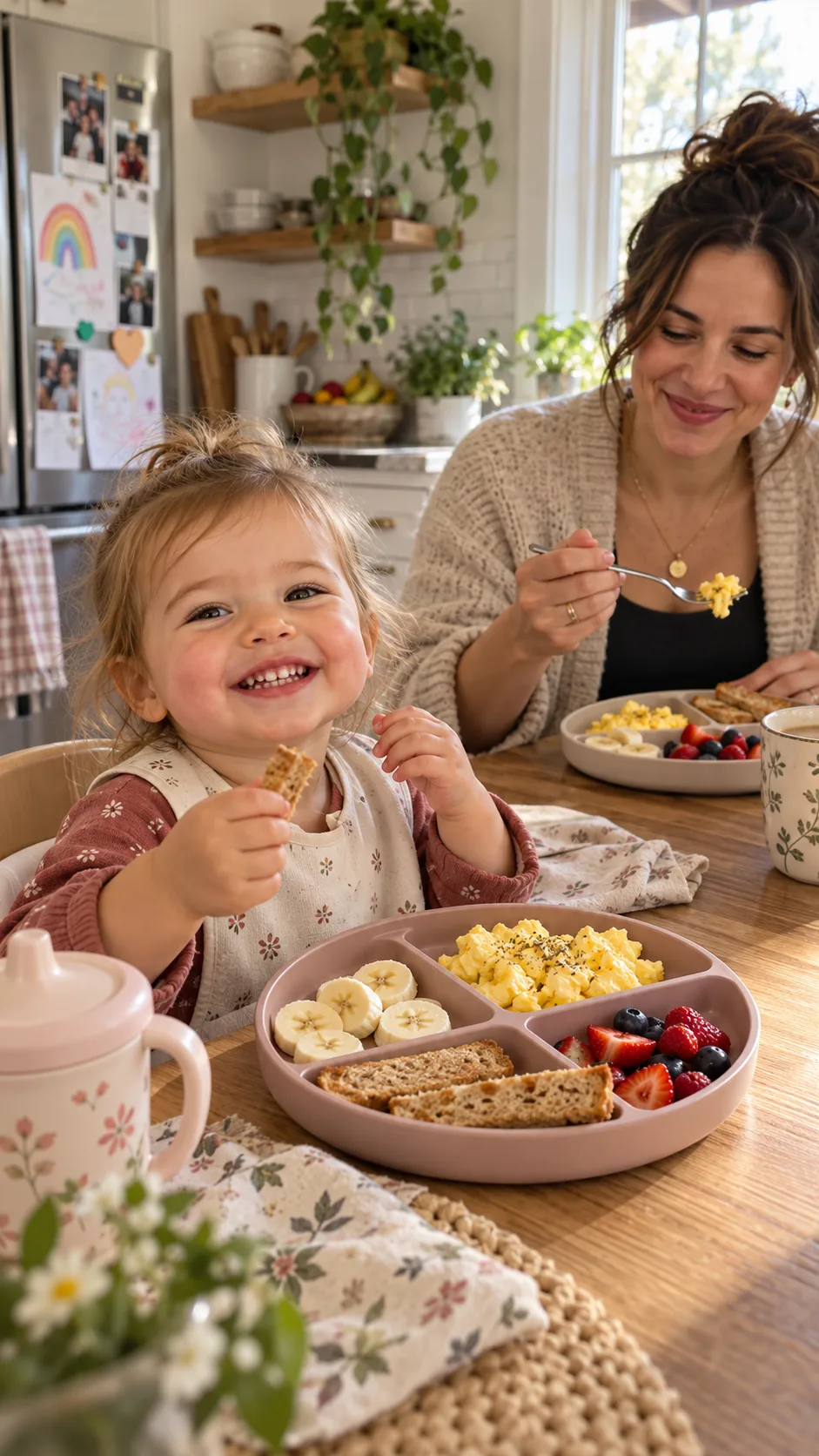
First, why toddlers suddenly become picky eaters
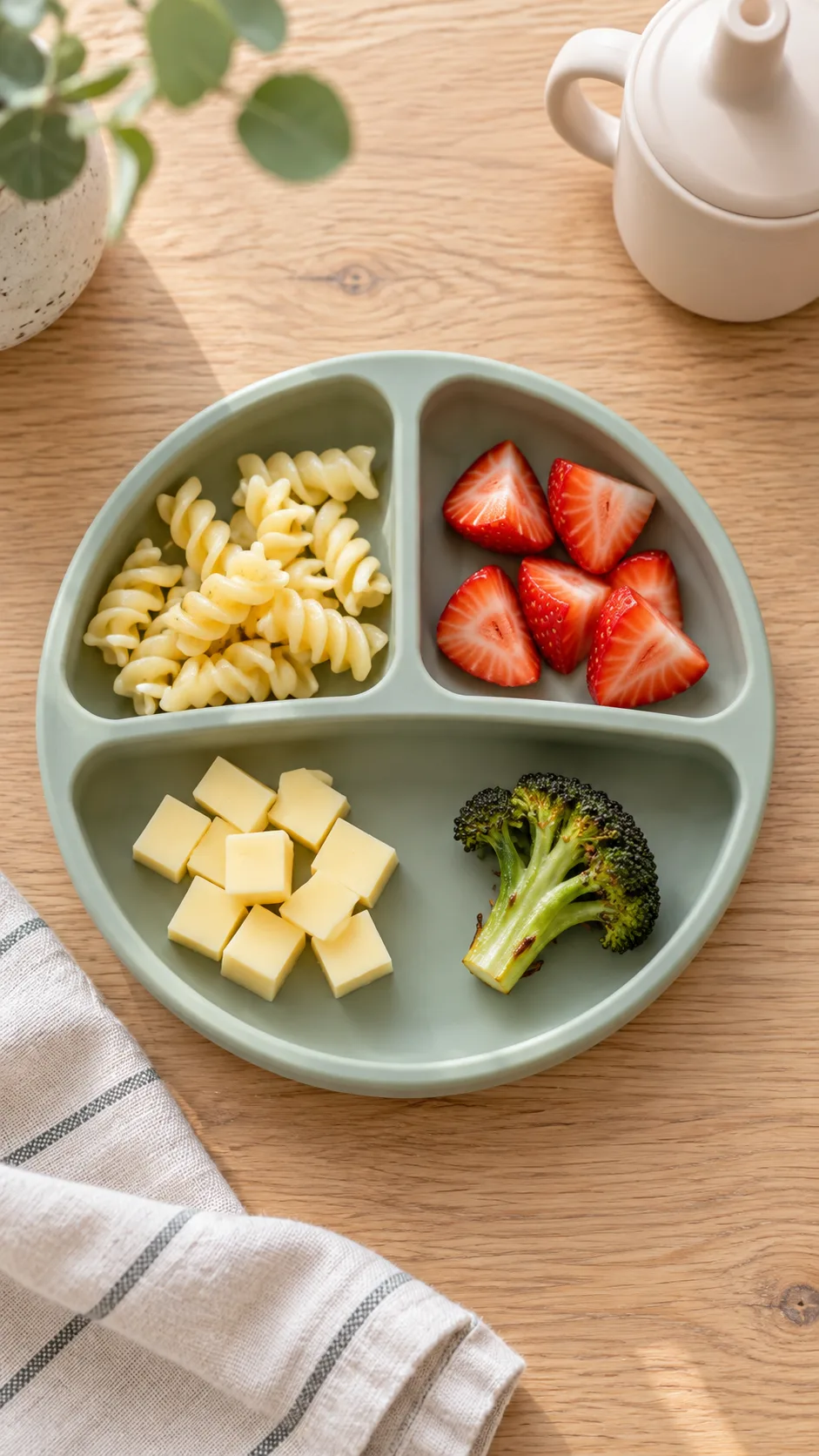
Toddlers grow more slowly after their first birthday, so they often need less food than parents expect. They also discover independence, and food gives them a dramatic place to practice it.
Your child may refuse a food because of its texture, color, temperature, or smell. Sometimes toddlers simply refuse because they can. You did not create a bad eater. You have a toddler, and that alone calls for stamina.
The American Academy of Pediatrics explains picky eating as a common developmental stage. Most toddlers need many calm introductions to a new food before they want to taste it.
What a normal toddler appetite looks like
A toddler may eat three bites at lunch, then ask for a snack six minutes later. Watch what your child eats over a week instead of judging a single meal.
Some days, your child may eat a lot. On others, they may live on crackers, one strawberry, and a firm refusal to discuss vegetables. Growth, activity, sleep, teething, and minor illnesses can all affect hunger.
Your job is to offer balanced food. Your toddler decides whether to eat and how much. That division takes a lot of pressure off the table.
The picky eater rule that changes everything
Build each meal around one familiar food your toddler usually eats. Many parents call it a “safe food.” It gives your child something dependable without turning dinner into a short-order restaurant.
Offer that safe food with one or two other foods. Your toddler may eat the bread and leave the turkey today, but the turkey still gives them a chance to see, smell, and touch it.
Familiar food can help a child relax at the table. Regular exposure can make a new food feel less suspicious over time.
Use the “safe food plus learning food” formula
- Safe food: A food your toddler generally eats, such as rice, yogurt, banana, pasta, toast, cheese, or peas.
- Learning food: A less familiar food, such as chicken strips, roasted carrots, beans, fish, avocado, or broccoli.
- Family food: The main meal everyone else eats. Prepare your toddler’s portion with choking safety and spice level in mind.
Put very small portions on the plate. A tablespoon of a learning food feels manageable. A mountain of it can feel like a tiny culinary threat.
Let your toddler ask for more. That small choice gives them some control without giving them the pantry.
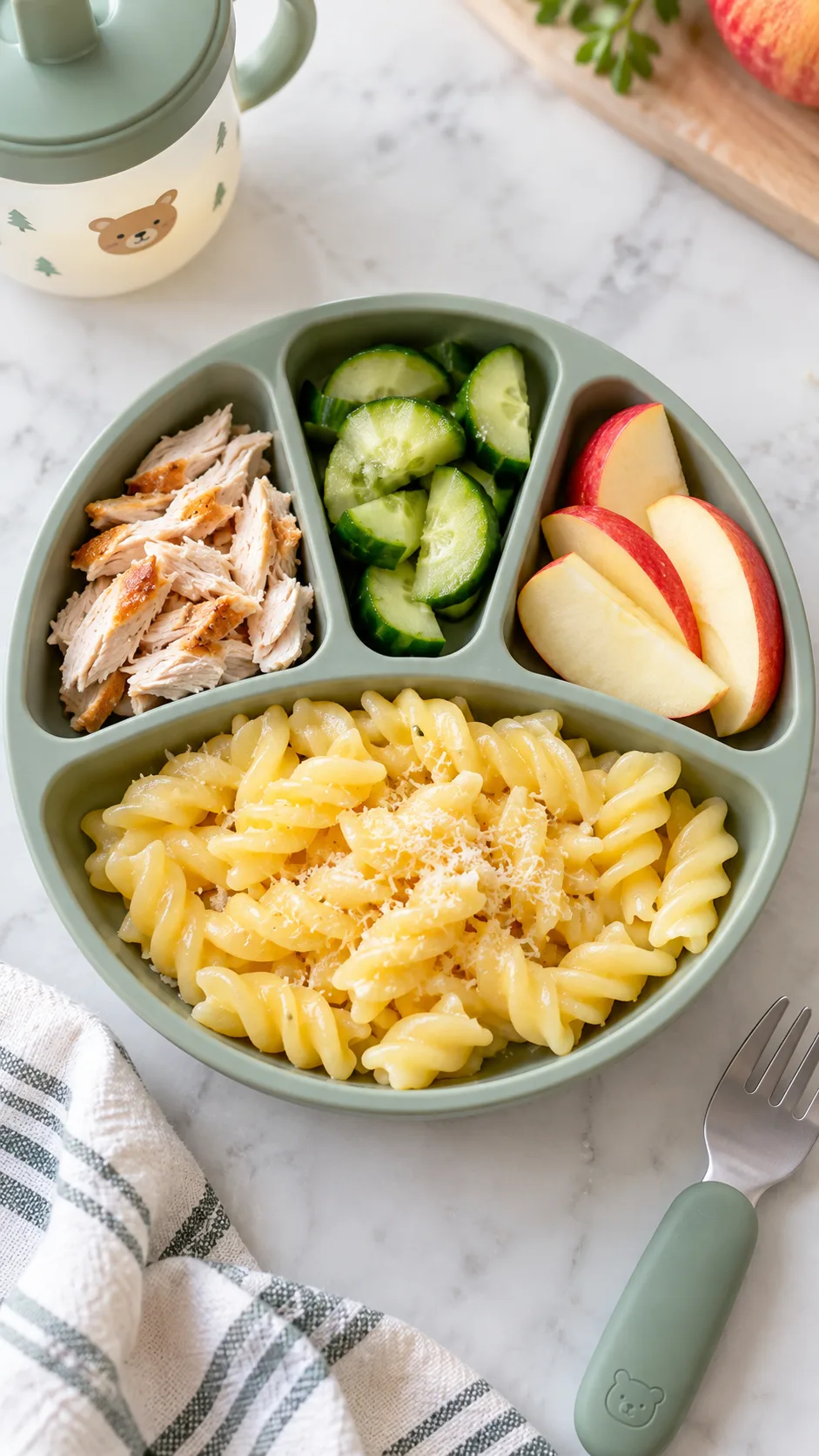
The toddler meal schedule that stops all-day snacking
Constant grazing can dull a toddler’s appetite. When your child snacks from sunrise to bedtime, dinner has little chance.
A predictable feeding schedule helps your child come to meals somewhat hungry, rather than desperate. Offer food every two to three hours, then give your child a break between meals and snacks.
Offer water between meals and snacks. Serve milk with meals or planned snacks, because constant cups of milk can leave less room for iron-rich foods.
The CDC toddler feeding guidance recommends regular meals and snacks with a range of nutritious foods. Your pediatrician can help you plan milk intake and meal timing if your child has growth, feeding, or medical concerns.
A simple daily meal rhythm
- Breakfast: Offer it within one to two hours of waking.
- Morning snack: Offer it about two hours later.
- Lunch: Serve it two to three hours after the snack.
- Afternoon snack: Plan a snack instead of letting your child hunt for one all afternoon.
- Dinner: Serve dinner two to three hours after the afternoon snack.
- Optional bedtime snack: Offer one if you serve dinner early or bedtime comes later.
Keep meals around 20 to 30 minutes. End the meal calmly when your toddler starts throwing food, climbing furniture, or testing what a spoon can do.
Do not chase your child with bites. Toddlers rarely try unfamiliar food while they sprint through the living room with cheese in their mouth.
How to build a balanced toddler plate without overthinking it
You do not need to measure every bite or turn food into a Pinterest craft project. Aim for variety over the day, not perfection on every plate.
A balanced toddler meal often includes a carbohydrate for energy, a protein or iron-rich food, a fruit or vegetable, and a fat source. Full-fat dairy, olive oil, avocado, nut butter, eggs, and cheese can help toddlers meet their energy needs.
The four-part toddler plate
- Energy food: Oats, toast, rice, potatoes, pasta, tortillas, couscous, or cereal.
- Protein or iron food: Eggs, beans, lentils, chicken, beef, fish, tofu, yogurt, cheese, or fortified cereal.
- Fruit or vegetable: Soft berries, banana, pear, peas, cucumber, cooked carrots, sweet potato, avocado, or broccoli florets.
- Healthy fat: Thinly spread nut butter, avocado, olive oil, cheese, yogurt, seeds ground into food, or hummus.
Pay close attention to iron during the toddler years. Offer beans, meat, eggs, lentils, fortified cereal, or tofu often. Pair plant-based iron foods with vitamin C foods such as strawberries, oranges, tomatoes, or peppers.
Read the USDA MyPlate guidance for another practical way to think about food groups. Treat it like a flexible map, not a food courtroom.
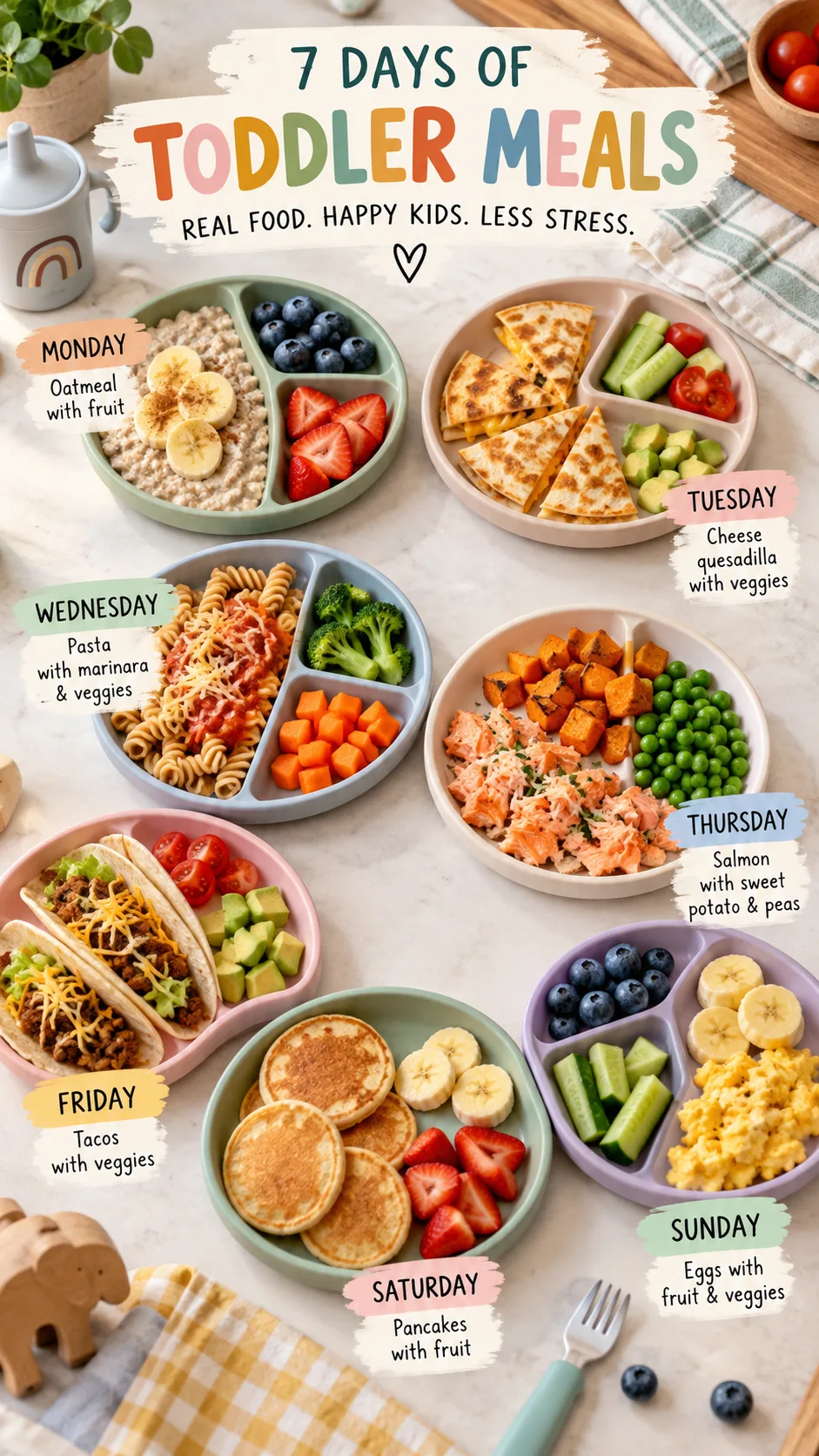
The 7-day toddler meal plan for picky eaters
This picky eater meal plan repeats ingredients on purpose. Repetition lowers grocery costs, saves time, and gives toddlers familiar foods they recognize.
Match portions to your child’s appetite. Start small, offer seconds, and keep pressure out of the meal.
Day 1
- Breakfast: Scrambled egg, buttered toast fingers, banana slices.
- Snack: Plain yogurt with soft berries.
- Lunch: Cheese quesadilla wedges, avocado slices, cucumber half-moons.
- Snack: Applesauce and whole-grain crackers.
- Dinner: Pasta with tomato sauce and finely shredded chicken, peas on the side.
Day 2
- Breakfast: Oatmeal with peanut or seed butter stirred in, diced pear.
- Snack: Cheese cubes and soft grapes cut lengthwise into quarters.
- Lunch: Rice, black beans, grated cheese, and mild salsa or chopped tomato.
- Snack: Banana with thinly spread nut butter on toast.
- Dinner: Baked salmon flakes, mashed sweet potato, and steamed broccoli florets.
Day 3
- Breakfast: Greek yogurt, crushed cereal, and sliced strawberries.
- Snack: Mini muffin with milk or a fortified dairy alternative.
- Lunch: Hummus, pita triangles, shredded carrot, and orange segments with membranes removed.
- Snack: Cottage cheese with peach slices.
- Dinner: Mild beef and vegetable meatballs, rice, and corn.
Day 4
- Breakfast: Whole-grain waffle with yogurt and sliced banana.
- Snack: Soft pear slices and cheese.
- Lunch: Turkey or tofu roll-ups, crackers, and peas.
- Snack: Smoothie with yogurt, banana, oats, and berries.
- Dinner: Build-your-own taco plate with soft tortilla strips, seasoned beans or meat, cheese, avocado, and tomato.
Day 5
- Breakfast: Egg muffins with spinach and cheese, toast, and melon.
- Snack: Yogurt pouch or bowl of yogurt with crushed oats.
- Lunch: Leftover taco bowl with rice, beans, cheese, and cucumber.
- Snack: Apple slices cooked until soft with cinnamon.
- Dinner: Macaroni and cheese with peas and finely chopped chicken or white beans.
Day 6
- Breakfast: Toast with mashed avocado, scrambled egg, and berries.
- Snack: Oat bar with a low added-sugar label and milk.
- Lunch: Mini pasta salad with pasta, cheese, peas, and diced cooked chicken.
- Snack: Banana slices with sunflower seed butter.
- Dinner: Homemade burger or lentil patty, oven potato wedges, and roasted carrot sticks.
Day 7
- Breakfast: Pancakes topped with yogurt and fruit.
- Snack: Cheese, crackers, and sliced kiwi or strawberries.
- Lunch: Tomato soup with grilled cheese fingers and soft green beans.
- Snack: Yogurt smoothie or chia pudding if your child accepts the texture.
- Dinner: Family-style roast chicken, rice or potatoes, peas, and fruit for dessert.
How to get a picky toddler to try new foods without bribery
You can encourage tasting without making broccoli a bargaining chip. Food rewards can teach toddlers that dessert matters more than dinner, and that approach often backfires quickly.
Make food feel ordinary, available, and low-pressure. Your toddler may need 10 or more introductions before they taste a new food, so keep offering it calmly.
Try these low-pressure phrases
- “You do not have to eat it. You can leave it on your plate.”
- “That carrot feels crunchy. Do you want to touch it?”
- “You can lick it, smell it, or take a bite. You choose.”
- “I like the sweet taste of these peas.”
- “You can ask for more if your tummy wants more.”
Keep your comments neutral. Skip “just one bite,” “you used to love this,” and “look, your sister eats it.” Nobody enjoys a performance review during lunch.
Model the behavior you want. Sit together when you can, eat the food yourself, and let your child see you enjoy vegetables without giving a TED Talk about them.
Texture, choking safety, and other important toddler food rules
Toddlers need safe food preparation as much as they need good nutrition. Cut round foods lengthwise, cook hard vegetables until soft, and stay with your child throughout meals.
Ask your pediatrician for individual advice if your child coughs, gags often, struggles to chew, or avoids entire texture groups. These signs can point to feeding difficulties that need more support.
The CDC choking hazard guide gives clear safety advice for young children. Keep high-risk foods off the plate unless you prepare them safely.
Foods that need extra care
- Cut grapes, cherry tomatoes, and berries into small pieces. Quarter grapes lengthwise.
- Spread nut butter thinly instead of serving spoonfuls.
- Cook carrots, apples, and other hard produce until soft.
- Skip whole nuts, popcorn, hard candy, gum, and large chunks of meat or cheese.
- Remove fish bones, fruit pits, and tough skins.
Always seat your toddler upright for meals and snacks. Keep eating at the table or in a high chair, not in the car seat, on the couch, in the stroller, or during a playground sprint.
What to do when your toddler eats almost nothing
First, take a breath. A toddler who eats lightly for a day or two often makes up for it later.
Offer regular meals and snacks, include safe foods, and do not replace every refused meal with crackers. Move on to the next planned eating opportunity without making a scene.
Call your pediatrician if your child loses weight, shows signs of dehydration, feels pain while eating, vomits often, chokes often, or refuses most foods for a long period. Ask for a referral to a registered dietitian or feeding therapist if meals regularly feel stressful.
You do not need to manage serious feeding concerns alone. Early support can protect nutrition and make family meals feel manageable again.
Make this toddler meal plan work for your whole family
The easiest toddler meal plan uses food you already buy. Cook one family dinner, then put aside a mild portion before you add extra salt, heat, or strong sauces.
Cook rice, pasta, roasted vegetables, chicken, beans, and egg muffins in batches once or twice a week. Keep washed fruit, prepped vegetables, and simple proteins in the fridge.
If you plan adult meals too, use the budget-friendly batch-cooking ideas in this Aldi meal plan for families. You do not need separate grocery universes for adults and toddlers.
Your no-stress toddler grocery list
- Proteins: Eggs, yogurt, cheese, chicken, beans, lentils, tofu, canned salmon, hummus.
- Carbs: Oats, bread, tortillas, pasta, rice, potatoes, crackers, cereal.
- Produce: Bananas, berries, apples, pears, oranges, avocado, peas, carrots, cucumbers, broccoli, sweet potatoes.
- Helpful extras: Olive oil, nut or seed butter, tomato sauce, cinnamon, mild seasoning, frozen vegetables.
Buy frozen fruit and vegetables when fresh produce spoils before anyone remembers it. Frozen peas have rescued plenty of weeknight dinners.
The bottom line on feeding picky toddlers
A successful toddler meal plan does not demand clean plates or turn every child into an instant vegetable fan. It creates a steady rhythm of meals, safe foods, repeated exposure, and fewer food battles.
Offer a familiar food alongside a learning food. Serve small portions, eat together when you can, and trust your toddler to respond to their hunger.
Keep the table calm, keep offering variety, and let progress come one tiny bite at a time. Your toddler may still refuse peas tonight, but tomorrow they may touch one. That counts.