

Most diets come with rules, powders, and enough confusion to make your grocery cart cry. The Apostolic Diet takes a simpler route: eat mostly whole, seasonal foods, share meals, and stop treating every snack like an emergency.
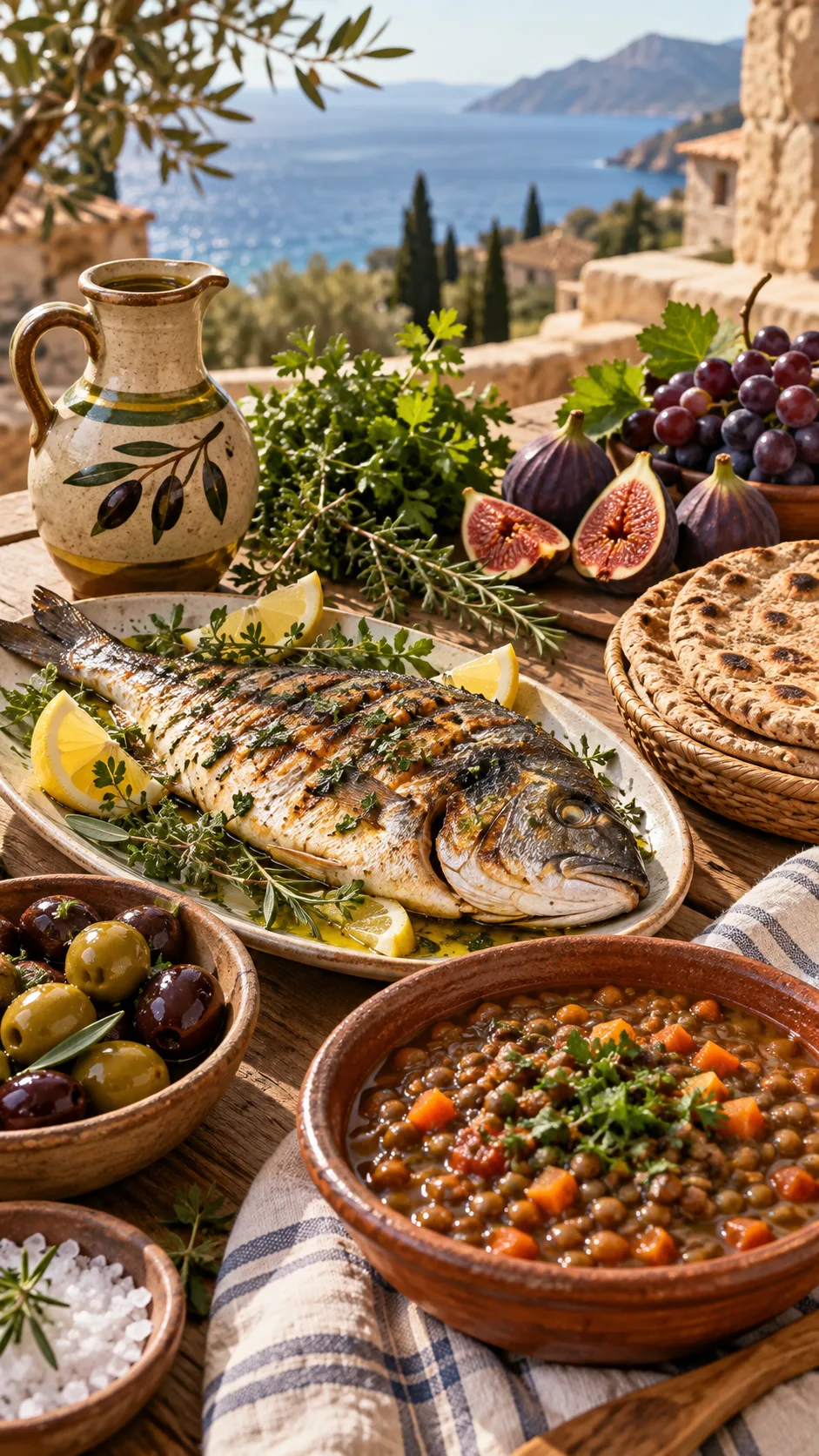
This approach takes inspiration from foods people ate across the eastern Mediterranean during the time of Jesus and the apostles. Think fish, legumes, vegetables, fruit, olive oil, whole grains, herbs, and modest amounts of meat or dairy. That may sound plain on paper, but warm lentil stew with crusty whole-grain bread, olives, and grilled fish can make a fine meal.
You do not need to recreate first-century life or dress up your dinner table for historical effect. You can use this older pattern of eating to build a healthier, calmer, more practical relationship with food.
What is the Apostolic Diet?
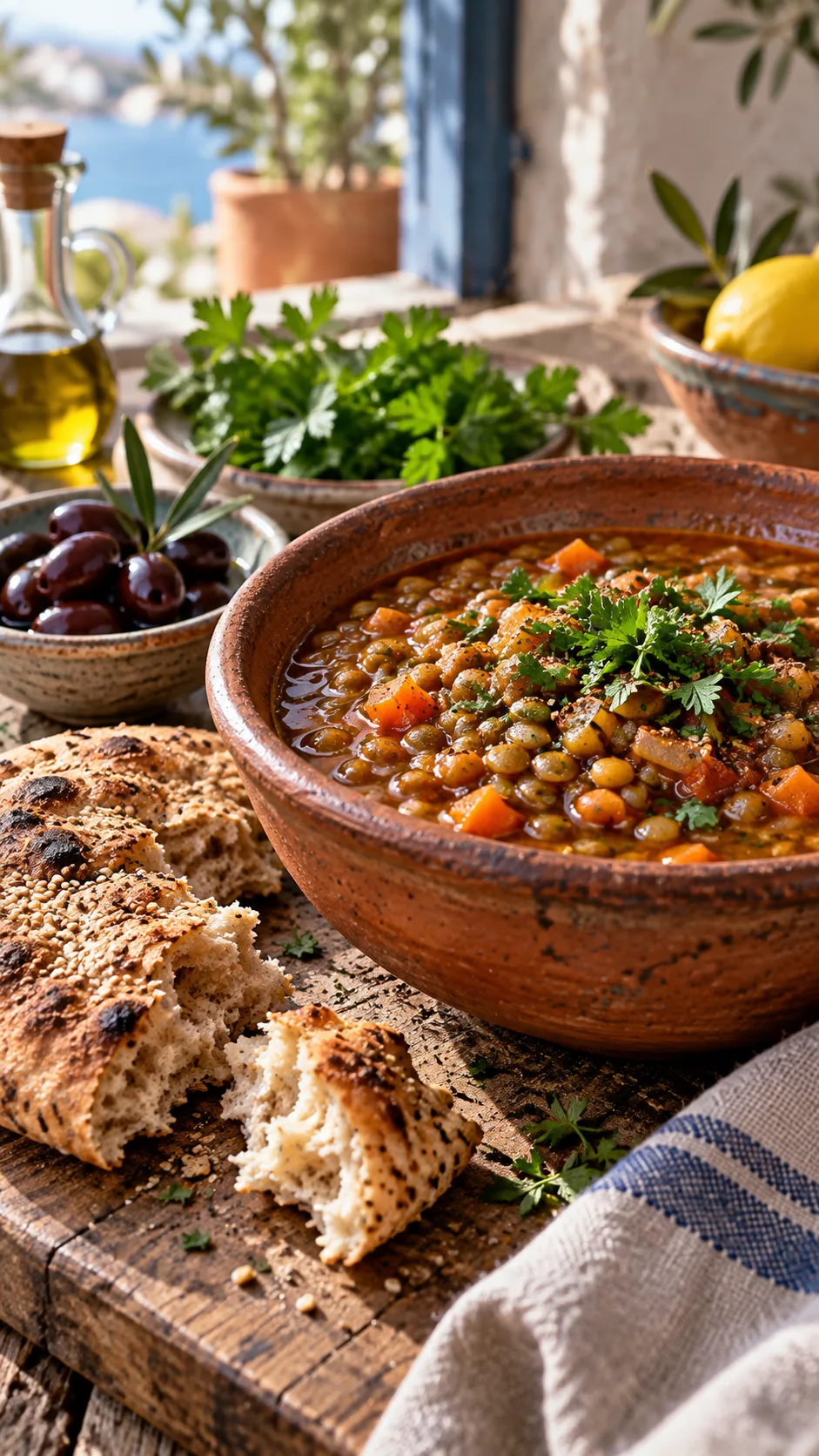
The Apostolic Diet draws on a faith-inspired, Mediterranean-style pattern of eating that uses foods common in biblical-era Judea, Galilee, and nearby Mediterranean regions. It favors simple whole foods over highly processed products.
People often associate this way of eating with biblical accounts of meals, fishing, farming, hospitality, fasting, and shared tables. No official “Apostolic Diet plan” exists, though. Anyone claiming the apostles followed a precise macro calculator may need a break from the spreadsheet.
Historical records and biblical texts describe a food culture centered on grains, beans, olives, fruits, fish, vegetables, herbs, honey, and wine. Families ate what local farms, markets, fishing waters, and the season could provide.
The idea behind eating like the apostles
The Apostolic Diet puts food in its proper place. Food can support energy, health, hospitality, and gratitude without becoming your full-time personality.
This pattern closely resembles the Mediterranean diet. Researchers consistently link Mediterranean-style eating to better heart health, healthier blood sugar control, and a lower risk of several chronic diseases. The Harvard T.H. Chan School of Public Health explains the Mediterranean diet in useful detail.
- Whole foods: vegetables, fruit, beans, fish, grains, nuts, seeds, and olive oil.
- Plant-forward meals: plants take up most of the plate, while animal foods play a smaller part.
- Simple preparation: roasting, grilling, simmering, baking, and fresh salads keep ingredients easy to recognize.
- Mindful portions: eat enough rather than everything in sight.
- Shared meals: connection and gratitude matter along with the menu.
Foods the apostles likely ate
No one can reconstruct every meal from two thousand years ago, and diets varied by region. Historians know enough about local agriculture, trade, and food customs to identify many everyday staples.
These foods can form the basis of a realistic biblical eating plan today. Most grocery stores, farmers’ markets, and local food stalls carry nearly all of them.
Grains and bread
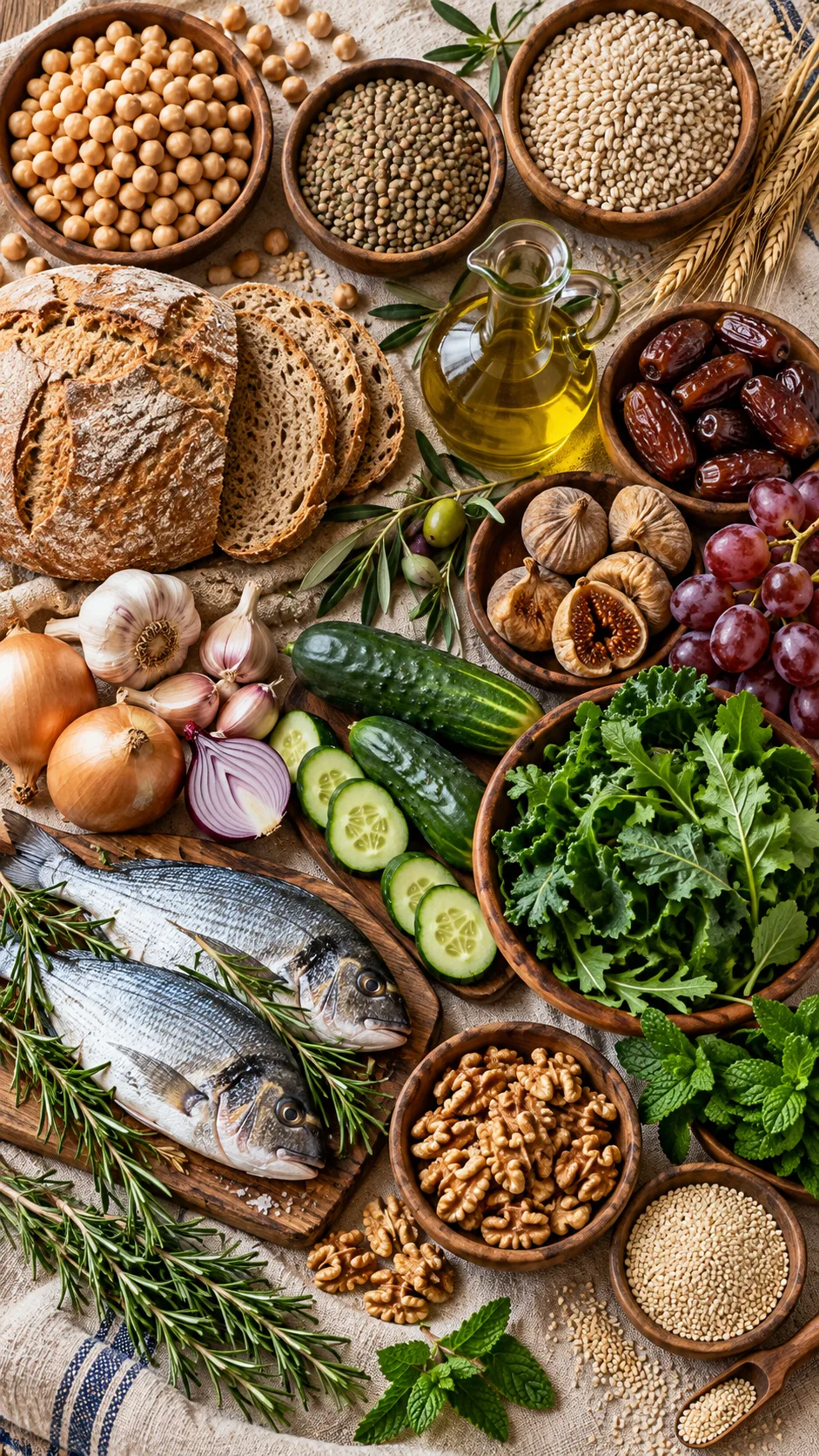
Barley and wheat gave people affordable energy and anchored many meals. People turned these staples into bread, porridge, and simple grain dishes.
Choose minimally processed forms when you can. Barley, bulgur, oats, brown rice, whole-wheat bread, and whole-grain couscous give you more fiber than refined white bread or sugary cereal.
Fiber can support regular digestion, steadier blood sugar, and fullness after meals. The CDC explains fiber’s role in healthy eating and blood sugar support, particularly for people who manage diabetes.
Beans, lentils, and peas
Lentils, chickpeas, broad beans, and peas gave people inexpensive protein long before protein bars arrived in neon wrappers. They also provide fiber, iron, potassium, folate, and plant compounds that benefit overall health.
A bowl of lentil soup makes an excellent Apostolic Diet meal because it feels filling, costs little, adapts easily, and tastes good. Add olive oil, garlic, onions, carrots, greens, lemon, and herbs, and dinner takes care of itself.
Fish and occasional animal foods
Fish mattered in communities around the Sea of Galilee and along the coast. Fresh, dried, and salted fish gave people protein and, depending on the species, omega-3 fats.
Eat fish twice a week if it works with your budget, preferences, and health needs. The American Heart Association recommends fish as part of a heart-healthy eating pattern.
People ate eggs, goat or sheep dairy, and meat too, but most households did not center every meal on a large portion of meat. Keep richer animal foods modest and let beans, vegetables, and grains do much of the work.
Vegetables, fruits, herbs, and nuts
Onions, garlic, leafy greens, cucumbers, leeks, radishes, herbs, grapes, figs, dates, pomegranates, and melons all fit this pattern. Seasonal produce brought flavor to meals without a long ingredient label.
Olives and olive oil deserve attention here. Olive oil contains mostly unsaturated fat and works well in dressings, roasted vegetables, bean dishes, and grain bowls.
Nuts and seeds bring crunch, protein, and healthy fats. Try walnuts, almonds, sesame, or tahini in place of heavily sweetened snack foods.
Why the Apostolic Diet can support better health
The Apostolic Diet does not rely on magical powers from ancient foods. It encourages habits that nutrition research supports: more plants and fiber, healthier fats, fewer ultra-processed foods, and more deliberate meals.
Those habits can help you feel better without demanding perfection. Few people want a diet that falls apart the moment someone invites them to dinner.
It helps you eat more fiber
Many people eat much less fiber than they need. Beans, lentils, vegetables, fruit, whole grains, nuts, and seeds can raise your fiber intake without making meals feel punitive.
Fiber slows digestion, feeds helpful gut microbes, and helps many people stay full longer. Add it gradually and drink enough water. Your digestive system will appreciate the slower adjustment.
It prioritizes healthy fats
Olive oil, fish, nuts, and seeds provide unsaturated fats that support heart health. You can use these foods in place of frequent deep-fried foods, processed meats, and heavily refined snacks.
Use olive oil for cooking and dressings when your budget allows. You do not need half a bottle at lunch, though. Healthy food still contains calories.
It naturally cuts back on ultra-processed foods
Ultra-processed foods often contain added sugar, excess sodium, refined starches, and ingredients that make overeating easy. The Apostolic Diet shifts your attention toward foods that still look like food.
You do not need to fear every packaged item. Canned beans, frozen vegetables, plain yogurt, canned fish, and whole-grain bread can make healthy eating easier, less expensive, and more realistic.
It encourages slower, more connected meals
The apostles and early Christian communities often treated meals as times of fellowship. That practice still matters because rushed eating can make it harder to notice hunger and fullness.
Try sitting down, putting away your phone, and eating without scrolling through someone else’s vacation photos. Your food may taste better once your brain joins the meal.
Apostolic Diet foods to eat more often
Use this list as a flexible grocery guide, not a religious rulebook. Your culture, budget, allergies, medical history, and access to food all matter.
- Legumes: lentils, chickpeas, black beans, peas, and white beans.
- Whole grains: barley, oats, bulgur, brown rice, whole-wheat bread, and whole-grain pasta.
- Vegetables: leafy greens, tomatoes, onions, carrots, eggplant, squash, cabbage, and cucumbers.
- Fruit: grapes, berries, apples, oranges, dates, figs, pomegranates, melons, and bananas.
- Fish: sardines, salmon, mackerel, trout, tuna, tilapia, and local options.
- Healthy fats: extra-virgin olive oil, olives, avocado, walnuts, almonds, sesame, and tahini.
- Flavor builders: garlic, lemon, parsley, mint, cumin, coriander, rosemary, cinnamon, and black pepper.
- Simple dairy or alternatives: plain yogurt, kefir, cottage cheese, or unsweetened fortified plant yogurt.
For a practical weekly routine, borrow ideas from these healthy meal prep tips for the week. A pot of lentils, roasted vegetables, cooked grains, and a lemon-olive oil dressing can save several busy lunches.
Foods to limit on an Apostolic Diet
The Apostolic Diet does not ask you to fear food or make dramatic declarations. It simply encourages you to treat ultra-processed foods as occasional visitors instead of permanent roommates.
- Sugary drinks, energy drinks, and heavily sweetened coffee drinks.
- Highly processed meats such as bacon, sausages, and deli meats.
- Deep-fried fast foods and packaged fried snacks.
- Candy, pastries, and desserts that take over your daily routine.
- Refined grains when whole-grain options work for you.
- Very salty instant meals and heavily processed convenience foods.
- Large amounts of alcohol.
Wine appeared in ancient Mediterranean life, but history does not give anyone permission to drink recklessly. If you do not drink alcohol, do not start for health reasons. If you drink, follow advice from your clinician and local public health guidance.
A simple 7-day Apostolic Diet meal plan
You do not need exotic ingredients or a pantry that looks like an archaeological exhibit. Start with meals you already enjoy, then move them toward whole grains, vegetables, beans, fish, and olive oil.

- Day 1: Oats with plain yogurt, walnuts, and fruit; lentil soup with whole-grain bread; baked fish with roasted vegetables and barley.
- Day 2: Eggs with tomatoes and greens; chickpea salad with cucumber, olives, lemon, and olive oil; vegetable and bean stew with brown rice.
- Day 3: Plain yogurt with figs or berries; whole-grain pita with hummus and crunchy vegetables; grilled sardines with potatoes and a leafy salad.
- Day 4: Whole-grain toast with tahini and banana; leftover lentil bowl with greens; chicken, beans, and roasted squash with herbs.
- Day 5: Oatmeal with cinnamon and apple; tuna and white bean salad; whole-grain pasta with tomatoes, garlic, spinach, and olive oil.
- Day 6: Scrambled eggs with onions and peppers; barley bowl with chickpeas and roasted vegetables; baked salmon with greens and lemon.
- Day 7: Yogurt, fruit, and almonds; vegetable soup with whole-grain bread; a shared family-style meal with beans, grains, salad, fruit, and a modest protein.
Need quick morning options? These healthy breakfast meal prep ideas can help you avoid treating coffee as breakfast. Coffee can join breakfast, but it cannot do all the work.
How to start the Apostolic Diet without overcomplicating it
Small changes beat grand plans that disappear after four days. Choose two or three habits, repeat them until they feel ordinary, then build from there.
Start with your plate, not your willpower
At lunch and dinner, fill about half your plate with vegetables or fruit. Add beans, fish, eggs, chicken, or yogurt, then round out the meal with a whole grain or starchy vegetable.
Drizzle on olive oil, squeeze over lemon, and use herbs generously. Good flavor keeps healthy food from tasting like a sad apology.
Make one pot of legumes each week
Cook lentils, chickpeas, or beans once and use them in several meals. Add them to soups, salads, grain bowls, wraps, scrambled eggs, or pasta sauces.
Canned beans work well too. Rinse them under water to reduce some sodium, then season them generously.
Keep easy foods within reach
Keep fruit, nuts, plain yogurt, canned fish, hummus, eggs, frozen vegetables, and whole-grain bread on hand. They give you quick options when you get home hungry enough to consider eating crackers over the sink.
If you want more structure around heart-conscious meals, use this heart healthy diet plan with meal ideas with Apostolic Diet principles.
Important health considerations
The Apostolic Diet may work for many people, but no diet works perfectly for everyone. Talk with a registered dietitian or healthcare professional if you manage diabetes, kidney disease, digestive disorders, food allergies, pregnancy, or a history of eating disorders.
People with kidney disease may need limits on potassium, phosphorus, protein, or fluids. People who take blood-thinning medicine may need to keep their vitamin K intake from leafy greens consistent. Your medical plan always comes before an online meal plan.
If you use this approach for weight loss, avoid extreme restriction. Focus on regular meals, satisfying portions, protein, fiber, sleep, movement, and habits you can keep for years.
The bottom line: Eat simply, eat generously, eat together
The Apostolic Diet offers a sensible way to eat. It centers on vegetables, fruits, beans, whole grains, fish, olive oil, herbs, and mindful meals, which closely match strong nutrition research.
You do not need perfect discipline, expensive supplements, or a basket of ancient grains delivered by donkey. Start with one meal. Make it colorful, mostly whole, and satisfying enough that you want to eat it again.
That habit can change more than your plate. It can make eating feel less like another daily stressor and more like a steady act of care, connection, and good sense.