

You do not need to live on cucumber slices, watery soup, and regret to lose weight. Healthy weight loss for Indian women starts with regular, satisfying meals that curb hunger and keep your energy steady.
Extreme diets can make food occupy your mind all day. Your body usually does not lack willpower. It needs enough protein, fibre, sleep, and food. A realistic Indian diet plan can address those needs without banning roti, rice, or your mum’s sabzi.
This guide covers healthy diet plans Indian women use for steady weight loss, along with meal ideas, portion guidance, and mistakes to avoid. Skip the detox tea drama and starvation contests.
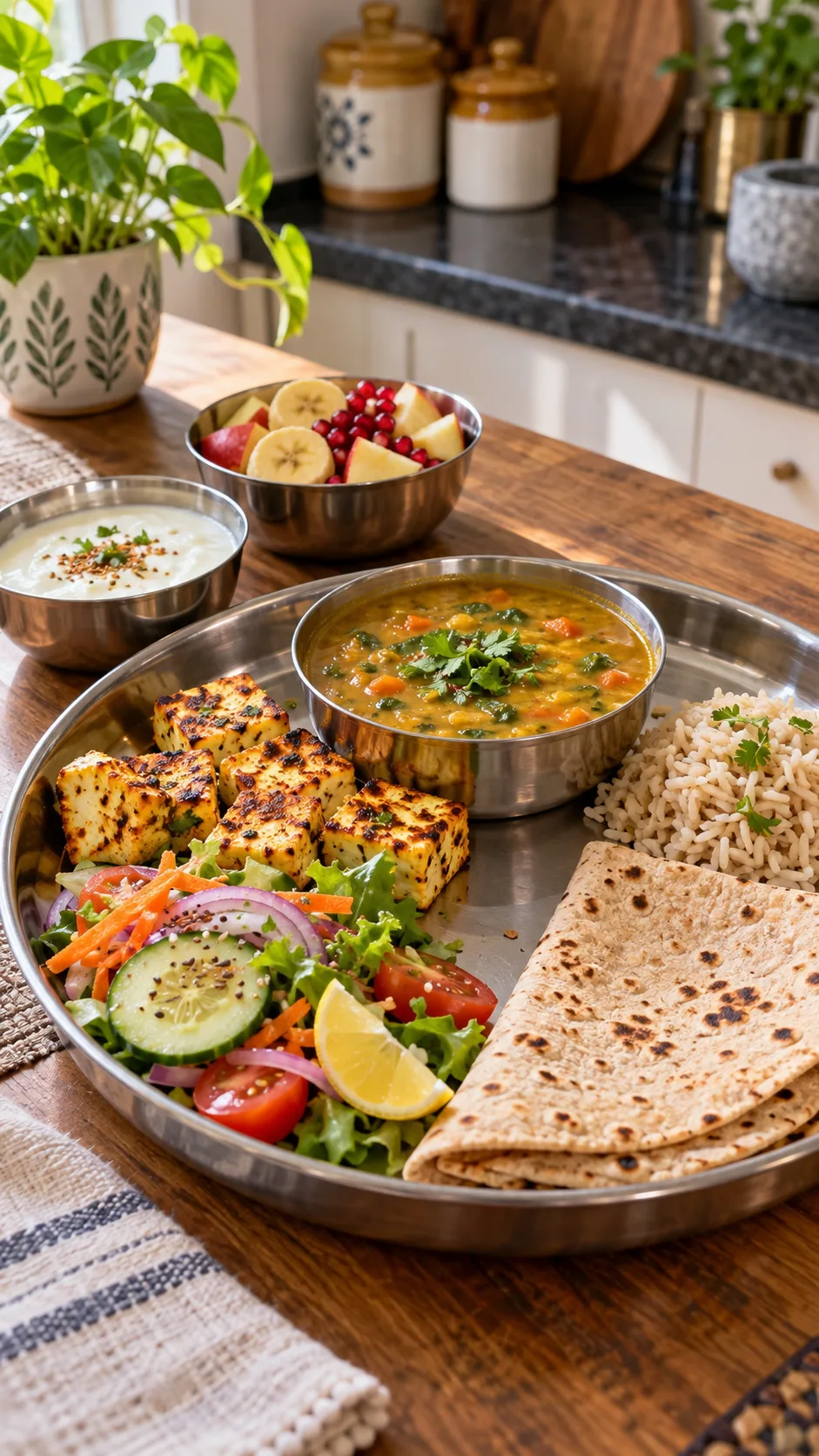
What helps Indian women lose weight?
Weight loss happens when you regularly eat less energy than your body uses, but you do not need tiny portions all day. Choose filling foods, watch portions, move more, and cut back on high calorie extras to create that gap.
Indian meals can work well for weight loss because they include lentils, vegetables, curd, spices, millet, eggs, fish, and many vegetarian choices. Problems often begin with large portions of rice, frequent fried snacks, sugary chai, and “just one more” biscuit. That biscuit rarely comes alone.
Most women see better results when they repeat a few useful habits instead of chasing the perfect meal plan. Healthy eating does not need to become another Monday morning problem.
- Build every meal around protein such as dal, eggs, paneer, Greek yogurt, chicken, fish, tofu, or chana.
- Fill half your plate with vegetables for fibre, volume, and nutrients.
- Use carbs wisely with measured portions of roti, rice, oats, poha, millet, idli, or dosa.
- Choose fats carefully with nuts, seeds, mustard oil, groundnut oil, olive oil, ghee, and avocado where available.
- Walk and strength train to protect muscle and improve body composition.
The World Health Organization’s healthy diet guidance recommends variety, fruits, vegetables, legumes, whole grains, and sensible fat intake for long term health. Supplements cannot replace those everyday basics.
The Indian weight loss plate formula for steady hunger
You do not need to count every coriander leaf. Try a simple plate method, especially if you cook for the whole family and do not want to prepare separate dinners.
Use this easy plate balance
- Fill half your plate with non-starchy vegetables: bhindi, beans, cabbage, lauki, tinda, spinach, cauliflower, carrots, cucumber, tomato, mushrooms, or mixed sabzi.
- Fill one quarter with protein: dal, rajma, chole, sprouts, paneer, tofu, eggs, chicken, fish, or curd.
- Fill one quarter with smart carbs: one or two rotis, a small bowl of rice, millet, quinoa, oats, poha, or sweet potato.
- Add a small amount of healthy fat: one teaspoon ghee, oil in cooking, a few nuts, or seeds.
This structure gives you bulk from vegetables, fullness from protein, and energy from carbs. Your body needs carbohydrates. It just does not need a mountain of white rice followed by another mountain because the first one looked lonely.
Try this plate at lunch and dinner for two weeks. Pay attention to your hunger, energy, cravings, and progress before you change anything else. Small, thoughtful changes usually work better than panic changes.
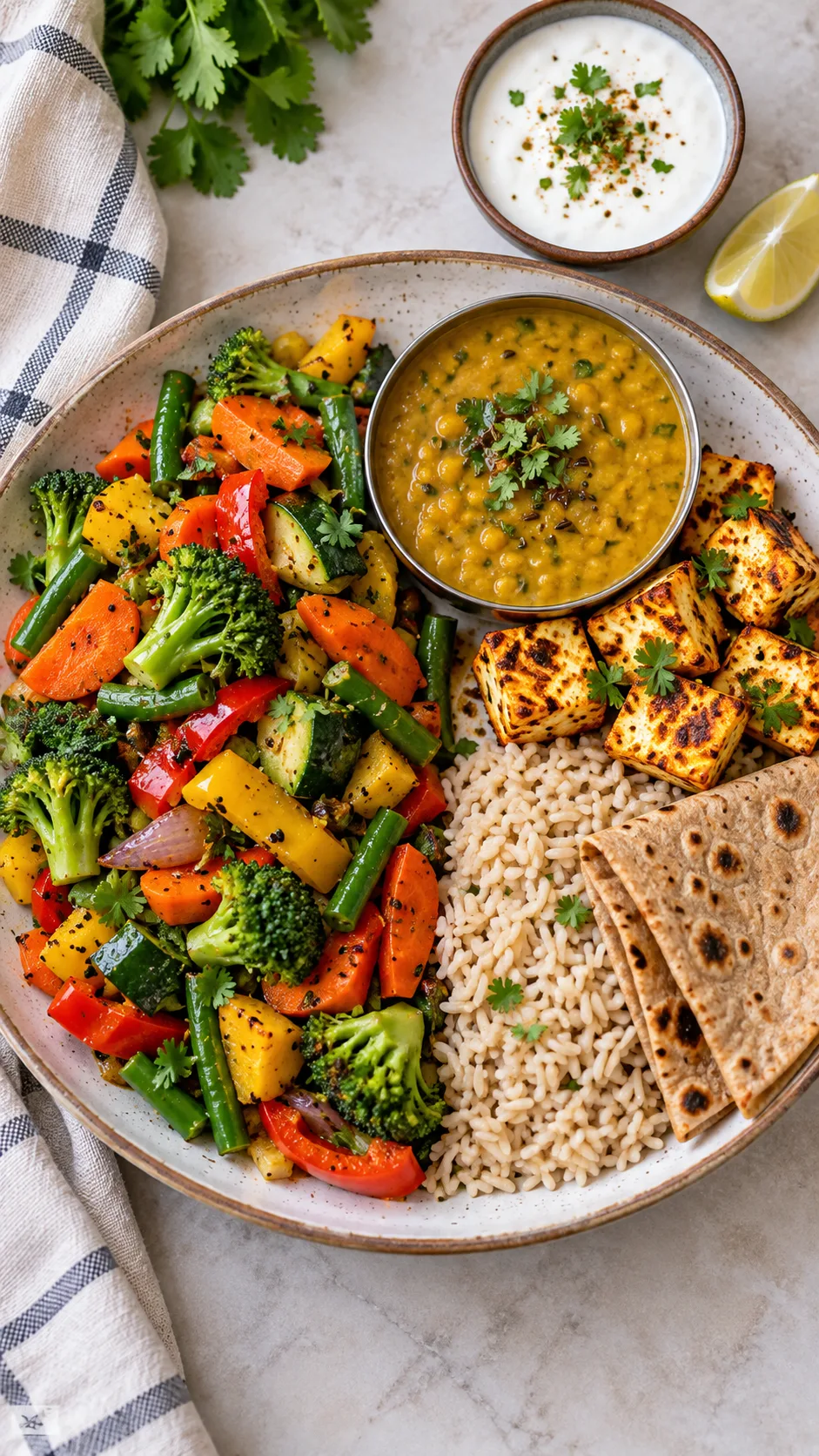
Healthy diet plan 1: A high protein Indian vegetarian plan
A vegetarian Indian diet can support fat loss well, but many women end up eating mostly carbs. Poha, roti, rice, upma, fruit, biscuits, and chai can fit into a day, yet they may not give you enough protein to stay full.
Give each meal a protein anchor. This one change can reduce snacking without making you push through constant hunger.
A sample vegetarian weight loss day
- Breakfast: Two moong dal chillas with paneer stuffing and mint chutney, plus unsweetened tea or coffee.
- Mid-morning: One guava, apple, orange, or bowl of papaya with five to eight almonds.
- Lunch: Two small rotis, one bowl dal, one bowl seasonal sabzi, salad, and curd.
- Evening snack: Roasted chana, makhana, sprouts chaat, or buttermilk.
- Dinner: Paneer bhurji or tofu stir fry with vegetables and one roti or a small serving of rice.
Women who follow vegetarian diets should pay close attention to iron, vitamin B12, vitamin D, calcium, and protein. Ask your doctor about blood tests if you often feel tired, notice hair fall, have irregular periods, or struggle with low energy. Detoxes cannot fix a nutrient deficiency.
The Indian Council of Medical Research National Institute of Nutrition provides nutrition resources that can help you understand balanced Indian eating beyond social media trends.
Healthy diet plan 2: A simple Indian non-vegetarian plan
Eggs, chicken, fish, and lean meat can make weight loss meals easier because they give you plenty of protein in manageable portions. You still need vegetables and carbs. A plate of chicken alone will not turn you into a fitness influencer.
Choose grilled, baked, air fried, steamed, or lightly curried options more often than deep fried dishes. Save rich gravies for occasional meals. For everyday curries, use less oil and more tomatoes, onions, curd, and spices.
A sample non-vegetarian weight loss day
- Breakfast: Two egg vegetable omelette with one small roti or one slice whole grain toast.
- Mid-morning: Fruit with plain curd or Greek yogurt.
- Lunch: Fish curry or chicken curry, one small bowl rice, large salad, and a vegetable side.
- Evening snack: Boiled eggs, chaas, roasted peanuts, or a homemade protein smoothie without added sugar.
- Dinner: Grilled fish or chicken tikka with sautéed vegetables and one roti.
Fish gives you protein and healthy fats, while eggs offer a quick, affordable choice for many households. If you eat chicken, remove visible skin and keep portions sensible. Your meal should satisfy you without making you want a nap at 2 p.m.
Healthy diet plan 3: Indian home food for busy women
You do not need imported ingredients, expensive powders, or complicated recipes. Busy women often lose weight with regular home food because they can manage oil, sugar, portions, and ingredients more easily.
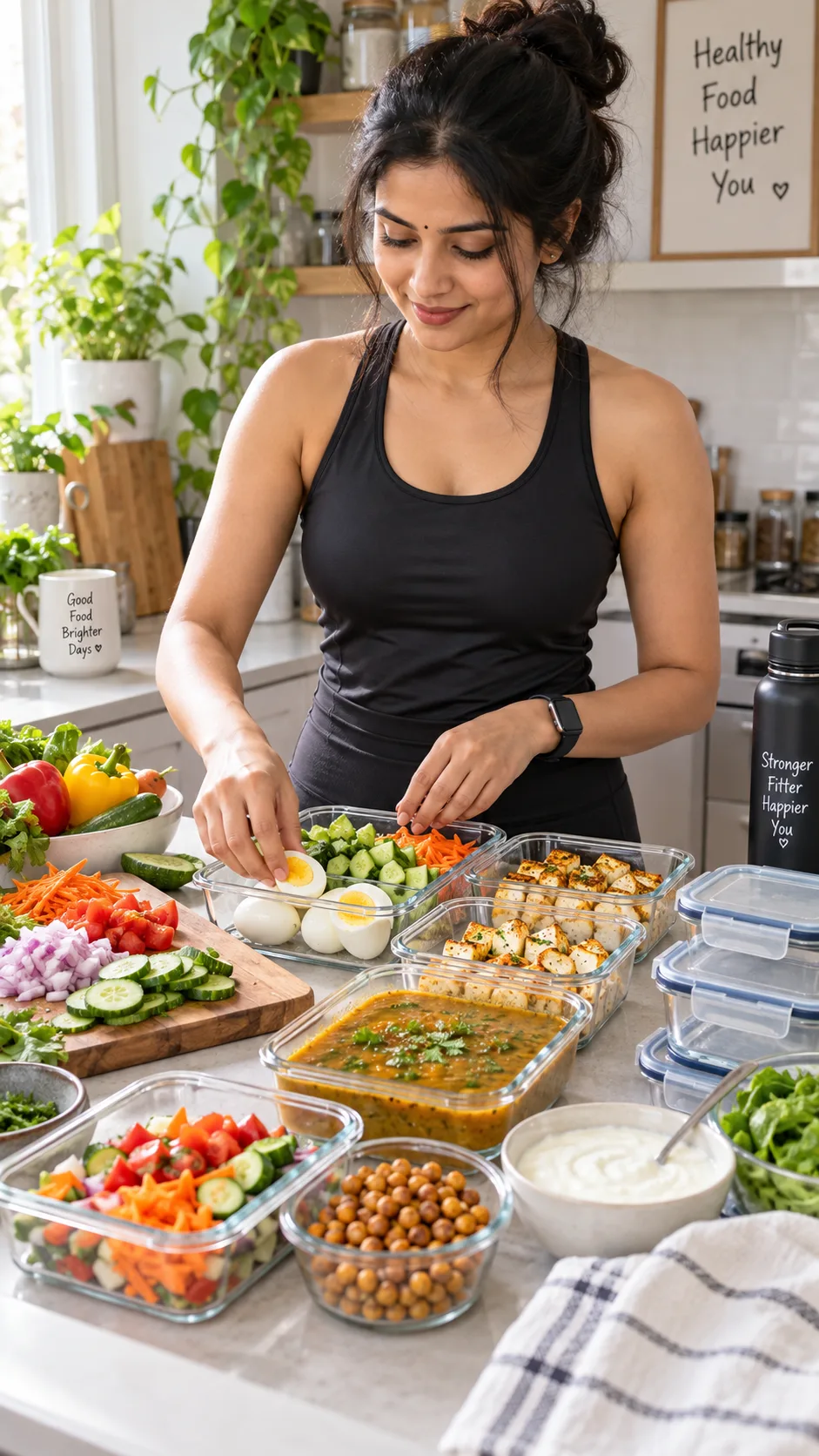
Meal prep can help, but you do not need to spend every Sunday chopping vegetables like a reality show contestant. Choose two proteins, two vegetables, one carb base, and a few quick snacks for the week.
Easy weekly meal prep ideas
- Boil a batch of eggs for fast breakfasts and snacks.
- Cook dal, rajma, chole, or kala chana for two meals.
- Wash and chop salad vegetables in advance.
- Keep curd, paneer, tofu, and frozen vegetables at home.
- Roast makhana or chana for snack emergencies.
- Make dough with atta and add millet flour occasionally for variety.
A practical Indian weight loss breakfast can include besan chilla, vegetable omelette, overnight oats, idli with sambar, vegetable poha with peanuts, or curd with fruit and seeds. Breakfast does not need to look like “diet food.” A satisfying breakfast can prevent random hunger later in the day.
If you enjoy meal ideas from other cuisines too, check out these weight loss breakfast ideas for more quick options. You can borrow a good idea and still eat the Indian flavours you love.
How much roti, rice, and snacks can you eat while losing weight?
Yes, you can eat roti and rice while losing weight. Focus on portion awareness and meal balance instead of dramatic food bans that disappear by Friday evening.
Your ideal portion depends on your height, weight, activity, medical history, goals, and hunger level. These starting points can help many women put together a sensible plate.
- Roti: Start with one to two medium phulkas at a main meal, plus protein and vegetables.
- Rice: Start with one small katori of cooked rice, preferably alongside dal, vegetables, and curd.
- Oil or ghee: Measure it instead of pouring freely. One to three teaspoons across meals often fits a weight loss plan, depending on your overall intake.
- Nuts: Eat a small handful, not a bowlful. Nuts bring nutrition, but they also bring calories.
- Fruit: Eat one to three servings daily, depending on your needs and medical advice.
Use a smaller katori and plate if portions confuse you. This visual cue can help you eat enough without serving restaurant sized quantities at home.
Do not skip meals to “save calories” if skipping makes you binge later. A regular routine often works better. Try three balanced meals and one planned snack, or choose another rhythm that fits your schedule and hunger.
Weight loss foods Indian women can eat more often
Choose foods that add fibre, protein, water, vitamins, and flavour to your plate. Weight loss often feels easier when your meals genuinely fill you up.
Protein rich Indian foods
- Moong dal, masoor dal, toor dal, chana dal, and urad dal
- Rajma, chole, black chana, lobia, and sprouts
- Paneer, tofu, Greek yogurt, curd, and milk
- Eggs, chicken, fish, prawns, and lean meat
- Roasted chana, peanuts, soy chunks, and sattu
Fibre rich foods that keep you full
- Leafy greens, gourds, beans, cabbage, cauliflower, and bhindi
- Guava, apple, pear, orange, berries, papaya, and pomegranate
- Oats, dalia, brown rice, hand pounded rice, millets, and whole wheat atta
- Flaxseeds, chia seeds, sesame seeds, and psyllium husk if you need it
Spices such as turmeric, cumin, ginger, black pepper, cinnamon, and chilli can make healthy food taste great, but they cannot melt body fat on their own. Use them for flavour and enjoyment, not false promises.
For more practical ideas, you can also read this guide to herbs and spices for weight loss. Treat spices as useful supporting actors, not the main character.
Common diet mistakes that slow progress
Many women eat “healthy” foods and still feel stuck because drinks, cooking oil, snacks, and large portions quietly add calories. Do not blame yourself. Take an honest look at your usual routine.
- Drinking calories without noticing: Sweet chai, coffee drinks, juices, shakes, and soft drinks can add up quickly.
- Eating too little protein: A meal heavy in carbs can leave you hungry again within hours.
- Skipping vegetables: Vegetables add volume and fibre without piling calories onto your plate.
- Saving all hunger for dinner: Long gaps between meals can lead to overeating and late night cravings.
- Calling fried snacks “healthy” because they contain millet: Millet pakoras can still soak up plenty of oil.
- Expecting daily scale drops: Hormones, periods, salt, digestion, and stress can change your water weight.
The scale tells only part of the story. Track your waist size, strength, energy, sleep, clothes fit, and consistency too. Your period cycle can affect hunger and water retention, so compare your progress over several weeks instead of judging one random Tuesday.
Exercise, sleep, and stress all matter for weight loss
Food drives much of weight loss, but movement helps you keep muscle, lift your mood, and maintain your results. You do not need punishing workouts. A brisk walk after meals and two or three strength sessions each week can help.
The CDC physical activity guidelines recommend regular aerobic activity along with muscle strengthening work. Begin with what you can manage. Even ten minute walks count.
Sleep matters too. Poor sleep can increase cravings, drain your energy for movement, and make balanced meals less tempting than a packet of chips at 11 p.m. Your body needs rest, not another motivational quote.
Stress can also lead many women toward emotional eating or irregular meals. Before you reach for a snack, try a short walk, journaling, prayer, music, stretching, or a call with a friend. You can still enjoy food while giving yourself more choices in the moment.

Who should get personal diet advice?
A general healthy diet plan can help many people, but some situations call for personal guidance. Speak with a registered dietitian or doctor if you have PCOS, diabetes, thyroid disease, kidney disease, digestive disorders, fertility concerns, or a history of eating disorders.
Pregnancy and breastfeeding also change your nutrition needs. Do not pursue aggressive weight loss during these phases without medical support. Your health and your baby’s needs deserve more than internet guesswork.
If you take medicines for blood sugar, blood pressure, or other conditions, ask your healthcare team before you make major food or fasting changes. Your medication plan and meal plan need to work together.
Final thoughts: Eat enough, stay consistent, and lose weight slowly
The best healthy diet plan for Indian women does not leave you starving, miserable, or afraid of rice. It includes protein at every meal, plenty of vegetables, measured carb portions, home food you enjoy, and habits you can repeat.
Start with one change this week. Add protein to breakfast, serve more vegetables at lunch, or walk for 20 minutes after dinner. Small actions can build progress that lasts.
You do not need a perfect diet. You need a realistic one that you can enjoy on ordinary days. That matters far more than any “detox” plan with suspiciously expensive tea.