

You eat. A lot. Your friends watch you demolish a plate of jollof and mutter something about “fast metabolism.” And yet the scale hasn’t moved in eight months. Sound familiar?
Here’s the uncomfortable truth: you’re probably not eating as much as you think you are. I’ve coached enough “hardgainers” to know that the food diary and reality rarely match. One guy swore he ate 3,500 calories a day. We tracked it properly for a week. He averaged 1,900.
This article gives you a gain weight meal plan that builds real muscle instead of a soft belly and a cholesterol problem. High protein, clean food, balanced macros, and none of the “just drink melted ice cream” nonsense.
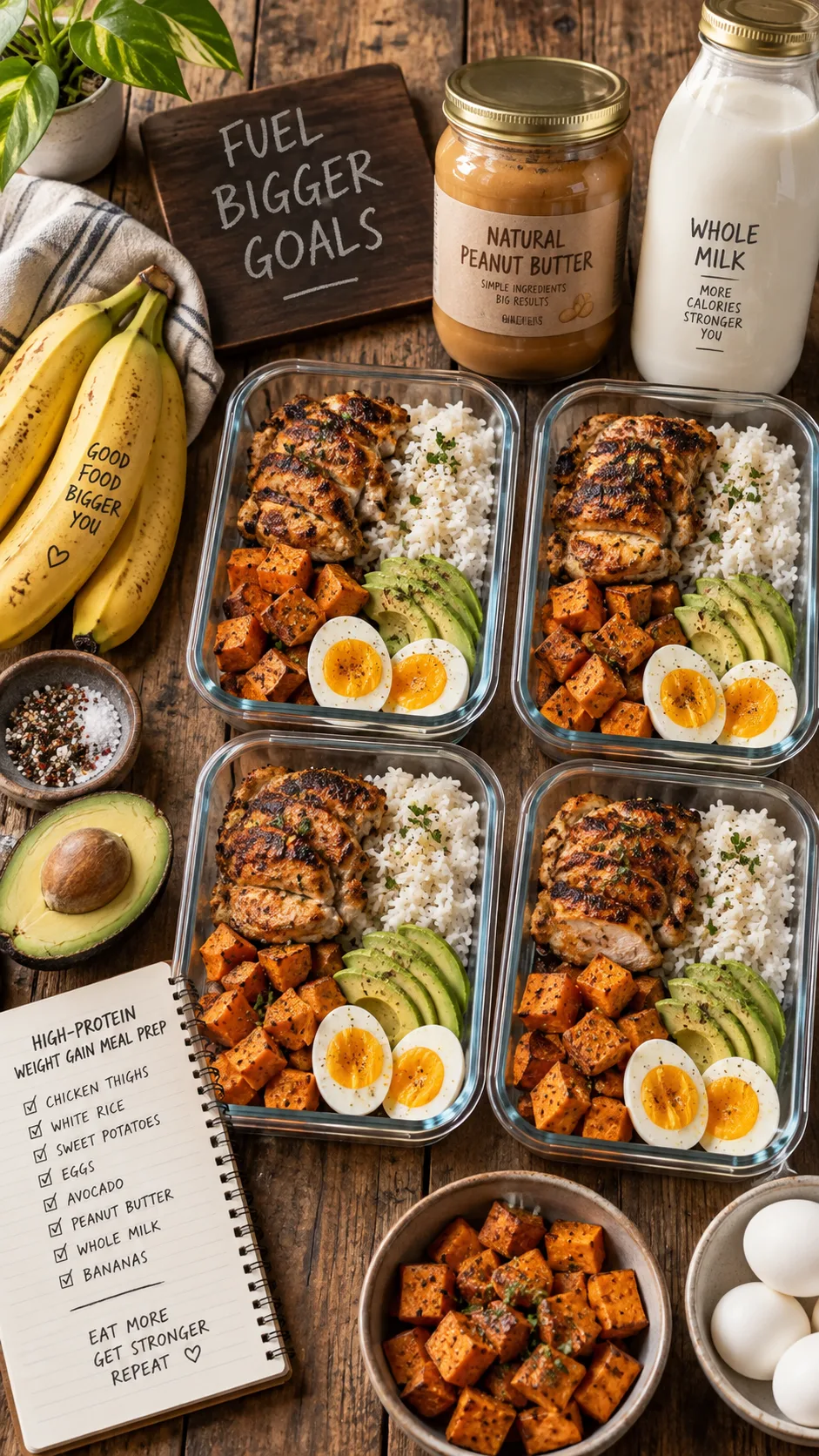
Why you’re not gaining weight (the real reasons)
Before we touch a single meal, understand this: gaining weight isn’t a mystery. It’s math with a personality disorder.
1. You’re eating in a “phantom surplus”
You feel full, so you assume you ate enough. But volume ≠ calories. A giant bowl of vegetable soup and a mountain of salad can total fewer calories than one peanut butter sandwich. Your stomach is a terrible calculator.
2. You eat big on weekdays and forget weekends
Ever noticed how Saturday somehow becomes a fasting day? You sleep till noon, skip two meals, then wonder why the weekly average tanked. Your body doesn’t care about Monday to Friday consistency. It cares about the 7-day total.
3. You move way more than you realise
NEAT (Non-Exercise Activity Thermogenesis) covers the fidgeting, pacing, leg-bouncing energy you burn without noticing. Research published via the National Institutes of Health shows NEAT can vary by up to 2,000 calories per day between individuals. That’s an entire second person’s worth of food. Wild, right?
4. Your protein is low, so you gain the wrong weight
Eat more without enough protein and the extra calories go straight to fat storage. Protein is the signal that tells your body “build muscle with this.” Without it, you’re just filling a bag.
The numbers: how much should you eat?
Put figures on the table and the guessing stops.
- Find your maintenance calories. A rough shortcut: bodyweight in pounds × 15. A 140 lb (63 kg) person lands around 2,100 calories.
- Add a surplus of 300 to 500 calories. That’s your growth zone. So 2,400 to 2,600 for our example.
- Target 0.7 to 1g of protein per pound of bodyweight (1.6 to 2.2g per kg). For 140 lb, that’s roughly 100 to 140g daily.
- Fats: 20 to 30% of total calories. Hormones need fat. Testosterone doesn’t run on air.
- Carbs fill the rest. They’re your training fuel and your friend, no matter what your keto cousin says.
Why only 300 to 500 extra calories? Because a study on lean athletes found that aggressive surpluses added significantly more fat without extra muscle. A bigger surplus does not equal faster muscle. It just equals faster fat.
Realistic pace? 0.25 to 0.5% of bodyweight per week. That’s roughly 1 to 2 kg per month for most people. Slow? Yes. Sustainable and mostly lean? Also yes.
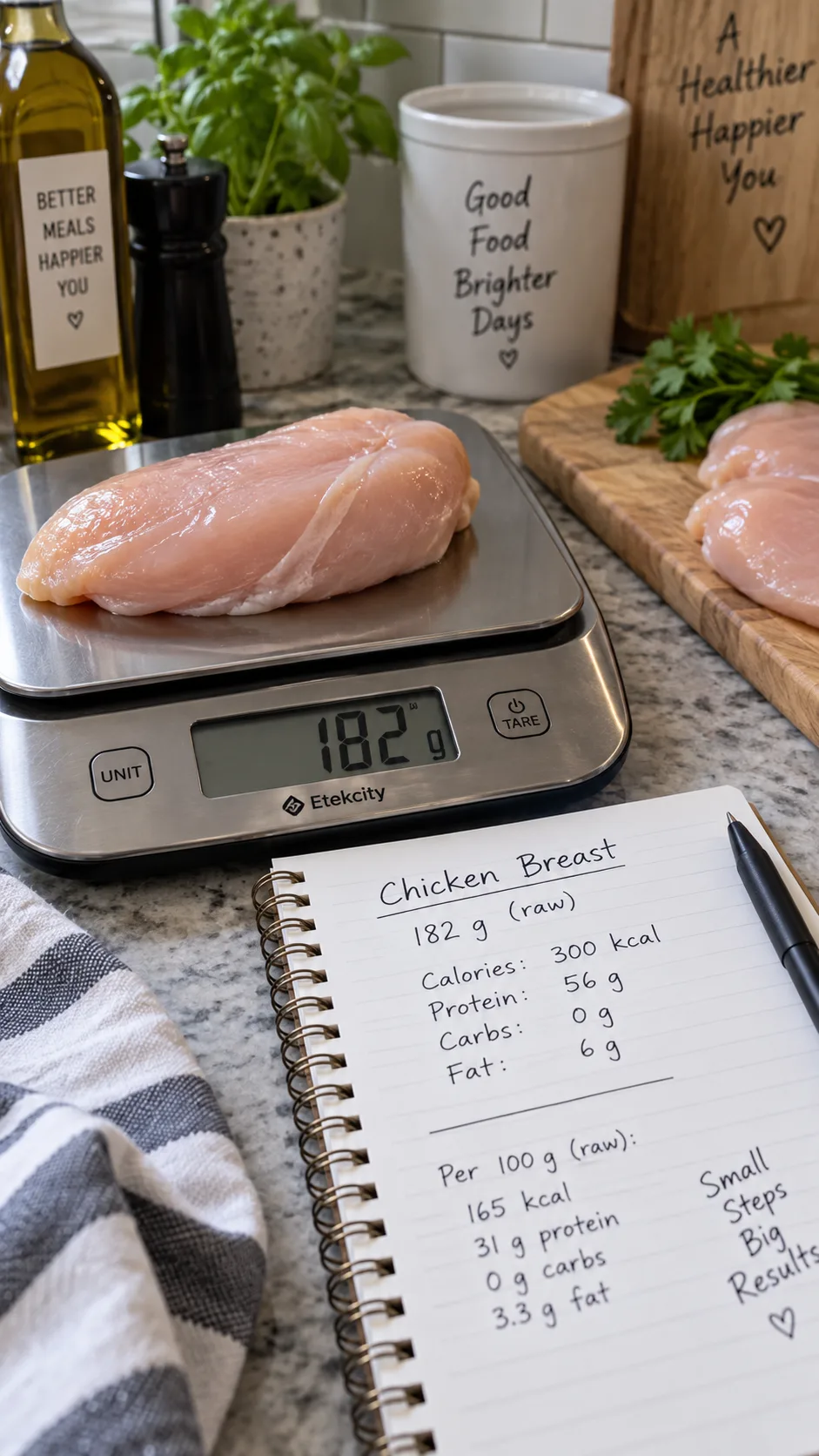
The clean bulk food list (print this)
Calorie-dense but nutrient-dense. That’s the whole game. Here’s what stocks a proper weight gain kitchen.
Protein sources (the non-negotiables)
- Whole eggs: about 70 cal and 6g protein each. Cheap, complete, foolproof.
- Chicken thighs over breast: more calories, more flavour, roughly the same protein.
- Full-fat Greek yogurt: 15 to 20g protein per cup plus easy calories.
- Salmon or mackerel: protein and omega-3s that fight inflammation.
- Beef (80/20 mince): creatine, iron, zinc, B12. The muscle multivitamin.
- Whole milk: 150 cal and 8g protein per cup. The original mass gainer.
- Beans, lentils, moi moi: protein plus carbs in one shot.
- Whey protein: for when chewing feels like a chore.
Carbs that do the heavy lifting
- White rice: easy to digest, easy to eat in volume. Underrated for bulking.
- Oats: 300+ calories per cup dry, plus fibre.
- Sweet potatoes and yam: dense, filling, loaded with micronutrients.
- Pasta: a cheap 400-calorie base in ten minutes.
- Plantain: especially ripe and fried. Yes, fried is allowed here.
- Whole grain bread and tortillas: the vehicle for everything else.
Fats that add calories without adding volume
- Peanut and almond butter: 190 calories per two tablespoons. The MVP.
- Olive oil: 120 calories a tablespoon. Drizzle it on everything.
- Avocado: 240 calories of creamy convenience.
- Nuts and seeds: pocket calories. Keep a bag in your bag.
- Cheese: melts onto anything and adds 100 calories instantly.
Pro tip from years of doing this: liquid calories are your secret weapon. A smoothie with milk, oats, banana, peanut butter and whey hits 800 calories and takes 90 seconds to drink. Try eating 800 calories of chicken and broccoli that fast. I’ll wait.
The 7-day high-protein gain weight meal plan
This plan targets roughly 2,800 to 3,000 calories and 160 to 180g protein daily. Scale portions up or down based on your numbers from earlier. Don’t overthink it.
Day 1: the classic
- Breakfast: 4 scrambled eggs, 2 slices whole grain toast with butter, 1 avocado, glass of whole milk. (~850 cal, 40g protein)
- Snack: Greek yogurt with honey, granola and a handful of almonds. (~450 cal, 22g)
- Lunch: Chicken thigh rice bowl with 200g chicken, 1.5 cups rice, black beans, cheese and an olive oil drizzle. (~900 cal, 55g)
- Pre/Post-workout: Banana plus a whey shake in whole milk. (~400 cal, 30g)
- Dinner: Salmon fillet, roasted sweet potato, sautéed spinach in olive oil. (~700 cal, 45g)
Day 2: the oats day
- Breakfast: Overnight oats (1 cup oats, whole milk, 2 tbsp peanut butter, banana, chia seeds). (~800 cal, 30g)
- Snack: Two boiled eggs plus trail mix. (~400 cal, 18g)
- Lunch: Beef and pasta bake with olive oil, tomato sauce, parmesan. (~950 cal, 55g)
- Snack: Cottage cheese with pineapple. (~300 cal, 25g)
- Dinner: Grilled chicken, jollof rice, fried plantain, side salad. (~800 cal, 50g)
Day 3: the Nigerian plate
- Breakfast: Akara and pap with powdered milk, plus two eggs. (~750 cal, 30g)
- Snack: Peanut butter sandwich with milk. (~500 cal, 20g)
- Lunch: Egusi soup with assorted meat and pounded yam. (~1,000 cal, 55g)
- Snack: Groundnuts and a banana. (~350 cal, 12g)
- Dinner: Coconut rice with grilled fish and steamed veg. (~750 cal, 45g)
Traditional food works for bulking. Egusi, ofada, moi moi and nkwobi are calorie-dense, protein-rich meals. FYI, your grandmother was meal-prepping before it had a hashtag.
Days 4 to 7: rotate and repeat
Don’t build seven unique days. That’s how people quit by Wednesday. Pick three or four meal templates you genuinely enjoy and rotate them. Swap the protein, swap the carb, keep the structure. Boredom kills more bulks than bad macros.
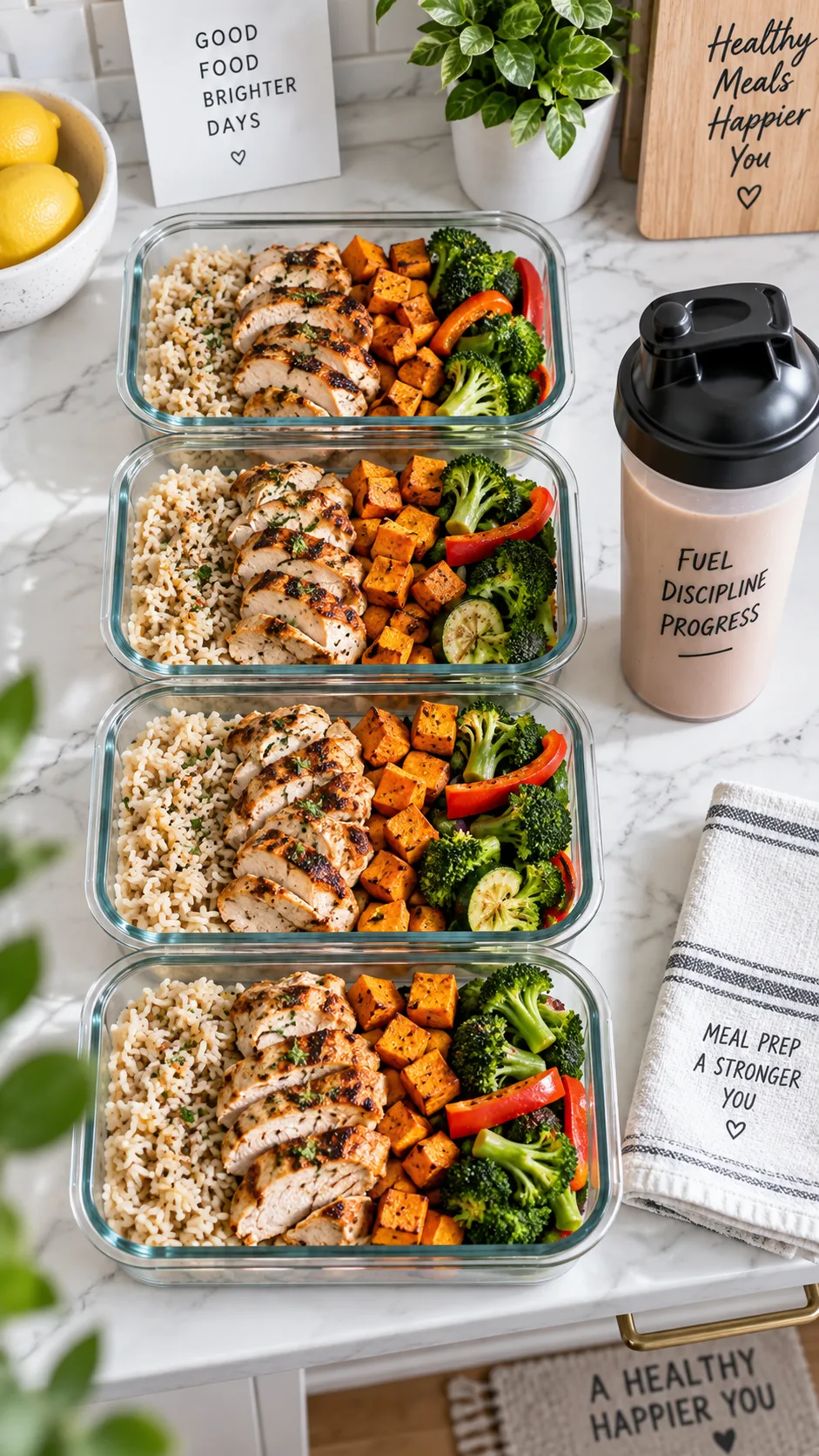
Meal timing: does it matter?
Short answer: less than Instagram says, more than nothing.
Total daily intake matters most. Full stop. But once you’re trying to eat 3,000+ calories, timing becomes a logistics problem rather than a magic trick.
Eat 5 to 6 times a day
Three giant meals will destroy your appetite. Five or six moderate feedings keep you fed without that swallowed-a-brick feeling. Spread protein across four or five servings of 30 to 40g each so muscle protein synthesis keeps ticking over through the day.
Don’t fill up on fibre and water before meals
Salads are great. Salads before your main meal when you’re bulking work against you. Eat your calorie-dense food first and your vegetables last. Sip water between meals, not during them.
The pre-bed protein trick
Casein protein or Greek yogurt before sleep slowly releases amino acids overnight. Research from Maastricht University found pre-sleep protein improved overnight muscle protein synthesis. Easy win. Takes 30 seconds.
Training: because food alone makes you fat, not strong
Here’s where people mess up spectacularly. They nail the surplus, skip the gym, then wonder why their jeans fit weird.
Calories are the raw material. Resistance training is the blueprint. Without the stimulus, your body has no reason to build muscle tissue.
What your training week should look like
- Lift three to five times per week. Full body or upper/lower splits work brilliantly for beginners.
- Prioritise compound movements: squats, deadlifts, bench press, rows, overhead press, pull-ups.
- Progressive overload is the whole point. Add weight or reps every week. If the numbers aren’t climbing, neither is your muscle.
- Do 10 to 20 hard sets per muscle group weekly. More isn’t better past that point.
- Cut back on excessive cardio. Two or three sessions for heart health, sure. Daily 10K runs? You’re eating to break even.
Form matters enormously here. If your hip hinge is garbage, your deadlifts and RDLs won’t build anything except lower back resentment. Read up on proper RDL form and push-up technique before you load the bar. IMO, technique first, ego second.
The “dirty bulk” trap (and why I regret mine)
My own stupidity makes a decent case study. At 22, I decided to gain 10 kg in three months. Strategy? Everything. Pizza at midnight. Four sodas a day. Ice cream as a “post-workout carb source.”
I gained the 10 kg. Roughly 3 kg was muscle. The rest? Belly, chin, and a blood panel my doctor described as “concerning for someone your age.” Then I spent five months cutting it off and lost some of that hard-earned muscle in the process.
Net result after eight months of effort: maybe 2 kg of usable muscle. I could have gained that cleanly in four months and never bought bigger trousers.
Why clean bulking wins
- Insulin sensitivity stays high, so nutrients get shuttled to muscle rather than fat.
- You recover better because micronutrients matter for sleep, joints, and energy.
- You can bulk longer without hitting a body fat ceiling that forces a cut.
- You look good the entire time. Revolutionary concept.
If you want the deeper breakdown, our full weight gain diet guide covers the muscle-building side without the junk food trap.
Supplements: what’s worth your money
95% of supplements are expensive urine. Here’s the 5% with real evidence behind it.
- Creatine monohydrate (5g daily). The most researched supplement in sports nutrition. It increases strength, training volume, and lean mass, and it costs almost nothing.
- Whey protein. Nothing magic about it, just convenient protein. Use it when food isn’t practical.
- Vitamin D3. Most people are deficient. It affects testosterone, mood, and bone health.
- Mass gainer powders. Only if you genuinely cannot eat enough. Check the label, because many are 80% sugar with a protein sticker.
Skip BCAAs if you eat enough protein. Skip testosterone boosters entirely. No powder outperforms consistent food and sleep.
Common mistakes that kill your progress
You quit after three weeks
Muscle grows slowly. Visible change takes 8 to 12 weeks minimum. Judge your progress monthly, not daily.
You weigh yourself every morning and panic
Daily weight swings 1 to 2 kg from water, sodium, and digestion. Take the weekly average instead. Ever notice how the scale drops right after you stress about it? Coincidence. Mostly.
You sleep five hours
Poor sleep tanks testosterone and growth hormone. A JAMA study showed one week of 5-hour sleep dropped testosterone by 10 to 15% in healthy young men. Sleep is a free anabolic.
You skip breakfast, then try to catch up at night
Cramming 2,000 calories into one evening window is misery. Front-load your day. Our breakfast meal prep ideas make this genuinely easy.
You forget vegetables entirely
Fibre, micronutrients, and digestion still matter during a bulk. Just eat them after your main calories.
How to track progress properly
- Weigh yourself three or four mornings a week, same conditions, then average it.
- Log your lifts. If your bench is climbing, you’re building.
- Take photos every 4 weeks in the same light and pose.
- Measure waist, arms, chest, thighs monthly. Waist growing faster than arms? Trim the surplus.
- Check energy and appetite. Constant fullness means slow down. Constant hunger means eat more.
The bottom line
Gaining weight properly isn’t complicated, just relentless. A modest calorie surplus, high protein, real food, heavy lifting, and enough sleep. That’s the entire formula. Everything else is decoration.
You won’t transform in three weeks. You will transform in six months if you stop restarting every Monday. Consistency beats intensity every single time.
So pick three meals from this plan. Buy the groceries this week. Track your first seven days honestly, and don’t lie to your food app, because it can tell.
Your future self, filling out that shirt properly, is going to thank you. Now go eat something.