

Eating one meal a day sounds easy until your stomach starts sending angry emails at 10 a.m. You can follow a one meal diet plan without spending every afternoon fantasizing about bread.
The difference comes down to the meal itself. Do not save calories for a bleak plate of lettuce and three almonds. Build a meal with enough protein, fiber, healthy fat, volume, and real flavor to keep hunger from running the show.
This guide covers a realistic OMAD meal plan, easy meal ideas, timing tips, and safety checks worth knowing. Some people feel great with one meal a day. Others turn into hangry goblins by noon. Meal quality explains much of that gap.
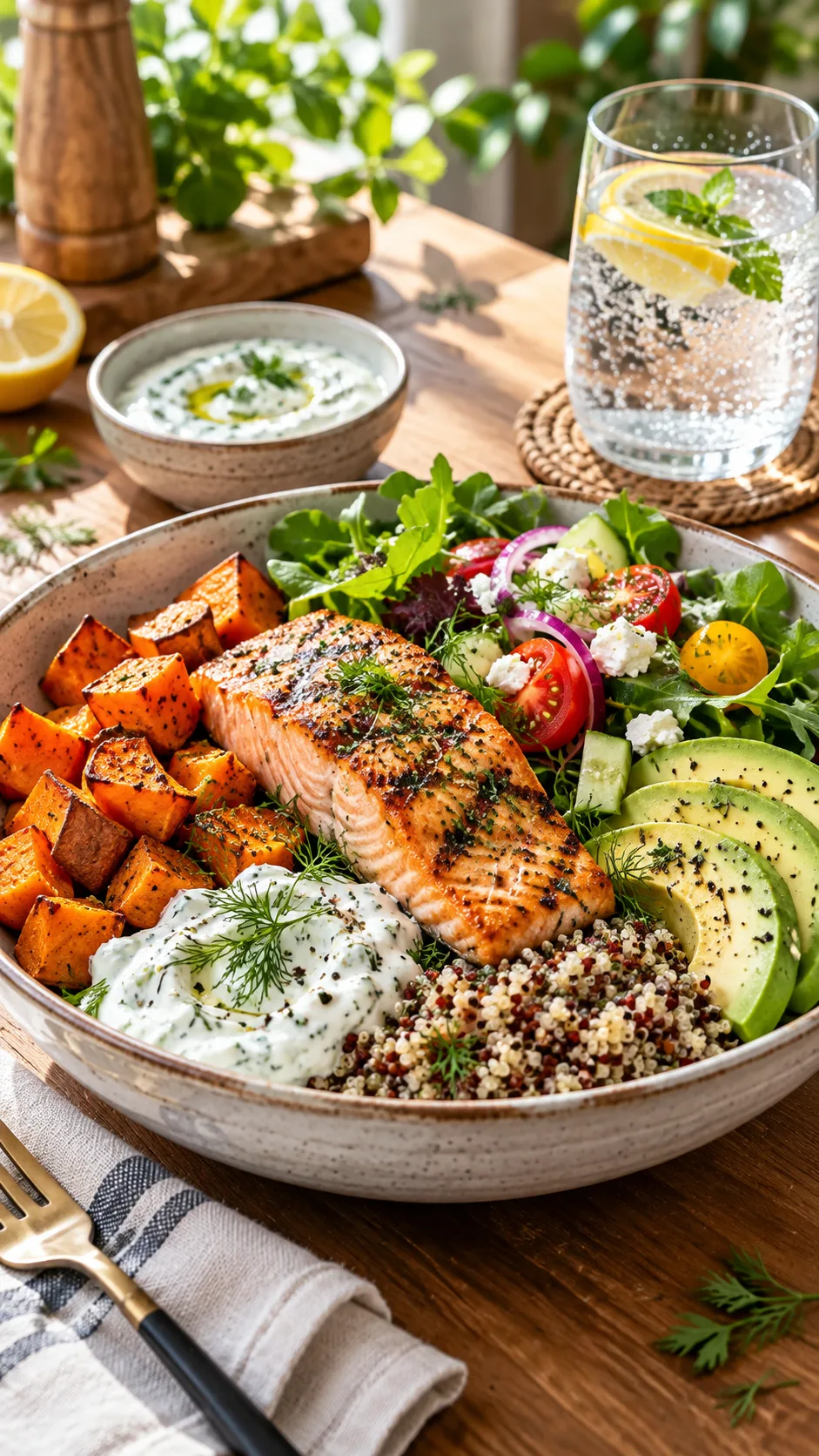
What is the one meal diet plan?

The one meal diet plan, often called OMAD, asks you to eat your daily food during one main eating window. Most people set aside one or two hours for that meal and drink calorie free beverages for the rest of the day.
Many people use OMAD as a stricter version of intermittent fasting. You might eat dinner at 6 p.m., then wait until 6 p.m. the next day to eat again.
That schedule looks tidy on paper. Your body, social life, training routine, and workday may disagree.
OMAD does not burn fat simply because you watch the clock. It can help some people lose weight because it makes calorie control easier, but food quality and total intake still count.
The National Institute of Diabetes and Digestive and Kidney Diseases explains that weight management depends on a sustainable balance between the energy you eat and the energy you use. You can read its practical guidance on healthy weight management.
Who should try one meal a day?
OMAD may suit adults who like structure, handle long gaps between meals, and can put together a nutrient dense dinner without turning it into a nightly free for all. Some people enjoy the simplicity. Others think about pizza all day, which defeats the point pretty quickly.
Treat OMAD as one option, not a personality trait. Plenty of people feel better with two or three meals, and nobody hands out nutrition medals at the finish line.
OMAD may suit you if you:
- Prefer making fewer food decisions on busy days.
- Feel comfortable skipping breakfast or lunch.
- Can make balanced meals instead of grazing on random snack foods.
- Want a simple intermittent fasting routine.
- Have a steady relationship with food and hunger cues.
- Can work your plan around exercise, sleep, and social events.
Skip OMAD or speak with a clinician first if you:
- Take insulin or medications that lower blood sugar.
- Have diabetes, frequent low blood sugar, or major blood sugar swings.
- Are pregnant, breastfeeding, or trying to conceive.
- Have a history of an eating disorder or restrictive eating.
- Are under 18.
- Take medication that requires food earlier in the day.
- Train hard, work physical shifts, or feel dizzy when you fast.
The American Diabetes Association shares information about blood sugar management and meal planning through its food and nutrition resource center. If you manage a medical condition, ask your doctor or registered dietitian before you try OMAD.
Fasting should fit your life, not shrink it. Change your plan if it wrecks your mood, sleep, workouts, or relationship with food.
The fullness formula: Build one meal that works
A satisfying OMAD meal needs more than a huge calorie count. A fast food binge can deliver plenty of calories, yet leave you hungry again because your body still wants nutrients, protein, fiber, and food volume.
Treat your meal like a complete nutrition project. Give each major food group a place on the plate.
1. Start with a serious protein anchor
Protein helps you stay full, supports muscle, and gives your meal some weight. It can also help you hold on to lean mass during weight loss, especially when you pair your diet with strength training.
Aim for 35 to 60 grams of protein in your main meal, then adjust for your body size, activity, goals, and medical needs. Larger and more active people often need more.
- Chicken breast, turkey, lean beef, or pork tenderloin
- Salmon, tuna, shrimp, cod, or sardines
- Eggs with Greek yogurt or cottage cheese
- Tofu, tempeh, edamame, lentils, beans, or seitan
- Protein rich yogurt bowls with fruit, nuts, and oats
If one sitting makes your protein goal hard to reach, have a protein shake with your meal. That does not break the diet. Your body will not reward you for making dinner needlessly difficult.
For a more flexible approach that spreads protein across the day, check out this high protein diet plan. Many people find that routine easier to maintain over time.
2. Add high fiber carbs, not tiny carb portions
Carbs do not ruin fat loss. Huge servings of low fiber, heavily processed carbs can make hunger louder, but high fiber carbs support training, digestion, energy, and satisfaction.
Choose carbs that bring fiber and volume to dinner. Your plate should look like food, not punishment for enjoying food yesterday.
- Potatoes or sweet potatoes
- Brown rice, wild rice, quinoa, or oats
- Beans, chickpeas, black beans, or lentils
- Whole grain pasta or whole grain bread
- Fruit such as berries, apples, oranges, or bananas
The Dietary Guidelines for Americans encourage adults to eat fiber rich foods, including vegetables, fruits, whole grains, beans, peas, and lentils. You can find the full guidance at DietaryGuidelines.gov.
3. Pile on vegetables for volume
Vegetables add bulk to your plate without making you eat a mountain of calories. They also provide potassium, vitamin C, folate, and many other nutrients that coffee until dinner cannot cover.
Aim for two to four cups of vegetables with your main meal. Roast them, saute them, stir them into soup, toss them into a bowl, or make a huge salad with a proper dressing.
Pick vegetables you enjoy. Nobody needs another lecture about kale if roasted broccoli, peppers, carrots, zucchini, mushrooms, or green beans make dinner better.
4. Include healthy fats for staying power
Fat slows digestion and helps meals taste satisfying. Skip it entirely and you may finish dinner oddly unsatisfied, like you watched a movie without the last ten minutes.
Add one or two portions of healthy fats to your meal. Keep servings sensible because oils, nuts, cheese, and avocado add calories fast.
- Half an avocado
- One to two tablespoons of olive oil
- A small handful of nuts or seeds
- Olives or tahini
- Salmon, sardines, or whole eggs
- A measured serving of cheese
5. Finish with something you enjoy
A good OMAD meal should include pleasure along with nutrition math. If every dinner leaves you wanting dessert because the meal felt joyless, plan a dessert that fits.
Try Greek yogurt with berries and dark chocolate, fruit with peanut butter, chia pudding, or one or two squares of chocolate after dinner. A planned treat can stop the “I already ruined it” spiral before it starts.
The best one meal a day schedule
The best OMAD schedule fits your real life. Dinner works well for many people because it leaves room for family meals, social plans, and a relaxed eating window after work.
Lunch works better for others because they need fuel for afternoon meetings, workouts, or physical jobs. You do not need to copy someone else’s 6 p.m. meal schedule because they posted it beside a perfectly arranged steak bowl.
Option 1: The dinner OMAD schedule
Drink water, black coffee, plain tea, or sparkling water during the day. Eat your main meal between 5 p.m. and 8 p.m., then close the kitchen.
This plan may suit people who feel fine in the morning and want room for dinner plans. It can feel rough if you train early or struggle with late night hunger.
Option 2: The lunch OMAD schedule
Eat your main meal between 11 a.m. and 2 p.m. This option can support afternoon energy and may help people who sleep poorly after large evening meals.
You may need to plan around social dinners. Your friends can probably survive one brunch without you.
Option 3: The modified OMAD plan
Modified OMAD includes one large meal plus a small protein focused snack or shake. Many people do much better with this approach than with strict one meal fasting.
Try a 150 to 250 calorie snack before or after your main meal. You could have a protein shake, cottage cheese with berries, a boiled egg with fruit, or Greek yogurt.
Modified OMAD often works better than strict OMAD because consistency matters more than perfection. You do not need to suffer to make progress.
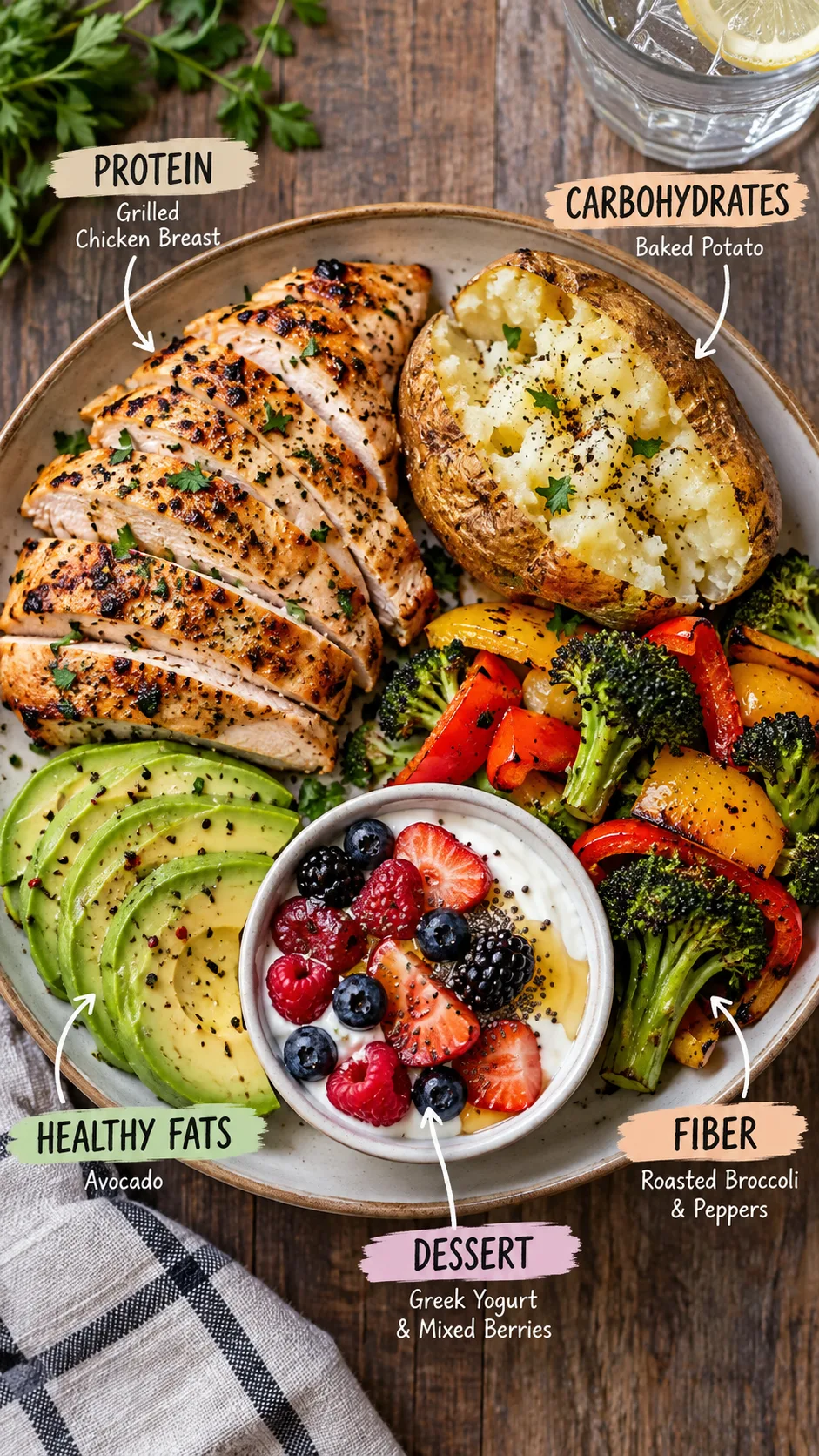
Your one meal diet plan plate template
Use this template when you build your meal. Swap proteins, sauces, vegetables, and carbs so you do not eat the same chicken bowl until you resent poultry as a concept.
- Choose protein: Add two palm sized portions of meat, fish, tofu, tempeh, eggs, Greek yogurt, cottage cheese, beans, or a combination.
- Choose carbs: Add one or two cupped hand portions of potatoes, rice, quinoa, pasta, beans, oats, or whole grain bread.
- Add vegetables: Fill at least half your plate with colorful vegetables or a large salad.
- Add fats: Use avocado, olive oil, nuts, seeds, tahini, cheese, or fatty fish.
- Add flavor: Use herbs, spices, salsa, yogurt sauce, pesto, mustard, hot sauce, lemon, or homemade dressing.
- Finish smart: Add fruit, yogurt, or a small dessert if it helps you feel satisfied.
This structure gives you protein, fiber, micronutrients, and enough volume to make fasting manageable. Adjust portions up or down for hunger, progress, exercise, and your healthcare provider’s advice.
A 7 day one meal diet plan that keeps you full
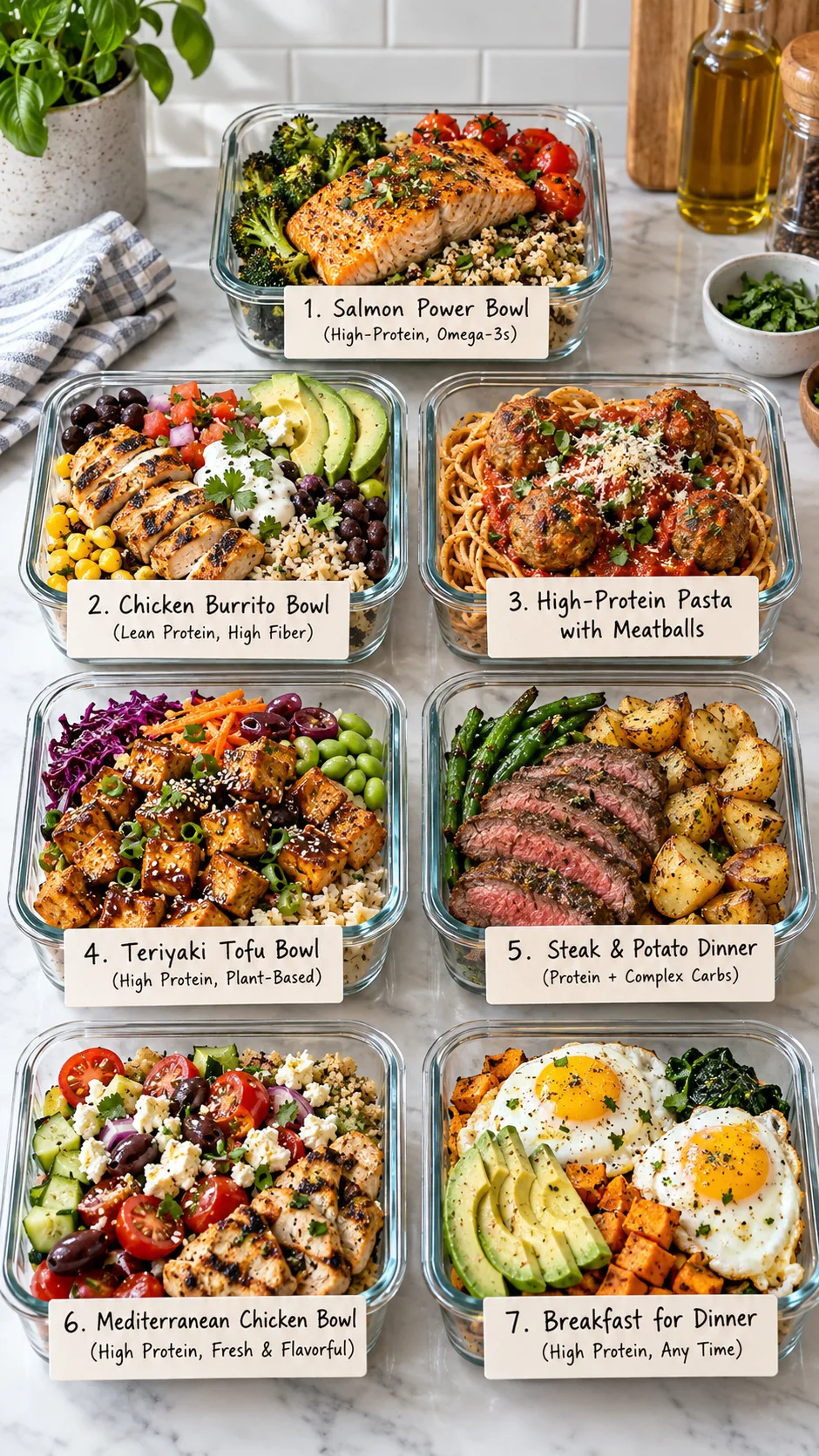
These OMAD meal ideas offer a practical starting point. Every meal includes protein, filling carbs, vegetables, healthy fats, and something satisfying at the end.
Day 1: Salmon sweet potato bowl
Build a bowl with baked salmon, roasted sweet potato, quinoa, spinach, cucumber, tomatoes, avocado, and lemon tahini sauce. Finish with Greek yogurt, blueberries, and a few walnuts.
This meal gives you omega 3 fats, protein, fiber, and enough carbs to support your energy. It tastes like something you would gladly order at a restaurant, which helps.
Day 2: Chicken burrito bowl
Use grilled chicken, brown rice, black beans, fajita peppers, onions, corn, lettuce, salsa, guacamole, and plain Greek yogurt. Add fruit on the side or a small piece of dark chocolate.
Beans and rice give this meal serious staying power. Salsa and lime bring plenty of flavor without a gallon of creamy sauce.
Day 3: High protein pasta night
Make whole grain or chickpea pasta with lean turkey meatballs, marinara sauce, zucchini, mushrooms, and parmesan. Serve a large salad with olive oil dressing and a piece of fruit.
This meal can hit the spot after a workout. Pasta does not create chaos. Eating half a box while standing over the stove might.
Day 4: Vegetarian power plate
Fill your plate with baked tofu or tempeh, lentils, roasted potatoes, broccoli, red cabbage slaw, avocado, and peanut lime sauce. Add soy yogurt or Greek yogurt with berries for dessert.
Vegetarian OMAD can work well when you combine several protein sources. Tofu may not carry the entire meal, so bring in lentils, yogurt, edamame, and beans.
Day 5: Steak and loaded potato dinner
Serve lean steak with a large baked potato, sauteed green beans, mushrooms, and a side salad. Top the potato with Greek yogurt, chives, and a little cheddar cheese.
This meal feels hearty because it is hearty. You do not need to eat diet food to lose weight.
Day 6: Mediterranean chicken feast
Serve chicken thighs or chicken breast with couscous or quinoa, hummus, roasted eggplant, tomatoes, cucumbers, olives, feta, and a big chopped salad. Finish with oranges or grapes.
Protein, olive oil, hummus, fiber, and produce can keep you satisfied for hours. The flavors also keep your taste buds from staging a protest.
Day 7: Breakfast for dinner OMAD
Make a three egg veggie omelet with turkey sausage, roasted potatoes, whole grain toast, avocado, and berries. Add cottage cheese or Greek yogurt if you need more protein.
Breakfast food works at night because time is a social construct. This meal also suits anyone who wants something easy after a busy week.
If you prefer a more structured weekly routine, try this 7-day high protein meal plan. You can adapt its meals to a shorter eating window without forcing strict OMAD every day.
What to drink during your fasting window
Good hydration can make fasting easier. Thirst often feels like hunger, especially when you drink several cups of coffee and call that a wellness strategy.
- Water, still or sparkling
- Black coffee
- Unsweetened tea
- Herbal tea
- Electrolyte drinks without sugar or calories, if your doctor approves
Watch for hidden calories in creamers, juices, alcohol, sweetened coffee drinks, and “healthy” bottled teas. Those drinks can turn your fasting window into a very long snack break.
Do not force huge amounts of water. Drink regularly, notice your thirst, and drink more when heat, exercise, or illness raises your needs.
How to avoid the most common OMAD mistakes
Most OMAD problems start with too little nutrition, too much restriction, or an evening meal that becomes a reward for surviving the day. A little planning can keep you out of those traps.
Do not eat too little
Some people turn OMAD into a 700 calorie dinner, then wonder why food occupies every thought. Your body needs enough energy, especially when you exercise, work on your feet, or live in a larger body.
Extreme restriction can lead to fatigue, nutrient gaps, muscle loss, binge eating, and poor sleep. Eat two meals instead if one sitting cannot hold enough food.
Do not skip protein
A giant salad, a smoothie, or a bowl of cereal may count as one meal. Those choices rarely provide enough protein or keep hunger away for long.
Start with protein, then build the rest of the meal around it. That one habit can make OMAD easier for many people.
Do not ignore fiber
Low fiber OMAD can create digestive drama. Eat vegetables, beans, fruit, whole grains, nuts, seeds, and drink plenty of fluid.
Add fiber slowly if your current diet contains very little. Your gut prefers patience over surprise attacks.
Do not use OMAD to “earn” junk food
Fasting all day does not turn a huge takeout meal into a complete source of nutrition. Enjoy pizza, burgers, tacos, or dessert when you want them, but add protein, vegetables, fruit, and sensible portions around them.
Think “mostly nourishing, occasionally fun” instead of “perfect all week, chaos on Saturday.” That approach supports weight loss far better over time.
Can you lose weight with one meal a day?
Yes, you can lose weight with a one meal a day diet if it helps you maintain a calorie deficit without constant hunger. You can also gain weight on OMAD if your meal consistently gives you more energy than your body needs.
Weight loss does not require starvation. It requires a plan you can repeat while you still feel like a functioning human.
Follow more than the scale. Pay attention to your energy, strength, sleep, digestion, hunger, waist measurement, and consistency over several weeks.
If strict OMAD brings intense cravings or rebound overeating, try a gentler fasting pattern. The 16:8 intermittent fasting meal plan gives you a more flexible schedule and a longer eating window.
Signs your OMAD plan needs an adjustment
Your body gives you useful feedback when a plan does not fit. Listen before minor discomfort grows into a bigger problem.
- You feel dizzy, shaky, faint, or unusually weak.
- You binge or overeat during your meal window.
- You lose strength or struggle to recover from workouts.
- You cannot concentrate at work or school.
- You wake up hungry at night or sleep poorly.
- You think about food all day.
- You deal with constipation, headaches, or ongoing fatigue.
Try two meals, add a protein snack, widen your eating window, or stop fasting altogether. A successful diet should make life easier, not harder.
The bottom line on the one meal diet plan
The best one meal diet plan includes protein, fiber rich carbs, vegetables, healthy fats, hydration, and enough total food. You do not need tiny portions, strange detox drinks, or heroic misery.
Start with a balanced plate, pick a meal time that works with your routine, and give yourself permission to use modified OMAD when you need it. Consistency matters every time.
Try the plan for a week, notice your hunger and energy, and adjust without guilt. One good meal can feel simple, satisfying, and enjoyable. That beats white knuckling your way through another sad diet 🙂