

You glance at the clock on your wall. It reads 10:14 AM. Your stomach unleashes a growl so loud that your coworker in the next cubicle turns around.
You still have an hour and forty-six minutes before your eating window opens. You gulp down your fourth cup of bitter black coffee, but it barely numbs the gnawing ache in your gut. By noon, you tear through a bag of pretzels, inhale a turkey sandwich, and spend the afternoon battling brain fog and sugar cravings. Sound painfully familiar?
Most people treat 16:8 intermittent fasting like an endurance test. They starve for 16 hours, panic, and cram whatever food they find into an eight-hour sprint. Sustainable fat loss works differently. When you build your plate around specific filling nutrients, sixteen hours without food feels effortless. Fasting should free up your schedule instead of locking your thoughts onto the refrigerator door.
This plan outlines a practical 16:8 intermittent fasting schedule that stops hunger, levels your blood sugar, and sustains your energy throughout the evening.
Why most 16:8 fasting plans leave you ravenous (and how we fix it)
Why do so many people quit fasting within seventy-two hours? Simple: they mistake intermittent fasting for an excuse to eat low-protein, ultra-processed junk during their feeding window.
When you fast for 16 hours, your body depletes liver glycogen stores and lowers baseline circulating insulin. A clinical review in The New England Journal of Medicine shows that this metabolic shift sparks cellular repair, improves insulin sensitivity, and speeds up fat burning. This metabolic shift also leaves your cells hypersensitive to incoming nutrients.
If you break your fast with refined carbohydrates such as bagels, white rice, pasta, or sugary smoothies, your blood glucose spikes. In response, your pancreas floods your bloodstream with insulin. That surge clears glucose out of your blood, triggers a rapid sugar crash, and drives your hunger hormone, ghrelin, through the roof.
Two hours after eating, you crave carbohydrates again. You blame your willpower, but biology rigged the game against you. We fix this problem by triggering three distinct satiety signals every single time you sit down to eat:
- Mechanical Satiety (Stomach Wall Stretch): High-volume vegetables and soluble fiber trigger the stretch receptors in your gastric lining, which signal fullness directly to your brainstem along the vagus nerve.
- Hormonal Satiety (Peptide YY & CCK): Whole dietary fats and complete proteins stimulate the release of cholecystokinin (CCK) and Peptide YY (PYY) in your digestive tract. These hormones slow stomach emptying and suppress your appetite.
- Neurological Satiety (Protein Leverage): Your brain constantly monitors circulating amino acids. Until you hit your daily protein threshold, your brain keeps your hunger drive active.
Pairing the right macronutrients transforms fasting into an effortless routine. To learn another strategy that stabilizes appetite, read The Fasting Diet Plan That Finally Makes Intermittent Fasting Click.
The golden rules of satiety: building your 8-hour feeding window
Before you look over the daily schedule, commit these three practical rules to memory. These principles separate energized fasters from irritable clock-watchers.
- Anchor each meal with 35 to 50 grams of complete protein: Protein requires more energy to digest than carbohydrates or fat through the thermic effect of food. Protein also suppresses ghrelin better than any other macronutrient. Never break your fast with a snack built around carbohydrates.
- Prioritize viscous and fermentable fibers: Soluble fiber absorbs water and forms a thick gel in your digestive tract. This gel slows carbohydrate absorption, buffers insulin spikes, and feeds gut bacteria that produce appetite-suppressing short-chain fatty acids.
- Include whole-food fats, but avoid pure fat bombs: Dietary fat slows digestion, which extends fullness. Liquid oils and calorie-dense snacks pack hundreds of calories into tiny portions without adding physical bulk. Choose whole food fat sources such as avocados, whole pastured eggs, wild fish, and walnuts.
If you want to reach these protein targets without weighing every bite, read The 7-Day High Protein Meal Plan That Actually Keeps You Full.
Choosing your feeding window: 12 PM to 8 PM vs. 10 AM to 6 PM
Which eight-hour window produces the best results? The answer depends on your daily schedule and personal routine.
The classic 12:00 PM to 8:00 PM window gives you the most social flexibility. You skip breakfast easily once your body adapts to burning fat, eat a hearty lunch, and share a regular dinner with family or friends without feeling isolated.
Emerging chronobiology research from Cell Metabolism shows that an earlier window (such as 10:00 AM to 6:00 PM or 9:00 AM to 5:00 PM) aligns closely with circadian biology. The human pancreas releases insulin more effectively in the morning than late at night.
Select the window that fits your daily life throughout the entire year. Daily consistency matters far more than theoretical perfection. This guide outlines the 12:00 PM to 8:00 PM schedule. If you prefer earlier hours, shift each meal forward by two hours.
The 7-day steady fullness 16:8 meal plan
This plan structures your day around two main meals and one strategic snack. You break your fast at 12:00 PM with a hearty plate, eat a high-fiber and protein-dense snack at 3:30 PM to stop late-afternoon cravings, and finish with a filling dinner at 7:30 PM. Each day provides roughly 1,700 to 1,900 calories and 130 to 160 grams of protein. If you require fewer calories, cut cooking oils in half or read The Simple 1500 Calorie Meal Plan That Actually Keeps You Full All Day.
Day 1: The reset
- 12:00 PM (First Meal): Scrambled eggs. Whisk 3 large pastured eggs and 1/2 cup egg whites. Cook them in 1 teaspoon extra virgin olive oil with 2 cups baby spinach and 1/4 cup diced red onions. Add 1/2 medium avocado and 1 slice sprouted grain toast with sea salt.
- 3:30 PM (Bridge Snack): 1 cup plain non-fat Greek yogurt with 1 scoop unflavored protein powder, 1/2 cup fresh blueberries, and 1 tablespoon ground flaxseed.
- 7:30 PM (Dinner): Grilled flank steak (6 oz cooked) with 1 medium roasted sweet potato (skin intact) topped with 1 pat grass-fed butter, alongside 2 generous cups of steamed broccoli florets tossed with garlic and lemon juice.
Day 2: Sustained energy
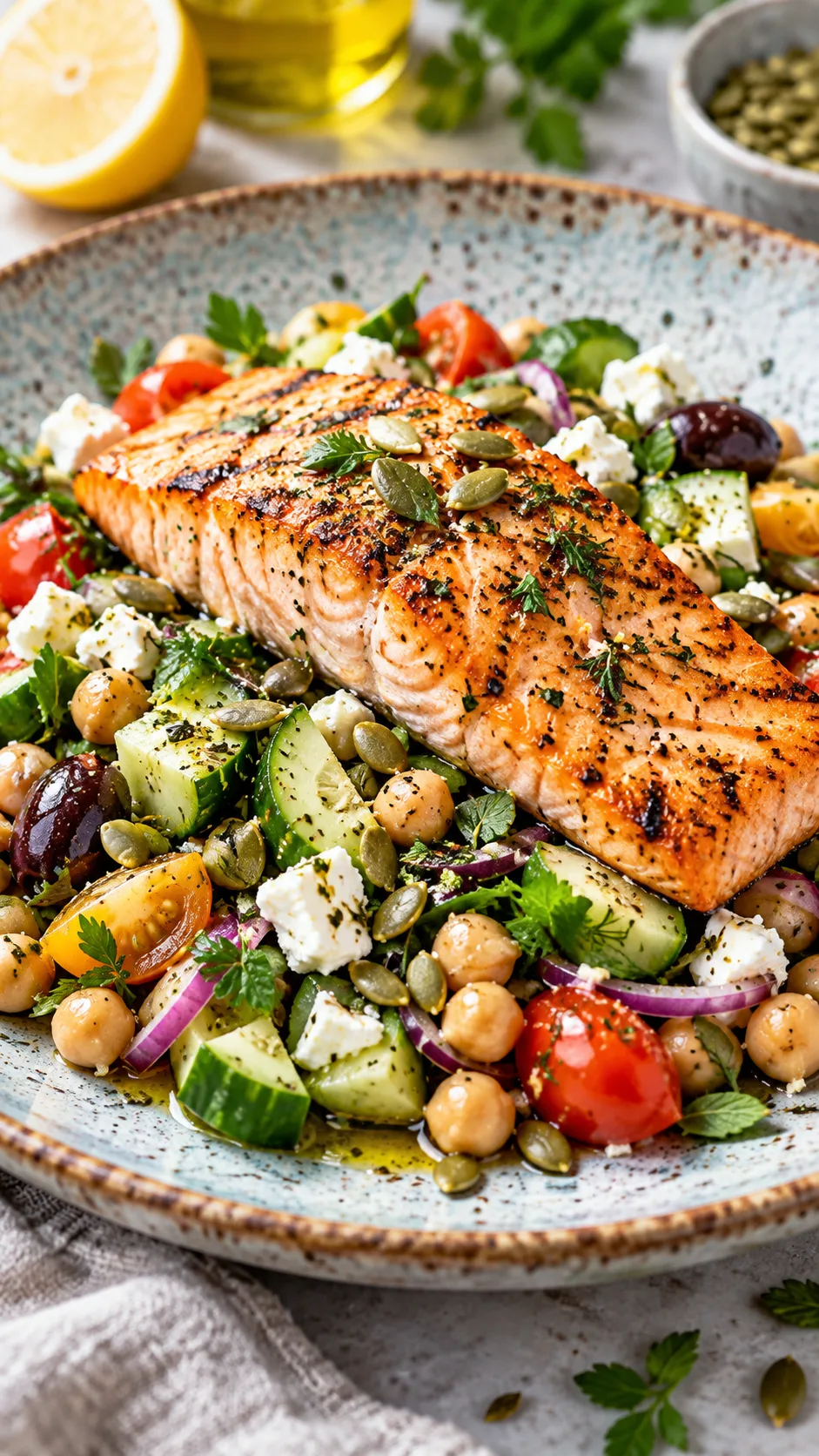
- 12:00 PM (First Meal): Wild salmon salad. Flake 6 oz grilled wild sockeye salmon over 3 cups baby arugula and chopped romaine. Add 1/2 cup drained chickpeas, 1/2 sliced cucumber, 10 Kalamata olives, and 1 tablespoon raw pumpkin seeds. Dress with 1 tablespoon extra virgin olive oil and fresh lemon juice.
- 3:30 PM (Bridge Snack): 2 hard-boiled eggs with a pinch of smoked paprika, paired with 1 cup raw bell pepper slices and 2 tablespoons traditional hummus.
- 7:30 PM (Dinner): Pan-seared chicken thighs (7 oz bone-in, skinless) seasoned with rosemary and garlic, served with 1.5 cups roasted Brussels sprouts and 3/4 cup cooked quinoa.
Day 3: Low-inflammation power
- 12:00 PM (First Meal): Ground turkey and zucchini skillet. Brown 7 oz lean ground turkey (93/7) with garlic, cumin, and sea salt. Add 2 cups diced zucchini and 1 cup cherry tomatoes. Top with 1/4 cup crumbled goat cheese and serve over 1/2 cup cooked brown basmati rice.
- 3:30 PM (Bridge Snack): High-protein berry bowl. Stir 1 scoop vanilla whey isolate into 3/4 cup cottage cheese. Top with 1 tablespoon chia seeds and 1/3 cup fresh raspberries.
- 7:30 PM (Dinner): Baked Atlantic cod (8 oz) brushed with Dijon mustard and crushed walnuts, alongside roasted asparagus spears and 1 cup cubed butternut squash.
Day 4: Midweek satiety
- 12:00 PM (First Meal): Steak and egg bowl. Reheat 5 oz sliced leftover flank steak alongside 2 sunny-side-up eggs. Plate over 2 cups warm massaged kale with 1/2 sliced avocado and a drizzle of hot sauce.
- 3:30 PM (Bridge Snack): 1 sliced green apple dipped in 2 tablespoons natural almond butter (ingredients: almonds and salt).
- 7:30 PM (Dinner): Shredded chicken fajita bowl. Combine 6 oz slow-cooked chicken breast with sautéed bell peppers and onions. Serve over 1 cup cauliflower rice, topped with 1/4 cup black beans, 2 tablespoons fresh guacamole, and 2 tablespoons salsa verde.
Day 5: Clean fuel and high fiber
- 12:00 PM (First Meal): Mediterranean tuna salad. Mix two 5-oz cans drained albacore tuna with 1 tablespoon avocado oil mayo, chopped celery, diced pickles, and red onion. Serve over 3 cups mixed greens with 1 slice toasted garlic sourdough bread.
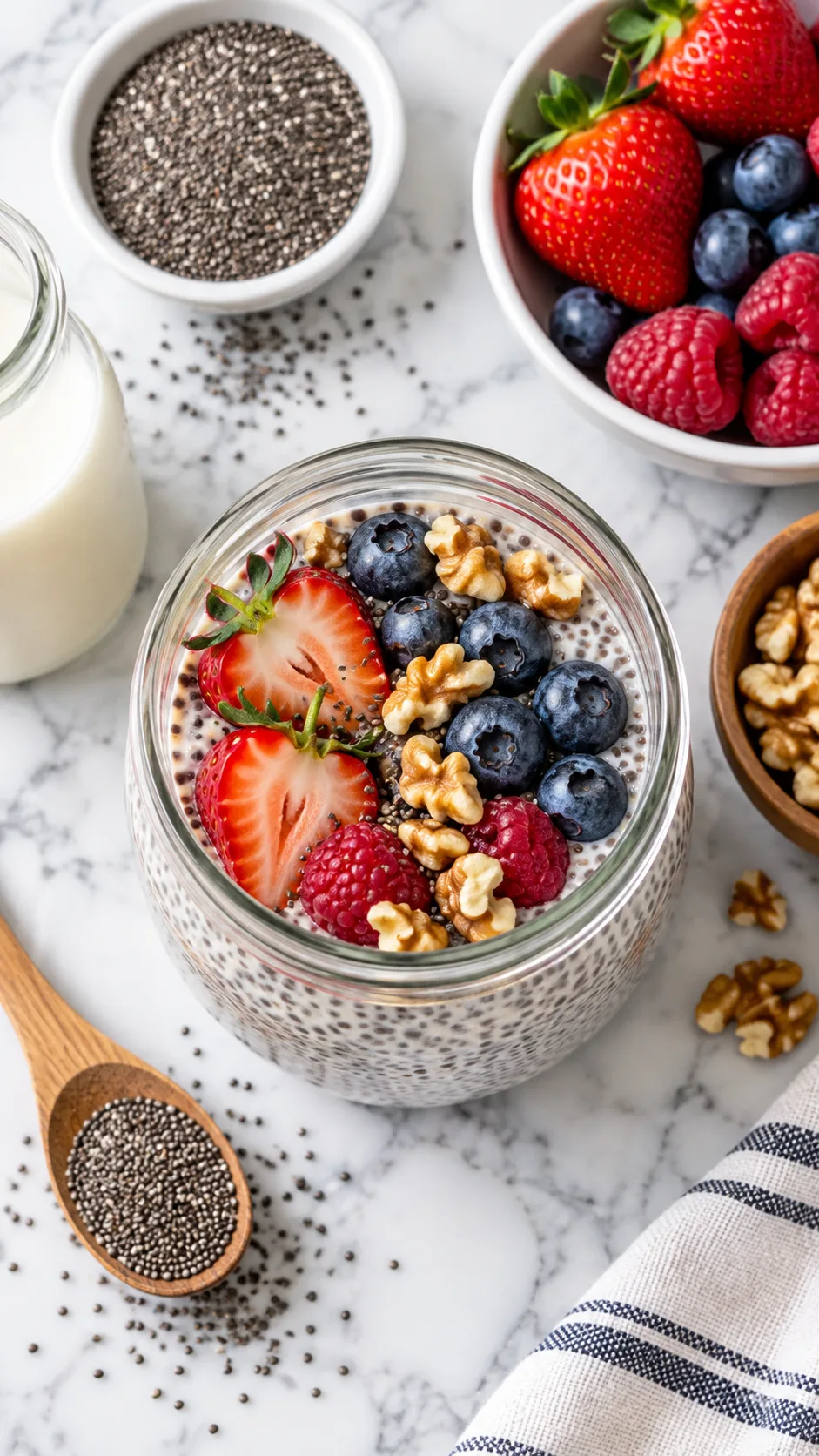
- 3:30 PM (Bridge Snack): Chia pudding. Mix 2.5 tablespoons chia seeds with 3/4 cup unsweetened almond milk and 1 scoop protein powder. Chill overnight; top with 10 grams crushed walnuts.
- 7:30 PM (Dinner): Sirloin stir-fry. Sauté 6 oz lean sirloin with snap peas, baby corn, mushrooms, and broccoli florets in a ginger-tamari sauce. Serve over 1/2 cup steamed jasmine rice.
Day 6: Weekend flexibility
- 12:00 PM (First Meal): Brunch omelet. Whisk 3 whole eggs with 2 egg whites, stuffed with 3 oz smoked turkey breast, 1/4 cup diced mushrooms, and 1 oz sharp cheddar cheese. Serve with 1 cup fresh cantaloupe or strawberries on the side.
- 3:30 PM (Bridge Snack): 1 cup steamed edamame in pods sprinkled with coarse sea salt, plus 1 beef jerky stick without added sugar.
- 7:30 PM (Dinner): Grilled pork chops (7 oz center-cut) glazed with balsamic reduction, served with roasted olive oil cabbage steaks and 1/2 cup cooked wild rice.
Day 7: Deep nutrition and prep
- 12:00 PM (First Meal): Mediterranean chicken bowl. Dice 6 oz grilled chicken breast over 1 cup chopped romaine. Add 1/2 cup chopped Persian cucumbers, 1/4 cup pickled red onions, 2 tablespoons tzatziki sauce, and 1 warm whole-wheat pita pocket.
- 3:30 PM (Bridge Snack): 1 cup low-sodium warm bone broth alongside 1 ounce raw macadamia nuts or pecans.
- 7:30 PM (Dinner): Pan-roasted wild halibut or salmon (7 oz) seasoned with herbs, served with 2 cups roasted turmeric cauliflower and a crisp green salad.
How to silence morning cravings without breaking your fast
When hunger hits at 8:30 AM on your third day, remember that hunger moves in waves. Ghrelin peaks at your customary breakfast time because your brain expects food, not because your cells lack fuel.
Ghrelin levels drop naturally within forty-five minutes even if you skip eating. Manage those waves with four simple habits:
- Sip mineral water: Your kidneys excrete sodium quickly during a fast because low insulin reduces sodium retention. This drop in sodium often triggers false hunger pangs. Stir a pinch of unrefined sea salt into 16 ounces of morning water.
- Drink sparkling water: Carbonation stretches your stomach wall slightly. This action activates stretch receptors that signal short-term fullness to your brainstem.
- Choose black coffee or green tea: Plain black coffee dampens appetite naturally. Green tea delivers epigallocatechin gallate (EGCG), a compound that supports metabolism and keeps cravings in check. Drink them without added sweeteners or milk.
- Walk for fifteen minutes: Movement pulls your focus away from food. A brisk morning walk mobilizes circulating glucose through muscle contractions and clears your head.
Read more about appetite regulation and fasting schedules through the educational resources at Harvard T.H. Chan School of Public Health.
Three common mistakes that ruin fullness on 16:8
Fasting gives you a framework, but it never replaces sound food choices. Avoid these three common slip-ups:
1. Dirty fasting with morning calories
Many people splash heavy cream, coconut oil, or oat milk into their morning coffee. Even forty calories of fat stimulate digestive enzymes and trigger appetite. You push your brain into digestive anticipation without delivering genuine fullness. Drink black coffee or plain water until your eating window opens.
2. Eating meals too quickly
Gut hormones take twenty minutes to reach your brain after you start eating. If you swallow an entire lunch in four minutes, your brain registers zero fullness when your plate clears, urging you to grab snacks. Put your fork down between bites, chew your food, and allow CCK and PYY sufficient time to signal satiety.
3. Forgetting nighttime water
People frequently avoid water after 8:00 PM to prevent midnight trips to the bathroom. They wake up parched, mistake thirst for acute hunger, and abandon their fast early. Keep a full glass of water on your nightstand.
Frequently asked questions
Can I drink bone broth during my fasting window?
Strictly speaking, no. Bone broth provides protein and amino acids totaling 40 to 50 calories per cup. Those amino acids stimulate metabolic pathways like mTOR and pause the deeper fasting states. If a warm mug of broth prevents you from devouring pastries at work, drink it during your first week while you adjust.
Does 16:8 cause muscle loss?
No, provided you consume sufficient protein and lift weights. Clinical findings in the Journal of the International Society of Sports Nutrition show that time-restricted eating maintains muscle mass when participants consume 1.6 to 2.2 grams of protein per kilogram of body weight each day. This meal plan supplies adequate protein to protect your lean muscle.
What if I work out early in the morning?
You can train fasted without dropping performance. Muscle and liver glycogen support a 45-minute strength or cardio workout easily. Drink water with electrolytes right after your session. If you feel lightheaded, shift your eating window earlier (from 9:00 AM to 5:00 PM, for example) so you can eat protein right after training.
Do artificial sweeteners break a fast?
Sweeteners such as sucralose and aspartame carry zero calories, but they can still spark an insulin response in sensitive people. Sweet tastes also train your brain to anticipate sugar, which spikes cravings later in the morning. Drink plain water, sparkling water, or unsweetened tea for consistent results.
Take control of your hunger
Intermittent fasting does not require white-knuckle willpower or constant hunger pangs. When you ditch low-protein habits and center your meals around whole foods, quality protein, and viscous fiber, sixteen hours without food feels like a natural rhythm.
Prepare your meals for Day 1 tonight, drop a pinch of salt into your morning glass of water, and stay full throughout your fast.