

You know that dry, stuck feeling when you wake up and your tongue clings to the roof of your mouth like velcro? For years, I woke up with gritty eyes, stiff knuckles, and a parched throat. My rheumatologist handed me artificial tears, water bottles, and prescriptions for saliva stimulants, yet my body still felt like a five-alarm fire.
Autoimmune diseases wear you down when you only treat surface symptoms. Everything shifted once I decided to stop chasing side effects and tackle the inflammation underneath. Food gave me my best tool to change things.
Changing what I ate quieted my joint pain, restored natural moisture to my mouth and eyes, and cleared my daily brain fog. Here is the dietary strategy that helped me reclaim my daily life.
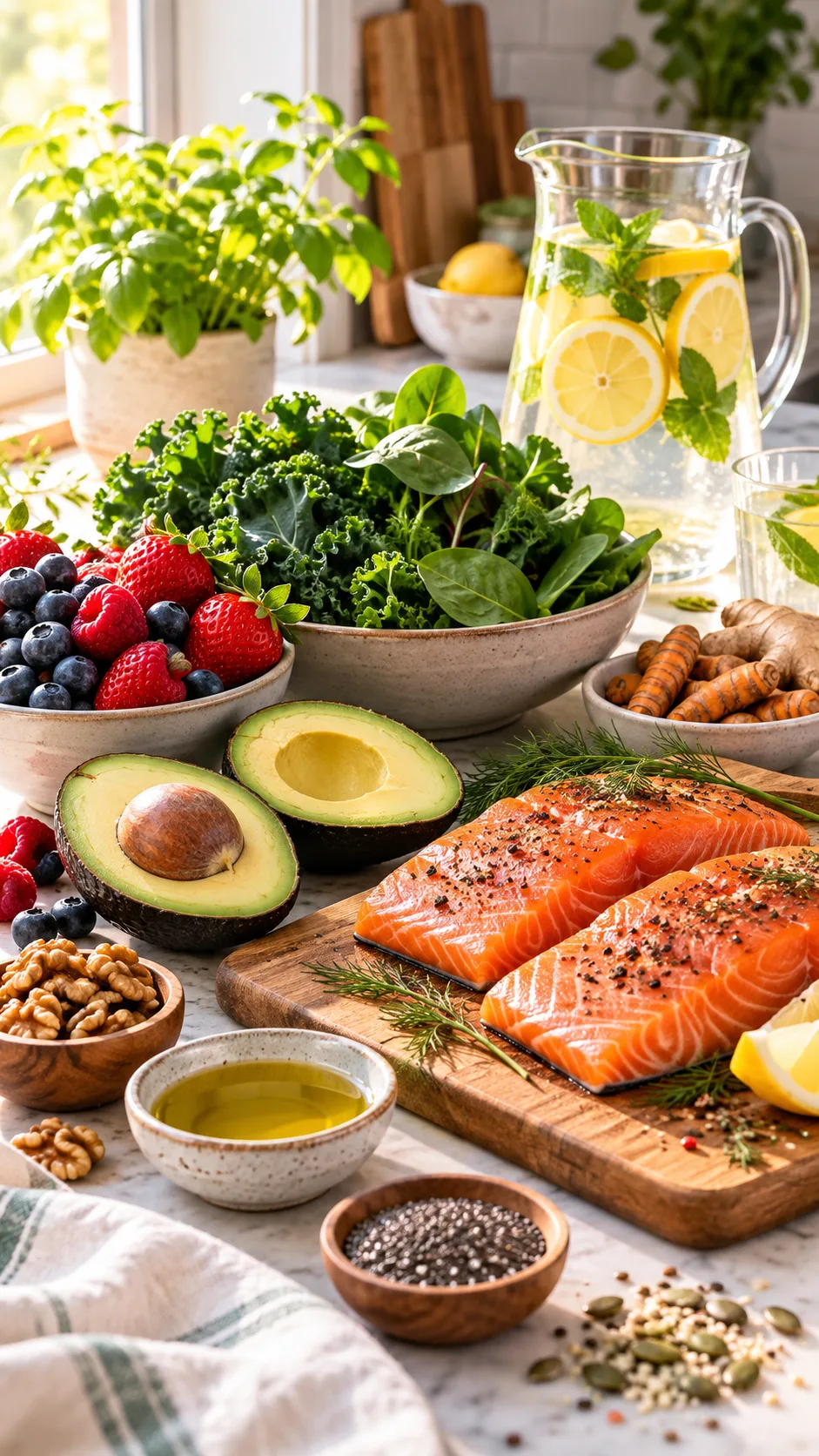
What Sjögren’s syndrome does to your body
People know Sjögren’s syndrome for dry eyes and a dry mouth, but the condition often makes your entire body ache. Medical texts classify Sjögren’s as a systemic autoimmune disease. White blood cells mistakenly attack moisture-producing exocrine glands, especially the tear and saliva glands.
The damage rarely stops at your eyes and mouth. Inflammatory cytokines travel through your bloodstream, irritating peripheral nerves, wearing down joint tissue, and draining your energy.
The Sjögren’s Foundation notes that systemic inflammation affects multiple organ systems, including your kidneys, lungs, and digestive tract. When your immune system stays in overdrive, your intestinal wall weakens. This gut permeability lets undigested food particles slip into your blood, provoking further immune reactions.
Conventional care often overlooks this gut-immune connection. When you treat Sjögren’s as whole-body inflammation rather than basic dryness, you approach nutrition with a completely different mindset.
Why standard diet advice fails people with Sjögren’s
Mainstream wellness advice constantly pushes raw salads, tough carrots, and crunchy kale bowls. When you deal with severe dry mouth, chewing raw kale feels like chewing broken glass. I spent months choking on dry seed crackers that sucked up every remaining drop of moisture on my tongue.
Typical healthy meals cause real misery for people with this condition. You need soft, well-lubricated textures to swallow safely. Many foods with healthy reputations also contain natural defense chemicals that aggravate autoimmune responses.
Nightshades, lectins, and hidden gluten traces often prompt an overactive immune system to produce more autoantibodies. Managing the disease demands an anti-inflammatory diet that heals the gut while staying easy to chew and swallow.
The core pillars of my anti-inflammatory protocol
I built my protocol around four straightforward metabolic goals. Instead of chasing wellness fads, I focused on direct biology.
- Mucosal hydration: Plain water alone cannot hydrate dry oral tissues; cells require minerals, electrolytes, and fatty acids to retain fluid.
- Gut barrier repair: Soothing the gut-associated lymphoid tissue lowers systemic antibody production.
- Sauces and soft textures: Every meal needs broths, healthy fats, or gravies so food slides down easily without scraping the throat.
- Cytokine reduction: Specific foods deliver compounds that block inflammatory proteins like TNF-alpha and interleukin-6.
These steps support one another. Healing the gut lining quiets systemic immune alarms, which spares moisture-producing glands from continuous attack.
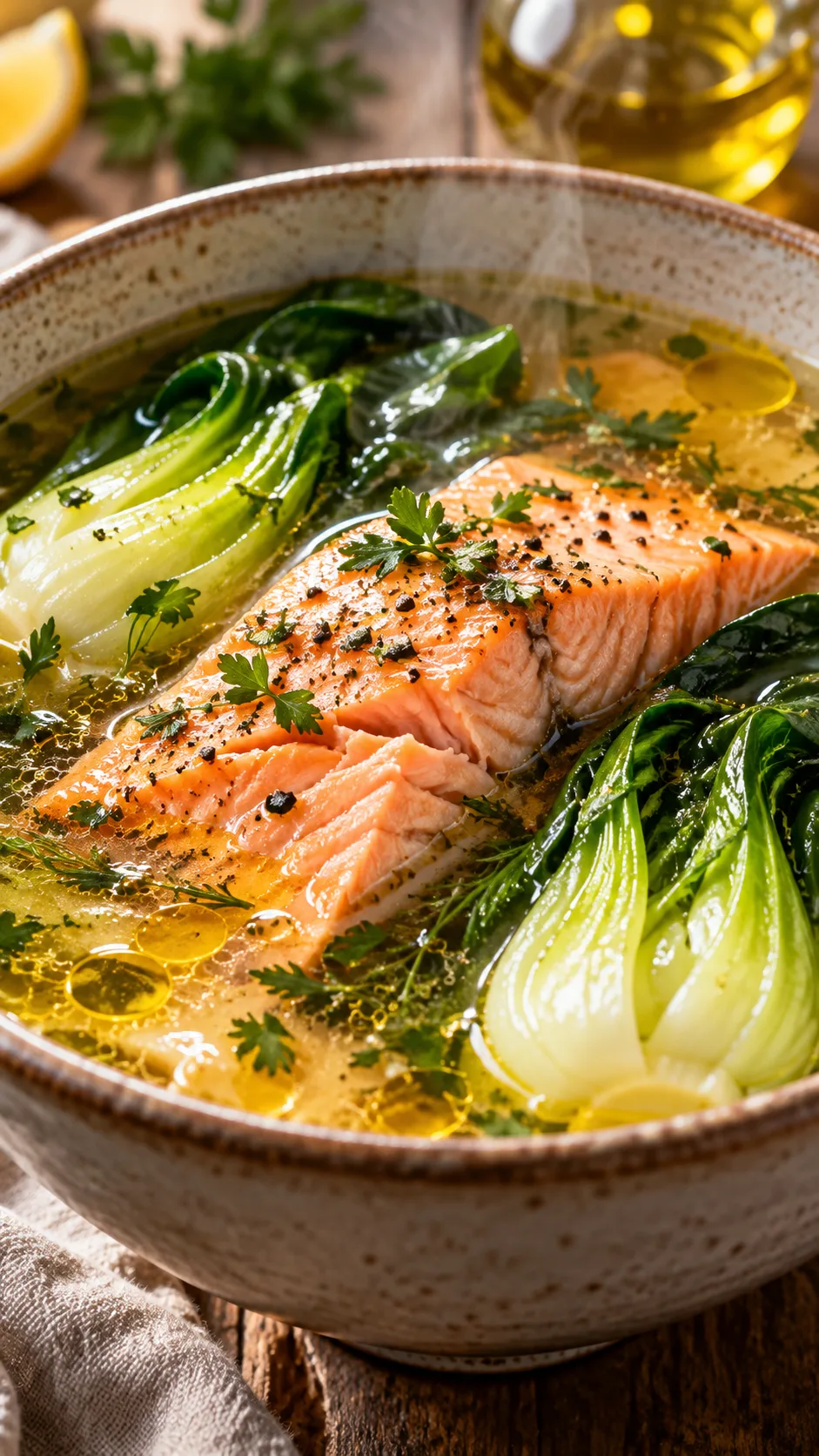
Foods that calmed the fire: my daily staples
Which foods calm inflammation instead of just filling your stomach? After three years of food journaling and routine lab work, these staples earned a permanent place in my kitchen.
1. Cold-water fatty fish
Wild sockeye salmon, sardines, mackerel, and black cod supply most of my animal protein. These fish contain generous amounts of eicosapentaenoic acid (EPA) and docosahexaenoic acid (DHA).
Researchers at Harvard Health explain that omega-3 fatty acids disrupt pathways that create inflammatory prostaglandins. These dietary fats also supply the meibomian glands along your eyelids, improving the oil layer of your tears so moisture evaporates much more slowly.
2. Slow-simmered bone broths and gelatin
Bone broth supplies high amounts of glycine, proline, and glutamine. These amino acids help rebuild the delicate cells of the intestinal wall. Warm broths also soothe a raw throat, turning dry, painful dinners into easy meals you can swallow comfortably.
3. Stewed and steamed dark leafy greens
I dropped raw salads completely. Now, I gently cook rainbow chard, spinach, and bok choy in generous spoonfuls of extra virgin olive oil or ghee. Heat breaks down tough plant fibers and frees up fat-soluble vitamins (A, K, and E) without scratching dry throat tissues.
4. Low-sugar polyphenol-rich fruits
Wild blueberries, blackberries, and pomegranate seeds contain plant pigments called anthocyanins. These compounds disarm free radicals that harm sensitive salivary glands. I frequently blend frozen wild blueberries into coconut milk to soothe sore gums on warm afternoons.
5. Healthy monounsaturated and medium-chain fats
Avocados, extra virgin olive oil, and organic coconut cream provide dense, clean calories. These fats line your digestive tract, support hormone production, and keep your blood sugar steady between meals.
The triggers I removed to stop flares
Cutting food triggers gives your tissues room to heal. Whenever I ate offending ingredients, joint pain flared within two days and my eyes felt like hot sandpaper. Removing four specific culprits lowered my inflammatory markers noticeably.
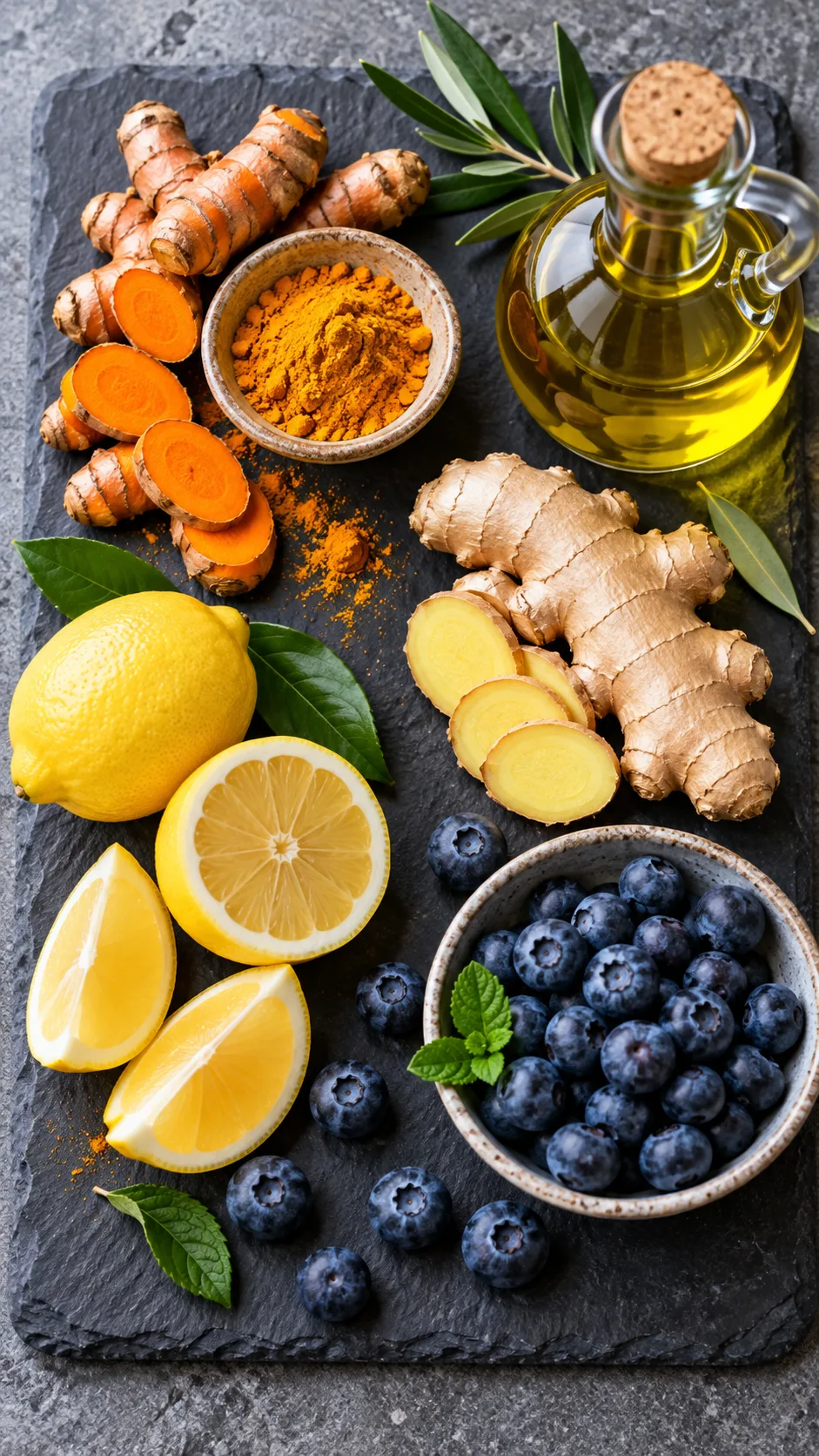
1. Gluten and modern wheat
Gliadin, a protein found in wheat, triggers zonulin release in the intestinal wall. Zonulin loosens the tight junctions between gut cells, allowing irritants to leak into the bloodstream. If you want a clear guide to cutting wheat, read our Gluten Free Diet Beginner’s Playbook.
Giving up fresh bread broke my heart at first. But when my morning stiffness disappeared in three weeks, I had no desire to return to it.
2. Refined sugars and corn syrups
Refined sugars spike insulin and feed harmful microbes in your gut. An imbalanced microbiome drives autoimmune symptoms higher. When I crave sweetness today, I enjoy a teaspoon of raw honey or a green-tipped banana.
3. Alcohol and excess coffee
Coffee and alcohol pull water straight out of your cells. Alcohol also stresses liver function, reducing your capacity to clear circulating immune complexes. I replaced morning espresso with matcha whisked into warm coconut milk and collagen peptides.
4. Crunchy, dry, and acidic snacks
Potato chips, dry crackers, and salty packaged snacks scrape against dry oral tissue like sandpaper. They cause painful canker sores and tiny cuts in xerostomia patients. Swap dry crackers for guacamole, stewed apples, or warm bone broth.
Texture strategies: eating comfortably with dry mouth
Good food does you no good if you choke while swallowing. Many people with Sjögren’s dread mealtimes because swallowing feels difficult or risky. Over the years, I developed practical kitchen adjustments to make eating pleasant again.
- Sauce on everything: Never eat dry protein. Coat every serving of salmon, roasted chicken, or braised beef in broth reductions, olive oil dressings, chimichurri, or coconut sauces.
- Simmering after roasting: Roast root vegetables until tender, then simmer them in bone broth for five minutes. This softens crisp edges and infuses moisture into every bite.
- Purees instead of solid bites: Blend steamed carrots, sweet potatoes, and cauliflower with olive oil, sea salt, and stock. Smooth textures slide down effortlessly while delivering dense nutrition.
- A splash of bitter vinegar: Sip a teaspoon of raw apple cider vinegar in four ounces of warm water before eating. The acidity stimulates residual salivary glands and primes stomach acid.
My daily meal routine for managing inflammation
Here is what an ordinary day on this anti-inflammatory menu looks like. This routine keeps my joints quiet and sustains my energy from morning to night.
Morning: hydration and easy calories
I start my morning with 16 ounces of warm water mixed with fresh lemon juice and a pinch of unrefined sea salt. The salt provides trace minerals that help cells absorb water rather than dumping it straight into your bladder.
Half an hour later, I make a quick breakfast smoothie with unsweetened coconut yogurt, wild blueberries, grass-fed collagen peptides, freshly grated ginger, and soaked chia seeds. This meal offers steady protein, antioxidants, and lubrication without demanding tough chewing.
Midday: clean protein and joint support
Lunch focuses on wild fish or braised meat. A regular staple is baked salmon over steamed zucchini noodles and baby spinach, tossed in extra virgin olive oil, herb pesto, and half an avocado.
If you also manage stomach pain or irritable bowel symptoms, check out our guide to the Low FODMAP diet for beginners to pinpoint fermentable sugars that cause painful bloating.
Evening: tissue repair and digestion
Dinner focuses on soothing textures that promote good sleep. I frequently pair soft baked sweet potatoes with chuck roast braised for hours in rich beef bone broth, garlic, and turmeric.
I keep a small bowl of warm broth beside my plate to sip between bites. The broth eliminates dry-mouth friction, helps food pass smoothly, and eases digestion.

Supplements that supported my dietary shift
Whole foods did most of the work, but targeted supplements accelerated my recovery. Always consult your rheumatologist or care team before introducing supplements, especially if you take immunosuppressant medication.
Studies indexed in the National Institutes of Health Database show that specific nutritional supplements can improve clinical outcomes in autoimmune patients.
- High-dose purified fish oil (3,000 mg daily): Concentrated EPA and DHA soothe dry eye surfaces and reduce morning joint stiffness.
- Sea buckthorn oil (Omega-7): Palmitoleic acid nourishes mucosal tissues, restoring comfort to dry eyes, mouth tissues, and intimate areas.
- Liposomal curcumin: This turmeric extract blocks inflammatory COX-2 pathways, easing joint pain without upsetting your stomach lining.
- Vitamin D3 with K2: Vitamin D functions like a hormone in the body, regulating immune cell activity and tempering antibody production.
- Xylitol melts before bed: Slow-dissolving xylitol discs adhere to your gums overnight, encouraging saliva flow and protecting your teeth from decay while you sleep.
What to do when symptoms flare
Recovery never moves in a straight line. Weather fronts, acute stress, accidental gluten exposure, or rough nights of sleep will trigger flares from time to time. When sandpaper eyes and heavy exhaustion return, you need an immediate plan.
Drop any guilt immediately. Autoimmune symptoms fluctuate naturally, and a bad week does not wipe out months of healing. When symptoms spike, strip your meals down to basic, easily digested foods.
For two days, I rely on rich bone broths, soft pureed zucchini, plain baked salmon, and marshmallow root tea. Marshmallow root releases plant mucilage that coats the throat and calms irritated oral tissues within minutes.
Get ten hours of rest, turn off screens after dark, and drink plenty of electrolyte water. When you remove physical and dietary stress, your body clears circulating immune complexes much faster and returns to its baseline.
The reality of consistent dietary changes
Healing an autoimmune condition demands patience and steady experimentation. Six months after changing my diet, my C-reactive protein (CRP) and erythrocyte sedimentation rate (ESR), two standard lab tests for inflammation, dropped back into normal ranges.
Today, I wake up with a comfortable mouth. I walk downstairs without pain in my ankles. I work through the afternoon without brain fog dragging me down. No slice of bread or sweet pastry tastes good enough to justify giving up that relief.
View your plate as real cellular medicine instead of a list of restrictions. Start by replacing one inflammatory food with a soothing, moisture-rich whole food today. Your body will feel the difference.