You downloaded the calorie app. You logged breakfast for three days. Then you quit, because typing “medium banana, slightly bruised” into a search bar felt like a part-time job.
You can track meals with one tap of your phone camera. A diet food snap habit takes about five seconds per meal, and it still gives you the awareness that makes food tracking work. Ready to ditch the spreadsheet guilt?
Why bother tracking at all? A Kaiser Permanente study of nearly 1,700 adults found that people who kept daily food records lost about twice as much weight as those who kept none. You can read more about the research on weight management at Mayo Clinic. The catch? You have to keep doing it, and photos make that far easier.
1. Snap before you bite (the whole method in one rule)
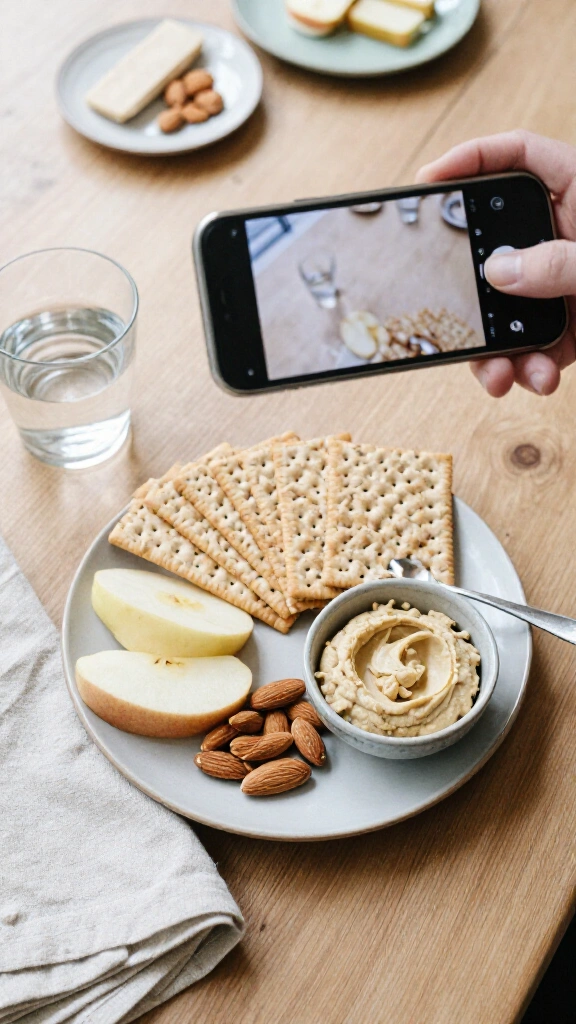
Take the photo before the first forkful, every time, no exceptions. Your camera roll becomes a visual food diary that shows what you eat, which often differs from what you think you eat.
I tried this for two weeks and felt a little silly at first. Then I scrolled back and spotted four afternoon snack photos in a row that all looked like beige crackers. Awkward, but useful.
Why before and not after?
Photos you take mid-meal or afterward miss the full portion. Shooting first also gives you a split second to pause, and that pause often changes your decision. It costs you no willpower at all.
2. Make a dedicated album (no new app required)
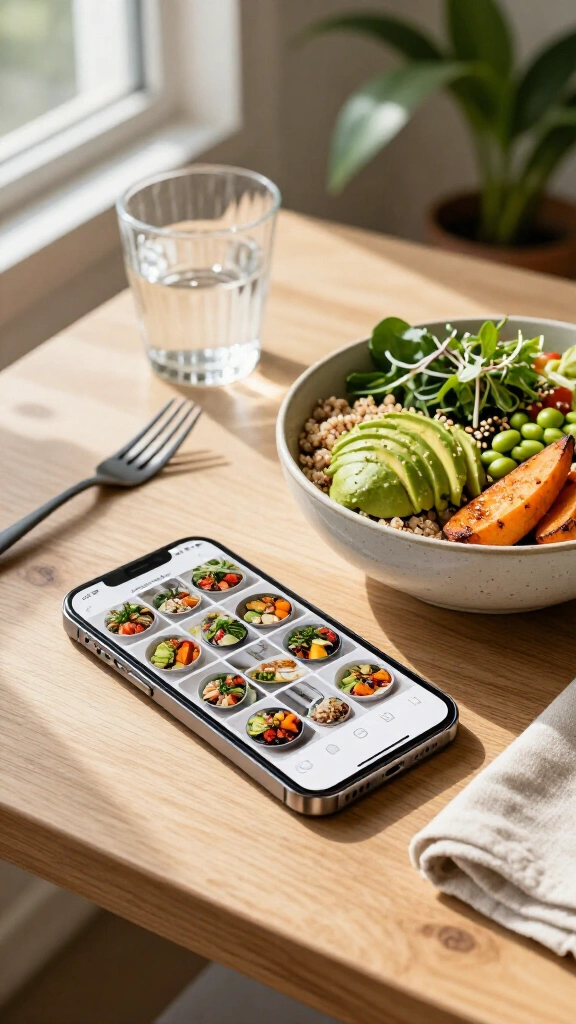
You don’t need a fancy tracker. Create an album called “Food” on your phone and save every meal photo there. Your gallery already syncs and backs up, and you can search it by date.
FYI, this also kills the “I forgot to open the app” excuse. Your camera sits one swipe away from your lock screen.
- Pin the album to your favorites so you find it fast.
- Turn on cloud backup so a lost phone doesn’t erase your progress.
- Keep the album private if you don’t want your vacation photos in the same pile.
3. Shoot from the same angle every time
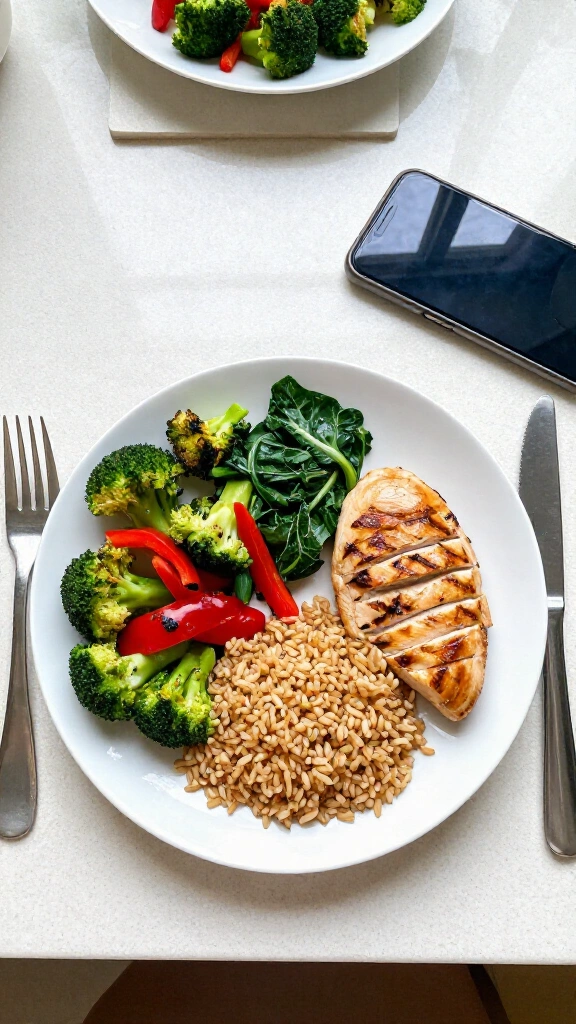
Consistency turns random pictures into usable data. Hold your phone directly above the plate and you capture the full portion in one frame. An overhead shot also lets you compare plates across days.
Want to judge portions better? Use a familiar reference, like your regular dinner plate. The Harvard Healthy Eating Plate gives a simple visual guide: fill about half your plate with vegetables and fruit, a quarter with whole grains, and a quarter with healthy protein.
The quick plate check
Glance at your photo and ask yourself one question: does this plate look balanced? If half of it hides under cheese, you have your answer.
4. Photograph the drinks and sneaky extras
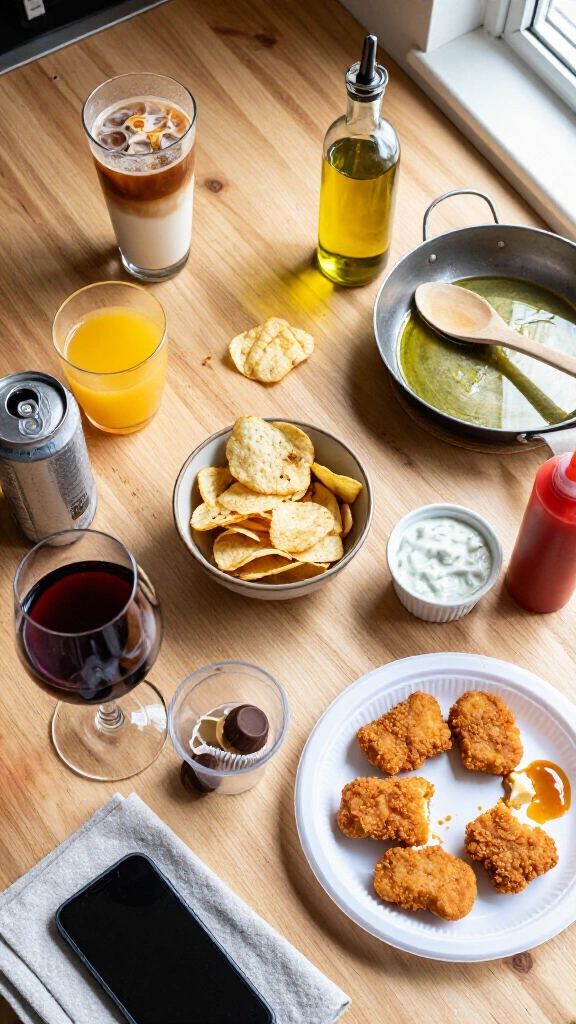
Most people photograph dinner and forget everything else. Liquid calories and “just a bite” moments add up fast, and they rarely feel like real eating. Your latte with syrup counts. So does the handful of chips you grabbed while cooking.
Snap these too:
- Coffee drinks, juice, soda, and alcohol
- Office snacks and samples
- Cooking oil, sauces, and dressings
- Your kids’ leftover nuggets (we’ve all been there)
IMO, this step reveals more than any other. Most people find two or three “invisible” habits within the first week.
5. Add a note that takes five seconds
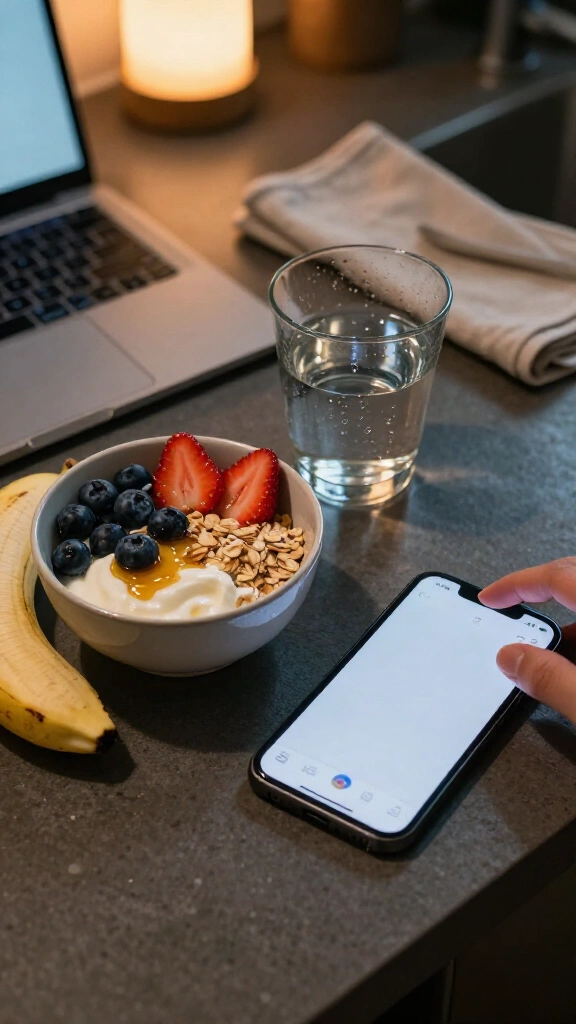
A photo shows what you ate. A tiny note explains why. Type or dictate a few words, like “stressed,” “starving,” “social,” or “bored.”
These notes reveal patterns that calorie counts never show. You might notice that every late night snack follows a rough workday. Once you see that, you can fix the real problem instead of blaming your willpower.
Keep it short
One word works. If a note takes longer than five seconds, you will skip it, and the lazy method falls apart.
6. Scroll your photos once a week
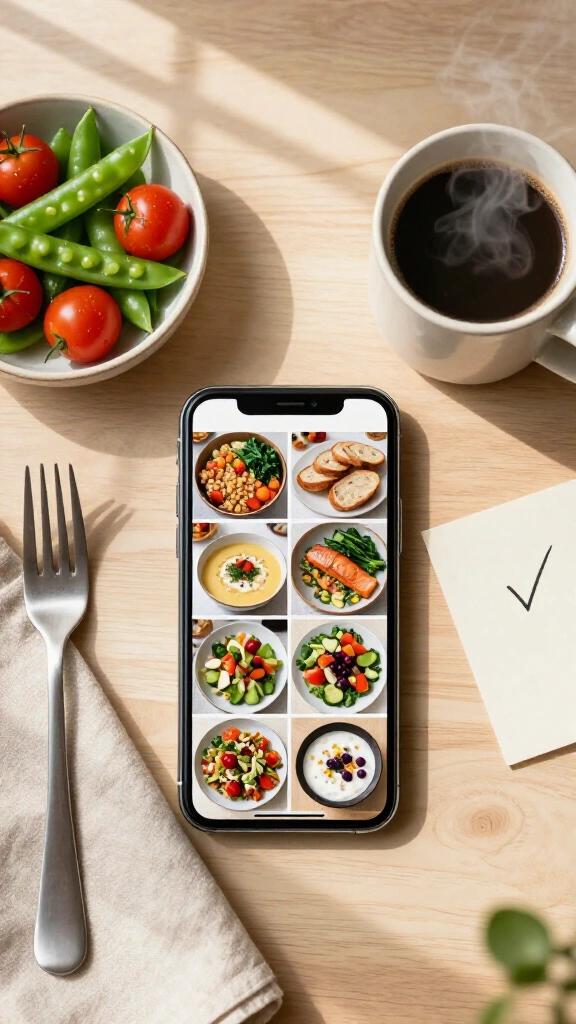
Snapping is only half the system. Set aside 10 minutes each week, maybe Sunday with your coffee, and scroll through the last seven days. You will spot patterns fast.
Ask yourself three questions:
- Where did vegetables show up, and where did they vanish?
- Which meals left me full, and which sent me back to the pantry?
- What one change can I make next week?
Pick only one change. If your photos show lots of snacks and not much staying power, try the filling meal ideas in our guide to healthy diet food that keeps you full.
7. Pair your photos with one simple goal
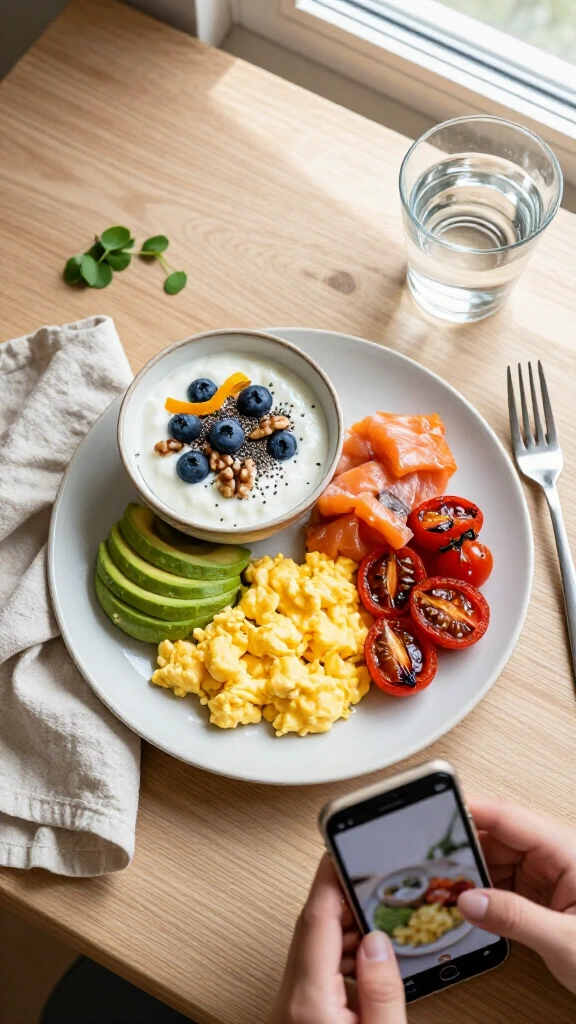
Photos work best when they support a clear target. Don’t overhaul your whole diet. Choose one measurable habit, like “protein at every breakfast” or “no eating after 9 p.m.,” and let your camera roll hold you accountable.
Some people like a structured morning rule. If that sounds like you, check out the 30-30-30 method diet and snap your breakfasts to see whether you hit the mark. Others focus on food quality, such as following an anti-inflammation diet meal plan, where photos make it easy to spot which meals fit and which don’t.
8. Snap labels and restaurant menus too
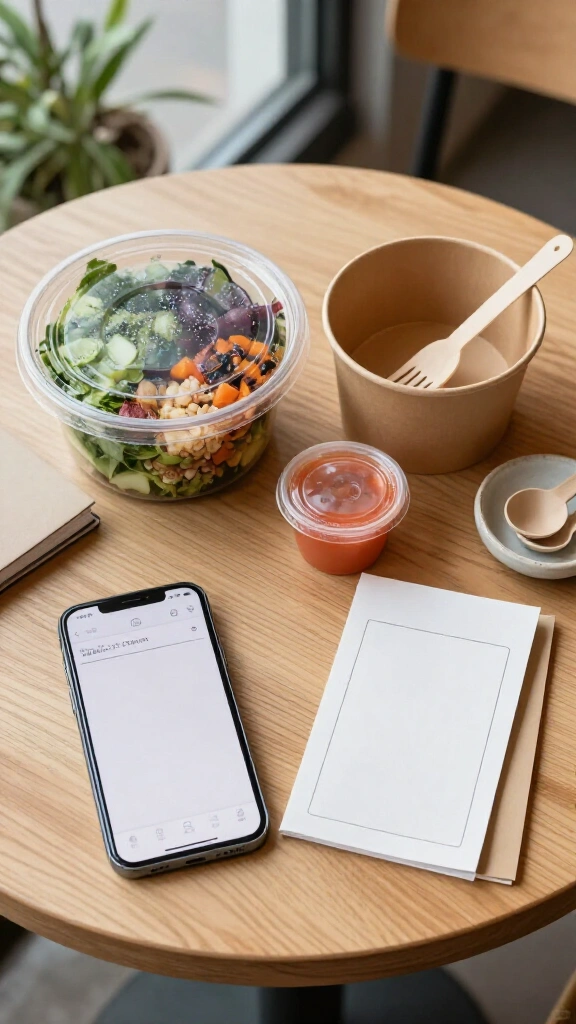
Sometimes the plate doesn’t tell the whole story. A quick photo of a nutrition label or menu description saves details you would otherwise forget. This works well for packaged foods, takeout, and anything with a mystery sauce.
For reliable nutrient numbers, the FDA’s guide to the Nutrition Facts label explains serving sizes and the % Daily Value in plain English, and it covers added sugars too.
Don’t overdo it
You don’t need to crunch every number. Treat label photos as a reference for the times a meal surprises you, and leave the homework to someone else.
Lazy tracking beats perfect tracking
The best tracking method is the one you will still use in three months. A diet food snap routine wins because it asks almost nothing from you: one tap, one album, and one weekly scroll.
The whole system in short:
- Snap before you eat, every time.
- Keep one album and shoot from above.
- Include drinks and snacks along with your meals.
- Add a single word to catch emotional triggers.
- Review weekly and change just one thing.
Photos won’t replace medical advice. If you manage a health condition or have a history of disordered eating, talk with a registered dietitian or doctor before you start any tracking method. For everyone else, start with your very next snack. By Sunday, your camera roll will hold the evidence.