

Your kid loved the pasta on Monday. By Wednesday, they eye the same container like it holds a science experiment. Sound familiar? You spent three hours cooking on Sunday, and now you’re negotiating over reheated broccoli.
I’ve been there, and so have most parents I know. Kid friendly meal prep works when you change what you prep and how you serve it. Here is how I do it.
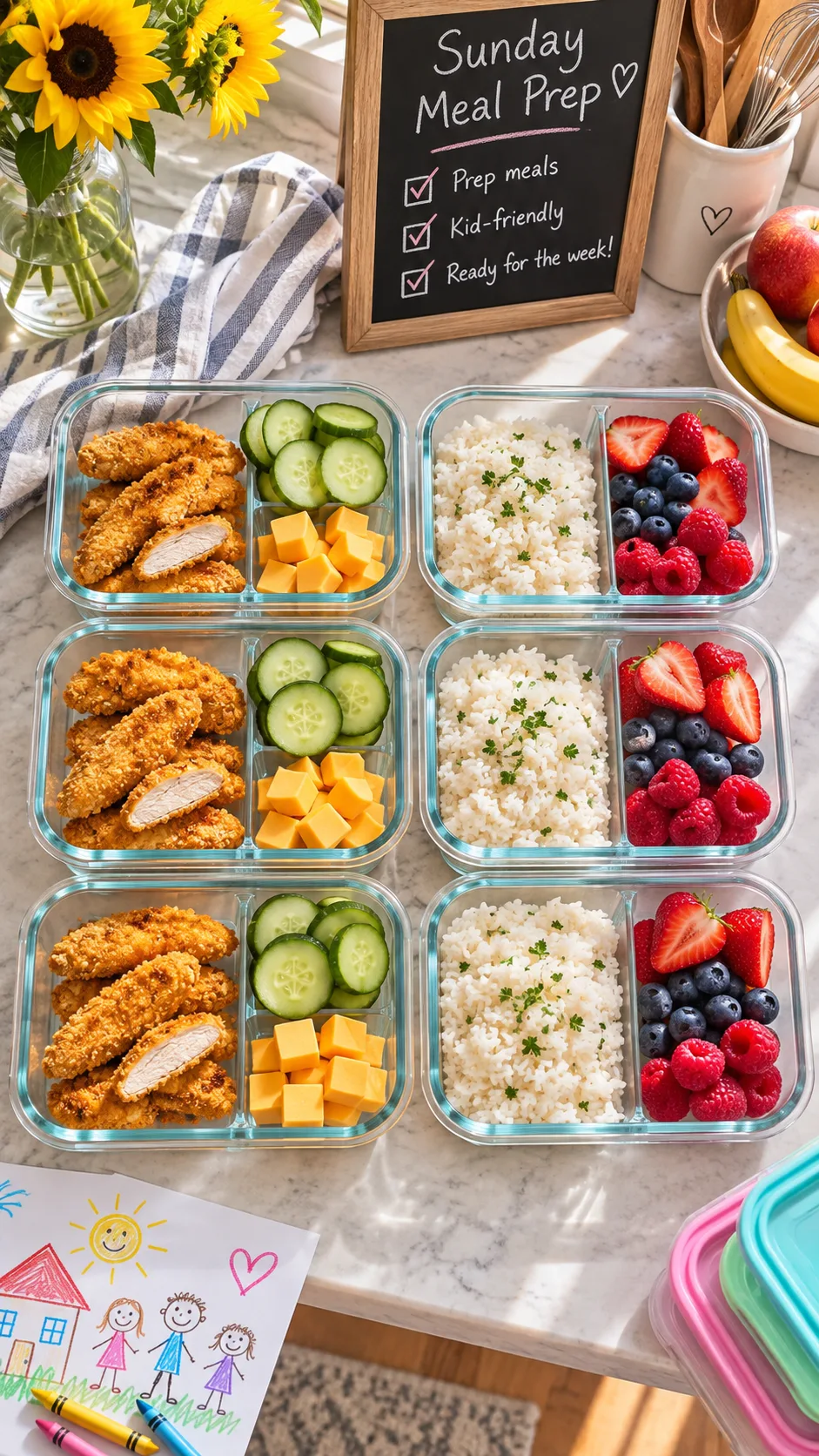
Why kids reject meal prepped food (and it’s not because they’re dramatic)
Kids don’t hate leftovers out of spite. They react to texture, temperature, and surprise. Soggy, mushy, or mixed-together food triggers an instant “no.”
Adults tolerate a casserole on day four. Kids refuse it. Three things usually go wrong:
- Food touches other food. Sauce bleeds into the rice, and your child stages a protest.
- Texture changes. Crispy turns rubbery, and crunchy turns limp.
- Every meal looks the same. By day five, menu fatigue sets in.
Fix those problems and you win most of the battle. The next change is the one that transformed my Sundays.
Prep components, not complete meals
My strongest opinion on the topic: stop prepping finished meals for kids. Prep ingredients instead, then let your kid assemble them differently each day.
A pot of chili feels like a “meal” to you. Your kid sees a brown, lumpy bowl. Grilled chicken, rice, shredded cheese, and soft tortillas are a build-your-own situation, and kids love control.
The mix-and-match method
Prep a few options from each category below. Your kid builds a different plate every day, and you cook nothing new.
- Protein: shredded chicken, mini meatballs, hard-boiled eggs, baked tofu cubes, turkey roll-ups
- Carb: pasta, rice, mini pancakes, tortillas, roasted potato wedges
- Veggie: raw cucumber coins, steamed carrots, roasted sweet potato, snap peas, cherry tomatoes
- Fruit: grapes, apple slices, berries, clementine segments
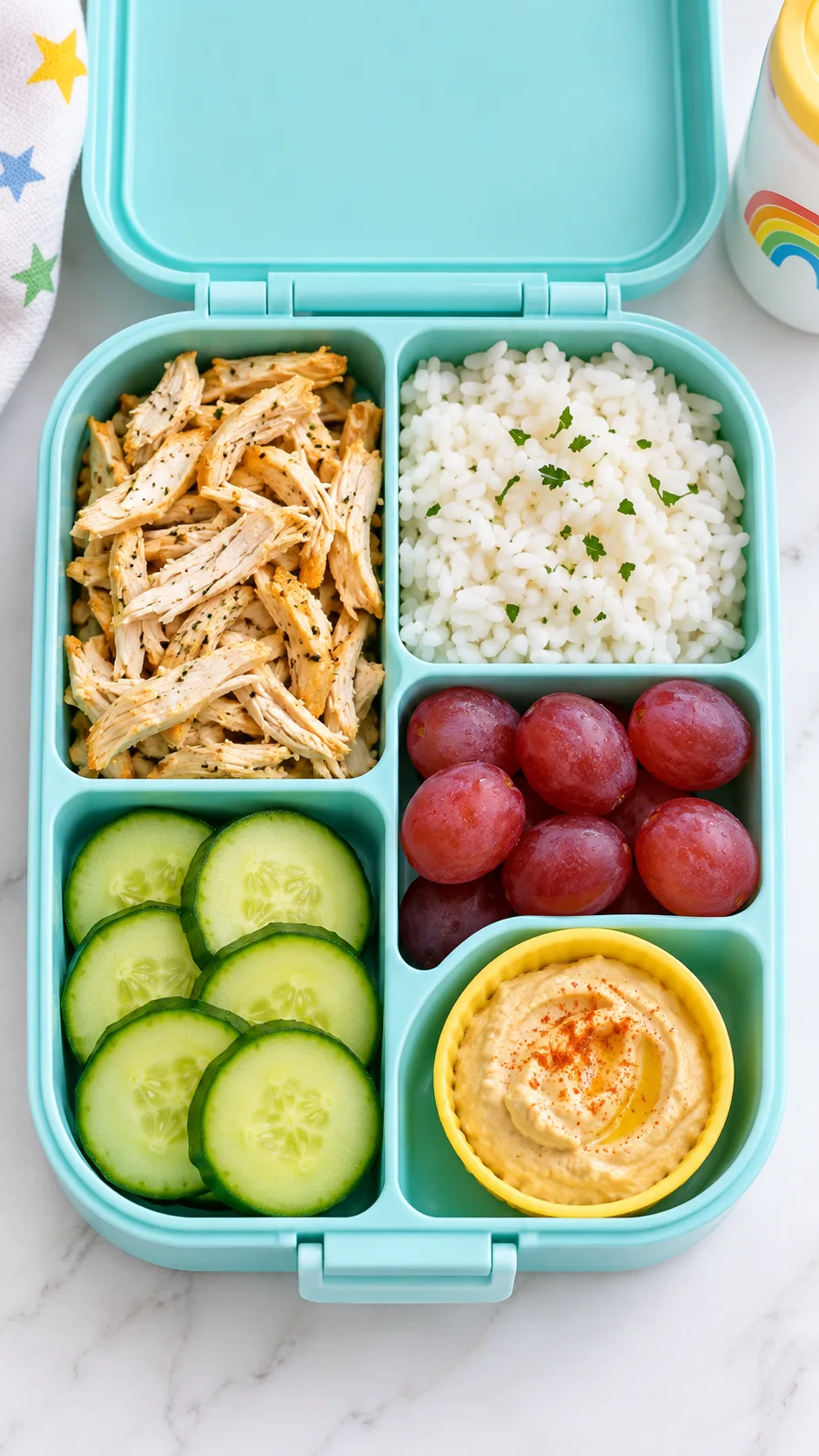
- Dip or sauce: hummus, ranch, yogurt dip, mild marinara, guacamole
Pay attention to the dip category. Dips make almost any vegetable more appealing to a small person. Don’t question it. Just buy the hummus.
The kid-proof prep formula
Every item you prep should pass four simple tests. If it fails one, it probably ends up in the trash by Thursday.
1. Does it taste fine cold or reheated?
Some foods taste great at room temperature. Others turn sad in the microwave. Choose foods that handle both, or match the serving method to the food.
2. Does it stay separate?
Use silicone muffin cups, bento boxes, or divided containers. Separation keeps textures intact and keeps picky eaters calm. Spending a little on containers saves you a lot of lunchtime drama.
3. Can small hands eat it without help?
Finger foods win. Kids eat strips, cubes, coins, and mini versions of anything faster than food that needs a fork and patience. Cut sandwiches into shapes if your child cares. Mine did, and I had no pride about it.
4. Does it have a backup?
Put one safe food in every meal. That’s a food your child reliably eats, like plain pasta or banana slices. A safe food lowers anxiety, so kids try the other items on the plate more willingly.
A 90-minute Sunday prep routine
You don’t need a marathon cooking session. Aim for 90 minutes and run tasks at the same time. I follow this order:
- Heat the oven to 400°F (200°C). Slide in a tray of sweet potato wedges and another with chicken tenders or meatballs.
- Boil water. Cook pasta or rice while the oven works.
- Boil eggs. Drop them in while you chop.
- Wash and cut fruit and raw veggies. Pat everything dry so it stays crisp.
- Mix a dip or two. Stir plain yogurt with a little ranch seasoning and you’re done.
- Cool, portion, and label. Grab masking tape and a marker, then write the day or the freeze date.
Want ideas for the grown-up side of the table? My guide to healthy dinner meal prep for the week uses a similar batch approach, and you can cook both menus in the same session.
Food safety: how long does kids’ meal prep really last?
This part matters, so I’ll stay serious for a minute. The USDA’s food safety guidance says cooked leftovers stay safe in the fridge for about 3 to 4 days. You can find more at FoodSafety.gov.
That means a “whole week” of prepped food needs a freezer. Kids’ immune systems are still developing, so don’t gamble here.
My simple two-batch rule
- Days 1 to 3: Serve food from the fridge.
- Days 4 to 5: Pull portions from the freezer the night before and thaw them in the fridge.
- Cool cooked food quickly. Get it into the fridge within 2 hours of cooking.
- Reheat leftovers to 165°F (74°C). A cheap food thermometer takes out the guesswork.
This rule also fixes the menu fatigue problem. Frozen portions taste fresher on day five than fridge food that sat for five days.
Foods that survive the week (and ones that don’t)
I tested a lot of foods on a very honest audience: my own kids and their cousins. Here’s what held up.
Winners
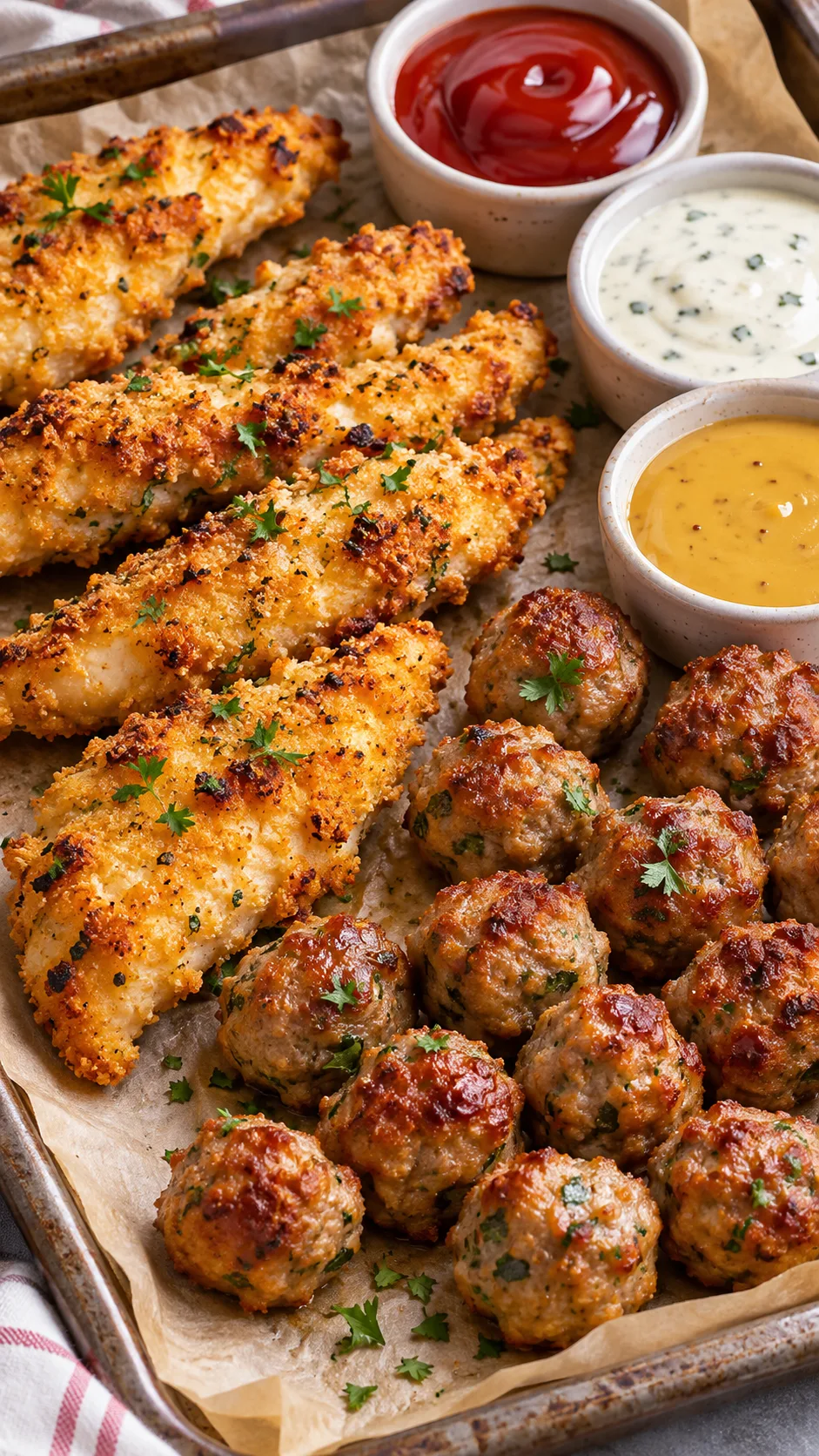
- Mini meatballs: They reheat well and freeze beautifully.
- Baked chicken tenders: Reheat them in the oven or air fryer for crunch. For more protein ideas, try these chicken breast meal prep ideas.
- Egg muffins: Whisk eggs with cheese and diced veggies, then bake in a muffin tin.
- Mini pancakes or waffles: Freeze them flat and toast them straight from the freezer.
- Pasta with sauce on the side: Keep the sauce separate and nobody complains.
- Quesadilla wedges: They work cold, warm, and in a lunchbox.
Losers
- Sliced apples without lemon water: They brown fast. A quick soak in water with a squeeze of lemon helps.
- Leafy salads with dressing: They wilt into a soggy mess.
- Fried foods reheated in the microwave: They turn rubbery. Use the oven instead.
- Creamy soups with tiny floating bits: Many kids refuse them on sight.
Breakfast, lunch, and snack ideas kids ask for
Dinner gets all the attention, but breakfasts and snacks eat up your mornings and afternoons. Prep those too.
Grab-and-go breakfasts
- Freezer pancakes with a small cup of yogurt
- Egg muffins plus fruit
- Overnight oats in a jar (use a mild flavor, like banana or cinnamon)
- Whole grain mini muffins loaded with grated zucchini
Lunchbox builders
- Turkey and cheese roll-ups with crackers
- Pasta salad with cucumbers and a mild dressing on the side
- Rice bowls with chicken and corn
- Mini pita pizzas with sauce, cheese, and one veggie topping
Snack boxes
- Cheese cubes, whole grain crackers, and grapes
- Apple slices with sunflower seed butter
- Cut veggies with hummus
- Plain popcorn and a few banana chips
Check your child’s school nut policy before you pack peanut or tree nut butter. Many schools ban them.
Get your kids involved (yes, really)
Why will a kid eat a mediocre meatball they rolled themselves but reject a perfect one you made? Ownership changes everything.
Give your child age-appropriate jobs on prep day:
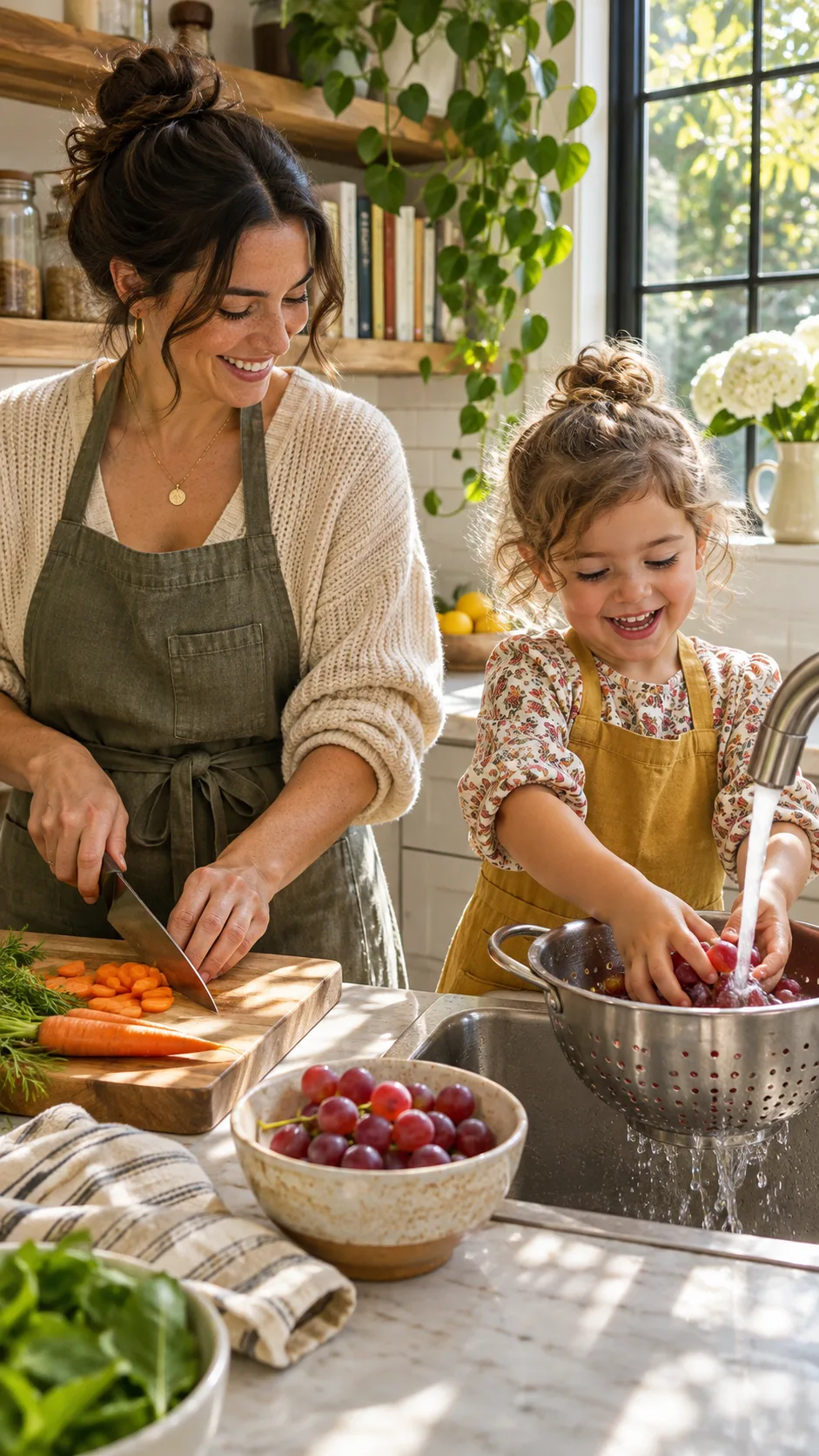
- Ages 2 to 4: Wash produce, stir cold ingredients, and tear lettuce.
- Ages 5 to 7: Roll meatballs, assemble roll-ups, and fill muffin cups.
- Ages 8 and up: Cut soft foods with a kid-safe knife, measure ingredients, and label containers.
Let them pick one new food from the store each week, too. The American Academy of Pediatrics runs a parent resource at HealthyChildren.org with feeding advice by age.
Handling picky eaters without losing your mind
Picky eating is normal, especially between ages 2 and 6. Kids may need many repeat exposures, sometimes ten or more, before they accept a new food. So don’t panic after one rejected carrot.
What works
- Serve tiny portions of new foods next to safe foods.
- Skip the bribes. “Eat your peas and get dessert” teaches kids that peas are the enemy.
- Eat the same food yourself. Kids copy what they see.
- Stay neutral. A shrug beats a lecture every time.
The USDA’s MyPlate site offers practical guidance on balanced portions for kids, if you want a reference point. And if your child’s eating habits worry you, talk to your pediatrician.
Watch: kid-friendly meal prep in action
Sometimes you need to see it. This walkthrough follows a full prep session with kid-approved foods.
A sample week that won’t bore anyone
Here’s how I rotate the same prepped components into five different meals. I think this is the real secret to meal prep for kids that lasts all week.
- Monday: Chicken tenders, roasted sweet potato wedges, cucumber coins, and ranch dip
- Tuesday: Rice bowl with shredded chicken, corn, and cheese
- Wednesday: Egg muffins, fruit, and toast strips
- Thursday (from the freezer): Mini meatballs, pasta, and sauce on the side
- Friday (from the freezer): Quesadilla wedges, carrot sticks, and hummus
You cook the same handful of items, and your kid sees five different plates. That’s the whole trick.
Common mistakes to skip
- Prepping too much of one thing. Variety beats volume.
- Ignoring your kid’s feedback. If they hate it on Monday, don’t repeat it Thursday.
- Over-seasoning. Keep flavors mild and let kids add sauces.
- Skipping labels. You will forget what day you cooked that rice. Everyone does.
- Expecting perfection. Some food will come home uneaten. That’s normal.
Want to build better habits for the whole family? The principles in this real food diet reset pair nicely with kid-friendly prep, since both focus on simple, whole ingredients.
Final thoughts: make it easy, keep it flexible
Meal prep for kids works when you prep components, keep foods separate, freeze the back half of the week, and let your child help. Skip the fancy gear and the Pinterest-perfect fridge. A plan and a little flexibility are enough.
Start small this Sunday. Pick two proteins, two carbs, two veggies, one fruit, and one dip. Cook them, portion them, and watch what disappears first.
Your next step: Write your list tonight, shop tomorrow, and prep on the weekend. By Wednesday, you might hear your kid ask for seconds. Wouldn’t that be a nice change?