

Raise your hand if you have ever chewed through a rubbery, bone-dry chicken breast on a Wednesday afternoon and questioned every life choice that led to that moment. Most of us know that frustration. You spend two hours on Sunday grilling skinless, unseasoned poultry, only to find yourself foraging for vending machine chips by 2:30 PM.
Dry poultry gives fitness meal prep a bad reputation. People assume clean eating demands monastic discipline, limp steamed broccoli, and jaw fatigue. In reality, chicken breast packs 31 grams of lean protein per 100 grams, making it an affordable powerhouse for building muscle and shedding fat.
You do not need to swallow chalky meat to hit your daily nutrition targets. When you combine basic kitchen techniques with fiber-rich carbs, crisp vegetables, and small amounts of healthy fats, simple chicken breast turns into satisfying lunches that quiet your hunger until dinner.
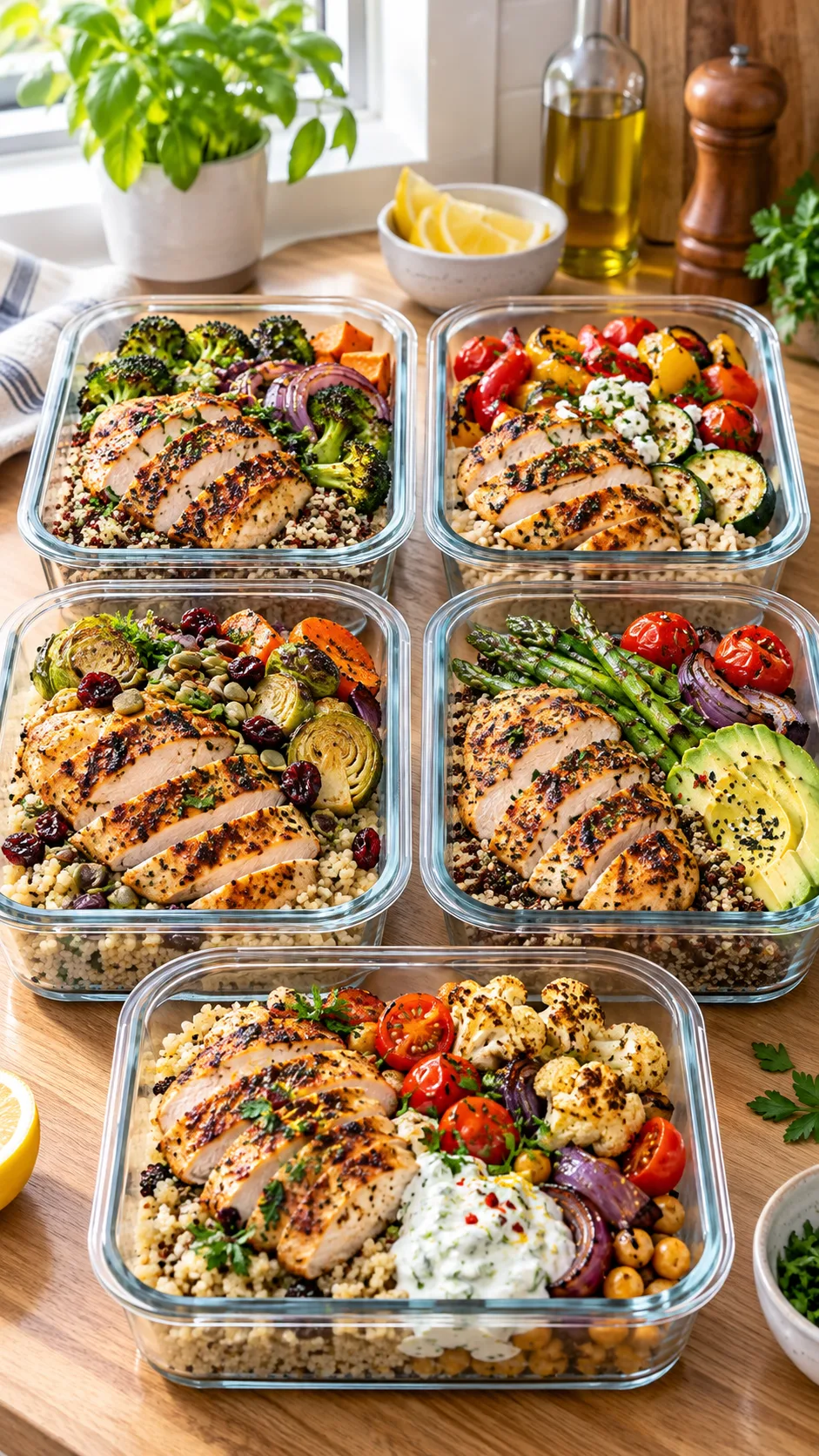
The satiety blueprint: why plain chicken breast leaves you hungry
Ever wonder why a 40-gram chicken breast leaves your stomach growling two hours later? Protein stimulates satiety hormones like peptide YY and GLP-1 while suppressing the hunger hormone ghrelin. Clinical research in the American Journal of Clinical Nutrition confirms that dietary protein produces stronger feelings of fullness than carbohydrates or fats.
However, your stomach digests pure lean protein relatively fast when you eat it alone. Chicken breast contains almost no fiber and very little fat. Without those two elements, your digestive tract empties quickly, leading to a blood sugar dip and an afternoon energy slump.
To build lunch bowls that conquer true hunger, assemble a four-part nutritional foundation:
- The anchor (lean protein): 35 to 45 grams of protein per meal stimulates muscle growth and turns down hunger signals.
- The slow burn (complex carbohydrates): Sweet potatoes, quinoa, farro, and black beans provide steady glucose without insulin spikes.
- The volume expansion (fiber-dense vegetables): Cruciferous options like broccoli, Brussels sprouts, and cabbage physically stretch the stomach wall, signaling fullness directly to your brain.
- The satiety brake (healthy fats): Avocado, tahini, olive oil, and feta cheese slow digestion, keeping food in your stomach longer.
If you like experimenting with different staple foods, you can find similar frameworks in our guide to high protein meal prep recipes. Today, we focus on poultry.
Four golden rules for juicy, reheatable chicken breast
Before you start cooking, master a few basic principles. Most home cooks dry out their poultry before it ever hits a fork. Follow these four rules to keep your meat tender through Friday.
1. Dry brine with salt ahead of time
Salt your raw chicken breasts at least 45 minutes before cooking, or leave them salted uncovered in the fridge overnight. Salt breaks down tight protein structures, helping the meat retain its natural juices when cooking heat contracts the fibers. Skip this step, and your chicken will release all its moisture onto the baking sheet.
2. Uniform thickness beats high heat
Chicken breasts have an awkward teardrop shape. The tapered tail cooks in eight minutes, while the thick round end needs fifteen. If you leave them uneven, you burn the tail while waiting for the center to finish. Pound your chicken breasts to an even 3/4-inch thickness using a rolling pin or meat mallet inside a zip-top bag.
3. Use an instant-read digital thermometer
Stop cutting into your chicken on the cutting board to check for pink meat. Every cut releases the juices you want inside the chicken. The USDA Food Safety and Inspection Service recommends an internal temperature of 165°F (74°C). Pull your chicken breasts off the heat at 160°F (71°C); internal heat finishes the cooking while the meat rests.
4. Slice against the grain
Look closely at the cooked chicken breast to spot the direction of the muscle fibers. Always cut perpendicular across those lines. Slicing against the grain cuts through the tough fibers mechanically, creating a tender bite that holds moisture during reheating.
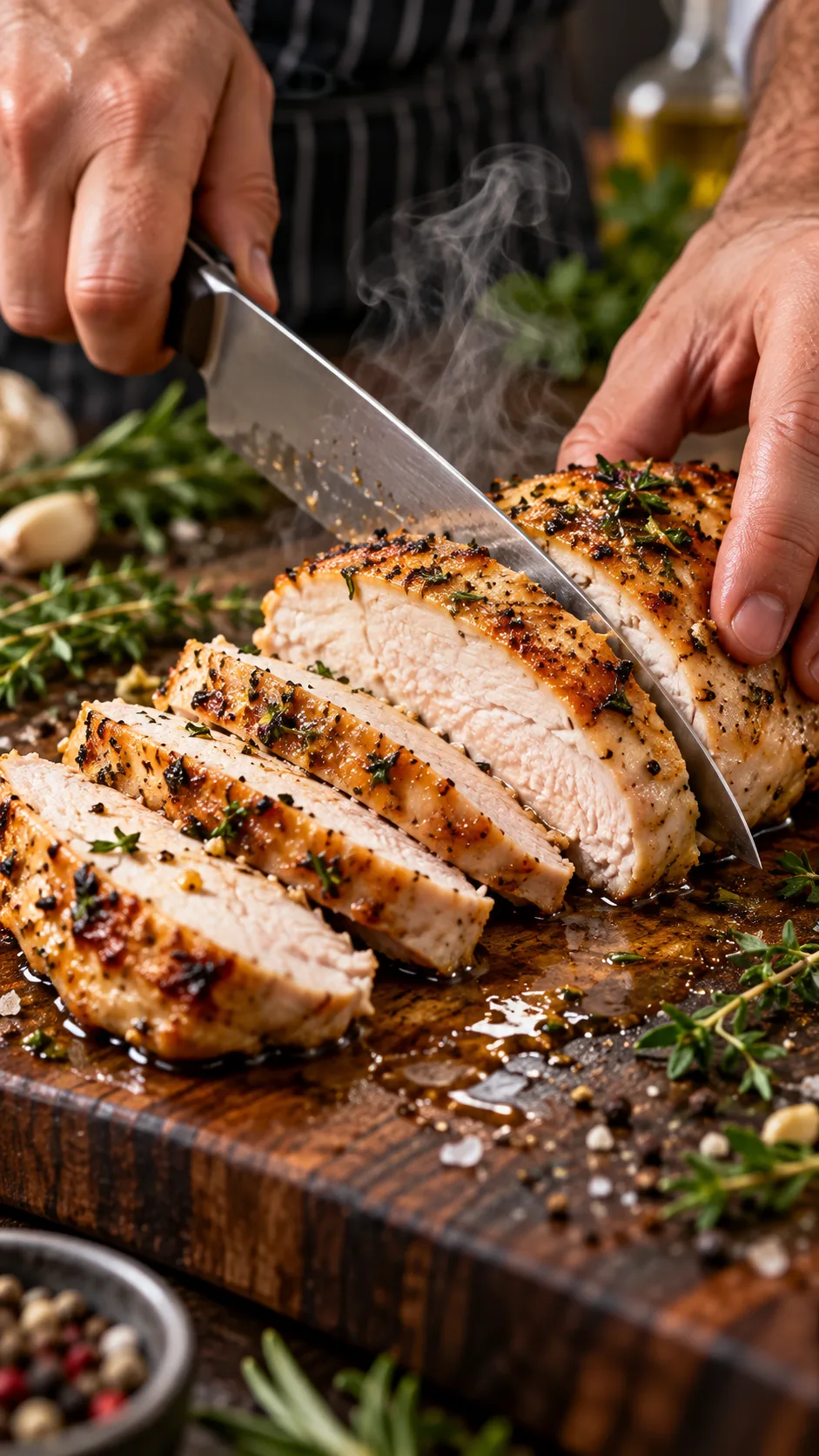
Watch: how to bake juicy chicken breasts every time
If you prefer a visual guide before batch cooking, watch this quick demonstration on baking temperatures and resting techniques:
Five high-protein chicken breast meal prep ideas that satisfy
These five recipes step away from boring gym food. Each bowl delivers at least 42 grams of protein, slow-digesting carbs, and bold sauces that stay fresh in the fridge all week.
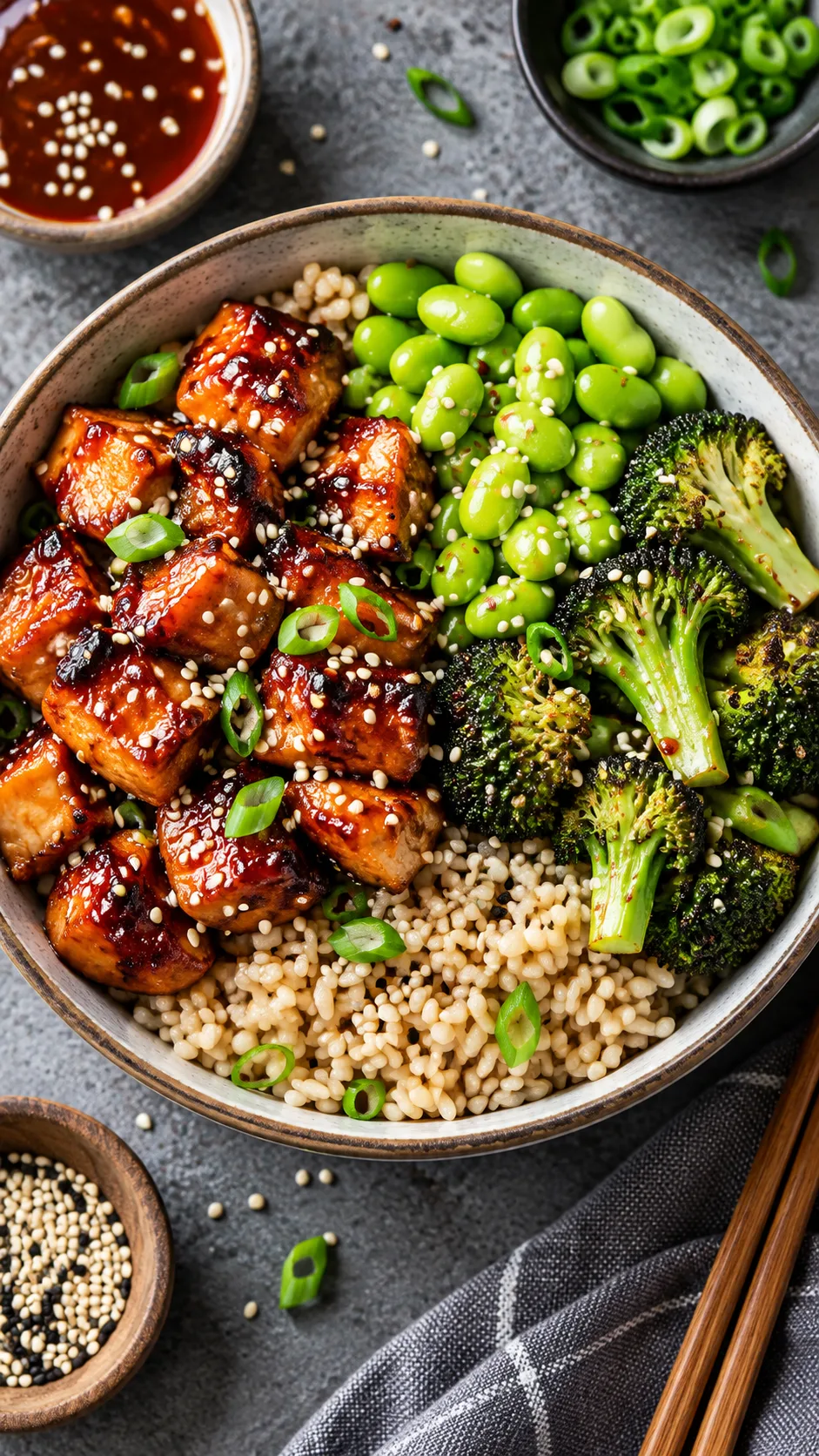
Chipotle lime chicken burrito bowls with avocado crema This bowl beats takeout while keeping your grocery bill low. Coat chicken breasts in minced chipotle peppers in adobo, smoked paprika, cumin, and lime juice before searing them in a hot cast-iron skillet. Pair the chicken with cilantro brown rice, seasoned black beans, and blistered fajita peppers and onions. The beans deliver soluble fiber that expands in your stomach, keeping hunger away for hours. The secret sauce: Blend nonfat Greek yogurt with one ripe avocado, fresh cilantro, garlic, lime juice, and salt. You get rich creaminess, extra protein from the yogurt, and healthy fats from the avocado without pouring on heavy oil. Nutrition per serving: 510 Calories | 46g Protein | 48g Carbs | 14g Fat | 11g Fiber Greek lemon herb chicken with roasted garlic farro and tzatziki Mediterranean flavors keep your weekday lunches interesting. Marinate your chicken breast in fresh lemon juice, dried oregano, minced garlic, red wine vinegar, and olive oil. Roast or grill the cutlets until they turn golden brown. Serve the chicken alongside nutty farro, roasted chickpeas, diced Persian cucumbers, cherry tomatoes, and kalamata olives. Farro delivers more protein and zinc than standard white rice, giving this bowl lasting staying power. Top each bowl with homemade tzatziki made from strained Greek yogurt, grated English cucumber, fresh dill, and crushed garlic. For more midday Mediterranean meals, explore our favorite lunch meal prep for the week. Nutrition per serving: 490 Calories | 48g Protein | 42g Carbs | 13g Fat | 9g Fiber Korean BBQ chicken with sesame edamame and brown rice If you crave bold, savory Korean dishes, this recipe hits the mark while supporting your fitness routine. Cube your chicken breasts and sear them quickly in a skillet. Toss the pieces in a sauce made from gochujang chili paste, low-sodium soy sauce, fresh ginger, minced garlic, and a spoon of maple syrup. Combine the glazed chicken with steamed short-grain brown rice, shelled edamame, and crisp garlic broccoli florets. Edamame offers a dual advantage: dense plant protein and high dietary fiber. Garnish each portion with toasted sesame seeds and sliced green onions. The heat from the gochujang provides great flavor while the bulky broccoli fills your stomach completely. Nutrition per serving: 525 Calories | 50g Protein | 53g Carbs | 11g Fat | 8g Fiber Creamy Tuscan pesto chicken with high-protein lentil pasta Meal prep can easily mirror a warm Italian trattoria dish. Roast chicken strips seasoned with Italian herbs, garlic, and black pepper. Sauté baby spinach and sun-dried tomatoes in a pan until tender and fragrant. Toss red lentil or chickpea penne with basil pesto and a splash of warm chicken bone broth. The broth creates a silky emulsion without needing cups of heavy cream. Lentil pasta also provides double the fiber of regular semolina wheat noodles. Toss the sliced chicken, greens, and pasta together, then dust with grated Parmigiano-Reggiano cheese. This dish satisfies cravings for comfort food while refueling your muscles after tough training sessions. Nutrition per serving: 540 Calories | 52g Protein | 45g Carbs | 15g Fat | 12g Fiber Buffalo ranch shredded chicken with crispy sweet potatoes and slaw Buffalo wings make great weekend food, but this bowl brings those spicy flavors straight into your workday. Poach chicken breasts gently in broth, then shred the meat with two forks. Toss the warm shredded chicken in cayenne hot sauce mixed with a small pat of melted butter. Plate the buffalo chicken alongside roasted sweet potato cubes tossed in smoked paprika, plus a crunchy cabbage-and-celery slaw tossed in apple cider vinegar. Cabbage stays crisp in the fridge for five full days without turning soggy. Finish with a quick ranch dressing made from Greek yogurt, dill, and onion powder. This bowl delivers crisp textures and bold flavor that put plain chicken preps to shame. Nutrition per serving: 475 Calories | 44g Protein | 41g Carbs | 12g Fat | 7g Fiber
If you want more rotation options throughout the month, check out our complete collection of healthy chicken meal prep recipes.
Smart storage strategies: how to keep cooked chicken fresh until Friday
You took the time to cook good food, so you do not want it tasting stale by Thursday. Follow these storage guidelines to preserve clean flavor all week long.
Invest in borosilicate glass containers
Throw away flimsy plastic takeout containers. Plastic traps food odors, warps in the microwave, and retains moisture unevenly, which leaves you with soggy vegetables and rubbery chicken. Borosilicate glass dishes with snap-locking lids create an airtight seal. This prevents ambient refrigerator air from causing lipid oxidation, the chemical reaction responsible for that unpleasant leftover chicken taste.
The three-day rule and freezer storage
Cooked poultry stays fresh in a cold refrigerator (below 40°F or 4°C) for up to four days. If you prep on Sunday for a five-day work week, stash your Thursday and Friday meals directly in the freezer. On Wednesday night, move Thursday’s container into the fridge so it defrosts safely before lunchtime.
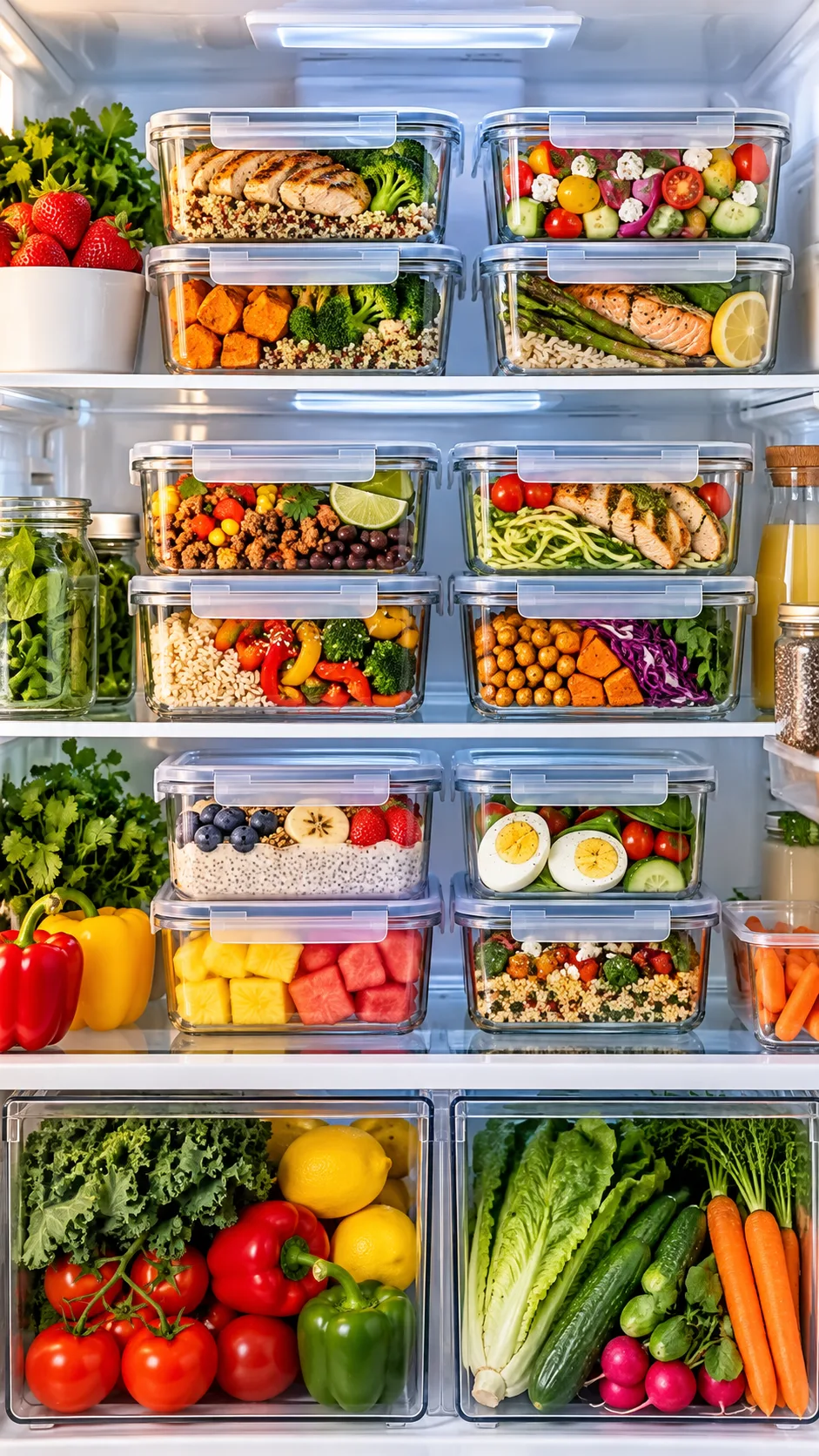
A reheating method that protects texture
Do not blast cold chicken in the microwave on high power for three minutes. High power boils out moisture immediately, leaving dry, leathery meat behind. Instead, use this straightforward method:
- Place a damp paper towel across your open container to trap steam.
- Set the microwave power to 70 percent and warm the food in 60-second bursts.
This gentle heat lets trapped steam rehydrate the chicken rather than cooking it twice.
The 60-minute Sunday prep schedule
You do not need to spend your entire weekend in the kitchen. Follow this production timeline to knock out five complete chicken lunches in one hour:
- Minutes 0 to 10 (Prep the base): Preheat your oven to 425°F (218°C). Start your grains (brown rice, quinoa, or farro) in a pot or rice cooker.
- Minutes 10 to 25 (Prep meat and veggies): Pound four to five chicken breasts to an even thickness. Season them generously with your chosen spices. Toss your vegetables (broccoli, peppers, or diced sweet potatoes) in olive oil, salt, and black pepper.
- Minutes 25 to 45 (Roast): Arrange the vegetables on one large baking sheet and the chicken breasts on another. Slide both into the hot oven. Roast the vegetables for 20 minutes; roast the chicken breasts for 16 to 18 minutes until an instant-read thermometer registers 160°F (71°C).
- Minutes 45 to 55 (Rest and mix sauces): Move the cooked chicken to a cutting board and let it rest for ten minutes. Use this resting window to whisk together your dressings and yogurt sauces.
- Minutes 55 to 60 (Assemble): Set five glass containers on your counter. Divide the cooked grains across the bottoms. Add your roasted vegetables, slice the chicken across the grain, set the portions on top, and snap the lids on tight. Your lunches are ready for the week.
Frequently asked questions
Can I meal prep chicken breast for five full days?
Yes, as long as you use the freezer. The USDA advises eating cooked chicken within three to four days. For a full work week, keep Monday through Wednesday in the fridge and freeze your Thursday and Friday meals. Move each frozen container back to the fridge the night before you plan to eat it.
Why does reheated chicken sometimes taste stale?
You are noticing warmed-over flavor, which occurs when polyunsaturated fatty acids in cooked meat oxidize during cold storage. You can prevent this taste by using airtight glass containers, using marinades containing citrus juice or garlic, and reheating the meat gently with a damp paper towel.
How much protein should I eat per meal?
Most active adults do well with 30 to 45 grams of protein at each main meal. Research in the Journal of the International Society of Sports Nutrition indicates that eating 0.4 to 0.55 grams of protein per kilogram of body weight per meal stimulates muscle growth effectively. A single six-ounce chicken breast reaches that target easily.
Can I cook frozen chicken breasts without thawing them first?
Always thaw chicken breasts completely in the refrigerator before baking them. Baking frozen chicken directly in the oven dries out the outer layer long before the frozen center cooks through to a safe temperature.
Stop starving and start fueling
Tough, dry chicken meal preps belong in the past. Reaching your strength and fitness goals never requires choking down bland meat from cheap plastic containers. When you follow simple cooking basics (brining, pounding the meat flat, checking temperatures, and slicing against the grain), you turn plain poultry into meals you look forward to eating.
Pair tender chicken with slow-burning grains, plenty of roasted vegetables, and bold sauces. You will maintain steady energy throughout the afternoon and keep hunger completely out of the picture. Pick up an instant-read thermometer, visit the grocery store this weekend, and take control of your weekday lunches.