

You finish lunch at 12:30. By 2:15, your stomach growls, your eyes get heavy, and your brain screams for a pastry. Most people know this crash all too well.
Most resets fail because they cut calories without satisfying hunger. Juice cleanses, chalky shakes, and tiny portions leave you cranky and foggy. Good nutrition never requires self-punishment.
A whole-food reset supplies unrefined ingredients that stop false hunger cues before they start. You cut junk cravings, steady your blood sugar, and rebuild daily stamina. Best of all, you eat full plates of hearty, nourishing food.
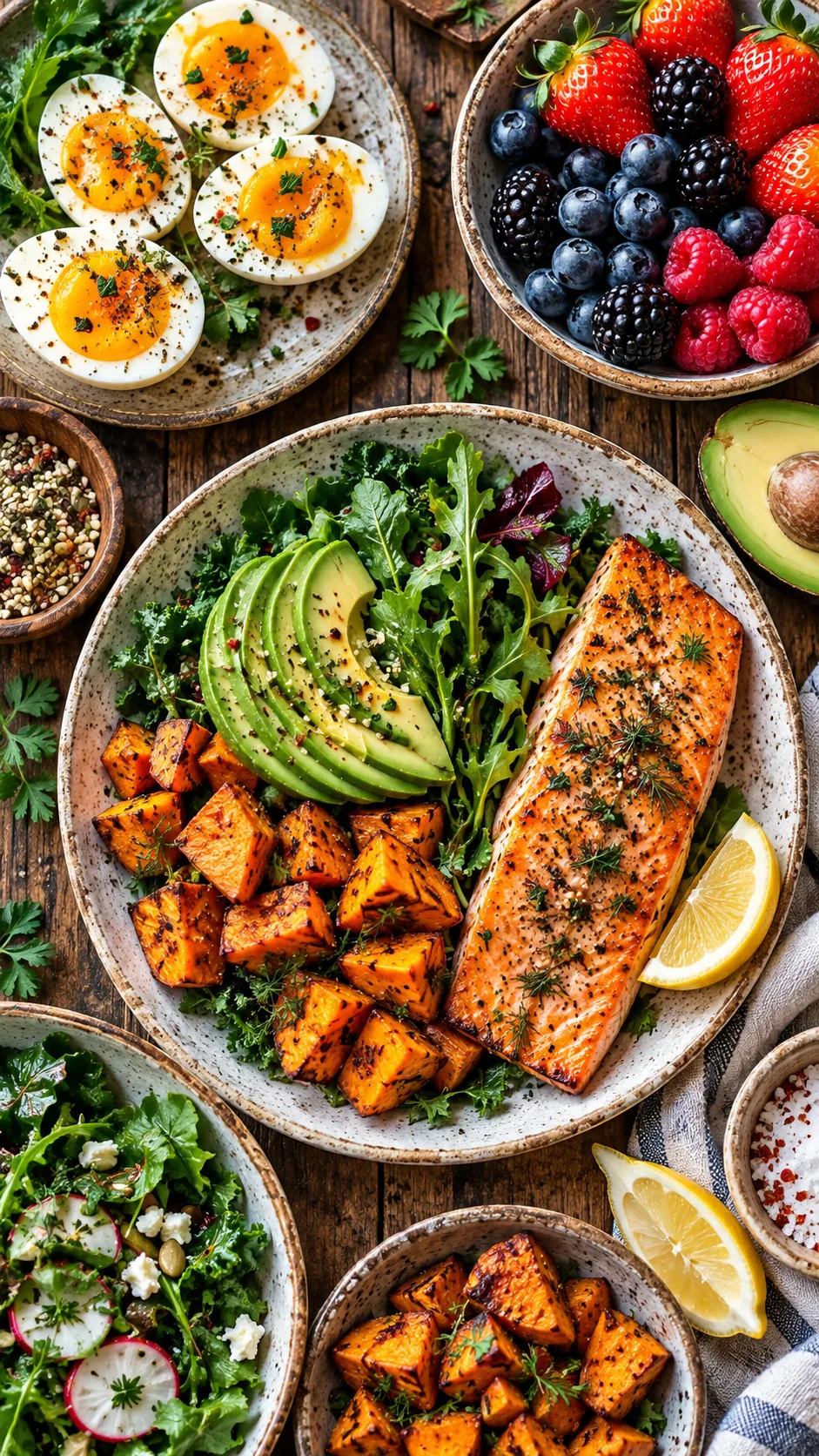
Why standard diets drain your energy and stoke hunger
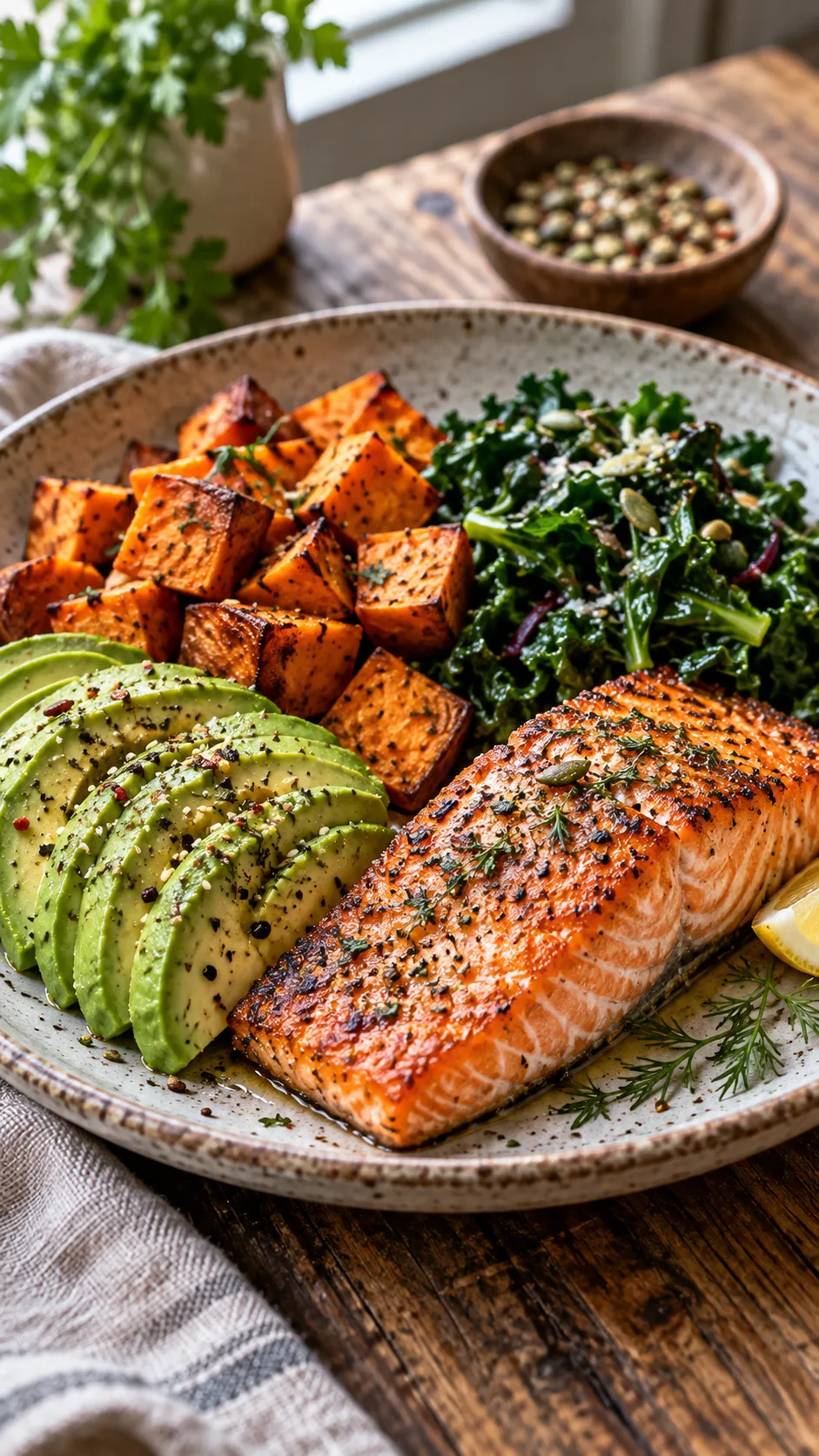
Commercial diet programs push a tired myth: you just need to eat less. Meanwhile, food companies engineer modern packaged products to bypass your brain’s fullness signals. Scientists call this hyper-palatability.
Refined grains, industrial seed oils, and hidden sugars spike your blood sugar within minutes. In response, your pancreas dumps heavy surges of insulin to pull that sugar from your bloodstream. The resulting crash sets off emergency alarms in your brain, demanding fast carbs right away.
In a clinical study from the National Institutes of Health, researchers found that participants eating ultra-processed meals consumed about 500 more calories each day than those eating whole foods. The packaged meals lacked the natural nutrient density that tells your stomach to stop.
A whole-food reset fixes this broken loop. Instead of weighing every gram or starving through the afternoon, you upgrade what you put on your fork. Your hormones adjust, bringing your natural appetite back in line within days.
The satiating trio: protein, fiber, and clean fats
To stay full for five hours between meals without reaching for snacks, build every plate around three foundational elements: complete protein, intact plant fiber, and slow-digesting natural fats.
1. High-quality bioavailable protein
Protein fills you up faster and longer than carbohydrates or fat. It stimulates peptide YY (PYY) and glucagon-like peptide-1 (GLP-1), two gut hormones that send strong satiety signals straight to your brain. At the same time, protein suppresses ghrelin, the hormone that drives hunger.
Target 30 to 40 grams of protein in every meal. For a clear meal framework using this exact approach, read our guide on the protein diet plan that keeps you full. Pasture-raised eggs, wild fish, grass-fed beef, and poultry deliver the complete amino acids your body needs to rebuild muscle tissue and maintain steady daily energy.
2. Intact cellular fiber
Real plant foods work far better than fiber powders or pills. Whole vegetables, berries, beans, and seeds have cellular structures that resist quick breakdown in your stomach. These intact walls slow stomach emptying and move nutrients deeper into your digestive tract.
Once in your colon, gut bacteria ferment this fiber into short-chain fatty acids like butyrate. Research from the Harvard T.H. Chan School of Public Health notes that these fatty acids strengthen your gut lining, calm systemic inflammation, and signal your brain through the vagus nerve to turn off hunger.
3. Unrefined, natural fats
Low-fat diets from the 1990s damaged public health by swapping dietary fats for refined starches and added sugars. Unprocessed fats (such as extra virgin olive oil, avocados, grass-fed butter, and wild fatty fish) stimulate cholecystokinin. This hormone slows stomach contractions so your food releases into the small intestine at a measured pace.
Dietary fats also allow your body to absorb fat-soluble vitamins, including vitamins A, D, E, and K. Without healthy fats on your plate, you absorb far fewer micronutrients, regardless of how many raw vegetables you eat.
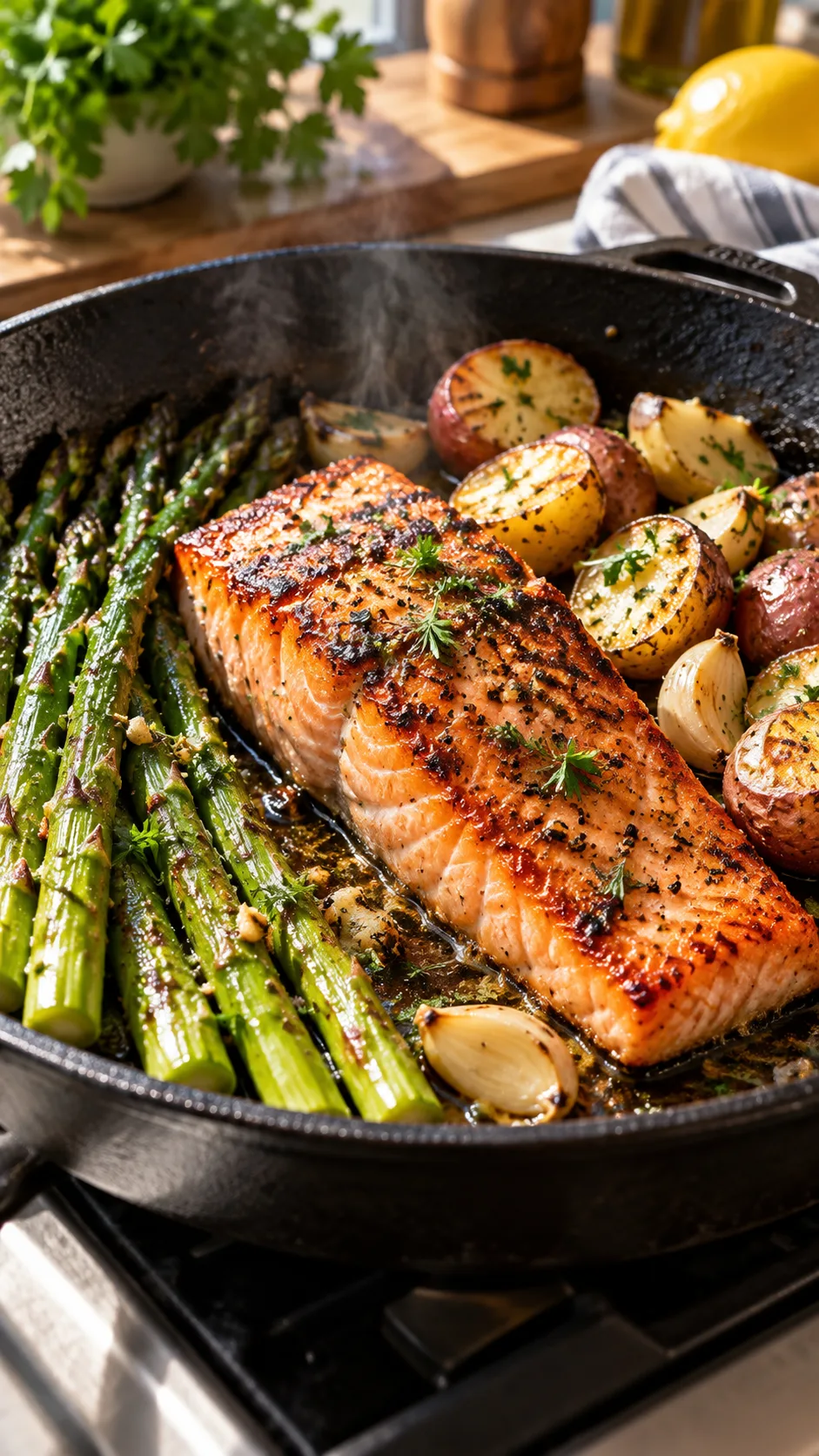
The real food reset kitchen inventory
Your environment determines your success. What sits on your kitchen counter usually ends up in your mouth when fatigue hits at the end of a long workday.
Clear out the processed boxes and fill your fridge with single-ingredient staples. Build your grocery list around these groups:
- Animal and plant proteins: Wild salmon, pasture-raised eggs, skin-on chicken thighs, grass-fed ground beef, tempeh, and unsweetened Greek yogurt.
- Leafy and cruciferous vegetables: Broccoli, cauliflower, Tuscan kale, spinach, Brussels sprouts, and red cabbage.
- Root vegetables and whole carbohydrates: Sweet potatoes, purple yams, kabocha squash, quinoa, and soaked black beans.
- Healthy cooking fats and oils: Cold-pressed extra virgin olive oil, ripe avocados, raw walnuts, pumpkin seeds, and coconut oil.
- Flavor builders and fermented foods: Fresh garlic, ginger, kimchi, unpasteurized sauerkraut, lemons, and coarse sea salt.
Notice what stays off the list. You will not find industrial seed oils like soybean or canola, refined white flour, artificial food dyes, or syrups. These ingredients disrupt cellular energy and trigger cravings within hours of eating.
Real food swaps: upgrade your daily plate
You do not have to abandon satisfying meals. You simply upgrade the ingredients. A few straightforward swaps produce immediate improvements in afternoon focus and physical energy.
- Swap boxed cereal or pastries for three eggs scrambled in grass-fed butter, half an avocado, and a handful of fresh blackberries.
- Swap deli sandwiches on white bread for a bowl of dark leafy greens topped with sliced roast chicken, toasted walnuts, pickled onions, and olive oil.
- Swap bagged potato chips for sliced crisp cucumbers dipped in fresh guacamole or tahini.
- Swap sweetened coffee drinks for dark roast coffee or black tea with full-fat coconut milk and a dash of ground cinnamon.
If you need weekday morning recipes you can prepare ahead of time, check out our guide on high-protein breakfast meal prep ideas to keep yourself satisfied all morning.
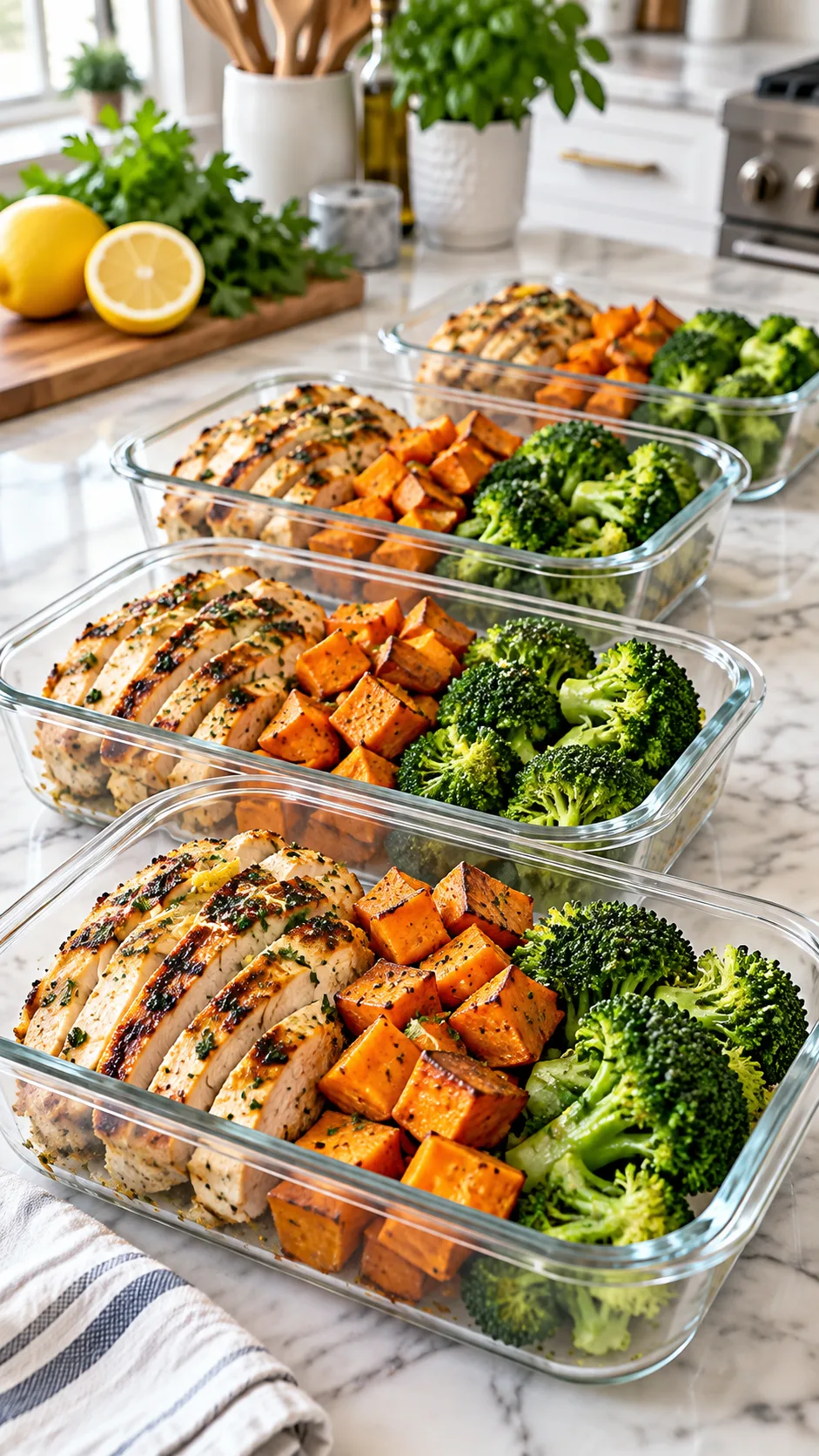
The 7-day real food reset blueprint
Use this one-week meal template to settle digestion, steady your energy, and clear out brain fog. Swap proteins or seasonal produce based on what you find fresh at the store.
Day 1: Rebooting your blood sugar
- Breakfast: Three pasture-raised eggs sunny-side up, spinach cooked in olive oil, and a half-cup of fresh blueberries.
- Lunch: Wild sardines or salmon over mixed field greens with cucumber, pumpkin seeds, and fresh lemon dressing.
- Dinner: Half-pound grass-fed beef patty with melted cheddar, grilled onions, and roasted asparagus spears.
Day 2: Sustained daily energy
- Breakfast: Full-fat unsweetened Greek yogurt topped with hemp seeds, chia seeds, chopped walnuts, and sliced strawberries.
- Lunch: Leftover grass-fed beef over a chopped Greek salad with kalamata olives, feta, tomatoes, and extra virgin olive oil.
- Dinner: Roast chicken thighs seasoned with rosemary and garlic, roasted kabocha squash, and steamed green beans.
Day 3: Fullness and gut health
- Breakfast: Two soft-boiled eggs, half an avocado, two generous spoonfuls of raw sauerkraut, and roasted sweet potato cubes.
- Lunch: Shredded roast chicken mixed with avocado oil mayonnaise, diced celery, and green onions, served in crisp butter lettuce cups.
- Dinner: Pan-seared wild cod with capers and lemon, riced cauliflower cooked in butter, and roasted zucchini.
Day 4: Midweek rhythm
- Breakfast: Three-egg omelet with crimini mushrooms, goat cheese, and baby kale.
- Lunch: Lentil and chicken bone broth soup with carrots, celery, and onions.
- Dinner: Grilled pork chops with unsweetened warm apple compote, roasted Brussels sprouts, and wild rice.
Day 5: Beating the afternoon slump
- Breakfast: Chia seed pudding prepared with full-fat coconut milk, unflavored grass-fed whey, and fresh raspberries.
- Lunch: Chopped salad with hard-boiled eggs, uncured bacon, sliced roast turkey, tomatoes, and blue cheese over crisp romaine.
- Dinner: Slow-cooked beef pot roast with carrots, turnips, and onions in rich beef broth.
Day 6: Nutrient recovery
- Breakfast: Ground turkey sautéed with diced bell peppers and sweet potatoes, topped with two fried eggs.
- Lunch: Leftover beef pot roast served alongside steamed broccoli tossed in olive oil and coarse salt.
- Dinner: Seared wild salmon with crisp skin, roasted purple potatoes, and sautéed garlic chard.
Day 7: Assessing your progress
- Breakfast: Frittata with sun-dried tomatoes, baby spinach, and pecorino cheese.
- Lunch: Sliced ribeye steak over baby arugula with shaved parmesan, pine nuts, and balsamic vinegar.
- Dinner: Roast half-chicken, mashed cauliflower whipped with grass-fed butter, and grilled asparagus.
If hunger pops up between meals while your body adapts, pick an option from our list of healthy meal prep snacks that keep you satisfied rather than reaching for vending machine snacks.
Hydration, electrolytes, and the “Day 3 funk”
Around the third day without packaged junk, you might notice mild headaches, sluggishness, or a quick temper. People usually blame low blood sugar, but shedding retained water and sodium causes this slump.
When you cut out processed foods and refined starches, your insulin levels drop quickly. High insulin causes your kidneys to hold onto sodium. Once insulin falls, your kidneys flush out that stored fluid along with electrolytes.
Use the salt shaker freely. Season your meals with unrefined sea salt or pink rock salt. Squeeze half a lemon and drop a pinch of salt into your water bottle each morning.
Clinicians at the Cleveland Clinic explain that effective hydration requires adequate minerals, not just endless glasses of plain water. Restoring your sodium, potassium, and magnesium clears the fog quickly and keeps your stamina intact.
Three rules to keep you from feeling deprived
Deprivation ruins consistency every time. If you spend your afternoon staring at the clock waiting for dinner, your plan will fail. Follow these three practical guidelines to enjoy your food and stay on track:
1. Maximize plate volume
Mechanoreceptors in your stomach wall detect physical bulk. A 400-calorie pastry takes up hardly any room, so it never triggers these stretch receptors. In contrast, a 400-calorie plate loaded with roasted broccoli, tender chicken breast, and olive oil fills the stomach cavity, telling your brain that you ate a hearty meal.
2. Cook with bold seasonings
Bland food drives people straight toward convenience snacks. Whole food needs rich flavor. Lean heavily on acids like fresh lemon juice or cider vinegar, aromatics like shallots and roasted garlic, and spices like smoked paprika, ground cumin, and turmeric.
3. Follow the 80/20 principle after week one
Perfectionism guarantees burnout. Follow the seven-day reset strictly so you can recalibrate your palate and break old habits. After that first week, anchor 80 percent of your routine to whole foods. Leave the remaining 20 percent for dinners out, family birthdays, and casual social events. Practical flexibility keeps you consistent for decades, whereas strict dogma only creates stress.
Frequently asked questions
Will this reset make me lose weight immediately?
Most people drop three to seven pounds within the first week. Much of this initial weight comes from excess water shedding as glycogen normalizes and inflammation drops. After the first seven days, you enter steady fat loss because you no longer overconsume processed food.
Can I drink coffee during this real food reset?
Yes. Plain coffee and espresso deliver polyphenols that feed beneficial gut microbes. Skip the sugary syrups, powdered creamers, and artificial sweeteners. Enjoy it black, or splash in unsweetened whole milk, heavy cream, or plain almond milk.
How do I manage social dinners while resetting?
You can eat well at almost any restaurant. Order simple grilled meats like steak, salmon, or roasted chicken with double vegetable sides. Ask the server to have the kitchen cook your dish in butter or olive oil rather than seed oil. You will enjoy a great meal without derailing your progress.
Reclaim your daily vitality
Your body simply responds to the biological input you provide. When you feed it factory-made products stripped of fiber and nutrients, you end up hungry, tired, and inflamed.
When you supply it with whole, unprocessed foods, you get steady physical stamina, clear thinking, and genuine fullness. Leave fad diets behind, stock your kitchen with real ingredients, and let your body run the way nature intended.