You do not need to live on cucumber slices or spiral into wedding-day panic to feel good in your dress. You need a pre-wedding diet plan that supports steady fat loss, keeps your energy up, and leaves room for a life outside wedding planning.
You already have venue emails, guest lists, beauty appointments, and that one relative asking about a plus-one. Hunger headaches do not need a place on the list.
This plan relies on sensible portions, filling food, simple routines, and progress you can maintain. You do not need a “detox” for confidence. Your liver already does that work every day.
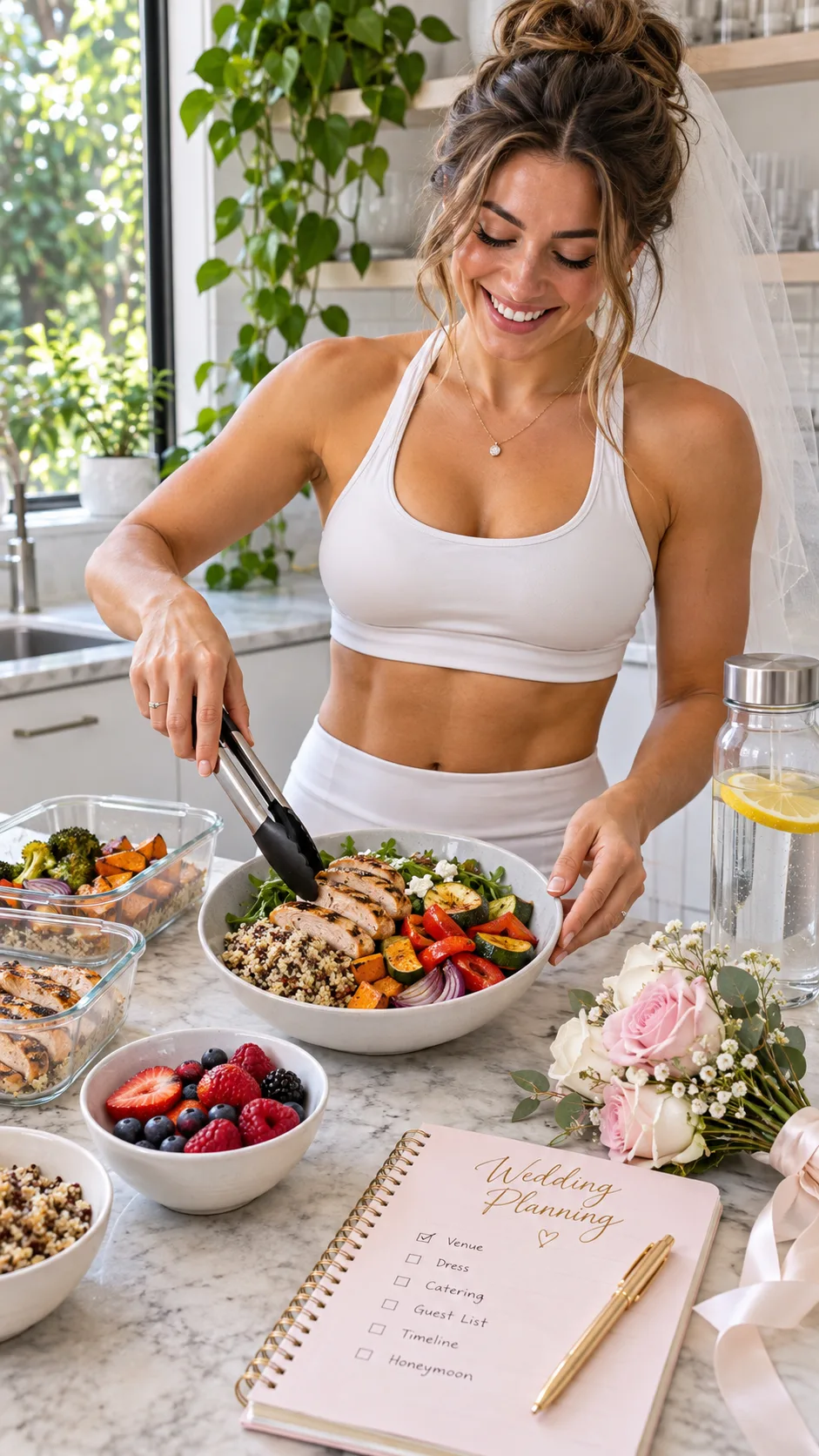
First, forget the crash diet fantasy

A crash diet can push the number on the scale down fast, but it often takes water, muscle, energy, and your good mood with it. Hunger soon catches up, cravings grow louder, and suddenly you have eaten half a tray of wedding-cake samples “for research.”
Fast weight loss rarely leaves you feeling calm or confident. More often, it leaves you tired, frustrated with food, and deeply annoyed by anyone chewing near you.
A sensible pre-wedding weight loss plan targets gradual fat loss. The Centers for Disease Control and Prevention says people often maintain weight loss more successfully when they lose around one to two pounds per week.
That pace lets you eat enough protein, train well, sleep properly, and live like a person. Read the CDC’s healthy weight guidance for a research-backed overview.
What results mean before your wedding
Results include more than a lower number on the scale. Pay attention to how your dress fits, how strong you feel, how your skin looks, and how comfortably you get through a long day.
You may lose inches before the scale makes a dramatic move. Strength training, regular meals, and less bloating can change your shape in ways a bathroom scale cannot explain.
- Better dress fit: You feel comfortable through the waist, hips, bust, and arms.
- More energy: You no longer drag yourself through meetings and fittings.
- Less bloating: You learn which foods and habits leave you feeling puffy.
- More confidence: You trust your routine instead of starting over every Monday.
- Healthier habits: You build a plan that still works after the honeymoon.
Your realistic pre-wedding weight loss timeline
Your timeline matters. A bride with 10 months has different options from a bride with 10 weeks, and neither woman needs punishment dressed up as discipline.
If your wedding sits far enough away, aim for slow, repeatable progress. It may sound boring. It works.
If you have six to twelve months
This timeline gives you plenty of flexibility. Focus on consistent meals, strength training, walking, and a modest calorie deficit instead of dramatic restrictions.
You may also build muscle while losing fat, especially if you do not currently strength train. Muscle can improve body composition and posture, and it may help you feel more comfortable in sleeveless clothes.
If you have three to six months
Choose a focused approach that still feels sane. Keep meals simple, limit liquid calories, plan weekends, and follow a workout routine you can stick with.
Many brides move forward faster when they stop deciding what to eat at 8 p.m. after a hard day. Your future self deserves better than crisps over the kitchen sink.
If you have less than eight weeks
Do not pursue extreme weight loss. Put your attention on bloating, digestion, sleep, and a steadier food routine.
You may feel much better with regular hydration, less alcohol, fewer ultra-processed foods, walks, and sensible portions. Ignore any plan that promises a miracle by Saturday.
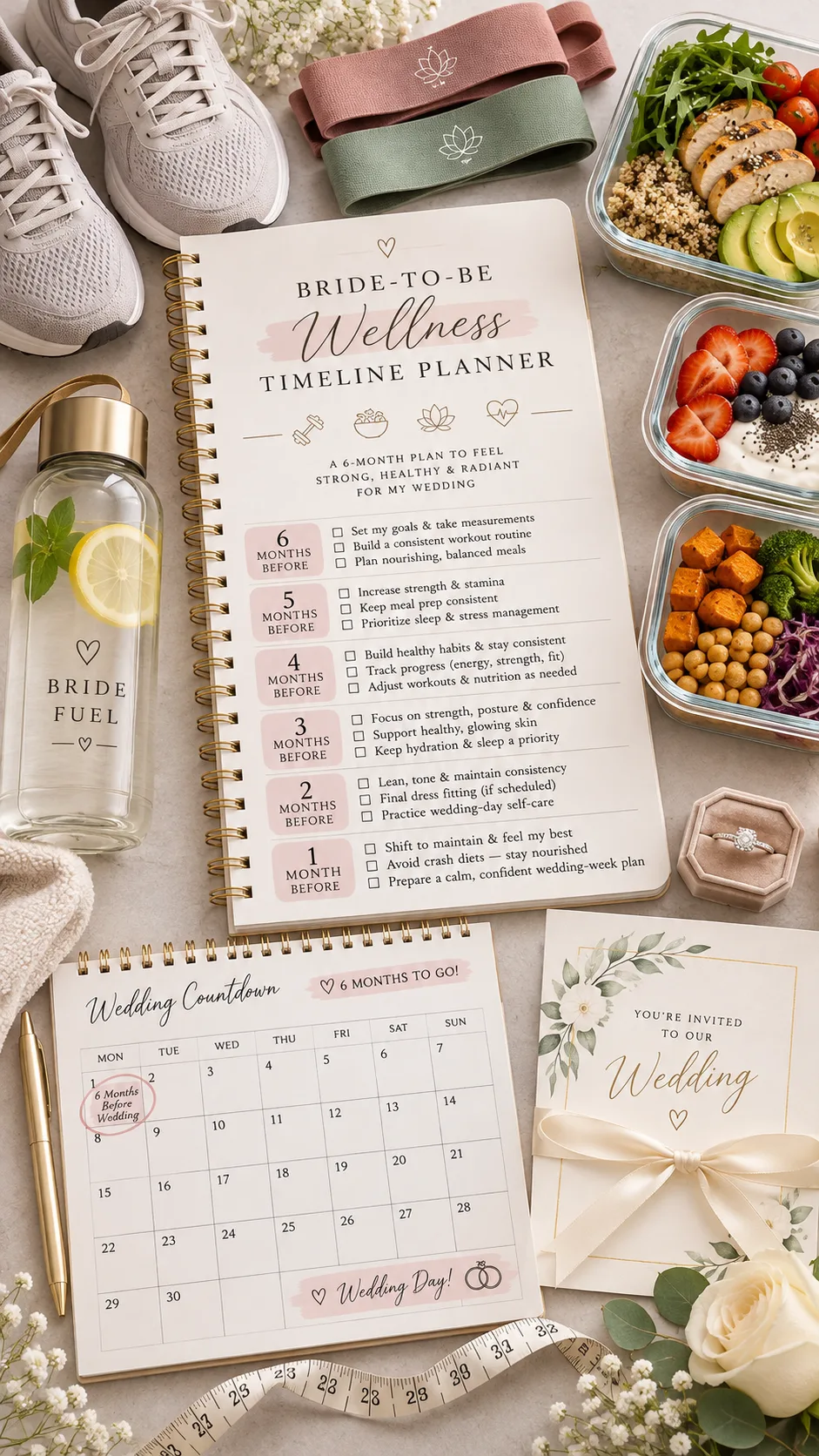
The pre-wedding diet plan: Your simple daily formula
You do not need 27 complicated recipes or a kitchen that resembles a meal-prep factory. You need a flexible routine that keeps you full and helps you make decent choices when life gets busy.
Build most meals around protein, plants, carbohydrates, and satisfying fats. That combination keeps you going much longer than willpower alone.
1. Put protein at every meal
Protein helps you stay full, recover from training, and lose weight without feeling miserable. It also helps you keep lean mass while you lose body fat.
Many brides eat too little protein at breakfast, then wonder why they raid the snack cupboard at 4 p.m. A pastry and coffee may feel glamorous for seven minutes, but hunger will send the bill later.
Choose a protein source at breakfast, lunch, dinner, and snacks when you need them. Your body size, activity, health history, and preferences affect the right amount, so a registered dietitian can help you set a personal target.
- Eggs, egg whites, Greek yogurt, cottage cheese, or protein-rich smoothies
- Chicken, turkey, lean beef, fish, prawns, tofu, tempeh, or beans
- Tinned tuna or salmon for quick lunches
- Edamame, roasted chickpeas, or yogurt for easy snacks
2. Fill half your plate with vegetables or fruit
Vegetables add volume, fibre, micronutrients, and colour without sending your calorie intake through the roof. Fruit brings fibre and sweetness, which can help when the “just one biscuit” urge appears.
Aim for variety, not perfection. Carrots count. Frozen broccoli counts. Bagged salad counts. A banana counts too.
The USDA MyPlate guide gives you a simple visual for balanced meals. You can use it without turning dinner into a maths exam.
3. Keep carbs on the plate
Carbohydrates fuel workouts, support your mood, and make meals satisfying. You do not need to fear rice, potatoes, oats, bread, or pasta because someone online calls them “toxic.”
Choose higher-fibre carbohydrates more often, then match your portion to your hunger and activity. A hard leg day may call for more carbs than a day spent answering emails in your robe.
- Oats, brown rice, quinoa, whole-grain bread, and whole-wheat pasta
- Potatoes, sweet potatoes, plantain, beans, and lentils
- Fruit, corn, couscous, and high-fibre cereals
4. Add fats that make food taste good
Fat adds flavour and helps a meal feel complete. You do not need huge amounts, but you also do not need dry chicken and sadness on a plate.
Use measured portions of olive oil, avocado, nuts, seeds, nut butter, olives, or oily fish. A thumb-sized serving of oil or nut butter can give you an easy place to start.
A weekday eating schedule that stops random snacking
A regular meal rhythm can make a big difference during pre-wedding weight loss. You do not need perfect meal times, but you do need enough structure to stop yourself from getting ravenous.
Many brides do well with three balanced meals and one planned snack. Two larger meals or an intermittent fasting routine can work too, as long as you still meet your nutrition needs.
If fasting fits your schedule, read our guide to a fasting diet intermittent schedule for sustainable weight loss. Do not use fasting as a quiet way to eat far too little. Your body will notice.
Sample day of pre-wedding meals
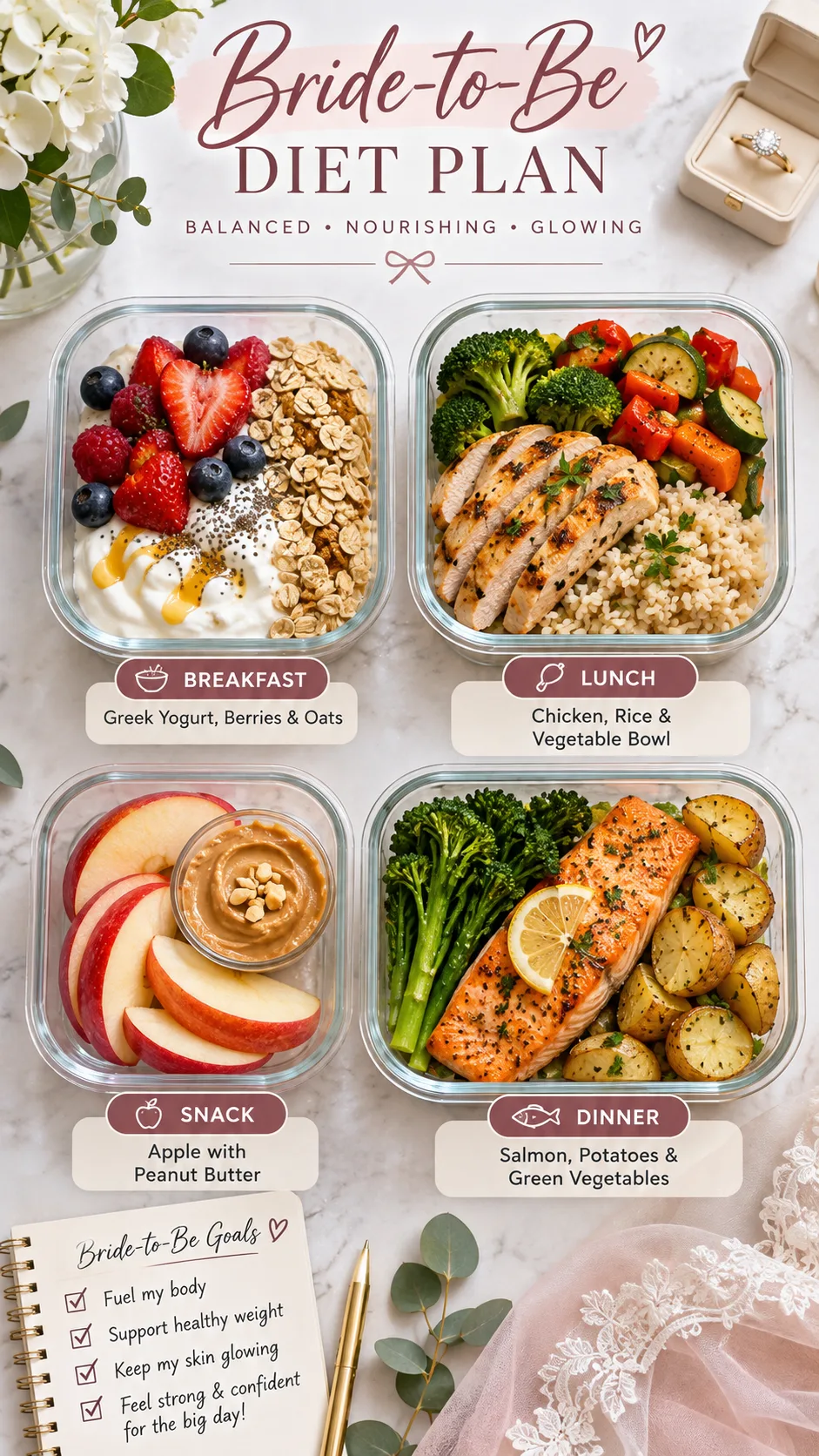
- Breakfast: Greek yogurt with berries, oats, chia seeds, and a drizzle of honey, plus coffee or tea.
- Lunch: Grilled chicken or tofu bowl with rice, roasted vegetables, salad, and a yogurt-herb dressing.
- Snack: Apple with peanut butter, cottage cheese with fruit, or a protein shake and a handful of nuts.
- Dinner: Salmon, lean mince, beans, or turkey with potatoes, a large serving of vegetables, and olive oil or avocado.
- Optional treat: A few squares of chocolate, frozen yogurt, or a dessert you enjoy in a sensible portion.
This plan does not include a “cheat day.” That phrase turns food into a moral issue, and food does not need a personality test.
Plan treats on purpose, enjoy them, then carry on. Consistency works better than guilt.
How to create a calorie deficit without feeling starved
Weight loss requires a calorie deficit. In simple terms, you eat less energy than your body uses over time. You do not need tiny portions or a ban on every food that brings you joy.
The best calorie deficit feels manageable. You may feel hungry before meals, but you should not feel dizzy, preoccupied with food, or unable to think about anything but chips.
Use the NIH Body Weight Planner if you want a research-based starting estimate. Then adjust for your progress, hunger, training, and medical needs.
Use these habits to stay full
- Start meals with protein and vegetables: They can fill you up before you move on to higher-calorie extras.
- Drink water regularly: Keep a bottle nearby and sip throughout the day.
- Choose filling foods: Soups, salads, berries, vegetables, potatoes, and lean proteins give you more food for fewer calories.
- Eat from a plate: A plate gives your brain a clearer signal that the meal has ended than eating from a bag does.
- Plan your afternoon snack: A planned snack can prevent a chaotic evening.
- Keep tempting foods out of sight until you want them: Your surroundings often matter more than motivation.
Track food for a short time if tracking helps you learn portion sizes. Stop if it makes you anxious, obsessive, or disconnected from your hunger cues.
Numbers can teach you something, but they should not run your life. You are planning a wedding, not training for calorie-counting Olympics.
Pre-wedding workouts that shape, strengthen, and support fat loss
You cannot choose where your body loses fat from your arms, stomach, or thighs. You can strengthen those areas, improve posture, and reduce overall body fat through regular movement.
A solid pre-wedding fitness plan combines strength training, daily steps, and cardio you enjoy. You do not need punishing boot camps unless you truly enjoy someone shouting at you before sunrise.
Your weekly workout framework
- Strength train three times per week: Focus on squats, hinges, pushes, pulls, lunges, carries, and core work.
- Walk most days: Take a 20- to 45-minute walk, or build your step count gradually.
- Add cardio one to three times weekly: Try cycling, swimming, dancing, jogging, incline walking, or a fitness class.
- Take at least one recovery day: Stretch, walk gently, or rest when your body asks for it.
Strength training helps you keep muscle while you lose weight. More muscle may support a firmer appearance, though no workout can promise a particular body shape.
The World Health Organization’s physical activity guidance advises adults to do regular aerobic activity and muscle-strengthening work. Start where you are and build from there.
Do not start a wild workout plan two weeks before the wedding
New workouts can bring soreness, fatigue, injuries, and water retention from muscle inflammation. None of that helps when you need to break in heels and attend your final fitting.
Build your routine early, then keep it steady. During the final week, focus on walks, light strength sessions, sleep, and feeling good in your body.
Beat bloating without doing anything silly
Bloating can feel uncomfortable even when you have not gained fat. Food choices, meal timing, stress, constipation, menstrual-cycle shifts, fizzy drinks, and salty meals can all play a part.
You do not need a juice cleanse to feel less bloated. You need a few predictable habits and some honest detective work.
Smart ways to feel less puffy
- Drink water consistently instead of cutting fluids.
- Keep your fibre intake steady instead of suddenly eating three times your usual amount.
- Eat slowly and chew well when you can.
- Limit fizzy drinks if they make you gassy.
- Cook more meals at home during the final week before the wedding.
- Save high-salt takeaway meals for occasional meals, especially before fittings or events.
- Walk after meals to support digestion and blood-sugar control.
Track your own triggers instead of copying another person’s food rules. Some people feel great with dairy, while others prefer less. Some people love beans, while others need smaller portions.
If bloating feels painful, frequent, or severe, speak with a doctor or registered dietitian. Your body needs real care, not a random “flat tummy tea.”
How to handle wedding events, cake tastings, and champagne
Wedding planning often brings brunches, tastings, hen parties, showers, dinners, and endless “let’s celebrate” drinks. You can enjoy them without dropping your pre-wedding nutrition plan.
Try the plan, enjoy, continue approach. Plan around the event, enjoy the food without guilt, then return to your usual routine at the next meal.
A simple event strategy
Eat a protein-rich meal or snack before you arrive. Hunger makes every canapé look like a soulmate, so do not show up starving.
Choose the foods you truly want, sit down when you can, and eat slowly. You do not need to sample every beige thing on the buffet because Aunt Linda insists.
Drink water between alcoholic drinks if you drink alcohol. Alcohol can lower your inhibitions around food, disrupt sleep, and leave you craving salty carbs the next day. Rude, but predictable.
After the event, return to your usual breakfast or lunch. Do not skip meals to “make up” for a celebration, because that choice often starts another overeating cycle.
Your seven-day pre-wedding diet plan template
This flexible template offers ideas, not strict instructions. Swap foods around based on allergies, culture, budget, and the foods you enjoy.
For familiar options and meal inspiration, browse these Nigerian foods for weight loss. You can build a wedding weight loss meal plan around food that tastes like home.
Monday through Sunday basics
- Breakfast: Eggs and vegetables with toast; oats with yogurt and fruit; or a protein smoothie with fruit and nut butter.
- Lunch: Chicken, fish, tofu, beans, or lean meat with vegetables and a portion of rice, potatoes, yam, or whole grains.
- Dinner: Stir-fry, soup, grilled protein with salad, bean-based meals, or a balanced bowl with plenty of vegetables.
- Snacks: Fruit and yogurt, boiled eggs, cottage cheese, nuts, roasted chickpeas, or a protein shake.
- Treats: Include one or two foods you enjoy each week, then eat them without making a drama out of it.
Repeat meals if that makes life easier. Repetition does not mean you failed. It means you found a meal that works on a Wednesday when a vendor calls during lunch.
The final two weeks before your wedding
Your final two weeks do not call for a desperate “shred.” They call for calm consistency, sensible planning, and enough rest to enjoy the celebration.
Keep meals familiar and balanced. Do not start a new supplement, drastic cleanse, intense training block, or mystery diet that your cousin found online at 1 a.m.
- Keep your water intake steady each day.
- Stick with foods that help your digestion feel good.
- Continue light to moderate workouts and daily walks.
- Aim for seven to nine hours of sleep when you can.
- Limit alcohol if it affects your sleep, appetite, or skin.
- Prepare simple meals so last-minute wedding tasks do not send you toward takeaway every night.
If you have a health condition, take medication, feel pregnant, breastfeed, or have a history of disordered eating, speak with your clinician or a registered dietitian before changing your diet. A personal plan can protect your health and help you make progress safely.
The bottom line: Eat enough, train smart, and enjoy your life
The best pre-wedding diet plan does not starve you, punish you, or make you afraid of your wedding menu. It helps you eat protein-rich meals, include plenty of plants, move regularly, manage portions, and stay flexible when real life happens.
Start early if you can, aim for steady progress, and let your habits carry much of the load. Your wedding photos capture one moment. Your routine can support you long after the last dance.
Eat nourishing meals, lift weights, take walks, drink water, and enjoy a slice of cake when the moment calls for it. You deserve to arrive at your wedding feeling strong, well-fed, and completely yourself.