So you’ve heard about the Atkins diet roughly 47 times this month, and you’re finally curious enough to figure out what it involves. Good. Because despite being around since the 1970s, the Atkins diet remains one of the most misunderstood eating plans out there. People either swear it changed their life or dismiss it as “that bacon diet.” The truth? It’s way more structured, and more interesting, than most people realize.
I’m going to walk you through every single phase, tell you exactly what goes on your plate (and what doesn’t), and explain the science behind why this approach keeps delivering results for millions of people. No fluff, no weird guru energy. Just the real deal.
What exactly is the Atkins diet? (The 60-second version)
The Atkins diet is a low-carbohydrate eating plan created by cardiologist Dr. Robert Atkins back in 1972. The core idea is simple: by drastically cutting carbs, your body shifts from burning glucose (sugar) to burning stored fat for energy. This metabolic state is called ketosis, and it’s the engine behind the fat loss.
What makes Atkins different from other low-carb plans is its phased approach. You don’t just slash carbs and wing it forever. Instead, you move through four distinct phases, gradually reintroducing carbohydrates until you find your personal sweet spot. Think of it as training wheels for sustainable low-carb living.
If the ketosis concept sounds familiar, you’re not wrong. It shares DNA with the keto diet. But Atkins gives you a clearer roadmap, especially if you’re someone who likes structure. If you’re curious about pushing ketosis even further, check out the hyper ketosis approach most keto beginners miss for a more aggressive fat-burning strategy.
Phase 1: Induction, the carb detox
This is where things get real. Phase 1 (Induction) is the strictest phase, and it typically lasts about two weeks, though some people extend it longer depending on their weight loss goals. You limit yourself to just 20 grams of net carbs per day. For context, a single banana has about 27 grams. So yeah, bananas are off the table. Literally.
What you CAN eat in Phase 1
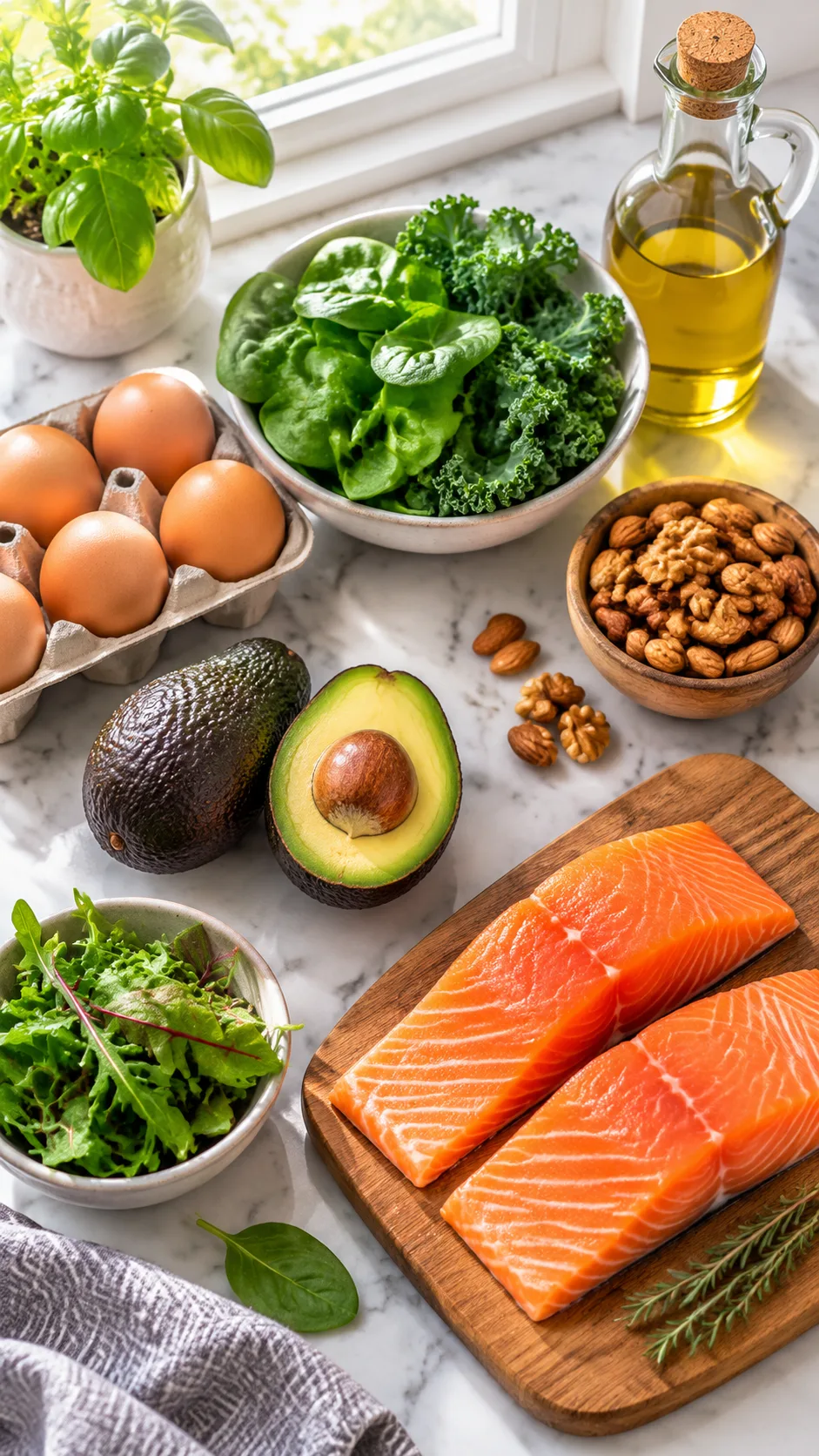
- Proteins: Chicken, turkey, beef, pork, fish, shellfish, eggs. Basically all unprocessed meats and seafood.
- Fats: Butter, olive oil, coconut oil, avocado oil, mayonnaise (full-fat, none of that low-fat nonsense)
- Foundation vegetables: Spinach, kale, lettuce, broccoli, cauliflower, asparagus, cucumbers, celery, bell peppers
- Cheese: Most hard cheeses in moderation (about 4 ounces per day). Cheddar, Swiss, parmesan.
- Healthy fats: Avocados, olives, and nuts/seeds in small amounts
What you MUST skip in Phase 1
- Sugar in ALL forms: Candy, cookies, cakes, soft drinks, fruit juice
- Grains: Bread, pasta, rice, oats, cereal. All of them.
- Fruit: Yes, even fruit. The sugar content is too high for this phase.
- Starchy vegetables: Potatoes, corn, peas, carrots
- Alcohol: Your liver can’t metabolize alcohol AND burn fat efficiently at the same time
- Legumes: Beans, lentils, chickpeas
Will the first few days feel rough? Probably. Many people experience what’s commonly called the “Atkins flu”, with headaches, fatigue, and irritability. Your body is essentially throwing a tantrum because you took away its favorite fuel source. Push through it. By day four or five, most people report surging energy and dramatically reduced cravings.

FYI, the 20 grams of net carbs should come primarily from foundation vegetables, roughly 12 to 15 grams worth. The remaining come from cheese, dressings, and other incidental sources. This isn’t a zero-carb diet. It’s a strategic carb restriction.
Phase 2: Balancing, slowly adding carbs back
Once you’re within about 15 pounds of your goal weight (or once you’ve completed at least two weeks of Induction), you graduate to Phase 2. Here, you increase your daily net carb intake by 5 grams per week. So week one of Phase 2 might be 25 grams, the next week 30, and so on.
The purpose? You’re finding your Critical Carbohydrate Level for Losing (CCLL), which is the maximum number of carbs you can eat while still losing weight. Everyone’s number differs. Some people can handle 50 grams daily and keep losing; others stall at 35. This phase requires patience and honest tracking.
New foods you can reintroduce in Phase 2
- Berries: Blueberries, strawberries, raspberries, nature’s lowest-sugar fruits
- Nuts and seeds: Almonds, walnuts, pecans, sunflower seeds in larger portions
- More dairy: Cottage cheese, plain Greek yogurt (full-fat)
- Legumes: Small portions of lentils and chickpeas
- Additional vegetables: Tomatoes, onions, winter squash
The main rule: add ONE new food group at a time. If your weight loss stalls after adding berries, you know berries pushed you past your CCLL. Pull them back and try again later. It’s basically a controlled experiment with your own metabolism, and honestly, pretty fascinating once you get into it.
If you’re someone who likes prepping meals ahead of time during this phase (and you should), this guide to easy keto meal prep will save you hours and keep you on track without the Sunday night kitchen chaos.
Phase 3: Pre-maintenance, the fine-tuning phase
You’ve hit the 10-pounds-to-go mark. Welcome to Phase 3, where the training wheels start coming off. Here, you increase carbs by another 10 grams per week. The weight loss slows to a crawl on purpose. You’re learning how to maintain, not just lose.
More foods return to your life
- Fruits: Apples, pears, melon (in moderation)
- Starchy vegetables: Sweet potatoes, carrots, beets
- Whole grains: Small amounts of quinoa, oatmeal, or whole wheat bread
- Wine and spirits: In moderation. Dry wines and clear spirits are lowest in carbs.
This phase is where most people discover their Atkins Carbohydrate Equilibrium (ACE), the daily carb count at which they neither gain nor lose weight. Think of ACE as your metabolic sweet spot. For most Atkins followers, this number falls somewhere between 40 and 100 grams of net carbs per day.
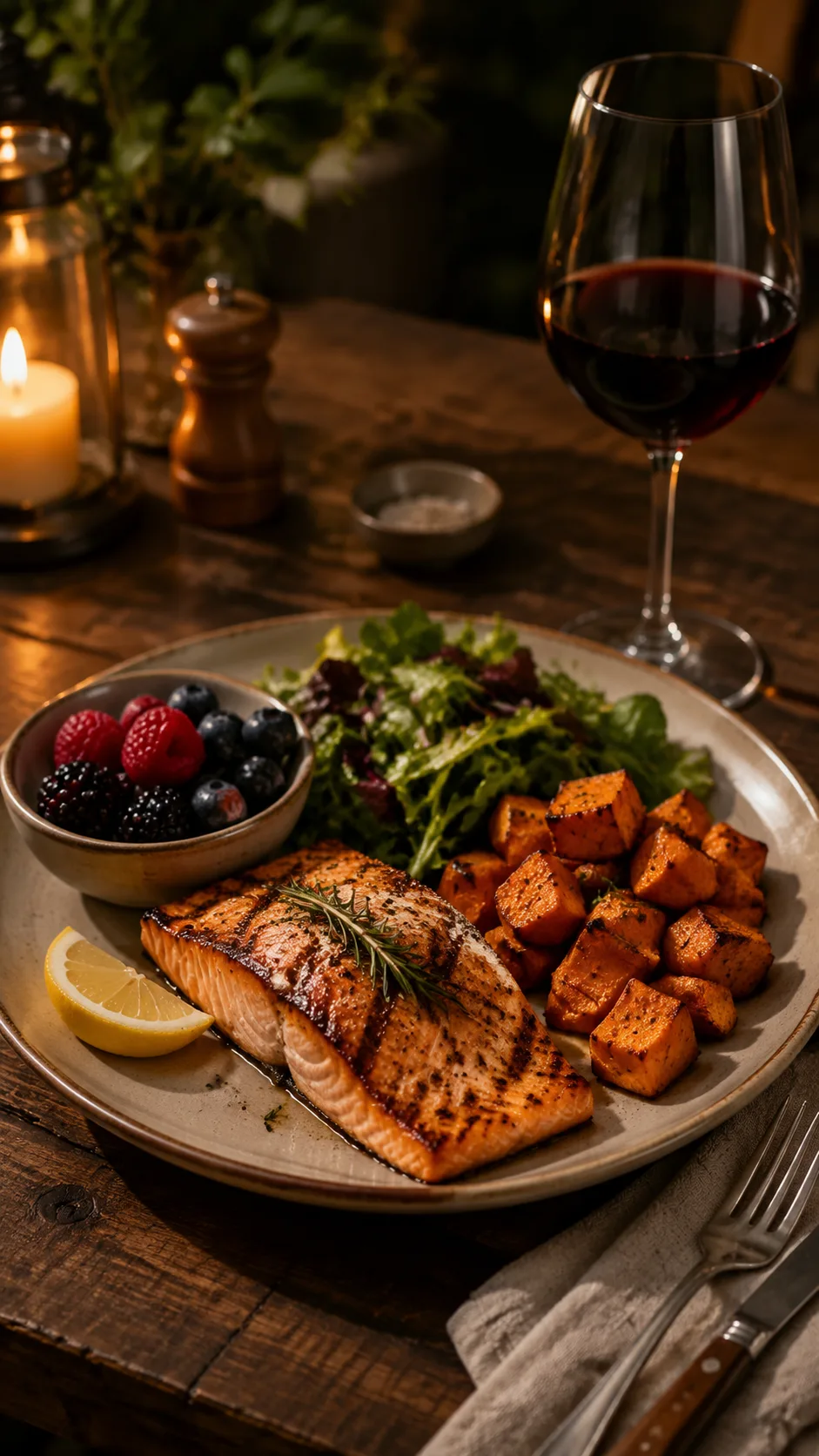
I won’t sugarcoat it. Phase 3 is where discipline matters most. You’re so close to your goal that complacency creeps in. Ever noticed how the last few pounds always feel like they take FOREVER? That’s normal. This phase might last several months, and that’s by design.
Phase 4: Lifetime maintenance, this is your life now
You’ve reached your goal weight. Congratulations. Phase 4 isn’t really a “phase.” It’s your permanent way of eating. You now know your ACE number, and you stick to it. If you start creeping up on the scale, you drop your carbs back by 10 to 20 grams until you stabilize.
The beauty of reaching Phase 4 is that nothing is truly “banned” anymore. You can eat bread, rice, pasta, just in quantities that your body can handle without regaining weight. Some people find they can enjoy 80 to 100 grams of carbs daily. Others function best around 50. There’s no universal answer, and that’s kind of the point.
Phase 4 ground rules
- Keep weighing yourself regularly. Weekly is enough.
- If you gain more than 5 pounds, return to Phase 2 for a reset
- Continue prioritizing protein, healthy fats, and foundation vegetables
- Treat processed carbs as occasional indulgences, not staples
- Stay active. Exercise amplifies everything Atkins does for your metabolism.
In my opinion, Phase 4 is what separates Atkins from crash diets. It teaches you how to eat for life rather than just handing you a temporary restriction. That transition from “diet mode” to “life mode” is something most plans completely ignore.
Why the Atkins diet works (the science part)
Let’s address the skeptics, because there are always skeptics. The Atkins diet works through several well-documented mechanisms, and the research backing them is substantial.
Mechanism #1: Ketosis burns stored fat
When you cut carbs below a certain threshold, your liver starts converting fatty acids into ketone bodies. These ketones become your brain’s and body’s primary fuel source. You’re literally burning your own fat stores for energy. Research published in the New England Journal of Medicine found that low-carbohydrate diets consistently produce greater short-term weight loss compared to low-fat diets.
Mechanism #2: Protein keeps you full
High-protein diets naturally suppress appetite. Protein triggers the release of satiety hormones like peptide YY and GLP-1, which tell your brain “we’re good, stop eating.” This is why most Atkins followers report eating fewer total calories without consciously counting them. You eat less because you genuinely want less. No willpower Olympics required.
Mechanism #3: Insulin stays low
Carbohydrates spike insulin. Insulin promotes fat storage. By keeping carbs low, you keep insulin low, and your body stays in fat-burning mode instead of fat-storing mode. It’s not magic. It’s endocrinology. The Harvard School of Public Health has extensively documented the relationship between carbohydrate quality, insulin response, and body weight regulation.
Mechanism #4: You lose water weight fast (and that’s OK)
Yes, a big chunk of your initial weight loss is water. Every gram of stored glycogen holds onto about 3 grams of water. When you deplete glycogen, you flush that water out. Critics love pointing this out as if it invalidates the diet. But here’s the thing: the water loss is just the appetizer. The sustained fat loss that follows is very real and very measurable.
Common Atkins mistakes (and how to dodge them)
I’ve watched plenty of people try Atkins and fumble it, not because the plan is flawed, but because they made avoidable errors. Here are the biggest ones:
- Not eating enough fat. People go low-carb AND low-fat simultaneously, which leaves them running on fumes. You NEED fat as your primary fuel source on Atkins. Embrace it.
- Ignoring vegetables. Atkins is not an all-meat diet. You should eat 12 to 15 grams of carbs from foundation vegetables daily, even in Phase 1. Your gut bacteria will thank you.
- Rushing through the phases. Each phase exists for a reason. Jumping from Phase 1 to Phase 4 because you “feel fine” is like skipping chapters in a textbook and wondering why you failed the exam.
- Forgetting electrolytes. Low-carb eating flushes sodium, potassium, and magnesium. Supplement them or eat foods rich in these minerals. Muscle cramps and headaches are almost always an electrolyte issue.
- Eating too many “Atkins-friendly” processed products. Those Atkins-branded bars and shakes? They’re fine occasionally, but they shouldn’t replace real food. Real meat, real vegetables, real fats. That’s the foundation.

Atkins vs. keto: what’s the real difference?
People confuse these two constantly, so let me clear it up. Keto keeps you in ketosis permanently. You typically stay at 20 to 50 grams of carbs per day forever. Atkins starts with ketosis but gradually increases carbs until you’re potentially eating well above ketogenic levels.
The practical difference? Atkins is more flexible long-term. You can eventually eat fruit, whole grains, and even some desserts, just in controlled amounts. Strict keto doesn’t offer that runway. Neither approach is objectively “better.” It depends on your personality, your goals, and how much you miss potatoes.
For those who want to go harder on the ketosis side of things, this hyper ketosis meal plan lays out a structure designed for faster fat adaptation. But for most people, the Atkins phased approach provides a more sustainable long-term solution.
Who should (and shouldn’t) try Atkins
Atkins works well for:
- People with significant weight to lose (30+ pounds)
- Anyone who struggles with sugar cravings and carb-driven hunger
- People with insulin resistance, prediabetes, or type 2 diabetes (with medical supervision)
- Folks who enjoy protein-rich foods and don’t want to count every calorie
Atkins may NOT be ideal for:
- Pregnant or breastfeeding women
- People with kidney disease (high protein intake can stress compromised kidneys)
- Elite endurance athletes who need high glycogen stores for performance
- Anyone with a history of eating disorders, since the restrictive phases can trigger unhealthy patterns
As always, talk to your doctor before starting any major dietary change. I know that sounds like generic advice, but it genuinely matters, especially if you’re on medications for blood sugar or blood pressure, which Atkins can affect quickly. The Mayo Clinic’s overview of the Atkins diet provides solid medical perspective on who benefits most and what precautions to take.
A sample day on Atkins (Phase 1)
Let me paint the picture so you can see this isn’t some grim deprivation diet.
- Breakfast: Three-egg omelet with spinach, mushrooms, and cheddar cheese, cooked in butter
- Lunch: Grilled chicken thighs over a massive bed of mixed greens with avocado, olive oil, and lemon dressing
- Snack: Celery sticks with cream cheese or a small handful of macadamia nuts
- Dinner: Pan-seared salmon with roasted broccoli and cauliflower mash made with butter and cream
Does that sound like suffering to you? Didn’t think so. The food on Atkins is genuinely good: rich, satisfying, and flavorful. The hardest part isn’t what you eat. It’s saying goodbye to bread for a while.
The bottom line: is Atkins worth it?
After decades of research, millions of success stories, and a structure that teaches you how to eat for life, the Atkins diet has earned its staying power. It works because it addresses the root cause of weight gain for most people: excessive carbohydrate consumption and the insulin rollercoaster it creates.
The phased approach gives you guardrails when you need them most and freedom when you’ve earned it. Phase 1 resets your metabolism. Phase 2 teaches you your limits. Phase 3 fine-tunes your approach. Phase 4 gives you a sustainable lifestyle. Each step builds on the last.
Is it the only effective diet out there? Of course not. But if you’re someone who does better with clear rules, enjoys protein and fat-rich foods, and wants a plan backed by decades of clinical evidence, Atkins is hard to beat. Start with Phase 1, commit to at least two weeks, and see how your body responds. That initial energy surge when ketosis kicks in? It might just convert you for life.