You can’t skip this step, so do it right. If you’ve watched even one episode of My 600-lb Life, you know the drill. Dr. Nowzaradan hands patients a strict eating plan, and they have to prove they can follow it before he operates.
Why is he so stubborn about it? And does the plan work outside the TV drama? This article answers both questions in plain English.
Quick note: I’m not your doctor, and this article doesn’t replace your surgical team. Use it to understand the logic, then take your own numbers to a licensed professional.
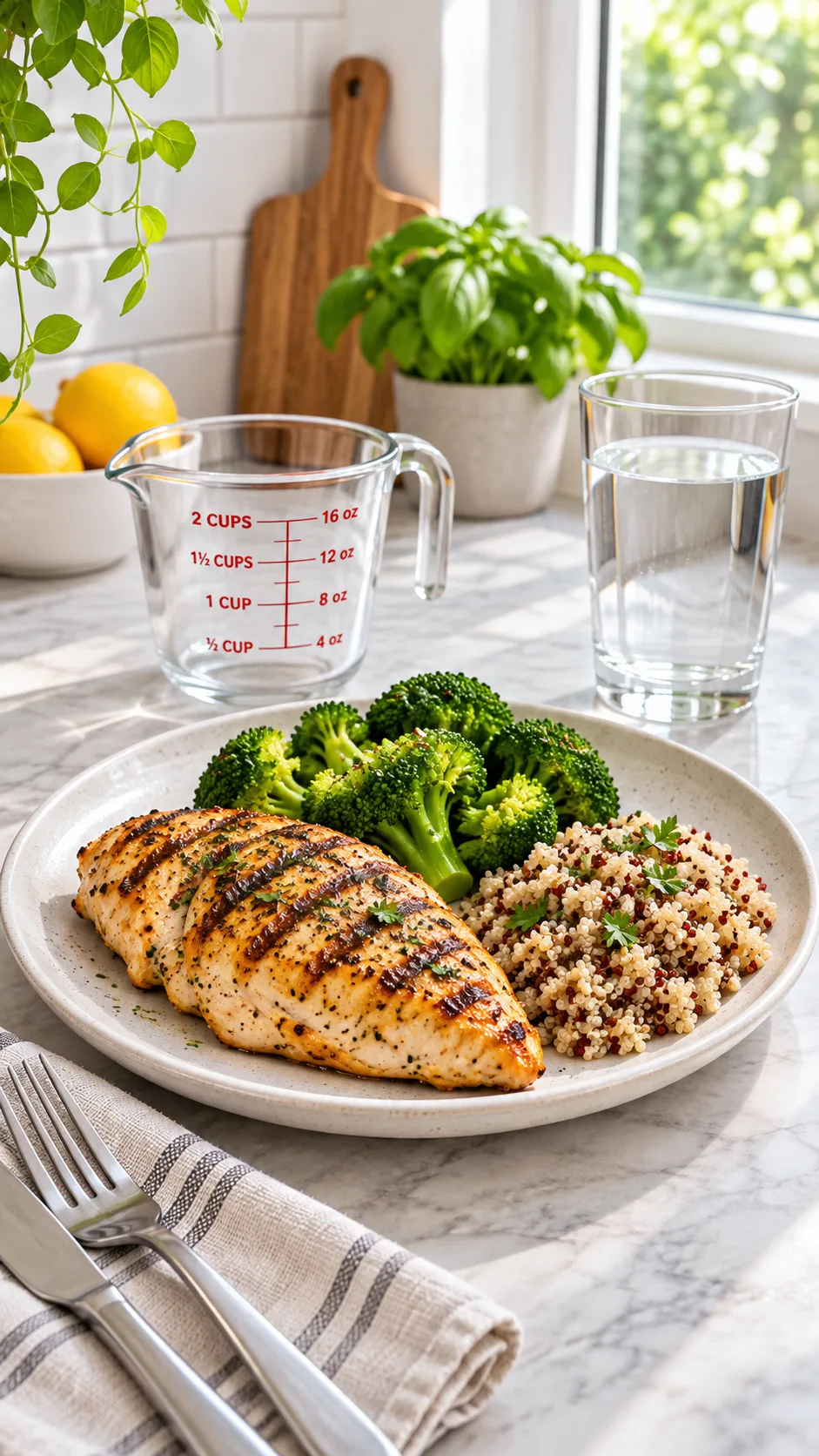
Why Dr. Nowzaradan makes patients lose weight before surgery
Dr. Younan Nowzaradan, the Houston bariatric surgeon from the TLC show, doesn’t assign pre-surgery weight loss to punish anyone. He assigns it because surgery at a very high body weight carries more risk. Anesthesia, healing, and the operation itself all get harder when the body carries extra weight, especially extra fat around the liver and belly.
Bariatric programs commonly require a pre-op diet for a few more reasons:
- A smaller, softer liver gives the surgeon more room to work safely.
- Less weight and better blood sugar can make recovery easier and lower the odds of complications.
- Surgery changes how you eat for life, so the pre-op period gives you and your team a trial run that shows your commitment.
- You practice portion control before your stomach forces the issue.
The National Institute of Diabetes and Digestive and Kidney Diseases explains that bariatric surgery works best alongside lasting changes in eating and activity. Dr. Nowzaradan’s plan builds that foundation.
The core rules of the Dr. Nowzaradan diet plan
The plan shows up in many versions online, and the details shift from patient to patient. The backbone stays the same. I wrote a longer breakdown in our guide to Dr. Nowzaradan’s 1200-calorie diet plan, and the short version follows.
- Eat about 1,200 calories a day. Viewers hear that number most often, though your surgeon may adjust it for your size, age, and health.
- Keep carbs low. Bread, pasta, rice, sweets, and sugary drinks take a back seat.
- Keep fat low. Fried food, heavy sauces, and fast food leave the menu.
- Put protein first. It keeps you full and helps protect muscle while you lose weight.
- Cut sodium. Less salt means less water retention and better blood pressure control.
- Skip liquid calories. Soda, juice, and sweet coffee drinks add up fast and fill you up slowly.
Sounds simple, right? It is. Simple doesn’t mean easy, though, and I’ll get to the hard part in a minute.
Why 1,200 calories?
A 1,200-calorie target creates a large calorie deficit for people with a high body weight. That deficit drives steady weight loss without the chaos of a crash diet. If your surgeon sets a different number, follow your surgeon’s number over anything you read in a blog post. (Yes, that includes this one.)
Why low carb and low fat together?
Most diets pick one enemy. This plan picks two. Cutting refined carbs steadies blood sugar and appetite, while cutting fat lowers the calorie load of each bite. Protein fills the gap so you don’t feel like you’re eating cardboard.
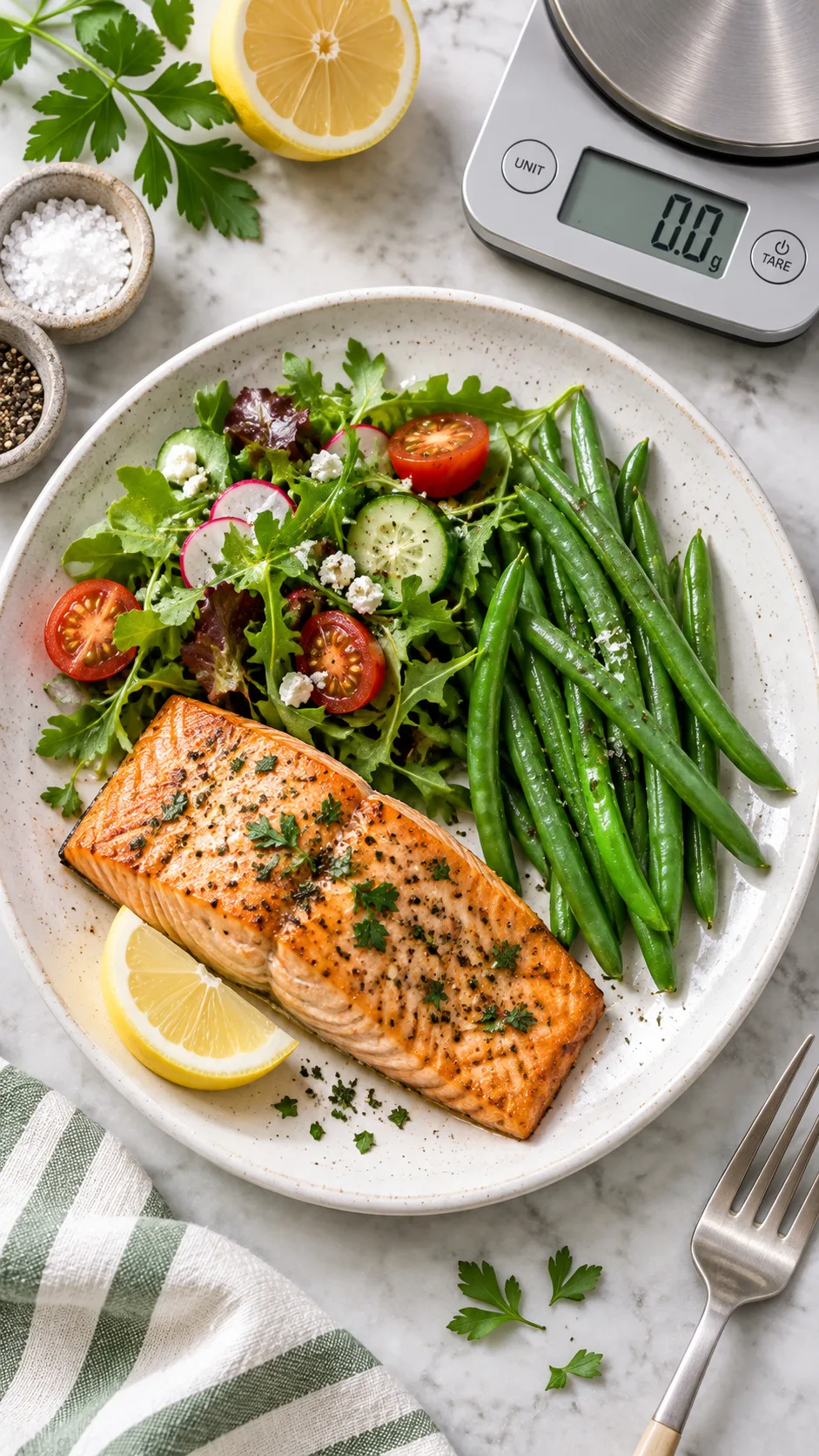
What a day of eating looks like
Below is a sample day that fits the general style of the plan. Adjust it to your surgeon’s instructions, your allergies, and your medical needs.
Breakfast (about 250 calories)
- Two egg whites plus one whole egg, scrambled with spinach
- One small slice of high-fiber toast, or skip it for extra veggies
- Black coffee or unsweetened tea
Lunch (about 350 calories)
- 4 ounces of grilled chicken breast
- A big pile of mixed greens with cucumber and tomato
- One tablespoon of light vinaigrette
Snack (about 120 calories)
- Plain nonfat Greek yogurt with a few berries
Dinner (about 400 calories)
- 4 ounces of baked white fish or lean turkey
- One cup of steamed broccoli or green beans
- A small scoop of cauliflower mash
Evening option (about 80 calories)
- Sugar-free gelatin or a small piece of fruit
That day lands you near 1,200 calories without much drama. Is it glamorous? Not really. Does it work? Often, yes, when you stick with it.
Foods to eat and foods to skip
Lists work better than paragraphs here, so print these and stick them on the fridge.
Eat these most days
- Lean proteins: chicken breast, turkey, white fish, egg whites, tofu
- Non-starchy vegetables: spinach, broccoli, zucchini, peppers, cauliflower
- Low-fat dairy: plain Greek yogurt, cottage cheese
- Small portions of fruit: berries, apple slices
- Water, and lots of it
Skip these (or treat them like rare guests)
- Soda, juice, sweet tea, and fancy coffee drinks
- Fried chicken, fries, and anything “crispy”
- White bread, pasta, and large portions of rice
- Candy, cookies, and pastries
- Processed meats, canned soups, and salty frozen meals
See the pattern? Whole, simple foods win. If a label needs a chemistry degree to read, put it back.
Protein: the secret weapon
In my opinion, protein makes or breaks this plan. When I eat a protein-heavy lunch, I don’t think about snacks until dinner. When I eat a carb-heavy one, I’m raiding the pantry by 3 p.m.
Protein digests slowly and keeps hunger quiet. It also helps you hold on to muscle while the scale drops. For more meal ideas, read our guide to a protein diet plan that keeps you full.
Your care team will give you a personal protein target, so ask for one. Bariatric dietitians set these numbers based on your size and health, not on a one-size-fits-all rule.
Why sodium matters more than you think
Dr. Nowzaradan often warns patients about salt, and for good reason. Excess sodium makes your body hold water, which can push blood pressure up and hide your real progress on the scale.
The Dietary Guidelines for Americans recommend that most adults limit sodium to under 2,300 milligrams a day. Your doctor may set a lower limit if you have heart or kidney concerns. Read labels, because restaurant and packaged foods hide the most salt.
Easy ways to cut sodium
- Cook at home more often
- Season with garlic, lemon, herbs, and spices instead of salt
- Rinse canned beans and vegetables
- Choose “no salt added” versions when you can
The mistakes that sabotage pre-surgery weight loss
Most people don’t fail because the plan is complicated. A few sneaky habits trip them up, and these are the big ones.
- Drinking calories without noticing. One large sweet coffee can eat a quarter of your daily budget.
- Guessing portions. Your eyes lie, so use a food scale and measuring cups for the first few weeks.
- Skipping meals, then bingeing. Long gaps set you up for a late-night food free-for-all.
- Trusting “healthy” packaged snacks. Granola bars often hide serious sugar.
- Going it alone. Isolation kills consistency, so tell someone your goal.
- Treating one slip as total failure. One bad meal doesn’t ruin a week. Quitting does.
The “all or nothing” trap is the worst of them. I’ve watched it derail more people than any single food.
How to stick with it when motivation disappears
Motivation shows up like a friend who flakes on plans. Systems beat willpower every time. Build a setup that works even on your worst day.
Prep like you mean it
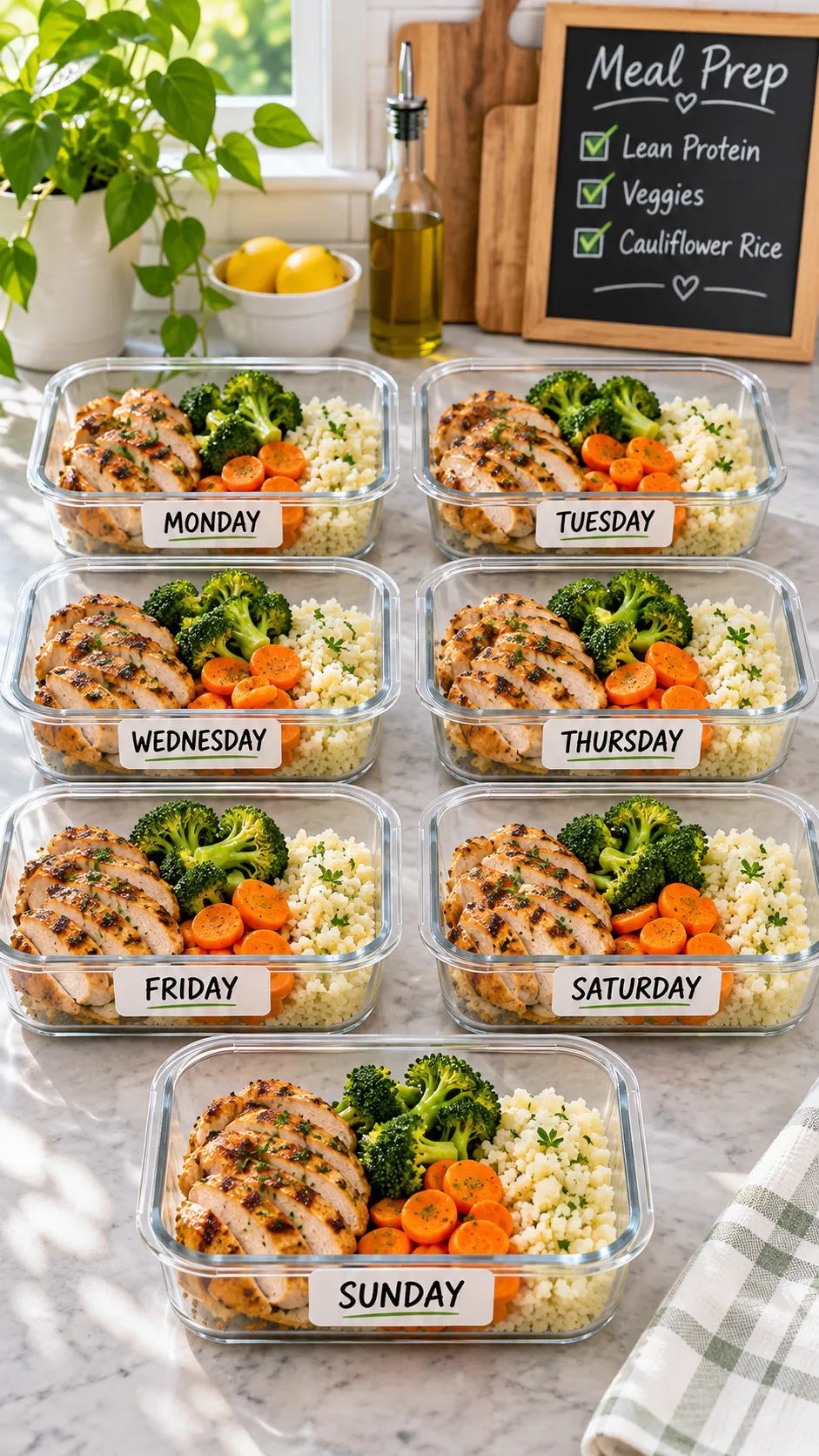
Cook proteins and chop veggies on one day each week. When dinner time arrives and you’re tired, a ready container beats a drive-thru.
Clear out the danger zone
Look in your pantry. If cookies live there, you will eat them at 10 p.m. Move trigger foods out of the house or out of sight. Out of sight cuts cravings for most people.
Track without obsessing
Log your meals in an app or a notebook. The goal is awareness, not perfection. Review your log weekly and look for patterns, such as weekend slip-ups or afternoon snack attacks.
Move within your limits
Your surgeon will tell you what activity is safe. Many patients start with short walks and build from there. Small, regular movement beats heroic workouts you skip.

How this plan compares to other approaches
People often ask me whether they could just pick another diet. Sometimes they can, but your surgeon sets the rules for your case. Here’s how the Nowzaradan style stacks up against a few popular options.
- Standard 1,500-calorie plans suit many people with smaller deficits. Our 1500 calorie diet plan shows what that looks like.
- GLP-1 medication diets center on small, nutrient-dense meals because appetite drops. Your doctor guides these closely.
- Crash diets promise fast results and deliver rebound weight gain. Skip them.
The Nowzaradan plan stands out because it is structured and medically supervised, and it prepares you for surgery instead of just shrinking a number on the scale.
Safety first: talk to your team
A 1,200-calorie plan isn’t right for everyone. People with diabetes, kidney disease, or heart conditions, and those who take certain medications, need personal guidance. Pregnant or breastfeeding women need a different approach entirely.
The American Society for Metabolic and Bariatric Surgery offers patient resources on what to expect before and after surgery. Read them, then bring your questions to your appointment. Your surgeon and a registered dietitian know your body. A website doesn’t.
Call your doctor if you notice
- Dizziness or fainting
- Extreme weakness or fatigue
- Heart palpitations
- Persistent nausea or vomiting
Frequently asked questions
How much weight do I need to lose before surgery?
It depends on your surgeon, your starting weight, and your health. Some patients get a specific pound target, while others need to show steady progress. Ask your team for a clear number so you know what to aim for.
Can I eat out on this plan?
Yes, with a strategy. Choose grilled protein, ask for sauces on the side, and swap fries for vegetables. In my experience, checking the menu online before you go saves you from impulse orders.
What if my weight stalls?
Stalls happen to almost everyone. Recheck your portions, hidden liquid calories, and sodium first. If the scale still refuses to budge after a couple of weeks, tell your care team instead of cutting calories on your own.
Do I need supplements?
Possibly. Low-calorie eating can leave gaps in vitamins and minerals, so your surgeon or dietitian may recommend a multivitamin or other supplements. Ask before you start any of them, because some interact with medications.
Final thoughts: progress beats perfection
The Dr. Nowzaradan diet plan comes down to a few clear ideas: about 1,200 calories, low carbs, low fat, high protein, low sodium, and no liquid sugar. It asks a lot, but it also gives you a real shot at safer surgery and a healthier start.
Reality TV skips this part: the plan works when you repeat it, even on days you don’t nail it. Pick one change today, whether that’s swapping soda for water or prepping tomorrow’s lunch. Then do it again tomorrow.
Ready to get started? Book that dietitian appointment, grab a food scale, and take the first meal one bite at a time. Your future self, the one recovering well after surgery, will thank you.