You want the real Dr. Now 1200-calorie diet rules, not another “eat clean and manifest it” speech. Fair enough. This plan produces weight loss through a firm calorie limit and simple food choices, with no room for mindless snacking.
Dr. Younan Nowzaradan, the bariatric surgeon many people know from My 600-lb Life, uses highly structured eating plans to help patients lose weight before surgery. His approach looks blunt because his patients face serious circumstances. He has no patience for magic detox tea or for pretending a latte counts as hydration.
The central rule stays simple: eat roughly 1,200 calories a day, prioritize protein, cut added sugar, limit refined carbs, and stick to planned meals. That structure can help some adults lose weight, but you need medical guidance if you have a health condition, take medication, or plan bariatric surgery.
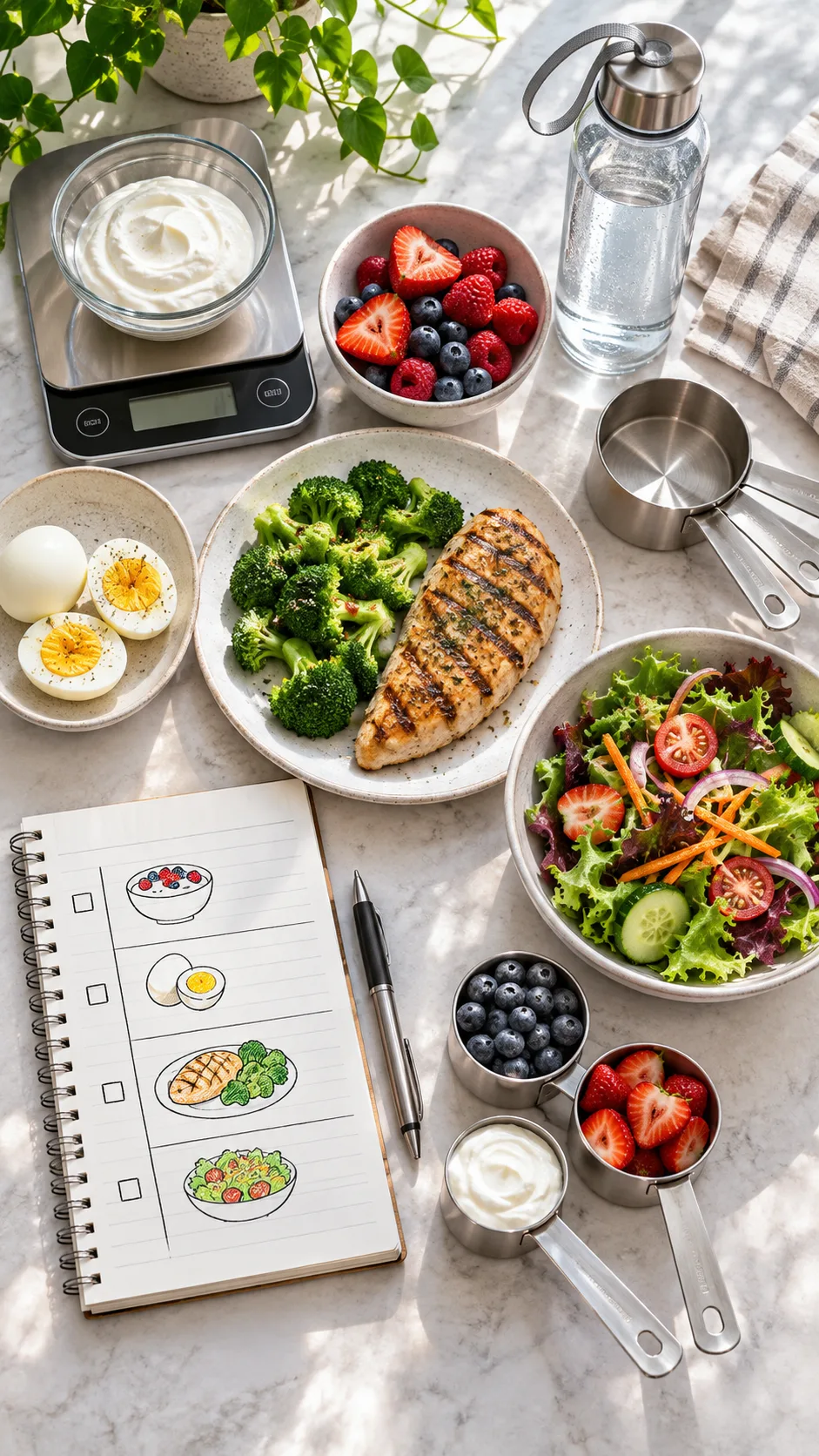
What is Dr. Nowzaradan’s 1200-calorie diet plan?
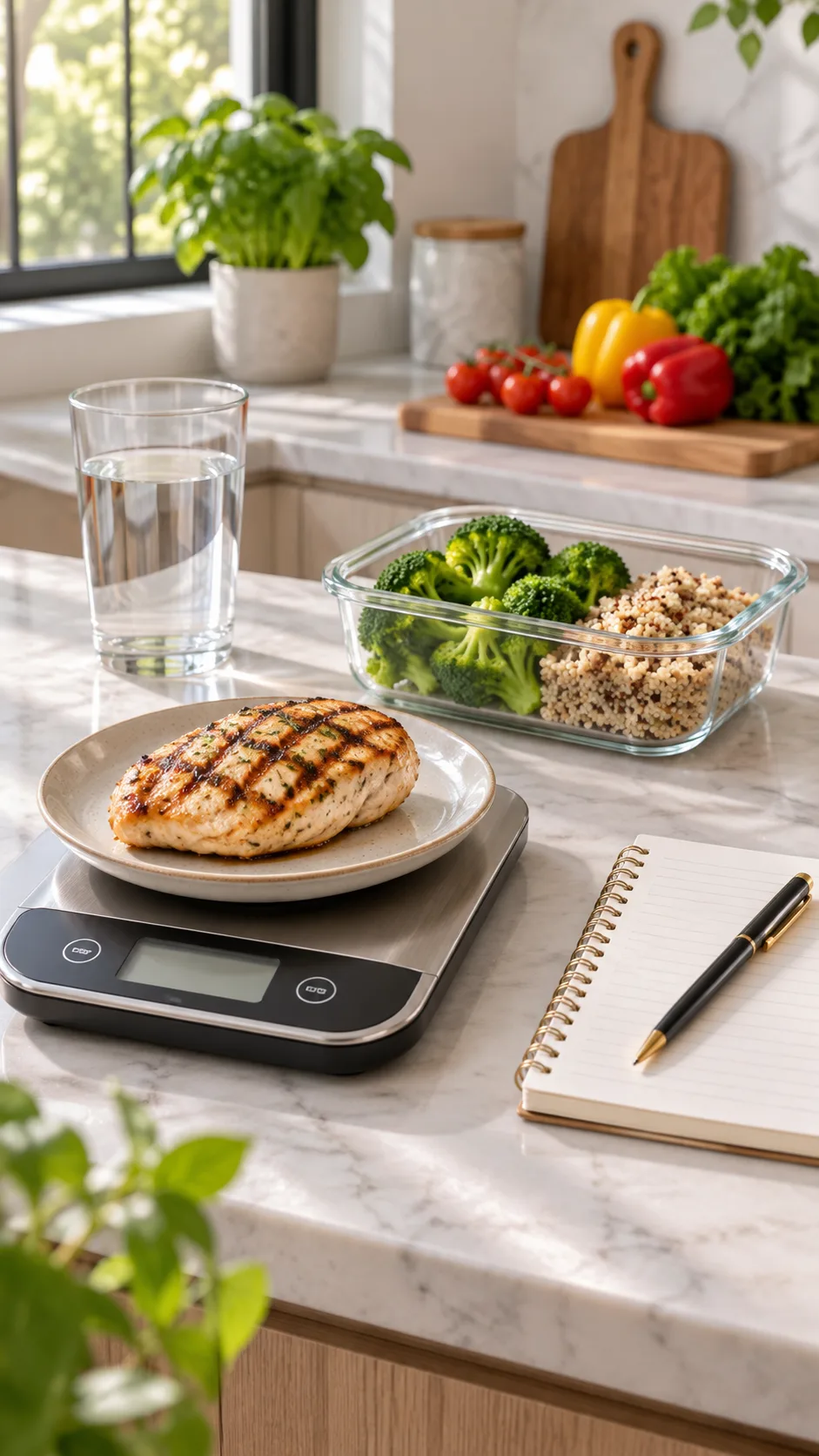
The Dr. Now diet plan uses a low-calorie, high-protein, lower-carb framework. It asks you to eat enough protein and nutrient-dense food while keeping your daily energy intake very low. Patients lose weight, but the plan also lowers their surgical risk and builds eating habits they can keep after bariatric surgery.
Most versions of the plan focus on three small meals a day. They skip grazing, sugary drinks, desserts, fried foods, and large portions of starchy carbohydrates. Ever noticed how “just a few bites” can somehow turn into a whole afternoon of eating? This plan shuts that door.
Dr. Now’s public TV guidance often centers on simple messages: eat less, move more, follow the plan, and take responsibility for each choice. Still, he treats real patients as individuals. Your personal calorie target, protein goal, and food restrictions may differ from the popular online version.
The National Institute of Diabetes and Digestive and Kidney Diseases explains that bariatric programs use structured nutrition plans before and after surgery. A qualified bariatric team can account for your health history, lab results, medications, and recovery needs. That kind of support beats copying a viral grocery list and hoping for the best.
The exact Dr. Now 1200-calorie diet rules
The internet often turns Dr. Now’s approach into a list of forbidden foods and skips the logic behind it. The real framework works because it limits calories and steers you toward filling, minimally processed meals.
1. Stay near 1,200 calories per day
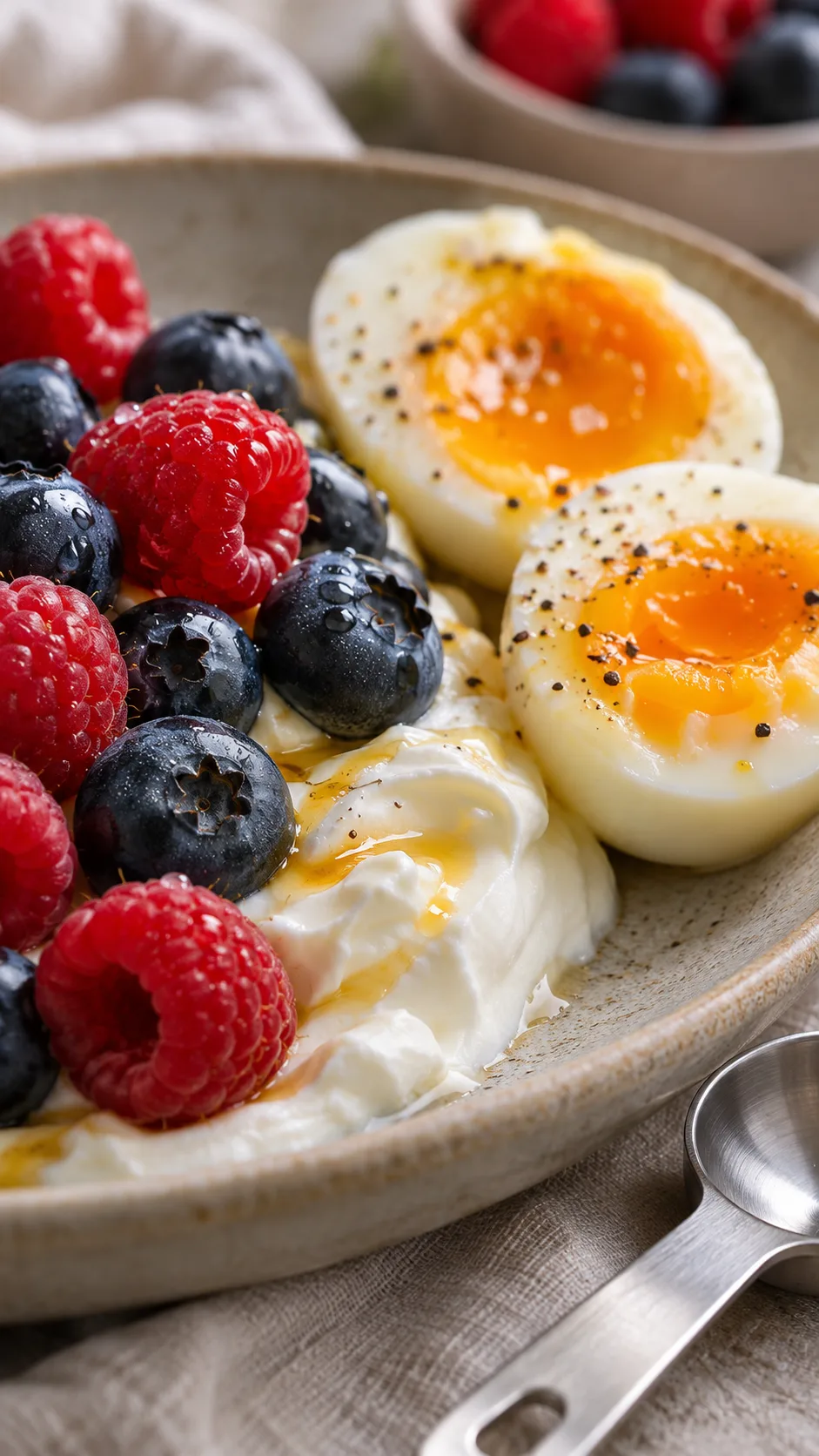
The plan sets a daily ceiling of around 1,200 calories. That number creates a calorie deficit for many larger adults, especially at the start of a medically supervised weight-loss program. A calorie deficit means you consistently eat less energy than your body uses.
Do not treat 1,200 calories as a universal target. Smaller adults, larger adults, athletes, older adults, pregnant people, people with diabetes, and people who take certain medicines all need individualized advice. Your body does not care what a random comment section claims.
Track your intake honestly for at least the first few weeks. Use a food scale, measuring cups, package labels, or a reputable food-tracking app. Oils, sauces, dressings, coffee creamers, and “healthy” handfuls of nuts can add hundreds of calories before lunch.
2. Eat three planned meals and stop grazing
Most Dr. Now-style meal plans use three meals with no routine snacks. This rule plugs a major calorie leak: unplanned eating between meals. You do not need to panic if hunger hits occasionally, but you do need a plan before hunger makes every vending machine look persuasive.
Build each meal around protein and high-volume vegetables. That combination fills you up on fewer calories than pastries, chips, or sugary cereal. If your clinician allows a snack, choose one on purpose and count it inside your 1,200-calorie budget.
- For breakfast, eat lean protein plus a small amount of fiber-rich produce or whole-grain food.
- For lunch, build a plate around lean meat, fish, eggs, beans, or tofu and non-starchy vegetables.
- For dinner, repeat the same formula and keep the healthy fats and starches in controlled portions.
3. Prioritize protein at every meal
Protein sits at the center of the Dr. Now 1200-calorie diet because it keeps you full and helps you hold onto lean tissue during weight loss. Chicken breast, turkey, eggs, fish, plain Greek yogurt, cottage cheese, tofu, and beans all work well. You do not need exotic powders named after mountain goats.
Many bariatric programs set specific protein targets based on body size, surgery stage, and medical needs. Ask your doctor or dietitian for your number rather than guessing. Too little protein leaves you hungry and makes a very low-calorie plan harder to maintain.
The USDA MyPlate guidance also recommends building meals around nutrient-dense foods such as protein foods, vegetables, fruits, and whole grains. Dr. Now’s approach uses tighter portions and stricter calorie control than a general healthy-eating plan.
4. Cut added sugar completely or almost completely
Added sugar brings calories without much fullness. Soda, sweet tea, candy, cookies, frosted coffee drinks, juice cocktails, and many “fitness” bars can wreck a 1,200-calorie budget fast. One large sugary drink can take a big bite out of your daily allowance before you chew a single thing.
Choose water, sparkling water, unsweetened tea, or black coffee if caffeine works for you. Read labels on yogurt, sauces, cereal, granola, and bottled smoothies. Those products often wear a health halo while they quietly carry dessert-level sugar.
Fruit is not candy. Whole fruit brings water and fiber, so you can include controlled portions if your personalized plan allows them. Juice loses much of that fullness advantage and makes overconsumption almost comically easy.
5. Keep refined carbs low
The Dr. Now diet typically limits bread, pasta, white rice, pastries, crackers, chips, and other refined carbohydrates. These foods can fit into a balanced diet for many people, but they burn through your calories quickly and often leave you hungry again soon after. On a strict 1,200-calorie plan, food quality matters a lot.
Choose smaller portions of high-fiber carbohydrates when your plan includes them. Beans, lentils, oats, quinoa, sweet potato, and brown rice generally give you more fiber and nutrients than white bread or candy-flavored cereal. Portion size still decides the outcome.
If you enjoy West African meals, you can still work with familiar foods. Check this guide to low-carb and non-carbohydrate foods in Nigeria for practical ingredients that fit lower-carb meal planning. You can keep the flavor without turning every meal into a starch festival.
6. Avoid fried foods and limit added fats
Fried foods pack a lot of calories into small portions. Oils, butter, mayonnaise, creamy sauces, and cheese can also push meals far beyond your target. A tablespoon of oil contains roughly 120 calories, so “a little drizzle” deserves a measuring spoon.
Grill, bake, air-fry, steam, poach, roast, or sauté with measured oil. Add flavor with garlic, ginger, pepper, lemon, vinegar, herbs, spices, and salt in amounts that suit your health needs. Bland food earns no bonus points for suffering.
Healthy fats still matter, but the plan demands precision. Measure avocado, nuts, nut butter, olive oil, and seeds instead of eyeballing them. Your eyes have many talents, but calorie math is not one of them.
7. Skip alcohol and liquid calories
Alcohol adds calories, weakens your food judgment, and can interact with medicines. Sweetened drinks create the same calorie problem without even the tiny illusion of sophistication. Dr. Now-style plans keep beverages simple because liquid calories rarely satisfy hunger.
Choose water first. Keep a bottle nearby, drink with meals, and add lemon, cucumber, or mint if plain water bores you. If you struggle with frequent thirst or urination, talk with a healthcare professional, because those symptoms can signal a medical issue.
8. Measure portions like they matter
A 1,200-calorie plan depends on portion control. “Healthy” food can still blow past your calorie target when portions grow too large. Peanut butter, rice, cheese, trail mix, avocado, and cooking oil all prove this with ruthless efficiency.
- Weigh meats, fish, cooked grains, and calorie-dense foods when possible.
- Use measuring spoons for oils, dressings, sugar, and sauces.
- Serve food on a plate instead of eating from packets or pans.
- Check serving sizes before you trust a package’s calorie claim.
- Log restaurant meals carefully, then expect estimates rather than perfection.
What can you eat on Dr. Now’s diet?
The best Dr. Now diet food list centers on foods that give you protein, fiber, vitamins, and volume without blowing your calorie budget. Aim for foods you recognize as real food. If a product needs a marketing department to explain why it counts as breakfast, pause.
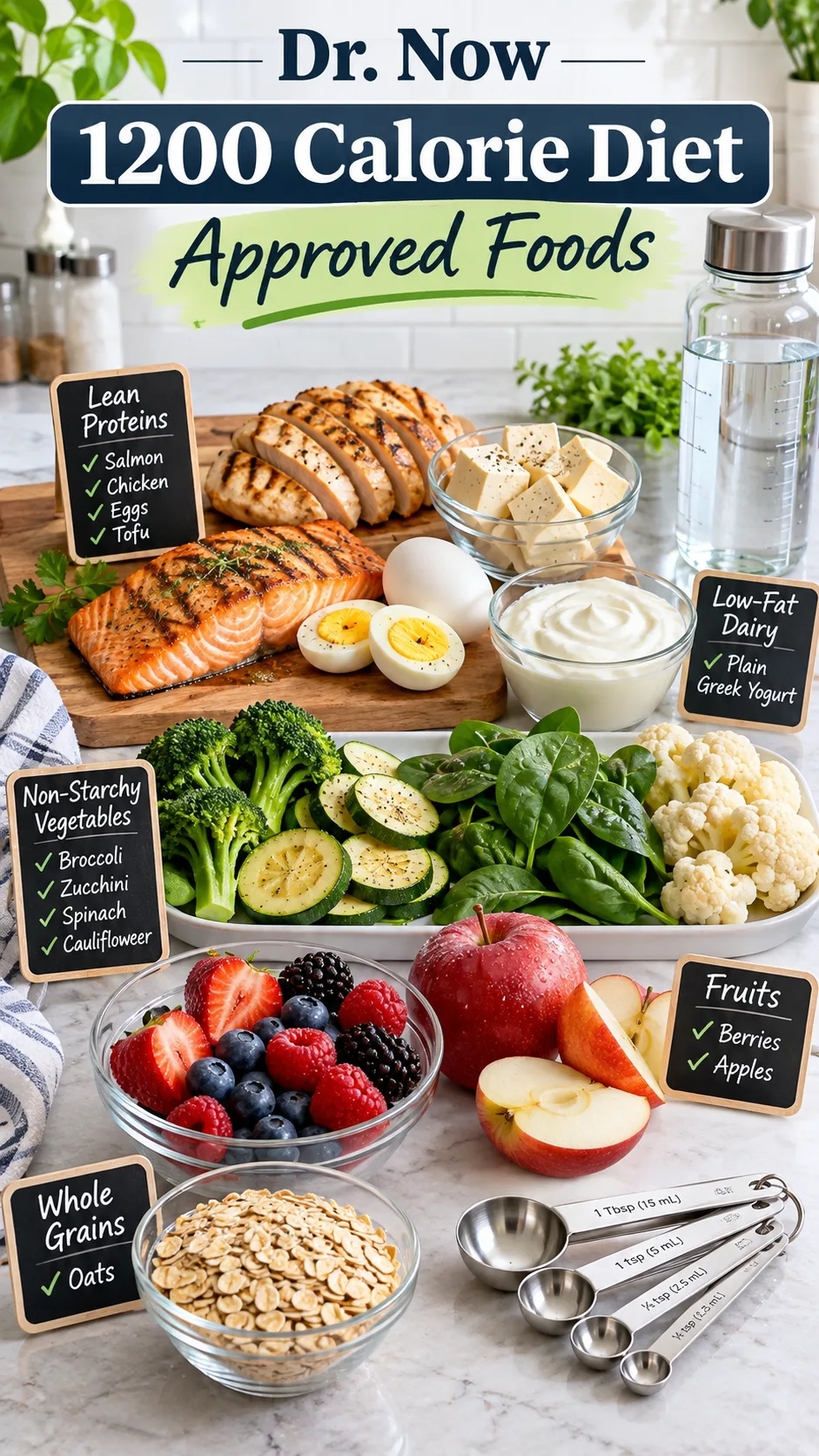
Protein foods
- Skinless chicken or turkey
- Fish and seafood
- Eggs and egg whites
- Lean beef in measured portions
- Plain Greek yogurt or low-fat cottage cheese
- Tofu, tempeh, lentils, and beans
- Protein shakes only when your clinician recommends them
Low-calorie vegetables
- Broccoli, cauliflower, cabbage, and Brussels sprouts
- Spinach, kale, lettuce, and other leafy greens
- Zucchini, cucumber, mushrooms, and peppers
- Green beans, asparagus, okra, and tomatoes
- Carrots and onions in sensible portions
Foods to limit or avoid
- Soda, juice drinks, sweet coffee, and energy drinks
- Cakes, cookies, candy, ice cream, and sugary cereal
- White bread, large pasta servings, pastries, and chips
- Deep fried foods and heavy cream sauces
- Large portions of rice, potatoes, fufu, yam, or other starches
- Alcohol and frequent restaurant meals with unknown portions
You do not need to label foods “good” or “bad” to use this framework. You just need to recognize which foods make a tight calorie target easier or harder. That mindset spares you the guilt and still keeps you accountable.
A sample Dr. Now 1200-calorie meal plan
This sample shows how a 1,200-calorie day can look. It does not replace a plan from your doctor or registered dietitian. Work with a professional to adjust portions for your allergies, cultural foods, and medical restrictions.
Breakfast: around 300 calories
Scramble two eggs with spinach, mushrooms, and tomatoes in a measured teaspoon of olive oil. Add one small slice of whole-grain toast or a half cup of berries. Drink water, unsweetened tea, or coffee without sugary add-ins.
Lunch: around 400 calories
Eat a large salad with 4 ounces of grilled chicken, mixed greens, cucumber, tomatoes, peppers, and a measured vinaigrette. Add a small serving of beans or a piece of fruit if your calorie budget allows it. Creamy dressing never belongs in the “it barely counts” category.
Dinner: around 400 calories
Serve 4 ounces of baked salmon or lean turkey with roasted broccoli and cauliflower. Add a half cup of cooked lentils or a small sweet potato for a controlled carbohydrate serving. Season with herbs, lemon, pepper, garlic, and vinegar.
Flexible calories: around 100 calories
Spend the final calories on plain Greek yogurt, a small piece of fruit, extra vegetables, or a medically approved protein option. Some people split meals differently, and some need more than 1,200 calories. Consistency matters more than copying a sample menu down to the last blueberry.
Want more ideas that save time when life gets busy? Try this healthy meal prep for the week guide for filling recipes and practical prep strategies. Meal prep removes decision fatigue, which often shows up around 6 p.m. wearing the mask of “I deserve takeout.”
Why does the 1200-calorie plan work?
The plan works because it creates a consistent calorie deficit. Your body taps stored energy when you eat fewer calories than you burn over time. Protein and vegetables keep you fuller, and meal structure cuts down on random eating.
It also works because it forces awareness. You cannot casually eat 1,200 calories if you ignore labels, portions, beverages, and cooking fats. The plan turns vague intentions into measurable actions, and measurable actions give you useful feedback.
Weight loss rarely moves in a perfect straight line. Water retention, hormones, sodium, constipation, exercise, and normal body changes can shift the scale from day to day. Track weekly trends, waist measurements, energy, hunger, and adherence instead of letting one weigh-in ruin your mood.
The Centers for Disease Control and Prevention notes that gradual, steady weight loss often leads to long-term success. Some people in medically supervised bariatric programs lose faster at first because they start at a higher weight or follow stricter pre-surgery plans. Your pace depends on your own health, not on somebody else’s before-and-after post.
Who should not start a 1200-calorie diet alone?
A 1,200-calorie plan can feel restrictive, and it can leave nutritional gaps if you follow it carelessly. You need professional support if you have diabetes, kidney disease, heart disease, liver disease, digestive disorders, or a history of an eating disorder. You also need personalized advice if you take insulin, blood-pressure drugs, diuretics, or other medicines that weight loss can affect.
Pregnant people, breastfeeding parents, teenagers, and highly active adults should not use this plan without specific clinical guidance. Your body may need significantly more energy and nutrients during these stages. If you need nourishment during pregnancy, read our pregnancy diet plan instead of forcing a bariatric-style calorie target.
Talk to a registered dietitian or physician before you start. Ask about calorie needs, protein, fiber, fluids, vitamins, minerals, medications, and safe exercise. Strong plans run on data and support, not on willpower fumes.
Common Dr. Now diet mistakes that slow progress
People usually struggle with this plan because they underestimate calories or overcomplicate meals. The basics work, but only when you follow them consistently. Which of these sneaky habits sounds familiar?
- Drinking calories erases your deficit quickly. Sweet coffee, juice, alcohol, and soda all count.
- Ignoring cooking oil adds up fast, so measure it every time instead of pouring with confidence and chaos.
- Eating too little protein can ramp up hunger and make muscle preservation harder.
- Skipping meals and then overeating backfires. Planned meals often work better than white-knuckling hunger all day.
- Calling weekends “free days” sinks the plan, because a calorie deficit cannot survive repeated 3,000-calorie detours.
- Expecting perfection sets you up to fail. After one off-plan meal, take a calm reset instead of a full surrender.
How to make the Dr. Now diet easier to follow
Start with boringly useful preparation. Plan three meals, shop with a list, cook protein in batches, wash vegetables, and keep calorie-friendly options visible. Your future hungry self deserves support, not a fridge full of mystery sauces.
Eat slowly and sit down for meals when you can. Put your phone away for the first few minutes, chew thoroughly, and notice when fullness arrives. Distraction can make a small portion feel invisible.
Add movement that matches your current ability. Walking, chair exercises, water aerobics, resistance bands, and beginner strength training can all support your health and mobility. If you want a gentle fitness structure, this running for beginners plan can help you build activity gradually once your healthcare professional clears you.
Finally, track more than scale weight. Notice better stamina, easier movement, improved blood sugar readings, looser clothes, meal consistency, and stronger habits. Those wins build momentum that lasts.
Final thoughts on Dr. Nowzaradan’s 1200-calorie diet plan
Dr. Nowzaradan’s 1200-calorie diet plan works because it keeps the rules clear: control calories, prioritize protein, eat vegetables, limit sugar and refined carbs, measure portions, and avoid unplanned snacking. It asks for consistency, not perfection.
Use the plan as a structured starting point, not a punishment. Get medical guidance before you restrict calories, especially if you have health conditions or take medication. Then focus on the next meal, the next walk, and the next honest choice. Those small choices add up faster than you think.