You do not need another diet that leaves you eyeing your coworker’s sandwich like it wronged you. You need a high protein diet plan that helps you lose fat, stay full, and keep enough energy for real life.
Protein can make fat loss easier because it helps you stay full, hold on to lean muscle, and burn slightly more energy during digestion than carbs or fat. Chicken breast does not work magic, sadly. Protein simply makes a calorie deficit easier to maintain.
This guide covers a realistic high protein meal plan, simple protein targets, food ideas, and the mistakes that can turn healthy eating into an exhausting spreadsheet.
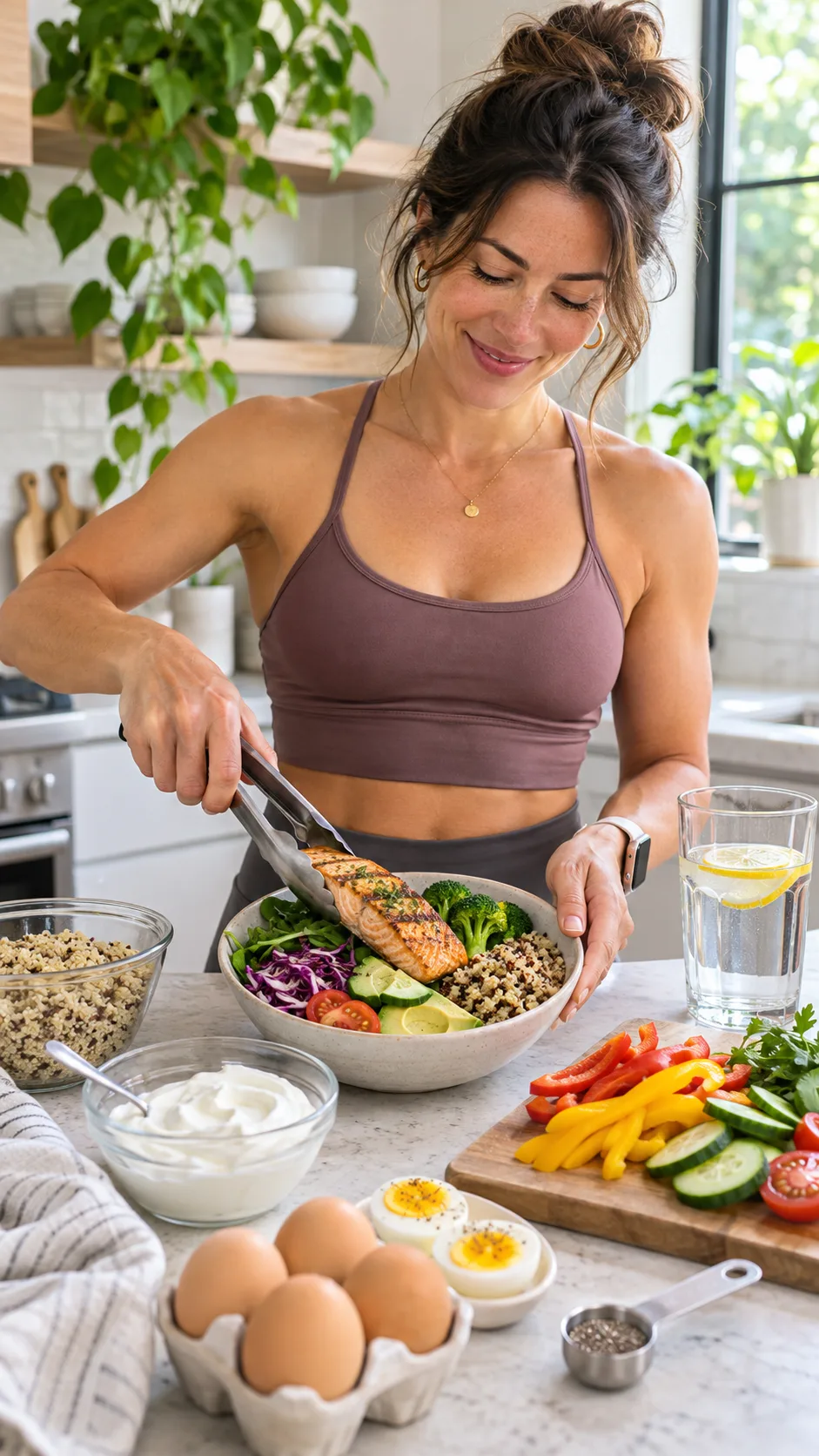
Why a high protein diet helps women lose fat
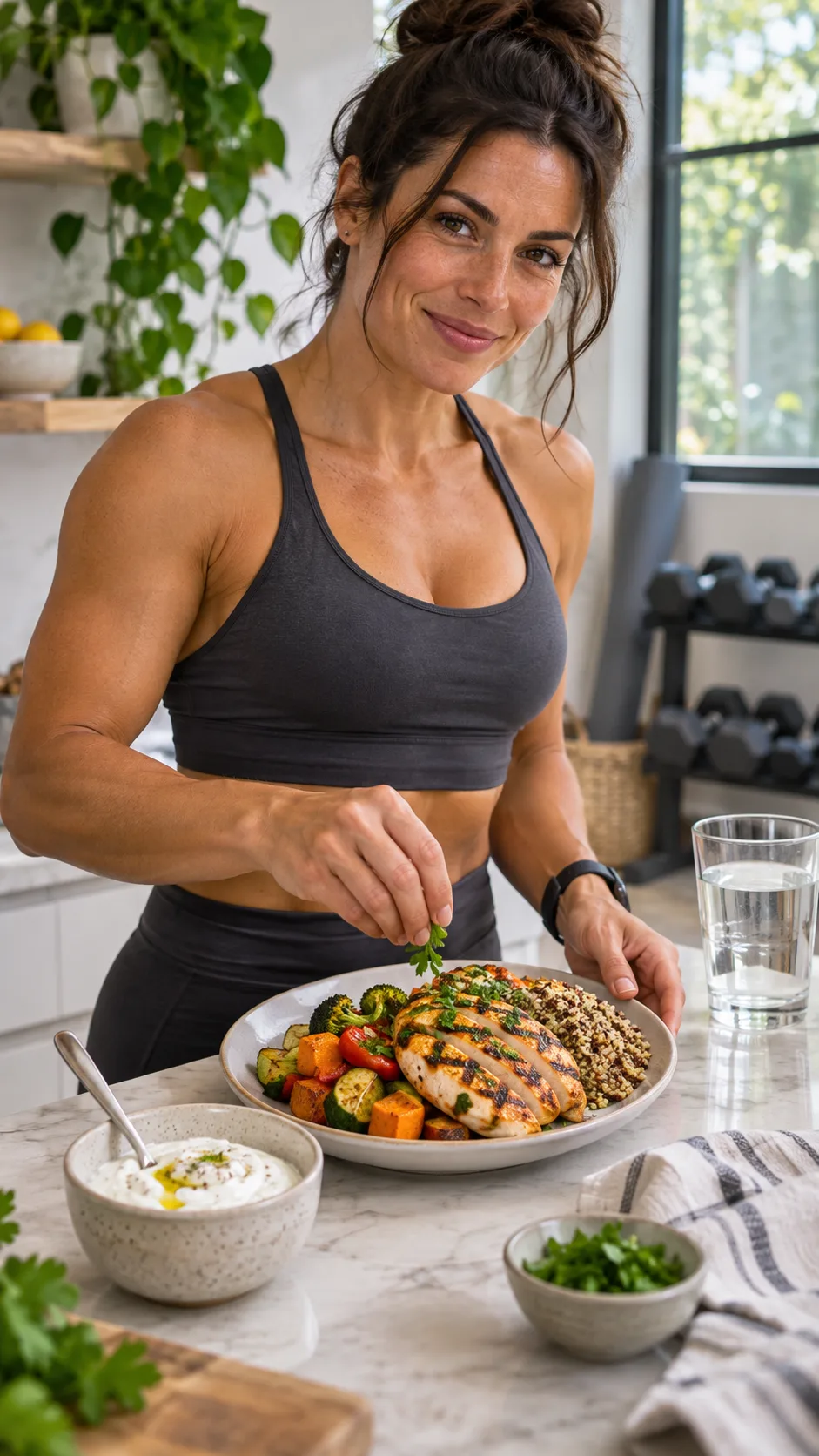
Fat loss requires a sustained calorie deficit: you consume less energy than your body uses over time. Protein does not change that rule. It can help you follow it without spending every afternoon hungry and irritable.
Protein helps during weight loss in a few practical ways. It can leave you more satisfied after meals, support muscle repair, and help you keep lean mass as you lose weight. Muscle matters because it helps you stay strong, capable, and metabolically active.
Protein helps you stay full for longer
A meal with plenty of protein often keeps hunger quieter than one built mostly around refined carbs. Think eggs and toast compared with a muffin on its own. Both can taste good, but eggs give you a better shot at avoiding the 10:30 a.m. snack search.
Research links higher protein eating patterns with greater fullness and better weight management. The American Journal of Clinical Nutrition review on protein and appetite explains how protein can increase satiety and help with body-weight management.
Protein protects lean muscle during a calorie deficit
Your body can lose fat and lean tissue when you cut calories hard. Strength training and enough protein remind your body to keep muscle. That matters if you want to feel stronger, maintain a firmer shape, and avoid losing progress after one stressful month.
Many women worry that protein or strength training will make them “bulky.” Your body will not build bodybuilder-level muscle by accident from three dumbbell sessions and a bowl of yogurt. Building a large amount of muscle takes years of focused training, food, recovery, and effort.
Protein uses more energy during digestion
Your body uses energy to digest food. Nutrition researchers call this the thermic effect of food. Protein creates a larger thermic effect than carbohydrate or fat. That gives it a small advantage, but it will not cancel out a weekend of bottomless brunch.
The bigger benefit comes from greater fullness, easier food choices, and muscle retention. Those habits matter far more than any “fat-burning” tea.
How much protein do women need for fat loss?
Many active women who want to lose fat can start around 1.2 to 1.6 grams of protein per kilogram of body weight per day. Women who lift regularly, diet hard, or carry more body fat may benefit from targets near the top of that range.
You can use a simpler approach too: aim for 25 to 35 grams of protein at each main meal, then add a protein snack when hunger or your schedule calls for one. Busy people often find this easier because they do not need to weigh every blueberry.
The International Society of Sports Nutrition supports higher protein intake for active adults, especially those working toward body-composition goals. Read its protein and exercise position stand if you like science with your coffee.
A quick protein target example
A woman who weighs 70 kilograms might aim for about 84 to 112 grams of protein each day. She could spread that amount across breakfast, lunch, dinner, and a snack. You do not need perfect numbers. You need a pattern you can repeat.
- Breakfast: 25 to 30 grams of protein
- Lunch: 30 to 35 grams of protein
- Dinner: 30 to 35 grams of protein
- Snack: 15 to 25 grams of protein when hunger or your schedule calls for it
If you currently eat 40 grams a day, do not jump to 130 grams tomorrow and then blame your digestive system. Add 15 to 20 grams per day for a week, drink enough water, and give your meals time to adjust.
The best high protein foods for women
You do not need costly supplements or a refrigerator full of plain turkey slices. Pick protein foods you enjoy, rotate them, and include plant options if you like them. You will stick with a plan more easily when your meals do not bore you.
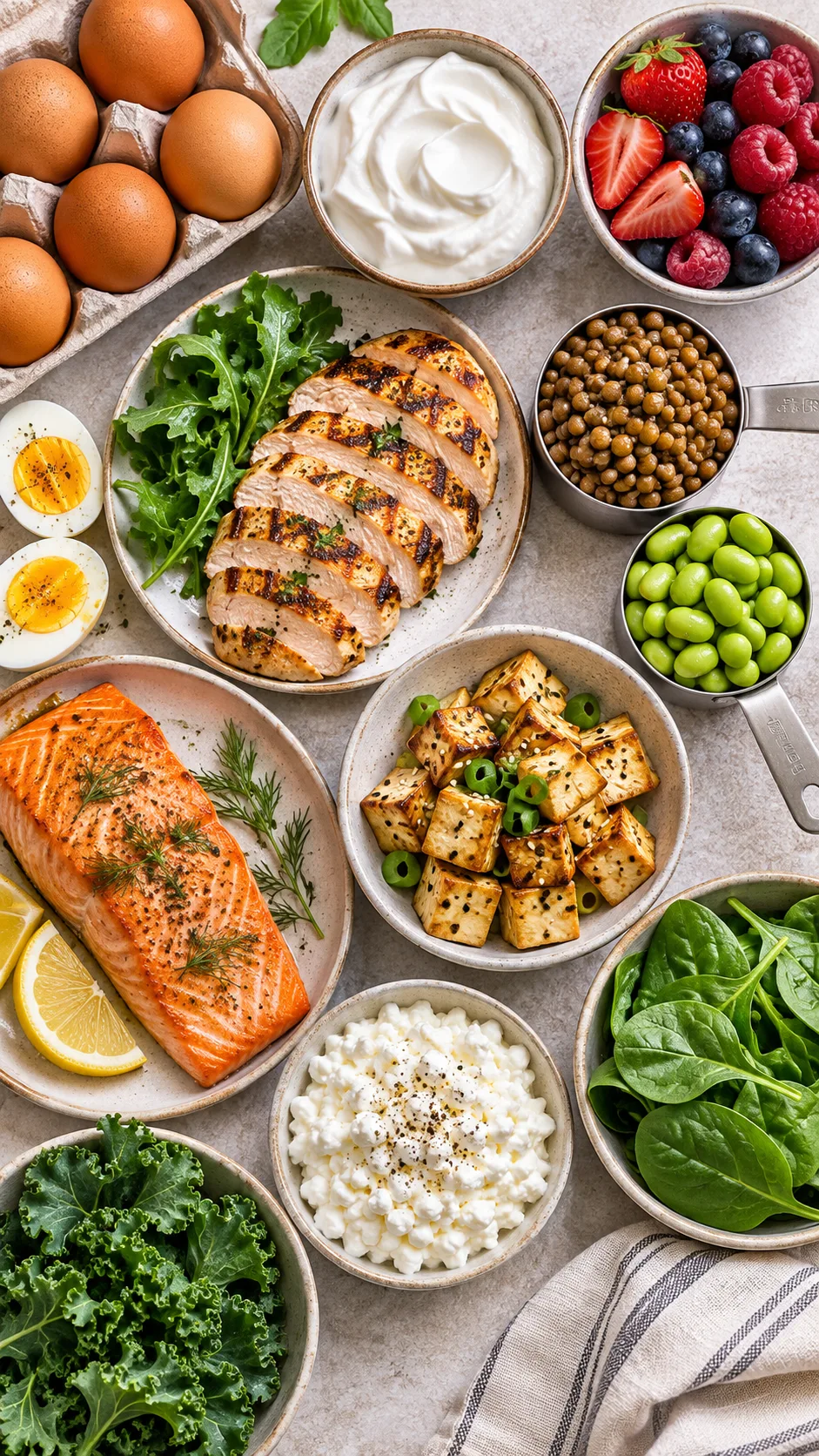
- Eggs and egg whites: Easy breakfast options, quick lunches, and dependable refrigerator staples.
- Greek yogurt and cottage cheese: Protein-rich foods that work in sweet and savory meals.
- Chicken, turkey, lean beef, and pork: Easy choices for batch cooking.
- Fish and seafood: Salmon, tuna, prawns, sardines, and white fish provide protein and useful nutrients.
- Tofu, tempeh, edamame, lentils, and beans: Plant-focused choices that provide fiber too.
- Protein powder: A convenient option, but not a requirement.
- Milk or fortified soy milk: Simple additions to smoothies, oats, and coffee.
Plant protein counts. You can build a high protein vegetarian diet with tofu, tempeh, soy yogurt, seitan, lentils, beans, edamame, and protein powder. Use different sources through the day, and you can meet your needs without turning dinner into a chemistry project.
The high protein diet plan for women: A simple 7-day template
This high protein diet plan provides roughly 100 to 120 grams of protein each day for many women. Adjust portions for your hunger, body size, activity level, and calorie needs. Add more vegetables, fruit, rice, potatoes, oats, or healthy fats when you need more energy.
You do not need to eat these exact meals. Treat them as building blocks rather than rules.
Day 1
- Breakfast: Greek yogurt, berries, chia seeds, and a scoop of protein powder.
- Lunch: Chicken salad bowl with quinoa, cucumber, tomatoes, greens, and olive oil dressing.
- Dinner: Salmon, roasted potatoes, broccoli, and lemon yogurt sauce.
- Snack: Cottage cheese with sliced apple and cinnamon.
Day 2
- Breakfast: Three-egg veggie omelet with feta and whole-grain toast.
- Lunch: Turkey and avocado wrap with a side of crunchy carrots.
- Dinner: Lean beef stir-fry with mixed vegetables and rice.
- Snack: Protein shake blended with milk or fortified soy milk.
Day 3
- Breakfast: Protein oats with protein powder, banana, peanut butter, and cinnamon.
- Lunch: Tuna and white bean salad with rocket, peppers, and olive oil.
- Dinner: Turkey chili with beans, tomatoes, peppers, and Greek yogurt.
- Snack: Edamame with sea salt and fruit.
Day 4
- Breakfast: Cottage cheese bowl with berries, walnuts, and a drizzle of honey.
- Lunch: Tofu grain bowl with edamame, roasted vegetables, and sesame dressing.
- Dinner: Chicken fajita plate with peppers, onions, black beans, salsa, and avocado.
- Snack: Two boiled eggs and a piece of fruit.
Day 5
- Breakfast: Scrambled eggs with smoked salmon, spinach, and toast.
- Lunch: Leftover chicken fajita bowl with extra greens.
- Dinner: Prawn curry with vegetables and basmati rice.
- Snack: Greek yogurt with cocoa powder and berries.
Day 6
- Breakfast: Smoothie with protein powder, frozen berries, spinach, milk, and peanut butter.
- Lunch: Lentil soup with added shredded chicken or tofu and whole-grain bread.
- Dinner: Lean burger patty, baked sweet potato, and a big salad.
- Snack: Cottage cheese with cucumber, pepper, and crackers.
Day 7
- Breakfast: High-protein pancakes with Greek yogurt and fruit.
- Lunch: Salmon or chickpea salad sandwich on whole-grain bread.
- Dinner: Roast chicken or baked tofu with vegetables and potatoes.
- Snack: Protein pudding or a simple protein shake.
If you prefer familiar South Asian meals, build your plate around dal, paneer, Greek yogurt, eggs, chicken, fish, tofu, and curd. Add sensible portions of rice or roti and plenty of vegetables. Our Indian diet plan for fat loss has more practical ideas without forcing you to reinvent your kitchen.
How to build a fat-loss plate without tracking every calorie
Calorie tracking helps some people, but it frustrates others until they quit. You can create a calorie deficit without logging every cherry tomato. Start with a solid plate structure, then adjust it based on your progress.
- Fill half your plate with vegetables or a mix of vegetables and fruit.
- Add one to two palm-sized portions of protein.
- Add one cupped-hand portion of carbs such as potatoes, rice, oats, beans, or whole-grain bread.
- Add one thumb-sized portion of fats such as olive oil, nuts, cheese, avocado, or peanut butter.
- Eat slowly enough to notice satisfaction before you reach for seconds out of habit.
This method does not ban carbs. Carbs do not deserve the villain role. Your training, sleep, hormones, and daily movement all need enough energy. Aim for a calorie deficit you can manage, rather than a life built on sadness and rice cakes.
If you want more guidance on portions and energy intake, read our fat loss diet plan without starving. It explains how to create a deficit that supports progress without sending your hunger through the roof.
Meal prep shortcuts that make high protein eating easier
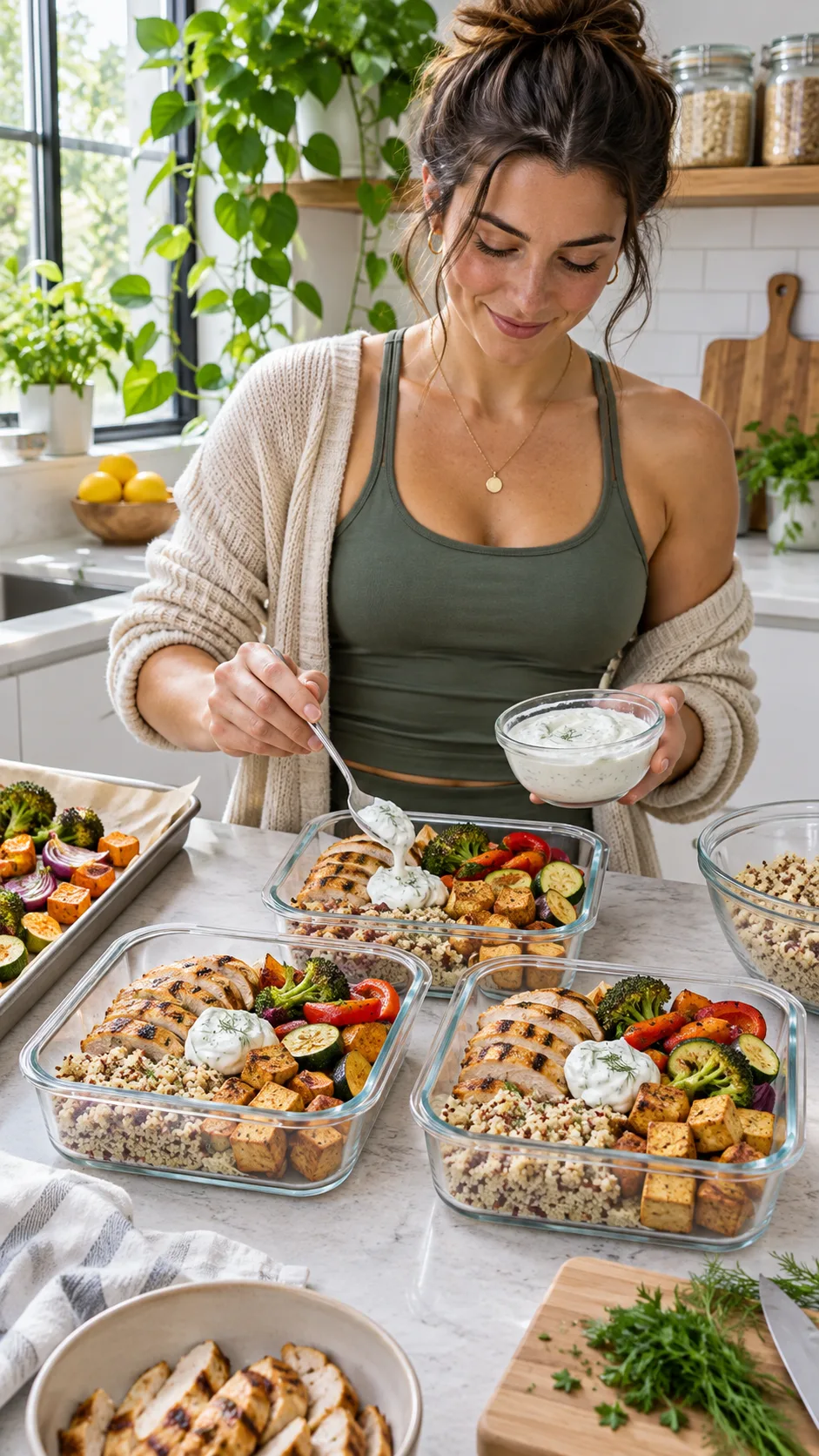
Meal prep does not require six hours, matching glass containers, or a new personality. A few basics can save your week when work runs late or motivation disappears. A freezer full of cooked protein may not look glamorous, but it can rescue dinner.
- Cook two proteins at once, such as chicken thighs and tofu or turkey mince and salmon.
- Keep Greek yogurt, cottage cheese, eggs, tuna, and protein powder available for quick meals.
- Use frozen vegetables and microwave rice when time matters more than cooking from scratch.
- Wash and chop salad vegetables after your grocery shop.
- Make one sauce you genuinely enjoy, such as yogurt-herb dressing, salsa, or peanut-lime sauce.
- Pack protein snacks before errands, travel days, or long meetings.
Convenience shapes consistency. When you can make a balanced meal in five minutes, takeout loses some of its pull. You can still eat takeout and lose fat. Choose a meal with plenty of protein, then leave the guilt out of it.
Strength training makes this plan work better
Protein helps your muscles, but your muscles need a reason to stay. Strength training gives them one. Two to four sessions each week can help you keep muscle, build strength, and support long-term fat loss.
You do not need fancy machines or punishing workouts. Squats, lunges, rows, presses, hip hinges, and carries can do a lot. Start with a beginner-friendly routine and work toward gradual progress.
Want help with training? Use this strength training guide for women to build a simple plan that fits your high protein meals. Your workouts should challenge you without leaving you wrecked for three business days.
The U.S. Department of Health and Human Services recommends muscle-strengthening activity on at least two days each week along with regular aerobic movement. Its Physical Activity Guidelines give adults clear targets.
High protein diet mistakes that can stall fat loss
You add protein but ignore calories
Protein can support fat loss, but calories still matter. Peanut butter, cheese, oils, nuts, creamy sauces, and “healthy” snack bars can push your intake above what your body needs. Keep them in your meals, but use portions that fit your goal.
You cut carbs too hard
Many women slash carbs, lose water weight quickly, and think they found a secret. Then their workouts feel miserable, cravings return, and the plan falls apart on Friday night. Keep high-fiber carb sources in your diet and adjust portions instead of declaring war on potatoes.
You choose only ultra-processed protein foods
Protein bars and shakes can help on busy days, but whole foods provide more vitamins, minerals, fiber, and satisfaction. Build most meals around foods you recognize without a lab coat. Use packaged options for convenience rather than as the center of your diet.
You skip fiber and water
A higher protein intake can lead to constipation when you ignore fiber and fluids. Eat vegetables, fruit, beans, oats, whole grains, and seeds, then drink water through the day. Your gut will thank you.
You expect fast results every week
Your menstrual cycle, sodium intake, stress, sleep, and hard training can move the scale up or down from one day to the next. Watch trends over several weeks instead of reacting to 24 hours of data. Take waist measurements, track your gym performance, and notice how your clothes fit.
Who should talk to a clinician before increasing protein?
Most healthy adults can eat more protein safely, but some people need personal medical advice. Talk with a registered dietitian or doctor if you have kidney disease, a history of kidney stones, liver disease, an eating disorder, or a medically prescribed diet.
Pregnancy and breastfeeding change nutrition needs too. A clinician who knows your health history can help you choose a protein target that supports you and your baby. The National Institute of Diabetes and Digestive and Kidney Diseases offers reliable information about kidney health if you have concerns.
Make your high protein diet plan stick
Include protein at every meal, keep your calorie deficit reasonable, eat fiber-rich foods, and strength train when you can. That combination can help women lose fat without constant hunger or absurd food rules.
Pick one change for this week: add a solid protein source to breakfast, prepare two easy lunches, or swap one snack for Greek yogurt, eggs, edamame, or cottage cheese. Small changes build momentum, and momentum carries you through messy weeks better than motivation alone.
You do not need to earn food, punish yourself, or live on dry chicken and willpower. Make meals that satisfy you, repeat what works, and trust the basic habits to do their job. That approach may not sound flashy, but it can deliver results you can maintain.