

You do not need another diet that leaves you eyeing your coworker’s sandwich like a hungry raccoon. You need a fat loss diet plan that helps you make steady progress while you still enjoy meals, social plans, and a functioning personality.
Most diets fall apart for one simple reason: people make them too hard to live with. They slash calories, ban every food they enjoy, feel ravenous by Thursday, and then blame “willpower” after a weekend blowout. Sound familiar?
A better approach uses a modest calorie deficit, plenty of protein and fibre, meals you genuinely like, and habits you can repeat for months. It lacks drama, but it works.
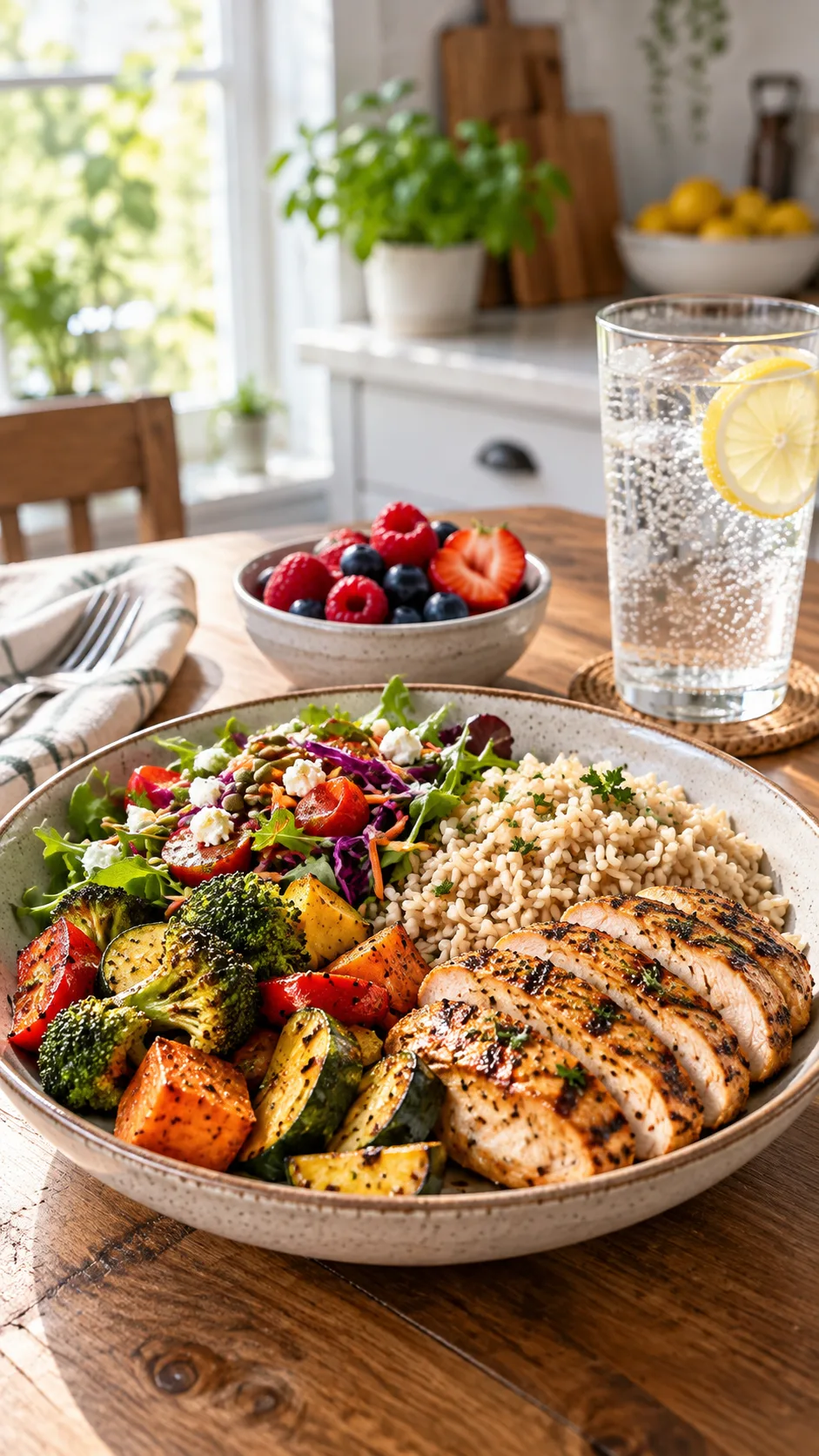
First, understand what causes fat loss

Your body loses fat when you consistently use more energy than you eat. Nutrition experts call this a calorie deficit, and every effective fat loss diet plan relies on it.
You can create that deficit by eating a little less, moving more, or doing both. Most people do best with a mix because nobody wants to live on lettuce while training like they signed an Olympic contract.
Your body weight can jump around because of water, salt, digestion, hormones, and a large carb heavy dinner. Fat loss takes longer to show up, so watch the trend over several weeks instead of panicking over one random weigh in.
The National Institute of Diabetes and Digestive and Kidney Diseases recommends gradual weight loss because steady habits help people keep weight off. Aim for progress, not punishment.
Choose a deficit you can maintain
Start with a small to moderate deficit instead of an aggressive crash diet. Many people lose fat with roughly 300 to 500 fewer calories a day, though your body size, activity, age, medications, and health history all affect that number.
If calorie counting makes your brain feel like an accounting spreadsheet, use portions instead. Build most meals around protein, vegetables or fruit, high fibre carbs, and a sensible amount of fat.
- Protein: Eat one or two palm sized portions at meals.
- Vegetables: Fill at least half your plate when you can.
- Carbohydrates: Start with one cupped hand portion, then adjust for activity and hunger.
- Fats: Use one thumb sized serving of oils, nuts, cheese, avocado, or nut butter.
This approach gives you structure without making you weigh 14 almonds at 10:47 p.m. Nobody needs that kind of stress.
The best fat loss diet includes foods that keep you full
Hunger ruins more fat loss plans than birthday cake ever could. Choose foods with protein, fibre, volume, and flavour to keep it in check.
Protein helps you hold on to muscle while you lose weight, and it often keeps you fuller between meals. For more meal ideas, read our high protein diet plan that keeps you full and builds muscle.
Fibre gives meals more bulk and helps keep digestion regular. Fruit, vegetables, beans, lentils, oats, potatoes, whole grains, and seeds all fit into a sustainable weight loss diet.
The Dietary Guidelines for Americans encourages nutrient dense foods such as vegetables, fruit, whole grains, and lean protein foods. You do not need perfect eating. You need a routine that nudges your choices in a useful direction.
Build every meal around these four anchors
- Start with protein. Choose eggs, Greek yogurt, fish, chicken, tofu, tempeh, lean meat, cottage cheese, beans, or lentils.
- Add colour and volume. Pick vegetables, salad, vegetable soup, berries, apples, oranges, or other fruit.
- Include carbs that suit you. Choose potatoes, rice, oats, wholegrain bread, quinoa, beans, or pasta in portions that match your activity.
- Finish with flavour. Add herbs, spices, salsa, lemon, yogurt sauce, chilli, garlic, olive oil, or a little cheese.
That last step matters more than people admit. Bland diet food sends people straight to takeaway menus, so make your meals taste good.
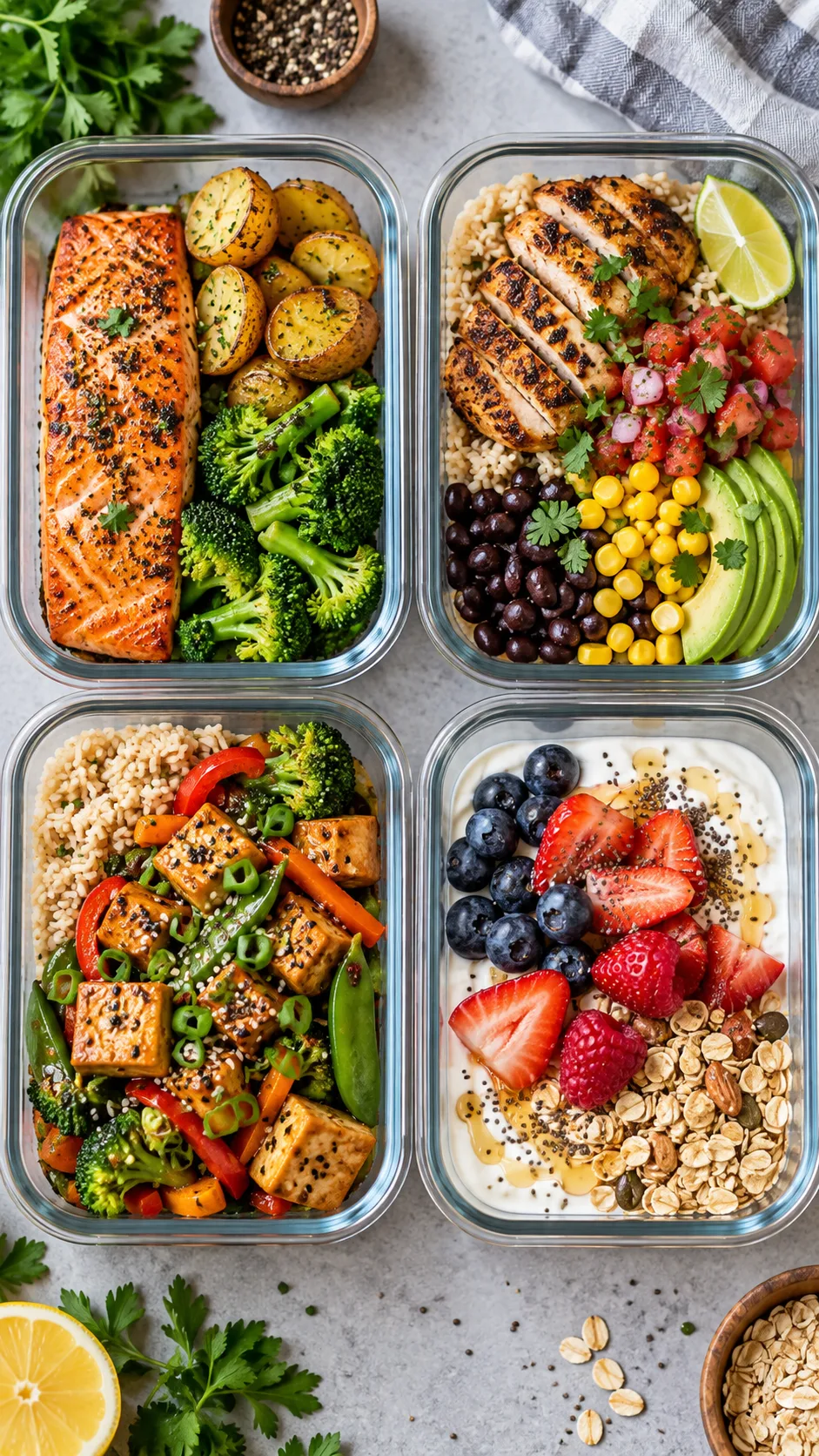
Your simple fat loss diet plan for a normal week
You do not need to eat the same chicken and broccoli plate until you lose the will to live. Use this flexible template, then swap foods to suit your budget, culture, schedule, and preferences.
Breakfast options
- Greek yogurt, berries, oats, and a spoonful of nuts or seeds.
- Two or three eggs with wholegrain toast, fruit, and sauteed vegetables.
- Protein smoothie with milk or soy milk, protein powder, frozen berries, spinach, and oats.
- Overnight oats with yogurt, chia seeds, cinnamon, and banana.
Pick a breakfast that keeps you satisfied until lunch. If hunger hits an hour later, add more protein or fibre before blaming your metabolism.
Lunch options
- Chicken, tofu, or chickpea grain bowl with plenty of salad, rice or quinoa, and a punchy dressing.
- Tuna and white bean salad with chopped vegetables, olive oil, lemon, and wholegrain crackers.
- Turkey, egg, hummus, or grilled vegetable wrap with fruit on the side.
- Lentil soup with a side salad and cottage cheese or a yogurt pot.
Keep lunch easy on busy days. Batch cook one protein, one carb, and chopped vegetables twice a week, then mix and match instead of ordering lunch because your fridge looks emotionally unavailable.
Dinner options
- Salmon, roasted potatoes, and green vegetables with lemon and herbs.
- Lean beef or soy mince chilli with beans, vegetables, rice, and yogurt.
- Chicken or tofu stir fry with mixed vegetables and noodles or rice.
- Wholewheat pasta with turkey meatballs, tomato sauce, spinach, and parmesan.
Carbs at dinner do not magically become body fat overnight. Your overall energy intake and long term habits drive fat loss, not the clock striking 7 p.m.
Snack options that do not backfire
Snacks can help when you feel genuinely hungry. They can also turn into a daily parade of handfuls, bites, and “I barely ate anything” moments, so choose them on purpose.
- Fruit with Greek yogurt or cottage cheese.
- A protein shake and a banana.
- Carrots, peppers, or cucumber with hummus.
- Edamame with salt and chilli flakes.
- An apple with peanut butter.
- Air popped popcorn with a cheese stick or yogurt.
Use protein, fibre, and fluids to control hunger
Include protein at every meal and most snacks. Many active adults do well with roughly 1.2 to 1.6 grams of protein per kilogram of body weight each day during fat loss, though your clinician or dietitian can tailor that target to you.
Spread protein through the day instead of saving it all for dinner. Your appetite often feels easier to manage when breakfast and lunch contain enough food.
Add fibre rich foods gradually and drink enough fluid. The Centers for Disease Control and Prevention points to fruits, vegetables, whole grains, and other nutrient dense foods as solid building blocks for healthy eating.
Drink water, sparkling water, tea, or coffee without turning every drink into dessert. You can still enjoy a latte or a cocktail. Count high calorie drinks as food, because they add energy even when your brain forgets about them.
Stop treating exercise as punishment
Exercise supports fat loss, but food usually creates the largest part of the calorie deficit. Movement also helps you protect muscle, build fitness, manage stress, sleep better, and maintain your weight after you lose it.
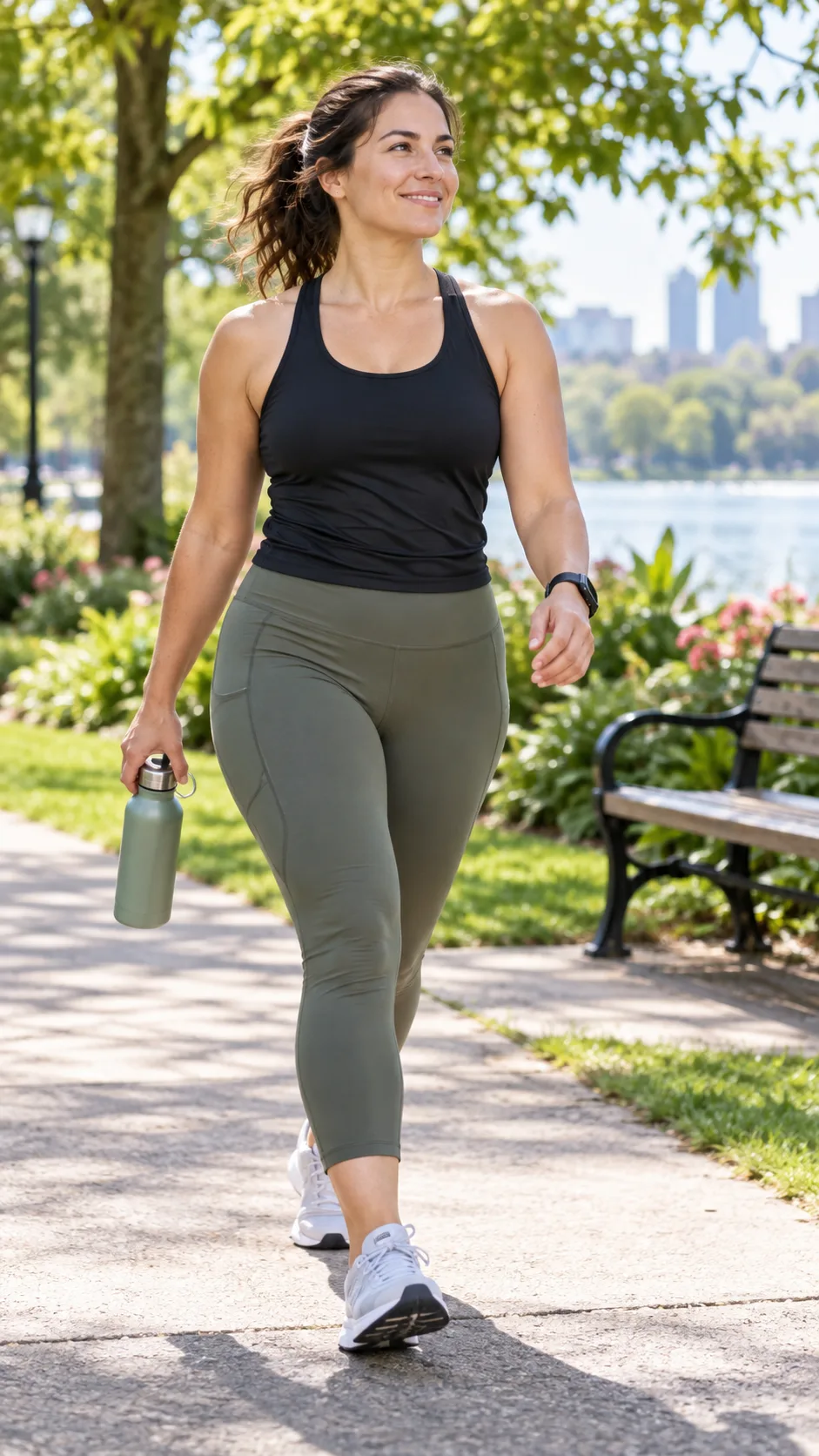
Walking deserves more credit than it gets. A daily walk adds activity without leaving you ravenous, exhausted, or convinced that you need a three hour nap.
A simple weekly movement plan
- Walk for 20 to 40 minutes on most days, or work toward a step target that fits your current routine.
- Strength train two to four times each week with weights, machines, resistance bands, or bodyweight exercises.
- Add one or two cardio sessions you enjoy, such as cycling, swimming, dancing, hiking, or a fitness class.
- Take one or two lighter days so your joints, energy, and motivation can recover.
The American College of Sports Medicine recommends regular aerobic activity and muscle strengthening work for health. Pick activities you can repeat, because the best workout loses every time to the workout you never do.
How to handle treats, restaurants, and real life
A fat loss diet plan needs to survive pizza night, holidays, travel, and your friend’s suspiciously irresistible homemade brownies. If your plan falls apart whenever life gets fun, change the plan.
Use the 80/20 idea as a loose guide. Eat mostly filling, nutrient dense foods, then make room for foods you enjoy without sliding into guilt.
At restaurants, choose a main dish with protein, add vegetables when you can, and order an amount that matches your hunger. Share dessert, take leftovers home, or eat the whole thing now and then and move on like a normal human.
One high calorie meal cannot wipe out weeks of consistent habits. Your next meal gives you another chance to return to your routine, so skip the dramatic “I ruined everything” speech.
Common fat loss diet mistakes that slow progress
You eat too little during the week
Extreme restriction often brings intense hunger, low energy, and overeating later. Eat enough protein, produce, carbs, and fats to keep your plan steady.
You ignore weekends
Five tightly controlled weekdays cannot always offset two days of restaurant meals, alcohol, snacks, and cheat day chaos. You do not need to avoid weekends. Keep the same basic structure.
You rely on “healthy” foods without watching portions
Olive oil, nuts, granola, avocado, cheese, smoothies, and nut butter can all support health. They also add calories quickly, so use portions that fit your fat loss goal.
You chase belly fat with food rules
Your body decides where it loses fat first, and no diet can tell it to target your stomach. For a closer look at habits that often confuse this issue, see our diet plan for belly fat loss.
Strength training, overall fat loss, good posture, and patience can change how your midsection looks over time. Crash dieting often costs you muscle and makes the process harder rather than faster.
You forget sleep and stress
Poor sleep and chronic stress can raise hunger, cravings, and low energy food choices. Build a simple wind down routine, keep a realistic bedtime, and take walks or short breaks to lower stress before you raid the snack cupboard.
Track progress without letting the scale run your life
Weigh yourself under similar conditions two to seven times a week, then compare weekly averages. Daily water changes can hide real progress, especially after salty food, hard workouts, travel, or hormonal changes.
Track your waist measurement, progress photos, gym performance, walking pace, energy, and how your clothes fit too. The scale tells one story. All of those details tell a fuller one.
If your average weight and measurements stay the same after two to three consistent weeks, make one small adjustment. Reduce portions slightly, walk a little more, or rein in the calorie extras you miss.
Do not change everything at once. Small adjustments show you what works, while panic changes create confusion and an oddly intense relationship with rice cakes.
When you should get personal help
Talk with a registered dietitian or qualified healthcare professional if you have diabetes, kidney disease, digestive conditions, thyroid concerns, a history of disordered eating, or take medication that affects appetite or body weight. Personal medical guidance beats generic internet advice every time.
Seek support too if food rules cause anxiety, binge eating, guilt, or isolation. A healthy fat loss plan should make life easier, not turn every meal into a stressful exam.
The bottom line: Fat loss should feel boring in the best way
The best fat loss diet plan uses a manageable calorie deficit, high protein meals, plenty of fibre, regular movement, and room for foods you love. It does not demand starvation, detox tea, or a personality transplant.
Start with one change this week: add protein to breakfast, walk after dinner, prep two lunches, or swap one sugary drink for water. Small actions add up faster than dramatic promises.
Eat enough to feel human, stay consistent long enough to see results, and let boring basics do their job. Your future self will thank you, probably while enjoying a very normal slice of pizza.