

You want to build lean muscle, feel stronger, and see real results. Not spin your wheels doing endless cardio that leaves you exhausted and unchanged. Strength training is the single most effective tool women have for transforming their body composition, and this guide gives you the exact blueprint to start smart.

Why women should lift weights (and stop being scared of it)
The biggest myth in women’s fitness is that lifting heavy makes you “bulky.” It doesn’t. Women produce significantly less testosterone than men, roughly 15 to 20 times less, which makes it biologically very difficult to accidentally turn into a bodybuilder. What lifting actually does is build lean, dense muscle that shapes your body and speeds up your metabolism.
Ever wondered why two women can weigh the same but look completely different? The answer is muscle density versus fat volume. Muscle takes up less space, sits tighter on your frame, and burns more calories at rest. That last part matters enormously: more muscle means your body burns more energy even while you’re watching Netflix.
According to the American Council on Exercise, resistance training improves not just strength but bone density, metabolic rate, and hormonal health in women. That’s a significant set of benefits.
The core principles of strength training for beginners
Before you touch a barbell, you need to understand a few non-negotiables. These principles form the foundation of every successful beginner strength program.
Progressive overload: the magic ingredient
Progressive overload means you gradually increase the challenge over time by adding more weight, more reps, or less rest between sets. Your muscles only grow when you give them a reason to. Without this principle, you plateau fast.
You don’t need to add weight every single session. Even one extra rep counts. The goal is consistent, incremental progress over weeks and months, not overnight transformation.
Compound movements come first
Compound exercises work multiple muscle groups at once and deliver the most return on your effort. These are the exercises you should build your program around, especially as a beginner.
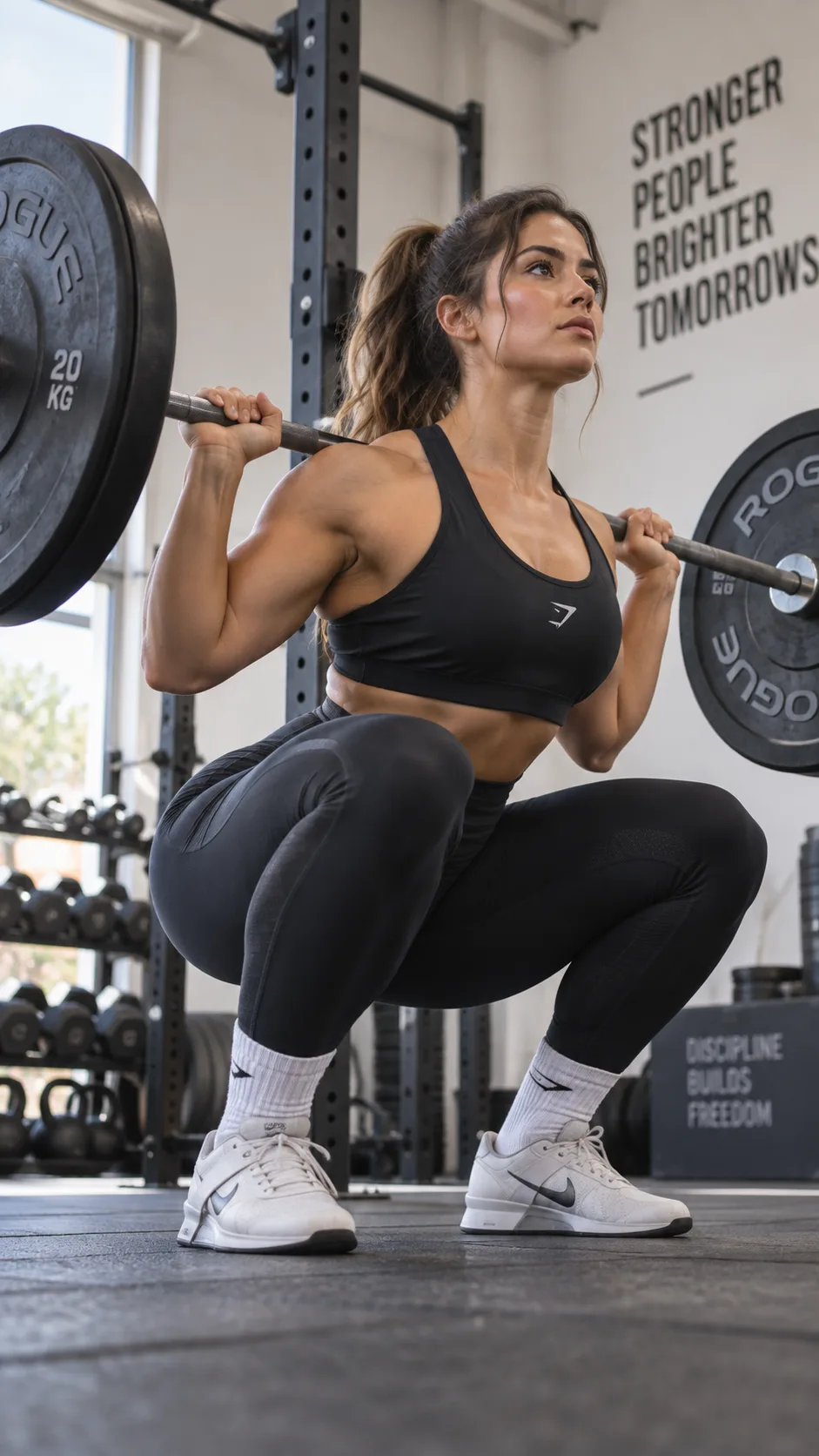
- Squats — targets glutes, quads, hamstrings, and core
- Deadlifts — hits the entire posterior chain (hamstrings, glutes, lower back)
- Hip thrusts — isolates and activates the glutes powerfully
- Bench press or push-ups — chest, triceps, and shoulder strength
- Bent-over rows — upper back and bicep development
- Overhead press — shoulder and arm strength
Start here. Master these movements with good form before adding isolation exercises like bicep curls or cable kickbacks.
How to structure your beginner strength training program
Walking into a gym without a plan is like grocery shopping hungry. You end up all over the place. A structured program removes guesswork and drives consistent results.
Training frequency for beginners
Three days per week hits the sweet spot for beginners. It gives you enough stimulus to build muscle while allowing recovery time between sessions. Your muscles grow during rest, not during the workout itself, so skipping rest days works against you.
- Monday: Full body strength session
- Wednesday: Full body strength session
- Friday: Full body strength session
Full-body sessions work best early in your training because they reinforce movement patterns frequently and build neurological strength fast.
Sets, reps, and rest: keep it simple
Don’t overthink this part. Here’s what both research and practical experience support for beginners:
- Sets per exercise: 3-4 sets
- Reps per set: 8-12 reps (this range builds muscle effectively)
- Rest between sets: 60-90 seconds
- Total exercises per session: 4-6 compound movements
Choose a weight that feels genuinely challenging in the last 2-3 reps of each set. If you cruise through all 12 reps without breaking a sweat, go heavier.
Nutrition that supports muscle building (without complicated rules)
You can train perfectly and still see minimal results if your nutrition is off. Building lean muscle requires adequate protein, consistent calories, and smart food choices. Nothing more complicated than that.
Protein is your priority
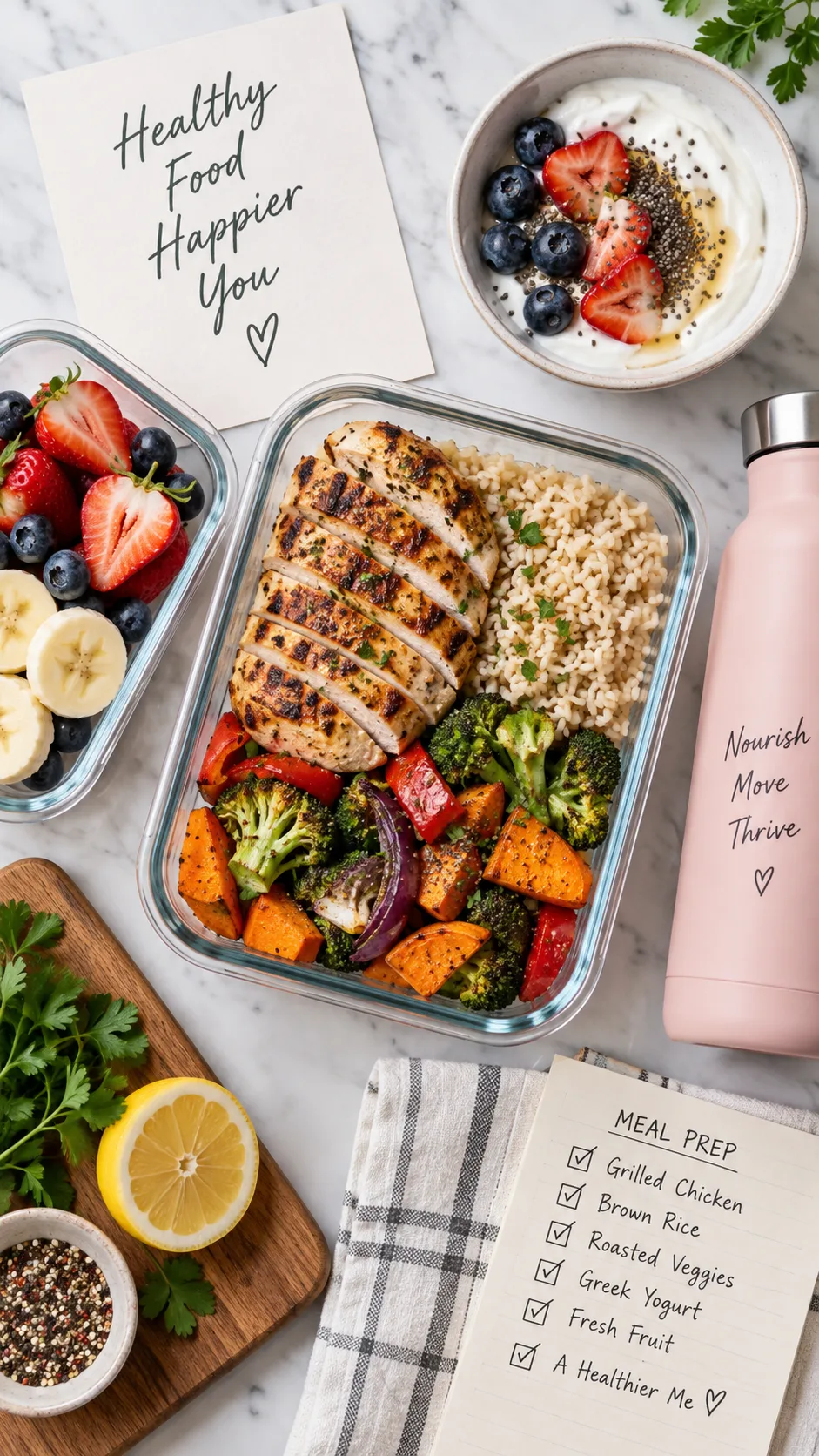
Protein provides the amino acids your muscles use to repair and grow after training. Aim for 0.7 to 1 gram of protein per pound of bodyweight daily. For a 150-pound woman, that works out to roughly 105-150 grams of protein per day.
Good protein sources include:
- Chicken breast, turkey, and lean beef
- Eggs and Greek yogurt
- Salmon and tuna
- Cottage cheese
- Legumes and tofu (for plant-based eaters)
- Whey or plant-based protein powder
According to Healthline’s nutrition team, spreading protein intake across meals throughout the day (rather than loading it all at dinner) optimizes muscle protein synthesis.
Don’t fear carbs
Carbohydrates fuel your workouts and support recovery. Cutting carbs completely while strength training is one of the worst strategies you can choose. Your performance tanks, your energy crashes, and muscle building slows down. Keep whole-food carbs like oats, rice, sweet potatoes, and fruit in your plan.
Recovery, sleep, and why your body changes while you rest
Most people overlook this: recovery is where the results actually happen. Training breaks muscle fibers down. Sleep and rest build them back up, stronger and larger than before.
Target 7-9 hours of quality sleep every night. Research from the Sleep Foundation confirms that sleep deprivation impairs muscle protein synthesis and raises cortisol levels, the stress hormone that actively works against muscle building.
Active recovery on rest days also helps. Light walking, yoga, or stretching rather than full training sessions. Your body needs the signal to rebuild, not another reason to break down further.
Common beginner mistakes to avoid
Most beginners quit not because strength training is too hard, but because they make avoidable mistakes that slow their results. Watch out for these:
- Using weights that are too light — you need real challenge to trigger muscle growth
- Skipping compound movements — isolation-only workouts build very little muscle overall
- Ignoring progressive overload — doing the same workout forever leads to zero progress
- Not eating enough protein — muscle cannot grow without adequate amino acids
- Comparing progress to others — your journey is uniquely yours
- Quitting after 3 weeks — noticeable muscle changes take 8-12 weeks minimum
If you’re also navigating body image or health concerns as you begin this journey, the practical advice in this hygiene and self-care guide for plus-size women pairs well with starting a new fitness routine, because feeling good in your body comes from multiple directions at once.
Tracking your progress the right way
The scale lies. When you build muscle and lose fat at the same time, the scale can stay the same or even go up while your body completely transforms. Track progress using multiple markers, not just bodyweight.
- Progress photos every 4 weeks
- Measurements (waist, hips, arms, thighs)
- Strength numbers in your workout log
- How your clothes fit
- Energy levels and mood
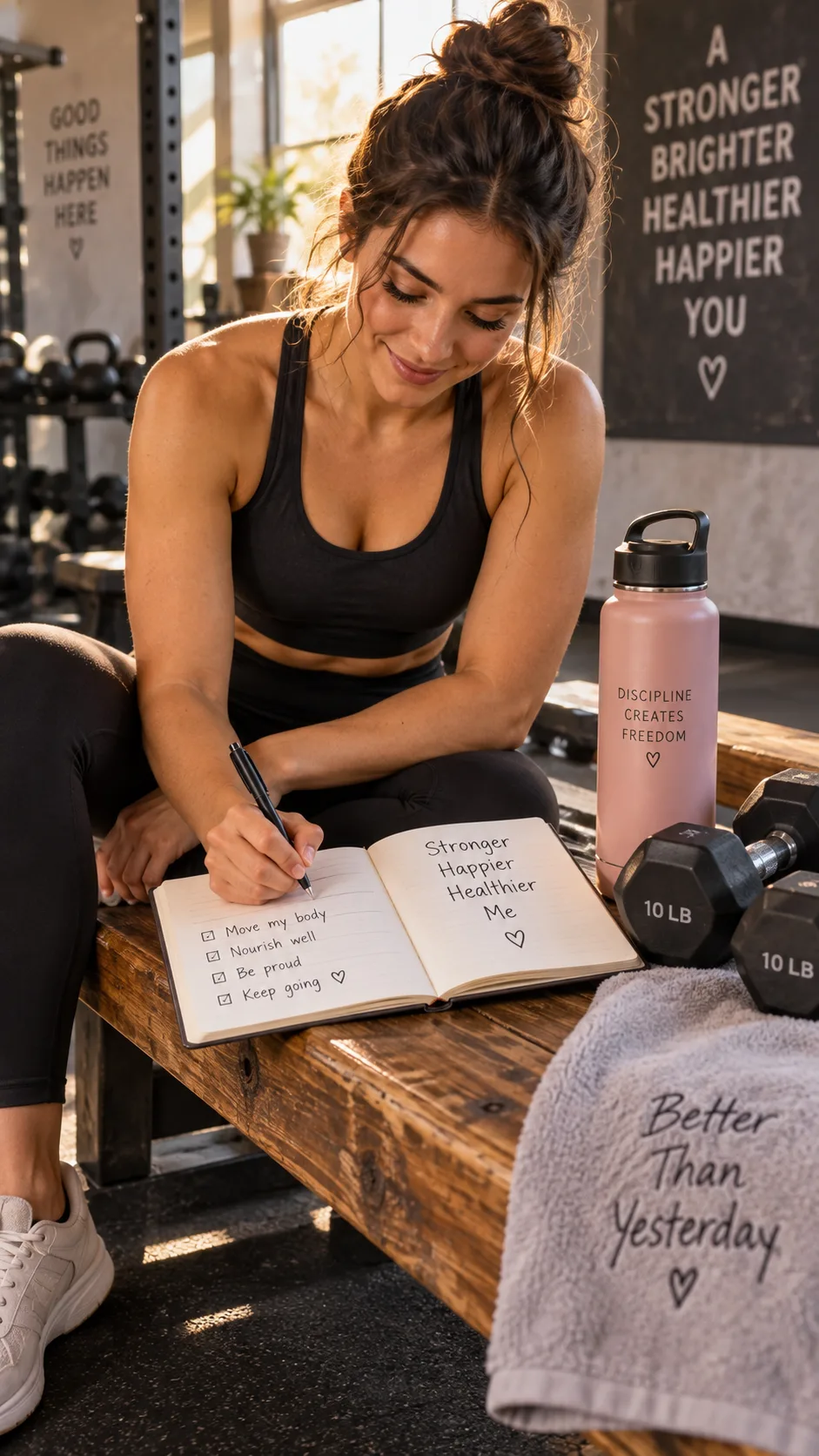
Keep a simple workout journal. Even a notes app works. Logging your weights and reps each session makes progressive overload automatic and keeps you accountable without any overthinking.
Your strength training starting point
You now have everything you need to start building lean muscle with confidence. Strength training transforms not just how you look, but how you feel, move, and show up in your daily life. The energy, the confidence, the strength, it all compounds over time.
Start with three full-body sessions per week. Focus on compound movements. Eat enough protein. Sleep well. Push a little harder each week. That’s the whole formula. No magic required, no fancy equipment needed.
And for anyone navigating plus-size fitness concerns alongside this journey, check out this doctor-approved guide to hygiene and body care for plus-size women, because taking care of your whole self matters at every stage of your fitness journey.
Your strongest self isn’t some distant future version of you. She’s already in there. Pick up the weights, follow this blueprint, and watch what happens over the next 12 weeks. You’ll surprise yourself.