

You want bigger arms, not a bigger belt size. Fair. Yet every “bulk” seems to end the same way: you eat everything in sight, the scale jumps, and three months later you look like a softer version of yourself.
I’ve lived that cycle. My first bulk involved a gallon of milk a day, a lot of drive-through burgers, and a mirror that stopped being friendly. A clean bulking diet plan fixes this by giving your muscles what they need to grow without handing your fat cells a free vacation.
If you want to build size on purpose, this plan shows you how.
What clean bulking means
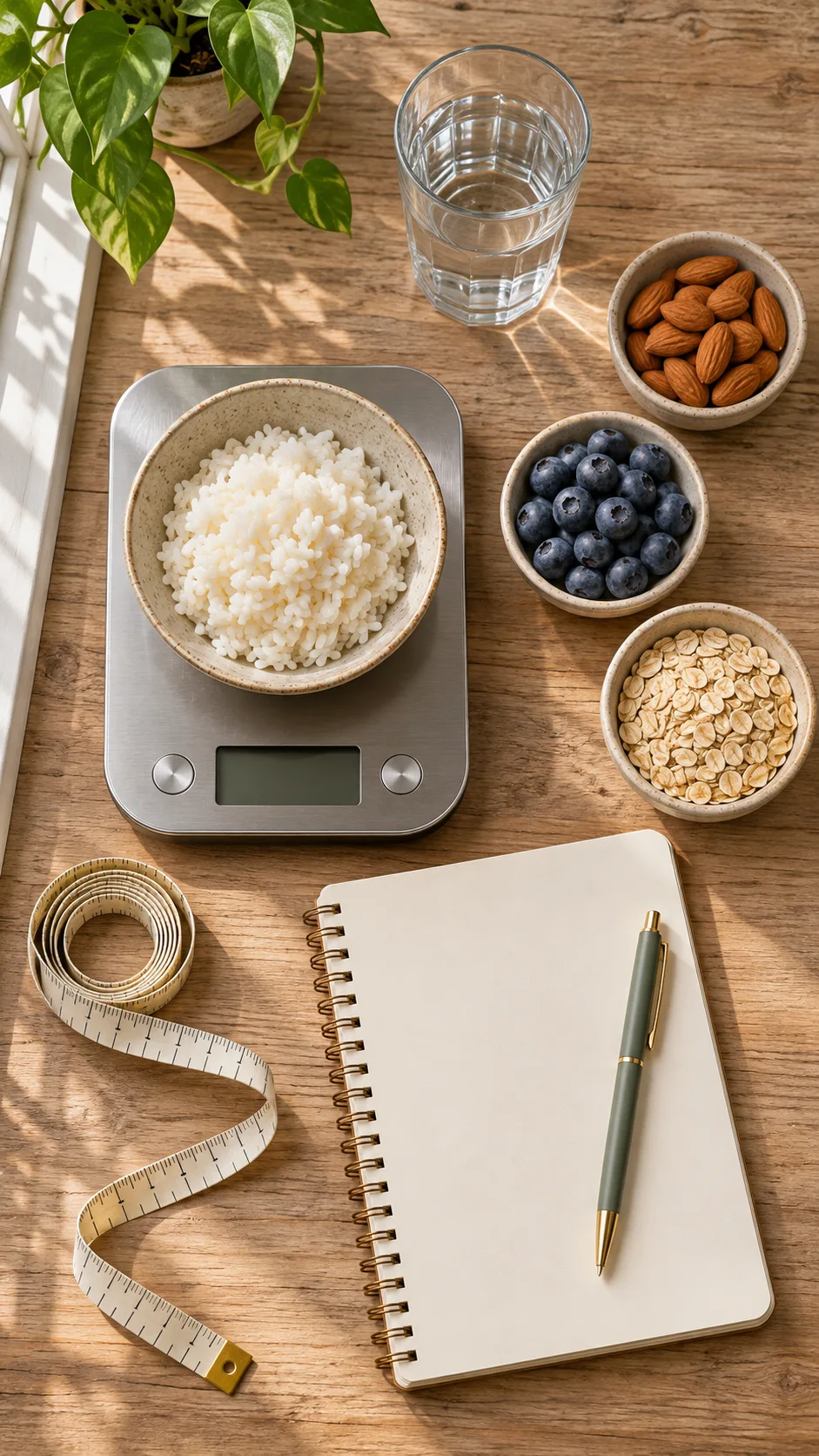
Clean bulking means eating in a small, controlled calorie surplus with mostly whole, nutrient-dense foods. You still gain weight. You gain it slowly enough that most of it ends up as muscle.
Dirty bulking works the opposite way. You eat as much as you can, as often as you can, and trust that the muscle will outrun the fat. It rarely does.
Here’s what I think: “clean” doesn’t mean you can never eat a slice of pizza. It means your food quality and calorie targets drive the plan, and your cravings at 11 p.m. don’t. Your body treats a calorie from broccoli and a calorie from a donut the same way, but how many you eat and what else comes with them matters a lot.
Why the slow approach wins
Your body can only build muscle so fast. A beginner might add roughly a pound or two of muscle per month, and an experienced lifter adds far less. Your body turns anything you eat beyond what your muscles can use into body fat.
So why force-feed yourself 1,000 extra calories a day? That surplus builds fat faster and muscle at the same slow rate.
Step 1: Set your calories without guessing

Everything starts with your maintenance calories, the amount that keeps your weight steady. If you get this wrong, the rest of the plan wobbles.
Find your maintenance number
Use a quick estimate: multiply your bodyweight in pounds by 14 to 16. A 165-pound (75 kg) guy who trains four days a week lands around 2,300 to 2,640 calories. Online calculators give a similar ballpark.
Then check it. Track your food and weigh yourself daily for two weeks. If your weekly average weight stays flat, you’ve found maintenance.

Add a modest surplus
Add 250 to 500 calories on top of maintenance. Beginners can lean toward 500. Experienced lifters should stay closer to 250, because they gain muscle more slowly.
Aim to gain about 0.25% to 0.5% of your bodyweight per week. For a 75 kg man, that’s roughly 0.2 to 0.4 kg (0.4 to 0.8 lb) weekly. If you gain faster than that, you’re probably adding fat. If you gain slower, bump your calories by another 100 to 150.
Step 2: Nail your macros
Calories set the budget. Macros decide how you spend it. I use this breakdown and recommend it to most people.
- Protein: 1.6 to 2.2 grams per kilogram of bodyweight (0.7 to 1 gram per pound). The International Society of Sports Nutrition recommends 1.4 to 2.0 g/kg for building and maintaining muscle, and the higher end of that range works well when you train hard. You can read their full position stand on protein and exercise.
- Fat: 0.7 to 1 gram per kilogram. Fat supports hormone production and helps you absorb vitamins A, D, E and K. Don’t skimp on it, but don’t pile it on either, since fat packs 9 calories per gram.
- Carbs: everything left over. Carbs fuel your training and help you recover. On a bulk, they should take up the biggest slice of your plate.
A real example
Take that 75 kg lifter with a 2,900-calorie target:
- Protein: 150 g (600 calories)
- Fat: 80 g (720 calories)
- Carbs: about 395 g (1,580 calories)
Notice how much room that leaves for carbs? That surprises people. Most guys fear carbs on a bulk, then wonder why their lifts stall.
Step 3: Build your plate with muscle-friendly foods
You don’t need a fancy shopping list. You need a handful of reliable foods you enjoy eating, because consistency beats perfection every time.
Protein sources
- Chicken breast and thighs
- Lean beef and ground turkey
- Eggs and egg whites
- Salmon, tuna and white fish
- Greek yogurt and cottage cheese
- Tofu, tempeh and lentils for plant-based lifters
Carb sources
- Rice, oats and potatoes
- Whole grain bread and pasta
- Sweet potatoes and beans
- Fruit like bananas, berries and apples
Healthy fats
- Olive oil and avocado
- Nuts and nut butters
- Fatty fish and whole eggs
- Seeds like chia and flax
Vegetables (yes, really)
Aim for at least 3 to 4 servings of veggies daily. They supply fiber, potassium and micronutrients that keep digestion smooth when your food volume climbs. Broccoli, spinach, peppers and carrots all work. If you want to check the nutrition of any food, the USDA FoodData Central database gives you accurate numbers for free.
A sample clean bulking day (about 2,900 calories)
I rounded these numbers, so don’t panic over a few grams. Adjust portions to fit your own targets.
- Breakfast: 3 whole eggs scrambled with spinach, plus 1 cup cooked oats with a banana and a spoonful of peanut butter. About 700 calories and 35 g protein.
- Lunch: 6 oz grilled chicken, 1.5 cups cooked rice, roasted broccoli and a drizzle of olive oil. About 750 calories and 50 g protein.
- Snack: 1 cup Greek yogurt with berries, honey and a handful of almonds. About 400 calories and 25 g protein.
- Dinner: 6 oz salmon, a large baked sweet potato and a big mixed salad with avocado. About 750 calories and 40 g protein.
- Evening: A whey protein shake with milk and a slice of whole grain toast with almond butter. About 300 calories and 30 g protein.
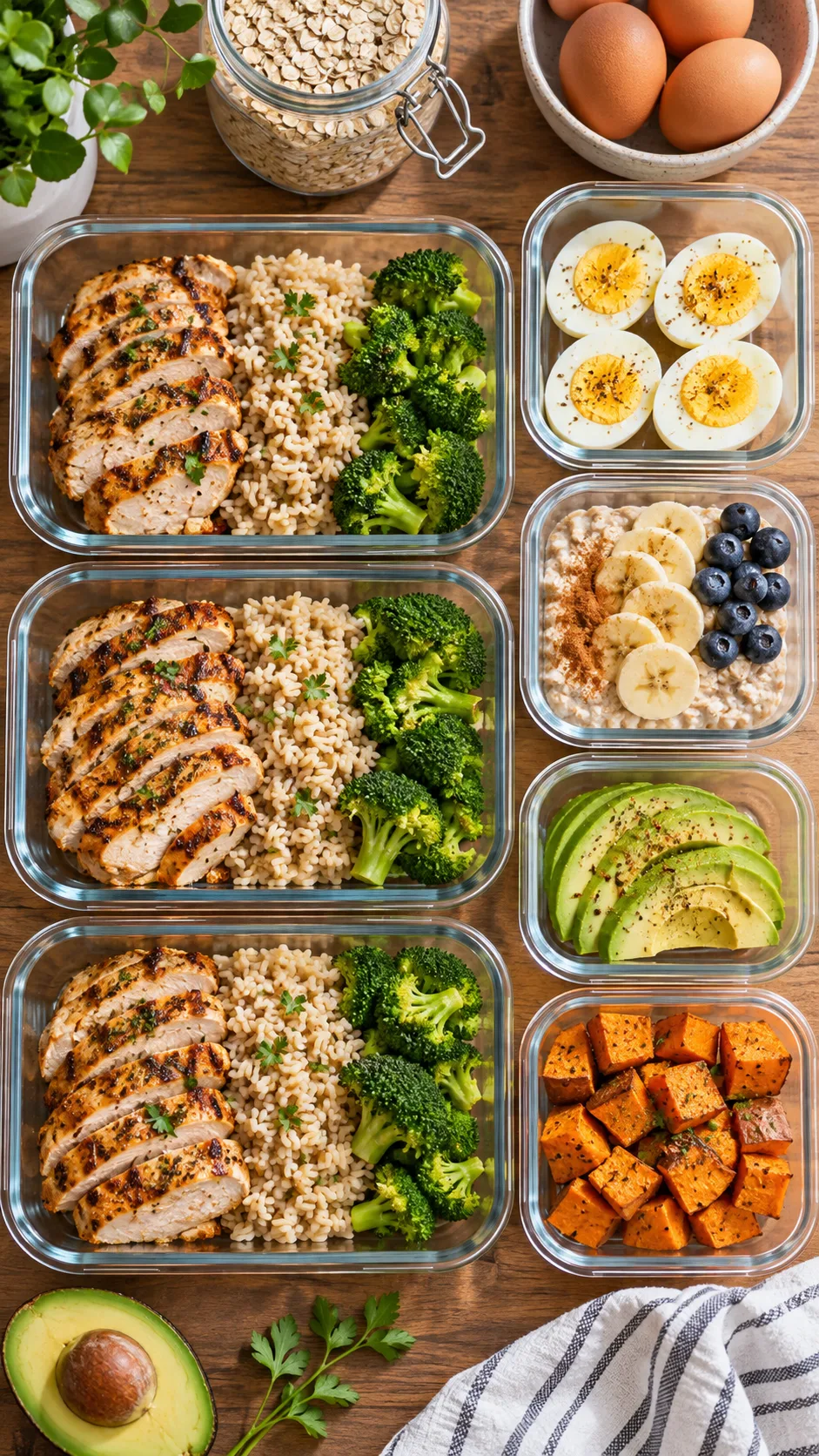
Not a fan of cooking every day? I don’t blame you. My bulking meal prep recipes for men cover six high-protein options you can batch on a Sunday and forget about.
Meal timing: what matters and what doesn’t
Gym forums love to argue about the “anabolic window.” The short version: total daily intake matters far more than exact timing.
A few simple habits still help.
- Spread protein across 3 to 5 meals. Aim for 25 to 40 grams per meal to keep muscle protein synthesis humming.
- Eat a carb-rich meal 1 to 3 hours before training. You’ll lift with more energy and fewer dizzy moments.
- Eat protein and carbs within a few hours after your workout. You don’t need to sprint to the locker room with a shaker bottle.
- Eat a protein-rich meal before bed. Cottage cheese or Greek yogurt does the job nicely.
Struggling to hit your calories? Liquid calories help. A smoothie with milk, oats, banana and peanut butter packs 600+ calories and goes down easier than a third plate of rice.
Supplements worth your money (and ones that aren’t)
Supplements sit on top of your diet and never replace it. In my opinion, only a short list earns a spot in your cabinet.
Creatine monohydrate
Creatine is the most researched muscle-building supplement out there. Take 3 to 5 grams daily, any time of day. It helps you squeeze out extra reps and supports lean mass gains. The Mayo Clinic’s creatine overview covers safety and typical dosing, and you should talk to your doctor first if you have kidney concerns.
Whey or plant protein powder
Protein powder is convenient, and that’s its whole appeal. If hitting 150 grams of protein from whole foods feels like a part-time job, a scoop or two makes life easier.
Vitamin D and omega-3s
Consider these if you get little sun or rarely eat fish. A blood test tells you more than guessing does.
Skip the fat burners, the “testosterone boosters” and anything with a neon label promising “insane gains.” Save that money for groceries.
Train like you want the calories to count
No diet builds muscle on its own. Your body needs a reason to grow, and that reason is progressive overload: gradually lifting more weight, doing more reps, or improving your technique over time.
Focus on compound lifts like squats, deadlifts, presses, rows and pull-ups. Train each muscle group about twice a week. If you need a starting point, my gym workout guide for building real muscle lays out a simple, time-efficient structure.
Sleep seven to nine hours too. Muscle grows while you rest, not while you scroll.
How to track progress and adjust
You can’t improve what you don’t measure. Tracking doesn’t need to take over your life, though.
What to track
- Bodyweight: Weigh in daily or several times a week, then compare weekly averages.
- Waist measurement: Measure at the navel once a week. If your waist grows faster than your lifts, you’re gaining too much fat.
- Strength: Log your lifts. Rising numbers mean the plan works.
- Photos: Take them every two to four weeks in the same lighting.
How to adjust
If you gain less than 0.25% of your bodyweight per week for two weeks, add 100 to 200 calories, mostly from carbs. If you gain more than 0.5% and your waist keeps expanding, trim 100 to 200 calories.
Small tweaks beat dramatic overhauls. Treat your plan like a thermostat, not a panic button.
Common clean bulking mistakes
I’ve made most of these myself, so I won’t judge.
- Eating “healthy” foods without counting them. Nuts, oils and granola sneak in hundreds of extra calories. A clean food can still wreck a surplus.
- Skipping tracking entirely. You don’t need to log forever, but a few weeks of tracking teaches you what 2,900 calories looks like on a plate.
- Gaining too fast. Two pounds a week feels impressive until you try to cut it all off.
- Ignoring protein. Carbs and fats are easy to overshoot. Protein takes deliberate effort.
- Bulking forever. Plan for 4 to 6 months, then reassess. If you’ve added more fat than you’d like, a short cut resets things. My fat loss diet plan walks through how to do that without starving yourself.
- Neglecting steps and cardio. A daily walk of 7,000 to 10,000 steps helps appetite, digestion and heart health. Muscle doesn’t mind.
Frequently asked questions
Can beginners gain muscle and lose fat at the same time?
Yes, often. Newer lifters can build muscle in a small deficit or at maintenance, which people call body recomposition. If that’s you, you might need only a tiny surplus, or none at all.
Do I need to eat every two hours?
No. That’s bodybuilding folklore. Three to five meals work fine, as long as you hit your daily protein and calorie targets.
How long should a clean bulk last?
Most lifters do well with 12 to 24 weeks, then move into a maintenance or cutting phase. Beginners can stretch longer, since they keep making rapid progress.
Can I still enjoy treats?
Yes. Fit them into your calories and keep roughly 80% to 90% of your food whole and nutrient-dense. Pizza night won’t ruin your gains, but pizza every night probably will.
The bottom line
A clean bulk takes patience, and patience is the one macro nobody wants to count.
The whole plan comes down to a few points:
- Eat 250 to 500 calories above maintenance.
- Hit 1.6 to 2.2 g/kg of protein, keep fats moderate, and fill the rest with carbs.
- Build meals around whole foods, but leave room for your favorites.
- Train hard, sleep well, and add creatine if you want an edge.
- Track your weight, waist and lifts, then adjust in small steps.
Want better results than your last bulk? Start with one change this week: calculate your maintenance, add a modest surplus, and stick with it for four weeks. A few months from now you’ll have more muscle, and you’ll still see your abs.