

You cannot eat your way into guaranteed embryo implantation. Anyone who promises that sells hope in a glittery jar, and you deserve better.
Food still matters during IVF. A steady, nutrient rich eating plan can support your overall health, help you meet nutrient needs, and give your body a solid base through stimulation, egg retrieval, transfer, and the long two week wait.
Think of this as supportive nutrition, not a magic fertility menu. Embryo quality, uterine health, hormones, age, medical history, genetics, and your treatment protocol all affect implantation. You can still use food to help your body feel nourished, steady, and cared for.
First, what does “supporting implantation” mean?
Implantation begins when an embryo attaches to the uterine lining and starts forming a connection with your body. Breakfast cannot control that process. If spinach had that kind of power, fertility clinics would send everyone home with a salad spinner after transfer.
Your IVF diet can help you get nutrients that support normal cell growth, blood production, hormone function, and healthy tissue. Regular meals can also ease blood sugar swings, constipation, nausea, fatigue, and those “why am I crying at a cereal commercial?” treatment moments.
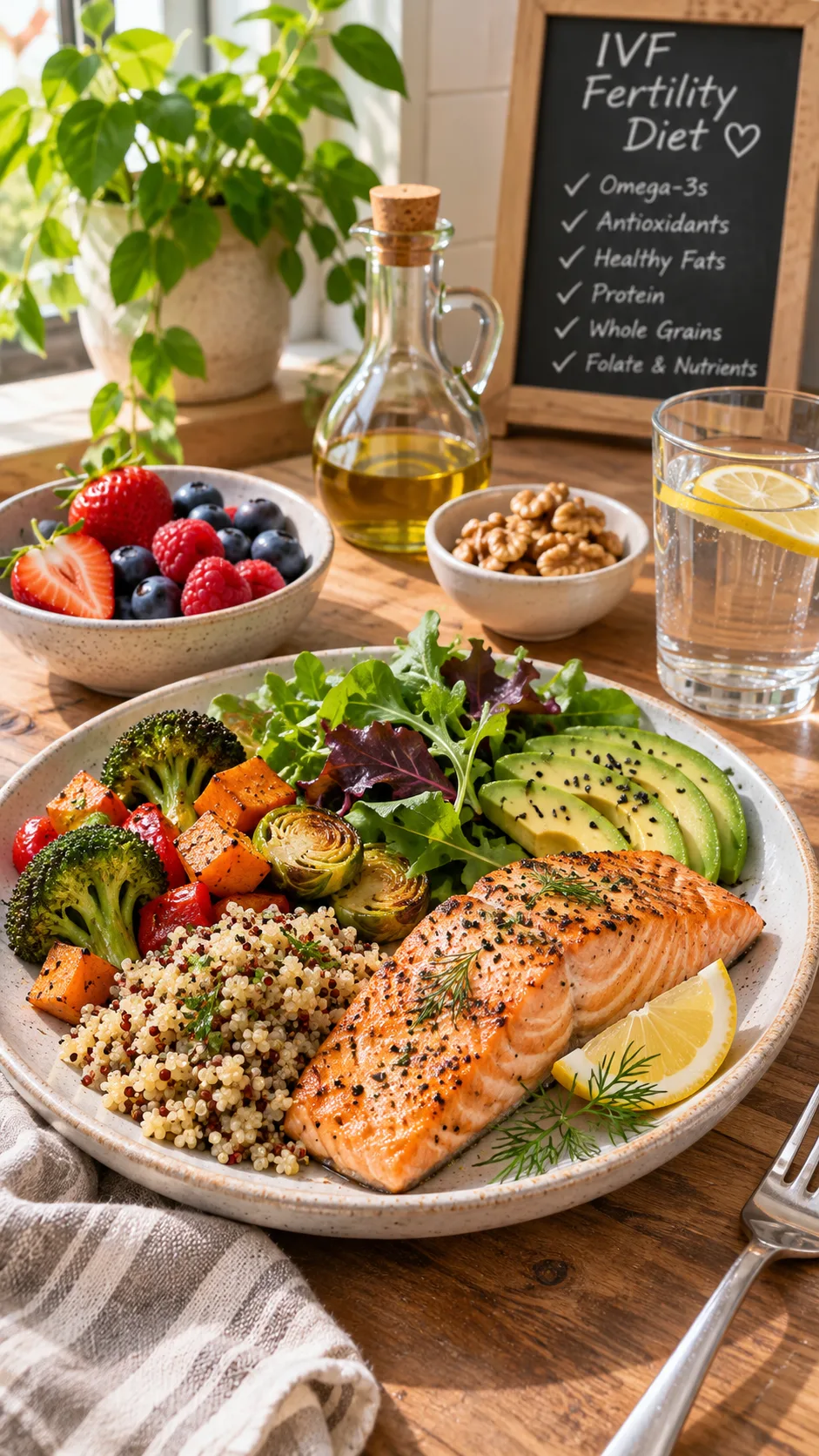
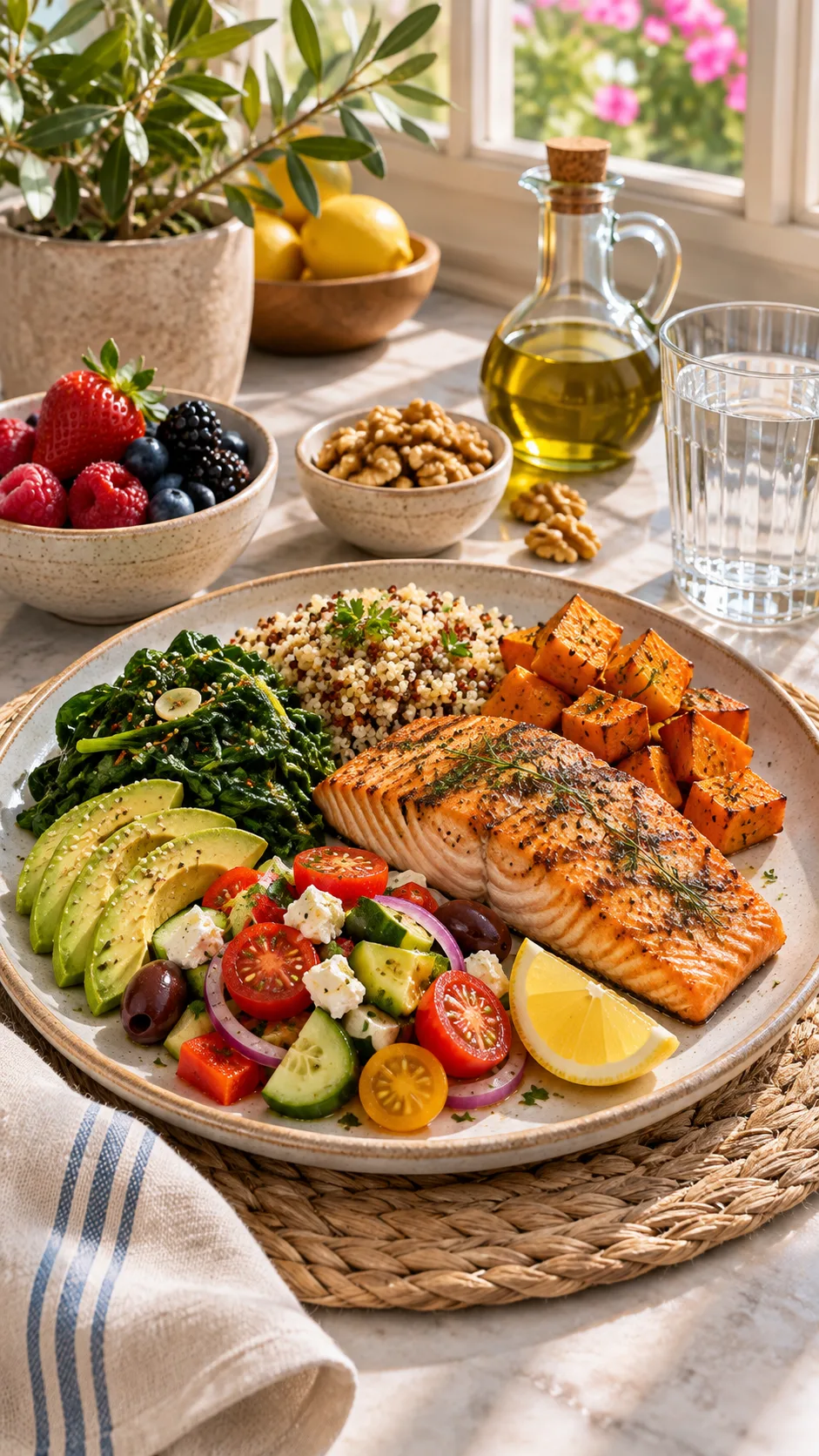
Research often points to a Mediterranean style eating pattern for fertility support. This way of eating includes vegetables, fruit, beans, whole grains, fish, nuts, olive oil, and other minimally processed foods. It leaves room for ordinary life, which matters.
The American Society for Reproductive Medicine notes that lifestyle choices can affect fertility, but it does not endorse one miracle IVF diet. Start with balanced meals, follow your clinic’s instructions, and ask your doctor or registered dietitian about your own needs.
For evidence based fertility information, visit the American Society for Reproductive Medicine’s patient resources. They offer clear guidance without trying to sell you moon water supplements.
The core IVF diet plan: Build a plate that works for you
A practical IVF meal plan does not need complicated rules. Eat regular meals with enough protein, plenty of plant foods, healthy fats, and carbohydrates that give you lasting energy. If a pastry leaves you ravenous, shaky, and strangely angry two hours later, you know the blood sugar ride helps no one.
At most meals, build a simple mix of protein, colorful produce, fiber rich carbohydrates, and healthy fat. That combination can help you stay full and keep your energy steadier through the day.
Prioritize protein at every meal
Protein gives your body amino acids for building and repairing tissue. It can also help you feel satisfied, which may make medication related hunger feel less chaotic. You do not need to turn every meal into a bodybuilder’s lunchbox.
- Eggs: They provide protein, choline, iodine, vitamin B12, and selenium.
- Fish and seafood: Choose lower mercury options such as salmon, sardines, trout, shrimp, cod, and canned light tuna.
- Greek yogurt or cottage cheese: These provide protein and calcium if dairy agrees with you.
- Beans, lentils, tofu, tempeh, and edamame: These offer plant protein, fiber, folate, and iron.
- Chicken, turkey, or lean meat: These can help you meet protein and iron needs.
- Nuts and seeds: Add them to snacks or meals for protein, fats, and minerals.
Try to eat protein at breakfast. Oats with Greek yogurt, chia seeds, and berries will likely keep you steadier than coffee and a granola bar you eat while answering emails.
Fill half your plate with colorful plants
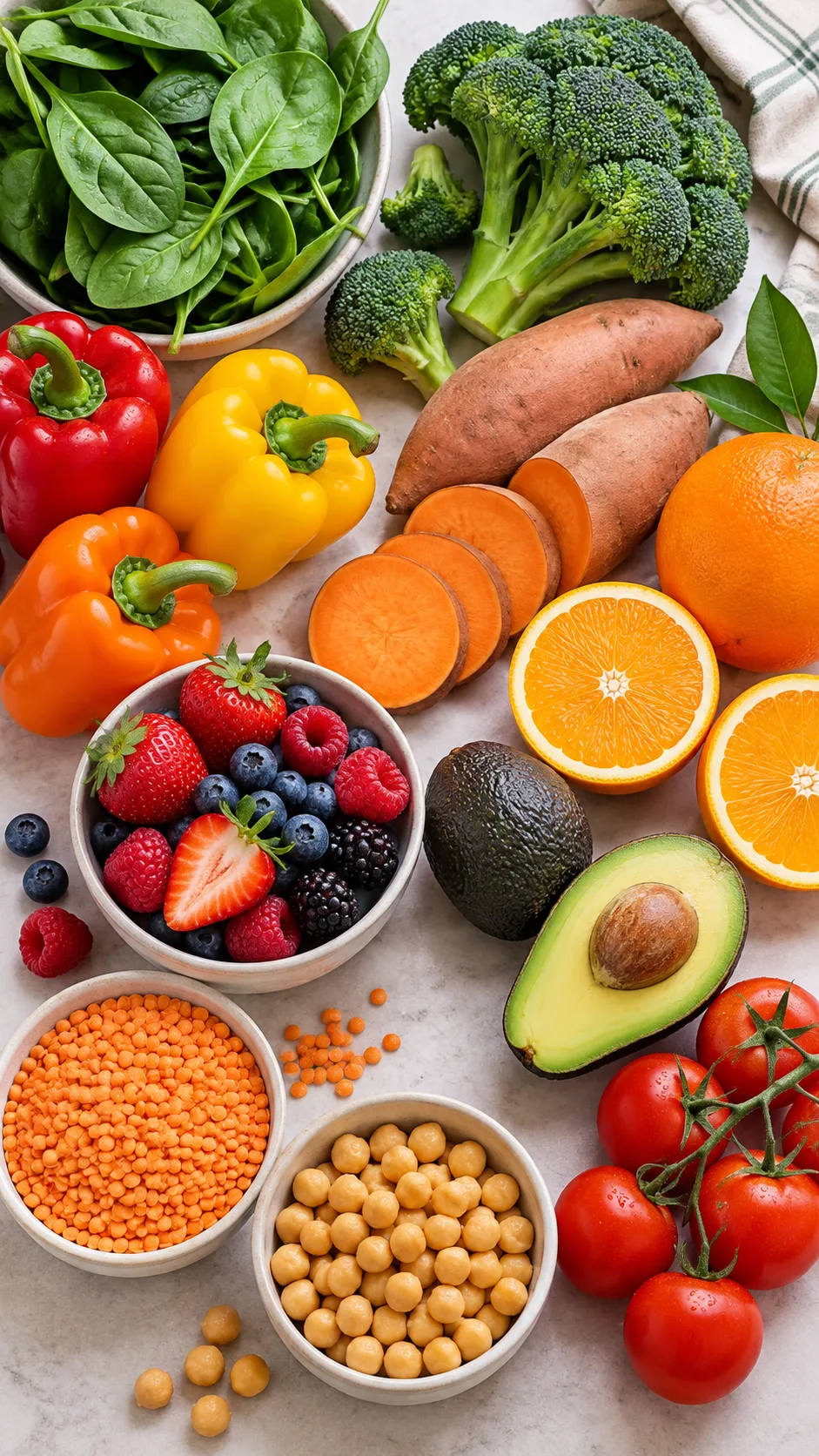
Vegetables and fruit provide fiber, vitamin C, folate, potassium, and many helpful plant compounds. You do not need an expensive green powder when you can eat produce. Shocking, I know.
Aim for variety rather than perfection. Spinach, kale, broccoli, peppers, carrots, tomatoes, berries, citrus fruit, kiwi, sweet potatoes, and beans all fit well in an IVF diet plan.
Pay close attention to folate before and during early pregnancy. Leafy greens, lentils, chickpeas, avocado, asparagus, oranges, and fortified grains provide folate. Your prenatal vitamin should contain folic acid or methylfolate, according to your clinician’s advice.
Choose carbohydrates that bring fiber along
Carbohydrates do not sabotage implantation. Your brain, muscles, and daily routine use them for energy. Choose fiber rich sources more often, and pair them with protein or fat.
- Oats or steel cut oats
- Quinoa, brown rice, barley, or farro
- Whole grain bread or pasta
- Sweet potatoes and potatoes with skin
- Beans, peas, and lentils
- Fruit instead of juice
Fiber also helps you have regular bowel movements, which can matter a great deal when fertility medications slow things down. Constipation during IVF feels rude, but fiber rich foods, fluids, and gentle movement can help.
Include fats that support overall health
Your body needs dietary fat to absorb fat soluble vitamins and make hormones. Choose unsaturated fats most often, including olive oil, avocado, nuts, seeds, and oily fish. These foods fit naturally into a Mediterranean style fertility diet.
Omega 3 fats from salmon, sardines, trout, walnuts, chia seeds, and flaxseeds also support general cardiovascular and inflammatory health. If you do not eat fish, ask your clinician whether an algae based DHA supplement suits you.
Nutrients worth paying attention to during IVF
You do not need to track every microgram as if you run a tiny laboratory in your kitchen. A few nutrients deserve your attention because they support normal reproductive health and early pregnancy. Your fertility doctor can order lab tests if they suspect a deficiency.
- Folate: Folate supports normal cell division and helps prevent neural tube defects in early pregnancy. Most people who try to conceive need a prenatal vitamin with 400 to 800 micrograms of folic acid each day, though your clinician may advise a different dose.
- Choline: Choline supports fetal brain and nervous system development. Eggs, salmon, chicken, soy foods, and beans can help you meet your target.
- Iron: Iron supports healthy red blood cells and oxygen transport. Eat lean meat, lentils, beans, tofu, leafy greens, fortified cereals, and pumpkin seeds. Pair plant sources of iron with foods rich in vitamin C.
- Vitamin D: Your body makes vitamin D from sunlight, while fatty fish, egg yolks, and fortified dairy or plant milks add smaller amounts. Ask your care team for a blood test before you take high dose supplements.
- Iodine: Iodine supports thyroid hormone production, which affects reproductive health and pregnancy. Prenatal vitamins often contain iodine, but check the label with your clinician.
- Calcium: Calcium supports bone health and muscle function. Dairy, fortified plant milk, tofu made with calcium sulfate, canned salmon with bones, kale, and yogurt can help.
The National Institutes of Health offers helpful fact sheets on nutrition during pregnancy and key supplements. Your medical team knows your records, so let them guide decisions about doses.
More is not always better. High dose vitamin A, herbal blends, and random “fertility boosters” can create real risks. Do not experiment with a supplement your coworker found in a comment section around embryo transfer.
What to eat during each stage of IVF
Your general IVF diet can stay fairly consistent during treatment. Your appetite and symptoms may shift from one stage to the next, though. Flexibility works better than strict food rules.
During ovarian stimulation
During stimulation, eat regular meals and drink enough fluids. Include protein, fiber, and foods rich in vitamins and minerals. Enlarging ovaries can leave some people bloated or full quickly, so smaller meals more often may feel better than three large plates.
Choose gentle, nourishing foods such as yogurt with fruit, eggs on whole grain toast, soups with beans or chicken, smoothies with protein, rice bowls, and roasted vegetables. Keep water nearby, especially if medication makes you thirsty.
If your clinic talks with you about ovarian hyperstimulation syndrome risk, follow its instructions for fluids, electrolytes, protein, and monitoring. Do not try to manage symptoms with internet advice. Call your clinic if you have severe bloating, trouble breathing, severe pain, rapid weight changes, or reduced urination.
After egg retrieval
Egg retrieval can leave you sore, constipated, tired, and ready to treat sweatpants as formal attire. Choose foods that require little effort: soups, eggs, oatmeal, yogurt, smoothies, fruit, whole grain crackers, and simple protein meals.
Drink fluids regularly and add fiber gradually if constipation starts. Prunes, kiwi, pears, oats, chia, beans, and vegetables can help. Do not suddenly eat a mountain of bran when you already feel bloated.
During the embryo transfer and two week wait
After transfer, many people hunt for the perfect “implantation diet.” You can skip the frantic food policing. Continue eating balanced meals, take prescribed medications exactly as your clinic directs, drink fluids, and keep taking your prenatal vitamin.
Warm foods, cold foods, pineapple cores, French fries, and other transfer traditions do not control implantation. Eat foods that comfort you and meet your nutritional needs, but do not let food myths steal your peace.
Want an eating pattern that supports steady energy and inflammation management? Our guide to the low inflammation diet plan includes practical meal ideas for busy treatment weeks.

Foods and habits to avoid or limit during IVF
“Avoid” does not mean “panic if you ate it once.” It means make informed choices most of the time. IVF brings enough pressure without turning one sandwich into a courtroom trial.
Limit alcohol
Most fertility specialists recommend that people avoid alcohol while trying to conceive and throughout IVF treatment. Alcohol can affect overall health, and no one has identified a safe amount during pregnancy. If you plan an embryo transfer, leave alcohol off the menu.
The Centers for Disease Control and Prevention says no known safe amount of alcohol exists during pregnancy or while trying to become pregnant. Choose sparkling water, a mocktail, or something nonalcoholic in a fancy glass instead.
Keep caffeine moderate
You do not need to quit coffee unless your clinic tells you to. Many clinicians advise limiting caffeine to 200 milligrams per day or less while trying to conceive or during pregnancy. That comes to roughly one 12 ounce brewed coffee, although coffee strength varies widely.
Count energy drinks, strong tea, matcha, chocolate, and pre workout powders too. Those sneaky sources can turn one latte into a caffeine festival before noon.
Avoid high mercury fish and unsafe foods
Fish provides protein and omega 3 fats, but some species contain more mercury. Avoid shark, swordfish, king mackerel, marlin, orange roughy, tilefish from the Gulf of Mexico, and bigeye tuna. If you enjoy seafood, choose lower mercury options two or three times a week.
Follow food safety basics, especially around transfer and the two week wait. Avoid raw or undercooked eggs, meat, fish, and shellfish; unpasteurized milk or juice; and refrigerated smoked seafood unless you cook it in a dish. The FDA fish guidance can help you choose seafood wisely.
Skip crash diets, cleanses, and extreme restrictions
IVF does not call for a detox, juice cleanse, or punishing low calorie plan. Your body needs reliable energy and nutrients during treatment. Extreme dieting can leave you tired, hungry, stressed, and short on important nutrients.
Skip intermittent fasting too unless your fertility clinician approves it for your situation. Long fasting periods can make nausea, blood sugar swings, and medication related hunger harder to manage. If fasting once suited your routine, read our intermittent fasting diet guide later. Do not use it instead of personal IVF advice.
A simple one day IVF meal plan
Need a normal starting point? Here is a balanced sample IVF diet plan. Adjust portions for your appetite, cultural preferences, allergies, dietary pattern, and advice from your care team.
- Breakfast: Greek yogurt or soy yogurt with oats, berries, chia seeds, and walnuts. Add a boiled egg or toast if you need a more filling meal.
- Mid morning snack: An apple with peanut butter, or carrots with hummus.
- Lunch: A quinoa bowl with salmon or tofu, spinach, roasted peppers, chickpeas, avocado, and olive oil lemon dressing.
- Afternoon snack: Cottage cheese with fruit, edamame, or whole grain crackers with cheese.
- Dinner: Lentil soup or chicken stew with a baked sweet potato, broccoli, and a side salad.
- Evening option: Kiwi, warm milk or fortified soy milk, or a small handful of pumpkin seeds if hunger returns.
This plan does not win points for being trendy. It works because it provides protein, fiber, healthy fats, iron, folate, calcium, and plenty of real food. Fancy labels cannot beat that.
How to make IVF eating feel easier when life feels hard
IVF appointments, injections, work, family responsibilities, and waiting can make meal planning feel like one task too many. Simplify what you can. When 6 p.m. arrives and you have no energy left for culinary greatness, your future self will appreciate it.
- Keep frozen vegetables, fruit, cooked grains, and canned beans in your kitchen.
- Cook one protein, one grain, and one sheet pan of vegetables each week.
- Buy prewashed greens and precut produce when they save your sanity.
- Make a short list of meals you can tolerate on nausea or low appetite days.
- Carry snacks to monitoring appointments, especially if bloodwork tends to leave you hungry.
- Ask a partner, friend, or family member to manage groceries or dinner during retrieval week.
If you have PCOS, endometriosis, diabetes, celiac disease, thyroid disease, anemia, or a history of an eating disorder, ask for personal support. A registered dietitian who works with fertility patients can tailor an IVF nutrition plan without adding shame or needless restrictions.
The bottom line: Feed yourself, not the fertility hype
The best IVF diet plan looks much less dramatic than social media suggests. Build meals around protein, plants, fiber rich carbohydrates, and healthy fats. Take a prenatal vitamin your clinician approves, limit caffeine, avoid alcohol, choose safe foods, and skip extreme diet rules.
No food can force implantation, but regular nourishment can support your health through every stage of IVF. Eat in a way that gives you energy, comfort, and confidence. Your plate should offer support, not another test to pass.