

You do not need a personality transplant to eat less added sugar. You need meals that settle your stomach, keep your energy even, and make the snack drawer less tempting.
A sensible no added sugar diet plan does not ban every food that tastes sweet. It cuts the sugars that food companies add to drinks, sauces, cereals, snack bars, and “healthy” yogurts with suspiciously cheerful labels.
That distinction gives you room to eat fruit, milk, plain yogurt, and carbs without turning your kitchen into a sugar free prison. Who wants to worry about a banana?
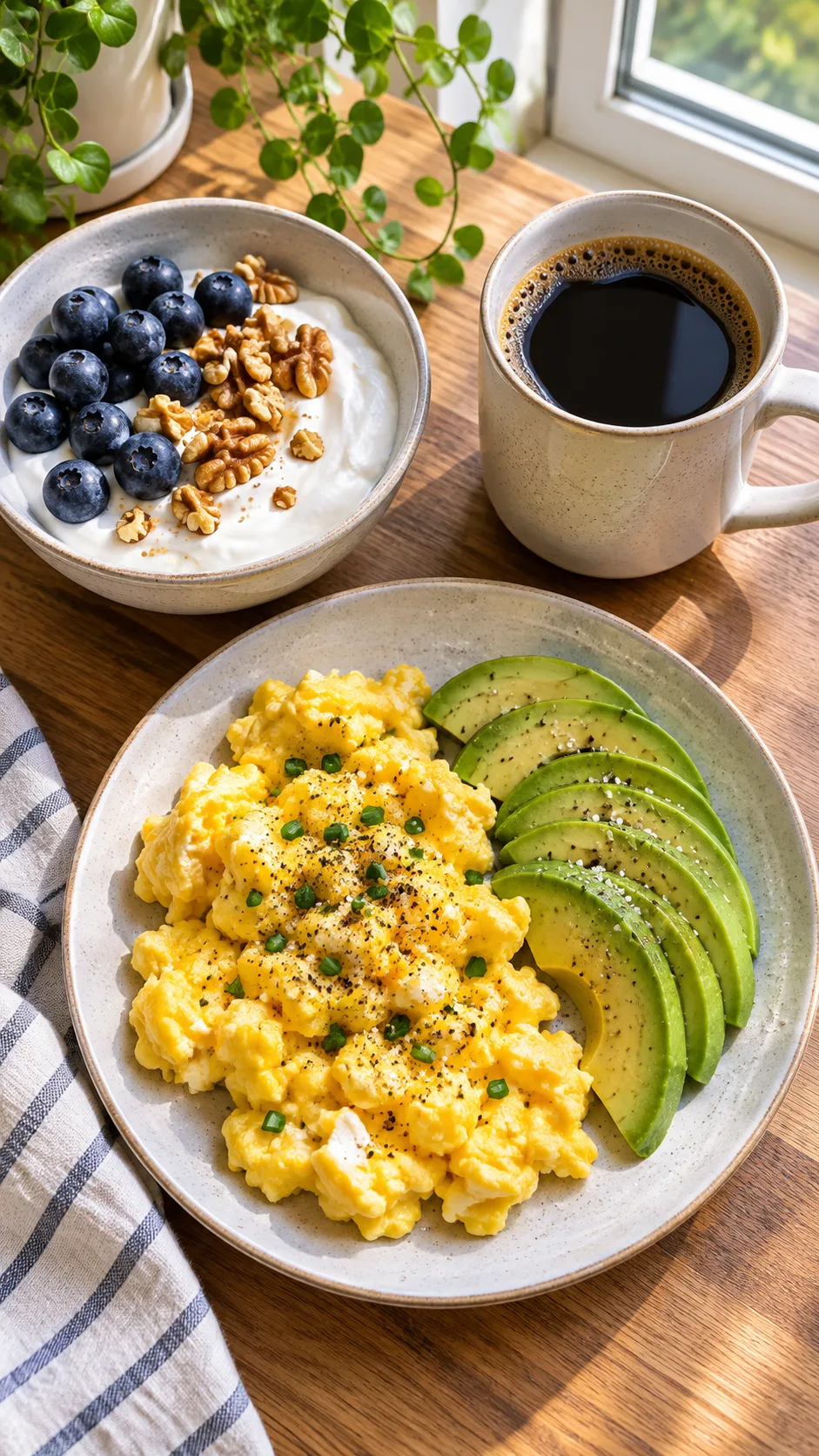
What does “no added sugar” mean?

A no added sugar diet cuts out sugars and syrups that manufacturers or home cooks put into food. That includes table sugar, brown sugar, honey, maple syrup, agave, glucose syrup, and fruit juice concentrate.
Whole foods such as fruit and unsweetened dairy contain natural sugars. They also give you fibre, protein, water, vitamins, or minerals. A fizzy drink mostly gives you sugar and a brief bit of fun.
The American Heart Association recommends that most women eat no more than 25 grams of added sugar a day and that most men stay below 36 grams. You can read its practical guidance on added sugars and heart health.
Foods you can eat freely
You do not need perfection. Build meals around protein, fibre, healthy fats, and enough food to leave you comfortably full.
- Proteins: eggs, chicken, fish, turkey, beef, tofu, tempeh, beans, lentils, plain Greek yogurt, cottage cheese
- Vegetables: leafy greens, broccoli, carrots, tomatoes, peppers, cabbage, mushrooms, courgettes, green beans
- Fruit: berries, apples, oranges, bananas, pears, melon, kiwi, peaches, and frozen fruit with no syrup
- Smart carbs: oats, potatoes, sweet potatoes, brown rice, quinoa, whole-grain bread, corn, beans, and lentils
- Fats: avocado, olive oil, nuts, seeds, natural peanut butter, olives, and oily fish
Foods that need a label check
Some foods seem harmless until you turn over the packet. Ketchup, pasta sauce, flavoured oatmeal, granola, cereal, protein bars, salad dressing, flavoured yogurt, and packaged smoothies can contain far more added sugar than you expect.
Read the ingredients list first. If sugar, syrup, honey, malt, dextrose, glucose, fructose, or concentrate appears near the top, pick another option or use less.
The U.S. Food and Drug Administration explains how the Nutrition Facts label separates added sugars from total sugars. That small line can save you plenty of guesswork.
Why most no sugar diet plans leave you starving
Many plans cut sugar and satisfaction at the same time. They replace a chocolate biscuit with a rice cake, call it discipline, then wonder why hunger comes back 20 minutes later.
Your body needs more than fewer sweet foods. It needs enough protein, fibre, fats, and proper meals at regular intervals.
Hunger does not mean you lack willpower. It often means your last meal did not keep you going. Answer that signal with food, not another coffee.
The fullness formula
At each main meal, aim for protein + fibre-rich plants + satisfying carbs or fats. That mix slows digestion, helps keep your energy steadier, and makes a raid on the cupboard less likely.
- Start with protein: Aim for a palm-sized portion of eggs, fish, poultry, meat, tofu, beans, lentils, Greek yogurt, or cottage cheese.
- Add colourful plants: Fill at least half your plate with vegetables, fruit, beans, or a combination of them.
- Choose an energy source that satisfies you: Add potatoes, oats, rice, whole grains, beans, avocado, olive oil, nuts, or seeds.
- Make food taste good: Use garlic, herbs, lemon, chilli, spices, vinegar, mustard, and salt in sensible amounts.
Protein helps many people feel fuller after meals. Fibre adds bulk and slows food as it moves through your digestive system. Fats make a meal feel finished, which helps when your brain starts asking for dessert at 3 p.m.
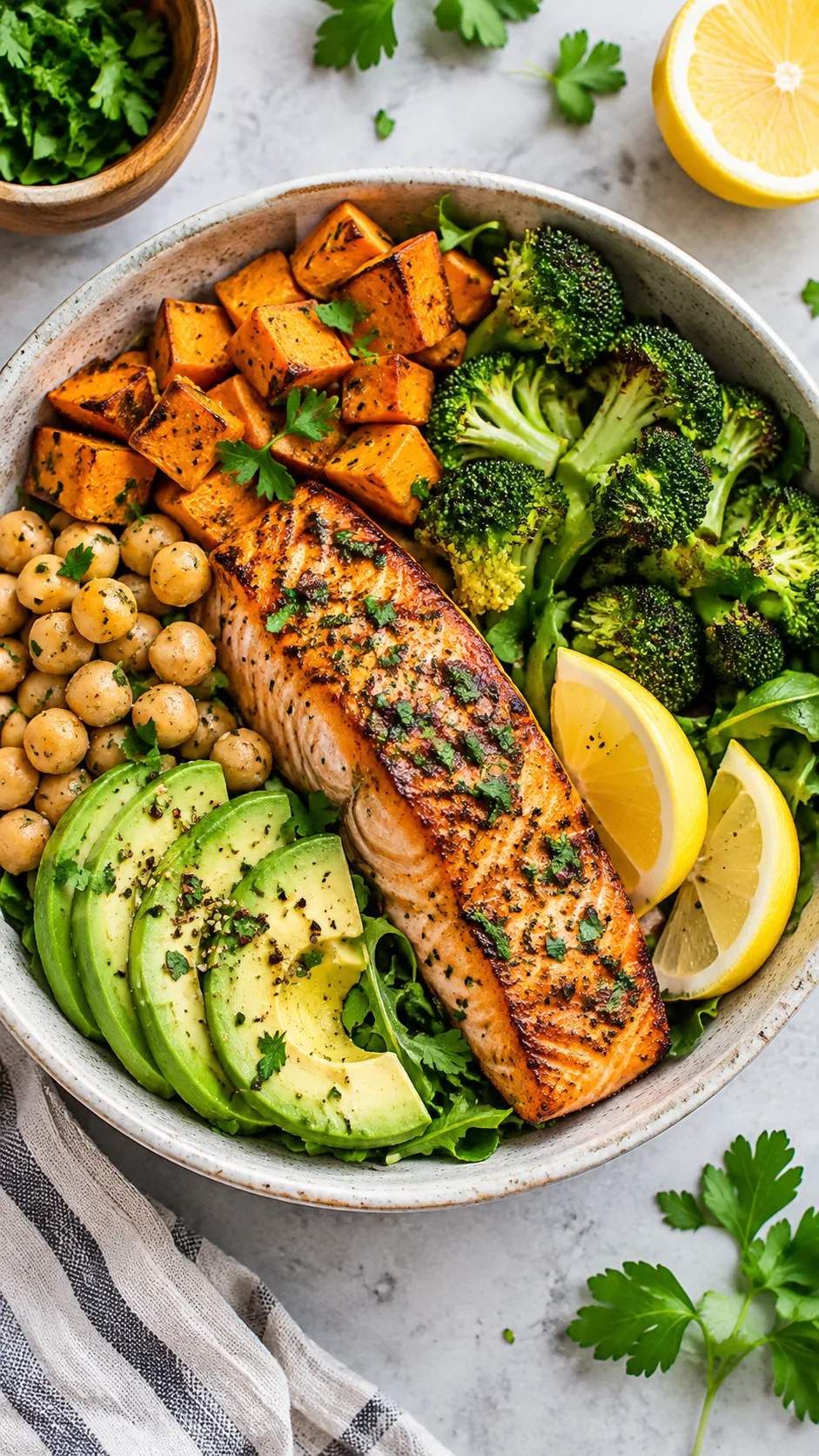
The no added sugar diet plan: A full 7-day menu
This 7-day no added sugar meal plan uses ordinary supermarket food. Adjust portions to suit your hunger, body size, activity level, medical needs, and goals.
Drink water, sparkling water, unsweetened tea, or coffee without sugary syrups. Add milk if you like it, and try cinnamon or vanilla extract for more flavour.
Day 1
- Breakfast: Scrambled eggs with spinach and tomatoes, whole-grain toast, and an orange.
- Lunch: Chicken, quinoa, cucumber, pepper, and avocado salad with olive oil and lemon.
- Dinner: Baked salmon, roasted potatoes, green beans, and a plain yogurt-herb sauce.
- Snack: Apple slices with natural peanut butter.
Day 2
- Breakfast: Plain Greek yogurt, berries, chia seeds, walnuts, and cinnamon.
- Lunch: Lentil soup with a side salad and whole-grain toast.
- Dinner: Turkey or tofu stir-fry with mixed vegetables and brown rice.
- Snack: Cottage cheese with cucumber, black pepper, and cherry tomatoes.
Day 3
- Breakfast: Oats cooked in milk or water, topped with banana, peanut butter, and pumpkin seeds.
- Lunch: Tuna and white bean salad with tomatoes, red onion, parsley, olive oil, and lemon.
- Dinner: Beef or mushroom chilli with beans, chopped avocado, and a spoonful of plain yogurt.
- Snack: Pear and a handful of almonds.
Day 4
- Breakfast: Omelette with mushrooms, peppers, cheese, and avocado.
- Lunch: Leftover chilli over a baked sweet potato with crunchy cabbage slaw.
- Dinner: Roast chicken thighs, carrots, broccoli, and herby potatoes.
- Snack: Plain yogurt with sliced kiwi and sunflower seeds.
Day 5
- Breakfast: Whole-grain toast with mashed avocado, poached eggs, and tomato slices.
- Lunch: Chickpea, cucumber, tomato, feta, and olive salad with lemon dressing.
- Dinner: Cod, rice, sautéed spinach, and roasted peppers with garlic.
- Snack: Carrots and hummus with no added sugar.
Day 6
- Breakfast: Cottage cheese bowl with berries, walnuts, cinnamon, and a few oats.
- Lunch: Chicken or tofu wrap in a whole-grain tortilla with lettuce, tomato, avocado, and mustard.
- Dinner: Homemade burger bowl with lean beef or bean patties, oven chips, salad, pickles, and unsweetened ketchup if you can find it.
- Snack: A banana with peanut butter.
Day 7
- Breakfast: Vegetable frittata, roasted potatoes, and fresh fruit.
- Lunch: Bean and vegetable soup with a side of whole-grain toast and cheese.
- Dinner: Coconut chicken or tofu curry with vegetables and brown rice. Choose coconut milk with no added sugar.
- Snack: Air-popped popcorn with olive oil, salt, and smoked paprika.
Do those meals look radical? Good. Eating in a way you can keep up should look fairly ordinary on paper and taste good on your plate.
How to stop sugar cravings without white-knuckling it
Sugar cravings often turn up when you skip meals, eat too little protein, sleep badly, feel stressed, or keep very sweet foods within reach. Your brain does not need a lecture then. It needs food and a workable plan.
Eat before you get ravenous
Long gaps between meals can turn a mild cookie craving into a trip to the bakery. Eat a balanced meal or snack every three to five hours if that schedule helps you handle hunger.
Try a rescue snack: Greek yogurt and fruit, cheese and an apple, hummus and vegetables, boiled eggs and crackers, or nuts with a pear. Protein or fat alongside carbs usually keeps you full longer than carbs on their own.
Keep sweetness, change the source
Fruit can take the edge off a sweet craving while giving you fibre and water. Frozen grapes, berries with yogurt, a banana with peanut butter, and baked apple with cinnamon all make good choices.
You do not need to force yourself to dislike sweet flavours. Let your taste buds get used to foods that offer more than a sugar rush and an empty packet.
Make your environment do some work
Willpower runs low. Do not leave family-size bags of sweets on the counter every night and expect yourself to ignore them.
- Keep fruit visible and washed.
- Stock protein-rich snacks where you can grab them quickly.
- Buy plain yogurt instead of dessert-style yogurt.
- Choose dark chocolate with a short ingredient list for occasional treats.
- Serve treats in a bowl instead of eating from the packet.
Progress beats purity. If you eat cake at a birthday, enjoy it and return to your usual meals afterward. You do not need to “start over” because you ate frosting on a Saturday.
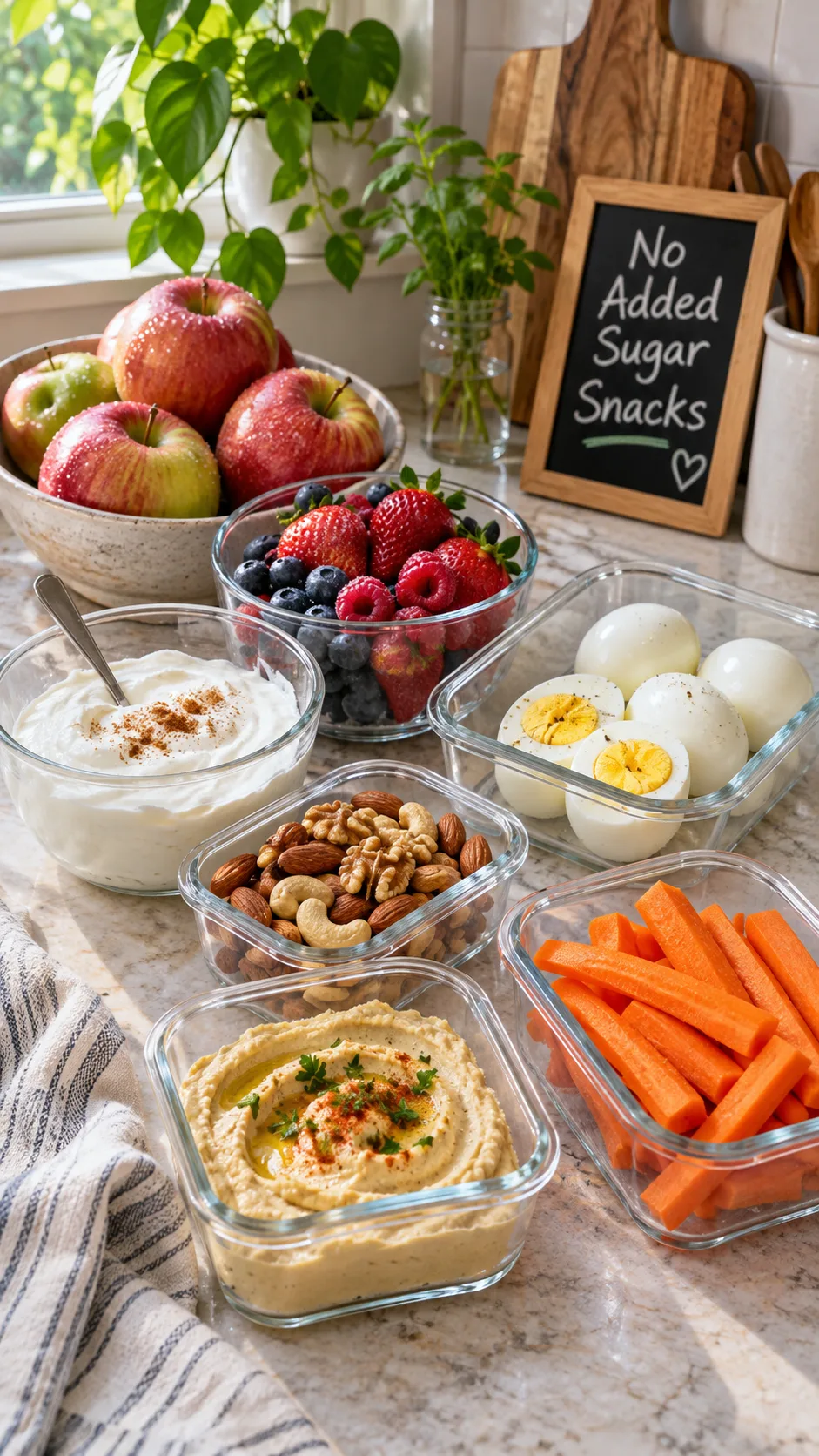
Your no added sugar shopping list
A solid shopping list makes this plan much easier to follow. You cannot make a filling dinner from optimism and three lonely crackers.
Protein staples
- Eggs
- Chicken breast or thighs
- Tinned tuna, sardines, or salmon in water or olive oil
- Lean mince, turkey, tofu, or tempeh
- Plain Greek yogurt and cottage cheese
- Tinned beans and lentils with no added sugar
Fibre and carb staples
- Oats
- Potatoes and sweet potatoes
- Brown rice or quinoa
- Whole-grain bread or wraps
- Frozen vegetables and frozen berries
- Fresh fruit, especially apples, oranges, bananas, and berries
Flavour boosters
- Olive oil, vinegar, lemons, and limes
- Garlic, ginger, chilli, black pepper, cumin, paprika, curry powder, and cinnamon
- Mustard, pesto, salsa, and hummus with no added sugar
- Nuts, seeds, olives, and natural nut butter
Check sauces carefully. A “low-fat” sauce often replaces fat with added sugar, which can feel like a prank that survived several meetings.
Common no added sugar diet mistakes
Cutting all carbs
Some people cut sugar, bread, fruit, rice, potatoes, and joy in one dramatic afternoon. You do not need to do that. Whole-food carbs can support energy, workouts, digestion, and meals that satisfy you.
Choose high-fibre carbs and eat them with protein. If you want a more structured lower-carb approach, this 7-day low-carb meal plan gives you a more focused option without making meals feel punishing.
Relying on “sugar-free” products
Sugar-free biscuits, sweets, and drinks can help some people during the transition. They can also keep your taste buds used to intense sweetness or upset your stomach if you eat a lot of sugar alcohols.
Use them occasionally, not as the base of your diet. Real meals do that job better.
Eating too little
Many people confuse a no added sugar diet with a very low-calorie diet. Those plans address different concerns, and severe restriction often brings more cravings.
If you want a calorie-focused structure, compare your needs with our 1200 calorie meal plans that focus on fullness. Talk with a registered dietitian or doctor before you follow a low-calorie plan, especially if you manage a health condition, take medication, feel pregnant, or breastfeed.
Ignoring drinks
Sugary drinks can add a lot of added sugar without filling you up. Soda, sweet tea, energy drinks, flavoured coffees, sweetened iced tea, and juice drinks all deserve a closer look.
Choose water, sparkling water, unsweetened tea, or coffee most of the time. The Centers for Disease Control and Prevention offers more practical ideas for rethinking sugary drinks.
How to make this plan fit real life
You do not need seven perfect days. You need a few reliable breakfasts, lunches, dinners, and snacks that suit your schedule and budget.
Cook two proteins, a pot of grains or potatoes, and a tray of vegetables over the weekend. Mix them with different sauces, herbs, and toppings through the week.
At a restaurant, choose grilled protein, vegetables, and a potato, rice, or bean side. Ask for sauces and dressings on the side, then add enough to enjoy the meal instead of enough to soak the whole plate.
Want dessert? Eat fruit and yogurt, have a square or two of dark chocolate, or make a homemade treat and serve it on purpose. A no added sugar plan should fit into your life without making every social event awkward.
When you should get personal advice
Food changes can affect blood sugar, medication needs, digestion, and energy. Talk with your doctor or a registered dietitian before you make major changes if you live with diabetes, kidney disease, an eating disorder history, food allergies, or another medical condition.
Parents should avoid putting children on strict food rules without professional guidance. Kids need balanced nutrition, and family meals tend to go better when adults model calm, flexible habits.
The Dietary Guidelines for Americans give evidence-based advice on limiting added sugars and building balanced meals. You can read the full guidance at DietaryGuidelines.gov.
The bottom line
A filling no added sugar diet plan starts with real meals, not constant restriction. Build each plate around protein, plants, satisfying carbs or fats, and flavours you enjoy.
Read labels, keep easy snacks nearby, and let fruit cover some sweet cravings. Above all, stop asking willpower to rescue an underfed body.
Feed yourself well first, and added sugar loses much of its pull. Start tomorrow with one filling breakfast, then build from there.