

You want to eat better, cut down on factory-farmed meats, and boost your energy without chewing on plain kale leaves all day. Giving up ribeyes sounds tough, but living on salad sounds miserable. The pescatarian diet bridges that gap, pairing plant-rich nutrition with grilled salmon, crispy fish tacos, and garlic shrimp bowls.
Switching your entire plate can feel intimidating. Will you spend your whole paycheck at the fish counter? Will mercury ruin your health? How do you cook scallops without turning them into rubber eraser pads?
Take a breath. You do not need a culinary arts degree or an endless grocery budget to thrive on seafood and plants. This guide strips away the fluff, breaks down the science, hands you an actionable shopping list, and shows you how to stick to the pescatarian lifestyle for good.
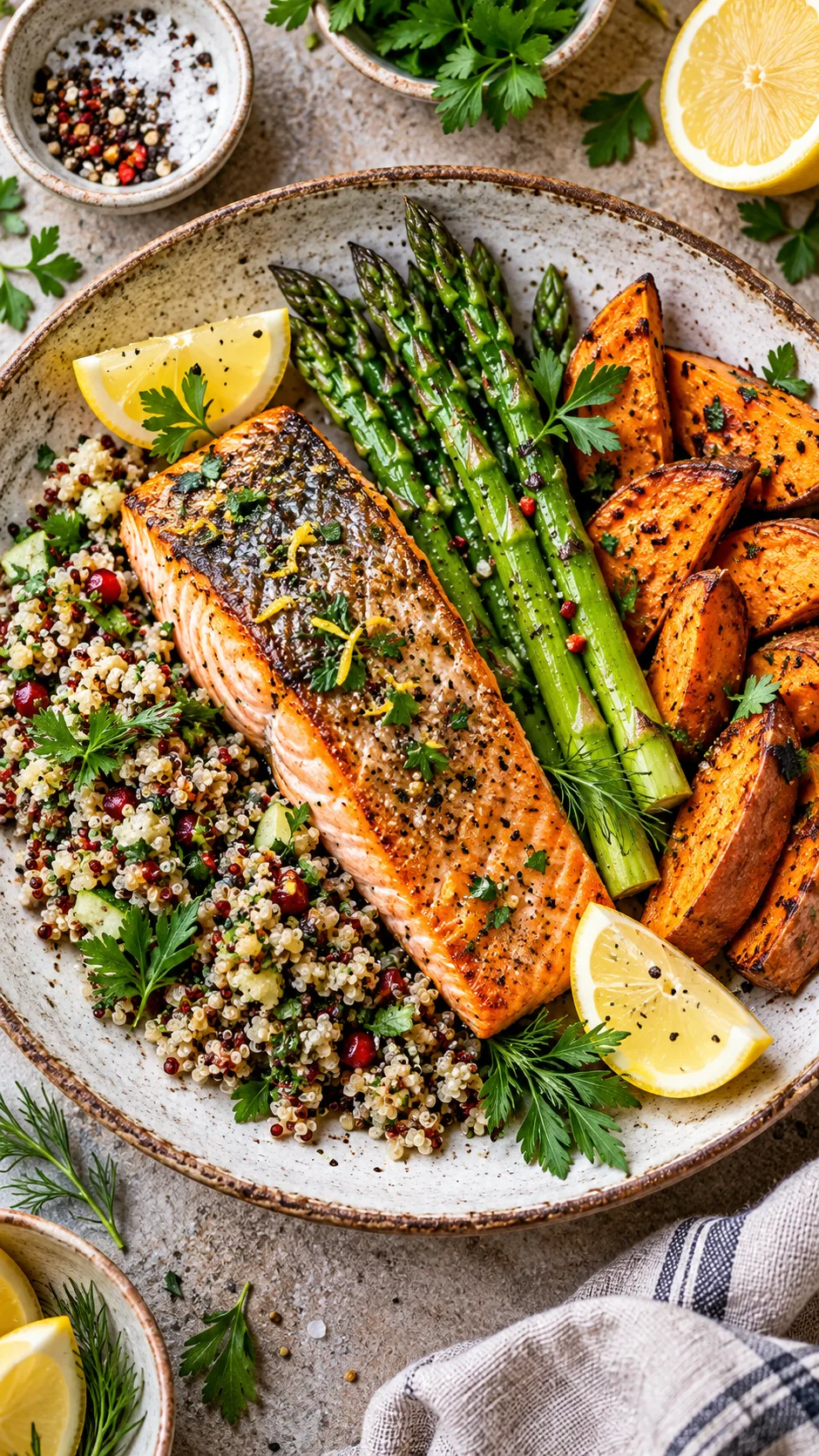
What is a pescatarian diet?
The concept requires very little overthinking. The word combines the Italian word for fish (pesce) with vegetarian. In plain English: you eat a vegetarian diet, but you also include fish and seafood.
You fill your plate with vegetables, hearty grains, beans, nuts, seeds, and fruit. You add wild-caught fish, shrimp, mussels, and clams for clean protein. At the same time, you leave cows, pigs, chickens, turkeys, and all land animals off the menu.
Most pescatarians also consume dairy products and eggs, similar to a standard lacto-ovo vegetarian approach. Some people skip eggs and dairy, choosing a purely plant-and-marine menu. You choose the variation that matches your personal ethics, gut tolerance, and weight goals.
Think of this eating style as a close relative to the Mediterranean Diet for Beginners. Both focus heavily on unprocessed plants, heart-healthy fats, and aquatic protein sources rather than greasy burgers or heavily processed cold cuts.
The real health benefits
Cardiologists and nutritionists consistently praise this diet for a simple reason: you remove the worst dietary offenders and replace them with nutrient powerhouses.
1. You strengthen your cardiovascular system
Land animal meats, especially processed bacon, sausages, and fatty cuts of beef, often pack heavy saturated fats. Excessive intake of these fats can raise LDL cholesterol levels and contribute to plaque buildup in your arteries.
When you replace red meat with oily fish, you flood your bloodstream with omega-3 fatty acids like EPA and DHA. The American Heart Association recommends eating two servings of fish per week because these fats lower triglycerides, reduce blood pressure, and slash your risk of fatal arrhythmias.
2. Your brain sharpens up
Midday brain fog often strikes right after you crush a greasy cheeseburger lunch. You can leave those slumps behind. Fish provides bioavailable vitamin B12, iron, and DHA (a specific fat that forms the primary structural foundation of human cerebral tissue).
Research routinely correlates regular seafood consumption with lower rates of age-related cognitive decline. You feed your brain cells the clean fuel they need to process thoughts quickly and stay focused.
3. Weight management without misery
White fish like cod, haddock, and halibut offer lean protein with minimal calories. Combine that protein with the heavy fiber content of lentils, black beans, broccoli, and oats, and you get serious satiety. Fiber expands in your stomach while protein switches off hunger hormones like ghrelin. You stay full for four or five hours without raiding your kitchen cabinets.
4. A lighter environmental footprint
Industrial livestock farming demands staggering amounts of fresh water, land clearing, and fossil fuels. While commercial overfishing brings real environmental challenges, choosing sustainably harvested seafood and plant protein generates a much lower carbon footprint than standard factory-farmed beef.
The pescatarian grocery list: what to eat
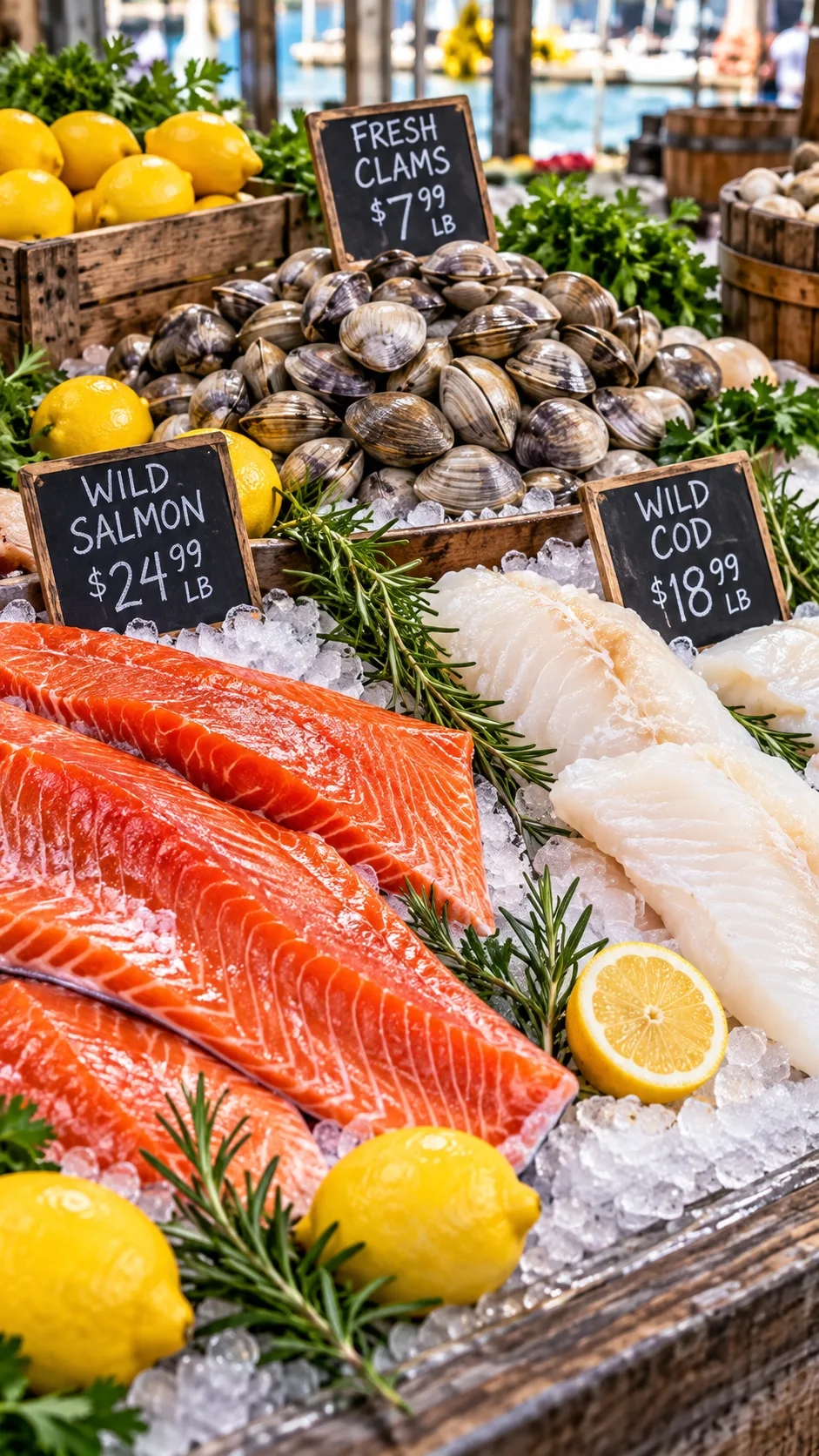
If supermarket aisles overwhelm you, stick to the outer perimeter of the store and use this categorized list to stock your kitchen with confidence.
Seafood selections
Vary your seafood choices across the week. Rotating different species prevents palate boredom and supplies a wide spectrum of micronutrients:
- Fatty Cold-Water Fish: Salmon (wild Alaskan preferred), sardines, Atlantic mackerel, rainbow trout, and herring. These species deliver abundant omega-3 fats.
- Lean White Fish: Pacific cod, haddock, halibut, sea bass, flounder, and tilapia. These supply plenty of protein for very few calories.
- Shellfish and Crustaceans: Shrimp, crab, lobster, scallops, clams, oysters, and mussels. Oysters and mussels pack massive amounts of zinc, iron, and vitamin B12.
- Pantry-Stable Seafood: Canned wild salmon, water-packed sardines, canned light tuna, and anchovies. These save your budget on busy weeknights.
The plant-based foundation
Seafood stars in many dinners, but plants construct the real foundation of your week. Load your cart with these nutrient staples:
- Legumes and Pulses: Chickpeas, black beans, French green lentils, edamame, and split peas.
- Whole Grains: Quinoa, farro, brown rice, steel-cut oats, and whole-wheat pasta.
- Cruciferous and Leafy Veggies: Spinach, baby kale, arugula, broccoli, Brussels sprouts, and cauliflower.
- Fresh Produce: Bell peppers, zucchini, heirloom tomatoes, avocados, berries, and citrus fruits.
- Nuts and Seeds: Walnuts, chia seeds, hemp hearts, pumpkin seeds, and natural almond butter.
Flexible fridge additions
Unless you follow a strict dairy-free routine, these ingredients add rich textures and quick breakfast options:
- Pasture-Raised Eggs: Great for quick scrambles, shakshuka, or baking.
- Fermented Dairy: Plain Greek yogurt, kefir, and cottage cheese.
- Quality Cheeses: Feta, goat cheese, parmesan, and fresh mozzarella (use these for seasoning rather than eating giant blocks).
What to skip (the hard no list)
Transitioning means drawing a clear boundary around land animals. Remove these items from your weekly rotation:
- Red Meat: Beef, veal, lamb, venison, and bison.
- Poultry and Game Birds: Chicken, turkey, duck, goose, and quail.
- Pork Products: Pork chops, bacon, ham, prosciutto, and pork sausage.
- Hidden Animal Byproducts: Gelatin (manufacturers put this in gummy candies and marshmallows), lard (cooks use this in traditional refried beans and pie crusts), and beef or chicken broths. Buy vegetable or kelp stocks instead.
- Ultra-Processed Fake Meats: Avoid meatless patties loaded with industrial seed oils, synthetic fillers, and excessive sodium spikes. Eat whole beans, lentils, or fresh fish instead of factory-made substitutes.
If you transition straight from meat-heavy habits, you might wonder how other diets compare. Unlike the zero-carb limits you see in low-carb groups, or the strict macro tracking in How to Start a Keto Diet for Beginners, the pescatarian path gives you wide flexibility with healthy complex carbohydrates.
The mercury and sustainability dilemma
Beginners often worry about mercury toxicity. Does eating seafood multiple times a week pose a threat to your health? Not if you understand basic marine biology.
Apex ocean predators live long lives and consume thousands of smaller fish. Consequently, their meat accumulates higher levels of methylmercury. Smaller fish near the bottom of the food chain consume plankton, live shorter lives, and accumulate negligible contaminants.
Follow the guidelines from the FDA Advisory on Eating Fish and stick to this simple guide:
High-mercury fish (limit severely or avoid completely)
- Shark
- Swordfish
- King Mackerel
- Tilefish
- Bigeye Tuna
Low-mercury options (eat freely 2 to 4 times per week)
- Wild Alaskan Salmon
- Sardines
- Shrimp
- Canned Light Tuna (Skipjack)
- Rainbow Trout
- Oysters and Mussels
What about ocean sustainability? Commercial trawlers sometimes damage marine habitats. Before you buy at the counter, look for certification labels like MSC (Marine Stewardship Council) or check the Monterey Bay Aquarium Seafood Watch database on your phone. These resources show you right away whether a fishery harvests stock responsibly.
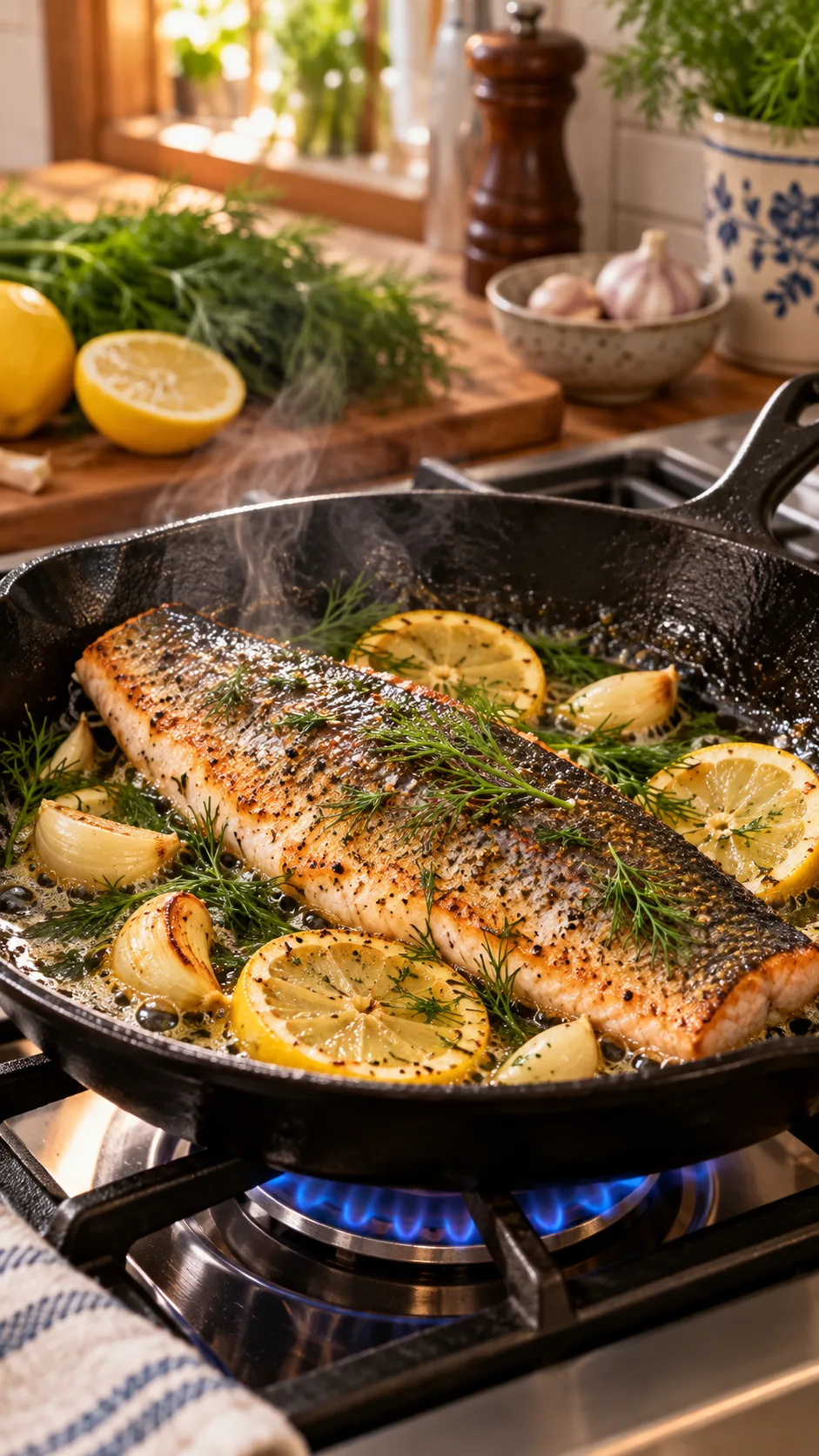
Learn how to cook fish properly: quick video guide
Cooking fish intimidates newcomers. You overcook it by two minutes, and you get dry, rubbery protein. Learn this basic pan-searing technique once, and you can make restaurant-level dinners in under ten minutes:
A 7-day pescatarian meal plan for beginners
Follow this balanced weekly plan to eliminate daily kitchen guesswork. Plant proteins carry several meals here, which keeps your grocery bill manageable.
Monday
- Breakfast: Two scrambled pasture-raised eggs, sauteed baby spinach, and one slice of sourdough toast with smashed avocado.
- Lunch: Chickpea Mediterranean bowl with cucumbers, Kalamata olives, cherry tomatoes, parsley, feta cheese, and lemon-tahini dressing.
- Dinner: Pan-seared wild salmon over fluffy quinoa with roasted lemon asparagus.
Tuesday
- Breakfast: Steel-cut oats cooked in almond milk, topped with ground flaxseed, fresh blueberries, and a spoonful of almond butter.
- Lunch: Leftover pan-seared salmon flaked over an arugula salad with walnuts and balsamic glaze.
- Dinner: Black bean and sweet potato burritos tucked into whole-wheat tortillas with fresh pico de gallo and guacamole.
Wednesday
- Breakfast: Plain Greek yogurt layered with hemp seeds, chia seeds, raspberries, and raw honey.
- Lunch: Whole-wheat pita pocket stuffed with homemade tuna salad (made with Greek yogurt, dijon mustard, diced celery, and capers) alongside carrot sticks.
- Dinner: Garlic butter shrimp stir-fry with broccoli florets, snap peas, and bell peppers over brown rice.
Thursday
- Breakfast: Green smoothie made with baby kale, frozen mango, hemp protein, chia seeds, and unsweetened soy milk.
- Lunch: Hearty red lentil vegetable soup with a warm slice of seeded artisan bread.
- Dinner: Baked Pacific cod topped with seasoned panko breadcrumbs and fresh herbs, served with roasted zucchini and parmesan baby potatoes.
Friday
- Breakfast: Two-egg omelet filled with diced bell peppers, red onions, and crumbled goat cheese.
- Lunch: Leftover lentil vegetable soup paired with a side green salad.
- Dinner: Crispy fish tacos using grilled mahi-mahi or cod, shredded purple cabbage slaw, lime juice, and chipotle crema on warm corn tortillas.
Saturday
- Breakfast: Whole-grain waffles topped with fresh strawberries, Greek yogurt, and crushed pecans.
- Lunch: Smoked salmon toast on toasted rye with whipped cream cheese, thinly sliced red onion, capers, and cucumber ribbons.
- Dinner: Creamy garlic Tuscan white bean stew with sun-dried tomatoes, wilted spinach, and crusty garlic bread.
Sunday
- Breakfast: Shakshuka (poached eggs in a spicy tomato-bell pepper sauce) garnished with fresh cilantro and warm pita wedges.
- Lunch: Grain bowl featuring farro, roasted butternut squash, steamed edamame, and sesame-ginger vinaigrette.
- Dinner: Steamed mussels in white wine, garlic, and tomato broth, served with a crisp green salad.
This layout mirrors heart-healthy approaches like The DASH Diet for Beginners, proving that nutrient-dense eating never requires bland starvation tactics.
How to stick with it without going broke or bored
Most diet resolutions fizzle within three weeks. People buy expensive fillets, overcook them, run out of cash, and order delivery pizza. Use these practical habits to sustain this lifestyle for the long haul.
1. Master the freezer section
Commercial fishing boats flash-freeze their catches directly on board within hours of harvest. That flash-freezing locks in flavor, texture, and omega-3 fats far better than the fish sitting on melting ice at your local market counter, which sellers often thawed days ago. Frozen wild salmon, raw peeled shrimp, and cod fillets cost up to 40 percent less than fresh counter items. Keep bags of frozen seafood in your freezer at all times.
2. Learn to love tinned fish
In Portugal and Spain, high-end tinned seafood commands culinary respect. Forget unpleasant memories of dry canned tuna. Gourmet tinned sardines, smoked oysters, and Spanish mackerel taste great right from the can on sourdough crackers with mustard. A single three-dollar tin delivers up to 25 grams of complete protein and your daily quota of omega-3s, giving you fast, nutritious food for busy days.
3. Anchor half your week to plant proteins
You do not need seafood at every sitting. Treat fish as a weekend feature rather than an everyday obligation. Rely on dried lentils, canned chickpeas, organic tofu, and eggs for four or five dinners every week. This habit cuts your grocery bill while feeding your gut microbiome with varied dietary fiber.
4. Upgrade your spice cabinet
Fish takes on whatever flavor you introduce. If you steam plain cod without salt, you will dread dinner by Thursday. Build a strong seasoning cabinet:
- Smoked Spanish paprika
- Old Bay seasoning
- Lemon pepper blends
- Za’atar and sumac
- Toasted sesame oil and low-sodium tamari
Generous seasoning turns ordinary white fish into a memorable meal without adding excess calories.
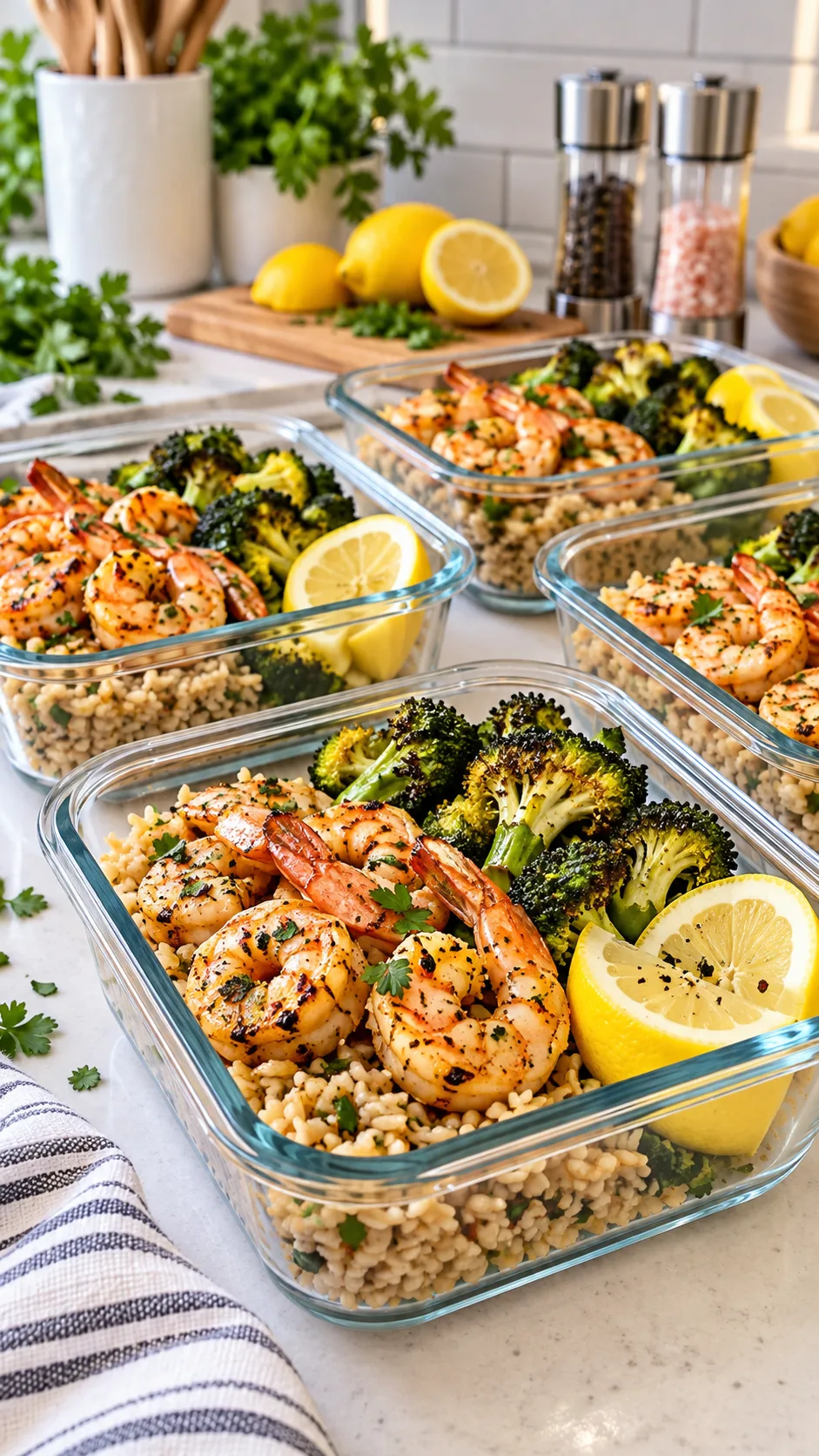
Common pescatarian mistakes to avoid
Watch out for these common rookie traps during your first month:
Falling into the carb trap
When beginners cut out chicken and beef, they often fill the void with refined starches. They inhale bowls of white pasta, cheese pizza, French fries, and bagels. Even though these foods contain no meat, they spike your blood sugar, sap your energy, and cause weight gain. Anchor every meal around an identifiable protein source (eggs, fish, beans, yogurt) before you pile on carbs.
Ignoring iron and B12 levels
Red meat provides high amounts of heme iron. While shellfish (clams, oysters) and dark leafy greens contain plenty of iron, your digestive system absorbs plant-based non-heme iron less readily. Pair your plant iron sources with vitamin C: squeeze fresh lemon juice over steamed spinach, or toss raw bell peppers into lentil chili. Ascorbic acid boosts your iron absorption considerably.
Deep-frying everything
Beer-battered fish and chips taste great on a Friday night out with friends. However, regularly frying fish in vats of processed seed oil undermines the cardiovascular perks. Stick to baking, poaching, grilling, air-frying, and light skillet searing with extra-virgin olive oil for your everyday meals.
Final thoughts: take the plunge
Improving your health does not require strict, miserable rules. The pescatarian diet gives you the protective benefits of whole plant foods, while seafood adds rich textures, endless variety, and clean brain fuel.
You do not have to change your routine overnight. Swap red meat for fish two nights this week. Replace your midday cold-cut sandwich with a chickpea salad or a light tuna bowl. Watch how your body responds with lighter digestion, steady energy, and sharper focus.
Pick up a fillet of salmon, stock up on fresh produce, and enjoy the variety of the sea.