

Starving on a heart diet means you planned badly. Plenty of cardiac diet advice leaves you with a sad salad and a 9 p.m. date with the pantry.
A good cardiac diet plan does the opposite. It fills your plate and steadies your energy while it protects your arteries. The rest of this article builds one.
Quick note: this article offers general education and does not replace medical advice. If you have heart disease, high blood pressure, kidney problems, or take medication, check with your cardiologist or a registered dietitian before you change how you eat.
What is a cardiac diet, exactly?
A cardiac diet is an eating pattern that protects your heart and blood vessels. It limits sodium, saturated fat, trans fat, and added sugar. It also leans heavily on vegetables, fruit, whole grains, legumes, fish, nuts, and healthy oils.
Doctors often recommend it after a heart attack, bypass surgery, or a diagnosis like heart failure, high cholesterol, or hypertension. You don’t need a scary diagnosis to start, though. Prevention works much better than repair.
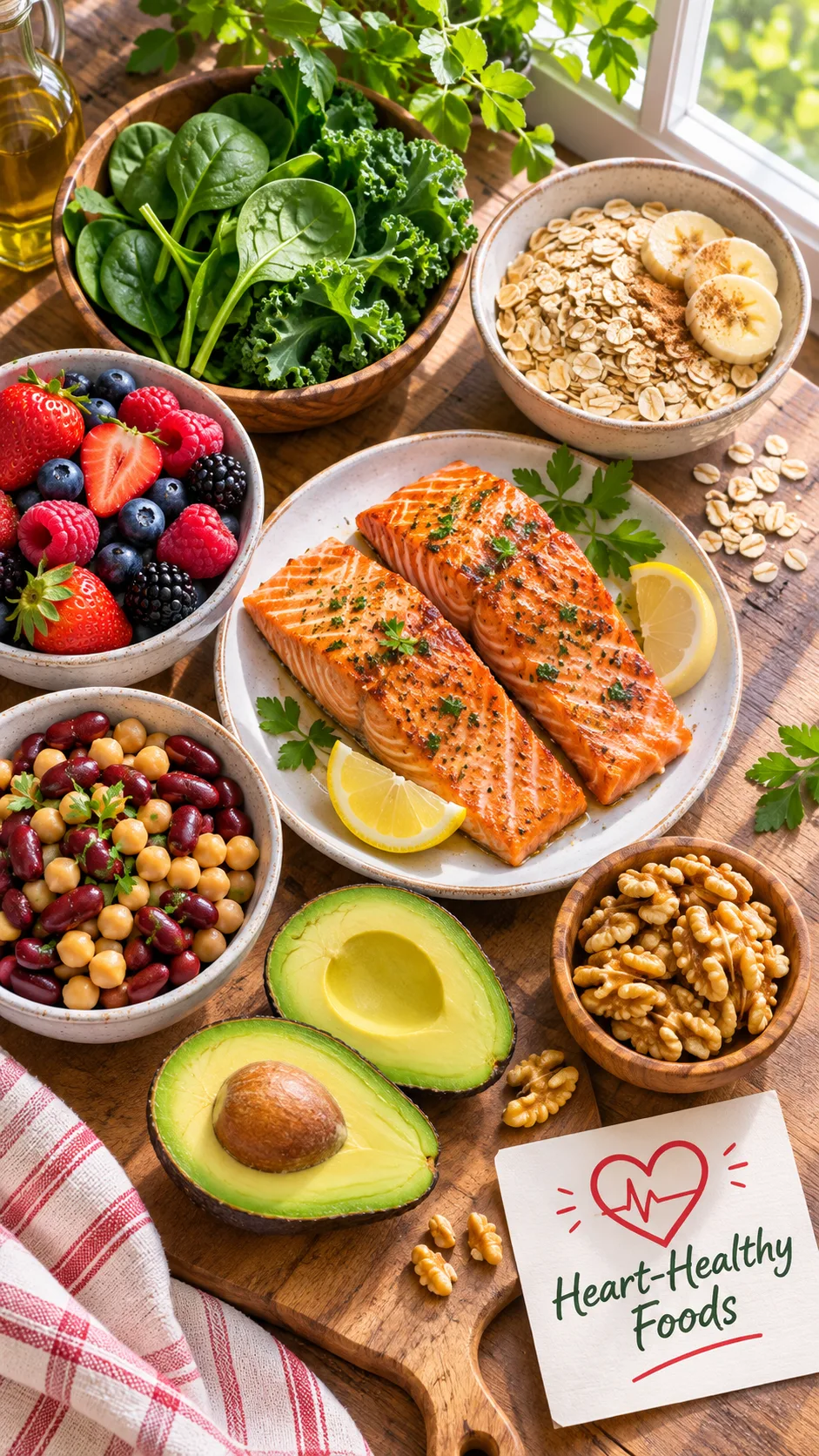
No single “cardiac diet” exists. Researchers have studied a few patterns, and they overlap a lot:
- The Mediterranean diet centers on olive oil, fish, vegetables, beans, nuts, and whole grains.
- The DASH diet aims to lower blood pressure with plenty of produce, low-fat dairy, and less sodium.
- The American Heart Association (AHA) pattern takes a flexible approach. It favors whole foods and limits ultra-processed ones.
The National Heart, Lung, and Blood Institute’s DASH eating plan shows how a structured version looks in real servings. Take what works for you from each pattern and ignore the rest.
Why most heart diets leave you hungry
Ever wonder why you feel ravenous on a “healthy” plan? Three mistakes usually cause it.
- You eat too little protein, and protein slows digestion and keeps hunger quiet.
- You eat too little fiber. Without it, meals leave your stomach in about an hour.
- You fear all fat. Cut every gram and you lose a major fullness signal. Healthy fat isn’t the enemy.
Old-school low-fat diets made this mistake constantly. They swapped butter for refined carbs and called it progress. I think that advice aged about as well as fax machines.
The fullness formula: four things every meal needs
Forget calorie math for a second. Build each plate around four fullness drivers, and your appetite settles down fast.
1. Fiber (aim for 25 to 30 grams a day)
Fiber does the most work in a cardiac diet. Soluble fiber, the kind in oats, beans, apples, and barley, helps lower LDL (“bad”) cholesterol. It also slows digestion, so you stay full longer.
Most adults eat far less than they need. Bump it up gradually and drink water, or your digestive system will file a complaint.
2. Lean protein
Choose fish, skinless poultry, beans, lentils, tofu, eggs, and unsalted nuts. Fatty fish like salmon, sardines, and trout stand out because they supply omega-3 fats. The AHA suggests eating fish, especially fatty fish, at least twice a week.
3. Healthy fats
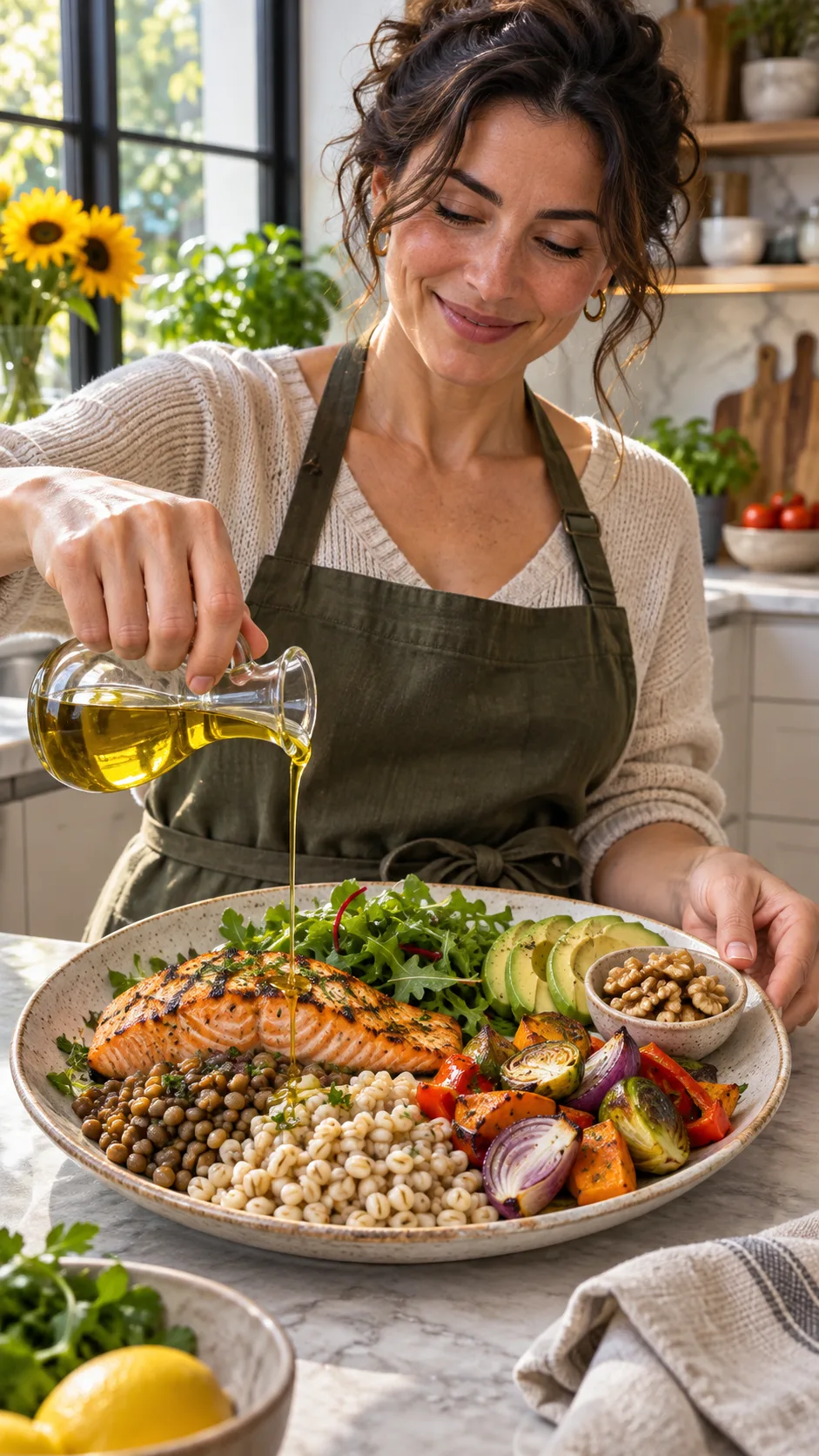
Olive oil, avocado, nuts, and seeds give you unsaturated fats. These fats support healthy cholesterol levels and make food taste like real food. A small amount goes a long way, so measure with a spoon, not a splash.
4. Volume
Vegetables and fruit take up lots of room in your stomach for few calories. Fill half your plate with produce and you’ll feel the difference. That’s the easiest portion trick I know.
10 foods that keep you full and help your heart
Stock these, and you’ll rarely stand in front of the fridge wondering what to eat.
- Oats have beta-glucan fiber, which helps lower cholesterol. Cook them with water or low-fat milk and skip the sugary packets.
- Beans and lentils pack protein and fiber together. Rinse canned versions to wash away some sodium, or buy “no salt added.”
- Salmon and other fatty fish supply omega-3s and serious staying power.
- Berries bring fiber and antioxidants, and they taste sweet without added sugar.
- Leafy greens like spinach, kale, and arugula add volume and nutrients for almost no calories.
- A small handful of walnuts or almonds satisfies crunch cravings. Stick to unsalted.
- Avocado gives you creamy, filling monounsaturated fat.
- Whole grains like brown rice, barley, farro, and whole-wheat pasta beat refined versions every time.
- Plain, low-fat Greek yogurt delivers protein with less sugar than flavored cups.
- Extra virgin olive oil anchors the Mediterranean pattern, and it makes vegetables taste good enough that you eat them.
What to limit (without feeling punished)
You don’t need to ban anything forever. But a few items cause most of the damage, so give them a smaller role.
Sodium: the sneaky one
The AHA recommends no more than 2,300 mg of sodium per day, with an ideal limit of 1,500 mg for most adults, especially those with high blood pressure. The higher limit equals about one teaspoon of table salt in total.
Most sodium doesn’t come from your salt shaker. It hides in bread, deli meat, canned soup, frozen meals, sauces, and restaurant food. Read labels like you’re checking a contract.
Saturated and trans fat
Saturated fat shows up in fatty red meat, butter, cheese, and many baked goods. If you need to lower cholesterol, the AHA suggests aiming for about 5 to 6% of daily calories from saturated fat. On a 2,000-calorie diet, that comes to roughly 11 to 13 grams.
Avoid trans fat as much as you can. Check ingredient lists for “partially hydrogenated oils.”
Added sugar and refined carbs
Sugary drinks, pastries, and white bread spike your blood sugar and crash your energy. Then you get hungry again, fast. Swap them for fruit, whole grains, and protein-rich snacks, and the roller coaster flattens out.
Processed and cured meats
Bacon, sausage, and hot dogs bring sodium and saturated fat in one bite. Save them for rare occasions. Your heart won’t send a thank-you card, but it will quietly benefit.
A sample day on the cardiac diet plan
This is one full Tuesday that keeps hunger away.
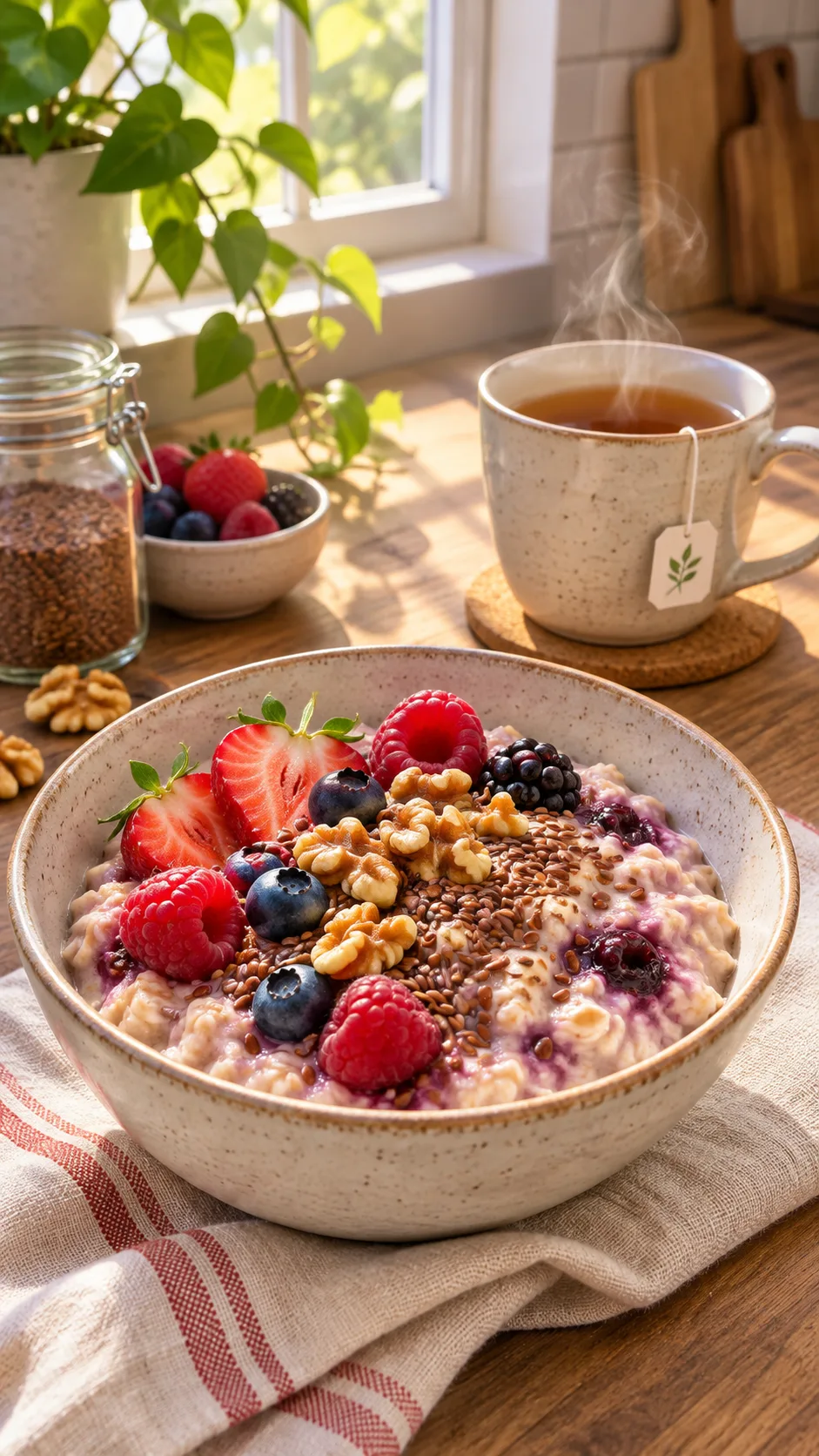
Breakfast: berry oatmeal bowl
Cook rolled oats with water or low-fat milk. Top with blueberries, a tablespoon of ground flaxseed, and a few chopped walnuts. You get fiber, healthy fat, and plant omega-3s before 9 a.m.
Lunch: big lentil and veggie salad
Toss cooked lentils with cucumber, tomato, red onion, and spinach. Dress with olive oil, lemon juice, and herbs. Add a slice of whole-grain bread on the side.
Snack: yogurt and apple
Scoop plain Greek yogurt into a bowl and slice an apple beside it. Sprinkle on some cinnamon and you’re done.
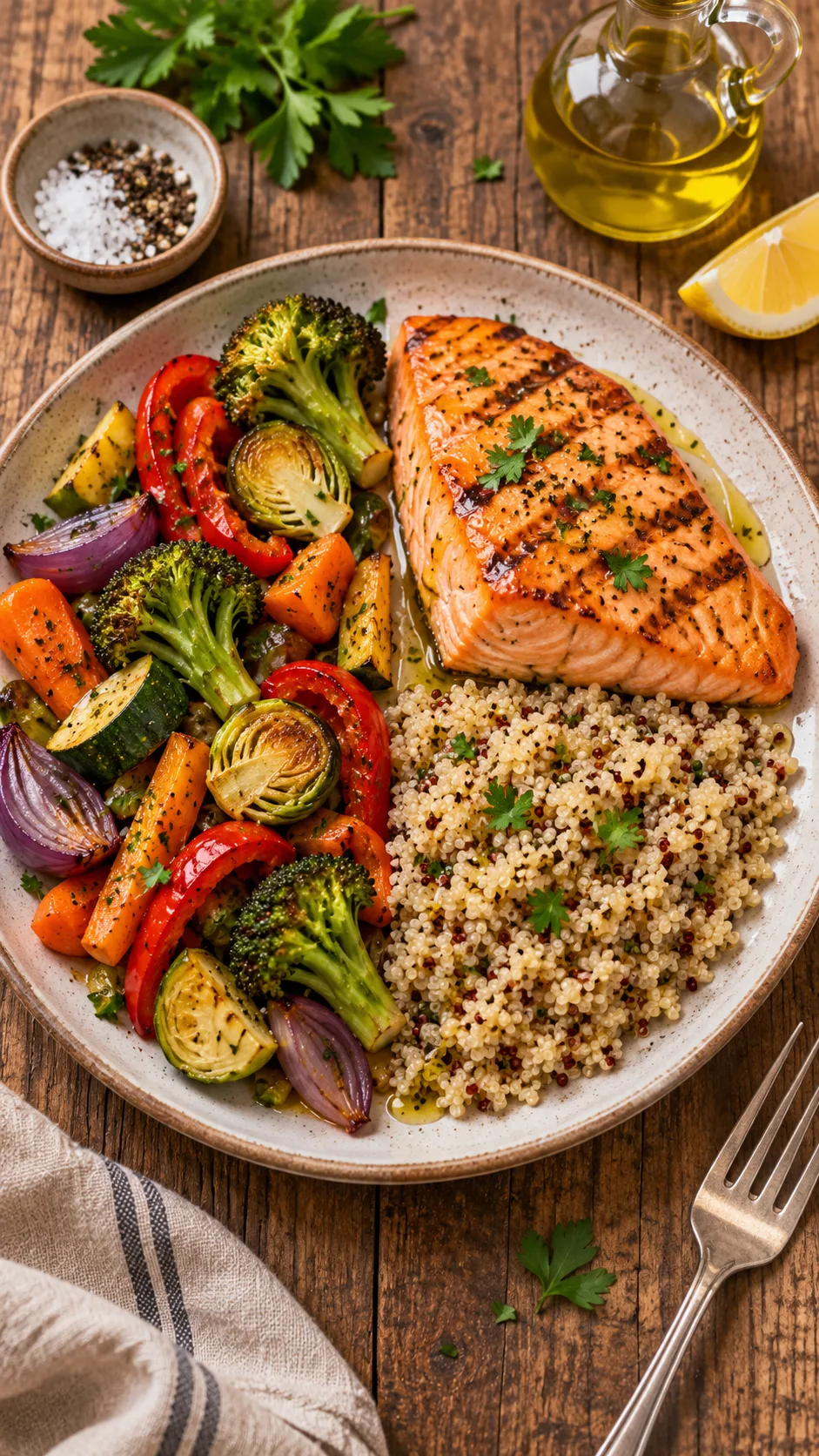
Dinner: baked salmon with roasted vegetables
Season salmon with garlic, pepper, and dill. Roast it next to broccoli and sweet potatoes. Serve over a scoop of brown rice or barley.
Evening option: air-popped popcorn
Popcorn counts as a whole grain. Skip the butter and salt, then add a little chili powder or nutritional yeast.
Want more ideas to rotate through the week? Our guide on the heart healthy diet plan beginners stick to includes extra meal ideas you can mix in.
A dietitian’s take on heart-healthy eating
Seeing food prep sometimes helps more than reading about it. This video walks through practical heart-healthy eating habits you can copy this week.
Smart grocery shopping for your heart
A cardiac diet succeeds or fails at the store. If the wrong foods never enter your kitchen, you can’t eat them at midnight.
Shop the edges first
Start with produce, fish, and plain dairy around the store’s perimeter. Then head into the aisles only for specific items: oats, beans, brown rice, canned tomatoes, nuts, and olive oil.
Read labels in three steps
- Check sodium per serving. Under FDA labeling rules, a product with 140 mg or less counts as “low sodium.”
- Scan saturated fat. Compare similar products and pick the lower one.
- Look at added sugars. The label lists them separately now, so use that line.
Buy frozen without guilt
Frozen vegetables and fruit freeze at peak ripeness and keep their nutrients. They also cost less and don’t rot in your crisper drawer. Just choose plain bags without sauces.
Eating out without wrecking your progress
Restaurants love salt and butter. You can still enjoy a meal out if you plan a bit.
- Look at the menu online first so you decide before hunger takes over.
- Ask for sauces and dressings on the side. Dip your fork instead of drowning your food.
- Choose grilled, baked, or steamed over fried or creamy.
- Split an entrée or box half before you start eating.
- Add a vegetable side in place of fries.
Perfection isn’t the goal. One restaurant meal won’t undo your progress, and one salad won’t save you. Your pattern over weeks matters most.
Seasoning without salt (yes, food can still taste good)
Bland food makes people quit diets. So fix the flavor instead of reaching for the salt shaker.
- Lemon, lime, and vinegar add acid that brightens everything.
- Garlic, onion, ginger, and shallots build deep flavor.
- Smoked paprika, cumin, oregano, basil, and black pepper do the heavy lifting.
- Mushrooms, tomato paste, and roasted vegetables add savory umami depth.
Your taste buds adjust faster than you’d think. Within a few weeks, many people find their old favorites taste way too salty. Weird, but true.
Common mistakes (and easy fixes)
Mistake 1: skipping meals
You think you’re saving calories. Instead, you set up a binge. Eat three solid meals, plus a snack if you need one.
Mistake 2: trusting “heart healthy” labels
Marketers slap that phrase on all sorts of products. Always flip the package and read the sodium and sugar numbers.
Mistake 3: overdoing “healthy” fats
Olive oil and nuts support your heart, but they pack calories. A handful of nuts works. Three handfuls is a different story.
Mistake 4: ignoring the rest of your lifestyle
Food matters, but so do movement, sleep, stress, and not smoking. The American Heart Association’s diet and lifestyle recommendations cover all of it in one place.
Medication and health conditions: talk to your doctor
Your plate can interact with your prescriptions, so don’t skip this part.
- If you take warfarin (a blood thinner), the vitamin K in leafy greens affects how it works. Keep your intake consistent and ask your care team for guidance.
- ACE inhibitors, ARBs, and potassium-sparing diuretics can raise potassium levels. Salt substitutes often contain potassium chloride, so check first.
- If you have heart failure, your doctor may limit sodium and fluids more strictly than standard guidelines do.
- If you have kidney disease, you may need to watch potassium, phosphorus, and protein.
The Mayo Clinic’s heart-healthy diet overview offers a solid starting point, but your own care team knows your numbers best.
Does the evidence back this up?
Yes, and quite strongly. The PREDIMED trial in Spain followed thousands of people at high cardiovascular risk. Those who ate a Mediterranean diet supplemented with extra-virgin olive oil or nuts had roughly 30% fewer major cardiovascular events than the control group.
Meanwhile, DASH studies consistently show lower blood pressure, and cutting sodium lowers it even more. Different research, same message: whole foods, plenty of plants, less salt, less junk.
No diet works like magic, and results vary from person to person. Still, the pattern holds up better than almost anything else in nutrition science.
How to start this week (without overhauling your life)
Big changes fail and small ones stick, so try this five-step start.
- Swap your breakfast. Move from sugary cereal or pastries to oatmeal with fruit.
- Add one vegetable to lunch and dinner. Don’t remove anything yet.
- Eat fish twice. Pick any two nights.
- Trade one processed snack for nuts, fruit, or yogurt.
- Check sodium on three items in your pantry. You’ll probably gasp. Bread and canned soup usually shock people most.
Next week, repeat and add one more change. Slow and steady beats dramatic and short-lived every time.
Frequently asked questions
Can I still eat eggs on a cardiac diet?
Usually, yes. Current research suggests moderate egg intake fits most healthy heart patterns, though people with diabetes or high LDL should ask their doctor. Pair eggs with vegetables rather than bacon and buttery toast.
Is coffee okay?
For most people, moderate coffee fits fine. Skip the heavy cream and syrup. If you have arrhythmias, ask your cardiologist about caffeine.
What about alcohol?
The AHA doesn’t recommend that anyone start drinking for heart benefits. If you already drink, keep it moderate, or skip it entirely if your doctor advises.
How fast will I see results?
Blood pressure can drop within a couple of weeks. Cholesterol changes usually show up on lab tests after a few months. Track your numbers with your doctor instead of guessing.
The bottom line
A cardiac diet plan shouldn’t feel like punishment. Build every meal around fiber, lean protein, healthy fats, and lots of vegetables, and you’ll stay full while protecting your heart.
Watch sodium, saturated fat, and added sugar. Cook with flavor, shop with a plan, and keep your doctor in the loop, especially if you take medication. For more beginner ideas, read our heart healthy diet meal ideas and pick two to try this week.
Your heart beats about 100,000 times a day without a single complaint. Feed it well, and it’ll keep up the good work.