

You probably landed here because someone on the internet told you that lemons turn your body alkaline and cure everything short of a broken heart. I get it. The alkaline diet wears a lab coat it never earned, and that makes smart people suspicious.
Here’s the twist though: the alkaline diet genuinely works for a lot of people, just not for the reason the pH-strip crowd claims. Give me the next few minutes and I’ll show you what to eat, what to skip, and the real, boring, evidence-backed mechanism behind the results.
What is the alkaline diet, really?
The alkaline diet (sometimes called the alkaline ash diet or acid-alkaline diet) sorts food into three buckets: alkaline-forming, acid-forming, and neutral. The theory says acid-forming foods, meaning meat, cheese, soda, and refined grains, push your body into a slightly acidic state that breeds fatigue, inflammation, and disease.
The proposed fix? Fill roughly 70 to 80% of your plate with alkaline-forming foods and keep the acid-forming stuff to the remaining 20 or 30%. Vegetables, fruits, nuts, seeds, legumes. That’s basically the whole playbook.
Sounds simple, right? It is. That simplicity is both its biggest strength and the reason the marketing around it went completely off the rails.
The pH scale in plain English
pH runs from 0 (battery acid) to 14 (drain cleaner), with 7 sitting at neutral. Your body doesn’t have one single pH. It has several, and they’re wildly different:
- Blood: 7.35 to 7.45. Tightly controlled. Non-negotiable.
- Stomach: 1.5 to 3.5. Aggressively acidic, on purpose, so it can dissolve your lunch.
- Urine: 4.5 to 8.0. Swings around all day depending on what you ate.
- Saliva: 6.2 to 7.6. Also swings, also meaningless as a health metric.
Notice which one changes with diet? Urine. Not blood. Hold that thought, because it’s the crux of the entire debate.
The honest truth: why the science doesn’t say what the ads say
Let me be the annoying friend who reads the studies. You cannot change your blood pH with food. Full stop. Your kidneys and lungs run a pH control system so precise that a drift of 0.1 lands you in a hospital.
When you eat a pile of spinach, your kidneys dump excess base into your urine. When you eat a steak, they dump acid. Your pee changes colour and chemistry; your blood shrugs and carries on. The published research on the alkaline diet and cancer found no credible evidence for the acid-tumour claims that circulate on social media.
So does that kill the diet? Nope. And here’s where it gets interesting.

So why do people feel amazing on it?
Look at the “alkaline” food list again. Vegetables. Fruit. Nuts. Seeds. Legumes. Water instead of soda. Now look at the “acid” list: processed meat, fried food, sugar, alcohol, refined flour, energy drinks.
The alkaline diet works because it’s a vegetable-heavy eating pattern with the ultra-processed food stripped out, wearing a chemistry costume. You’d get the same results if you called it “eat more plants, drink less Coke,” but that doesn’t sell books.
That’s not a knock on it. If a slightly wonky pH story gets someone to eat four servings of vegetables a day when they previously ate zero, I’m calling that a win. The mechanism is wrong. The outcome is real.
The one claim that does hold up
Credit where it’s due. Research on dietary acid load and bone health is genuinely mixed but not empty. Diets rich in potassium from fruits and vegetables correlate with better bone mineral density and muscle preservation in older adults. The Harvard T.H. Chan School of Public Health has pushed the same plate composition the alkaline diet recommends for years. They just skip the pH mythology.
There’s also solid evidence that a potassium-rich, low-sodium diet helps blood pressure. Same food list. Different explanation. Funny how that keeps happening.
What to eat on an alkaline diet
Here’s your shopping list. I’ve organised it by how often you should reach for each group, because “eat alkaline” is useless advice without specifics.
Eat daily (the 70 to 80%)
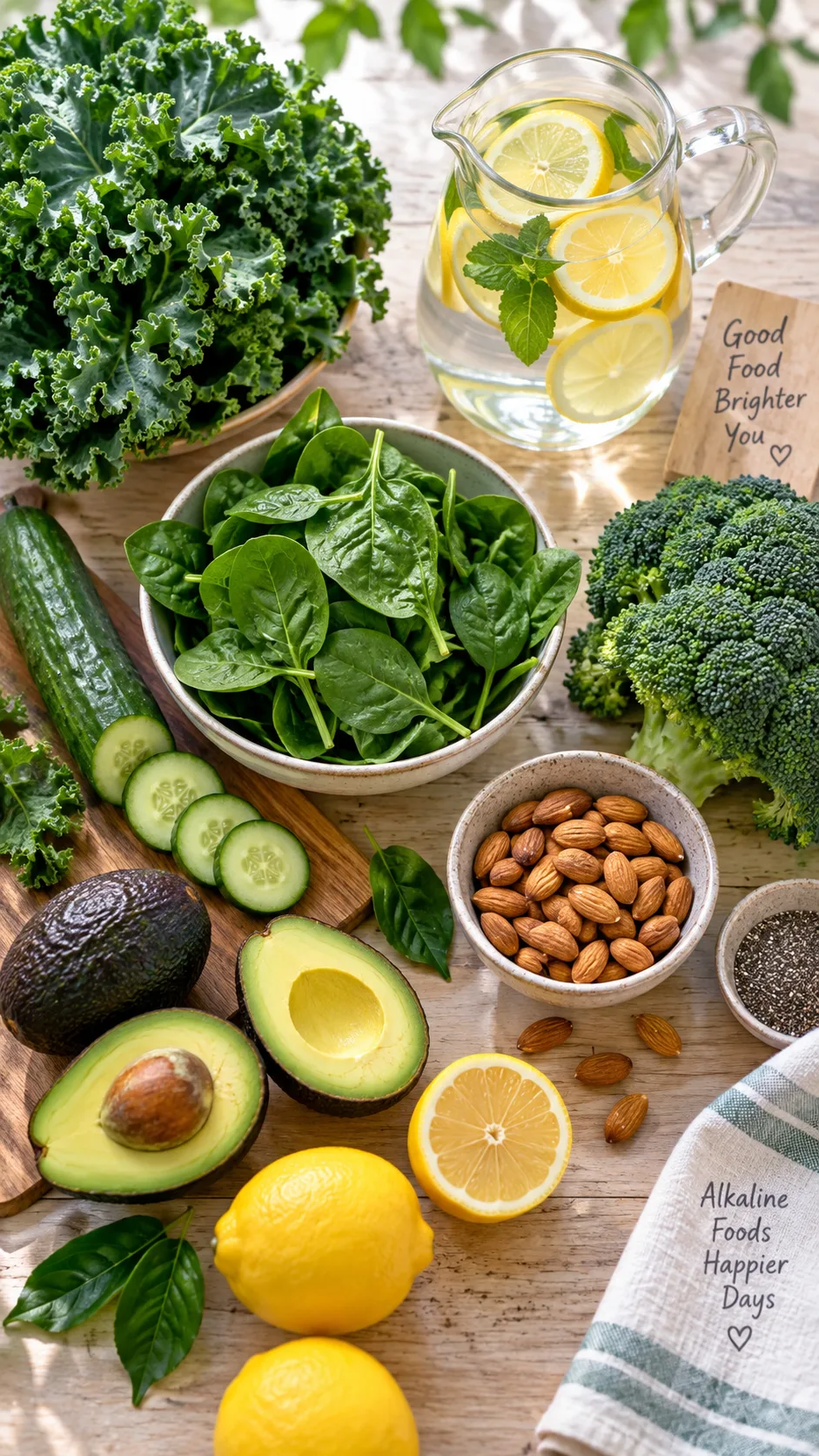
- Leafy greens: spinach, kale, chard, arugula, romaine, collards
- Cruciferous veg: broccoli, cauliflower, cabbage, Brussels sprouts
- Other vegetables: cucumber, celery, courgette, bell peppers, asparagus, carrots, beetroot
- Alliums: garlic, onions, leeks. They carry the flavour and cost you almost nothing in calories
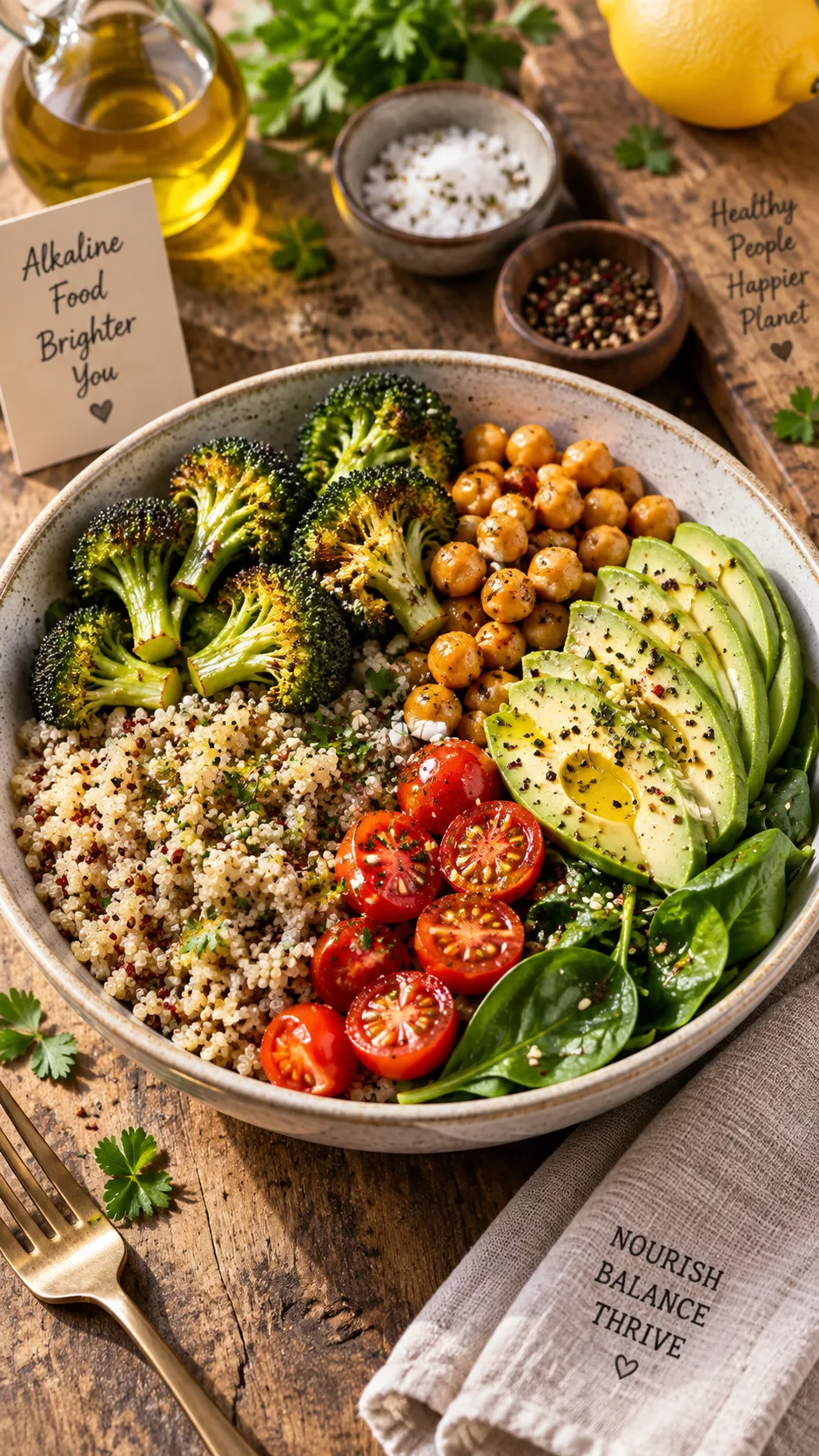
- Avocado: the one fat everyone agrees on
- Lemons and limes: acidic in the glass, alkaline-forming after metabolism (yes, really)
- Fresh herbs: parsley, coriander, basil, mint
Eat regularly (moderate alkaline or neutral)
- Fruits: berries, apples, pears, bananas, melon, grapefruit
- Nuts and seeds: almonds, cashews, chia, flax, pumpkin seeds
- Legumes: lentils, chickpeas, black beans, edamame
- Pseudo-grains: quinoa, buckwheat, amaranth, millet
- Healthy oils: extra virgin olive oil, avocado oil, cold-pressed flaxseed oil
- Tofu and tempeh: plant protein that doesn’t fight the framework
- Herbal teas: ginger, peppermint, rooibos, green tea
The lemon water thing: does it do anything?
Lemon juice has a pH around 2. Acidic as anything. But once your body metabolises it, the citrate breaks down and leaves behind alkaline-forming potassium compounds. That’s the “alkalising” part, and chemically it checks out.
Does it detox your liver or reset your metabolism? Come on. Here’s what it really does: it gets you drinking a glass of water first thing, adds a little vitamin C and potassium, and may help prevent kidney stones thanks to the citrate. Modest, real, and good enough.
One tip: use a straw. Your tooth enamel doesn’t care about your metabolic ash theory, and citric acid erodes it.
What to skip (or at least cut back on)
This is where beginners get overwhelmed and quit by day nine. So let me separate “genuinely worth cutting” from “the internet is being dramatic.”
Worth cutting
- Soft drinks and energy drinks. Phosphoric acid, sugar, zero nutrition. This one isn’t even a debate.
- Processed and cured meats. Bacon, salami, hot dogs. High acid load, high sodium, and the WHO classifies them as carcinogenic.
- Refined flour products. White bread, pastries, most packaged snacks. Empty calories that crowd out the good stuff.
- Added sugar. Obvious, but worth repeating because it hides in sauces, yoghurts, and “health” bars.
- Excessive alcohol. It dehydrates you, adds acid load, and wrecks your sleep, which wrecks everything else.
- Deep-fried food. Oxidised oils plus inflammation. Your call, but don’t pretend it’s neutral.
The internet is being dramatic about these
- Eggs. Technically acid-forming. Also one of the most nutrient-dense foods you can buy. Eat them.
- Fish. Same story. Omega-3s beat a theoretical PRAL score every time.
- Whole grains. Mildly acid-forming, loaded with fibre. Keep them.
- Coffee. Mildly acid-forming, packed with polyphenols. Nobody’s taking my coffee.
- Greek yoghurt. Acid-forming on paper, brilliant for protein and gut bacteria.
The thing to remember: strict alkaline diets that ban all animal protein risk shorting you on B12, iron, zinc, and complete protein. Don’t let a pH chart override basic nutrition.
Understanding PRAL: the only number worth knowing
PRAL stands for Potential Renal Acid Load. Researchers use it as the real scientific metric, and it beats the colour-coded food charts floating around Pinterest by a mile.
Negative PRAL means alkaline-forming. Positive PRAL means acid-forming. A rough guide:
- Spinach: -14.0 (strongly alkaline)
- Raisins: -21.0
- Bananas: -5.5
- Potatoes: -4.0
- Olive oil: 0.0 (neutral)
- Chicken: +8.7
- Parmesan: +34.2 (the acid-load champion)
You don’t need to track this. I certainly don’t. But scanning the list once teaches you the pattern in about thirty seconds: plants pull negative, concentrated protein and processed carbs pull positive. That’s the entire diet in one sentence.
A realistic day of alkaline eating
Forget the 21-day juice cleanses. Here’s what a normal human eats on this plan.
Morning
Warm water with half a lemon. Then a smoothie: spinach, half a banana, frozen berries, a tablespoon of chia, almond milk. Blend, drink, move on with your life. Total time: four minutes.
Midday
A big salad with actual substance. Mixed greens, cucumber, roasted beetroot, chickpeas, pumpkin seeds, avocado, olive oil and lemon dressing. The mistake beginners make? They build a sad salad with no fat and no protein, then raid the biscuit tin at 3pm.
Afternoon snack
A handful of almonds and an apple. Or celery with almond butter if you’re feeling fancy. Both are alkaline-forming, and both keep you upright until dinner.
Evening
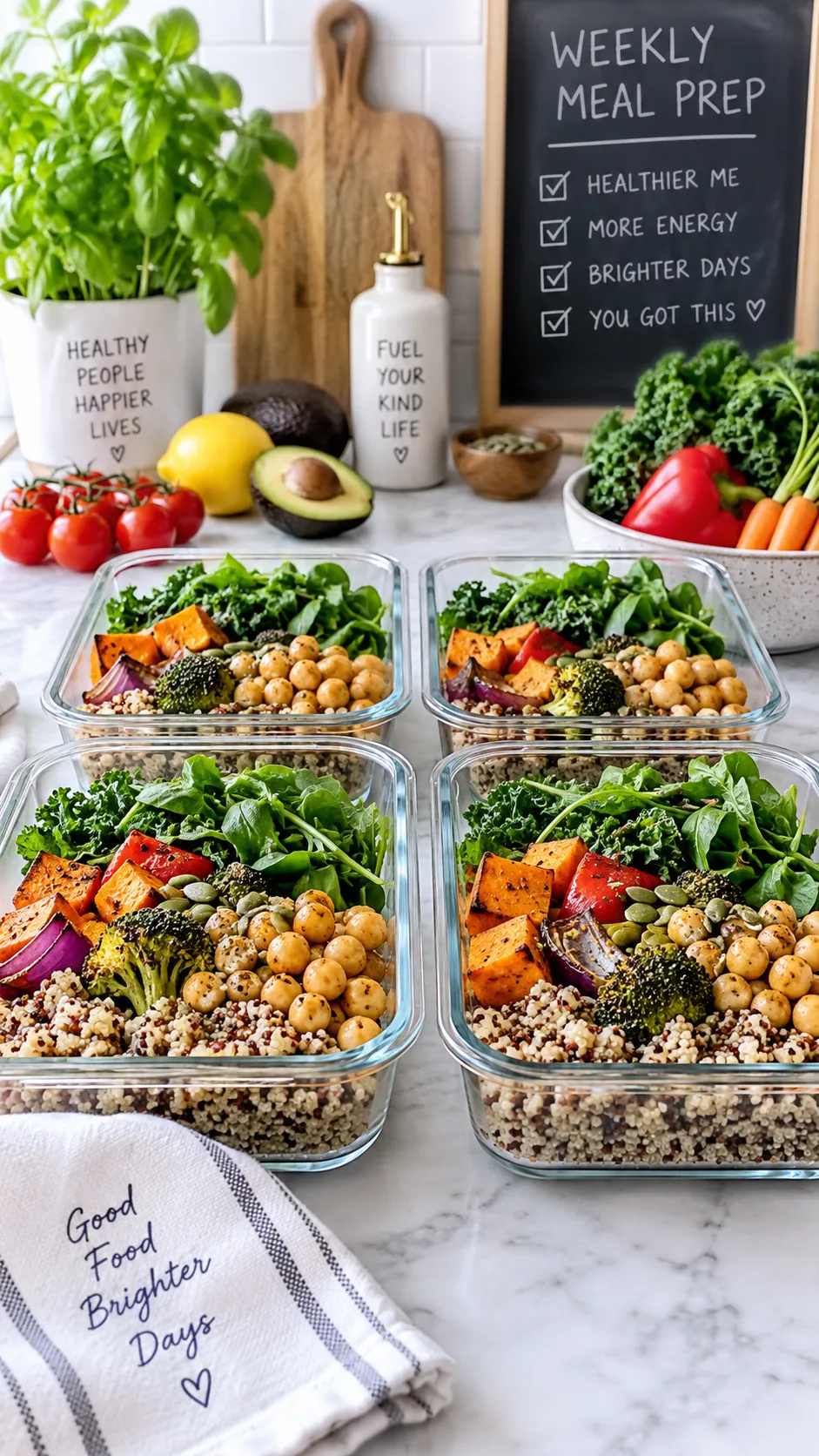
Roasted vegetables over quinoa with grilled salmon or tofu. Yes, salmon is acid-forming. No, that doesn’t matter when 75% of your plate is plants. That’s the whole 80/20 principle, right there.
What happened when I tried it
I ran a strict-ish version for six weeks a couple of years back, mostly out of professional curiosity and partly because I was tired of feeling sluggish by 2pm every afternoon.
Week one felt rough. Headaches, low energy, and a genuinely unreasonable amount of thinking about bread. That wasn’t “detox.” That was caffeine reduction and a sudden drop in refined carbs. My body adjusted by day five.
Weeks two and three surprised me. The afternoon crash disappeared. My digestion improved dramatically, which makes sense given that my fibre intake roughly tripled. I dropped about 3kg without counting a single calorie.
By week six I quit the strict version and kept about 70% of it. I added eggs and coffee back. I stopped caring about PRAL scores. What stuck were the habits: vegetables first, water before coffee, cooking at home. That’s the part that changed my health, and it had nothing to do with pH.
Common beginner mistakes (I made three of these)
- Going 100% strict on day one. You’ll last eleven days and then eat a pizza the size of a manhole cover. Start at 60/40 and build.
- Cutting protein entirely. Low protein means muscle loss, constant hunger, and terrible recovery, especially if you’re also training. Keep 1.2 to 1.6g per kg of bodyweight.
- Buying alkaline water at £3 a bottle. Your stomach acid neutralises it within seconds. Save your money and eat a cucumber.
- Testing your urine pH and panicking. Urine pH reflects what your kidneys just excreted. It’s a receipt, not a diagnosis.
- Ignoring B12, iron, and vitamin D. If you go heavily plant-based, get bloodwork every six months. Non-negotiable.
- Forgetting that exercise exists. No diet outperforms a diet plus movement. Pair this with something simple like a beginner-friendly weekly gym plan and the results compound fast.
How the alkaline diet compares to other popular plans
Time for an honest comparison, because the best diet is always the one you’ll follow.
- Versus Mediterranean: huge overlap, since both lean on plants and whole foods. The Mediterranean diet has far stronger long-term evidence and lets you keep fish, olive oil, and a glass of red. If you want the research-backed option, start there.
- Versus keto: near-opposites. Keto is high in fat and protein, and strongly acid-forming by PRAL. Different goals, different tools. Some people genuinely thrive on the keto approach, because bodies vary.
- Versus DASH: very similar potassium-rich, sodium-light philosophy. DASH just has the clinical trials to back it up.
- Versus the standard Western diet: not a contest. Alkaline wins by a landslide.
Who should be careful
Now for the serious part. Talk to your doctor before starting if you have chronic kidney disease. Potassium load matters enormously there, and self-experimenting is dangerous. The same goes if you take blood pressure medication or diuretics, or if you manage diabetes.
Pregnant, breastfeeding, or under 18? Don’t restrict food groups without professional guidance. And if you have any history of disordered eating, a diet built on labelling foods “good” and “bad” may do more harm than good. The Academy of Nutrition and Dietetics can point you toward a registered dietitian near you.
The bottom line
The alkaline diet won’t change your blood pH. It won’t cure disease. It won’t “detoxify” anything your liver and kidneys aren’t already handling for free, 24/7, without applause.
But it will get you eating more vegetables, drinking more water, and cutting ultra-processed junk, and those three things genuinely transform how you feel. The science behind the branding is shaky. The food on the plate is excellent.
So here’s my advice: steal the food list, ignore the pH lectures, and don’t buy the expensive water. In my opinion that’s the version worth following.
Start tomorrow with one change. Make half your dinner plate vegetables. That’s it. Do that for two weeks, then add the next thing. Small moves beat perfect plans every single time, and unlike your blood pH, your habits really can change.