

So you’ve finally decided to join a gym. Maybe your jeans are feeling a little snug, maybe a friend dared you, or maybe you just want to feel like a functioning human being again. Whatever brought you here, welcome. Let’s make sure you stick around.
The truth is, most beginner gym-goers quit within the first two months. Not because they’re lazy, but because nobody gives them a realistic, no-nonsense plan that fits real life. This guide fixes that. You’ll get a simple weekly workout plan, real advice on what to do when you walk through those doors, and zero pressure to become a fitness influencer by Friday.
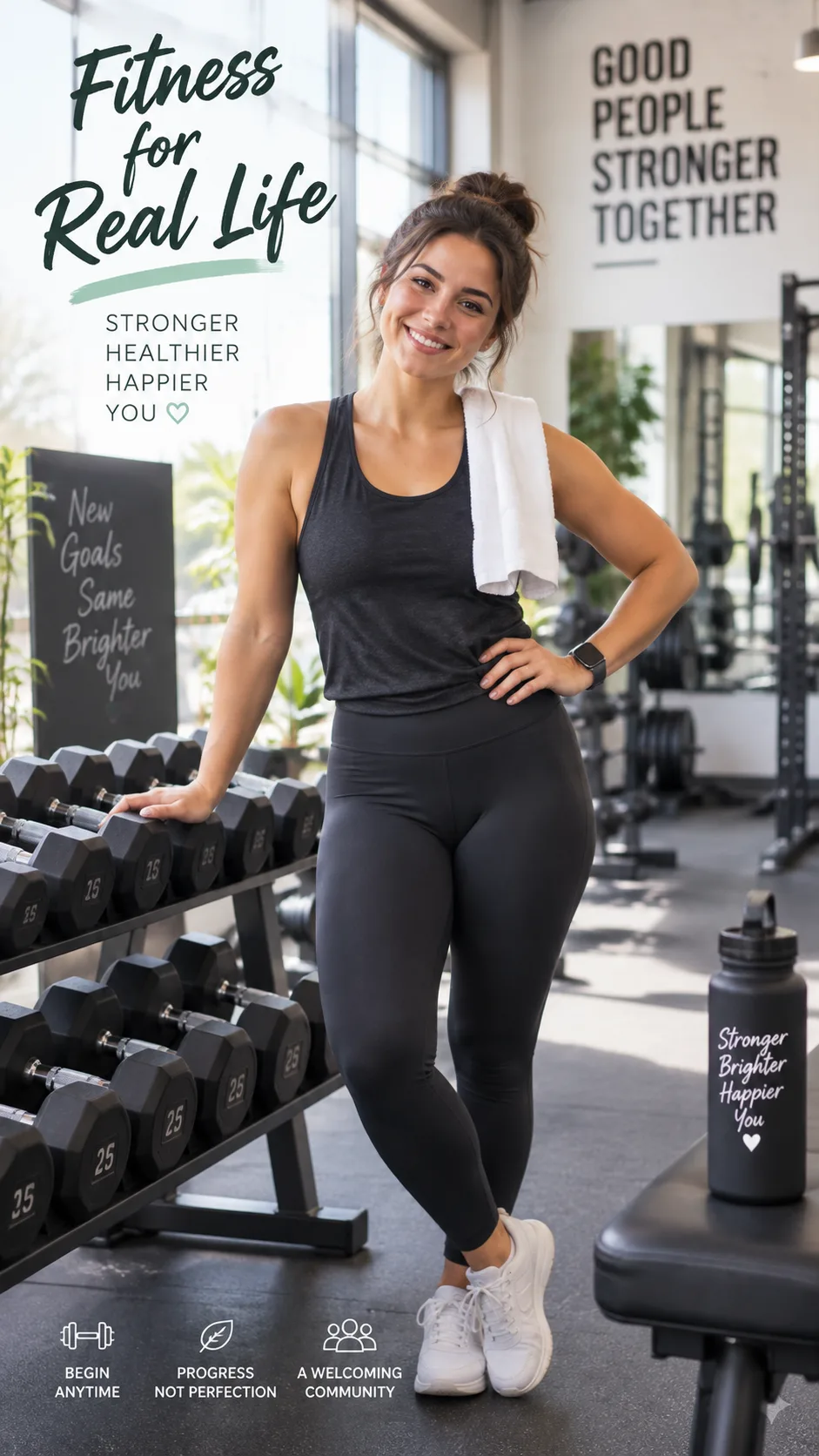
Why most beginner gym plans fail (and what to do instead)
Ever picked up a beginner workout plan and felt immediately overwhelmed by the number of exercises, sets, and reps? Yeah, same. Most plans try to do too much too fast, and beginners burn out, mentally or physically, within weeks.
The secret to a beginner gym workout plan that sticks is simplicity. According to ACE Fitness, beginners see the best results when they focus on consistency over intensity in the early weeks. Your body adapts quickly at first, so you don’t need to crush yourself every session.
Keep your first gym workouts short, structured, and repeatable. Think 3 days a week, 45 to 60 minutes max. That’s it. You can always add more later, but first, build the habit.
What to do before you even touch a weight
Set one clear goal
Before you pick up a single dumbbell, get clear on why you’re there. Do you want to build strength? Lose body fat? Improve your energy levels? Your goal shapes your training approach. Don’t try to achieve everything at once. That’s a fast track to doing nothing well.
Learn the lay of the land
Walk around the gym before your first proper session. Figure out where the free weights, machines, and cable stations are. Nothing derails a workout faster than wandering around looking lost while someone side-eyes your squat form. Most gym staff are happy to give you a quick tour if you ask.
Sort your warm-up
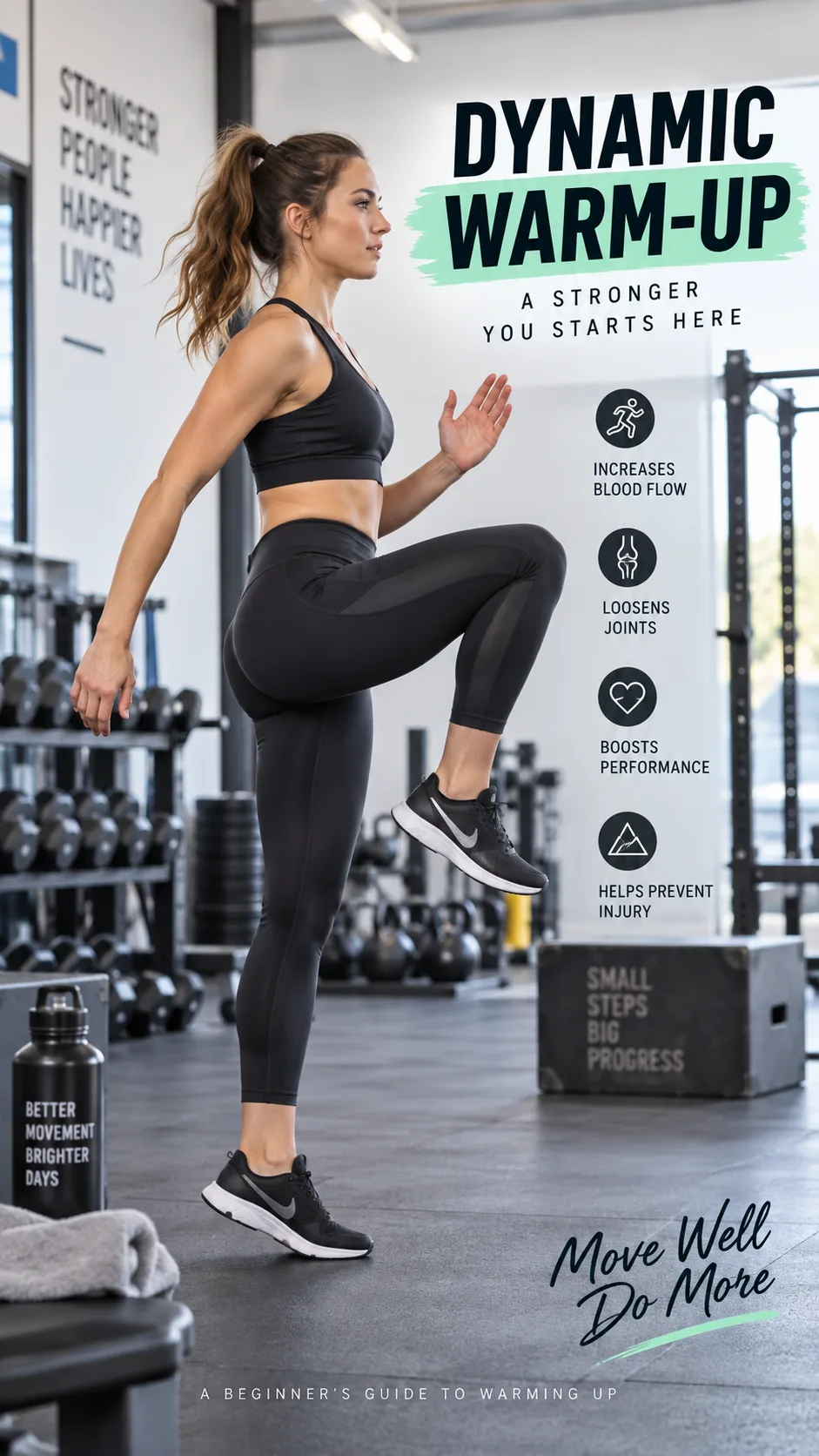
A proper warm-up reduces injury risk and prepares your joints for the work ahead. Spend 5 to 10 minutes doing light cardio (a treadmill walk, the bike, or a rowing machine) followed by some dynamic stretches like leg swings, arm circles, and hip circles. Skip this step and you’re asking for trouble. Check out our guide on 5 ways to prevent workout and gym injuries for more on this.
The simple 3-day beginner gym workout plan
This plan uses a full-body training approach, which research from the National Strength and Conditioning Association (NSCA) shows works well for beginners building baseline strength and muscle. You’ll train three days per week with rest days in between, for example Monday, Wednesday, and Friday.
Day 1: Full body (strength focus)
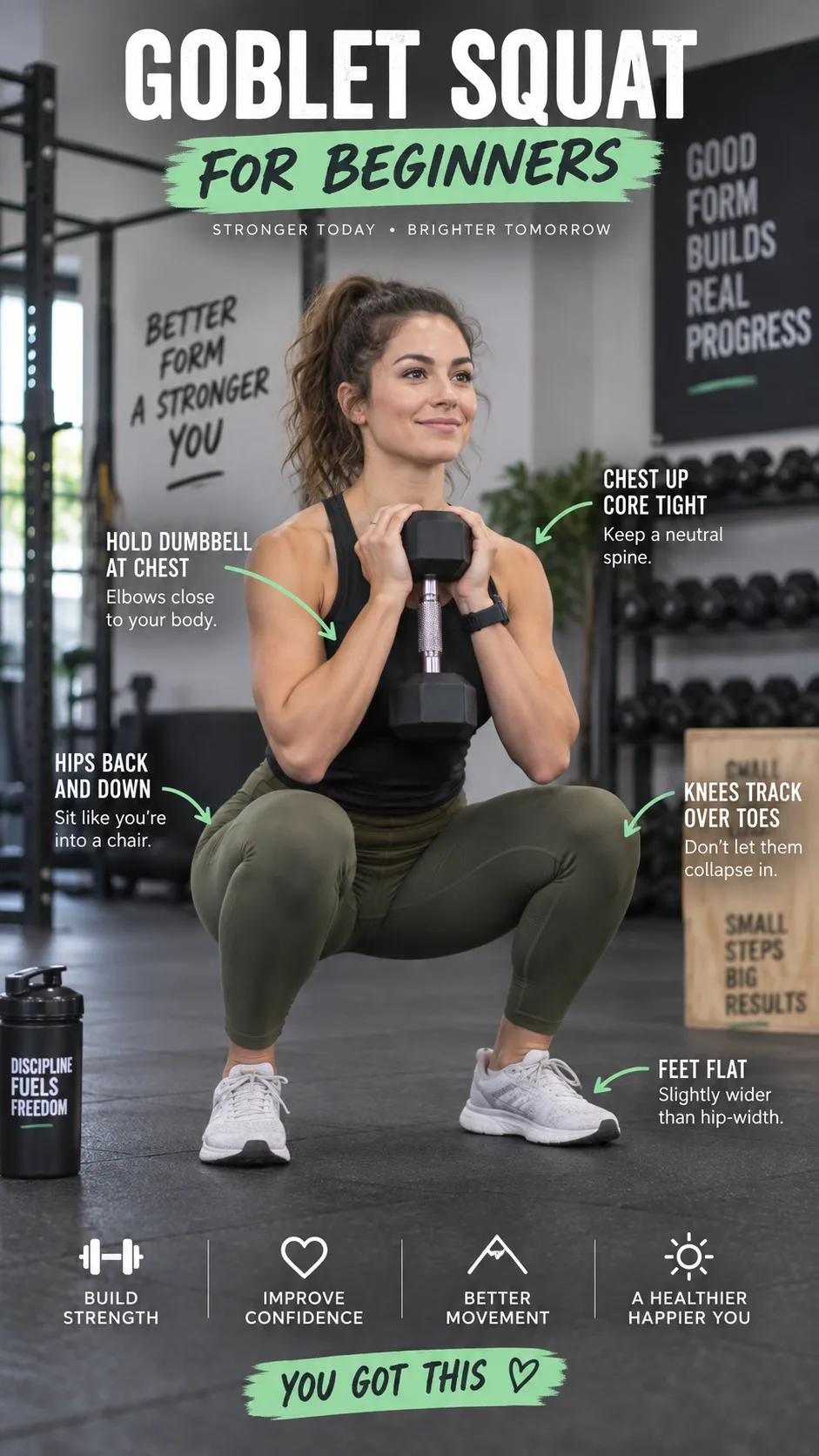
- Goblet Squat — 3 sets x 10 reps
- Dumbbell Chest Press — 3 sets x 10 reps
- Seated Cable Row — 3 sets x 10 reps
- Dumbbell Romanian Deadlift — 3 sets x 10 reps
- Overhead Dumbbell Press — 3 sets x 10 reps
- Plank Hold — 3 sets x 20 to 30 seconds
Day 2: Full body (movement focus)
- Leg Press — 3 sets x 12 reps
- Incline Dumbbell Press — 3 sets x 10 reps
- Lat Pulldown — 3 sets x 10 reps
- Dumbbell Lunges — 3 sets x 8 reps each leg
- Dumbbell Lateral Raises — 3 sets x 12 reps
- Dead Bug — 3 sets x 8 reps each side
Day 3: Full body (volume focus)
- Barbell or Dumbbell Squat — 4 sets x 8 reps
- Push-Ups or Chest Dips — 3 sets x max reps
- Single-Arm Dumbbell Row — 3 sets x 10 reps each
- Hip Thrust (with or without weight) — 3 sets x 12 reps
- Face Pulls (cable machine) — 3 sets x 15 reps
- Farmer’s Carry — 3 sets x 20 metres
Want a more detailed breakdown of a plan like this? Our full body workout plan that builds real strength in just 3 days a week goes even deeper on programming and progression.
How to progress week by week
Here’s where most beginners stall. They do the same weights and the same reps every single week and wonder why nothing changes. Your body adapts fast, so you need to give it a reason to keep improving.
Use the progressive overload principle: each week, aim to either add a small amount of weight, squeeze out one extra rep, or tighten up your form significantly. Even half a kilogram more on the bar counts. Small wins add up fast over 8 to 12 weeks.
- Week 1 to 2: Focus on learning the movements, not the weight
- Week 3 to 4: Add 1 to 2 reps or a small weight increase to each exercise
- Week 5 to 6: Push yourself so the last 1 to 2 reps feel genuinely hard
- Week 7 to 8: Reassess your plan and increase loads where possible
Gym etiquette: don’t be that person
Nobody talks about gym etiquette enough, and it genuinely affects your experience. Follow these and you’ll fit right in:
- Re-rack your weights — always, no exceptions
- Wipe down machines after you use them
- Don’t hog multiple stations during peak hours
- Keep your phone time short between sets
- Use headphones if you’re playing music
- Ask before jumping in on someone’s equipment
Simple stuff, but you’d be surprised how many people skip it. Gyms have a real social culture, and fitting in makes the whole experience far more enjoyable.
What to eat around your gym sessions
You don’t need to go full meal-prep warrior from day one. But what you eat before and after training genuinely affects your energy and recovery. According to Healthline, eating a small meal with carbs and protein 1 to 2 hours before training fuels performance noticeably.
Pre-workout meal ideas:
- Oats with banana and a scoop of protein powder
- Greek yoghurt with fruit and granola
- Wholegrain toast with peanut butter
Post-workout meal ideas:
- Chicken, rice, and veg (a classic for good reason)
- Eggs on toast with avocado
- Protein shake plus a piece of fruit if you’re short on time
Common beginner gym mistakes to avoid
Everyone makes mistakes starting out, but you can dodge the most costly ones with a heads-up. Here are the big ones:
- Skipping rest days — muscle grows during recovery, not during the workout itself
- Going too heavy too soon — your ego writes checks your joints can’t cash
- Copying advanced lifters without the foundation — learn the basics first
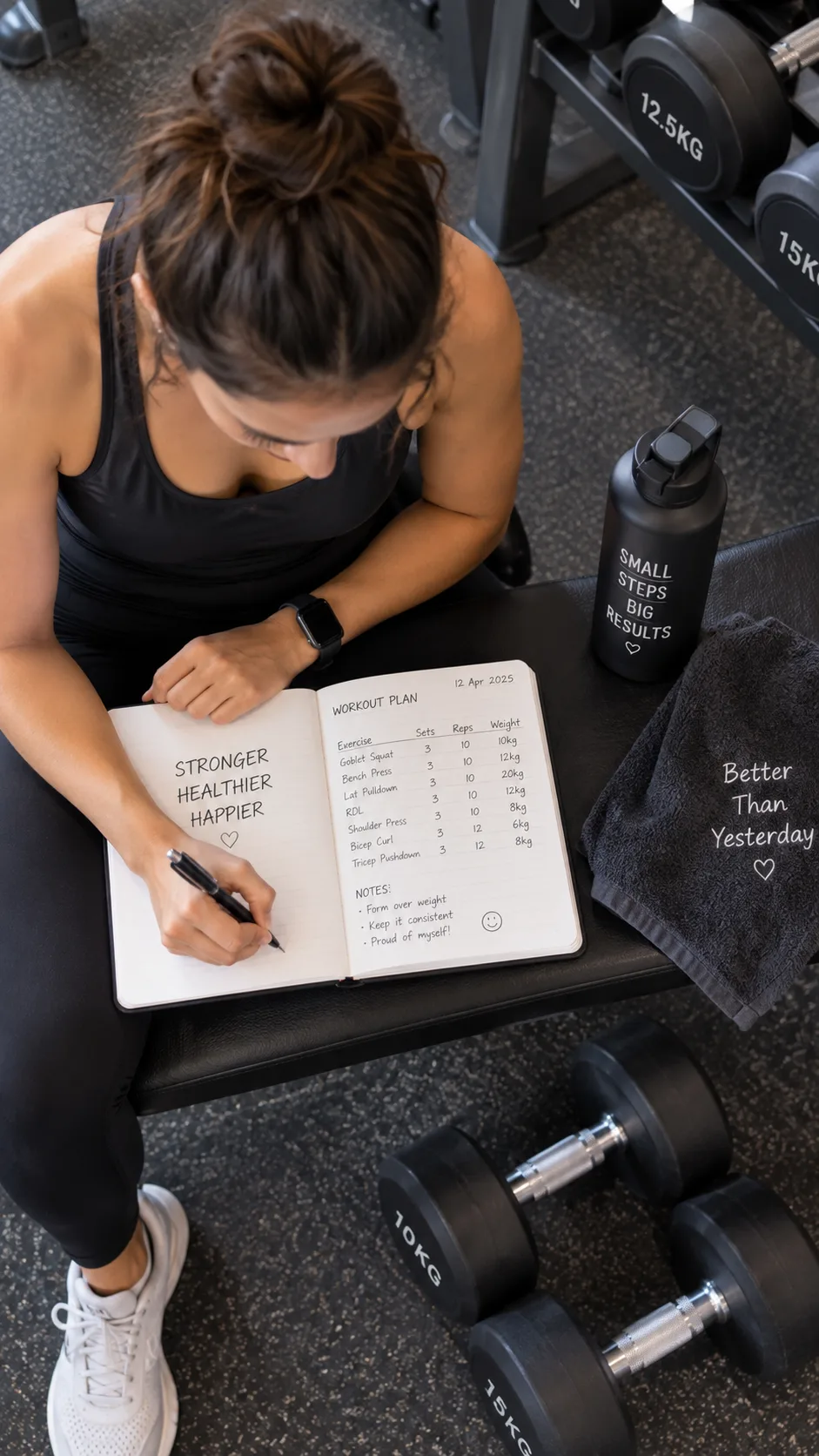
- Not tracking anything — if you don’t track it, you can’t improve it
- Comparing your Day 1 to someone else’s Year 3 — completely pointless
Staying consistent: the real challenge
Getting to the gym the first time is easy. Getting there on week seven when life gets hectic? That’s the real test. Consistency beats perfection every single time.
Schedule your gym sessions like appointments. Put them in your calendar and treat them as non-negotiable. Miss a session? Don’t spiral. Just show up next time. A two-week streak broken by one missed day is still a two-week streak worth protecting.
If you’re also working on your overall fitness lifestyle outside the gym, check out the only workout guide you need to build a routine that actually sticks for the bigger picture.
Quick-start checklist for your first gym session
- Pack your gym bag the night before
- Eat a light meal 1 to 2 hours before
- Arrive 5 minutes early to settle in
- Warm up for 5 to 10 minutes before lifting
- Follow the Day 1 workout from this guide
- Cool down and stretch for 5 minutes after
- Log your exercises, sets, reps, and weight
- Eat a protein-rich meal within an hour
Just start, then keep going
You don’t need the perfect plan, the best shoes, or 20 years of lifting experience. You need a simple, repeatable structure and the willingness to show up. That’s genuinely it.
This beginner gym workout guide gives you everything you need to get started and see real results within your first 8 weeks. Follow the 3-day plan, eat around your sessions, track your progress, and sidestep the classic mistakes. Results follow consistency. They always do.
Now close this tab, pack that gym bag, and go. Your future self will thank you.