

My stomach felt like an over-inflated basketball every single evening for three straight years. I popped digestive enzymes like candy, drank chalky probiotic concoctions, and avoided everything that tasted remotely delicious. Nothing solved the issue.
Then, I threw away the glossy diet books and examined how our ancestors nourished themselves across hundreds of generations. The transformation stunned me. Within four short weeks of adopting an ancestral diet food list, my stubborn bloating vanished, my bathroom trips became predictable, and my sluggish energy returned in full force. We often overcomplicate digestive wellness while ignoring our own biological blueprint.
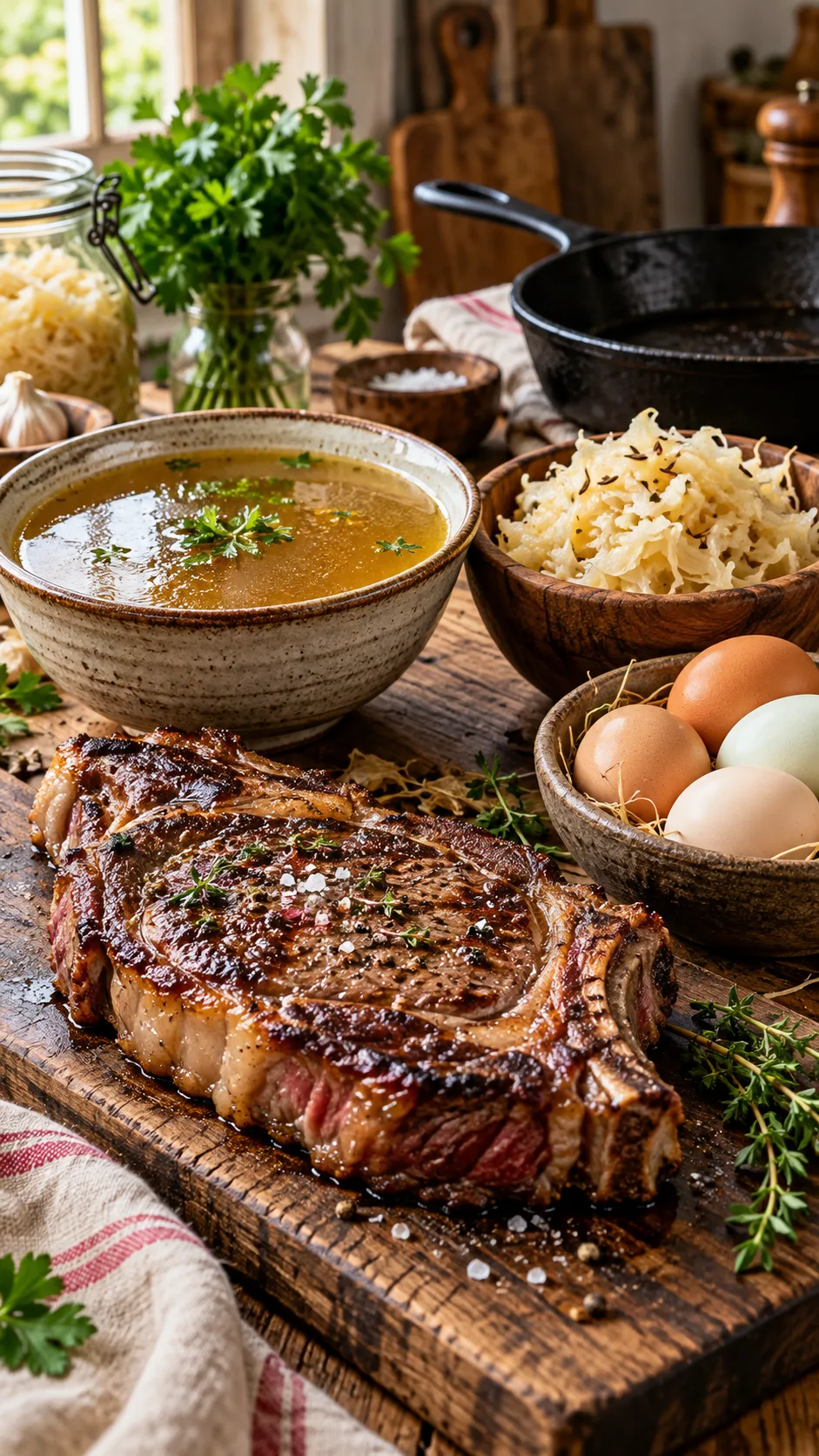
What exactly is an ancestral diet?
The concept bypasses modern food fads and returns straight to evolutionary biology. An ancestral diet prioritizes whole, nutrient-dense foods that human physiology evolved to digest and absorb across millennia. It mirrors the nutritional patterns of traditional societies before industrial agriculture altered our plates.
Our great-grandparents rarely complained about chronic acid reflux or unexplained food intolerances. They consumed whole foods straight from farms and fields. They ate animals from nose to tail, cooked with stable animal fats, and prepared food through long-standing practices like natural fermentation, soaking, and slow stewing.
Industrial manufacturing introduced ultra-processed vegetable oils, chemical additives, and refined carbohydrates only within the past century. Our digestive tracts never evolved to handle this flood of factory-engineered ingredients. When you coat your gut lining with synthetic emulsifiers and refined grains, you trigger chronic micro-inflammation. A study published in Nature demonstrates how rapidly diet alters the human gut microbiome, showing that processed inputs shatter bacterial equilibrium within days.
Unlike restrictive trends that ban entire macronutrients on arbitrary whims, ancestral eating respects human history. Some people confuse this lifestyle with rigid blood-typing formulas; however, unlike gimmicky frameworks such as the O positive blood type diet food list, ancestral nutrition focuses on human evolutionary biology rather than speculative blood antigens. It provides a practical template built around cellular nourishment, bioavailability, and gut restoration.
The complete ancestral diet food list for optimal digestion
Restoring your gut requires removing irritating compounds while simultaneously bathing your intestinal lining in restorative nutrients. The following categories represent the grocery items that rescued my gut from chronic distress.
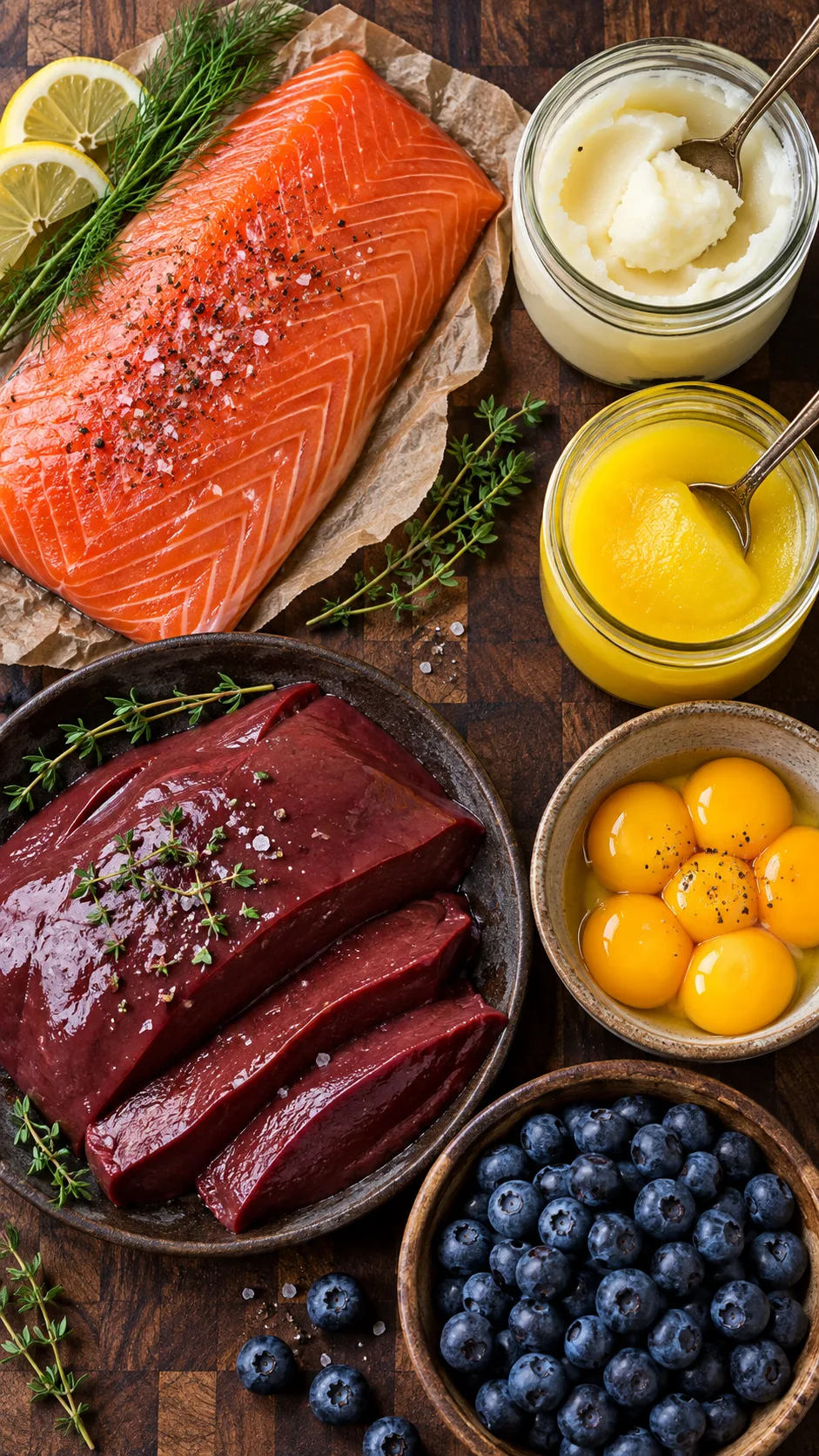
1. Grass-fed ruminant meats and wild game
Ruminant animals possess complex stomachs that ferment grasses, converting cellulose into bioavailable vitamins, fatty acids, and clean protein. Your stomach produces hydrochloric acid specifically to break down dense animal protein efficiently. Plant proteins often arrive with defensive chemicals that cause bloating, but ruminant meat digests smoothly in the upper gastrointestinal tract.
- 100% Grass-fed and finished beef (chuck roasts, ribeyes, ground beef, shank, brisket)
- Pastured lamb and mutton (chops, leg of lamb, shanks)
- Wild venison, elk, and bison
- Pasture-raised goat meat
2. Nutrient-dense organ meats
Traditional cultures across the globe revered organ meats as true superfoods, frequently feeding them to pregnant mothers and growing children. Gram for gram, liver outshines every leafy green on Earth in micronutrient density. Organ meats deliver preformed vitamin A (retinol), bioavailable heme iron, B-complex vitamins, and choline (nutrients that accelerate cellular repair in your gut lining).
- Beef liver (eat 3 to 4 ounces weekly for concentrated micronutrients)
- Heart (packed with CoQ10 to fuel cellular energy)
- Kidney and sweetbreads (rich in selenium and diamine oxidase enzymes that degrade dietary histamine)
- Bone marrow (supplies alkylglycerols that fortify immune cells)
3. Wild-caught seafood and shellfish
Coastal ancestral populations maintained superb health because marine life offers an abundance of fat-soluble vitamins, iodine, zinc, and long-chain omega-3 fatty acids (EPA and DHA). These anti-inflammatory fats calm gut irritation and reinforce intestinal wall integrity.
- Cold-water fatty fish: Wild Alaskan sockeye salmon, mackerel, sardines, and anchovies
- Bivalves and mollusks: Oysters (nature’s richest zinc source), mussels, and clams
- Wild white fish: Cod, halibut, and haddock
- Fish roe: Salmon caviar (a potent multivitamin directly from the sea)
4. Traditional healthy fats
Modern kitchens rely heavily on industrial seed oils like canola, soybean, and corn oil. Ancestral kitchens, by contrast, ran on stable, heat-resistant animal fats and tropical oils. These fats support hormone synthesis, stabilize blood sugar, and stimulate the production of bile acids that keep your small intestine clean.
Whether you follow a low-carb routine like a keto diet meal plan or a balanced ancestral framework, these traditional fats build a resilient metabolism:
- Beef tallow (ideal for high-heat roasting and searing)
- Pastured pork lard (rendered fat from heritage pigs raised outdoors on pasture)
- Ghee (clarified butter without casein or lactose, which digests easily)
- Grass-fed butter (delivers gut-healing butyrate)
- Extra-virgin olive oil (cold-pressed for low-heat dressings)
- Extra-virgin coconut oil (contains lauric acid, an antimicrobial fatty acid)
5. Collagen-rich cuts and slow-cooked bone broths
Our ancestors never purchased skinless, boneless chicken breasts. They consumed the entire animal, utilizing feet, joints, skin, and cartilage. These connective tissues contain massive concentrations of glycine, proline, and glutamine: the specific amino acids your gut cells use to seal permeable barrier junctions.
- Simmered beef marrow bone broth
- Pastured chicken foot broth (provides rich amounts of gelatin)
- Oxtail and beef short ribs
- Slow-cooked pork shank and pork rinds
6. Naturally fermented probiotic foods
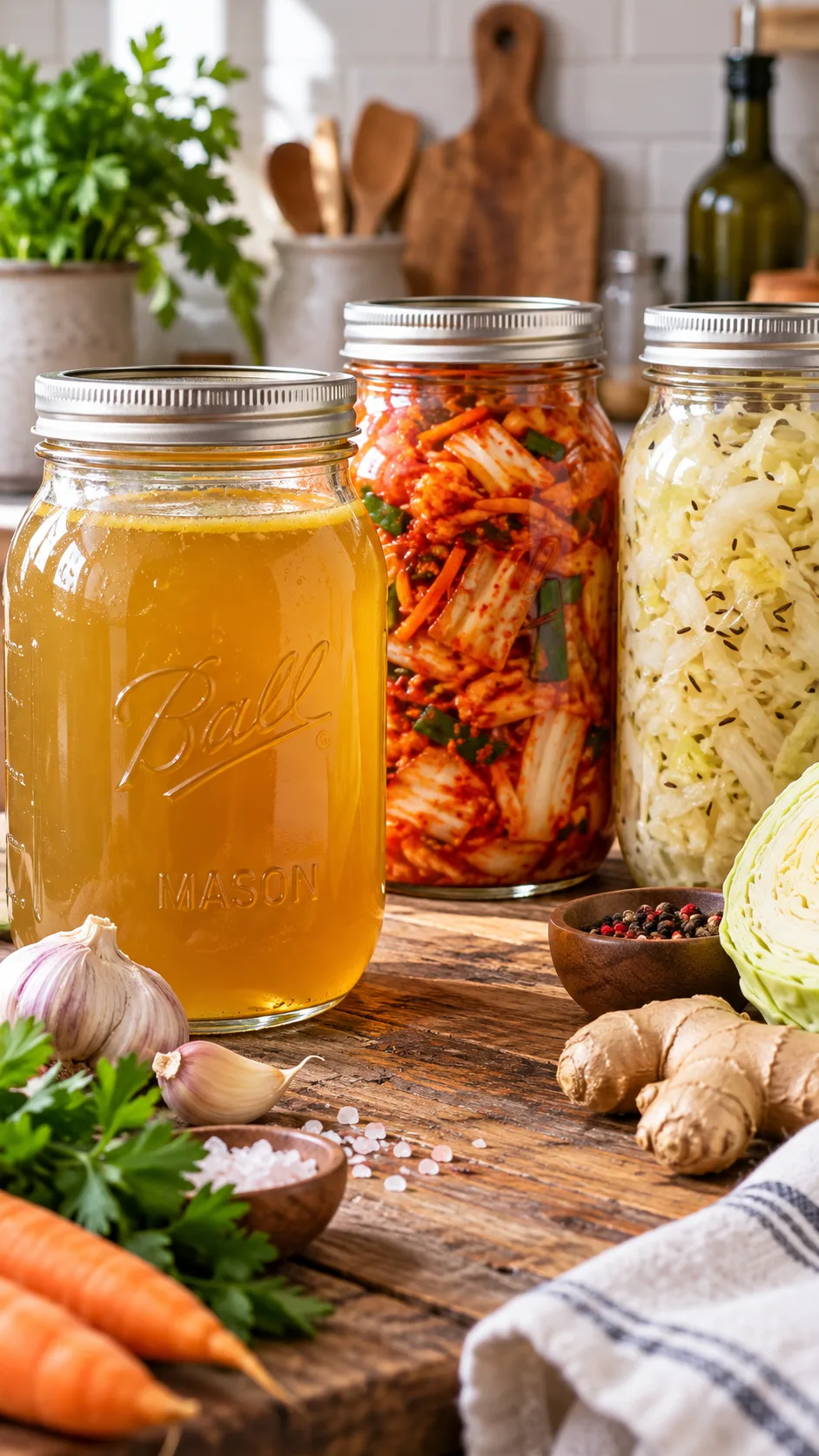
Long before commercial refrigeration, traditional communities preserved fresh harvests through natural lacto-fermentation. This process predigests sugars and neutralizes plant antinutrients while seeding the food with live beneficial bacteria. These friendly microbes suppress opportunistic pathogens and strengthen the microbiome.
- Traditional unpasteurized sauerkraut (cabbage, salt, and water only)
- Traditional kimchi (naturally fermented without corn syrup or MSG)
- Raw grass-fed milk kefir and yogurt (if you tolerate dairy proteins)
- Lacto-fermented pickles (cured strictly in brine, never pasteurized in white vinegar)
7. Gut-friendly ancestral carbohydrates and tubers
Contrary to extreme carnivorous dogmas, ancestral diets frequently incorporated tubers and seasonal fruits. However, traditional peoples never consumed massive bowls of raw cruciferous vegetables that irritate the gut. Instead, they thoroughly peeled, deseeded, and cooked plant foods to destroy defensive compounds.
- Peeled, well-cooked root tubers: Sweet potatoes, yams, cassava, and peeled russet potatoes
- Easily digestible squash: Butternut squash, acorn squash, kabocha, and zucchini (peeled and deseeded)
- Ripe, seasonal fruits: Blueberries, blackberries, raspberries, stewed apples, and bananas
- Raw unfiltered local honey (used sparingly as a natural antimicrobial sweetener)
Foods that wrecked my gut (and why I purged them)
Healing your gut requires addition, but it demands subtraction first. Why dump healing bone broth into your stomach if you simultaneously pour inflammatory irritants over your delicate mucosal lining?
My persistent gut distress vanished only after I relentlessly purged the following categories from my pantry:
- Industrial Seed and Vegetable Oils: Canola, soybean, cottonseed, sunflower, and corn oils contain astronomical quantities of polyunsaturated linoleic acid. These unstable oils oxidize quickly under heat, producing toxic aldehydes that disrupt cell membranes and spark systemic inflammation. Research from the National Institutes of Health shows how elevated dietary linoleic acid fuels inflammatory pathways across human tissues.
- Modern Hybridized Grains: Wheat, rye, and barley harbor high amounts of gluten, glutenin, and wheat germ agglutinin (WGA). These defensive plant proteins irritate the gut lining, stimulate zonulin production, and loosen the tight junctions of your intestinal barrier.
- Unfermented Soy Products: Soy protein isolate, soy milk, and textured vegetable protein contain potent protease inhibitors and phytoestrogens that inhibit digestive enzymes and irritate sensitive guts.
- Refined Cane Sugars and High-Fructose Corn Syrup: These hyper-concentrated sweeteners feed pathogenic bacteria and fungi like Candida albicans, starving beneficial microbes and driving dysbiosis.
- Chemical Emulsifiers and Preservatives: Ingredients like polysorbate 80, carboxymethylcellulose, carrageenan, and artificial sweeteners actively erode the protective mucus barrier guarding your colon wall.
Why modern preparation methods starve and irritate your microbiome
Traditional culinary cultures spent days preparing single dishes. Mexican cooks soaked corn in alkaline limestone water (nixtamalization). European bakers allowed sourdough loaves to ferment for 48 hours. Asian kitchens fermented soy into miso, natto, and tamari.
These ancestors understood a simple ecological reality: plants cannot run away from predators. To survive, plants deploy biochemical defenses through antinutrients (such as phytic acid, lectins, oxalates, and enzyme inhibitors). These defensive compounds bind to minerals like magnesium, iron, and zinc, blocking their absorption while irritating intestinal cells.
The Weston A. Price Foundation extensively documents traditional culinary wisdom, showing that ancestral communities never ate raw grains, raw legumes, or raw harsh greens. Ancestral cooks neutralized these antinutrients with specific preparation steps:
- Soaking: Soaking nuts, seeds, and ancient grains in warm, acidic water activates phytase enzymes that break down mineral-binding phytic acid.
- Long Fermenting: Fermentation degrades hard-to-digest lectins, predigests stubborn starches, and neutralizes harmful enzyme inhibitors before the food touches your lips.
- Slow Cooking: Pressure-cooking, braising, and stewing break down tough plant fibers and soften animal connective tissues, yielding a meal that your gut digests effortlessly.
When you prepare food properly, your stomach expends very little energy breaking down fibrous matrices. Your gut glides smoothly through digestion without generating painful gas or post-meal bloating.
My daily ancestral meal routine (a realistic blueprint)
You do not need to hunt wild game or forage in the deep woods to eat ancestrally. You can assemble satisfying, gut-soothing meals using everyday grocery items.
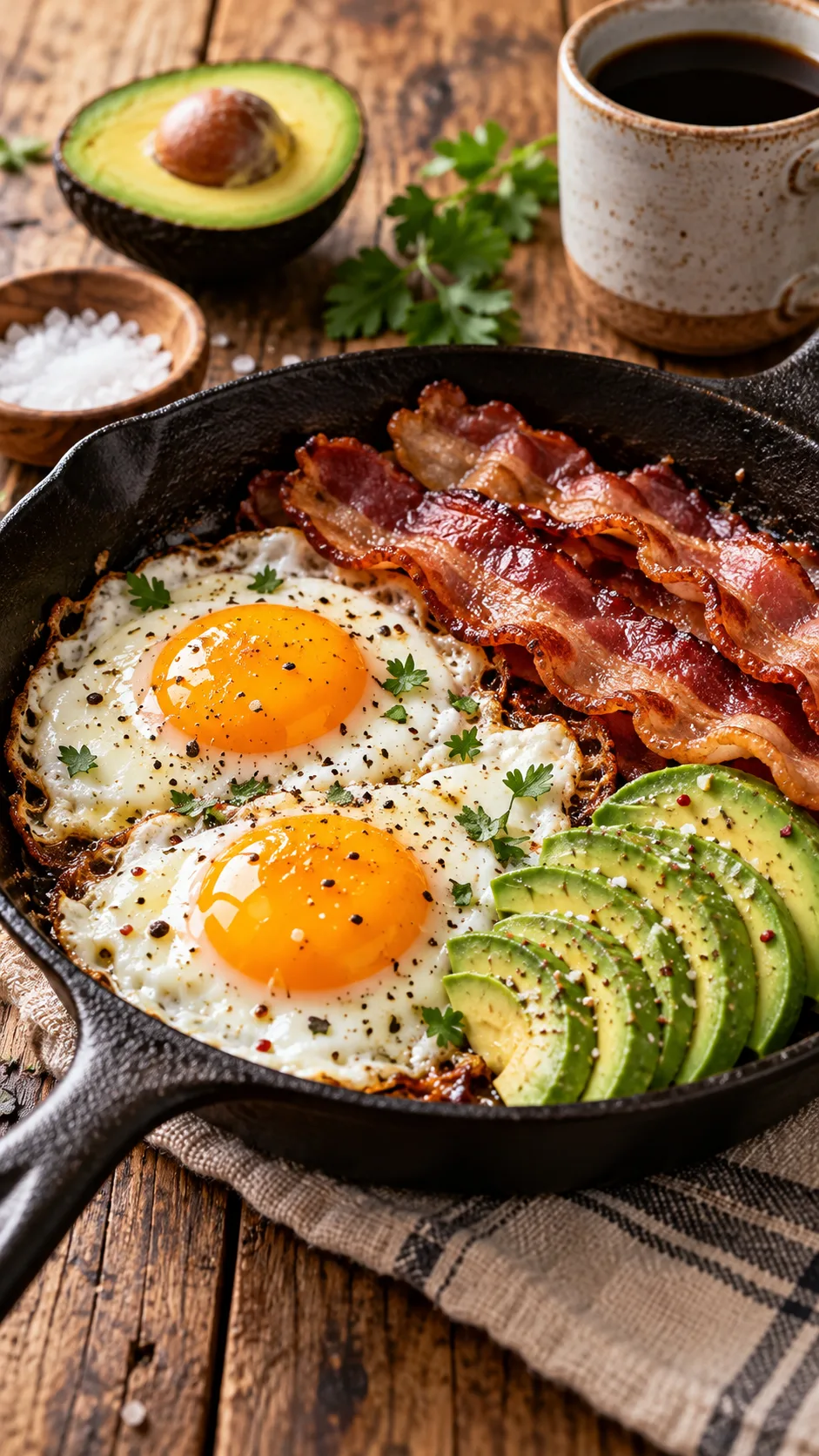
Breakfast: Nourishing fuel to start the day
I skip the processed breakfast cereals, skim milk, and artificial protein shakes entirely. Instead, I choose saturated fats, animal protein, and fat-soluble vitamins that keep my blood sugar level flat all morning.
- Three pastured whole eggs cooked gently in grass-fed butter or beef tallow
- Two strips of sugar-free, uncured heritage pork bacon
- Half of a ripe avocado seasoned with mineral-rich sea salt
- A warm mug of chicken foot bone broth seasoned with crushed garlic
Lunch: Steady energy without the afternoon slump
A heavy, foggy feeling after a midday sandwich or massive salad indicates gut distress and blood sugar spikes. I construct my midday meal around cold-water seafood or grass-fed ruminants.
- One can of wild-caught boneless, skinless sardines or wild sockeye salmon
- One cup of roasted Japanese sweet potato (peeled and drizzled with melted ghee)
- Two tablespoons of raw, unpasteurized sauerkraut for digestive enzymes
- Filtered water with a generous pinch of unrefined Celtic sea salt
Dinner: Deep restorative nourishment
Evening meals prioritize sleep quality and gut repair. I focus on slow-braised meats that deliver vast amounts of gelatin and collagen directly to the digestive lining overnight.
- Slow-cooked beef chuck roast braised with carrots, onions, and beef marrow bone broth
- Buttery butternut squash purée seasoned with sea salt and nutmeg
- A side dish of lacto-fermented cucumbers (traditional pickles)
- Chamomile tea with half a teaspoon of raw wildflower honey before bed
This daily routine keeps you full for hours without cravings. You never need to weigh portions or tally calories when you eat real, nutrient-dense foods.
Frequently asked questions about the ancestral diet
Will consuming all these animal fats raise my risk of heart issues?
Modern nutritional science continues to dismantle the flawed mid-century hypothesis that demonized saturated fat. Our ancestors thrived for millennia eating butter, tallow, and fatty cuts of meat without experiencing modern rates of arterial disease. Chronic inflammation and oxidized seed oils damage cardiovascular walls, not natural, unadulterated animal fats.
Do I need massive amounts of fiber to stay regular?
Excessive coarse plant fiber often worsens constipation and inflates sensitive intestines. Think of an inflamed gut as raw, sunburned skin; scrubbing it with abrasive insoluble fiber only provokes more inflammation. Ancestral eating relies on tender, thoroughly cooked roots alongside animal fats and gelatin, which soothe the intestinal tract and keep bowel movements regular.
Can I eat dairy on an ancestral diet?
Listen closely to your body here. Many traditional cultures consumed rich dairy products, but they consumed raw, unpasteurized, grass-fed milk, cultured kefir, and aged cheeses from heritage A2 cattle, goats, or sheep. If conventional pasteurized milk gives you gas or skin breakouts, eliminate it completely. You can reintroduce clarified ghee first, as it contains zero milk solids, before testing raw cultured butter or kefir.
Is this lifestyle expensive to maintain?
Grass-fed ribeye steaks cost serious money, but ancestral eating prioritizes the most affordable cuts. Marrow bones, beef liver, heart, ox tails, ground meats, and shanks cost far less per pound than boneless skinless chicken breasts or premium fillets. When you prepare these forgotten cuts and drop packaged snacks and takeout, your grocery bill usually drops.
Reclaim your gut health one ancestral meal at a time
You do not have to live with a chronically bloated, painful digestive tract. Chronic gut dysfunction is not your destiny, nor is it an inevitable byproduct of aging. Your gut simply needs the biological nourishment that shaped human genetics over thousands of years.
Leave behind the industrial food products, artificial additives, and rancid seed oils that disrupt your gastrointestinal tract every single day. Anchor your meals around pasture-raised meats, nutrient-dense organs, rich bone broths, traditional cooking fats, and traditionally fermented plants. Honor your biology, feed your cells directly, and enjoy smooth digestion and lasting physical energy.