

You hit snooze three times, sprint to the kitchen, and end up eating a granola bar in the car. Again. Sound familiar?
I ran that exact routine for about four years. Then I got tired of crashing at 10:30 every morning and gave breakfast meal prep a real try. The difference shocked me, and I’m not someone who gets excited about Tupperware.
This guide gives you real, tested breakfast meal prep ideas that take one hour on Sunday and feed you all week. No sad protein shakes. No overnight oats you’ll throw out on Thursday.
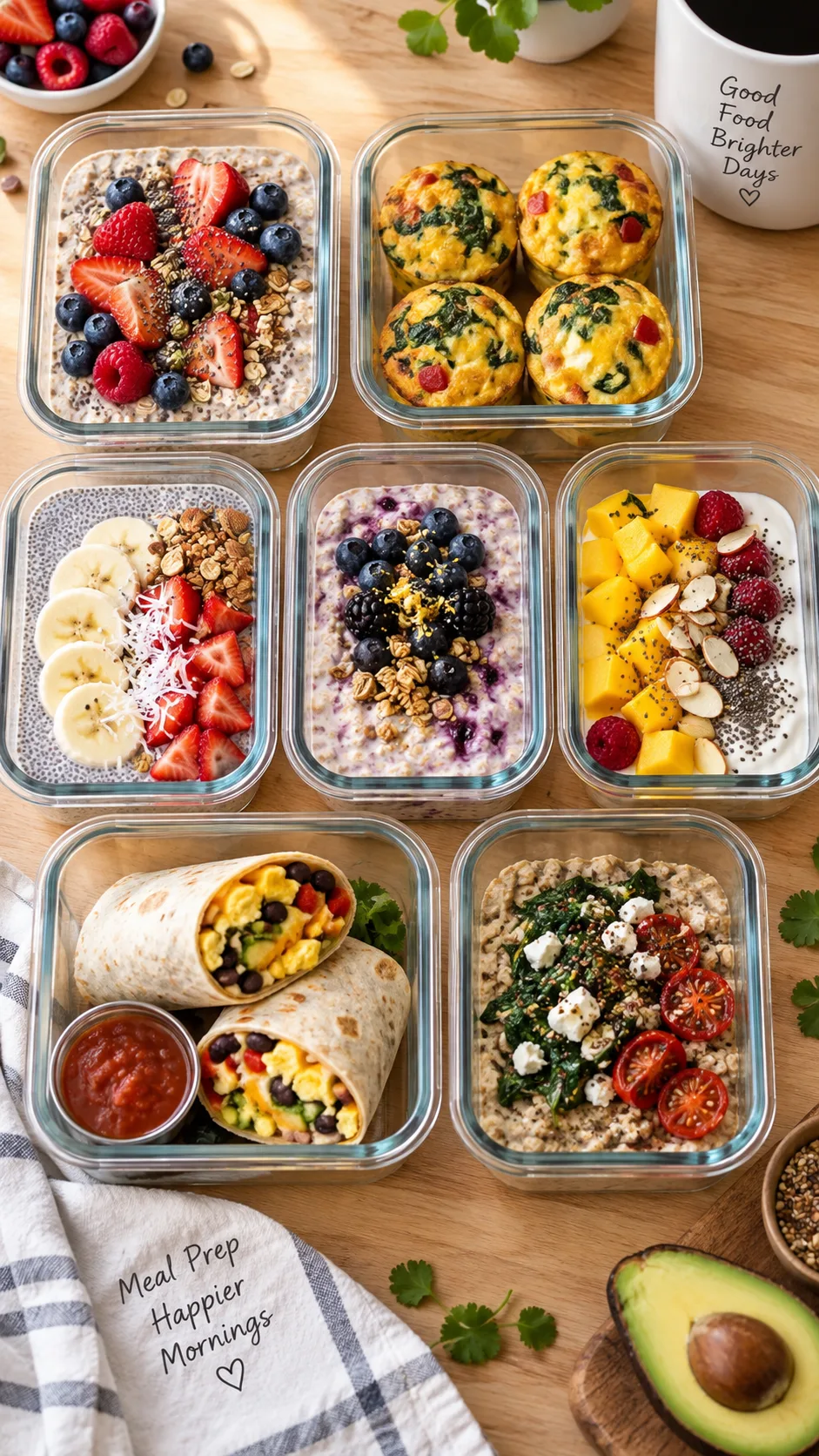
Why breakfast meal prep beats every other morning hack
Mornings destroy willpower. You wake up with decision fatigue already loaded, and your brain grabs the fastest option in reach. If that option is a sleeve of cookies, you already know how this ends.
Meal prep removes the decision entirely. You open the fridge, grab a container, and eat. Your morning self does zero thinking.
The research backs this up. A study published in the International Journal of Behavioral Nutrition and Physical Activity found that people who planned meals ahead ate a more varied, healthier diet and had lower odds of obesity. Planning wins.
Protein is the part that matters most
Here’s where most people fumble breakfast: they eat carbs on carbs on carbs. Toast, cereal, a banana, maybe orange juice. Blood sugar spikes, then tanks, then you’re hunting for snacks by 10 AM.
Research from the University of Missouri found that a 30 to 35g protein breakfast reduced afternoon snacking and cut cravings compared to a standard cereal breakfast. Thirty grams. That’s the number I aim for every morning.
Want the longer version? I broke it down in my guide to high protein breakfast meal prep. You don’t need to read it before you start, though. Just remember: protein first, everything else second.
The 60 minute Sunday system
You don’t need four hours and a color coded spreadsheet. You need one hour and a rough plan. Here’s the sequence I use:
- Preheat the oven (minute 0). Egg muffins or a sheet pan hash goes in first because it cooks itself.
- Boil eggs (minute 2). Twelve eggs, one pot, done in 12 minutes. Free protein all week.
- Assemble cold stuff while things cook (minutes 5 to 25). Overnight oats, chia pudding, yogurt jars. No heat required.
- Chop fruit and portion toppings (minutes 25 to 40). Pack berries, nuts, and seeds into small containers.
- Pull the oven food, cool it, pack it (minutes 40 to 55). Never seal warm food. Condensation ruins texture and speeds spoilage.
- Clean as you go (the whole time). Trust me on this one. Future you will be grateful.
Ever wonder why meal prep feels exhausting for most people? They cook everything in sequence instead of overlapping. Stack your tasks and you cut the time in half.

10 easy healthy breakfast meal prep ideas that hold up all week
I’ve tested a lot of breakfast preps. Some were great. Some turned into soggy tragedies by Wednesday. These ten survived.
1. Egg muffins (the undisputed king)
Whisk 10 eggs, add whatever vegetables are dying in your crisper drawer, pour into a muffin tin, bake at 350°F for 20 minutes. You get 12 portable protein bombs.
My combo: spinach, feta, sun-dried tomato. Roughly 7g protein per muffin, so three muffins puts you at 21g before you add anything else.
Pro tip: grease that tin like your life depends on it. Silicone liners saved my sanity and my muffin tin.
2. Overnight oats, done properly
Most overnight oats fail because people use a 1:1 oat to liquid ratio and then wonder why they got cement. Use ½ cup rolled oats to ¾ cup milk, plus ½ cup Greek yogurt for creaminess and protein.
Add a tablespoon of chia seeds. They thicken things and add fiber. The jars keep up to 5 days in the fridge, so Sunday prep carries you to Friday.
Never use instant oats. They dissolve into mush. Steel cut oats work but need a longer soak (overnight plus a day, in my experience).
3. Freezer breakfast burritos
Scrambled eggs, black beans, cheese, salsa, roasted sweet potato. Roll them in tortillas, wrap each one in foil, freeze.
Microwave for 90 seconds wrapped in a damp paper towel. They keep for 3 months, so one big prep session feeds you for weeks. If freezer strategy interests you, my freezer meal prep guide covers the full system.
4. Greek yogurt parfait jars
Layer Greek yogurt and berries in a jar, then keep the granola separate until you eat it. Soggy granola is a crime.
Plain Greek yogurt gives you around 17 to 20g protein per cup. Flavored versions pack in 15 to 20g of sugar. Buy plain and sweeten it yourself with honey or fruit.
5. Baked oatmeal squares
Think oatmeal that behaves like cake. Mix oats, eggs, mashed banana, milk, cinnamon, and baking powder. Bake in a 9×13 pan for 35 minutes, then slice into squares.
Grab one, eat it cold, or microwave it for 30 seconds. Portable, filling, and it genuinely tastes like dessert.
6. Chia seed pudding
Three tablespoons chia to one cup milk. Stir, wait 10 minutes, stir again (this second stir prevents clumping, and most recipes skip it). Refrigerate overnight.
Chia seeds bring 10g of fiber per ounce according to the USDA FoodData Central database. That fiber keeps you full and your digestion happy.
7. Sheet pan breakfast hash
Diced sweet potato, bell pepper, onion, and turkey sausage on one pan. Roast at 425°F for 30 minutes, tossing halfway.
Portion it into five containers. Crack a fresh egg on top each morning if you want extra protein. This reheats better than almost anything else on the list.
8. Protein pancake stacks
Make a double batch on Sunday, stack them with parchment between each one, freeze in a zip bag. The toaster reheats them perfectly.
Blend oats, cottage cheese, eggs, and a banana for a batter that hits around 25g protein per serving. You don’t need protein powder, though you can add it.
9. Cottage cheese bowls
Cottage cheese got weird treatment for a decade, and now it’s back. Deserved comeback, IMO. One cup gives you 25g of protein and takes zero cooking.
Prep five small containers of cottage cheese. Top with peaches, cinnamon, and walnuts in the morning. Savory version: cherry tomatoes, cucumber, everything bagel seasoning.
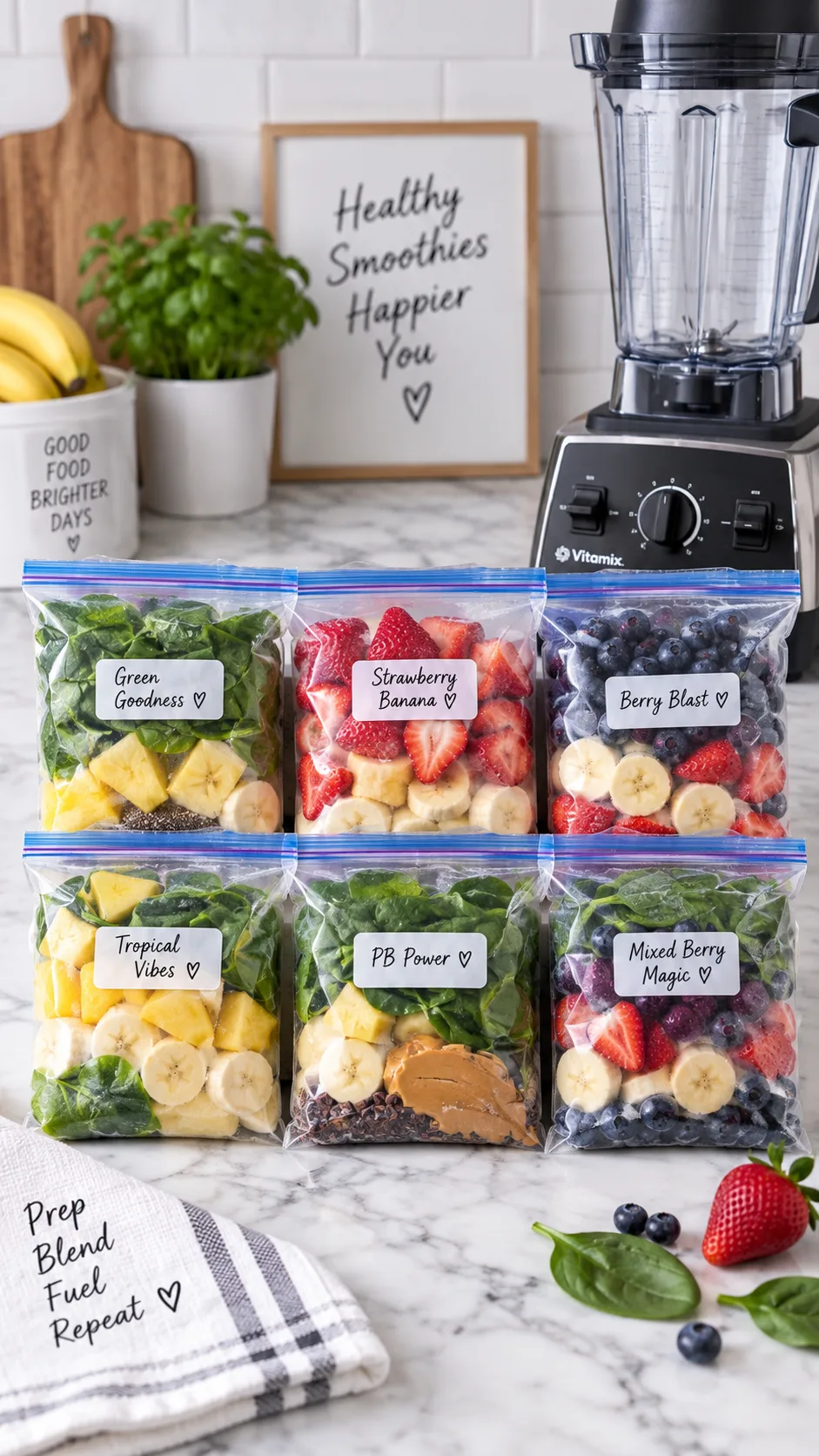
10. Smoothie freezer packs
Portion spinach, frozen banana, berries, and a scoop of protein powder into freezer bags. Dump one into the blender, add liquid, blend.
Total morning effort: 90 seconds. These last three months frozen and they kill the “I have no time” excuse for good.
Watch this before your first prep session
Reading about meal prep helps. Watching someone do it helps more. This walkthrough shows the timing and the containers in action:
Food safety: the boring part that keeps you out of the bathroom
Nobody talks about this until they’ve had a bad Wednesday. Five rules cover most of it.
- Cool food before sealing. Trapped steam creates condensation, and condensation breeds bacteria.
- Refrigerate within 2 hours of cooking. The USDA FoodSafety.gov guidelines call the 40°F to 140°F range the “danger zone” for a reason.
- Cooked eggs last 3 to 4 days refrigerated. Hard boiled in the shell: one week.
- Label everything with a date. Masking tape and a Sharpie. Two dollars, zero guesswork.
- Keep your fridge at or below 40°F. Buy a $5 thermometer, because most home fridges run warmer than the dial claims.
One personal confession: I once ate four day old breakfast hash that “smelled fine.” It was not fine. When in doubt, throw it out.
Container strategy (yes, it matters)
Bad containers wreck good food. I learned this after three plastic lids warped in the dishwasher and one leaked oats across my backpack.
What to buy
- Glass containers with locking lids: microwave safe, no staining, no weird smells. Worth the extra cost.
- 8oz mason jars: perfect for overnight oats and chia pudding. Cheap, and they stack.
- Silicone muffin liners: egg muffins pop right out. Game changer.
- Small condiment cups: granola, nuts, and toppings stay crunchy until you need them.
- Heavy duty freezer bags: thin bags cause freezer burn within weeks.
You need about 10 to 12 containers to run a full week without doing dishes midweek. Buy them once, use them for years.
How to keep it from getting boring by Thursday
Here’s the real reason meal prep fails: you get bored. You eat the same overnight oats four days running and suddenly a drive-thru sounds amazing.
The fix is a base plus topping system. Prep ONE base in bulk, then change the toppings daily. Same effort, five different breakfasts.
Base and topping combos
- Oat base: Monday = berries + almond butter. Tuesday = banana + cocoa. Wednesday = peach + cinnamon. Thursday = apple + pecans. Friday = mango + coconut.
- Yogurt base: rotate between granola, chopped dates, dark chocolate chips, or crushed pistachios.
- Egg base: switch the hot sauce. Sriracha, chipotle, harissa, salsa verde. It sounds too simple, and it works anyway.
Another trick: prep four days, not seven. Leave Friday open for something fresh. Nobody wants a five day old egg muffin, and having one “free” morning keeps the whole system going.
If you want to stretch this thinking to lunches and dinners, my week-long meal prep blueprint walks through the full rotation.

Budget reality check
People assume healthy breakfast prep costs a fortune. It doesn’t. Here’s a rough weekly breakdown based on typical US grocery prices:
- Dozen eggs: $3-4 → covers 3 breakfasts
- Large tub Greek yogurt (32oz): $5-6 → covers 4 servings
- Rolled oats (42oz canister): $4-5 → covers 15+ servings
- Frozen mixed berries (bag): $4 → covers a week of toppings
- Chia seeds (bag): $6 → lasts a month or more
That works out to roughly $3 or less per breakfast, versus $8 to $12 for a coffee shop egg sandwich. Run that math over a year. It adds up fast.
Buy frozen fruit instead of fresh for smoothies and oats. Growers pick it ripe and freeze it immediately, so it often holds equal or better nutrient levels than fresh produce that traveled a week to reach your store. It costs less, too.
The mistakes I made so you don’t have to
Mistake #1: prepping seven days of one thing
I made seven identical yogurt parfaits my first week. By day four I’d have paid money for a plain bagel. Prep two or three different breakfasts, not seven of one.
Mistake #2: ignoring portion size
A “healthy” breakfast at 700 calories with 12g of protein isn’t doing you any favors. Check your macros once. The amount of granola you’re pouring might surprise you.
If you’re eating in a deficit, my calorie deficit meal plan guide covers realistic portioning without the misery.
Mistake #3: skipping fat entirely
Fat free everything leaves you hungry an hour later. Add nuts, seeds, avocado, or nut butter. Fat slows digestion and keeps you satisfied. The American Heart Association recommends unsaturated fats specifically, so reach for almonds and avocado over bacon grease.
Mistake #4: prepping on your most exhausted day
Sunday night after a long weekend? Terrible timing. I moved my prep to Sunday MORNING with coffee and a podcast, and it stopped feeling like a chore.
Your first week: a copy and paste plan
Don’t overthink it. Start here:
- Saturday: Buy eggs, spinach, feta, oats, Greek yogurt, frozen berries, chia seeds, bananas, almond butter.
- Sunday morning (60 min): Bake 12 egg muffins. Assemble 3 jars of overnight oats. Make 2 chia puddings. Portion granola into small cups.
- Mon/Wed/Fri: 3 egg muffins plus a piece of fruit. Around 25g protein.
- Tue/Thu: Overnight oats with berries and almond butter. Around 22g protein.
- Saturday: Eat whatever you want. You earned it.
One hour, five mornings handled, roughly $18 in groceries. Repeat next week with different toppings.
Final thoughts: start smaller than you think
You don’t need a perfect system. You need three breakfasts ready to go so your Monday self stops making bad decisions at 7 AM.
The winning formula stays simple: 30g of protein, real fiber, a little healthy fat, and toppings you look forward to. Prep four days instead of seven. Cool your food before sealing it. Label everything.
My honest take after years of doing this: breakfast meal prep isn’t about being disciplined. It’s about being lazy in a smart way. You do the work once so you never have to think about it again.
So this Sunday, boil a dozen eggs and make three jars of oats. That’s the entire assignment. Your Wednesday self will thank you.