Most liquid diets feel like punishment. You start on Monday, sip a thin shake, hear your stomach growl, and stare at your coworker’s sandwich by lunchtime. You do not need to do it that way.
A thoughtfully planned liquid menu can hold off hunger for hours, lower your calorie intake, and still give you food that tastes good. Your ingredients and timing make the difference. This is the plan I would use.
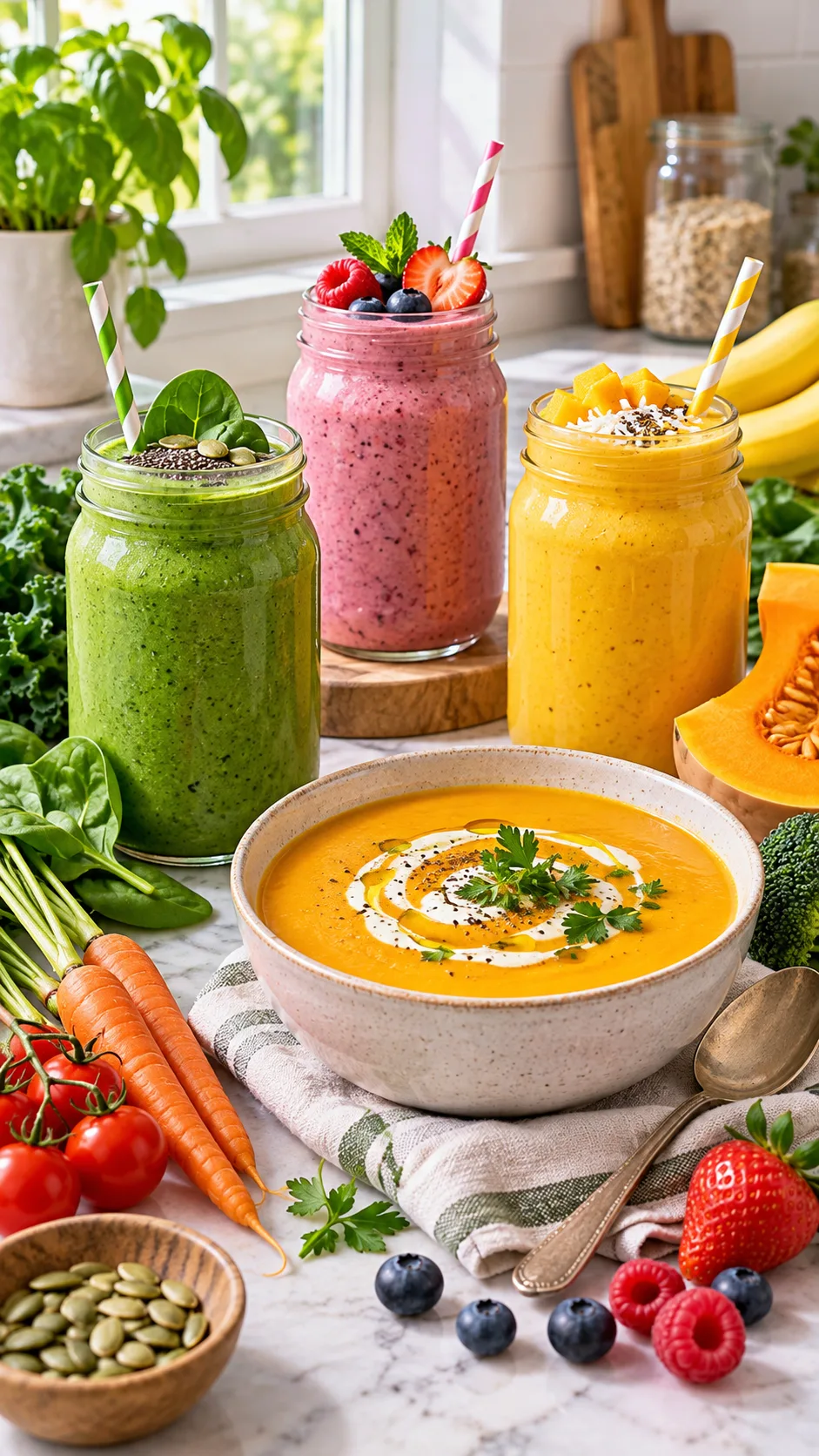
What a liquid diet means
“Liquid diet” can mean very different things. Some plans allow only broth and juice. Others include thick smoothies and blended soups throughout the day. That distinction matters if you want a plan you can tolerate.
The three main types
- Clear liquid diet: Broth, water, plain gelatin, and strained juice. Doctors usually prescribe this diet before medical procedures, not for weight loss. Our guide to the clear liquid diet explains it in more detail.
- Full liquid diet: Foods that remain liquid at room temperature, such as smoothies, creamy soups, milk, yogurt drinks, and protein shakes. This option offers more staying power.
- Meal replacement plan: You replace one or two meals with a shake and eat one regular meal. Many people find this approach easier to maintain.
This article focuses on a full liquid plan, with a meal replacement option for anyone who needs more flexibility. For more drink ideas, see these full liquid diet ideas.
Why most liquid diets leave you hungry
Why can a 300-calorie smoothie leave you hungry in 45 minutes when a 300-calorie plate of chicken and rice carries you until dinner? Chewing, food volume, and digestion speed all matter. Liquids leave your stomach faster than solid foods, especially when a drink has a thin, watery texture.
Many store-bought “diet shakes” fall short in three ways:
- They provide too little protein, often less than 10 grams.
- They offer almost no fiber.
- They lack enough fat to slow digestion.
Fruit juice can make the problem worse. It gives you sugar without fiber, which can raise your blood sugar quickly and then leave you hungry again. That 3 p.m. urge to search the fridge often starts there.
What to remember: A liquid meal needs protein, fiber, and some fat if you want it to satisfy you. Leave out one of those parts, and hunger usually catches up.
The four building blocks of a filling liquid meal
Each drink in this plan uses the same basic formula. Learn it once, then make it your own.
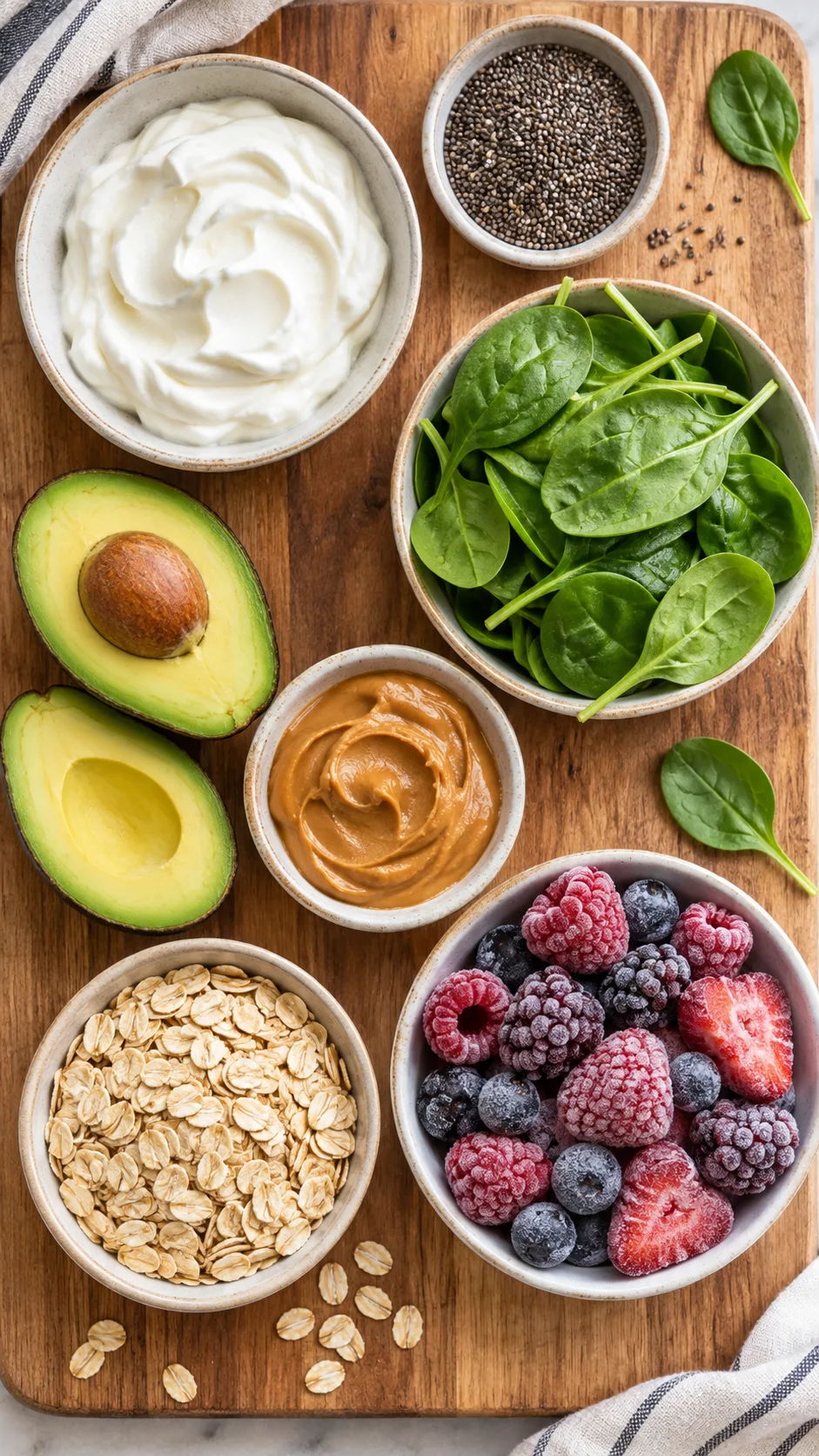
- Protein (20 to 30 grams per meal). Protein helps you stay full longer than other nutrients. The Harvard T.H. Chan School of Public Health notes that quality protein sources support a healthy diet and can support satiety. Try Greek yogurt, milk, silken tofu, or protein powder.
- Fiber (5 to 10 grams per meal). Chia seeds, ground flaxseed, oats, avocado, and cooked beans add thickness and slow digestion.
- Healthy fat (1 to 2 teaspoons’ worth). Nut butter, avocado, or olive oil adds richness and can help a drink keep you satisfied.
- Volume. Leafy greens, frozen cauliflower, and zucchini make a drink bigger without adding many calories.
Your one-day liquid diet meal plan
This sample day provides about 1,300 to 1,500 calories and roughly 90 to 110 grams of protein. Adjust the portions for your body size and activity level. Read the safety notes below before you begin.
7:30 a.m. Breakfast: oat-berry protein smoothie
Blend 1 cup milk or unsweetened soy milk, 1 scoop protein powder, 3 tablespoons rolled oats, 1/2 cup frozen berries, and 1 tablespoon chia seeds. The smoothie should come out thick enough for a spoon. It provides about 400 calories and 30 grams of protein.
10:30 a.m. Snack: savory broth mug
Heat 1.5 cups of bone broth or vegetable broth. Add a spoonful of miso if you enjoy it. Warm liquids can feel satisfying, and the sodium may help if a low-calorie day leaves you lightheaded.
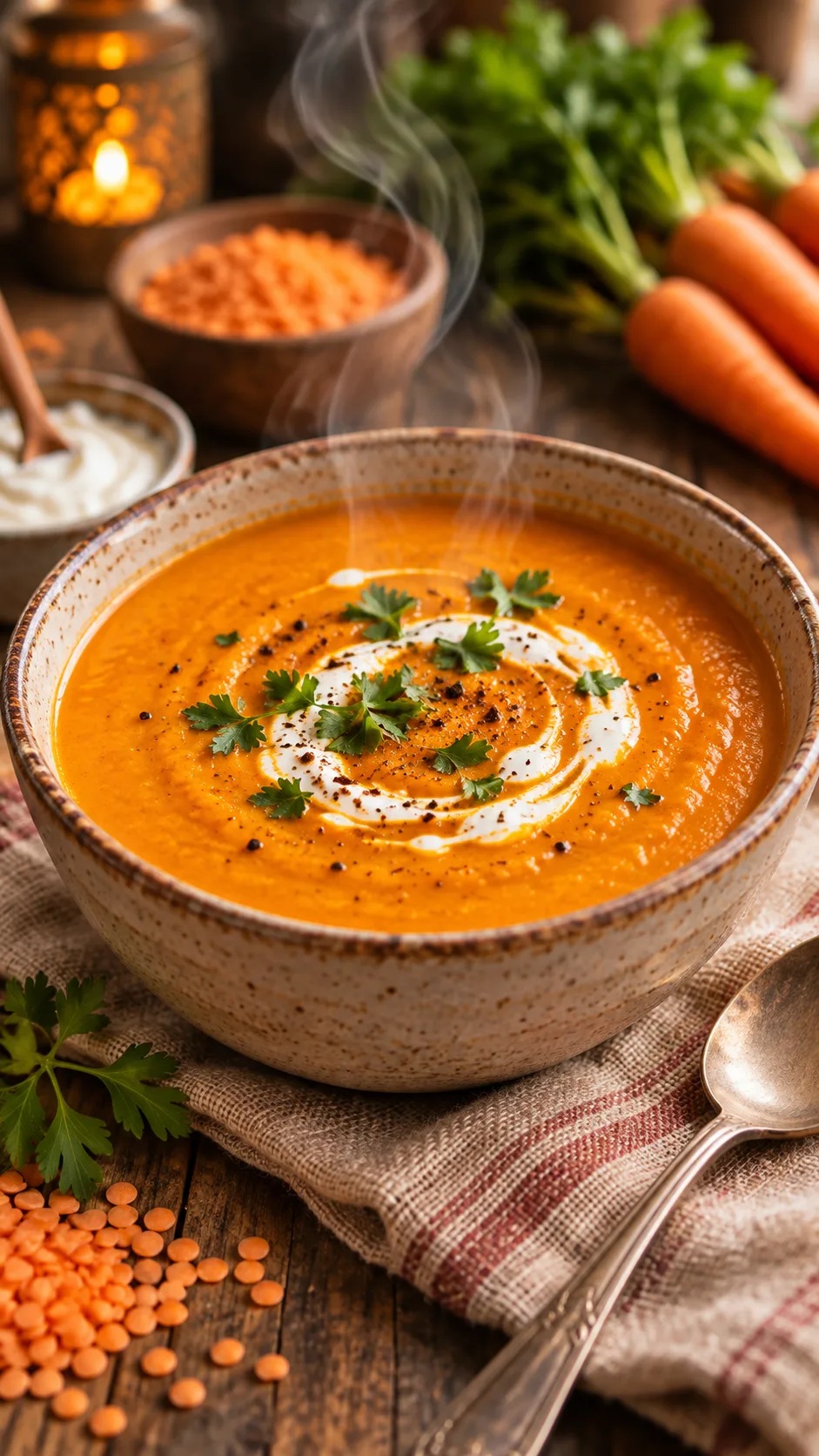
1:00 p.m. Lunch: creamy lentil and carrot soup
Simmer red lentils with carrots, onion, garlic, and cumin, then blend everything until smooth. Stir in a dollop of Greek yogurt before serving. Lentils provide protein and fiber, so this soup makes a filling liquid lunch. One bowl contains about 350 calories and 22 grams of protein.
4:00 p.m. Snack: chocolate-peanut shake
Blend 1 cup milk, 1/2 frozen banana, 1 tablespoon peanut butter, 1 teaspoon cocoa powder, and ice. It tastes like dessert, which can make the afternoon slump easier to handle. It has about 250 calories.
7:00 p.m. Dinner: blended chicken and vegetable soup (or tofu version)
Cook chicken breast or silken tofu with zucchini, spinach, and a little olive oil in low-sodium broth. Blend the mixture until smooth. This dinner provides about 30 grams of protein for roughly 300 calories. It may not look fancy, but it does the job.
Optional evening sip
Drink warm milk with cinnamon or have a cup of herbal tea to mark the end of eating for the day. A small routine can help your mind settle into the evening.
Quick swaps to keep things interesting
People often quit diets because they get bored, not because they feel hungry. Rotate these options so you do not drink the same recipe three days in a row.
- Green machine: spinach, avocado, Greek yogurt, pineapple, and water.
- Tropical protein: mango, light coconut milk, vanilla protein, and ice.
- Tomato-bean soup: blended white beans, roasted tomatoes, and basil.
- Pumpkin spice shake: canned pumpkin, milk, protein powder, cinnamon, and a dash of nutmeg.
- Mushroom cream soup: blended mushrooms, onion, and silken tofu.
Want more flavor without many extra calories? Use spices. Ginger, cinnamon, turmeric, and cayenne can change the whole drink or soup.
How much should you drink, and how often?
Plan for four or five liquid “meals” across the day, about three hours apart. Smaller, regular meals can prevent the overwhelming hunger that sends you toward a bag of chips. Drink 6 to 8 cups of water, plain tea, or black coffee between meals.
Take your time with each drink. Spend 15 to 20 minutes on a shake. When you gulp down a smoothie in two minutes, your stomach has little time to register it.
Safety first: read this before you start
I am not a doctor, and this plan will not suit everyone. Very low-calorie diets that provide fewer than about 800 calories per day need medical supervision. The National Institute of Diabetes and Digestive and Kidney Diseases provides guidance on safe weight management.
Talk with your doctor before starting if any of these apply to you:
- You have diabetes or take medicine that affects blood sugar.
- You have kidney disease, heart disease, or digestive disorders.
- You are pregnant or breastfeeding.
- You have a history of disordered eating.
- You take blood pressure medicine.
Pay attention: Stop the diet and call a healthcare professional right away if you experience dizziness, heart palpitations, extreme fatigue, or fainting.
How long should you stay on a liquid diet?
Short periods tend to work best. Many people can manage 3 to 7 days of fully liquid eating, or 2 to 4 weeks on a meal replacement plan that includes one regular meal each day. Longer stretches can lead to muscle loss, nutrient shortfalls, and rebound eating when the plan ends.
The Mayo Clinic notes that long-term weight loss relies on lasting lifestyle changes rather than quick fixes. Think of a liquid plan as a short reset, not a permanent way to eat.
The meal replacement version (easier to stick with)
If you do not want to eat only liquids, try this less restrictive structure:
- Breakfast: protein smoothie.
- Lunch: a balanced meal with lean protein, vegetables, and a modest serving of whole grains.
- Afternoon: shake or blended soup.
- Dinner: a light solid meal or soup with a side salad.
This format gives you the routine of a liquid diet while letting you eat dinner with your family. You can still lower calories, and chewing solid food may help you feel more satisfied.

Five mistakes that can derail your results
1. Drinking juice all day
Juice without fiber or protein can send your blood sugar up and down quickly. Blend whole fruit instead, then pair it with protein.
2. Skimping on protein
Too little protein can leave you hungry and may contribute to muscle loss. Aim for at least 20 grams at each meal.
3. Ignoring sodium and electrolytes
When you cut solid food, you may also cut back on salt. Low sodium can leave you with headaches and weakness. Broth and a pinch of salt in soups can help.
4. Skipping the exit plan
Going straight from smoothies to pizza can upset your stomach. Bring back solid foods over several days. Start with soft, easy foods such as eggs, yogurt, cooked vegetables, and fish.
5. Forgetting that calories still count
Smoothies can reach 700 calories when you add large amounts of nut butter, honey, and banana. Measure ingredients, especially during your first week.
What to do when hunger hits anyway
Even a well-planned menu can have hard moments. Ask yourself: Am I hungry, or am I bored? Drink a glass of water, then wait 10 minutes. If your stomach still feels empty, try one of these changes:
- Thicken your next drink with another tablespoon of chia seeds or oats.
- Add a hot option. Warm soup can satisfy a craving better than a cold shake.
- Go to bed earlier. Poor sleep can increase hunger hormones, and tired people often want snacks.
- Brush your teeth. Minty freshness can make food seem less tempting.
If intense hunger lasts more than a couple of days, add a small solid snack or switch to the meal replacement version. You do not need to suffer through the plan.
Can you add supplements or intermittent fasting?
A liquid plan already reduces calories, so adding more restrictions can backfire. Fasting windows on top of a liquid diet can leave you weak and irritable. If you want to try fasting on its own, our intermittent fasting schedule guide explains how to protect your energy.
A basic multivitamin may cover some gaps during a reduced-calorie period. Ask your doctor or pharmacist which option fits your needs before you spend money on supplements.
How to move back to regular food without gaining it all back
Many people stumble during this part. The scale drops, they celebrate with a huge meal, and the weight returns.
Plan a transition week instead:
- Days 1-2: Add one soft solid meal each day, such as scrambled eggs or oatmeal.
- Days 3-4: Add a second solid meal with lean protein and cooked vegetables.
- Days 5-7: Return to three balanced meals and keep one shake or soup in your daily routine.
Keep your protein intake up, put vegetables on every plate, and stay active. A 30-minute daily walk can do more for long-term weight maintenance than any detox plan.
Frequently asked questions
How much weight can I lose on a liquid diet?
Many people lose a few pounds during the first week, but much of that loss comes from water. Fat loss usually moves more slowly, at about 1 to 2 pounds per week.
Can I drink coffee?
Yes. Black coffee or coffee with a splash of milk can fit the plan. Skip syrup-heavy lattes, which can contain a lot of added sugar.
Will I lose muscle?
You may lose muscle if you eat too little protein. Keep your protein intake high and include light strength training to help protect muscle.
Is a liquid diet better than regular dieting?
Not necessarily. A liquid plan can simplify food decisions and help you get started, but a balanced eating pattern works better over the long run. For everyday ways to cut calories, browse our weight loss food swap guide.
The bottom line
A liquid diet works best when it keeps you full. Protein, fiber, fat, and volume give each drink that staying power. Build meals around those four parts, space them about three hours apart, and drink slowly. Keep the plan brief, protect your health, and decide how you will transition back to regular food before you begin.
Skip thin, disappointing shakes. Make a thick smoothie, heat up creamy soup, and give your body enough substance to feel satisfied as the scale moves down. Try one day this week, notice how you feel, and adjust from there.