

You do not need another diet that leaves you staring sadly at a rice cake by 3 p.m. The Banting diet follows a simple idea: eat whole foods, sharply cut sugar and starch, and use nourishing fats and protein to stay full.
That sounds simple. It can get tricky when breakfast habits, snack cravings, social plans, and the promise of “just one slice” start making their case.
This guide covers what to eat on a Banting diet, what to leave out, how low carb eating works, and how to make the plan work in everyday life. You do not need to turn meals into a food perfection contest.
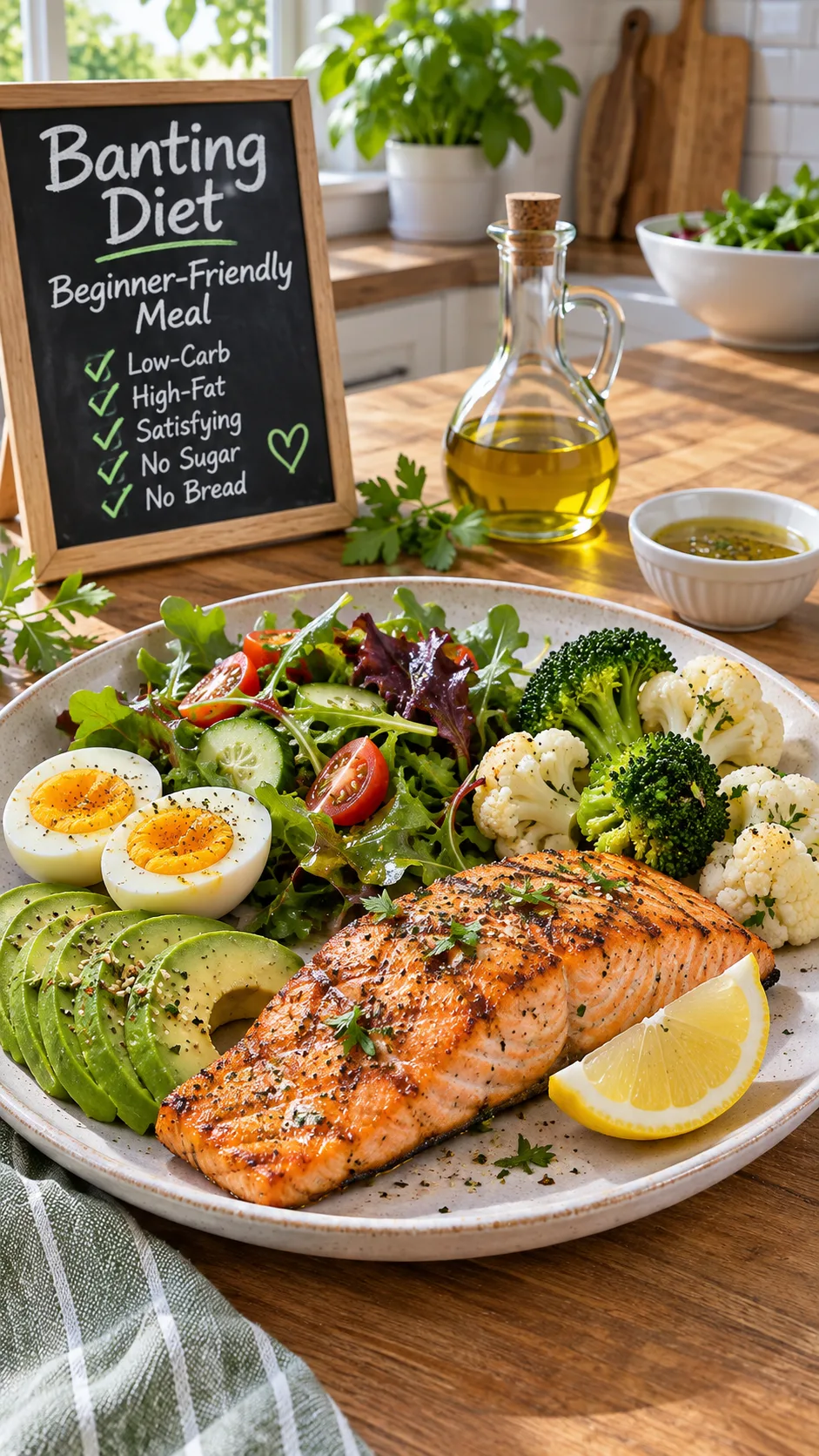
What is the Banting diet?

The Banting diet follows a low carbohydrate, high fat way of eating. It takes its name from William Banting, an English man who wrote about losing weight with a low starch diet in the 1800s.
Today, people use “Banting” to describe an eating plan that limits sugar, refined grains, starchy vegetables, and heavily processed foods. Most meals center on protein, non starchy vegetables, natural fats, and selected foods with fewer carbs.
The idea sounds almost too simple: eating fewer carbs may help some people control hunger, avoid big blood sugar swings, and eat fewer calories without counting every bite. A sweet pastry can leave you hungrier an hour later. A quick rise and fall in blood glucose often drives that feeling.
Banting has plenty in common with keto and other low carb diets, but it does not ask everyone to pursue deep ketosis. Many people start by cutting obvious sources of carbs and then settle on an intake that fits their goals.
How the Banting diet works
Your body breaks carbohydrates into glucose and uses that glucose for energy. When you eat fewer carbs, your body draws more fuel from stored fat and fat in your diet.
Protein helps your body hold onto muscle and helps you feel full. Fat brings flavor and satisfaction, which matters because few people keep eating meals that feel punishing.
Research supports low carbohydrate diets as one option for weight loss and blood sugar control, especially when people choose foods with plenty of nutrients. The Diabetes UK guide to carbohydrates explains how carbs affect blood glucose and why food quality matters too.
What you can eat on a Banting diet
Your Banting food list should feel abundant, not bleak. Start with foods that still resemble their original form, then adjust portions around your hunger, health goals, and activity.
Build most meals around protein, plenty of low carb vegetables, and a fat source that makes the meal satisfying. You do not need to pour butter into coffee or count bacon as a vegetable. People have done both.
Protein foods to put on your plate
Protein gives meals some backbone. Eat a mix of animal and plant proteins, and choose foods with minimal processing when you can.
- Eggs, including omelets, boiled eggs, and scrambled eggs
- Chicken, turkey, beef, lamb, pork, and game meats
- Fish such as salmon, sardines, tuna, mackerel, and trout
- Shellfish such as prawns, mussels, and crab
- Plain full fat Greek yogurt or cottage cheese, if dairy suits you
- Tofu, tempeh, and other vegetarian protein choices with fewer carbs
Choose fresh meat, fish, and eggs more often than processed deli meat. Sausages, bacon, and cured meats can fit now and then, but they often bring extra sodium, fillers, and a few ingredients you may not recognize.
Low carb vegetables to eat freely
Non starchy vegetables bring fiber, volume, vitamins, minerals, and real color to your plate. They also keep dinner from turning into an endless cycle of cheese cubes and grilled meat.
- Leafy greens: spinach, kale, lettuce, rocket, cabbage, and Swiss chard
- Cruciferous vegetables: broccoli, cauliflower, Brussels sprouts, and cabbage
- Courgettes, aubergines, mushrooms, peppers, and asparagus
- Green beans, celery, cucumber, radishes, and tomatoes
- Onions, garlic, herbs, and spices for flavor
Roast, grill, stir fry, steam, or eat your vegetables raw. Use olive oil, butter, avocado, cheese, herbs, lemon, or a homemade dressing so they taste good enough to eat again tomorrow.

Healthy fats that make meals satisfying
Fat matters on the Banting diet, but the type of fat still matters. Use it to make food satisfying, not to win a contest.
- Avocados and avocado oil
- Extra virgin olive oil and olives
- Butter or ghee in sensible amounts
- Nuts and seeds, especially almonds, walnuts, chia, flax, and pumpkin seeds
- Natural nut butters with no added sugar
- Full fat dairy, if you tolerate it well
- Oily fish, which also provides omega 3 fats
The American Heart Association’s overview of dietary fats gives helpful context. Favor unsaturated fats from olive oil, nuts, seeds, avocado, and fish, while leaving room for butter or cheese now and then.
Fruit, dairy, and treats: yes, with some guardrails
Most Banting plans limit fruit because many fruits contain plenty of natural sugar. Berries usually fit in small portions, especially strawberries, raspberries, blackberries, and blueberries.
Plain full fat yogurt, cheese, and cream can fit too, though larger portions can slow progress before you notice. Cheese tastes great, but a low carb label does not make it calorie free.
Choose dark chocolate with a high cocoa percentage for an occasional treat. Read the label, since many “sugar free” products contain sugar alcohols or other ingredients that upset your stomach.
What to avoid or limit on the Banting diet
For beginners, a useful rule is simple: skip foods that get most of their calories from sugar, flour, or starch. These foods can push carb intake up quickly without keeping you full for long.
You do not need to fear every carb forever. You need to know which foods make your current goals harder to reach.
Foods that usually do not fit a Banting diet
- Sugar, sweets, chocolate bars, cakes, biscuits, and desserts
- Soft drinks, sweetened coffee drinks, energy drinks, and fruit juice
- Bread, wraps, bagels, pasta, pizza, pastries, and breakfast cereal
- Rice, couscous, quinoa, oats, and most grain based side dishes
- Potatoes, sweet potatoes, chips, and crisps
- Most packaged snack foods and highly processed convenience meals
- Sweet sauces, sugary marinades, ketchup, and many bottled dressings
- Beer, sweet wine, cocktails, and sugary mixers
Keep an eye on foods with a “healthy” reputation too. Granola, smoothies, protein bars, flavored yogurt, dried fruit, and gluten free baked goods can contain far more sugar and starch than you expect.
Want more detail on common low carb mix ups? Read The Banting Diet Beginner’s Trap: What the Green List Won’t Tell You before you fill your trolley with expensive “keto friendly” snacks.
Do you need to count carbs?
You can begin without tracking every gram. Many people do well when they remove the largest carb sources, eat mostly whole foods, and pay attention to hunger, energy, and progress.
Tracking can help when progress stalls, when you manage diabetes, or when you want more feedback. A typical low carb Banting plan may fall around 20 to 50 grams of net carbs a day, but your ideal amount depends on your body, medication, activity, and goals.
Net carbs usually means total carbohydrates minus fiber. Read labels closely, because serving sizes can play some very small mind games.
A simple Banting diet meal plan for beginners
You do not need seven complicated recipes or a separate fridge for “diet food.” Start with familiar meals, replace the starchy part, and keep flavors you already like.
Easy breakfast ideas
- Scrambled eggs with spinach, mushrooms, feta, and avocado
- Plain Greek yogurt with berries, chia seeds, and chopped walnuts
- Smoked salmon, eggs, cucumber, and cream cheese
- Leftover roast chicken with sautéed vegetables
- Black coffee or tea with a full breakfast if you prefer skipping cereal
If you do not feel hungry in the morning, do not force breakfast. Eat when hunger shows up, not because a cereal advert decided breakfast needs a mascot.
Easy lunch ideas
- Chicken salad with avocado, olive oil, seeds, and mixed leaves
- Tuna mayo lettuce wraps with cucumber and cherry tomatoes
- Leftover beef stir fry with broccoli, peppers, and cauliflower rice
- Egg salad with leafy greens, olives, and a lemon olive oil dressing
- Bunless burger with cheese, mushrooms, slaw, and salad
Easy dinner ideas
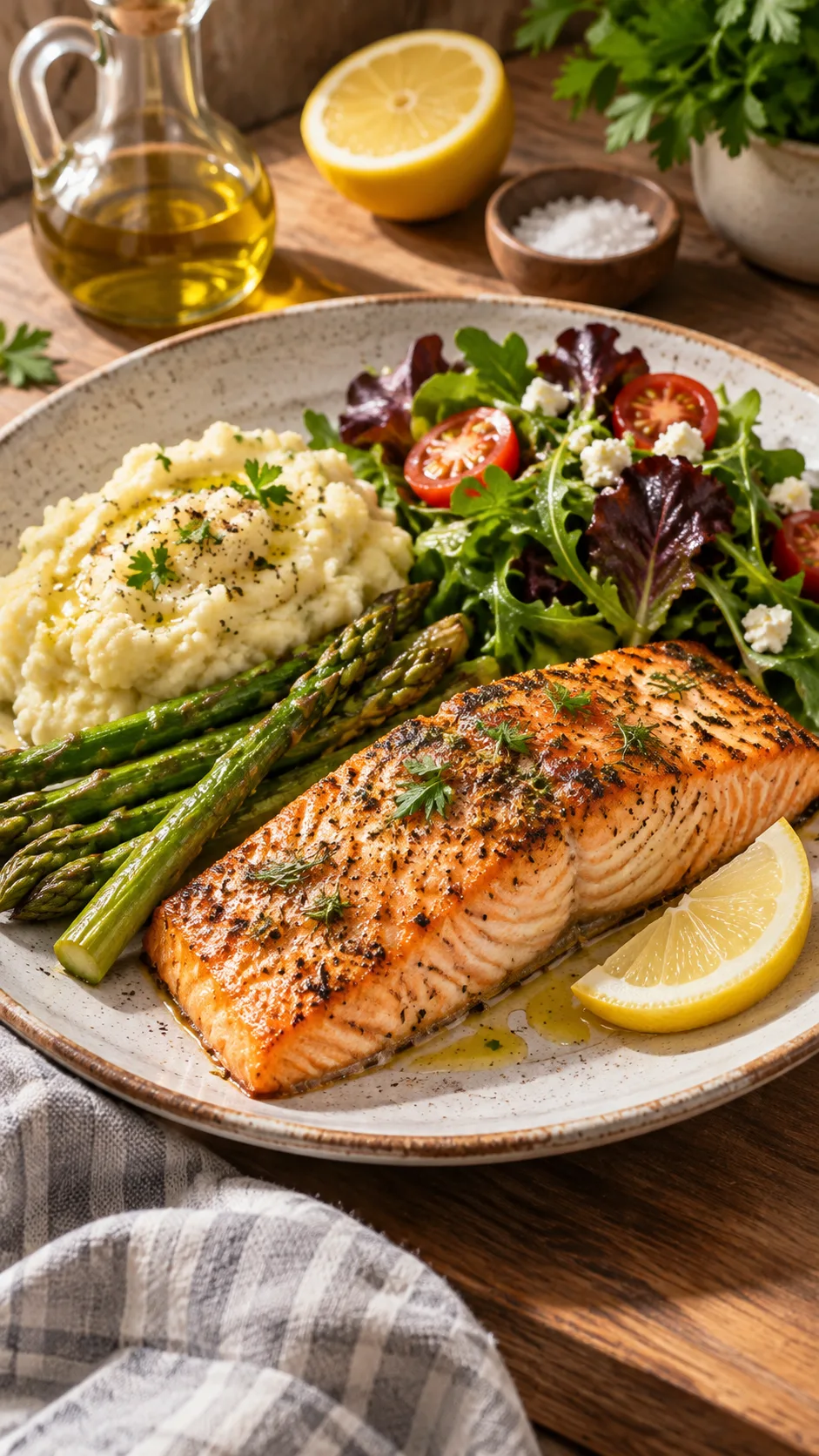
- Salmon with asparagus, butter, and a large green salad
- Beef mince cooked with courgette, mushrooms, herbs, and grated cheese
- Roast chicken thighs with cauliflower mash and broccoli
- Pork chops with creamy cabbage and mustard sauce
- Vegetable curry with tofu or chicken and cauliflower rice
How to start the Banting diet without quitting by Thursday
People often abandon diets because they change everything at once, run out of easy food, and hit a stressful day with only vending machine crisps nearby. A little planning can spare you that mess.
- Clear the obvious temptations. Move sugary snacks, cereal, bread, and fizzy drinks out of your daily sight line. Your kitchen can do some of the work for you.
- Plan three or four repeat meals. Choose simple breakfasts, lunches, and dinners you genuinely enjoy. Repeating meals helps early on because long days can drain your patience for decisions.
- Keep quick protein on hand. Stock eggs, cooked chicken, tinned fish, cheese, Greek yogurt, and frozen meat or fish. Hunger can make every takeaway app seem irresistible.
- Add vegetables at lunch and dinner. Vegetables rich in fiber can help you feel full and support digestion. Seek variety over the week instead of trying to make every meal perfect.
- Drink enough water. Low carb eating can change your fluid and electrolyte balance, especially in the first week. Drink water throughout the day and use salt in ordinary cooking unless your clinician advises against it.
- Track patterns, not only weight. Pay attention to hunger, cravings, sleep, energy, waist measurements, and how your clothes fit. One number on a scale cannot tell the full story.
If you want a practical place to begin, use our Banting diet beginner guide with this food list. It can help you spot less obvious choices that often catch people out in the first few weeks.
How to handle the first week of Banting
Some people feel tired, headachy, irritable, or foggy after they sharply cut carbs. People often call this adjustment period “keto flu,” though no flu virus causes it.
Your body adapts to a different fuel source, while shifts in fluids and electrolytes can make you feel rough. Drinking water, eating enough food, adding salt to meals when appropriate, and taking a few days off intense exercise can make the change easier.
Do not assume severe symptoms simply mean your body needs time to adjust. Contact a healthcare professional if you feel unwell, particularly when symptoms continue or feel intense.
If you take insulin, sulfonylureas, blood pressure medication, or diuretics, speak with a clinician before you begin a very low carb diet. Eating fewer carbs can change your medication needs, and a clinician can help you adjust safely.
Eating out, social events, and real life
You can follow a Banting diet without becoming the person who brings a kitchen scale to brunch. Find the protein and vegetables first, then ask for a simple substitution.
At restaurants, order steak, chicken, fish, burgers without buns, salads with protein, or vegetable sides. Ask for extra greens in place of chips, rice, bread, or potatoes.
Check sauces and dressings, because sugar can hide in both. Choose olive oil, butter, mayonnaise, aioli, or a simple vinaigrette when you can.
Smart low carb swaps
- Use lettuce leaves instead of burger buns or wraps
- Choose cauliflower rice instead of regular rice
- Replace pasta with courgette noodles, cabbage, or extra vegetables
- Choose berries and cream instead of cake or ice cream
- Order sparkling water with lime instead of sugary drinks
Before a party with limited food choices, eat a filling meal at home. Then focus on the conversation, choose a few foods that suit you, and leave the stale crisps alone.
Common Banting diet mistakes
Low carb eating feels easier when you keep meals simple and nourishing. A few common habits can make the Banting diet much harder than it needs to be.
Eating too little at the start
Many beginners cut carbs and calories at the same time, then wonder why they feel ravenous. Build proper meals around protein, vegetables, and fats that satisfy you.
Let hunger guide you, but eat enough while your body adjusts. You can tighten up portions after your appetite settles.
Living on “low carb” processed snacks
Protein bars, keto cookies, and low carb sweets can help on occasion, but they should not control your meal plan. Whole foods make hunger easier to manage and often give you more nutrition for the money.
Read ingredient labels and pay attention to what happens after you eat. If a “healthy” snack makes you want six more, that snack does not help you much.
Forgetting fiber and vegetables
Meat, cheese, and eggs can fit a Banting plan, but vegetables still count. Eat leafy greens, cruciferous vegetables, seeds, and low carb plant foods to support digestion and general health.
The NHS guide to dietary fibre shares practical ways to eat more fiber through whole foods. Your gut will appreciate the effort, even if it cannot write you a thank you note.
Is the Banting diet safe for everyone?
The Banting diet can work for many adults, but no one eating plan suits everyone. Your medical history, medications, relationship with food, activity level, and preferences all shape whether it makes sense for you.
Talk with a registered dietitian or doctor before you start if you have diabetes, kidney disease, liver disease, gallbladder issues, high cholesterol, or a history of an eating disorder. Pregnant and breastfeeding people should seek personal advice before making large diet changes too.
Pay attention to food quality, check in with yourself regularly, and notice how you feel over time. The British Nutrition Foundation healthy eating guidance can help you keep the broader nutrition picture in mind.
Final thoughts: keep Banting simple
A good Banting diet for beginners does not demand perfect macros, complicated recipes, or a personality transplant. Start with protein, low carb vegetables, nourishing fats, and fewer sugary or starchy foods.
Prepare easy meals, make sensible swaps, and give yourself time to learn. One meal outside your plan does not wipe out your progress. It means you ate one meal.
Start with your next plate, not next Monday. Fill it with colorful food that satisfies you and contains fewer carbs that leave you hungry again an hour later. That small shift can help the Banting diet become a habit you can keep.