

You bought the bacon. You cleared your pantry of every stray carbohydrate, stocked your fridge with blocks of butter, and printed the famous Banting “Green List.” You expected the stubborn fat around your midsection to melt away like butter on a hot skillet. After all, the rules told you that Green List foods require zero portion control, right?
Then two weeks passed. You stepped onto the bathroom scale, braced for a miracle, and saw nothing. Maybe the scale even showed you gained a pound. How could an all-you-can-eat list of healthy fats and leafy greens betray you like this?
Welcome to the classic Banting Diet beginner’s trap. Professor Tim Noakes sparked a global movement when he co-authored The Real Meal Revolution, giving people permission to eat real, satisfying fat again. But beginners constantly misinterpret the core philosophy. You see an eat-as-much-as-you-want pass, while your biology sees an avalanche of surplus fuel. Let us examine the hidden pitfalls of the Green List and fix your stalled fat loss before you toss your frying pan out the window.
The Green List illusion: why “unlimited” destroys fat loss
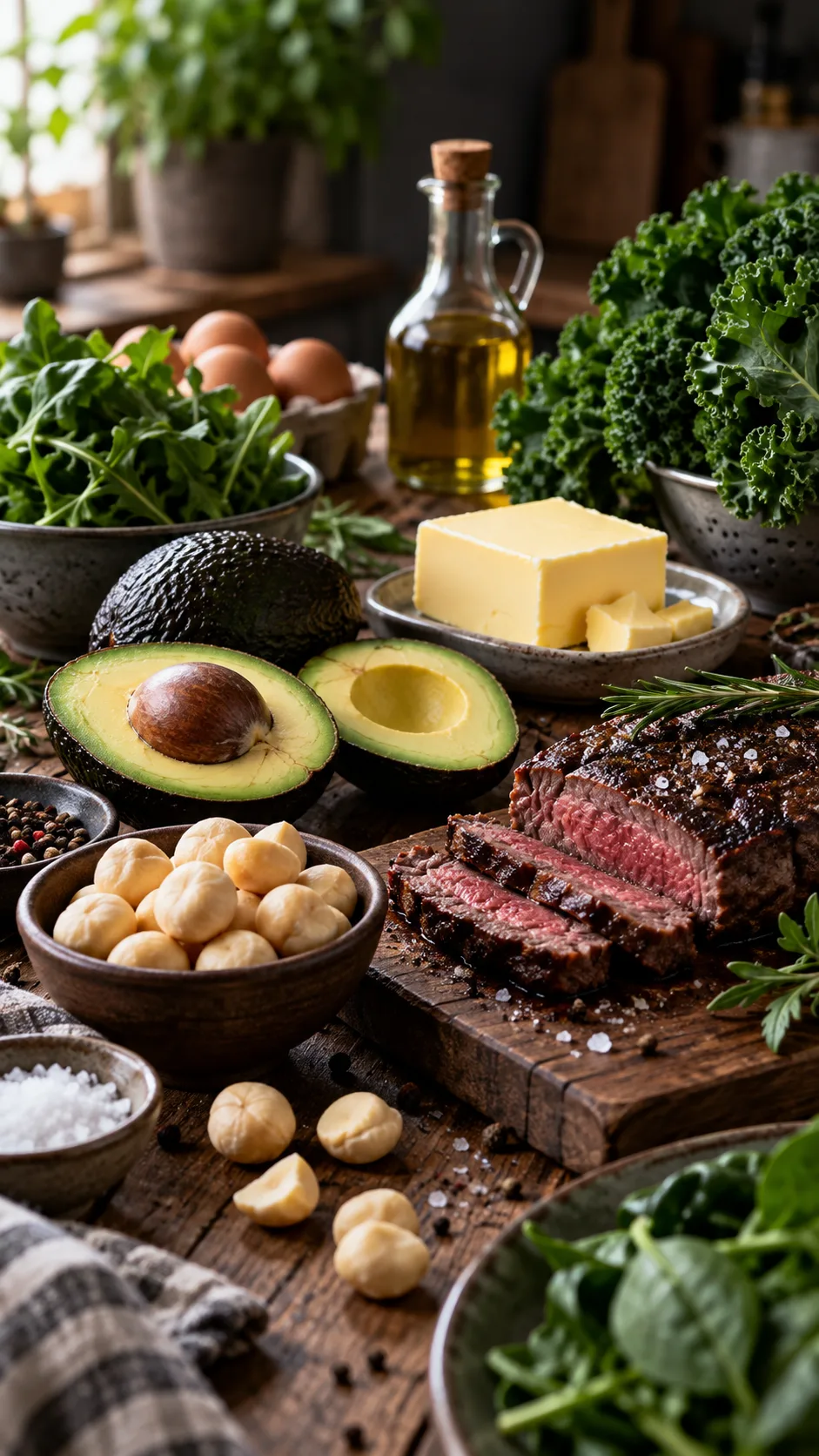
Why do so many beginners hit an immediate weight-loss plateau on Banting? The Green List gives you a false sense of security. The list classifies foods with negligible carbohydrates (leafy greens, animal proteins, animal fats, and cold-pressed oils) as safe items that do not demand strict weighing or measuring.
However, your body does not ignore the laws of physics simply because you switched from pasta to ribeye steaks. Thermodynamics still governs human metabolism. Low-carb high-fat (LCHF) eating controls your insulin response, which unlocks your fat stores. But if you constantly flood your bloodstream with dietary fat, your body burns that dietary fat for fuel instead of tapping into your love handles.
When the original Banting guidelines tell you to eat these foods without restriction, they assume your body’s natural satiety cues function properly. Decades of processed foods, refined sugars, and emotional eating habits wreck those exact cues. When you tell a chronic overeater that ribeye, macadamias, and rich cheeses carry zero restrictions, disaster follows.
I learned this lesson the hard way during my first month on low-carb eating. I convinced myself that eating four avocados, three pork chops drowned in garlic butter, and half a block of gouda in one sitting counted as healthy discipline. My waistline expanded, my digestion revolted, and my bathroom scale laughed at me. Energy density matters, regardless of your carbohydrate intake.
The sneaky calorie bombs hiding on the Green List
Let us inspect the biggest offenders that fool enthusiastic beginners every single day. The Green List includes several items that pack dense caloric loads into deceptively small servings.
1. The nut trap: macadamias and pecans
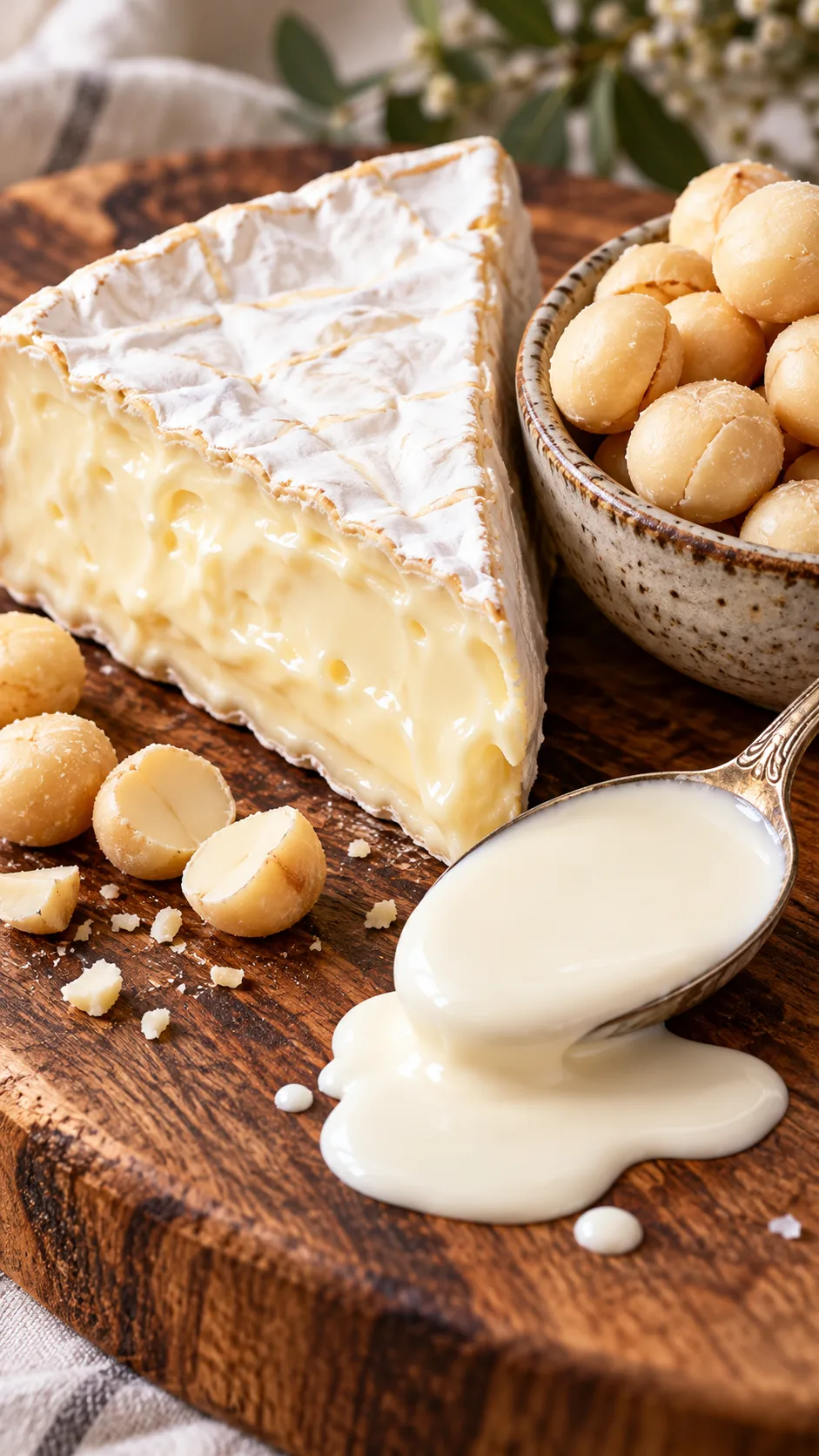
Do you measure your nuts, or do you grab handfuls directly from the bag while watching television? A mere 100 grams of macadamia nuts packs over 700 calories. You can chew through 100 grams in four mindless minutes while chatting on the phone. Macadamias provide quality monounsaturated fats, but that tiny bowl supplies almost half of your daily caloric requirement without filling your stomach volume.
2. The dairy deception
Does the Green List permit butter, hard cheeses, and heavy cream? Yes. Do beginners abuse them? Absolutely. Dairy triggers an insulin spike through specific amino acids, even when carbohydrate counts remain near zero. Liquid dairy also slips past your satiety receptors effortlessly. A splash of heavy cream in your morning coffee quickly turns into a quarter-cup habit that quietly tacks on 200 calories per mug.
3. “Bulletproof” drinks and liquid fats
Who told you that human beings need to blend two tablespoons of butter and MCT oil into their morning coffee to burn fat? Drinking 400 calories of pure liquid fat before breakfast completely halts body-fat burning. If you supply your liver with pure fat in liquid form, your metabolism has no reason to break down your stored adipose tissue. Save your fat intake for whole, nutrient-dense meals.
4. Fat bombs and ketogenic treats
Beginners often scour Pinterest for Banting recipes. You mix coconut oil, almond flour, cocoa powder, and erythritol into dense little treats. You tell yourself they sit safely within the green guidelines. In reality, you recreate the exact sweet eating patterns that caused weight gain in the first place. Food addiction does not vanish just because you swapped sugar for stevia.
Insulin, protein, and the satiety spectrum
Does eating high fat automatically mean eating unlimited protein? Beginners frequently confuse the Banting diet with an all-you-can-eat steakhouse feast. Professor Tim Noakes and groups like The Noakes Foundation advocate for moderate protein, not massive surpluses.
When you consume giant portions of lean protein without sufficient fat or fiber, your liver can convert excess amino acids into glucose through gluconeogenesis. While this metabolic process occurs on demand rather than automatically, oversized meals still raise both insulin and circulating glucose. Stable insulin levels unlock fat stores; wild swings shut down lipolysis.
Take a look at how different components of the Green List impact your fullness signals:
- Leafy Greens and Cruciferous Veggies: High bulk, high water, high fiber, low energy. They stretch the stomach wall, releasing the fullness hormone leptin.
- Fatty Whole Proteins (Salmon, Eggs, Ribeye): High satiety per calorie. The combination of complete amino acids and fat signals your brain that you finished eating.
- Pure Added Fats (Oils, Butter, Lard): Extremely low bulk, high energy. They fail to stretch your stomach wall, making portion control tricky without conscious discipline.
If you transition into Banting from a standard Western diet, you might also benefit from reviewing your first week on keto meal plan to understand how macronutrient structures differ between classic ketogenic targets and Banting principles.
What happens to your gut? The digestive shock
Did anyone warn you about what happens to your gallbladder when you switch from a low-fat diet to high-fat eating overnight? Your liver produces bile, and your gallbladder stores and concentrates it to break down fats in your digestive tract. When you double your dietary fat intake overnight, you overwhelm your gallbladder’s capacity.
The result? Acute digestive distress, nausea, and frequent trips to the restroom. Beginners often mistake this gut shock for low-carb flu. While electrolyte drops cause classic headaches, your gastrointestinal misery usually stems from poor fat digestion and sudden microbial shifts.
Research published through the National Institutes of Health demonstrates that abrupt dietary overhauls alter gut microbiota within 48 hours. When you cut out all soluble plant fiber while doubling dairy and saturated fats, you starve beneficial bacteria that thrive on prebiotic diversity. To maintain steady fat loss, protect your gut lining by filling your plate with cruciferous vegetables, just like you would on an anti-inflammation diet meal plan.
The psychology of “food freedom” gone wrong
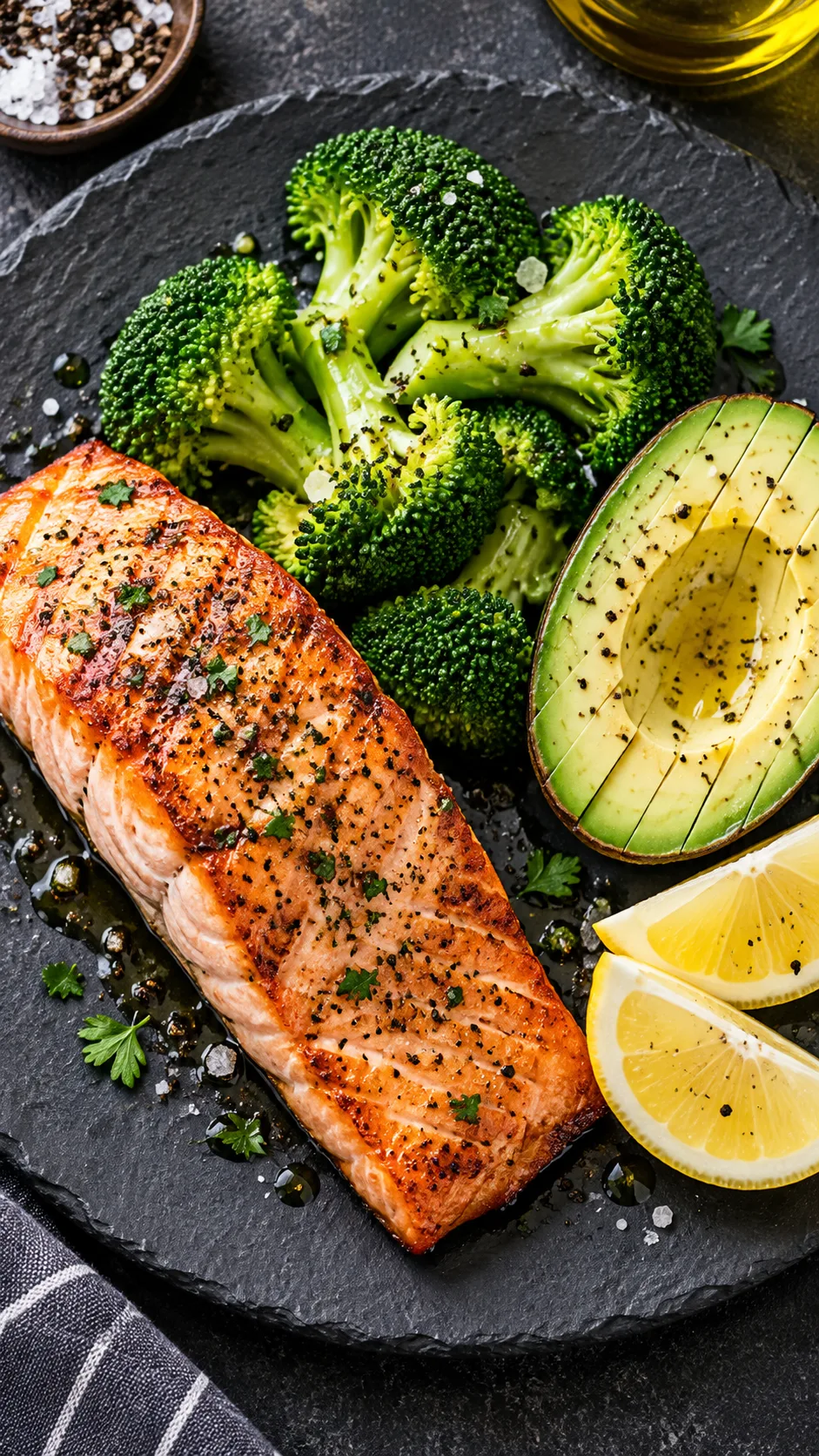
Why do diets fail? Diets fail when emotional relationships with food remain unaddressed. The Banting movement marketed the Green List as unconditional food freedom. For someone who spent decades suffering through restricted diets of dry chicken breast and tasteless rice cakes, the Green List sounds like paradise.
Unfortunately, that concept of freedom easily morphs into an excuse for overeating. Ask yourself these honest questions:
- Do you eat fat-heavy snacks because your body demands biological fuel, or because you feel bored?
- Do you slather butter over your vegetables to make them palatable, or to satisfy an emotional craving for richness?
- Do you stop eating when your stomach feels comfortable, or when you physically cannot swallow another bite?
Emotional binging on ribeye steak and macadamia nuts remains emotional binging. Your liver processes excess energy identically, whether that energy enters your mouth as refined donuts or roasted pork crackling. Real freedom means mastering your hunger cues, not discovering clever ways to overeat without eating bread.
The 5 golden rules the Green List forgot to print
The original authors designed the Banting Green List to simplify healthy eating, but simplicity often breeds misunderstanding. Print these five rules, tape them to your refrigerator, and read them before you prepare your next meal:
- Eat Fat for Satiety, Not as a Sport: Fat is a lever, not a target. Use natural fats to make your proteins and vegetables flavorful and satisfying. Never drink butter or swallow spoonfuls of coconut oil to hit arbitrary macro targets.
- Prioritize Protein Over Added Fats: High-quality protein keeps you full longer than pure fats while protecting your lean muscle mass. Build your plate around salmon, eggs, pasture-raised beef, or poultry first. Add green vegetables second, and use fats strictly for cooking or seasoning.
- Treat Nuts and Dairy as Condiments: Never treat cheese and nuts as the main event. Measure your nuts in small ramekins instead of eating from bulk bags. Grate hard cheese over your salad instead of slicing off quarter-pound blocks for an afternoon snack.
- Respect the Stop Signal: The Green List allows you to eat until satisfied, not until stuffed. Put your fork down when you no longer feel hunger. Wait twenty minutes before deciding on seconds; your brain requires time to process gut hormones like peptide YY and cholecystokinin.
- Track Your Intake When the Scale Stalls: If your weight stalls for more than three consecutive weeks, discard the unlimited myth. Log your daily food intake into a tracker for three days. You will almost certainly uncover 600 hidden calories coming from cooking oils, heavy cream, and mindless snacking.
Many people who struggle with insulin resistance find success by pairing these rules with blood-sugar frameworks found in a structured prediabetic diet meal plan. Stable blood sugar eliminates the frantic cravings that tempt you into overeating Banting-approved snacks in the first place.
How to construct the Banting plate
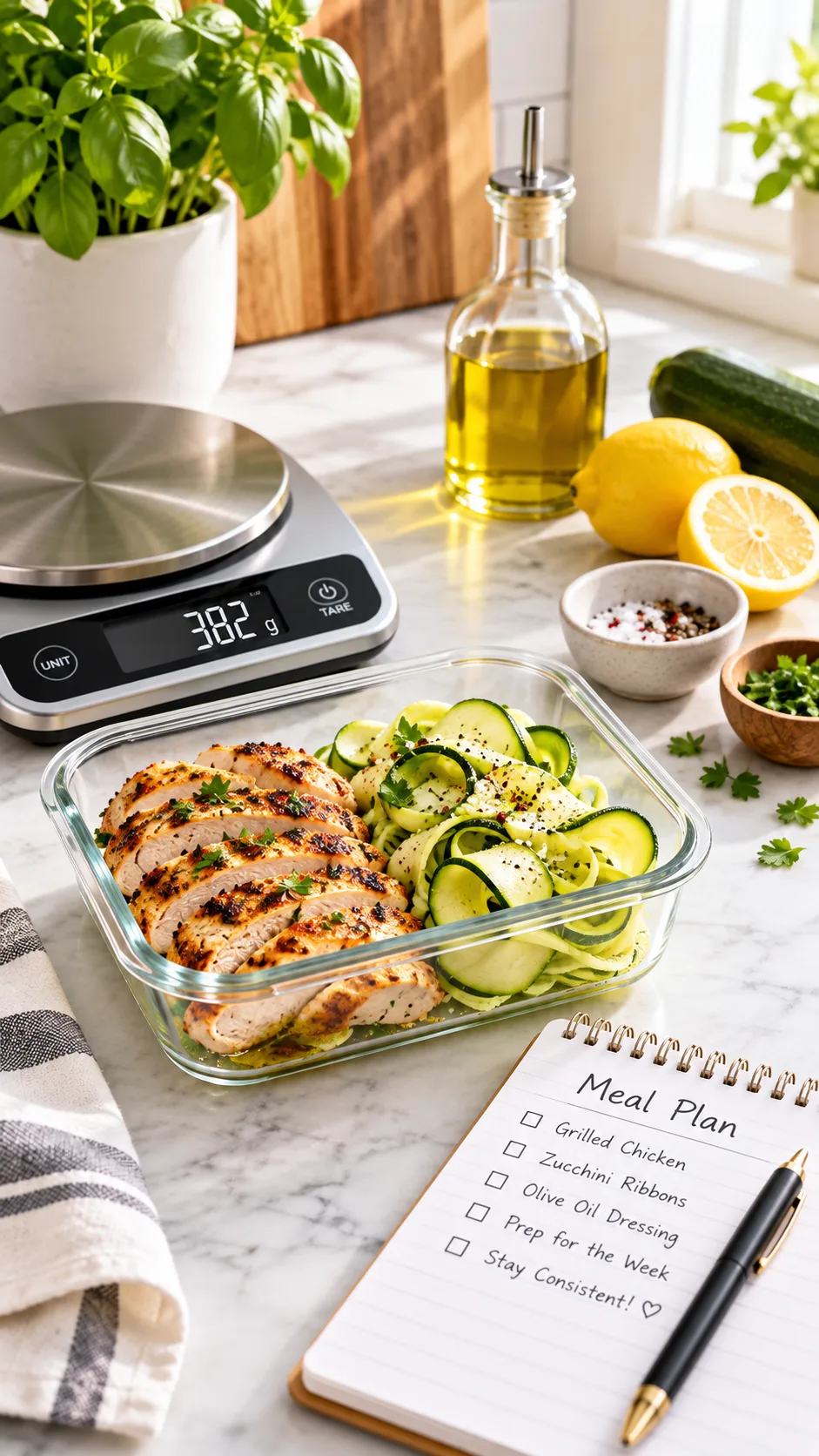
How should your plate look on a Tuesday night? Stop guessing and start designing meals that align with human physiology. Nutrition resources like Diet Doctor suggest visual plate structures that strip away confusion.
Ditch the macro calculators for a moment and look at your dinner plate. Divide that circular surface into three distinct zones:
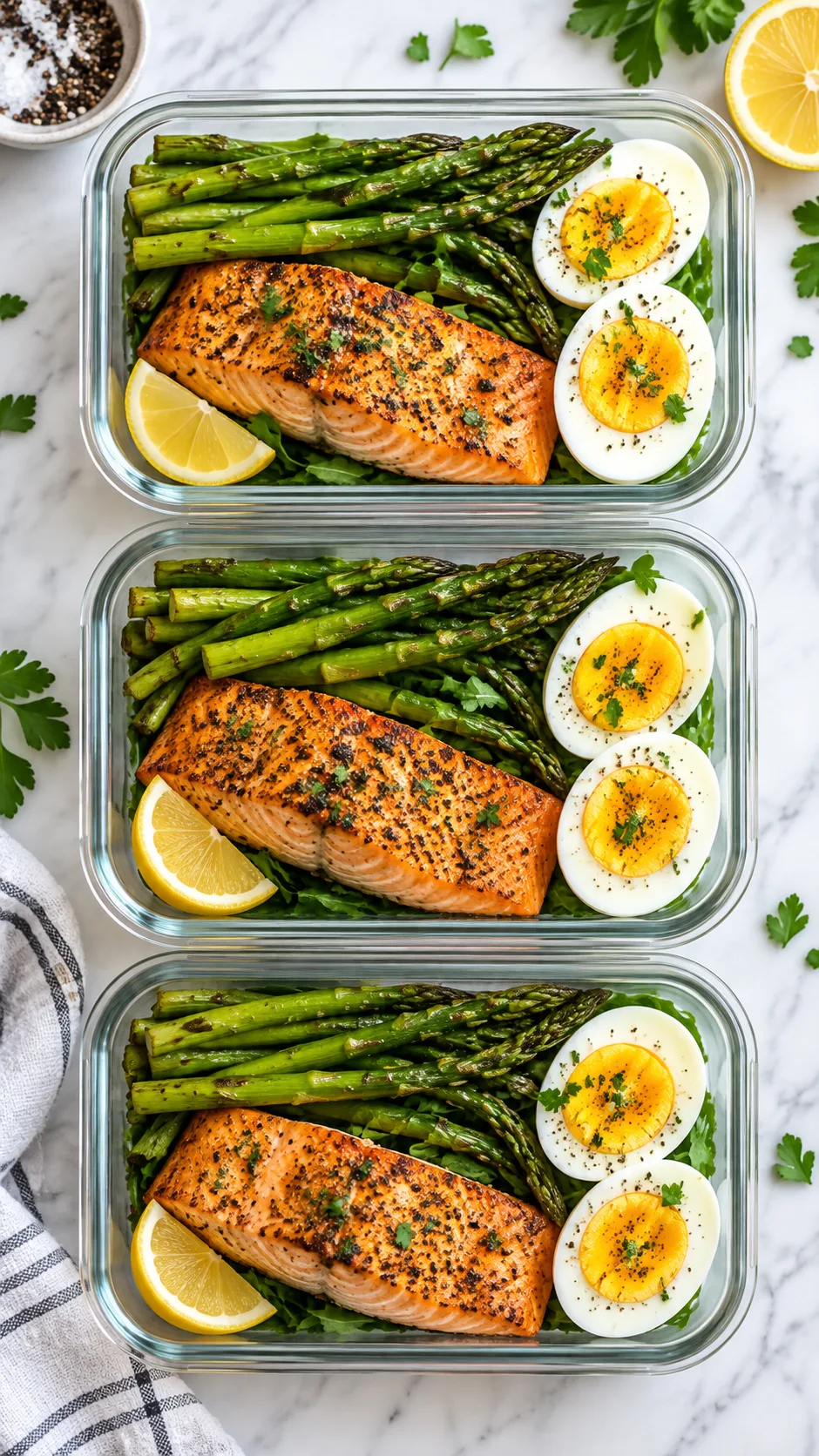
Zone 1: The Protein Anchor (Roughly One-Third of the Plate). Choose a palm-sized portion of dense protein. Think wild-caught fish, pasture-raised eggs, skin-on chicken thighs, or grass-fed minced beef. This provides your essential amino acids and micronutrients.
Zone 2: The Green Bulk (Roughly Half of the Plate). Fill half of your plate with low-carbohydrate vegetables. Spinach, kale, Swiss chard, asparagus, broccoli, zucchini, and cauliflower reign supreme here. They supply potassium, magnesium, and dietary fiber without spiking your blood glucose.
Zone 3: The Fat Accent (The Remaining Space). Never drown the plate in grease. Add a tablespoon of extra-virgin olive oil over your greens, half an avocado, or a knob of grass-fed butter melting over your steak. Whole-food fat sources always beat isolated oils because whole foods carry intact fiber and micronutrients.
Sample 3-day course-correction meal plan
Did you fall into the beginner’s trap over the past few weeks? Hit the reset button with this realistic three-day meal framework designed to drop excess water weight and restore proper satiety cues:
Day 1
- Breakfast: Two whole eggs scrambled in one teaspoon of butter with a massive handful of baby spinach and sliced mushrooms. Black coffee or tea.
- Lunch: Canned wild tuna mixed with one tablespoon of olive-oil mayonnaise, diced celery, and sea salt, served inside fresh romaine lettuce boats.
- Dinner: Grilled chicken breast with the skin on, roasted zucchini rounds, and a crisp garden salad drizzled with extra-virgin olive oil and apple cider vinegar.
Day 2
- Breakfast: Skip breakfast if you feel full, or eat three boiled eggs with sea salt and black pepper.
- Lunch: Leftover grilled chicken from Day 1 paired with steamed broccoli florets tossed in garlic and lemon juice.
- Dinner: 200g of pan-seared grass-fed ground beef cooked with onions and leafy green cabbage strips as a pasta replacement.
Day 3
- Breakfast: An omelet containing two eggs, one ounce of crumbled feta cheese, and chopped bell peppers.
- Lunch: A massive Cobb salad: chopped romaine, leftover ground beef or sliced chicken, half an avocado, one hard-boiled egg, and a light olive oil vinaigrette.
- Dinner: Baked salmon fillet served over a mountain of cauliflower rice sautéed with fresh herbs and a modest splash of coconut cream.
Frequently asked questions about the Banting Green List
Can I eat as much bacon as I want on Banting?
No. Commercial bacon often contains added sugars and nitrates. More importantly, bacon offers low satiety per calorie compared to whole pork cuts, steaks, or fish. Treat bacon as an accent or occasional breakfast side, not your primary protein source.
Why did my cholesterol jump after starting Banting?
When your body burns stored adipose tissue rapidly, your liver mobilizes cholesterol through low-density lipoproteins (LDL) to transport energy throughout your system. However, excessive consumption of isolated saturated fats like bulletproof coffee can push your ApoB and LDL particle counts into territory that concerns cardiovascular specialists. Focus on monounsaturated fats like extra virgin olive oil and avocado alongside your whole animal proteins.
Can I drink alcohol on the Green List?
The Green List strictly excludes alcohol. Dry wines and clear spirits appear on the Orange List (exercise extreme caution) or Red List (avoid entirely). Your liver prioritizes ethanol metabolism above all else. When you sip a glass of dry red wine, your body immediately halts fat oxidation until your system clears every milligram of alcohol.
How many carbs should I eat daily on Banting?
The Real Meal Revolution categorizes Banting into distinct phases. For active weight loss, aim for under 50 grams of total carbohydrates daily. Some individuals with severe insulin resistance drop that threshold to under 25 grams of net carbohydrates to achieve consistent fat loss.
Escape the trap and take control
The Banting diet provides a reliable roadmap for escaping sugar addiction, stabilizing runaway blood glucose, and reclaiming metabolic health. Professor Tim Noakes challenged outdated low-fat dogma with bold research. But the Green List is a compass, not an all-you-can-eat buffet coupon.
Stop drinking melted butter. Stop inhaling giant bags of macadamia nuts while binge-watching your favorite shows. Respect the energy density of real fats, prioritize whole proteins, load your plate with dark green vegetables, and listen to your body’s innate fullness cues.
Now that you recognize the hidden traps behind the Green List, take an honest look at your current plate. Adjust your portions, drop the liquid fat drinks, and watch your stalled fat loss restart.