

You bought the steak, cleared the pantry, and told yourself you would finally “eat clean.” Then day three arrives. Your head pounds, your legs feel strange, and you start wondering whether bacon turned against you. Welcome to the first 30 days on the carnivore diet.
A carnivore diet looks simple: meat, eggs, seafood, and sometimes dairy. That simplicity can fool beginners into avoidable mistakes. Most early carnivore diet problems come down to electrolytes, food choices, unrealistic expectations, or brushing off your body’s feedback.
You do not need to grit your teeth through the transition or make ribeye your whole personality. You need a reasonable plan, some patience, and enough salt to stop your brain from filing a formal complaint.

Why the first 30 days on carnivore feel so different

Your body burns carbohydrates for quick fuel when you eat a standard diet. When you cut out bread, fruit, pasta, sweets, and most vegetables, your body begins relying more on fat and ketones for energy. That change takes time.
Many beginners call every rough symptom “keto flu” and try to push through it. That label can cover several problems: low sodium, dehydration, too few calories, digestive shifts, or medication effects. You deserve more useful advice than “just suffer.”
During the first month, pay attention to hunger, sleep, digestion, mood, and energy on a very low carb diet built around animal foods. Treat the month as a period for observation, not a contest in suffering. One person may feel good in week one while another feels wiped out. Their previous diet, health history, stress, sleep, activity, and food choices can all shape that experience.
If you manage diabetes, kidney disease, gout, high blood pressure, heart disease, or an eating disorder, talk with a qualified clinician before you start. People who use insulin, sulfonylureas, blood pressure drugs, or diuretics need medical guidance because a sharp carbohydrate drop can quickly change their medication needs. The National Institute of Diabetes and Digestive and Kidney Diseases explains low blood glucose risks, and you should take those risks seriously.
Mistake #1: Cutting carbs without replacing electrolytes
This mistake drives many early carnivore diet complaints. When insulin drops, your kidneys often release more sodium and water. You may lose several pounds quickly, but water accounts for much of that first drop, not sudden fat loss.
That fluid loss can cause headaches, dizziness, fatigue, muscle cramps, constipation, heart palpitations, or the foggy feeling of forgetting why you opened the fridge. You may not need a pep talk. You may need fluids and sodium.
Build an electrolyte routine
Salt your food generously enough that it tastes good, especially during the first few weeks. Drink when you feel thirsty. Consider a sugar free electrolyte product if you sweat heavily, train hard, work outside, or keep noticing the same symptoms. Ask your clinician first if you follow a sodium restriction or take blood pressure medication.
- Salt meals consistently: Do not depend on the occasional pinch of salt.
- Drink water through the day: Do not force down gallons because someone online owns a giant jug.
- Watch for symptoms: Lightheadedness and cramps can tell you something useful.
- Consider magnesium: Some people use it for cramps or constipation, but ask a healthcare professional if you take medication.
The American Heart Association recommends sodium limits for many people, especially people with high blood pressure. Do not treat “more salt” as a rule for everyone. Your health history matters more than advice from a shirtless influencer holding a cutting board.
Mistake #2: Eating too little because you want fast weight loss
Beginners often view carnivore as a fast route to fat loss. They skip breakfast, eat a tiny chicken breast for dinner, feel awful, and blame the diet. That approach creates such a steep calorie deficit that fatigue, cravings, poor sleep, and rebound eating often follow.
Eat enough at meals to feel satisfied, especially while your body adapts. You can change portions later if fat loss stops, but starving yourself rarely helps you stay consistent. Your hunger signals need time to settle after you remove sugary foods and highly palatable snack foods.
Choose animal foods that satisfy you and provide enough fat. Lean meat can fit, but many people feel better with fattier cuts, eggs, salmon, sardines, ground beef, lamb, or added animal fat. If you stalk the kitchen 45 minutes after every meal, put more food on your plate.
A simple first month plate formula
- Start with one and a half to two palm sized portions of meat, fish, or eggs.
- Choose enough fat to keep you comfortably full for several hours.
- Salt to taste and drink water with the meal if you want it.
- Stop when you feel satisfied, before you feel so full that you need a nap on the floor.
- Eat again when genuine hunger returns.
You do not need to count every gram on day one. Still, tracking for a few days can show you whether you eat far too little protein or too few calories. If tracking helps, use it for information instead of turning it into handcuffs.
If you prefer a numbers based approach, our macros diet for beginners guide can explain protein, fat, and calorie basics without making every meal feel like a spreadsheet.
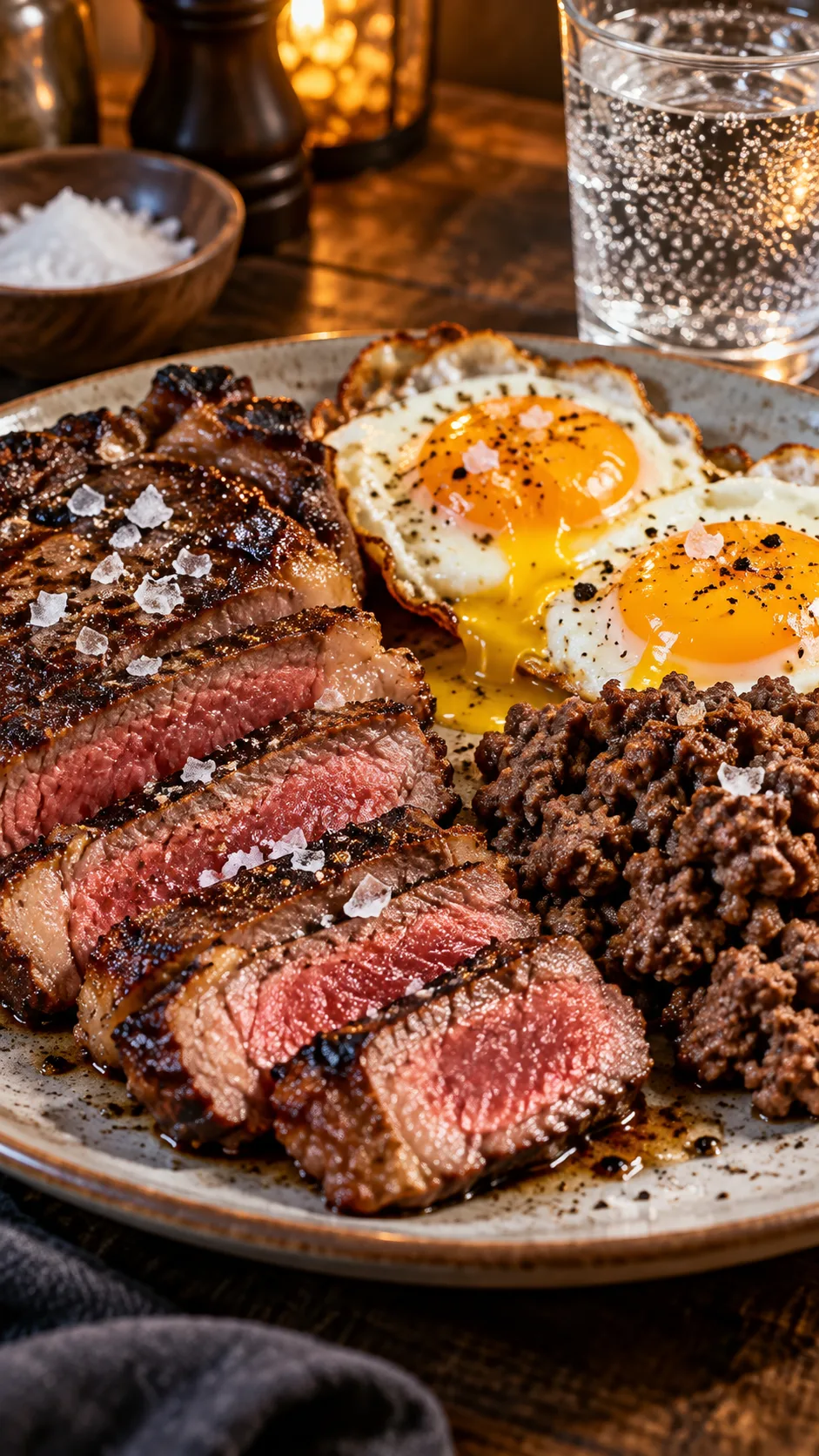
Mistake #3: Living on bacon, cheese, and processed meat
Bacon tastes good. Cheese tastes good. Eating piles of both can send your digestion into a minor rebellion. Beginners often rely on processed meat at every meal because it feels easy, then wonder why they feel thirsty, bloated, or strangely hungry.
Processed meats can fit now and then, but fresh animal foods should make up most of your meals. Build meals around beef, lamb, eggs, poultry, seafood, and minimally processed meat. Different foods bring different nutrients, and some variety can keep you from getting sick of your own menu.
Give seafood a regular place on your carnivore diet food list. Salmon, sardines, mackerel, oysters, mussels, and other seafood provide protein along with omega 3 fats, iodine, selenium, iron, zinc, and vitamin B12. The FDA fish and seafood guidance gives practical advice about species and mercury exposure.
Use a better carnivore grocery list
- Ground beef, chuck roast, steak, short ribs, and beef patties with simple ingredients
- Eggs, if you tolerate them well
- Salmon, sardines, cod, shrimp, mussels, and canned fish in water or olive oil
- Chicken thighs, turkey, pork shoulder, and lamb
- Plain full fat dairy if it agrees with you
- Salt, sparkling water, and unsweetened electrolyte options
Do not panic if you cannot buy grass fed everything. A supermarket steak beats giving up because you waited for a mystical farm raised bison delivery. During your first 30 days, consistency matters more than perfection.
Mistake #4: Adding too much dairy too fast
Dairy can make carnivore eating easier, but it can cause trouble too. Cheese, cream, milk, and yogurt may trigger bloating, loose stools, constipation, acne, cravings, or stalled fat loss for some people. Milk also contains more carbohydrate than many beginners expect.
Keep it simple at first: eat meat, fish, eggs if you tolerate them, and salt. Add dairy later, one type at a time, if you want it. This approach can help you tell whether cheese works for you or pulls you into a “just one more slice” spiral.
Many people tolerate hard cheese and butter better than milk, but your own response matters most. Keep brief notes on symptoms, hunger, skin changes, and digestion. You cannot sort out what bothers you when you change six foods every day.
Mistake #5: Ignoring constipation, diarrhea, or ongoing digestive pain
Your digestion may change when you move from a high fiber diet to carnivore. Some people go to the bathroom less often because their bodies produce less stool. That change alone does not mean you have constipation.
Constipation involves hard stools, straining, pain, or the uncomfortable feeling that nothing moves. Diarrhea, urgent bathroom trips, severe cramping, or ongoing nausea also need attention. You do not need to suffer through misery in the name of gut healing.
How to troubleshoot carnivore diet digestion
First, simplify your meals. Eat fresh meat, eggs if you tolerate them, and enough salt for several days. Then look at your fat intake, dairy intake, meal size, hydration, sleep, and stress.
- Loose stools: Cut back on large amounts of rendered fat, greasy meals, heavy cream, and sugar alcohols.
- Constipation: Review fluids, electrolytes, meal size, movement, and magnesium with professional guidance.
- Bloating: Remove dairy and highly processed meats for a short trial.
- Severe or persistent symptoms: Contact a healthcare professional instead of asking strangers online to diagnose you.
The NIDDK constipation resource explains warning signs and treatment basics. Seek urgent medical care if you have severe abdominal pain, vomiting, black or bloody stools, fainting, chest pain, or signs of dehydration. Common sense comes before any diet rule.
Mistake #6: Expecting every symptom to improve immediately
Some people report steadier energy, fewer cravings, simpler meals, or easier weight management on carnivore. Others feel no better, and some feel worse. Your first month does not promise a dramatic transformation.
Give your body time to adapt, but draw clear lines for yourself. If sleep falls apart, mood drops, training performance stays poor for weeks, or digestive symptoms worsen, reassess. You can change your approach or choose another way of eating without calling it a failure.
Watch trends you can measure instead of judging the diet by one perfect or terrible day. Track your waist measurement, weight trend, energy, sleep, cravings, digestion, and workout performance. Daily scale changes often come from water, sodium, hormones, or food volume rather than overnight fat gain.
Women may notice different scale patterns across the menstrual cycle, which can make carnivore diet progress feel confusing. For a more realistic view, read carnivore diet before and after stories for women. Another person’s result cannot tell you what yours will be.

Mistake #7: Treating the carnivore diet like a forever rulebook
Some people do well on a strict animal based approach. Others use carnivore as a short term elimination diet to identify foods that bother them, then bring back selected foods later. Both approaches can make sense when you pay attention and get qualified support when you need it.
Rigid thinking creates stress you do not need. If you eat a bite of onion at a restaurant, you did not ruin ketosis forever or fail a moral test. You ate a bite of onion. Move on.
Think about long term health markers too. Ask your clinician about blood pressure, kidney function, glucose markers, uric acid if gout runs in your family or affects you, and a lipid panel. Some people see a large rise in LDL cholesterol on very low carb diets, especially when they lose weight quickly or eat a lot of saturated fat.
Do not dismiss that result because a comment section calls cholesterol irrelevant. Review the full picture with your clinician, and read our guide to diet mistakes that can keep LDL high for practical context. Use data, not dogma.
Mistake #8: Forgetting sleep, stress, and movement
You cannot fix terrible sleep with more steak. Short sleep can increase hunger, slow training recovery, shorten your patience, and make every snack aisle feel like a hostage negotiation. Your food plan works better when the rest of your life supports it.
Keep movement simple during the transition. Walk every day, keep lifting if you already lift, and do not suddenly start a punishing workout plan while your energy moves up and down. Your body already has plenty to adjust to with a new fuel source.
Stress can also change hunger, digestion, and cravings. Build a plain routine that works: a consistent bedtime, regular meals, daylight, hydration, and some movement. Simple routines often do the job.
A smarter first 30 day carnivore diet plan
You do not need complicated recipes or expensive supplements to begin. You need meals you can repeat, enough food, basic awareness of symptoms, and a willingness to make small changes. Use this practical framework.
- Week 1: Focus on simple animal foods, salt, water, and enough food. Expect some changes in energy.
- Week 2: Keep meals consistent and watch hunger, digestion, sleep, and cravings. Do not add lots of dairy and “carnivore treats.”
- Week 3: Bring in variety through seafood, different cuts of meat, and eggs if you tolerate them. Keep processed meat occasional.
- Week 4: Review your notes. Decide what helps, what causes problems, and what you want to change next.
Take photos or measurements once a week at most if body composition matters to you. Notice how your clothes fit, how you sleep, and whether you feel steadier between meals. A routine you can maintain beats a dramatic 10 day sprint.
Final thoughts: Make the diet work for you
The worst carnivore diet mistakes rarely come from one imperfect meal. Beginners often struggle because they eat too little, neglect electrolytes, rely on processed food, go overboard with dairy, ignore symptoms, or expect instant results.
Start simply, eat enough, use salt thoughtfully, pay attention to how you feel, and involve a clinician if you manage a medical condition or take medication. Let your body give you feedback rather than forcing it to follow rules from the internet.
The carnivore diet should make life easier, not turn dinner into a courtroom drama. Keep what helps, question what does not, and remember: the best diet only works if you can live with it.