

Your stomach just staged a revolt. Maybe it was that questionable roadside suya, maybe a stomach bug hitched a ride home from your kid’s daycare, or maybe your gut simply decided today was the day. Whatever the reason, you’re now googling food advice from the bathroom floor. Been there.
The BRAT diet (Bananas, Rice, Applesauce, Toast) has been the go-to “my tummy hates me” menu for decades. But here’s the thing most articles skip: doctors have quietly changed their tune on it. Not because it’s useless, but because people use it wrong and stay on it way too long.
So let’s fix that. This guide walks you through exactly what to eat, what to skip, how long to stick with it, and when you need to stop self-treating and call an actual professional.
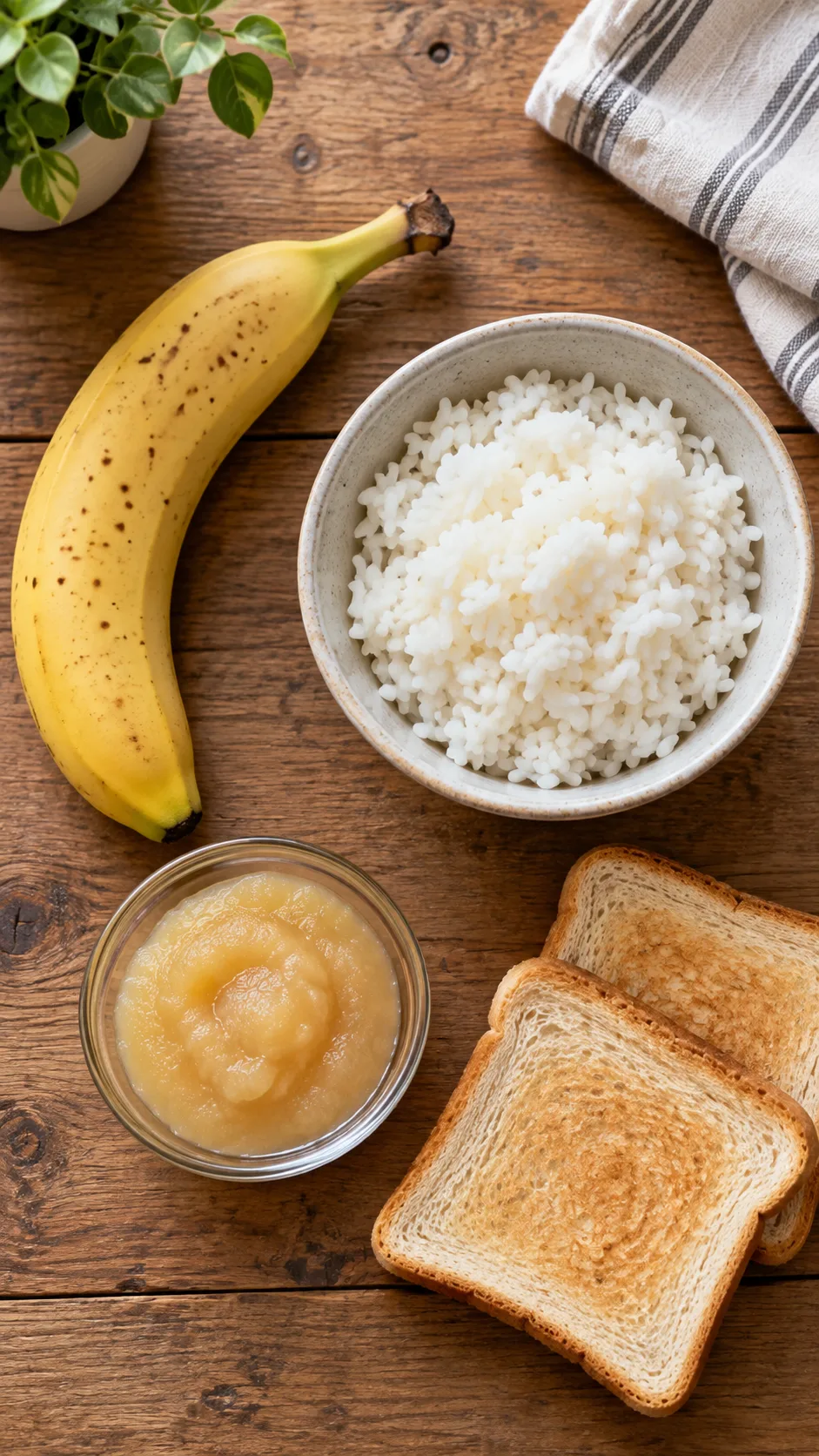
What is the BRAT diet, exactly?
The BRAT diet is a short-term eating plan built around four bland, low fiber foods that digest easily. Pediatricians popularized it in the 20th century for kids battling diarrhea and vomiting, and parents passed it down like a family heirloom.
The logic is refreshingly simple. When your digestive system throws a tantrum, you feed it food that asks almost nothing of it. No fat to break down, no fiber to push through, no spice to irritate, no dairy to ferment.
The four horsemen of the bland apocalypse
- Bananas. They give you potassium, an electrolyte you lose fast during vomiting and diarrhea. They also contain pectin, a soluble fiber that helps firm up stool.
- Rice. Plain white rice, not brown. White rice has the bran stripped out, so it moves through gently and gives you quick, clean energy.
- Applesauce. More pectin, plus it’s already mushed up, so your stomach does less work. Unsweetened only, please.
- Toast. Dry white toast. No butter, no jam, no avocado situation. Just simple carbs that settle a queasy stomach.
Notice a pattern? Every single item is low fiber, low fat, and low drama. That’s the entire philosophy in one sentence.
Why doctors stopped recommending BRAT as a full plan
Here’s where I have to be honest with you, because plenty of blogs won’t. The American Academy of Pediatrics moved away from recommending the BRAT diet as a standalone treatment years ago. Not because bananas turned evil overnight.
The problem? BRAT foods give you almost zero protein, fat, and essential nutrients. If a sick child eats only bananas and toast for four days, that child recovers slower, not faster. Your body needs fuel to repair a damaged gut lining, and toast alone won’t cut it.
Research also flipped the old “rest your bowel” idea on its head. Current guidance from the NHS tells you to return to normal eating as soon as you can stomach it, because food helps your intestinal cells heal.
So should you ignore BRAT completely?
Absolutely not. IMO the BRAT diet still earns its place, as a bridge, not a destination. Use it for the first 24 to 48 hours when the thought of real food makes you gag. Then move on.
Think of it like crutches after an ankle sprain. Helpful at first, harmful if you’re still using them in month three.

The upgraded BRAT diet: what to actually eat
Nutritionists often stretch the acronym into BRATTY (adding Tea and Yogurt) or BRATY. But why stop there? Here’s a genuinely useful list of stomach-friendly foods that go beyond four sad ingredients.
Phase 1: the first 12 to 24 hours (liquids first)
When vomiting hits hard, food is not your friend yet. Hydration takes priority, because dehydration causes far more hospital visits than the original bug ever does.
- Oral rehydration solution (ORS). The gold standard. Pedialyte, or the WHO formula, beats plain water because it replaces sodium and potassium too.
- Clear broths. Chicken or vegetable, strained, lightly salted.
- Weak tea. Ginger or peppermint tea calms nausea beautifully.
- Diluted apple juice. Research shows half-strength apple juice works well for mildly dehydrated kids.
- Ice chips. Sip slowly. Chugging triggers another round of vomiting.
Golden rule: small sips every 5 to 10 minutes. Your stomach handles a teaspoon far better than a tumbler.
Phase 2: day 1 to 2 (classic BRAT and friends)
Once you keep liquids down for a few hours, start nibbling. Keep portions tiny: two bites, then wait.
- Ripe bananas
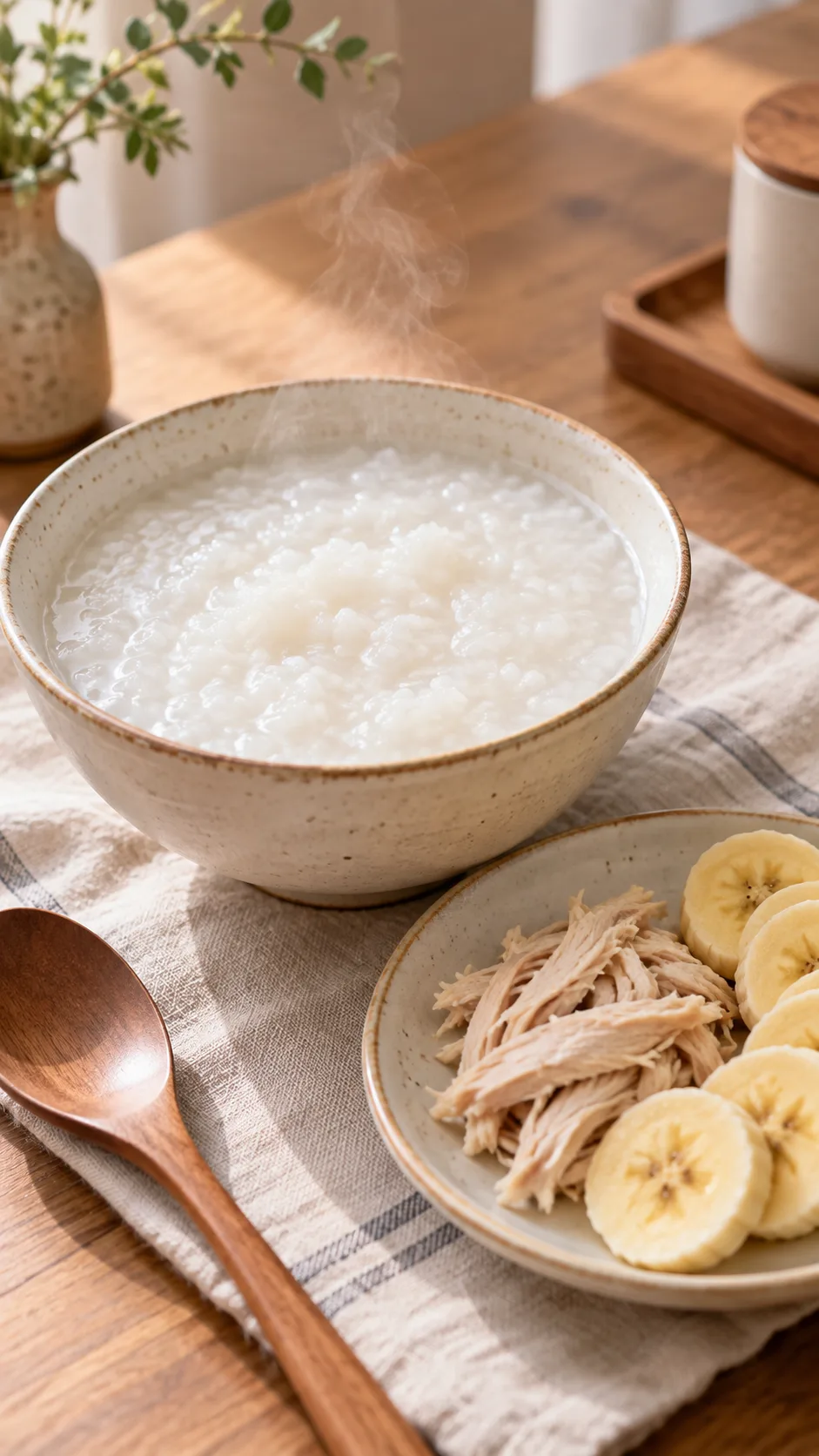
- Plain white rice or rice porridge (congee is a gift from heaven here)
- Unsweetened applesauce
- Dry white toast or plain crackers
- Plain boiled potatoes, no skin
- Plain pasta or noodles
- Soda crackers / saltines
- Cream of rice or plain oatmeal (thin it out)
Phase 3: day 2 to 4 (reintroducing real food)
This is the phase everyone botches. You feel 70% better, so you order jollof with extra pepper and spend the night regretting every decision. Don’t be that person.
- Lean protein. Skinless boiled or baked chicken, white fish, scrambled eggs.
- Plain yogurt with live cultures. Probiotics help restore the gut bacteria you flushed away.
- Cooked, peeled vegetables. Carrots, zucchini, pumpkin, green beans.
- Soft fruits. Melon, peeled peaches, cooked pears.
- Clear soups with soft noodles. Comfort and nutrition in one bowl.
Foods that will absolutely betray you
Your gut lining is basically a raw scrape right now. These foods pour salt on it.
- Fried and fatty foods. Fat slows gastric emptying and triggers nausea. That plantain and fried chicken can wait.
- Dairy (mostly). Stomach bugs temporarily wipe out lactase enzymes. Milk suddenly causes bloating and cramping. Plain yogurt is the exception because its cultures pre-digest the lactose.
- Spicy food. Capsaicin irritates an already inflamed gut. Obvious, yet people still try.
- Caffeine. Coffee stimulates gut motility. You do NOT need more motility.
- Alcohol. It dehydrates you and irritates the stomach lining. Double penalty.
- High fiber foods. Beans, raw vegetables, whole grains, nuts. Save them for next week.
- Sugary drinks and sodas. High sugar pulls water INTO your intestines through osmosis and worsens diarrhea.
- Artificial sweeteners. Sorbitol and mannitol act as laxatives. Check your sugar-free gum.
Ever wondered why that “healthy” green smoothie makes things worse? Raw fiber plus a wounded gut equals chaos. Cooked and peeled beats raw and rustic every single time during recovery.
My own run-in with a rogue stomach
A couple of years ago I caught what I assume was norovirus at a wedding. I spent 36 hours convinced I had offended my ancestors. The first day, water alone came straight back up.
What finally worked? Tiny sips of oral rehydration salts every ten minutes, then rice congee on day two. On day three I got cocky, ate a plate of pepper soup, and paid for it dramatically.
Lesson learned: your recovery timeline is not a negotiation. Reintroduce food slowly, and let mild foods carry you longer than you think you need. My gut took a full week to feel normal.
The BRAT diet for kids: handle with care
Parents, this section matters. Children dehydrate much faster than adults, and their nutritional needs don’t pause because they’re sick.
What pediatricians recommend now
- Oral rehydration solution first. Not sports drinks. Those have too much sugar and not enough sodium.
- Return to a normal, age-appropriate diet within 24 hours. Bland leaning, but not BRAT only.
- Keep breastfeeding or formula going. Never stop breastfeeding during a stomach bug. Breast milk hydrates and delivers antibodies.
- Avoid anti-diarrheal medication in young kids unless a doctor specifically prescribes it.
The CDC also pushes handwashing with soap, because alcohol sanitizer barely touches norovirus. FYI, that’s why one sick kid infects an entire household in 48 hours.

How long should you stay on the BRAT diet?
Maximum 48 hours. Full stop. Beyond that, you risk nutrient gaps, muscle loss, and a slower gut recovery.
Here’s a simple timeline that works for most people:
- Hours 0 to 12: Clear fluids only, small and frequent.
- Hours 12 to 24: Add BRAT foods in tiny portions.
- Day 2: Expand to potatoes, pasta, plain oatmeal, broth-based soups.
- Day 3: Introduce lean protein, plain yogurt, cooked vegetables.
- Day 4 to 5: Return to normal meals, holding off on very spicy, greasy, or high fiber foods.
If your symptoms persist past day three with no improvement, stop experimenting with food and see a doctor.
Red flags: when to stop self-treating and call a doctor
The BRAT diet handles garden-variety stomach bugs and mild food poisoning. It does nothing for serious conditions. Get medical help immediately if you notice:
- Blood in vomit or stool, or black tarry stools
- High fever above 102°F / 39°C
- Signs of severe dehydration such as no urination for 8+ hours, dizziness, sunken eyes, extreme lethargy
- Severe or localized abdominal pain, especially lower right side
- Vomiting that lasts more than 24 hours in adults, or 12 hours in young children
- Diarrhea lasting more than 3 days
- Confusion, rapid heartbeat, or fainting
Mayo Clinic lists these as clear warning signs, and I’d rather you overreact than tough out appendicitis with applesauce.
What about chronic gut issues?
Here’s an important distinction. The BRAT diet treats acute stomach upset: a bug, food poisoning, one bad night. It does not solve ongoing digestive trouble.
If you deal with bloating, cramping, or unpredictable bathroom trips several times a month, something structural is happening. IBS, food intolerances, and small intestinal bacterial overgrowth all need different approaches.
For those situations, a structured elimination approach works far better. Our guide to the Low FODMAP diet for beginners breaks down which specific carbohydrates trigger symptoms and how to reintroduce foods systematically. That’s a real solution, not a two-day patch.
Rebuilding your gut after the storm
Once you’re eating normally again, give your microbiome some love. A stomach bug wipes out beneficial bacteria along with the bad guys.
- Probiotic foods. Plain yogurt, kefir, fermented vegetables (introduce slowly)
- Prebiotic fiber. Oats, bananas, cooked onions and garlic once tolerance returns
- Steady hydration. Keep drinking well past the point symptoms stop
- Regular, balanced meals. Your gut loves predictability
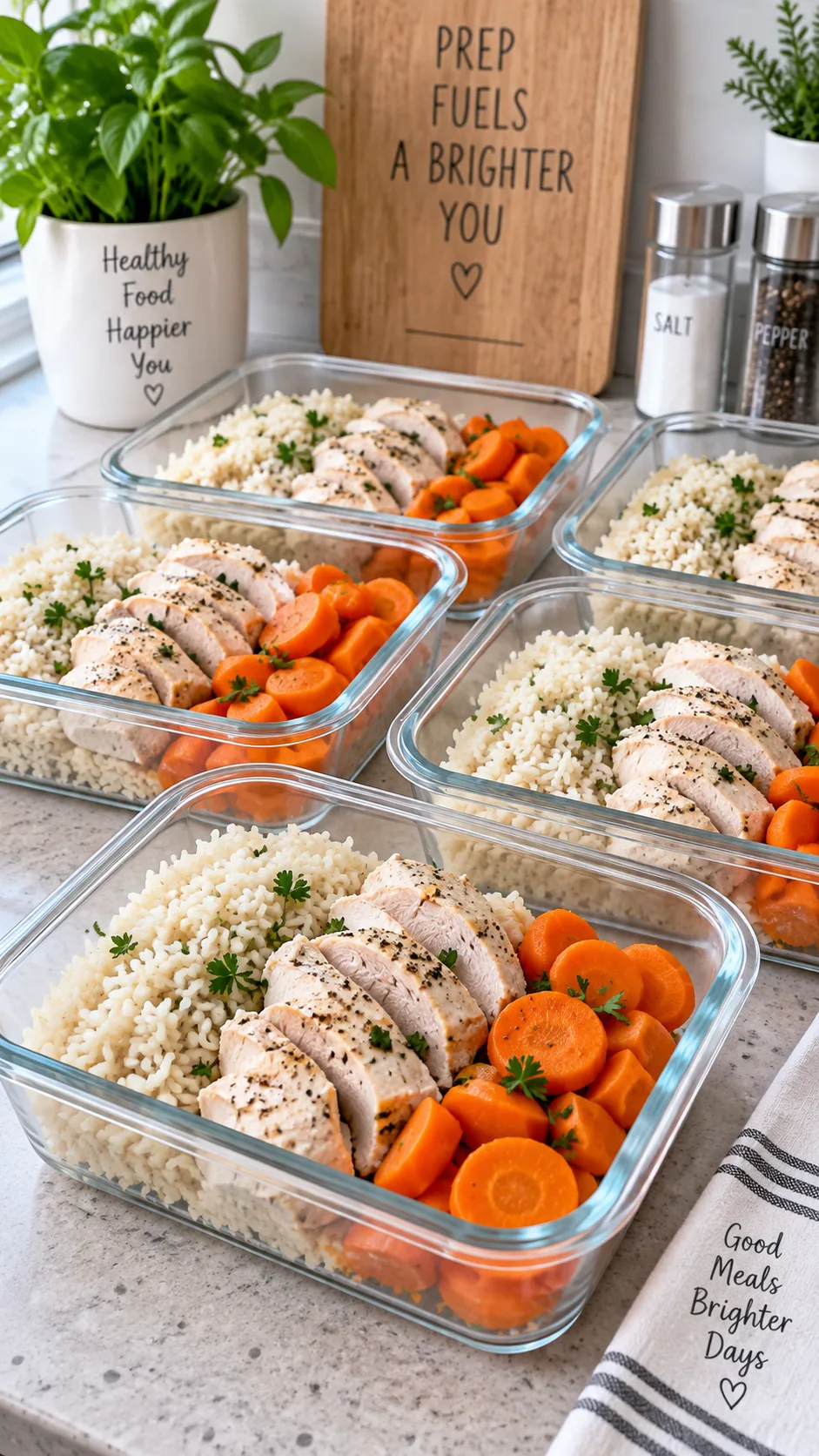
Planning helps enormously here. Having gentle, ready-made options in the fridge stops you from grabbing greasy takeout when energy is low. These easy meal prep ideas make the transition back to normal eating far less painful.
Smart swaps and pro tips most people miss
1. Room temperature beats cold
Ice-cold drinks can trigger stomach cramping. Lukewarm liquids go down easier and absorb faster.
2. Salt matters more than you think
Plain water alone can dilute your sodium levels when you’re losing fluids rapidly. Broth, salted crackers, or proper ORS fix that.
3. Rice water is underrated
Boil rice with extra water, strain the starchy liquid, add a pinch of salt. Cultures worldwide have used this for centuries, and it genuinely helps bind stool.
4. Ginger really does work
Multiple clinical trials back ginger for nausea relief. Grate fresh ginger into hot water, steep 5 minutes, sip slowly.
5. Don’t force food
If your body refuses food on day one, that’s fine. Hydration is non-negotiable; solid food is optional for the first 24 hours.
6. Ease back into exercise
Your body just spent days fighting an infection and running on fumes. Wait until you eat normally for two full days before training again, and even then, start light. Jumping straight back into heavy sessions is one of the classic beginner gym mistakes that stalls progress and invites injury.
Quick reference: BRAT diet cheat sheet
- Best for: Stomach flu, mild food poisoning, post-vomiting recovery, nausea
- Duration: 24 to 48 hours maximum
- Priority #1: Fluids and electrolytes, always
- Eat: Bananas, white rice, applesauce, toast, crackers, potatoes, broth, plain yogurt
- Avoid: Dairy, fried food, spice, caffeine, alcohol, high fiber, sugary drinks
- Not for: Chronic digestive disorders, long-term weight loss, or general “detox” nonsense
Final thoughts: be kind to your gut
The BRAT diet isn’t magic, and it isn’t a cure. It’s a gentle landing pad for a stomach that needs a break. Use it for a day or two, put fluids above everything, then get real nutrition back on the plate as quickly as your body allows.
The biggest mistake I see? People either stay on bananas and toast for a week and end up weak and depleted, or they rush back to pepper soup and start the cycle over. Slow and steady genuinely wins this one.
And if something feels seriously wrong (blood, high fever, relentless pain, no urination), close the browser and call a doctor. Your gut is smart, but it’s not a diagnostician.
Save this guide now, before your stomach decides to surprise you at 3 a.m. Future you will send a thank-you note.