

You bought the waist trainer. You did 300 crunches. You drank the tea that made you sprint to the bathroom at 6am. And your belly? Still there, still comfortable, still paying no rent.
I get it. I spent three years believing belly fat needed punishment: fewer calories, more cardio, zero joy. Then I learned something that annoyed me. You lose belly fat faster when you eat MORE of the right things, not less of everything.
This article breaks down what works, why it works, and how to eat in a way you can sustain past Thursday. No detox. No 1,200-calorie misery. No “cleanse” that’s just expensive juice.
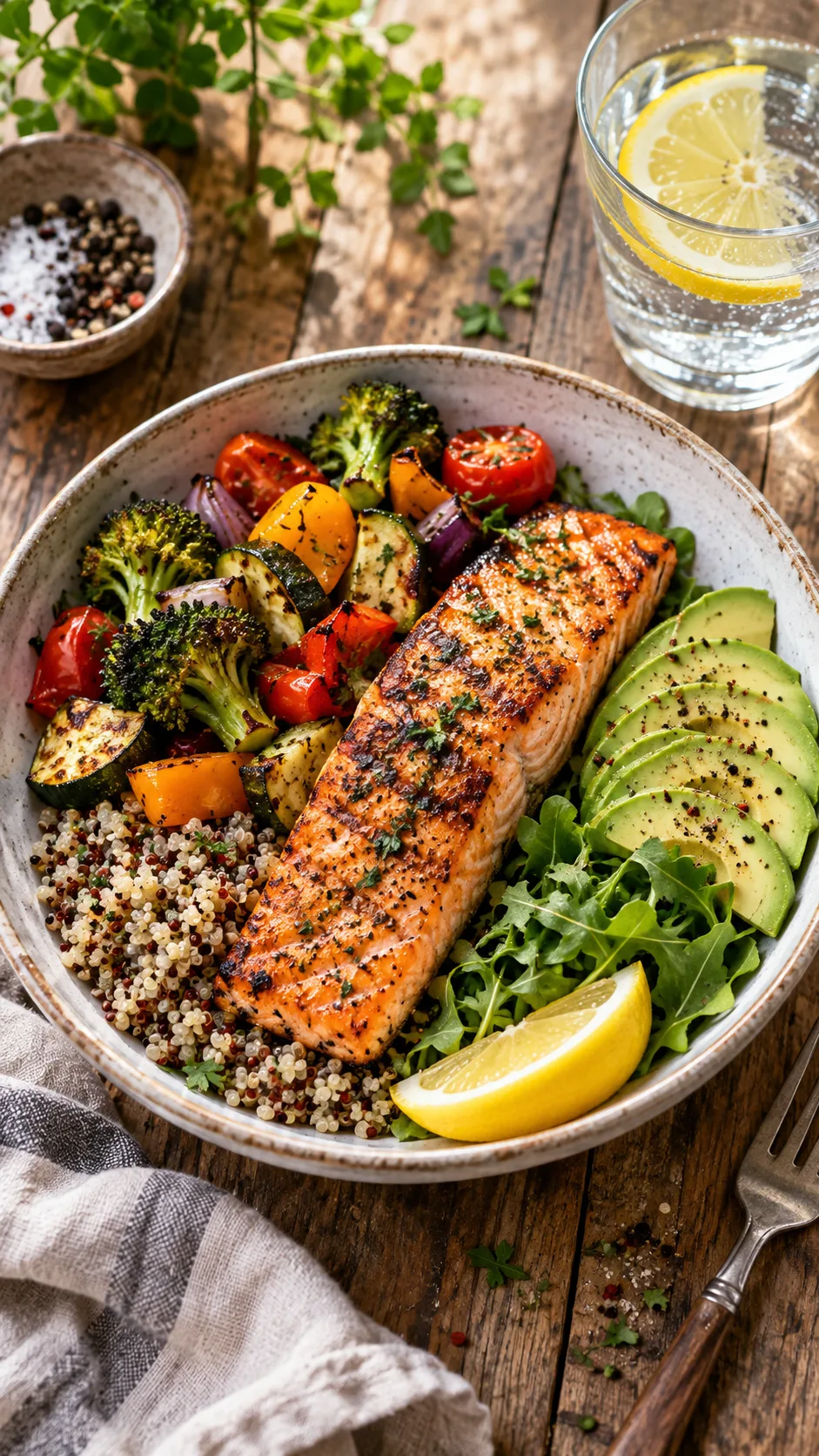
First, let’s kill the biggest belly fat myth
Ready for the bad news? You cannot spot-reduce fat. Not with crunches, not with planks, not with that vibrating belt your uncle bought in 2004.
Your body pulls fat from wherever it feels like, based on genetics and hormones. Belly fat just happens to be the last place many people lose it, which feels like a personal insult. It isn’t. It’s biology.
So what shrinks your midsection? A consistent calorie deficit, enough protein, decent sleep, and managed stress. Boring? Yes. Effective? Extremely.
The two types of belly fat you should know
- Subcutaneous fat: the soft, pinchable layer sitting right under your skin. Annoying, but mostly harmless.
- Visceral fat: the deep stuff wrapped around your organs. This one raises your risk of type 2 diabetes, heart disease, and inflammation.
Here’s the encouraging part: visceral fat responds FAST to dietary changes. The Harvard Health team notes that visceral fat often burns off first when you improve your diet and add movement. So your internal health improves before your jeans do. Not glamorous, but genuinely great news.
Why starving yourself backfires (every single time)
Ever noticed how the people who crash diet the hardest gain it back the fastest? There’s a reason, and it’s not willpower.
When you slash calories too aggressively, your body fights back in three specific ways:
- You lose muscle, not just fat. Less muscle means a slower metabolism, which makes fat loss harder forever.
- Your hunger hormones go feral. Ghrelin spikes, leptin drops, and suddenly you’re negotiating with a bag of crisps at 11pm.
- Cortisol climbs. Chronic stress and severe restriction both raise cortisol, and cortisol loves parking fat right on your abdomen.
That third point is the one nobody warns you about. I learned it the hard way during a very stupid 900-calorie phase where I got puffier despite eating almost nothing. If stress eating and cortisol chaos sound familiar, this cortisol detox diet plan covers the hormonal side in real depth.
The sweet spot is a moderate deficit: roughly 300 to 500 calories below maintenance. Slower on paper, dramatically faster in real life, because you stick to it.
The core of the diet: protein, protein, and more protein
If you only change ONE thing after reading this, change your protein intake. It’s the closest thing to a cheat code that exists in nutrition.
Why protein wins:
- It keeps you full. Protein triggers satiety hormones better than carbs or fat, gram for gram.
- It costs you calories to digest. Your body burns 20 to 30% of protein’s calories just processing it. Carbs? About 5 to 10%. Fat? Around 3%.
- It protects your muscle. In a deficit, protein tells your body “burn fat, leave the biceps alone.”
How much do you really need?
Aim for 1.6 to 2.2 grams of protein per kilogram of body weight if you’re losing fat. For a 70kg person, that’s roughly 110 to 155g daily. Yes, that’s more than most people eat. That’s kind of the point.
Practical translation:
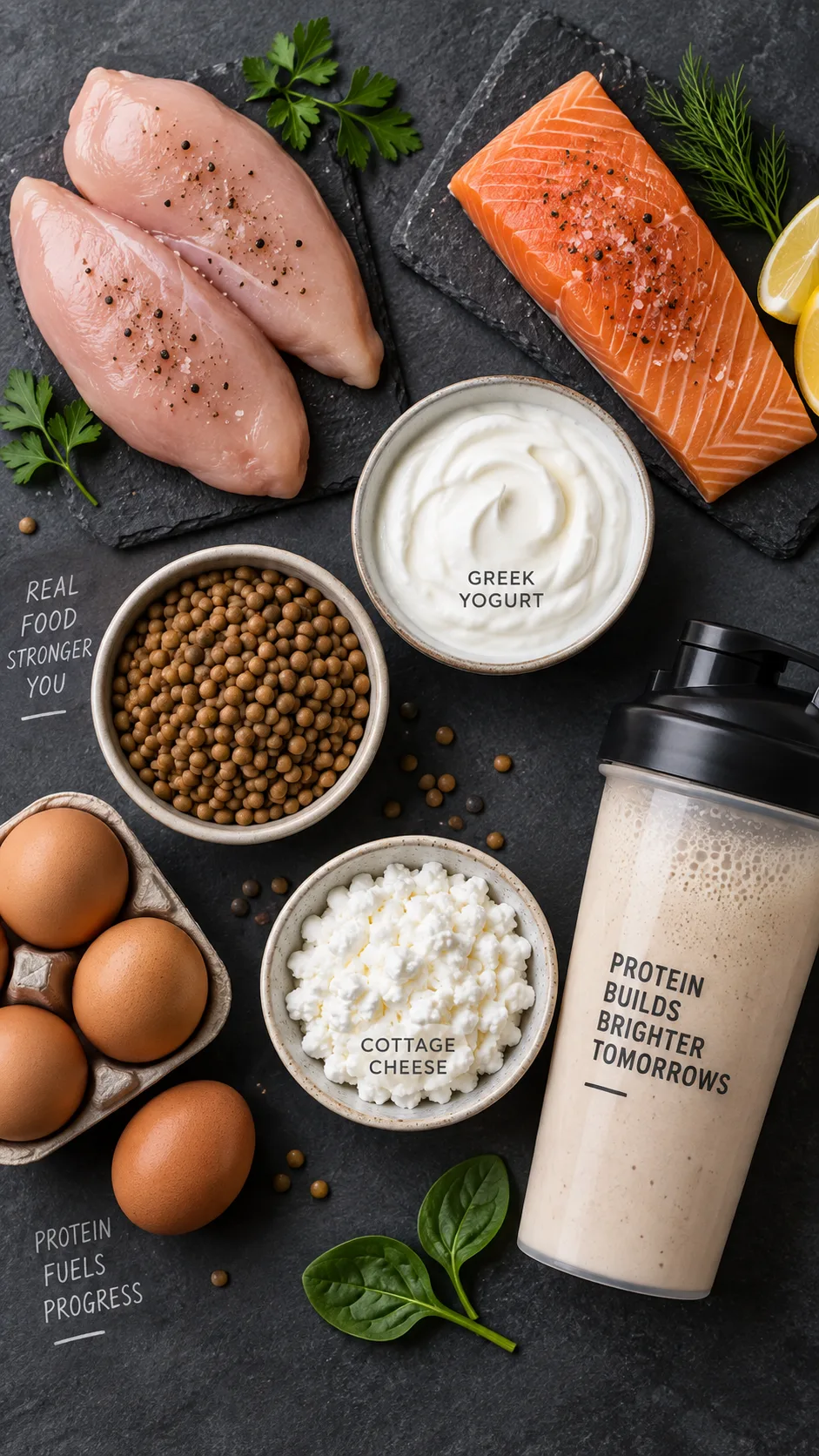
- Large egg: 6g
- Chicken breast (150g): 45g
- Greek yoghurt (200g): 20g
- Tin of tuna: 25g
- Lentils (1 cooked cup): 18g
- Whey scoop: 24g
Spread it across meals rather than dumping 90g into dinner. Roughly 30 to 40g per meal keeps appetite steady all day. Want meal templates and shopping lists? The high protein diet plan lays it out properly.
Fibre: the unsexy hero of belly fat loss
Protein gets all the glory. Fibre does half the work and gets none of the credit. Rude.
Soluble fibre slows digestion, feeds your gut bacteria, and blunts blood sugar spikes. One frequently cited study found that every additional 10g of soluble fibre per day linked to a 3.7% reduction in visceral fat gain over five years. That comes from eating beans, not running marathons.
Fibre targets and top sources
Most adults need 25 to 35g daily. Most adults get about 15g. Let’s fix that:
- Beans and lentils: 7 to 8g per cooked cup. The undisputed champion.
- Chia and flax seeds: 5g per tablespoon. Throw them in yoghurt.
- Avocado: 10g per whole fruit. Fat AND fibre.
- Raspberries and blackberries: 8g per cup.
- Oats: beta-glucan, the soluble fibre that keeps you full for hours.
- Broccoli, Brussels sprouts, artichokes: volume eating with almost no calories.
One warning: ramp up slowly. Going from 15g to 35g overnight will make your digestive system file a formal complaint. :/ Add 5g per week and drink more water.
What about carbs? Do you have to ditch them?
No. Next question.
Okay, slightly longer answer. Carbs don’t cause belly fat. Excess calories do. But the TYPE of carb matters for how full you feel and how stable your energy stays.
Carbs to eat freely
- Oats, quinoa, brown rice, buckwheat
- Sweet potato, regular potato (yes, really: potatoes score top marks on satiety)
- Beans, chickpeas, black-eyed peas
- Whole fruit, all of it
Carbs to keep occasional
- Liquid sugar: soft drinks, juice, fancy coffee drinks. These bypass your fullness signals entirely.
- Ultra-processed snacks: engineered so you physically cannot stop at one.
- Refined baked goods: enjoy them, just don’t build your diet on them.
The strongest evidence against belly fat points at added sugar, especially fructose from sweetened drinks. The World Health Organization recommends keeping free sugars under 10% of daily calories, ideally under 5%. Cutting one daily soda often does more than three extra gym sessions.
That said, low-carb works well for some people, particularly if you struggle with appetite control or insulin resistance. If that’s you, browse how to start a keto diet for beginners before jumping in blind.
A realistic day of eating (no chia pudding required)
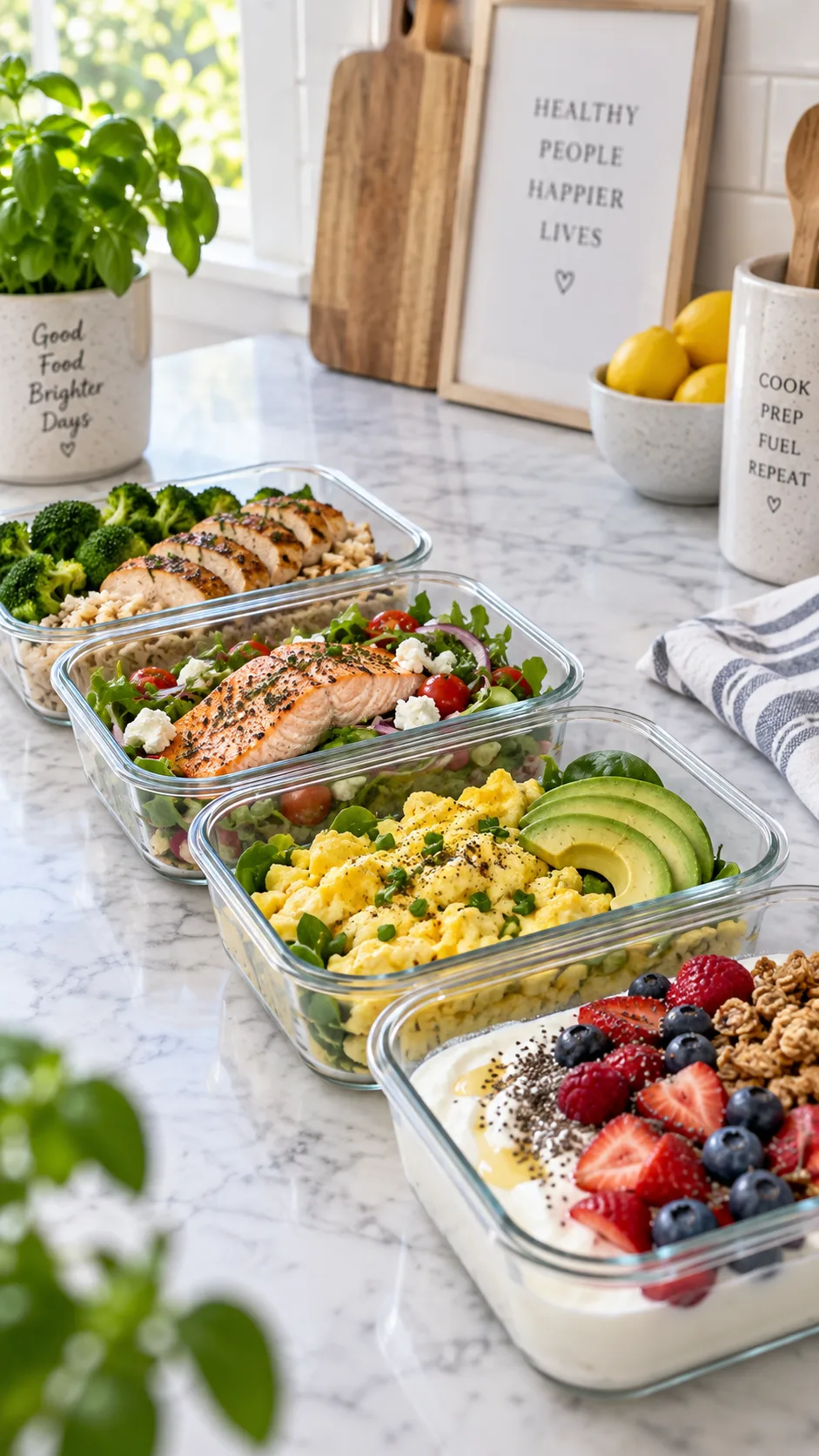
Here’s a template I’ve used and recommended for years. Adjust portions to your size and hunger. This isn’t a prison sentence.
Breakfast: the 30g protein rule
Three eggs scrambled with spinach, a slice of wholegrain toast, half an avocado. Or Greek yoghurt with berries, chia seeds, and a spoon of peanut butter.
Why it matters: a protein-heavy breakfast slashes cravings for the rest of the day. Skip it and you’ll be raiding the office biscuit tin by 10:30.
Lunch: protein plus volume
Grilled chicken or tinned salmon over a big salad, plus a fist-sized portion of quinoa or beans. Dress it properly with olive oil, lemon, and salt. Sad salads cause diet failure.
Snack: planned, not panicked
Cottage cheese with cucumber. A handful of almonds and an apple. A protein shake. Decide in advance, because hungry-you makes terrible decisions.
Dinner: keep it simple
Palm-sized protein, two fistfuls of vegetables, a thumb of healthy fat, moderate starch if you trained that day. Season aggressively. Bland food is the number one reason diets die.
The three non-diet factors that decide everything
You can eat perfectly and still hold belly fat if you ignore these. I’m not being dramatic. The research is pretty blunt about it.
1. Sleep (the one you’re definitely neglecting)
Sleep under 6 hours and your ghrelin rises, leptin falls, and insulin sensitivity tanks. One well-known trial found that dieters who slept 5.5 hours lost 55% less fat and significantly more muscle than those sleeping 8.5 hours, on identical diets.
Same food, wildly different results. Sleep is a fat loss intervention, not a luxury.
2. Stress and cortisol
Chronically elevated cortisol drives fat storage toward your abdomen specifically. It also makes you crave high-calorie comfort food, because your body thinks you’re being chased by something.
Walks, weights, breathing exercises, and saying no to things all count as legitimate belly fat tools. FYI, scrolling at midnight counts as stress, not rest.
3. Alcohol
I’ll be gentle here. Alcohol delivers 7 calories per gram, halts fat oxidation while your liver processes it, and destroys your food judgement. “Beer belly” earned its name honestly.
You don’t have to quit. But track it like food, cap it at a couple of drinks, and notice how much better your progress looks. Your liver will thank you too, and there’s more on that in this healthy liver diet plan.
Does meal timing matter?
Less than the internet claims, though it isn’t useless either.
Total calories and protein still rule. Intermittent fasting doesn’t burn belly fat through magic; it works because a shorter eating window naturally reduces how much most people eat.
Who benefits from time-restricted eating?
- People who mindlessly snack after dinner
- People who hate tracking and prefer simple rules
- People who genuinely aren’t hungry in the morning
Who should skip it?
- Anyone with a history of disordered eating
- People who struggle to hit protein targets in a small window
- Anyone who turns into a gremlin before noon
If a shorter window suits your lifestyle, this intermittent fasting schedule guide walks through the options without the hype.
Watch: what science says about losing belly fat
Supplements: what helps, what’s a scam
Let me save you a few hundred pounds. No supplement burns belly fat. Zero. None. The “fat burner” industry sells caffeine and hope.
What genuinely has decent evidence behind it:
- Whey or casein protein: not magic, just a convenient way to hit your protein target.
- Creatine monohydrate: preserves strength and muscle in a deficit. Cheap and heavily researched.
- Caffeine: modestly boosts metabolism and training performance. A coffee does the job.
- Vitamin D and omega-3s: worth it if you’re deficient, which many people are.
Everything else (raspberry ketones, garcinia, apple cider vinegar gummies, “detox” teas) belongs in the bin. The National Institutes of Health has repeatedly flagged weak evidence and safety concerns across the weight-loss supplement category.
The 7 rules I’d give a friend starting tomorrow
- Hit 30g of protein at breakfast. Everything downstream gets easier.
- Eat a fist of vegetables at lunch and dinner. Volume beats restriction.
- Drink water before meals. Roughly 500ml, 30 minutes prior. Small effect, free, why not.
- Walk 8,000 steps. Underrated, sustainable, and it barely raises appetite.
- Lift weights twice weekly. Muscle is the container your metabolism lives in.
- Sleep 7+ hours. Non-negotiable. Treat it like a meeting with your boss.
- Weigh yourself weekly, not daily. Daily numbers measure salt and stress, not fat.

How long until you see results?
Honest answer: 2 to 4 weeks for internal changes, 6 to 12 weeks for visible ones.
A sensible rate is 0.5 to 1% of body weight per week. Faster than that and you’re shedding muscle and water, which is why crash dieters end up skinny-but-soft with the same stubborn pouch.
Take waist measurements instead of obsessing over the scale. Your waistline tells the visceral fat story far better. Take photos too, because you stop noticing gradual change in the mirror, but photos don’t lie.
When progress stalls
- Check your portions honestly. Calorie creep is real, especially with oils and nut butters.
- Add steps before cutting food. Always.
- Take a maintenance week. Two weeks at maintenance calories restores hormones and sanity.
- Rule out medical factors. Thyroid issues, PCOS, and certain medications change the equation entirely. See a doctor, not a TikTok.
The bottom line
The diet that shrinks belly fat isn’t exotic. It’s high protein, high fibre, moderate deficit, minimal liquid sugar, decent sleep, and managed stress. Repeated for weeks, not days.
Starving yourself feels productive for about 11 days, then it hands back everything you lost plus interest. Eating properly feels almost too easy, which is exactly why it works.
So pick ONE thing from that list of seven and start tomorrow morning. Not Monday. Not January. Tomorrow. 🙂
Your belly fat isn’t waiting for motivation. It’s waiting for consistency. Go give it some.