

You can do crunches until your abs complain, drink celery juice, and force down salads you do not enjoy, yet belly fat may still stick around. That gets frustrating fast.
Here is the truth: no diet burns belly fat on its own. A solid eating plan can help you lose body fat overall, shrink your waist, manage hunger, and maintain your results. Those changes work together.
This belly fat loss plan skips detox teas, starvation rules, and “one weird trick” claims. It focuses on food, portions, protein, fibre, movement, sleep, and consistency. The basics may sound boring, but they tend to work far better than flashy promises.
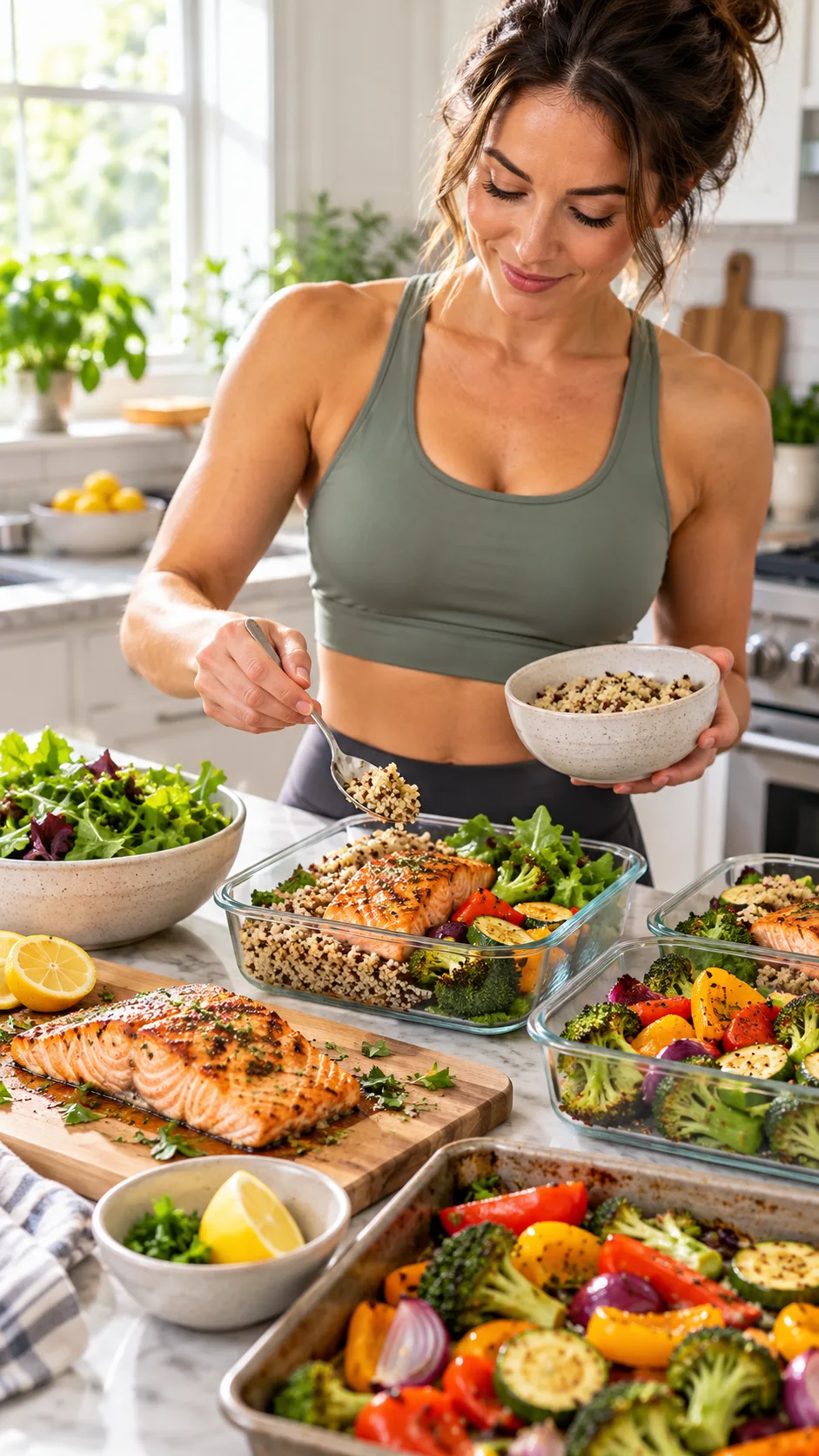
First, know which belly fat you want to lose
Your body stores fat beneath your skin and around your internal organs. You can pinch the first kind, known as subcutaneous fat. The second kind, visceral fat, sits deeper inside your abdomen.
Visceral fat matters because it links to higher risks of type 2 diabetes, heart disease, and other metabolic problems. The Centers for Disease Control and Prevention recommends gradual weight loss and healthy habits for long-term results.
You cannot tell your body to burn fat from your lower stomach first. Your genes, hormones, sex, age, stress, and sleep affect where fat comes off first. That can feel annoying. You can still control the habits that lower total body fat.
Measure progress beyond the scale
The scale gives you one useful number, but it cannot show where your body has changed. Water retention, digestion, menstrual cycles, salty meals, and strength training can all shift your weight from day to day.
Measure your waist once a week as well. Wrap a tape measure around your middle, just above your hip bones, after a normal exhale. Measure under the same conditions each time and write down the result.
- Measure your waist: Do it once a week, not 14 times before breakfast.
- Take front and side photos: Take them every four weeks in similar clothes and lighting.
- Track energy and hunger: Your diet should support your life, not take it over.
- Note strength gains: Stronger muscles help your body use more energy.
Why most belly fat diet plans fail
Most plans fail because they ask you to eat like a monk for five days, then leave you starving beside a family size pizza on Saturday. Extreme restriction creates extreme hunger. Hunger often wins.
Other plans push “healthy” foods while ignoring portions. Peanut butter, smoothies, granola, olive oil, nuts, and avocado provide nutrients, but calories still matter. Your body does not give you extra credit for eating too much organic almond butter.
Many people overlook liquid calories too. Sugary coffee drinks, alcohol, juice, fizzy drinks, creamy cocktails, and oversized smoothies can wipe out a calorie deficit without making you feel full.
The best diet for belly fat loss creates a modest calorie deficit that you can live with. Eat enough protein and fibre to stay satisfied, choose mostly whole foods, and leave room for ordinary life.
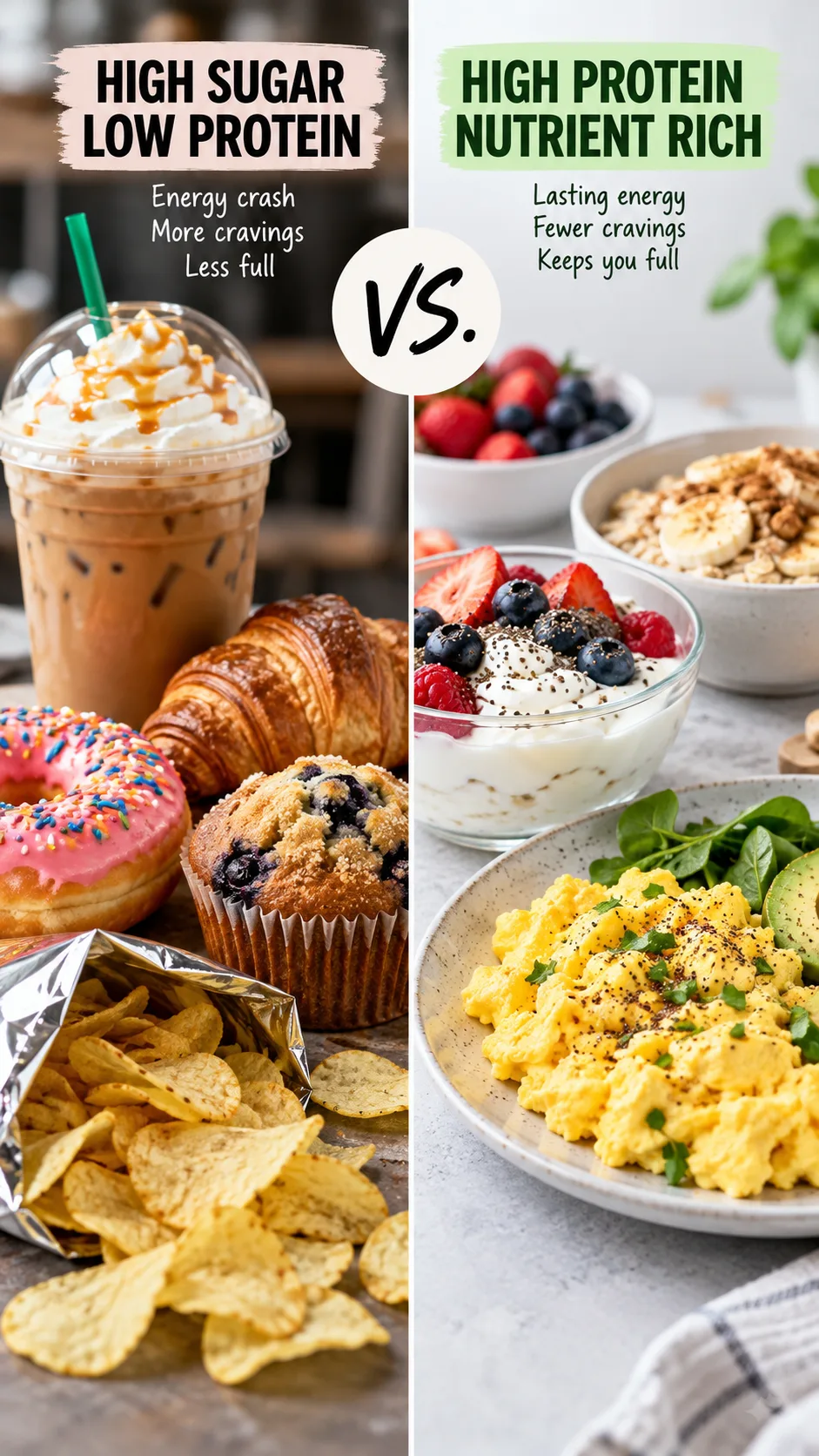
The belly fat loss diet plan: A simple formula
This plan uses a flexible plate method, so you do not need to weigh every spinach leaf forever. Calorie counting can help you learn portions, but visual portions can also help you make steady progress.
Build most meals around protein, vegetables or fruit, high-fibre carbs, and a measured source of healthy fat. That combination handles hunger better than plain cereal, which can send you back to the cupboard 45 minutes later.
1. Start every meal with protein
Protein helps you hold on to muscle while you lose weight, and it often keeps you full longer. Muscle supports your metabolism and helps you stay strong while you lose fat.
Many active adults do well with around 1.2 to 1.6 grams of protein per kilogram of body weight daily. Your age, activity, medical history, appetite, and goals can change that target. Speak with a registered dietitian or clinician if you want personal advice.
Include a protein source at breakfast, lunch, dinner, and snacks when you need them. A protein rich breakfast can make afternoon snack cravings much easier to handle.
- Eggs, egg whites, and omelettes with vegetables
- Greek yogurt, cottage cheese, or unsweetened soy yogurt
- Chicken, turkey, lean beef, fish, prawns, or tinned tuna
- Beans, lentils, chickpeas, tofu, tempeh, and edamame
- Protein powder when whole food choices do not fit your schedule
If you want more meal ideas, this high protein diet plan includes practical options that control hunger without making every meal dry chicken and sadness.
2. Fill half your plate with plants
Vegetables and fruit add volume, fibre, potassium, vitamins, and flavour without adding many calories. They help you make a filling meal without using up a full day’s energy at lunch.
Aim for at least two handfuls of non starchy vegetables at lunch and dinner. Eat berries, apples, oranges, bananas, or other fruit during the day.
Frozen vegetables count. Tinned vegetables count too, especially if you rinse off extra salt. You do not need yoga pants or a luxury health food shop budget to eat well.
3. Choose high-fibre carbs instead of cutting all carbs
Carbs do not cause belly fat by themselves. A calorie surplus, little activity, poor sleep, and heavily processed foods can lead to weight gain. Carbs often get blamed because people enjoy eating them.
Choose carbs that give you fibre and steady energy. The National Institute of Diabetes and Digestive and Kidney Diseases recommends paying attention to portions when managing weight.
- Oats, brown rice, quinoa, whole-grain bread, and whole-wheat pasta
- Potatoes or sweet potatoes with the skin when possible
- Beans, lentils, peas, and chickpeas
- Higher-fibre cereals with little added sugar
- Whole fruit instead of fruit juice
Use one cupped hand portion of cooked carbs at most meals, then adjust for your hunger, activity, and progress. People who train hard may need more. People who spend most of the day at a desk may prefer a little less.
4. Measure calorie-dense fats
Healthy fats support hormones, nutrient absorption, and satisfying meals. They still need a portion size.
Use one thumb sized portion of olive oil, nuts, seeds, avocado, cheese, or nut butter with a meal. A kitchen scale can help at first, especially when “a handful of nuts” turns into three handfuls during television.
Your daily belly fat loss meal template
You do not need a magic menu. You need meals you can make repeatedly and that suit your taste, culture, budget, and schedule.
Use this template on most days, then swap foods as you like. Repeating workable meals matters more than culinary perfection.
- Breakfast: Protein + fibre-rich carb + fruit or vegetables.
- Lunch: Protein + two fists of vegetables + one cupped hand of high-fibre carbs + measured fat.
- Snack: Protein or fruit when you feel genuine hunger.
- Dinner: Protein + vegetables + carbs based on activity and hunger + measured fat.
- Treats: Plan a portion a few times each week if you enjoy them.
A full day of meals for belly fat loss
Breakfast: Greek yogurt with berries, oats, chia seeds, and cinnamon. Add a boiled egg if you need a more filling breakfast.
Lunch: Chicken, tofu, or beans with brown rice, mixed salad, tomatoes, cucumber, roasted peppers, and a lemon olive oil dressing.
Snack: An apple with cottage cheese, a protein shake, or carrots with hummus. Choose the option that leaves you satisfied.
Dinner: Baked salmon, lean mince, lentil stew, or tofu stir fry with plenty of vegetables and a serving of potatoes, rice, or whole grain noodles.
Something sweet: A square or two of dark chocolate, fruit with yogurt, or a small bowl of popcorn. A planned treat can stop the “I ruined everything” spiral after one biscuit.
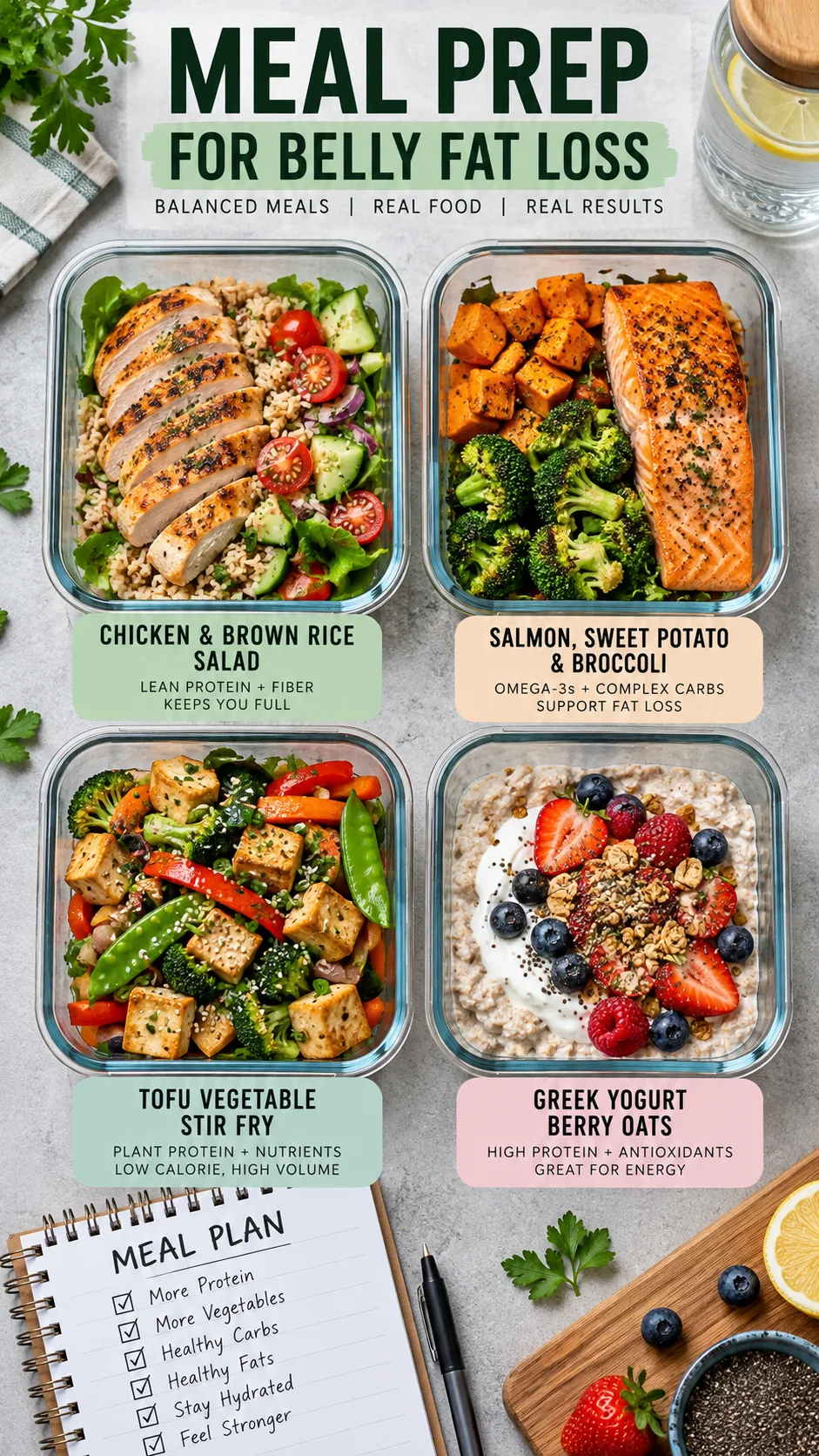
A 7-day belly fat loss menu you can follow
Use this sample plan as a starting point, not a food prison. Adjust portions for your body size, activity level, hunger, and medical needs.
Day 1
Eat eggs with spinach and whole grain toast for breakfast. Have chicken salad with chickpeas for lunch, then cook salmon, potatoes, and broccoli for dinner.
Day 2
Make overnight oats with Greek yogurt and berries. Choose a turkey or tofu wrap with a side salad for lunch, then eat bean chilli with rice and vegetables for dinner.
Day 3
Try cottage cheese, fruit, and oats for breakfast. Eat tuna, avocado, and mixed bean salad for lunch, then make a lean beef or lentil stir fry with vegetables and noodles for dinner.
Day 4
Have a vegetable omelette with fruit. Enjoy leftover chilli or stir fry at lunch, then make chicken, roasted vegetables, and quinoa for dinner.
Day 5
Blend a protein smoothie with milk, protein powder, berries, and spinach. Eat lentil soup with whole grain bread for lunch, then make fish tacos with cabbage slaw and black beans for dinner.
Day 6
Choose yogurt, banana, nuts, and cinnamon for breakfast. Make a rice bowl with tofu or chicken, vegetables, and edamame for lunch, then enjoy a homemade burger with salad and oven baked wedges for dinner.
Day 7
Eat scrambled eggs with tomatoes and toast. Have a large salad with leftover protein, beans, and a simple dressing for lunch, then make a family style roast with lean protein, vegetables, and potatoes for dinner.
Want meals with familiar West African ingredients? Check out these Nigerian foods for weight loss for satisfying choices that support your goals without asking you to eat bland imported “diet food.”
Foods to eat more often and foods to handle with care
No food needs a lifetime ban unless an allergy, medical condition, or personal choice calls for one. Some foods make a calorie deficit easier to maintain, while others make hunger and overeating more likely.
Eat more often
- Lean proteins: fish, poultry, eggs, tofu, beans, lentils, low-fat dairy, and lean meat.
- High-fibre plants: vegetables, fruit, beans, oats, potatoes, whole grains, and seeds.
- Simple drinks: water, sparkling water, unsweetened tea, and coffee with sensible additions.
- Healthy fats in measured portions: olive oil, avocado, nuts, seeds, and oily fish.
- Convenient staples: frozen vegetables, tinned beans, rotisserie chicken, and pre-washed salad.
Handle these with more awareness
- Alcohol, which adds calories and can lead to poorer food choices later.
- Sugary drinks, juice, energy drinks, and fancy coffees.
- Large restaurant portions and frequent takeaway meals.
- Ultra-processed snack foods that make mindless eating easier.
- “Healthy” desserts and smoothies that contain more calories than a full meal.
You do not need to fear these foods. Treat them as extras rather than the foundation of your daily diet. That approach keeps the plan realistic.
The habits that help belly fat loss move along
Food drives most fat loss, but daily habits determine whether you can keep the plan going. A perfect meal plan cannot make up for four hours of sleep, no movement, and weekend drinking that becomes an accidental buffet tour.
Walk more than you think you need to
Walking burns calories without hammering your recovery or making you ravenous. Start with your current average, then add 1,500 to 2,000 steps a day for two weeks.
Aim for 7,000 to 10,000 steps a day if your schedule and joints allow it. Walk after meals, take calls outside, park farther away, or pace during a podcast. Those small choices add up.
Lift weights two or three times weekly
Strength training helps you keep muscle while you lose fat. It can also improve your body shape, strength, confidence, and long-term health.
Focus on simple movements: squats or chair stands, hip hinges, rows, presses, lunges, and carries. The American College of Sports Medicine recommends regular aerobic activity and muscle strengthening work for adults.
Protect your sleep
Short sleep can raise hunger, cravings, and the urge to grab quick energy foods. You do not need a flawless bedtime routine involving lavender mist and a moon journal, but you do need enough sleep on most nights.
Set a regular bedtime, keep your room cool and dark, scroll less late at night, and avoid huge doses of caffeine late in the day. Aim for seven to nine hours when you can.
Manage stress without denying that it exists
Stress does not automatically cause belly fat, but it can lead to emotional eating, poor sleep, skipped workouts, and less movement. Those habits can slow your progress.
Choose one stress outlet you can repeat: walking, journaling, talking with a friend, stretching, prayer, therapy, music, or a hobby. You do not need to become a meditation guru. You need something that helps you reset.
How to create a calorie deficit without obsessing
Fat loss requires your body to use more energy than you eat over time. That does not mean you need to eat as little as possible. You need a manageable gap between what you eat and what you use.
For many people, cutting roughly 300 to 500 calories a day supports slow, steady progress. Your body size and activity affect the right amount, and a clinician or registered dietitian can help you set a personal target.
Try this for two weeks:
- Build meals with the plate template.
- Eat protein at every meal.
- Skip sugary drinks on most days.
- Measure oils, dressings, nuts, cheese, and spreads.
- Walk daily and strength train two or three times each week.
- Track your waist, body weight trend, and hunger.
If nothing changes after three to four consistent weeks, reduce one daily portion of calorie dense food or add more walking. Do not slash your intake because the scale jumps twice. Your body sometimes holds water. It does not plot against you.
Common belly fat loss mistakes that keep you stuck
You skip meals then overeat at night
Skipping meals works for some people, but it backfires for many others. When you reach dinner extremely hungry, you may eat past fullness before your brain catches up.
Try a protein rich breakfast or lunch instead. Regular meals can help you make calmer food decisions.
You eat healthy foods without watching portions
Healthy food supports your health, but it does not erase calories. Measure calorie dense extras for a few weeks, then learn what satisfying portions look like for you.
You expect fast results every week
Weight loss rarely moves in a straight line. You may lose quickly at first, stall during a stressful week, then make progress again later.
Watch your four week trend, waist measurement, clothes fit, and habits. Patience can feel dull, but it beats quitting every Monday.
You ignore medical factors
Thyroid conditions, polycystic ovary syndrome, menopause, medications, depression, injuries, and sleep apnea can affect weight management. These factors do not make progress impossible, but they can change the approach you need.
Talk with a healthcare professional if you struggle despite consistent habits, especially if you notice severe fatigue, menstrual changes, rapid weight changes, snoring, or other symptoms. You deserve help, not blame.
When to get extra help
Get personal medical advice before changing your diet if you live with diabetes, kidney disease, digestive conditions, an eating disorder history, pregnancy, or any condition that affects nutrition. A clinician can help you adapt this plan to your needs.
Some people also benefit from prescription weight management medicines. If your clinician prescribes a GLP-1 medication, pair it with protein, fibre, hydration, and smaller balanced meals. This GLP-1 meal plan can help you organise those meals.
Medication can support your efforts, but it cannot replace daily habits. Your meals, movement, sleep, and support system still matter a great deal. Pun intended.
The bottom line: A belly fat loss diet plan that lasts
The best diet plan for belly fat loss helps you eat fewer calories without feeling hungry all the time. Start with protein at every meal, eat plenty of vegetables and fruit, choose high-fibre carbs, measure fats, and reduce liquid calories.
Walk often, lift weights, sleep enough, and give the plan at least four steady weeks before judging it. You do not need perfection. You need a routine that still works when life gets busy, messy, and very snack shaped.
Start with your next meal. Build one balanced plate, take one walk, and do it again tomorrow. Your waistline does not need another miracle. It needs steady attention.