

Your liver just got labelled “fatty” on an ultrasound report, and now you’re staring at a Google search bar at 11pm wondering if you’ll ever eat bread again. Take a breath. Fatty liver disease is one of the most reversible chronic conditions out there, and food does most of the heavy lifting.
No pills required for most people. No juice cleanses. No $89 “liver detox” powder that smells like lawn clippings. Just real meals, in a pattern that gives your liver room to clean house.
Here’s what to eat, what to dodge, and how to put it on a plate this week.
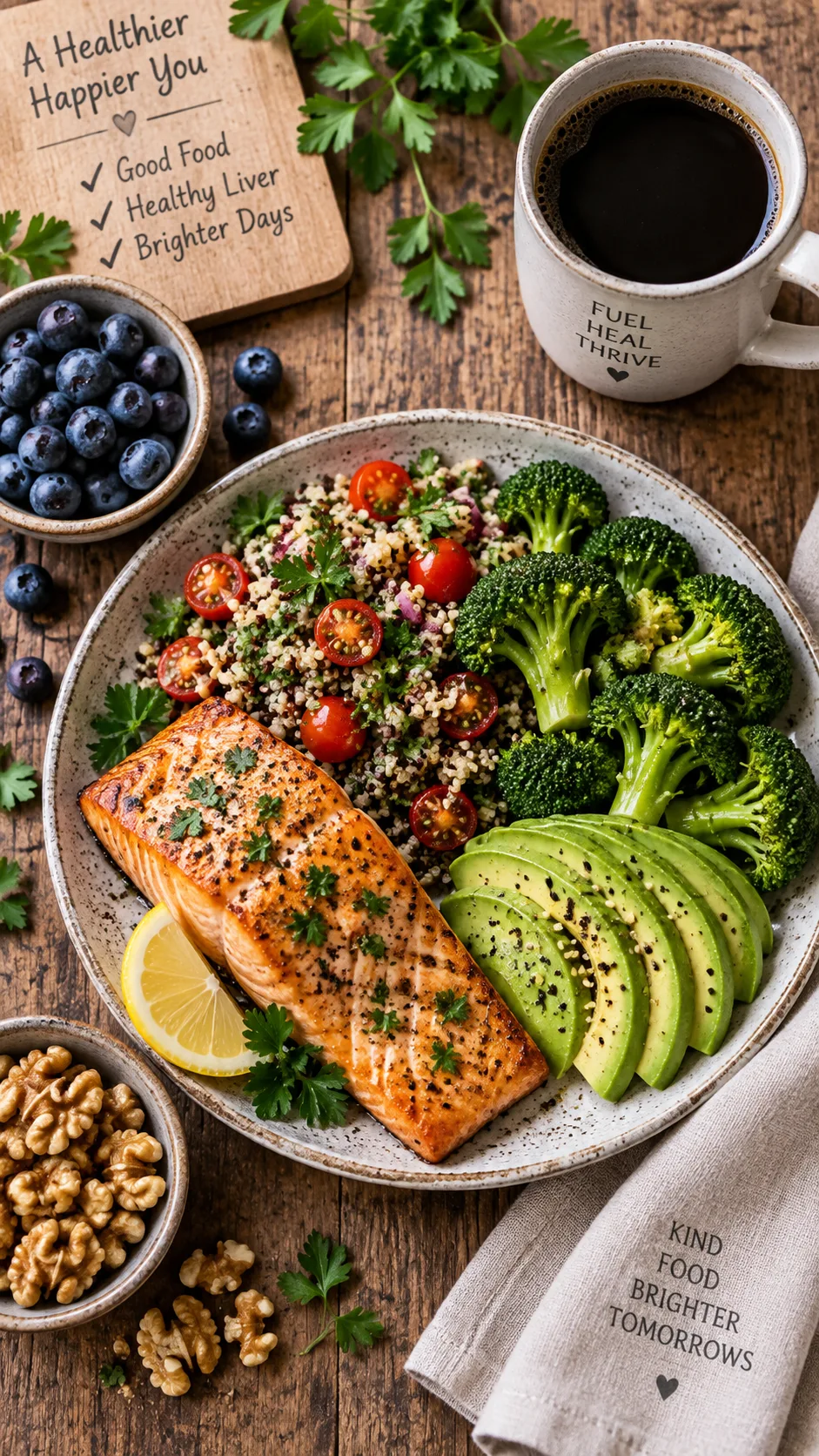
First, what’s happening in there?
Your liver stores a little fat normally. That’s fine. But when fat makes up more than 5% of your liver’s weight, doctors call it steatosis: the condition now known as MASLD (Metabolic Dysfunction-Associated Steatotic Liver Disease), which replaced the older term NAFLD in 2023.
Why the rename? Because researchers finally admitted the obvious: this isn’t a random liver problem. It’s a metabolic problem that shows up in your liver. Insulin resistance drives it. Excess calories feed it. And your liver, bless it, just keeps stockpiling triglycerides like a squirrel with anxiety.
The good news? Liver cells regenerate. Give them the right inputs and they will clear stored fat. Studies show fat content can drop measurably within 6 to 8 weeks of dietary change. That’s faster than most people expect.
The numbers that matter
- 3 to 5% body weight loss reduces liver fat
- 7 to 10% body weight loss improves inflammation and can reverse NASH/MASH
- 10%+ body weight loss may improve early fibrosis (scarring)
Read that again. You don’t need to lose 50 pounds. You need to lose a sensible amount, slowly, while eating food that doesn’t spike your insulin into orbit. The National Institute of Diabetes and Digestive and Kidney Diseases backs this up as first-line treatment.
The eating pattern with the most evidence behind it
Every major hepatology guideline points to the same place: the Mediterranean diet. Not because it’s trendy, but because it’s the only pattern with repeated clinical trials showing reduced liver fat, even when people didn’t lose weight.
Ever wondered why that is? It’s the combination. High monounsaturated fat, high fibre, low refined carbs, and a truckload of polyphenols. Your liver processes that mix without breaking a sweat.
The core framework
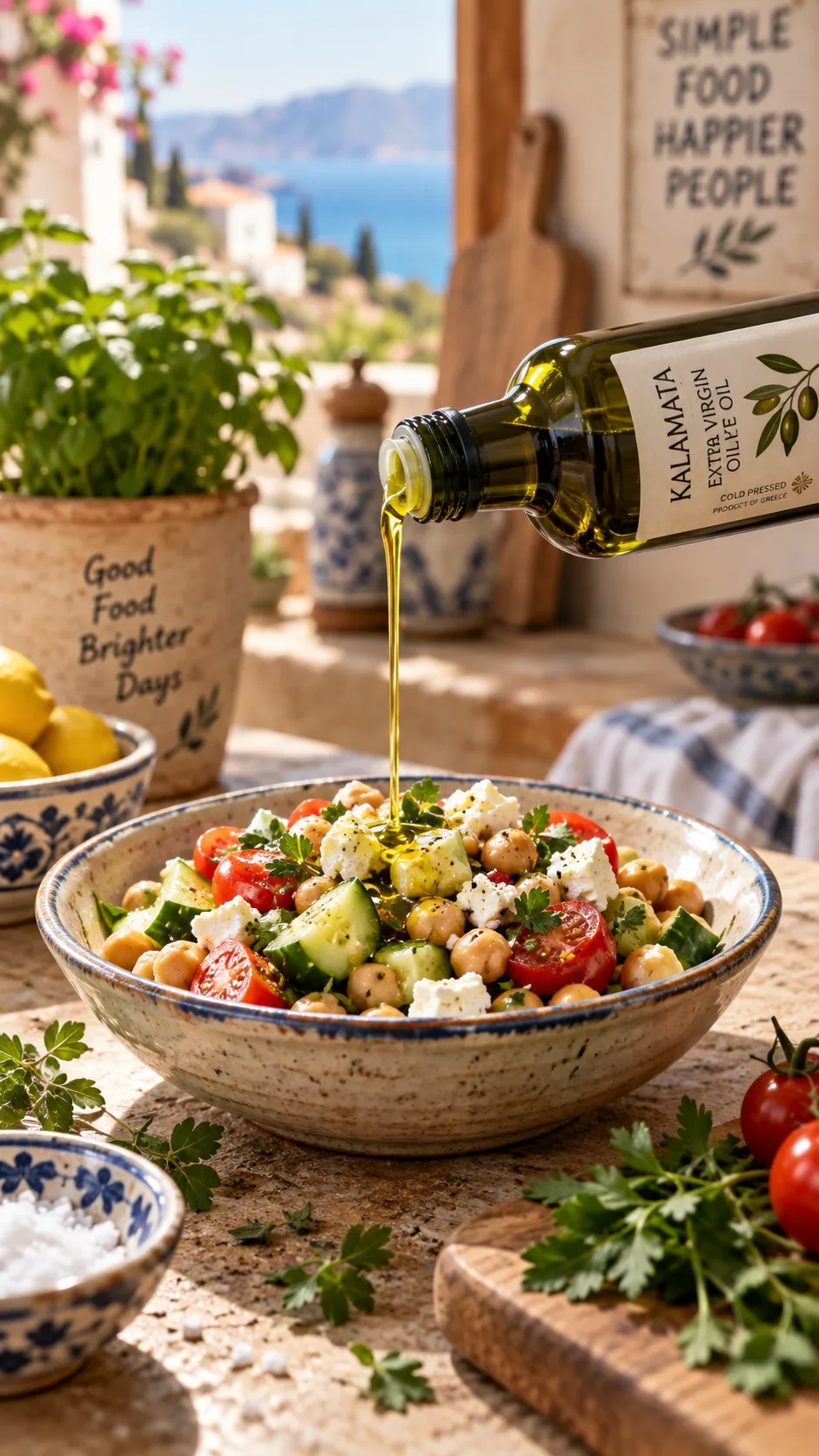
- Olive oil as your main fat. Two to four tablespoons daily. Extra virgin, not the “light” stuff.
- Fish twice a week minimum. Salmon, sardines, mackerel: the omega-3 crowd.
- Vegetables at every single meal. Yes, breakfast too. Spinach in eggs counts.
- Whole grains over refined. Oats, barley, quinoa, brown rice.
- Legumes three or four times weekly. Lentils, chickpeas, black beans.
- Nuts daily. A small handful. Walnuts are the liver’s favourite.
- Red meat rarely, processed meat basically never.
I’ll be honest. When a friend of mine got his diagnosis, he groaned at “Mediterranean diet” because he pictured sad salads. Six months later he was making garlic-lemon salmon with white beans and telling me it beat his old takeaway habit. His ALT dropped 40 points. Food that tastes good is food you’ll keep eating.
The foods doing real damage (sorry)
Let’s rip the plaster off. Some things genuinely make fatty liver worse, and cutting them matters more than adding any superfood.
1. Fructose, especially the liquid kind
Here’s the thing about fructose: your liver is the only organ that metabolises it in any real quantity. Glucose gets used by every cell in your body. Fructose goes straight to the liver, and when there’s too much, the liver converts it into fat. This process is called de novo lipogenesis, and sugary drinks crank it up hard.
Whole fruit? Totally fine. The fibre slows absorption and you’d have to eat a ridiculous amount to cause trouble. But soda, fruit juice, sweetened iced tea and energy drinks hit your liver like a fire hose.
2. Alcohol
Even “moderate” drinking complicates things when you already have liver fat. Most hepatologists recommend zero alcohol until your liver enzymes normalise. It isn’t forever for most people, but it’s non-negotiable during the healing phase. Your liver can’t clean fat and process ethanol at the same time, and it always prioritises the ethanol.
3. Refined carbs and ultra-processed food
- White bread, white rice, standard pasta
- Pastries, crackers, breakfast cereals
- Packaged snacks with an ingredient list longer than a receipt
- Anything containing high-fructose corn syrup
4. Deep-fried everything and trans fats
Repeatedly heated oils produce oxidised compounds that drive liver inflammation. Air-fry, roast, grill, pan-sear. Just stop deep-frying at home. Your extractor fan will thank you too.
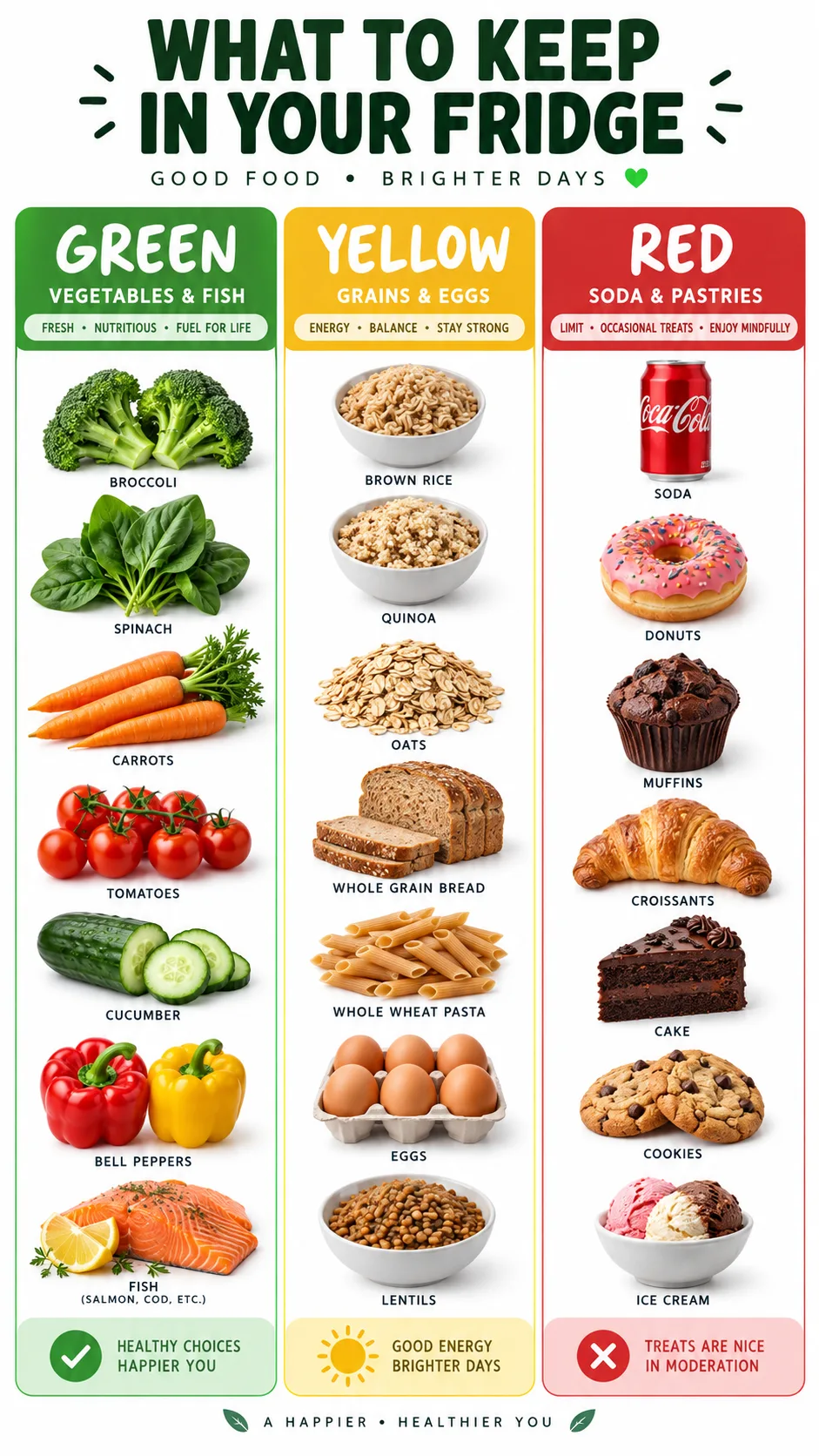
Your fatty liver food chart
Stick this on your fridge. Visual cues work better than willpower, every time.
Eat freely
- Leafy greens: spinach, kale, rocket, chard
- Cruciferous veg: broccoli, Brussels sprouts, cauliflower, cabbage
- Fatty fish: salmon, sardines, mackerel, herring, trout
- Legumes: lentils, chickpeas, black beans, edamame
- Berries: blueberries, strawberries, raspberries
- Nuts and seeds: walnuts, almonds, chia, flax
- Extra virgin olive oil
- Coffee (black, up to 3 cups, genuinely protective, more on this below)
- Garlic, turmeric, ginger, herbs
Eat in moderation
- Whole grains (oats, quinoa, barley, brown rice)
- Eggs: one or two daily is fine for most people
- Skinless poultry
- Greek yogurt and kefir (unsweetened)
- Whole fruit: two or three servings daily
- Dark chocolate 70%+ (small squares, not the slab)
Avoid or minimise
- Sugary drinks and fruit juice
- Alcohol
- Processed meats (bacon, salami, hot dogs)
- White bread, pastries, cakes, biscuits
- Fried food and fast food
- Added sugars in any disguise (agave, “organic cane juice,” honey in bulk)
Why coffee is your liver’s unexpected ally
Here’s a fact that makes people weirdly happy: coffee is consistently associated with lower liver fat, reduced fibrosis, and lower risk of cirrhosis. Multiple large cohort studies show this, and the effect appears dose-dependent up to about 3 cups daily.
The catch? Black coffee. Or with a splash of milk. The moment you add three pumps of caramel syrup and whipped cream, you’ve cancelled the benefit and added a fructose bomb. FYI, a large flavoured latte can carry more sugar than a can of cola.
Filtered coffee seems best. Unfiltered types like French press and Turkish coffee contain cafestol, which nudges LDL cholesterol up. If you’re also managing lipids, that matters; there’s more on that in this guide to high cholesterol diet mistakes.
A realistic 7-day meal framework
I’m not giving you a rigid day-by-day plan, because nobody follows those past Wednesday. Instead, here’s a repeatable formula you can mix and match.
Breakfast (pick one)
- Savoury oats: steel-cut oats, olive oil, wilted spinach, soft-boiled egg, black pepper
- Greek yogurt bowl: plain full-fat Greek yogurt, blueberries, walnuts, chia, cinnamon
- Veggie scramble: 2 eggs, mushrooms, tomatoes, spinach, cooked in olive oil
- Overnight oats: oats, kefir, ground flax, raspberries
Lunch (pick one)
- Mediterranean bowl: quinoa, chickpeas, cucumber, tomato, olives, feta, lemon-olive oil dressing
- Lentil soup plus a side salad and a slice of rye bread
- Tinned sardine salad: sardines, rocket, red onion, white beans, olive oil
- Leftover dinner protein over big greens (the most underrated lunch strategy)
Dinner (pick one)
- Baked salmon with roasted broccoli and a small sweet potato
- Chicken and vegetable traybake with olive oil, garlic, rosemary
- Turkey and vegetable chilli with black beans
- Prawn and courgette stir-fry with brown rice
- White bean and kale stew with tomatoes and thyme
Snacks
- Handful of walnuts or almonds
- Apple with a spoon of natural peanut butter
- Hummus with raw veg
- Hard-boiled egg
- Small bowl of berries
Meal prepping makes this stupidly easy. Cook protein in batches on Sunday and your weeknights sort themselves out. These healthy chicken meal prep recipes and ground turkey meal prep ideas fit the liver-friendly template almost perfectly.
Three easy recipes you’ll repeat
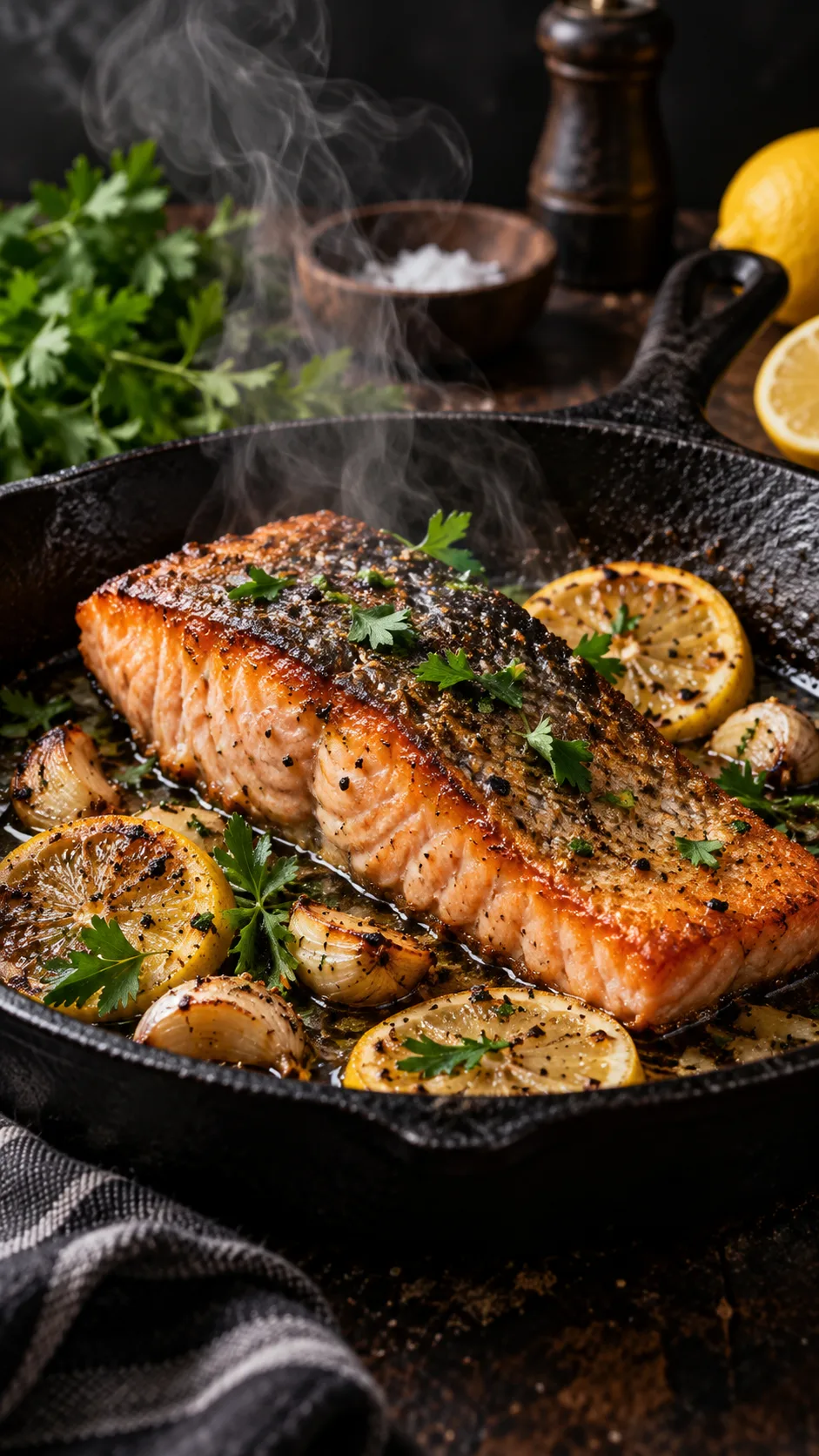
1. 15-minute garlic lemon salmon
Ingredients: 2 salmon fillets, 2 tbsp olive oil, 3 garlic cloves (minced), juice of 1 lemon, fresh parsley, salt, black pepper.
Method: Heat olive oil in a pan over medium-high. Season the salmon, place it skin-side down and cook 4 minutes. Flip, add garlic, cook 3 more minutes. Kill the heat, squeeze lemon over the top, scatter parsley. Serve with broccoli or a green salad.
Why it works: Omega-3s directly reduce hepatic triglyceride accumulation. Olive oil adds oleic acid. Total effort: minimal.
2. Liver-loving lentil and spinach soup
Ingredients: 1 cup red lentils, 1 onion, 2 carrots, 2 celery sticks, 3 garlic cloves, 1 tsp cumin, 1 tsp turmeric, 1L low-sodium vegetable stock, 2 big handfuls spinach, 2 tbsp olive oil, lemon.
Method: Soften the onion, carrot and celery in olive oil for 6 minutes. Add garlic and spices, stir 1 minute. Add lentils and stock, simmer 20 minutes. Stir in spinach until it wilts. Finish with lemon juice.
Why it works: Soluble fibre feeds gut bacteria that produce short-chain fatty acids, and gut health directly affects liver inflammation through the gut-liver axis. Makes 4 portions and freezes brilliantly.
3. Walnut-crusted chicken traybake
Ingredients: 4 chicken thighs (skinless), ½ cup crushed walnuts, 2 tbsp Dijon mustard, 1 courgette, 1 red pepper, 1 red onion, 2 tbsp olive oil, rosemary.
Method: Heat the oven to 200°C/400°F. Toss chopped veg with olive oil and rosemary on a tray. Brush the chicken with mustard, press crushed walnuts on top, place on the tray. Roast 30 to 35 minutes.
Why it works: Walnuts are the best plant source of ALA omega-3, and studies link walnut intake with improved liver enzyme levels. Plus one tray, one wash-up. Fewer dishes is a legitimate health strategy.
The habits that multiply your results
Time your eating
You don’t need extreme fasting. But a 12-hour overnight eating break (say, finishing dinner at 8pm and eating breakfast at 8am) lets your liver shift from storage mode to burn mode. Some trials on time-restricted eating show reduced liver fat independent of calorie changes.
Move your muscles
Exercise reduces liver fat even without weight loss. Why? Muscle pulls glucose out of your blood without needing insulin. Less insulin means less fat storage signalling in the liver.
- 150 minutes weekly of brisk walking, cycling or swimming
- Two or three resistance sessions weekly. People skip this part and they shouldn’t
- A 10-minute walk after dinner blunts post-meal glucose meaningfully
Sleep like it counts
Poor sleep worsens insulin resistance within days. Six hours a night undoes a lot of good eating. Not glamorous advice, but true.
Lose weight slowly
Crash dieting can worsen liver inflammation by flooding the liver with fatty acids. Aim for 0.5 to 1kg (1 to 2lb) per week. Slow and boring wins here.
What about supplements?
Short version: food first, supplements maybe. The evidence hierarchy looks like this:
- Vitamin E (800 IU/day) has the strongest evidence for non-diabetic adults with biopsy-confirmed MASH. It needs medical supervision, since high doses carry risks.
- Omega-3 (EPA/DHA) modestly reduces liver fat. Eating fish is better and cheaper.
- Vitamin D is worth correcting if you’re deficient. Don’t megadose hoping for magic.
- Milk thistle (silymarin) gives mixed results. It’s generally safe, but don’t bet your recovery on it.
- “Liver detox” blends belong in the bin. Some herbal products cause drug-induced liver injury.
Always run supplements past your doctor. Your liver metabolises everything you swallow, and that includes the stuff sold in a green bottle with a leaf on the label. The American Liver Foundation has solid consumer guidance on this.
Tracking progress (so you know it’s working)
Don’t rely on how you feel, because early fatty liver has almost no symptoms. Ask your doctor about these instead:
- ALT and AST: liver enzymes, usually the first to improve
- Fasting insulin and HbA1c: the metabolic root cause
- Triglycerides and HDL: your metabolic health snapshot
- FIB-4 score: a simple calculation estimating fibrosis risk
- FibroScan / transient elastography: measures stiffness and fat without a needle
Recheck at 3 and 6 months. Numbers moving in the right direction beat any scale reading for motivation.
Common mistakes I see constantly
- Swapping soda for fruit juice. Same fructose load, fancier packaging.
- Going ultra-low-fat. Low-fat products replace fat with sugar. Your liver hates that trade.
- Fearing all carbs. Lentils and oats aren’t the enemy. Croissants are.
- Buying “detox” teas. Your liver detoxes itself. That’s literally its job description.
- Quitting after two weeks. Liver fat clearance takes months, not days.
- Ignoring alcohol because “it’s only wine.” Ethanol is ethanol, IMO the biggest self-deception in this whole space.
The bottom line
Fatty liver disease responds to food better than almost any other chronic condition. That’s genuinely great news. You aren’t managing something permanent. You’re reversing something.
Cut the liquid sugar. Cut the alcohol. Build meals around vegetables, fish, legumes, olive oil and nuts. Move your body most days. Lose weight gradually. Recheck your bloods in three months.
That’s the entire protocol. No exotic ingredients, no subscription boxes, no misery. And if you’re juggling other conditions alongside this, patterns like the beginner-friendly keto approach can also lower liver fat, though the Mediterranean route has more long-term safety data behind it.
Your liver has been quietly covering for years of convenience food. Give it six months of decent input and it’ll surprise you. Start with dinner tonight: one salmon fillet, one tray of vegetables, one less excuse.
This article is educational and doesn’t replace personalised medical advice. Talk to your doctor or a registered dietitian before making significant dietary changes, especially if you take medication or have advanced liver disease.