

Your doctor said the words “cholesterol” and “let’s talk” in the same sentence, and now you’re here. Welcome. Pull up a chair.
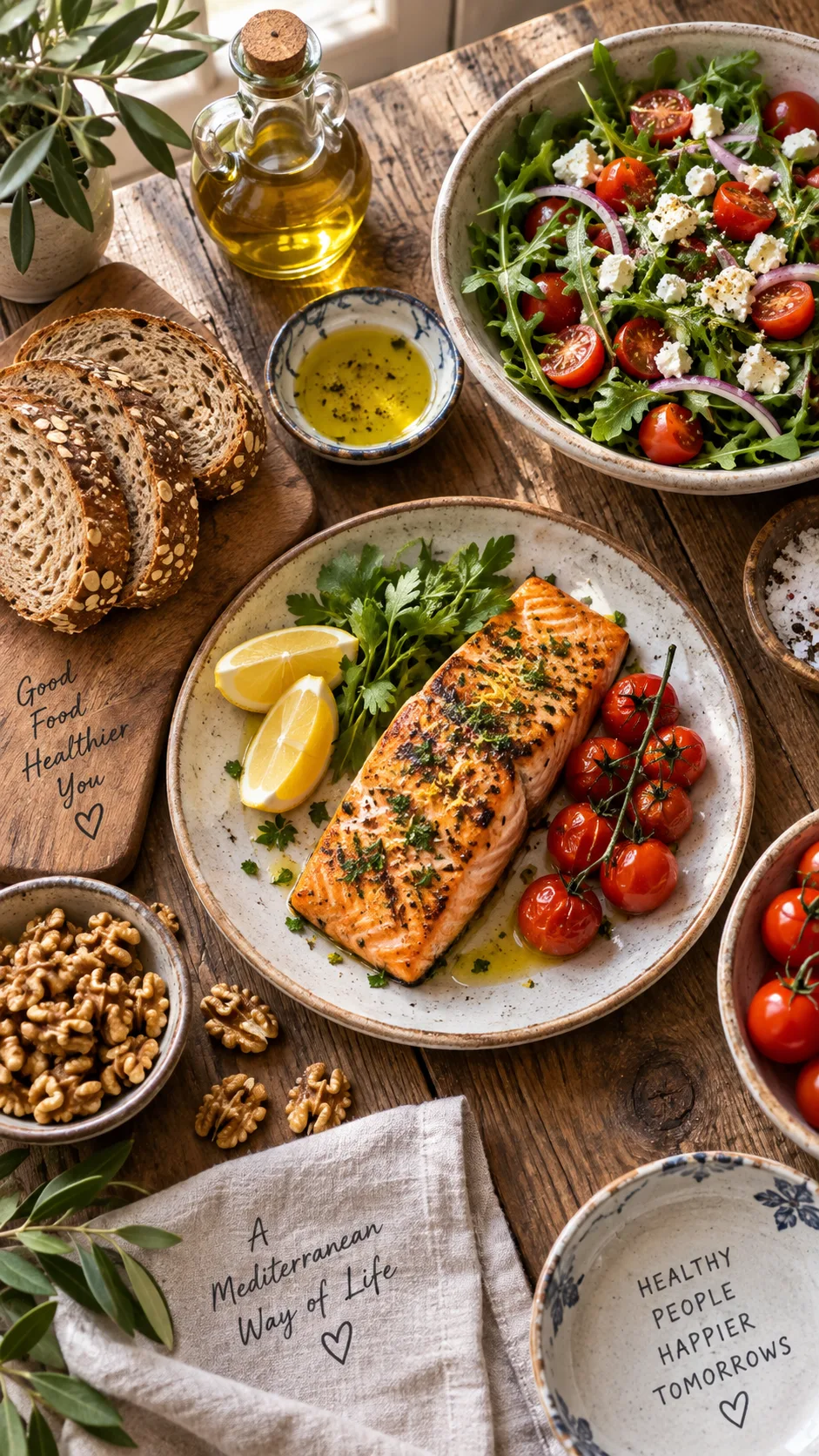
Here’s the good news I wish someone had told me years ago: a heart healthy diet is not a punishment. It doesn’t mean steamed broccoli and boiled chicken breast for the rest of your natural life. The food is genuinely good: olive oil, salmon, garlic, nuts, warm bread dipped in something delicious.
The problem isn’t the food. The problem is that most heart healthy eating plans read like a tax form and expect you to overhaul your entire kitchen by Tuesday. So you quit by Thursday. Sound familiar?
This guide fixes that. I’ll walk you through what matters, what doesn’t, and give you real meal ideas you’ll eat without gagging.
What a heart healthy diet means in plain English
Forget the jargon for a second. A heart healthy eating pattern does four things: it keeps your LDL cholesterol down, your blood pressure in a reasonable neighbourhood, your blood sugar stable, and your arteries less inflamed.
That’s it. Every rule you’ll read below serves one of those four goals. Once you understand the “why,” the “what” stops feeling arbitrary.
The American Heart Association boils it down to an eating pattern, not a list of superfoods. Nobody’s arteries got saved by a single acai bowl. Consistency wins.
The five things that move the needle most
- Swap saturated fat for unsaturated fat. Butter and fatty red meat step aside; olive oil, avocado, nuts and fish step up. This single swap does more for your LDL than almost anything else.
- Eat more fibre, especially soluble fibre. Oats, beans, lentils, apples, barley. Soluble fibre literally grabs cholesterol in your gut and escorts it out. Rude, but effective.
- Cut back on sodium. Most of it hides in packaged food, not your salt shaker. That “healthy” jar of pasta sauce is often a salt bomb.
- Ditch added sugar and refined carbs. Sugary drinks are the worst offender. Liquid sugar hits your bloodstream like a freight train.
- Eat fatty fish twice a week. Salmon, sardines, mackerel, trout. Omega-3s help with triglycerides and inflammation.
Notice what’s missing from that list? “Eliminate all fat.” “Never eat carbs again.” “Only eat things that taste like cardboard.” We moved past that decades ago.
Why most beginners quit in week two
I’ve watched friends start a heart healthy diet plan with the energy of someone training for the Olympics. They buy chia seeds. They download three apps. They throw out every snack in the house.
Twelve days later, they’re eating a family-size bag of crisps over the sink at 11pm. Why? Because they changed everything at once, and human willpower does not work that way.
My honest opinion after years of trial and error: slow, boring changes beat dramatic overhauls every single time. The plan you follow at 70% effort for five years destroys the plan you follow perfectly for nine days.
The three mistakes I see constantly
- Going low fat instead of smart fat. People cut fat, get hungry, then binge on low-fat snacks packed with sugar. Net result: worse.
- Making food joyless. If your dinner tastes like sadness, you will not repeat it. Season your food. Use garlic. Use lemon. Use real flavour.
- Ignoring breakfast and snacks. Dinner is usually the easy meal to fix. The 3pm vending machine run is where plans die.

The beginner framework: change one meal at a time
This is the structure I recommend to anyone starting from zero. Four weeks, one focus per week. You’ll barely notice the effort.
Week 1: fix breakfast only
Don’t touch lunch or dinner. Just breakfast. Swap the pastry or sugary cereal for something with fibre and protein.
- Overnight oats with berries, walnuts and a spoon of Greek yoghurt
- Two eggs on wholegrain toast with half an avocado
- Porridge cooked with milk, topped with banana and cinnamon
- Greek yoghurt bowl with chia seeds, almonds and blueberries
That’s the whole week. Ridiculously easy? That’s the point. Easy things get done.
Week 2: upgrade your fats
Now keep breakfast going and add one change: replace butter and processed oils with extra virgin olive oil. Cook with it, drizzle it, dress your salads with it.
The PREDIMED trial found that a Mediterranean diet supplemented with extra virgin olive oil or nuts cut major cardiovascular events compared with a low-fat diet. Olive oil isn’t a trend. It’s evidence.
Also this week: grab a bag of unsalted nuts and keep them in your bag or desk drawer. That solves the afternoon snack.
Week 3: rework dinner protein
Aim for two fish dinners, two plant-protein dinners, and the rest whatever you normally eat, just leaner. Chicken thigh instead of sausage. Lean mince instead of fatty mince.
Plant proteins that don’t taste like penance: lentil bolognese, chickpea curry, black bean tacos, white bean and tomato stew. Beans cost almost nothing too, which your wallet will notice.
Week 4: attack the sodium and sugar
Last week, and it’s the sneakiest one. Start reading labels on the things you buy every week: bread, sauces, soups, deli meat, ready meals.
- Aim for under 2,300mg of sodium daily, and ideally closer to 1,500mg if you have high blood pressure
- Swap sugary drinks for sparkling water with lime, which on its own can cut hundreds of calories a day
- Buy “no salt added” tinned beans and tomatoes, then season them yourself
Four weeks. Four changes. No drama. If you want a more structured approach focused on blood pressure, the DASH diet for beginners is basically this framework with more precise portion guidance. It’s clinically proven and easy to start.
A full week of heart healthy meal ideas
Here’s a week that a normal human with a job and a limited tolerance for cooking can pull off.
Monday
- Breakfast: Porridge with banana, cinnamon and a handful of walnuts
- Lunch: Tuna and white bean salad with olive oil, lemon, red onion and rocket
- Dinner: Baked salmon, roasted sweet potato, steamed green beans with garlic
- Snack: Apple with a tablespoon of natural peanut butter
Tuesday
- Breakfast: Greek yoghurt with berries, chia seeds and almonds
- Lunch: Leftover salmon in a wholegrain wrap with spinach and hummus
- Dinner: Lentil bolognese over wholewheat pasta, big side salad
- Snack: Small handful of unsalted pistachios
Wednesday
- Breakfast: Two scrambled eggs, wholegrain toast, sliced avocado, black pepper
- Lunch: Big grain bowl with quinoa, chickpeas, cucumber, tomato, feta and olive oil dressing
- Dinner: Chicken thighs roasted with lemon, olives and potatoes, plus broccoli
- Snack: Carrot sticks and hummus
Thursday
- Breakfast: Overnight oats with grated apple, cinnamon and flaxseed
- Lunch: Leftover roast chicken salad with mixed greens and a mustard vinaigrette
- Dinner: Chickpea and spinach curry with brown rice
- Snack: Orange and a few Brazil nuts
Friday
- Breakfast: Smoothie with spinach, frozen berries, banana, Greek yoghurt and oats
- Lunch: Leftover curry (curry is always better on day two, fight me)
- Dinner: Homemade pizza on a wholemeal base: tomato, mozzarella, peppers, olives, rocket
- Snack: Dark chocolate square (70%+) and a few almonds
Weekend
Keep it loose. Sardines on toast for Saturday breakfast if you’re brave. Grilled mackerel with a big Greek salad for one dinner. A proper roast for the other, with more vegetables than usual on the plate.
And yes, have the glass of wine, have the dessert. An eating pattern that allows pleasure is an eating pattern you’ll keep.
The grocery list that makes this automatic
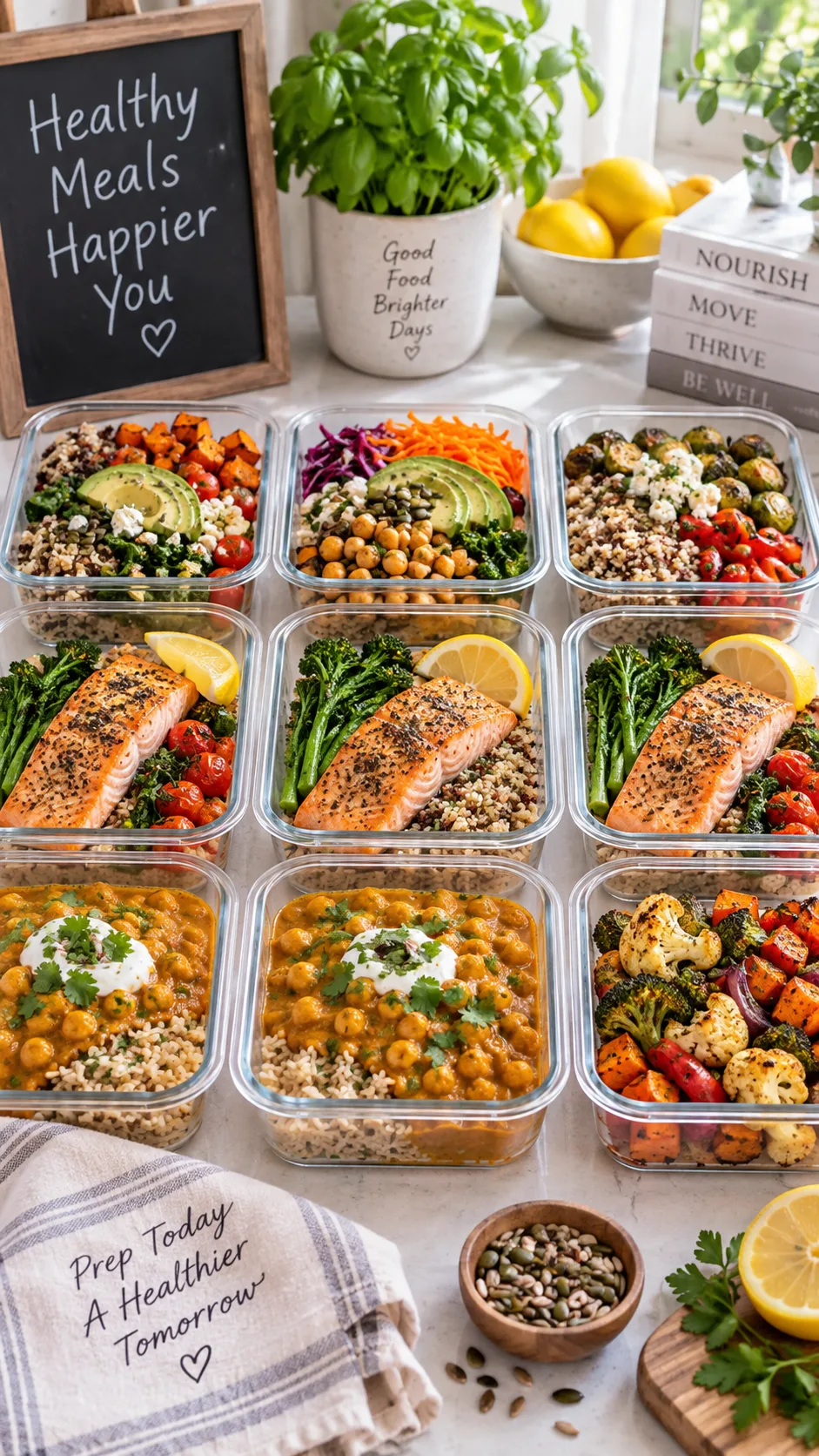
Half the battle is what lands in your trolley. Buy these and heart healthy cooking becomes the path of least resistance.
Always keep in the cupboard
- Extra virgin olive oil (get a decent one, you’ll taste the difference)
- Rolled oats, brown rice, quinoa, wholewheat pasta
- Tinned beans, chickpeas, lentils, tomatoes with no salt added
- Tinned salmon, sardines, tuna in olive oil
- Unsalted nuts, seeds, natural nut butter
- Garlic, onions, dried herbs, smoked paprika, chilli flakes, vinegars
Fridge and freezer staples
- Greek yoghurt, eggs, hard cheese for flavour (a little goes far)
- Frozen berries, frozen spinach, frozen peas: zero waste, full nutrition
- Frozen fish fillets (weeknight dinner in 15 minutes)
- Leafy greens, tomatoes, cucumbers, citrus, whatever’s in season
One trick I learned the hard way: buy pre-chopped frozen onions and garlic if chopping is the thing that stops you cooking. Nobody’s handing out medals for knife skills.
What to limit, not ban
I hate absolute rules, but a few things deserve the side-eye:
- Processed meat such as bacon, salami, hot dogs and deli meat. High sodium, high saturated fat, and researchers link it to higher cardiovascular risk. Occasional, not daily.
- Sugar-sweetened drinks, the easiest high-impact cut most people can make.
- Deep-fried and ultra-processed foods, usually a pile-up of refined carbs, low-quality fat and sodium.
- Excess alcohol, which raises blood pressure and triglycerides. Moderation genuinely matters here.
The Mayo Clinic’s heart healthy diet guidance gives you a solid, non-hysterical clinical breakdown. Worth a bookmark.
Watch this before you start
If you’d rather hear a cardiologist explain the fundamentals than read another list, this primer on eating for heart health does the job:
Movement multiplies everything
Diet does the heavy lifting, but exercise makes the results stick, and it improves HDL cholesterol, blood pressure and insulin sensitivity in ways food alone can’t.
The CDC recommends 150 minutes of moderate activity per week. That’s 30 minutes, five days. A brisk walk counts.
If you want somewhere gentle to begin, a walk-to-run plan is the least intimidating entry point I know, because you literally start by walking. Prefer weights? A simple beginner gym plan two or three days a week pairs well with this way of eating.

How to know it’s working
You won’t feel your LDL dropping. That’s the frustrating part. So track the things you can see:
- Get baseline bloodwork now. Total cholesterol, LDL, HDL, triglycerides. Recheck in 3 months. Numbers motivate.
- Check blood pressure at home. A cheap cuff gives you feedback within weeks, especially if you’re cutting sodium.
- Notice energy and digestion. More fibre and less ultra-processed food usually shows up here first.
- Track consistency, not perfection. Count how many days out of seven you hit your plan. Aim for five. That’s a win.
Realistic timeline? Meaningful LDL changes usually take 6 to 12 weeks of consistent eating. Blood pressure can respond faster. You’ll need patience here, I’m afraid.
Common questions beginners ask
Do I have to give up red meat entirely?
No. Choose leaner cuts, keep portions moderate, and treat it as a couple of times a week rather than daily. Processed red meat is the bigger concern.
Are eggs off-limits?
For most people, no. Dietary cholesterol affects your blood cholesterol far less than saturated fat does. If you have diabetes or existing heart disease, ask your doctor about your specific situation.
What about low carb or keto?
Some people see improvements in triglycerides and blood sugar. But the fat sources matter enormously. A keto diet built on bacon and butter is a different animal from one built on fish, olive oil and avocado. If you’re curious, read a sensible beginner’s keto breakdown first and talk to your doctor, especially if you take statins.
Is coffee bad for my heart?
Moderate coffee drinking looks neutral to slightly beneficial in most large studies. The problem is usually what you put in it. Three pumps of syrup isn’t coffee anymore, in my view.
The bottom line
A heart healthy diet plan succeeds when it’s boring, repeatable and genuinely enjoyable. Not when it’s impressive.
Remember the core moves: better fats, more fibre, less sodium, less added sugar, fish twice a week. Build it one meal at a time over four weeks instead of detonating your kitchen on day one.
Your heart doesn’t care about your motivation on Monday. It cares about what you ate on an average, unremarkable Wednesday in March.
Start tomorrow with breakfast. Just breakfast. Then let it snowball. Your arteries play a long game, and so should you.